
Table of Contents
- Why Seizure First Aid Training Matters for Healthcare Professionals
- Signs and Symptoms of an Active Seizure
- Step-by-Step First Aid Response During a Seizure
- Critical Actions to Avoid During Seizure Episodes
- Post-Seizure Care and Recovery Position
- When to Call Emergency Services and What Information to Provide
- Workplace Preparation: Creating Seizure-Safe Environments
- Get Certified in Comprehensive First Aid and Emergency Response
- Frequently Asked Questions (FAQ)
Why Seizure First Aid Training Matters for Healthcare Professionals
Seizures are medical emergencies that demand immediate, confident response. As healthcare professionals, nurses, dentists, and EMS personnel across California face situations where proper first aid can prevent secondary injuries and complications. Whether you work in emergency departments, clinical offices, or field settings, knowing how to respond when someone experiences a seizure is essential for patient safety and professional competency.
Seizure first aid differs significantly from other emergency interventions. Most people think they need to prevent movement or force something into the mouth, but evidence-based protocols tell us otherwise. We emphasize practical, step-by-step techniques that protect the person and reduce panic in bystanders. Healthcare professionals who receive proper seizure first aid training report greater confidence in their ability to manage these episodes effectively.
Your licensing requirements and employer mandates likely include emergency response training. Comprehensive certification ensures you meet these obligations while gaining skills applicable across patient populations. From pediatric cases to adults with chronic seizure disorders, the fundamentals of seizure management remain consistent and learnable.
Signs and Symptoms of an Active Seizure
Recognizing a seizure in progress is your first critical step. Seizures manifest differently depending on the type and individual factors, but certain indicators appear consistently across presentations.
Generalized tonic-clonic seizures, the most visible type, involve several distinct phases. The person may cry out suddenly, then their body becomes rigid (tonic phase) for several seconds. Muscle rigidity is followed by rhythmic jerking movements (clonic phase) lasting from seconds to a minute or more. During this time, the person loses consciousness and may experience involuntary urination or defecation.
Focal seizures present differently and vary based on brain region affected. The person may experience localized muscle twitching in one limb, repetitive movements like lip smacking or hand automatisms, or altered awareness without full loss of consciousness. Some individuals report an aura or warning sign moments before seizure onset, such as unusual sensations, smells, or visual disturbances.
Additional signs during active seizures include:
- Sudden loss of consciousness or awareness
- Muscle stiffness followed by jerking or convulsing
- Rapid eye movement or eyes rolling upward
- Difficulty breathing or making unusual sounds
- Possible frothing at the mouth due to oral secretions
- Confusion or blank staring (in absence or focal seizures)
- Rapid heart rate and temporary breathing changes
The duration varies widely. Most seizures last under two minutes, though prolonged seizures (status epilepticus) lasting more than five minutes constitute a medical emergency requiring immediate 911 activation. Learning to recognize these patterns prepares you to intervene effectively whether you’re in a Sacramento clinic, a San Jose emergency department, or a community setting in Fresno or Vallejo.
Step-by-Step First Aid Response During a Seizure
Your immediate actions during a seizure directly impact the person’s safety and recovery. We recommend following these sequential steps based on established emergency response protocols.
Ensure scene safety first. Remove nearby hazards and objects that could cause injury. Move furniture or equipment out of the immediate area. If the seizure occurs in a location with environmental dangers, carefully relocate the person to a safer spot, but only if possible without additional risk.
Lower the person to the ground if they’re standing. This prevents falls from height and protects the head from striking hard surfaces. Gently guide them down, supporting their head if time permits.
Turn the person onto their side. Once they’re down, gently roll them into the recovery position (discussed in detail below). This critical step keeps the airway open and allows secretions to drain naturally, preventing aspiration. Never restrict movement or try to hold the person down.
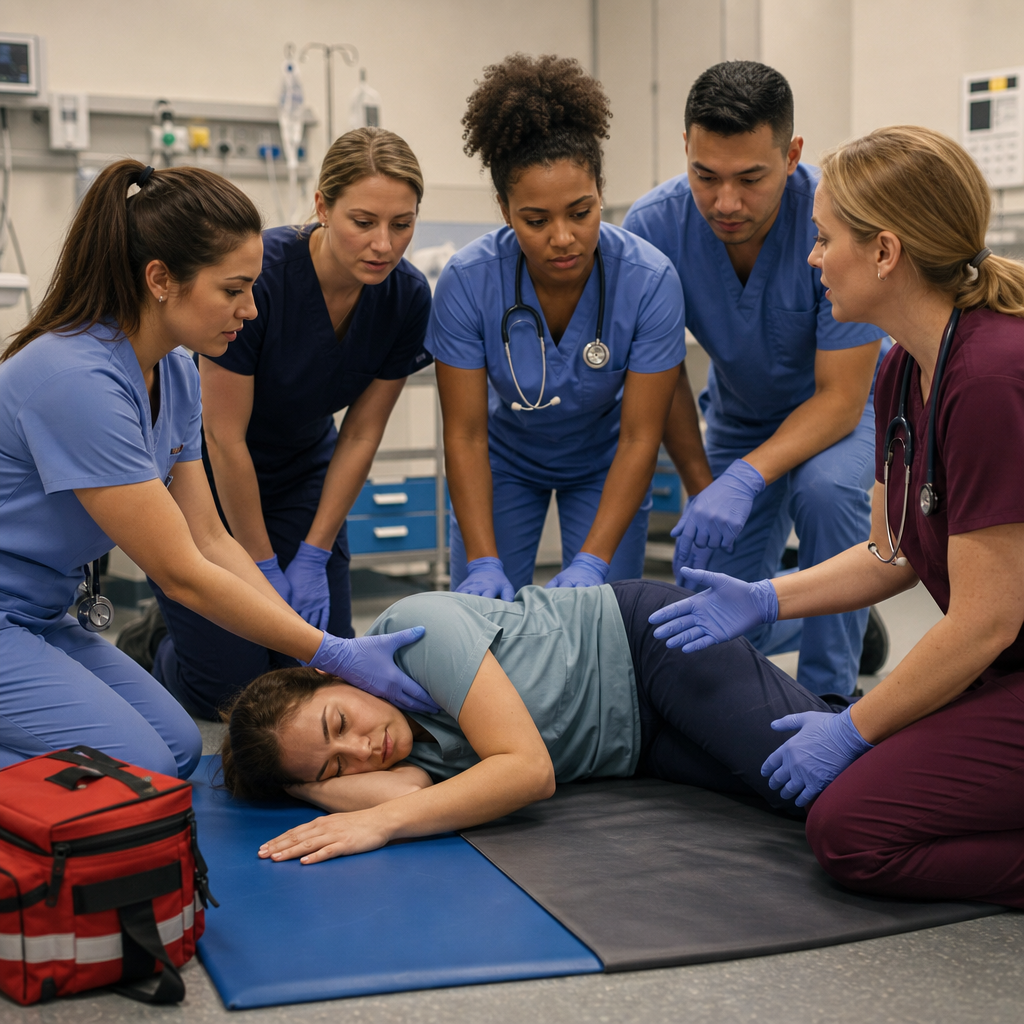
Protect the head and neck. Place something soft, like a jacket or cushion, under the head if available. Avoid placing anything hard or firm beneath the head, as this increases injury risk during jerking movements.
Time the seizure. Note when it begins if possible. Duration information helps medical professionals assess severity and determine treatment needs, particularly if the seizure extends beyond five minutes.
Stay with the person throughout. Your presence provides reassurance and allows you to monitor their condition. Speak calmly and avoid sudden movements or loud noises that might startle them as consciousness returns.
Clear the airway after jerking stops. Once the seizure ends, check the mouth for any obstructions. Remove dentures, large food particles, or other objects blocking the airway. Clear secretions with your finger swept along the cheek if needed.
These actions work together to minimize injury and support safe recovery. Healthcare professionals in Berkeley, Fremont, San Francisco, and across California benefit from regular refresher training to keep these steps automatic and reflexive.
Critical Actions to Avoid During Seizure Episodes
Understanding what not to do is equally important as knowing proper response steps. Common misconceptions can inadvertently cause harm.
Never force objects into the mouth. This outdated myth persists despite clear evidence against it. Inserting padded spoons, tongue depressors, or fingers damages teeth, causes mouth injuries, and increases aspiration risk. The person cannot swallow their tongue during a seizure, so this intervention serves no purpose.
Avoid restraining or holding the person down. Seizure movement is involuntary muscle contraction that cannot be stopped by external force. Attempting to restrict movement can cause muscular injuries, broken bones, or increased psychological distress. Allow the seizure to run its course naturally.
Do not leave the person alone. Even brief seizures require monitoring, and conditions can change rapidly. Remaining present demonstrates professional care and enables quick response if complications arise.
Never put your fingers or objects near the teeth. Even unintentionally, jerking movements can cause bite injuries to caregivers. Safe distance protects you and the person experiencing the seizure.
Avoid tilting the head backward or forcing it in any direction. The head and neck should remain in neutral alignment. Forced positioning risks airway obstruction and spinal injury, particularly in unknown trauma cases.
Do not attempt mouth-to-mouth resuscitation during the seizure. Breathing typically resumes on its own once muscle rigidity ends. Early CPR is not indicated unless the person remains unresponsive and non-breathing beyond the immediate post-seizure period. Staff in Bakersfield, Sacramento, and Stockton clinics often encounter these situations, making clarity on this distinction essential for proper care.
Post-Seizure Care and Recovery Position
The minutes immediately following seizure cessation determine how well the person recovers and how safely we prevent secondary complications.
Recovery position is your most important post-seizure intervention. Immediately after the person stops jerking, roll them onto their side. This position keeps the airway open and allows saliva, mucus, and any vomit to drain from the mouth rather than entering the lungs. Head position should remain neutral; tilt it slightly backward to open the airway but avoid extreme positioning.
During this recovery phase, the person often experiences confusion, drowsiness, or disorientation. They may not remember the seizure or events leading up to it. Provide reassuring verbal orientation, speaking calmly and explaining what happened. Reorientation reduces fear and helps ground them as consciousness fully returns.
Check breathing and circulation while in recovery position. Respiratory rate typically normalizes within seconds to minutes post-seizure. If breathing remains abnormal or absent beyond a brief pause, activate emergency services immediately. Pulse should return to normal range as the person regains consciousness.
Monitor for aspiration risks. Watch for coughing, difficulty swallowing, or unusual respiratory sounds. If aspiration is suspected, notify emergency personnel immediately.
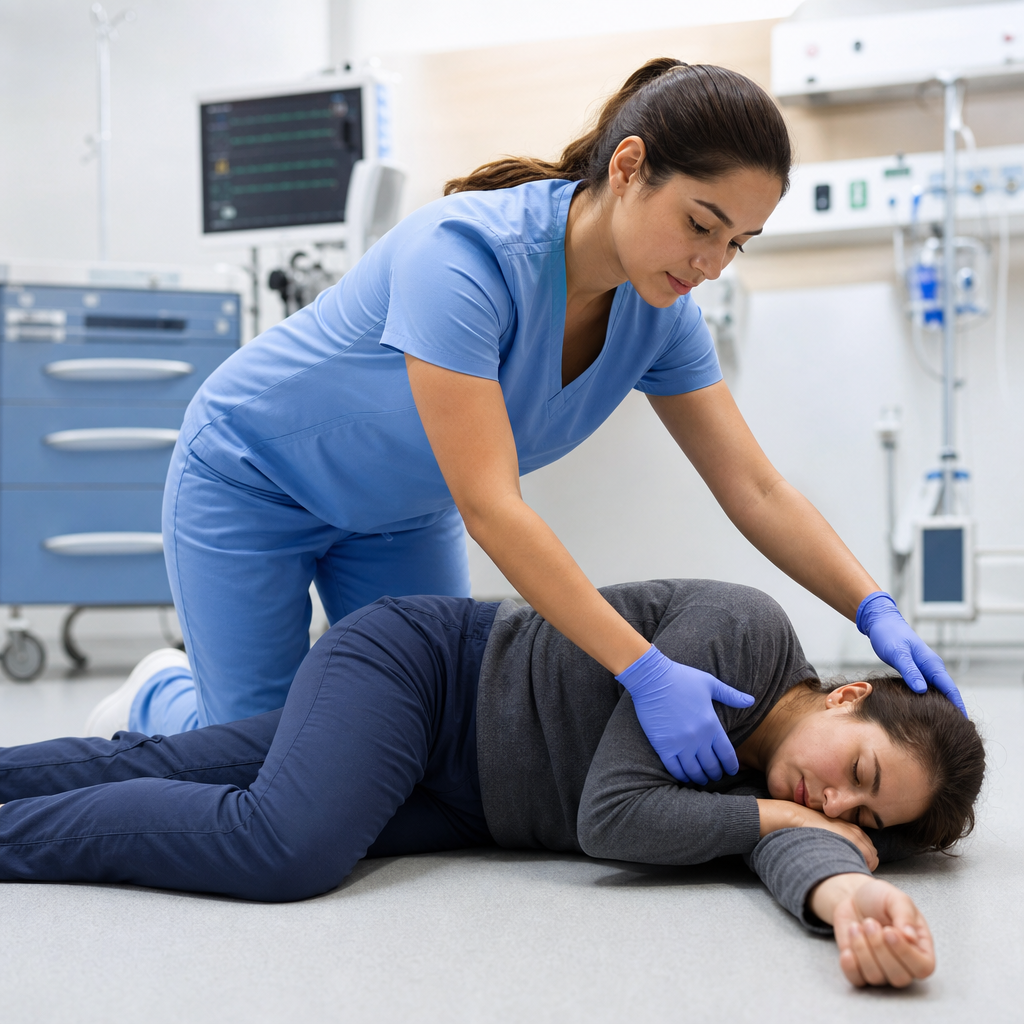
Prevent injury from confused or disoriented behavior. Sometimes people attempt to stand or move before fully conscious. Gently guide them to remain on their side until full awareness returns, which typically takes 5 to 30 minutes depending on seizure type and individual factors.
Keep the person warm and comfortable. The post-seizure period involves physical exertion and fatigue. A blanket or jacket helps maintain body temperature during recovery. Healthcare teams in Oakland, San Jose, and Fresno recognize that comfort measures support emotional recovery alongside physical stabilization.
When to Call Emergency Services and What Information to Provide
Determining when a seizure requires emergency intervention demands sound judgment. Not every seizure needs 911 activation, but several situations absolutely require immediate EMS response.
Call 911 immediately if any of these conditions apply:
- The seizure lasts longer than five minutes
- Multiple seizures occur without full consciousness between them (status epilepticus)
- This is the person’s first known seizure
- Seizure occurs during pregnancy
- The person has a head, neck, or spinal injury
- Signs of aspiration or difficulty breathing persist after the seizure
- Consciousness doesn’t return within 30 minutes
- Injury occurred during the seizure requiring medical evaluation
- The person is known diabetic or has other serious medical conditions
- You have any uncertainty about safe management
When you activate emergency services, provide specific information that helps responders prepare:
Share seizure duration and characteristics. Example: “Generalized tonic-clonic seizure lasting approximately three minutes with jerking movements throughout.”
Report the person’s seizure history if known. “They have a diagnosis of epilepsy and experienced a seizure similar to past episodes.”
Describe current status clearly. “The person is in recovery position, breathing normally, gradually regaining consciousness.”
Provide medication information. “They take levetiracetam and phenytoin daily for seizure management.”
Report any injuries. “The person hit their head against the desk during the seizure; minor bleeding from the forehead.”
Mention environmental details. “The seizure began without warning while they were seated at their desk.”
Clear communication ensures paramedics arrive prepared for the level of care needed. Professionals working in Concord, Palo Alto, and San Mateo clinics develop these communication skills through proper certification and ongoing practice.
Workplace Preparation: Creating Seizure-Safe Environments
Prevention through environmental preparation reduces seizure-related injuries and supports employees or patients with known seizure disorders.
Identify staff likely to encounter seizures. In clinical settings across Hayward, Modesto, and Redwood City, designate team members who will be first responders. Ensure all designated staff complete comprehensive first aid certification covering seizure management.
Stock seizure emergency supplies. Maintain accessible kits containing soft padding for head protection, blankets for post-seizure comfort, and potentially a seizure action plan template for documented cases. Some workplaces also keep seizure safety equipment like helmet padding or floor mats in high-risk areas.
Develop seizure action plans for known employees or patients. These written protocols specify individual response steps, medication locations, emergency contacts, and any special considerations. Post these plans where all staff can access them quickly during emergencies.
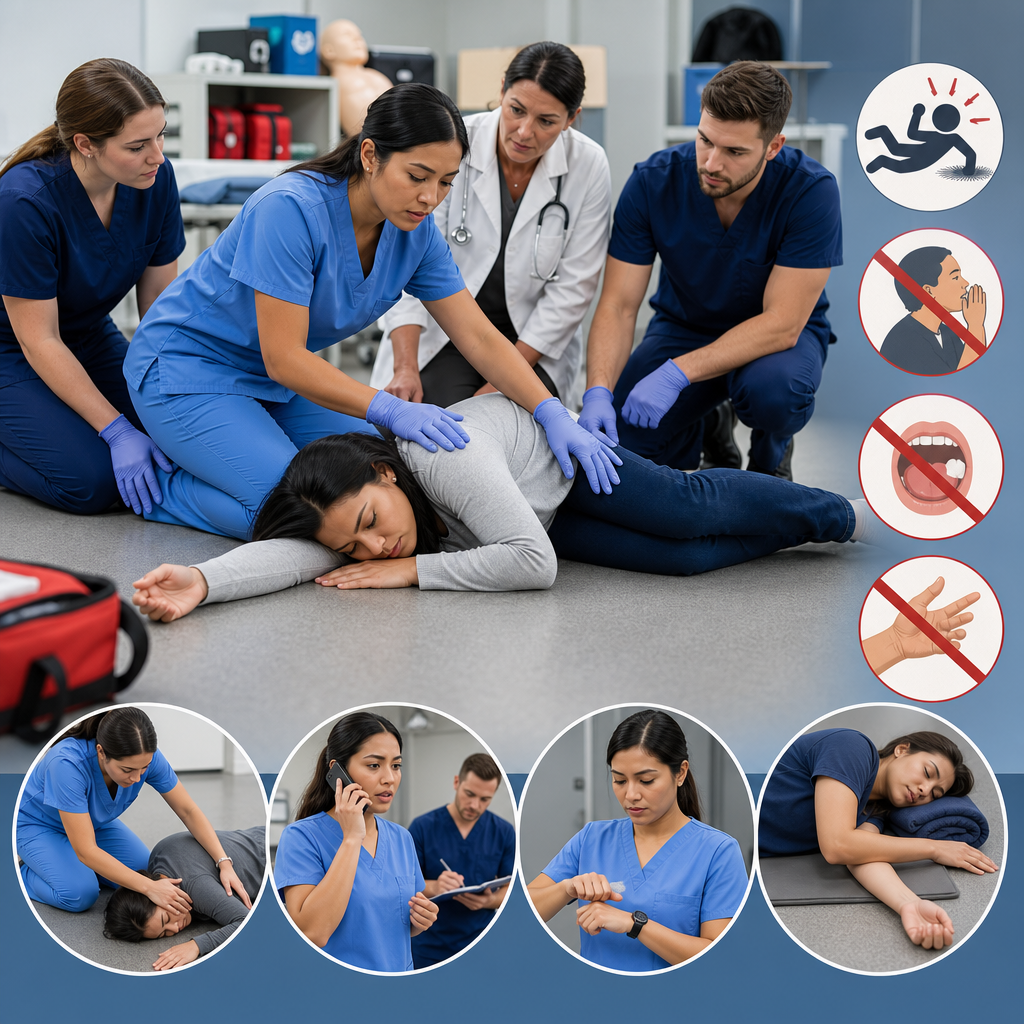
Train staff regularly on seizure response. Annual refresher sessions ensure protocols remain fresh and team confidence stays high. Use real-scenario practice drills to test procedure effectiveness and identify improvement areas.
Reduce environmental seizure triggers where possible. While most seizures result from neurology rather than environment, some individuals experience triggered episodes. Manage flashing lights, extended screen time, and stressful conditions when feasible. Consult with employees about their known triggers.
Create a culture of seizure awareness. Educate staff about seizure misconceptions and address stigma. When team members understand seizures are medical events, not behavioral issues, they respond with appropriate seriousness and compassion. Organizations in Santa Rosa, Vallejo, and Redding benefit from this cultural foundation.
Ensure staff familiarity with emergency procedures. Conduct quarterly reviews of where emergency contact information is posted, how to access seizure action plans, and what individual roles entail during medical events.
Get Certified in Comprehensive First Aid and Emergency Response
Seizure first aid represents one component of essential emergency response training. Our comprehensive certification programs prepare you for diverse medical emergencies beyond seizure management alone.
We offer CPR and BLS Certification courses throughout California, including locations in Alameda, Antioch, Chico, Davis, Dublin, and Fresno. These certifications cover seizure response alongside cardiopulmonary resuscitation, choking management, and other life-saving interventions. Our blended learning approach combines online foundational material with hands-on practice sessions where you work with instructors to perfect physical skills.
Our specialized healthcare provider certifications include ACLS (Advanced Cardiovascular Life Support) and PALS (Pediatric Advanced Life Support), which integrate seizure management into broader emergency protocols specific to adult and pediatric patients. These courses help nurses, dentists, and EMS personnel meet professional licensing and workplace compliance requirements while gaining practical confidence.
We maintain over 100 training locations across California, from Lathrop and Lodi to Campbell and Walnut Creek. This extensive network means you can schedule training near your workplace or home, fitting certification into busy professional schedules. Our low-price guarantee ensures you access affordable, quality instruction without sacrificing credentials.
Daily class availability provides flexibility for busy healthcare professionals. Whether you need initial certification or annual renewal, scheduling a convenient time is straightforward. Our experienced instructors bring real-world emergency response background, making training directly applicable to your clinical or field work.
Your competence in seizure first aid and broader emergency response builds patient trust and professional credibility. Start by scheduling a certification course in your nearest California location today. This investment in your skills directly translates to safer patient outcomes and peace of mind knowing you can respond confidently when emergencies arise.
Register for a class today.
Frequently Asked Questions (FAQ)
What seizure first aid training do we offer?
We provide comprehensive first aid certification courses that include seizure emergency response as part of our curriculum. Our blended learning approach combines virtual instruction with in-person skills sessions, allowing you to learn proper seizure management techniques and practice real-world response scenarios at one of our 100+ training locations throughout California.
Why should healthcare professionals get certified in seizure first aid through us?
We understand that nurses, dentists, and EMS personnel need reliable, up-to-date training to meet licensing requirements and protect patients in emergencies. Our certified instructors teach evidence-based seizure care protocols that prepare you to respond confidently when someone experiences a seizure, and we offer daily courses with guaranteed low pricing to fit your schedule and budget.
How quickly can we get me certified if I need seizure first aid training?
We offer BLS and comprehensive first aid certification courses daily at locations convenient to you across California. We can typically schedule your in-person skills session within days, and our flexible blended format means you can complete online learning on your own timeline before coming in for hands-on instruction.