
Table of Contents
- The Challenge: Meeting California Nursing Board Certification Requirements
- Why CPR and BLS Matter for Your License Renewal
- How We Meet California Nursing Board Standards
- Our Blended Learning Approach for Busy Healthcare Professionals
- Fast Certification: Same-Day Cards at Over 100 California Locations
- Our Low-Price Guarantee and Flexible Scheduling Options
- What Sets Our Training Apart for Nurses
- How to Schedule Your Renewal Training with Us
- Maintaining Your Credentials: What Comes After Certification
- Renew Your Certifications Today
- Frequently Asked Questions (FAQ)
The Challenge: Meeting California Nursing Board Certification Requirements
Keeping your nursing license current in California requires more than just annual renewal fees. The California Board of Registered Nursing mandates that licensed nurses maintain current Basic Life Support (BLS) certification as a condition of licensure. For many nurses, this requirement feels like another box to check during an already demanding schedule filled with patient care, continuing education hours, and professional obligations.
The stakes are real. Practicing without current BLS certification can result in license suspension or disciplinary action. Yet finding time to complete training while managing shift work, call schedules, and patient responsibilities creates genuine friction. Many nurses delay their certification until the last minute, then scramble to find available courses that fit their timetable.
We understand this pressure firsthand. Our team works daily with California healthcare professionals who balance rigorous job demands with licensing compliance. The solution isn’t to lower standards or rush through training. Instead, it’s offering flexible, accessible certification that respects your schedule while ensuring you receive thorough, hands-on instruction.
Why CPR and BLS Matter for Your License Renewal
Cardiopulmonary resuscitation (CPR) and Basic Life Support (BLS) skills form the foundation of emergency response in healthcare settings. These certifications validate your ability to respond effectively when a patient’s heart stops or breathing ceases. For nurses working in hospitals, clinics, emergency departments, or long-term care facilities, these aren’t theoretical skills. They’re practical, life-saving interventions you may need to deploy in minutes.
California’s licensing requirements recognize this reality. BLS certification demonstrates that you’ve maintained competency in chest compressions, rescue breathing, automated external defibrillator (AED) operation, and team dynamics during cardiac emergencies. The skills degrade without practice, so periodic renewal ensures you stay sharp.
Beyond regulatory compliance, current CPR and BLS certification strengthens your professional credibility. Employers expect it. Patients benefit from knowing their nurses can respond confidently during emergencies. And frankly, the muscle memory and procedural knowledge you gain during renewal training builds the confidence you need when seconds count.
Specialized nurses working in intensive care, emergency medicine, or critical care roles often pursue Advanced Cardiac Life Support (ACLS) certification as well. While BLS is mandatory for all nurses, ACLS expands your ability to manage complex cardiac rhythms and pharmacological interventions. Both certifications together create a comprehensive safety net for the patients you serve.
How We Meet California Nursing Board Standards
We design every course to align precisely with California Board of Registered Nursing requirements. Our curriculum covers the exact competencies the state expects: chest compression techniques, rescue breathing protocols, AED operation, and team communication during resuscitation attempts. We don’t add filler or unnecessary modules. Instead, we focus on the core skills that fulfill licensure mandates.
Our instructors hold current certifications and bring real-world clinical experience to every session. Many are themselves nurses, respiratory therapists, or paramedics who’ve worked codes in the field. This background means instruction goes beyond textbook definitions. Instructors share scenarios from actual practice, helping you understand how the skills translate to your specific healthcare setting.
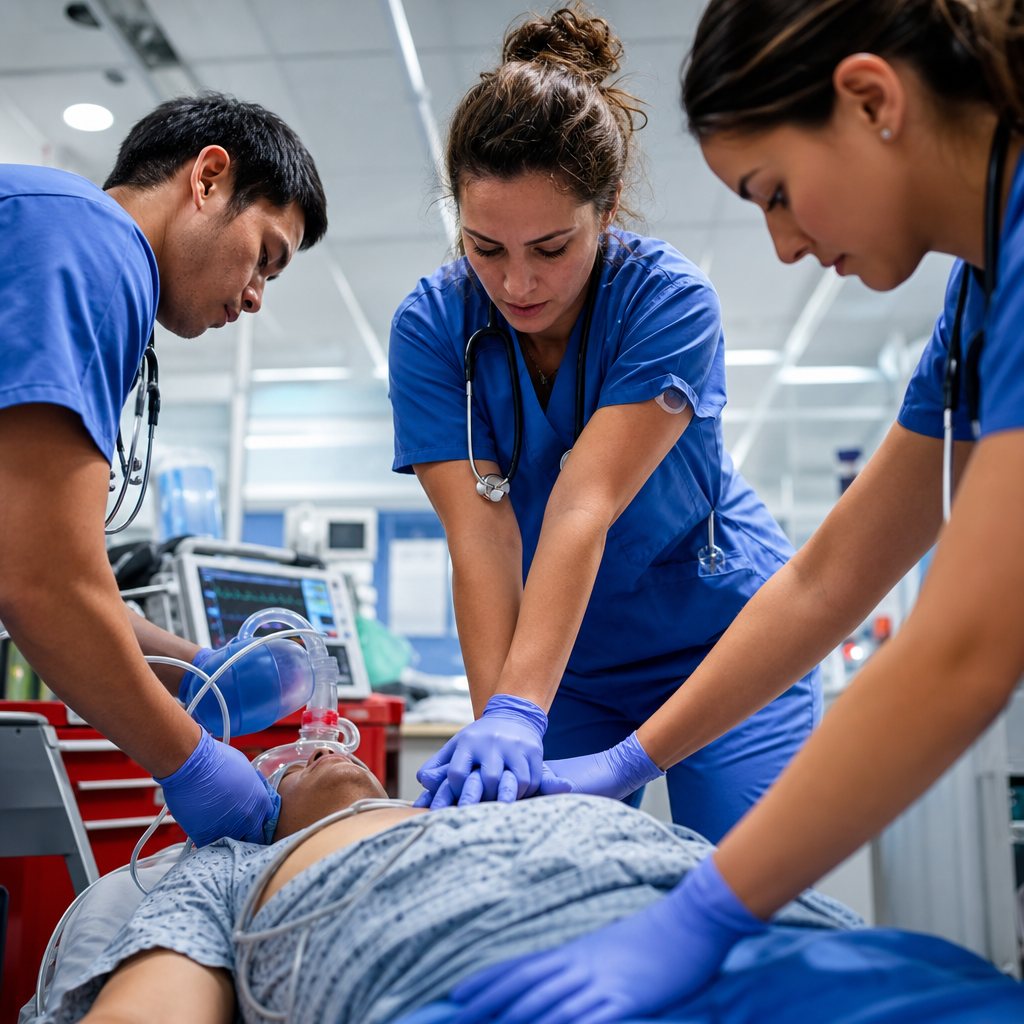
We maintain partnerships with training organizations that align with national standards, ensuring our course content meets the evidence-based guidelines that California regulatory bodies recognize. This commitment to alignment means your certification carries the credibility employers and licensing boards expect.
Our verification process is thorough. Once you complete training and demonstrate competency, we issue cards that satisfy California requirements immediately. No waiting for credentials to arrive by mail weeks later. No ambiguity about whether your new certification is valid on your next shift.
Our Blended Learning Approach for Busy Healthcare Professionals
We recognize that nurses can’t always carve out a full day for in-person classroom time. That’s why we offer a blended learning model combining online coursework with in-person hands-on sessions. You complete the knowledge components flexibly, then attend a shorter skills session to practice and demonstrate competency.
The online portion covers the theory, anatomy, and procedural knowledge you need. You work through modules at your pace, answering questions to confirm understanding. This approach works well for nurses juggling shift work across multiple time zones or those supporting patient care during daylight hours. You might complete your online course module during a quiet evening at home or between shifts.
Then you attend a focused in-person session at one of our California locations to practice chest compressions on manikins, handle an AED, and work through scenarios with trained instructors. These sessions are intensive but brief, typically lasting two to four hours depending on the certification level. We schedule them throughout the week and even offer evening sessions to accommodate healthcare schedules.
This hybrid approach delivers several advantages. You retain flexibility by completing theory independently, yet you gain the hands-on practice that builds true competency. Instructors can focus in-person time on the skills that require practice and feedback rather than lecturing material you’ve already reviewed. And you can complete your entire certification within days rather than weeks.
Fast Certification: Same-Day Cards at Over 100 California Locations
Speed matters when you’re approaching a renewal deadline. We issue certification cards immediately after you complete your in-person skills session. You walk out with physical proof of your current BLS or CPR certification in hand. No waiting for mail processing. No uncertainty about whether your certification is valid for your next shift.
With over 100 training locations across California, from San Francisco to Fresno, from Sacramento to San Jose, we offer unprecedented geographic accessibility. Whether you’re based in Alameda, Walnut Creek, Santa Rosa, or Visalia, you’ll find a convenient location. This density of locations means you’re never far from a training site and can often schedule within days rather than weeks.
Our daily course offerings reduce scheduling conflicts. Most locations offer morning, afternoon, and evening sessions. Nurses working traditional day shifts can attend morning classes. Night shift workers can schedule evening sessions. Weekend availability at select locations accommodates those with complex schedules. This consistency means you’re not forced to take unpaid time off or swap shifts to meet your certification requirement.
Same-day card issuance also gives you immediate documentation for your employer. Human resources departments receive proof of current certification within hours rather than waiting for mailbox delivery. If your renewal deadline is approaching, this speed difference becomes critical.
Our Low-Price Guarantee and Flexible Scheduling Options
We’ve made a simple commitment: our pricing is the lowest available for California nursing certifications. Our low price guarantee means if you find the same course offered elsewhere at a lower price, we’ll match it. This promise reflects our belief that affordability shouldn’t require sacrificing quality instruction or credential recognition.
Flexible scheduling doesn’t mean premium pricing. We offer discounted group rates for healthcare facilities sending multiple nurses. Hospitals, clinics, and staffing agencies in Campbell, Modesto, Hayward, and across California benefit from team pricing that reduces per-person costs. Corporate training partnerships also include customized scheduling that works around patient care demands.
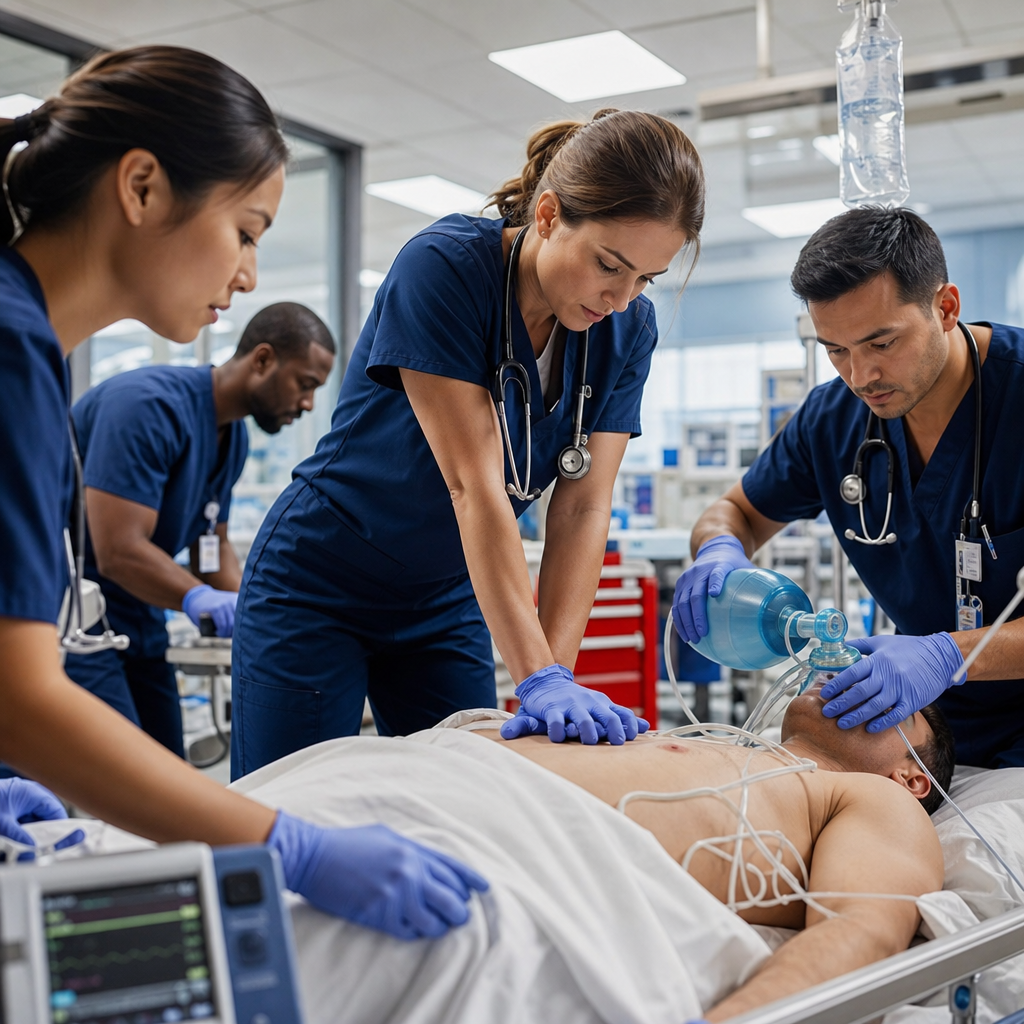
Individual nurses also access regular promotions and package deals. Register for multiple certifications together, such as BLS plus ACLS, and receive discounted bundled pricing. Early registration discounts reward planning ahead. Off-peak session timing sometimes offers reduced rates for flexible attendees.
We also provide financing options for nurses completing multiple certifications or specialty credentials like Pediatric Advanced Life Support (PALS). Rather than a single large expense, you spread certification costs across manageable payments. This approach removes financial barriers to maintaining the comprehensive credentials many healthcare roles require.
What Sets Our Training Apart for Nurses
Our instructors understand nursing culture and the specific challenges nurses face. They’re not generic safety trainers. Many have worked alongside nurses during actual patient emergencies. This shared experience means classroom discussions go deeper than standardized scripts. Instructors address questions nurses specifically ask about medication administration during codes, managing family presence during resuscitation, and navigating team dynamics in high-stress moments.
We also prioritize the peer learning environment. Our sessions bring together nurses from different facilities, departments, and experience levels. This diversity creates richer discussions. Experienced ICU nurses share insights with newer nurses in other settings. Pediatric nurses and adult nurses learn from each other’s different approaches. This collegial learning strengthens the entire cohort.
Our practice equipment reflects real clinical environments. We use manikins that simulate actual patient responses. AED trainers function like devices you’ll actually encounter in your facility. Bag-valve-mask equipment matches what’s available in your workplace. This fidelity matters because muscle memory built on realistic equipment transfers directly to performance under pressure.
We also emphasize retention beyond the certification date. Our instructors coach on maintaining skills between renewals. They discuss practice strategies for ongoing competency, common skill decay patterns, and how to stay sharp during quiet periods when cardiac events are rare. This mentorship approach extends beyond the course itself.
How to Schedule Your Renewal Training with Us
Getting registered takes minutes. Visit our website or call to see available sessions at nearby locations. You’ll select your certification type (BLS, CPR, ACLS, or specialty certifications like PALS), preferred date, and time. Most locations offer multiple options each week, so finding a session that fits your schedule is straightforward.
Once you register, you’ll receive login credentials for your online coursework if you’re enrolling in a blended program. Complete the online modules on your timeline. Then attend your scheduled in-person skills session on the agreed date. Bring a valid ID, and plan for about two to four hours depending on your certification level.
For nurses in areas like San Francisco, Oakland, or San Jose, we offer numerous session times across multiple locations within a short drive. Those in more rural regions like Redding or Visalia also access convenient scheduling, though you may coordinate your session timing more strategically given geographic distance.
If you have questions about prerequisites, specialty certifications, or corporate group training, our team is available to guide you. We handle the logistics so you can focus on your practice and patients.
Maintaining Your Credentials: What Comes After Certification
Earning your BLS or CPR card is a milestone, but maintenance requires attention. Most BLS certifications remain valid for two years. ACLS certifications typically last two years as well. Mark your renewal date immediately in your calendar or set a phone reminder. The earlier you plan your renewal, the more scheduling flexibility you’ll have.
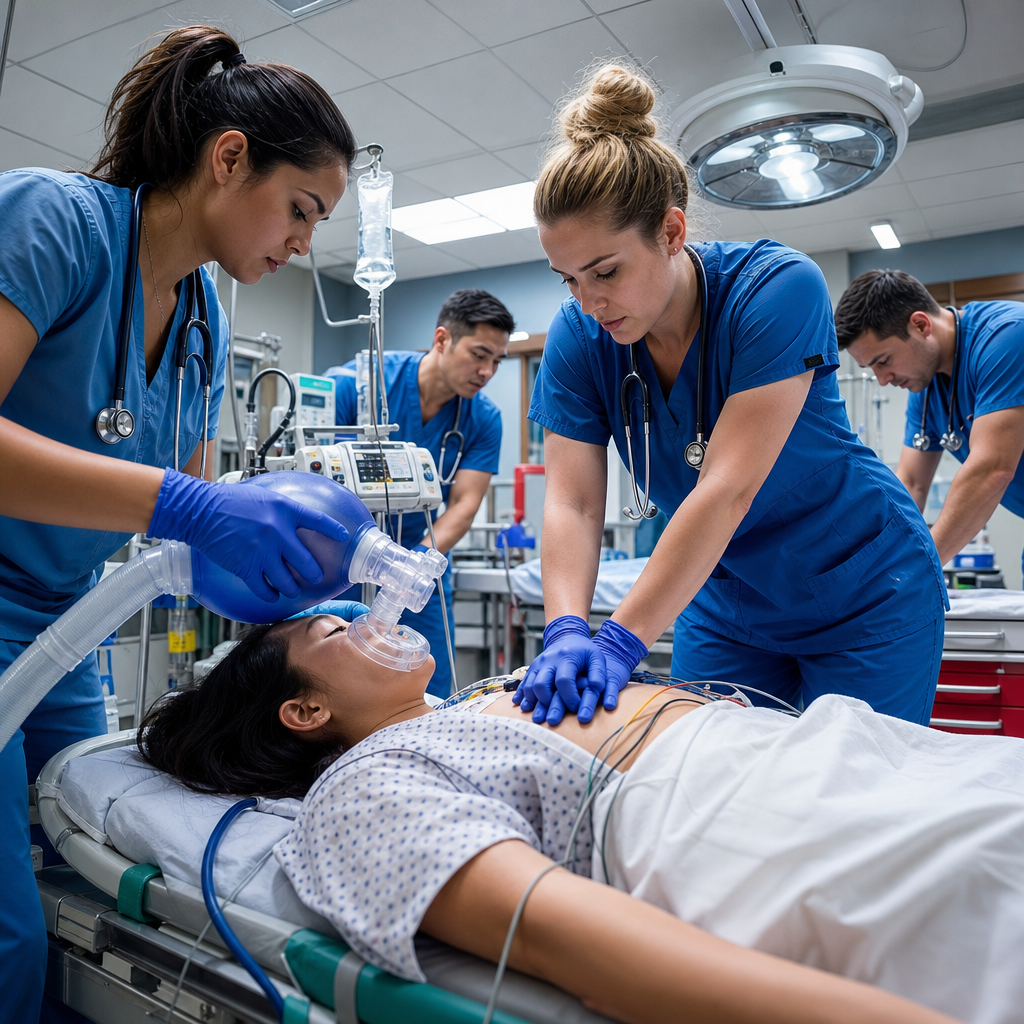
Between renewals, maintain your skills informally whenever possible. Many healthcare facilities offer optional practice sessions. Participate in simulations and code scenarios at your workplace. Review your certification materials periodically. This ongoing engagement prevents skill decay and keeps competency sharp for the moment you need it in actual patient care.
Some nurses pursue specialty certifications as their careers evolve. A nurse transitioning to pediatric care might add PALS certification. A nurse moving into emergency nursing might pursue ACLS renewal alongside BLS. Planning these additions ahead lets you schedule multiple certifications efficiently and take advantage of bundled pricing.
Stay current with any updates to certification guidelines. Healthcare best practices evolve as new research emerges. Our instructors stay informed about these changes and incorporate updated protocols into every course. This means your training reflects the most current evidence-based recommendations, not outdated techniques.
Renew Your Certifications Today
Your nursing license is your professional credential and your gateway to practice. Keeping it current through required certifications is non-negotiable for your career, your employer, and most importantly, your patients. Delayed certification renewal creates unnecessary stress and puts your licensure at risk.
We’ve built our training model specifically for California nurses balancing rigorous clinical responsibilities with licensing compliance. Flexible scheduling, blended learning, same-day card issuance, and guaranteed low pricing remove barriers to staying current. With over 100 locations throughout California and daily course availability, convenient certification is within reach regardless of where you work.
Take the first step by checking available sessions at a location near you. Whether you’re in Fresno, Berkeley, Palo Alto, or any of our service areas, schedule your renewal training today. A few hours of focused training now ensures your credentials remain valid and your emergency response skills stay sharp when patients need them most.
Register for a class today.
Frequently Asked Questions (FAQ)
How quickly can I get my CPR and BLS certifications renewed?
We offer same-day certification cards at all of our training locations throughout California. Our blended learning model combines virtual coursework with in-person skills sessions, so you can complete your renewal on your schedule. Most nurses finish their full certification process within a single day at one of our 100+ California locations.
What certifications do we provide for California nursing license renewal?
We offer CPR, BLS, ACLS, and specialized certifications like PALS and NRP for healthcare providers. All our courses meet California nursing board standards and fulfill the mandatory continuing education requirements for RN credential maintenance. We’re equipped to handle the specific certification needs of nurses, dentists, and EMS personnel across the state.
Why should we choose your seminars over other training options?
We back our training with a low-price guarantee on all classes, so you’re getting certified at competitive rates. Our flexible scheduling across over 100 California locations means you don’t have to travel far, and we maintain CPR verification stations to support your ongoing compliance needs. We focus on practical, accessible training that fits the demanding schedules of healthcare professionals like you.