Table of Contents
- Why EMS Agencies Struggle with Recertification Budgets
- How Traditional Training Models Drain Agency Resources
- Our Blended Learning Approach Reduces Training Costs
- Same-Day Certification with Flexible Scheduling
- Group Discounts and Volume Pricing for Agencies
- Multi-Location Access Across California
- Compliance-First Instruction Meets Budget Requirements
- RQI Simulation Stations for Quality Skills Training
- No Hidden Fees and Low Price Guarantee
- Streamlined Onboarding for Your Entire Team
- Partner with Us for Sustainable Training Solutions
- Frequently Asked Questions (FAQ)
Why EMS Agencies Struggle with Recertification Budgets
EMS agencies across California face a persistent challenge: keeping your team current with Advanced Cardiovascular Life Support (ACLS) and Pediatric Advanced Life Support (PALS) certifications while managing tight operational budgets. We understand the pressure you’re under. Mandatory recertification cycles, growing staff turnover, and the cost of pulling personnel off shifts for training create a financial strain that affects every aspect of agency operations. We’ve designed our training model specifically to address these pain points without compromising the quality of instruction your team deserves.
EMS agencies typically spend between 15 and 25 percent of training budgets on recertification alone, particularly for ACLS and PALS credentials. When you multiply the per-person course cost by your entire roster, recertification cycles can consume tens of thousands of dollars annually. Add in the hidden costs of lost productivity when paramedics, EMTs, and flight personnel sit in classrooms instead of running calls, and the true expense becomes even more significant.
The challenge intensifies for agencies serving larger regions. An EMS system covering the Bay Area from Oakland to San Francisco, or spread across the Central Valley from Stockton to Fresno, must coordinate training across multiple sites and schedules. Coordinating across Concord, Dublin, Pleasanton, and Tracy requires logistical flexibility that traditional training models rarely provide. Without intelligent scheduling and cost management, recertification becomes a compliance burden rather than a strategic investment in your team’s capabilities.
Budget constraints also force difficult choices. Some agencies delay recertification to stretch dollars, creating compliance risk. Others overspend on premium programs that offer minimal advantage over cost-effective alternatives. We’ve seen agencies struggle most when they view certification solely as a regulatory checkbox rather than an opportunity to strengthen their emergency response network.
How Traditional Training Models Drain Agency Resources
Conventional in-person training requires your team to commit full days or multiple half-days to classroom sessions. This means scheduling conflicts, mandatory shift coverage adjustments, and the operational cost of backfilling positions while staff attend training. For agencies with 24/7 operations, the logistics of releasing even a small group for an eight-hour course can cascade through your entire staffing model.
Travel represents another hidden expense. Agencies in rural areas like Redding or Visalia may need to arrange transportation for staff traveling to distant training centers, adding fuel, mileage reimbursement, and time away from station. Agencies in dense urban markets like San Francisco or San Jose face similar challenges coordinating across their Mission District, Nob Hill, and Japantown stations.
Traditional models also lock you into rigid schedules that may not align with your operational needs. If your agency needs 12 paramedics recertified in February but the next available course is booked for April, you either wait or pay premium rates for alternative providers. Outdated course structures fail to accommodate the flexible learning preferences that modern professionals expect, especially when blended options are available.
Finally, many traditional programs bundle unnecessary content into lengthy sessions, extending training time beyond what’s truly needed for recertification. Your experienced paramedics and flight medics don’t need introductory lectures on cardiovascular anatomy that they mastered years ago. Recertification should focus on updated guidelines, skills practice, and assessment, not foundational instruction.
Our Blended Learning Approach Reduces Training Costs
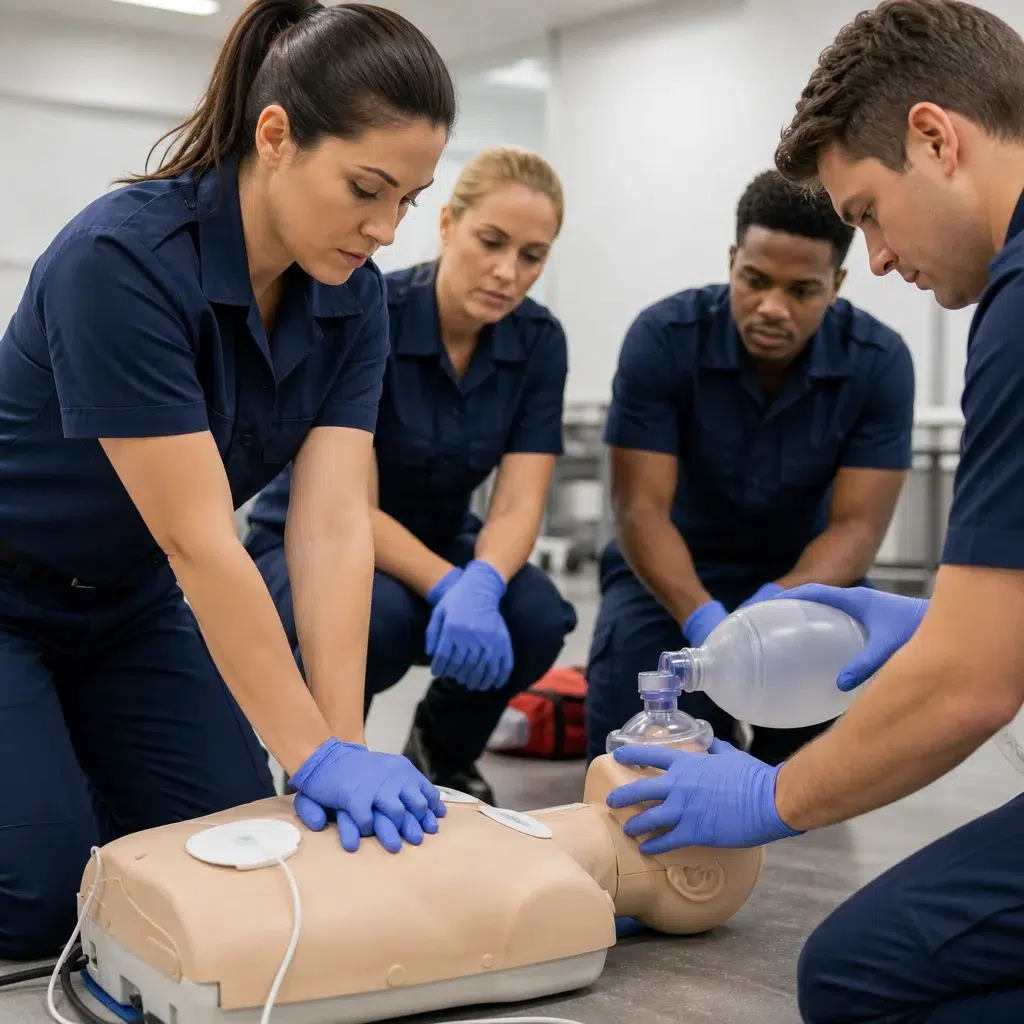
We’ve built our training model around the reality of modern EMS operations. Our [flexible EMS blended learning] approach combines online foundational modules with focused, hands-on skills sessions. Your team completes knowledge reviews on their own schedule, then participates in abbreviated in-person sessions concentrated entirely on skills practice and performance validation.
This structure cuts training time significantly. Instead of eight hours in a classroom, your paramedics spend two to three hours on hands-on practice where it matters most. The online component lets personnel study during downtime between shifts, eliminating the need to pull them from operational duty for extended periods. An agency in Sacramento across our Arden, Midtown, Oak Park, and Rosemont locations can schedule compact skills sessions without disrupting call coverage.
The cost savings cascade through your budget. Reduced classroom time means lower instructor fees per cohort. Shorter sessions create scheduling flexibility that minimizes shift disruptions. Personnel spend less time away from stations, preserving your operational capacity. For a medium-sized agency, blended learning typically reduces per-person training costs by 20 to 35 percent compared to traditional full-day courses.
We also streamline logistics by offering [group ACLS and PALS clinics] that come to your station or headquarters. Rather than transporting your team to an external facility, we bring certified instructors to you, eliminating travel time and allowing your staff to train in their familiar environment. This model works particularly well for agencies with distributed locations across Northern California regions like the East Bay, North Bay, and Central Valley.
Same-Day Certification with Flexible Scheduling
Your team needs certifications immediately, not weeks after course completion. We offer same-day certification pathways that validate skills competency on the day of your final assessment. When your paramedics complete the online module and demonstrate competency during the hands-on skills session, they walk out with valid credentials ready for immediate deployment.
This matters operationally. If you have a staffing gap due to retirement or sudden turnover, you can schedule a quick skills session and have new or replacement credentials within days, not months. Agencies in high-turnover areas like San Jose, San Francisco, and the surrounding Bay Area can maintain compliance without extended coordination timelines.
Our scheduling accommodates night and weekend preferences, recognizing that many EMS professionals work irregular shifts. Personnel can complete online modules during their downtime, then participate in evening or weekend skills sessions that fit your operational calendar. Whether your team works 24-hour shifts from our Alameda, Fremont, or Hayward locations or maintains other schedules, we adapt to your needs rather than forcing you to adapt to rigid program calendars.
We also build in session availability throughout the year at multiple California locations. Rather than monthly cohorts at one or two sites, we maintain consistent training schedules across our 100+ regional centers, so your team can access certification near their duty stations in places like Livermore, Modesto, or Santa Rosa without extensive travel.
Group Discounts and Volume Pricing for Agencies
EMS agencies running cost-effective training programs deserve pricing that reflects volume and loyalty. We offer tiered group discounts that reduce per-person costs based on your cohort size and annual training volume. Agencies certifying 15 or more personnel in a single session receive meaningful discounts. Agencies committing to ongoing annual training schedules unlock additional savings through volume pricing agreements.
Here’s how the math works: if your agency trains 40 paramedics annually for recertification, our volume pricing typically delivers 20 to 30 percent savings compared to per-person rates. That translates to thousands of dollars in annual budget relief without any reduction in training quality or instructor credentials.
We also simplify billing for group training. Rather than processing individual invoices, we provide consolidated agency billing with clear documentation for your compliance records. This reduces administrative overhead and makes budget forecasting straightforward. You know your annual training cost upfront, allowing better financial planning and reducing the need for mid-year budget adjustments.
Corporate group training extends beyond paramedics to include EMT-Basic personnel, dispatchers, and support staff who benefit from emergency response training. Some agencies use group discounts to expand training beyond minimum recertification requirements, investing in additional skills like pediatric resuscitation or special operations response. Our pricing structure supports these strategic investments without penalty.
Multi-Location Access Across California
We operate over 100 training locations throughout California, from the Oregon border near Redding to the Central Valley cities of Visalia and Bakersfield, and across the entire Bay Area from San Rafael and Novato in the North Bay to Los Gatos and Palo Alto on the Peninsula. This geographic reach means your team trains locally, minimizing travel and maximizing scheduling flexibility.
Consider an agency with paramedics stationed across multiple counties. Rather than consolidating all training at one central location, your personnel attend sessions at the centers nearest their duty stations. Someone working in Oakland can train at our Fruitvale, Lake Merritt, or Piedmont locations. A medic based in Walnut Creek accesses our Downtown or Shadelands facilities. This distributed approach reduces administrative coordination and personal travel time while maintaining consistent quality across all locations.
For larger agencies managing multiple stations, our geographic footprint lets you schedule staggered training across quarters without outsourcing to different providers. Your Stockton-based personnel train locally. Your Tracy and Lathrop teams use nearby centers. Your Sacramento headquarters staff can choose from our Arden, Midtown, Oak Park, or Rosemont locations based on their shift schedules. This consistency means one standardized training program, one instructor quality standard, and one billing relationship across your entire agency.
Rural agencies benefit equally. Agencies in Merced, Chico, or Visalia no longer need to coordinate travel to distant urban centers. Local training access means your remote staff receive the same timely, convenient certification as your urban counterparts.
Compliance-First Instruction Meets Budget Requirements
Our curriculum is designed with strict compliance standards and real-world EMS scenarios in mind. Every instructor brings active emergency response experience and maintains current credentials, ensuring your team learns from practitioners who understand your operational environment. This isn’t generic CPR training adapted for EMS, it’s specialized ACLS and PALS instruction built specifically for paramedics and flight personnel.
We emphasize the skills and protocols that matter most to your agency’s scope of practice. Instruction covers current guidelines with particular attention to the decision trees and medication protocols your personnel encounter in actual emergency response. Your team gains confidence in the exact procedures they’ll execute under pressure, not generic knowledge that requires additional adaptation.
Assessment is rigorous and objective. Our standardized evaluation criteria ensure that every paramedic, regardless of whether they train in Berkeley, Stockton, or Santa Cruz, meets identical competency standards. This consistency protects both your agency and your patients. When licensing boards or quality assurance reviews examine your training records, they see evidence of thorough, compliant instruction.
Documentation is complete and agency-ready. We provide detailed training records suitable for credentialing files, continuing education portfolios, and regulatory audits. Your personnel receive certificates recognized throughout California’s emergency response system, and your agency retains full documentation of training delivery, attendance, and competency validation.
RQI Simulation Stations for Quality Skills Training
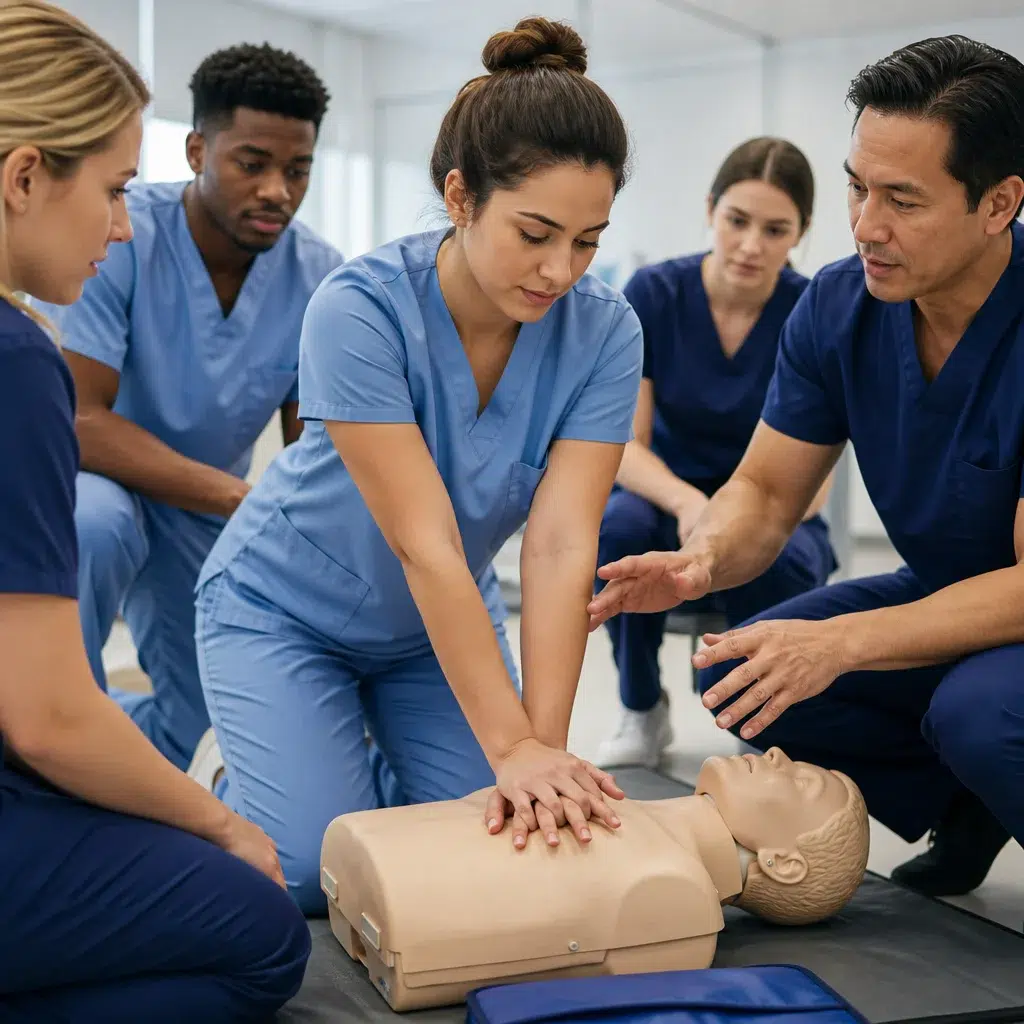
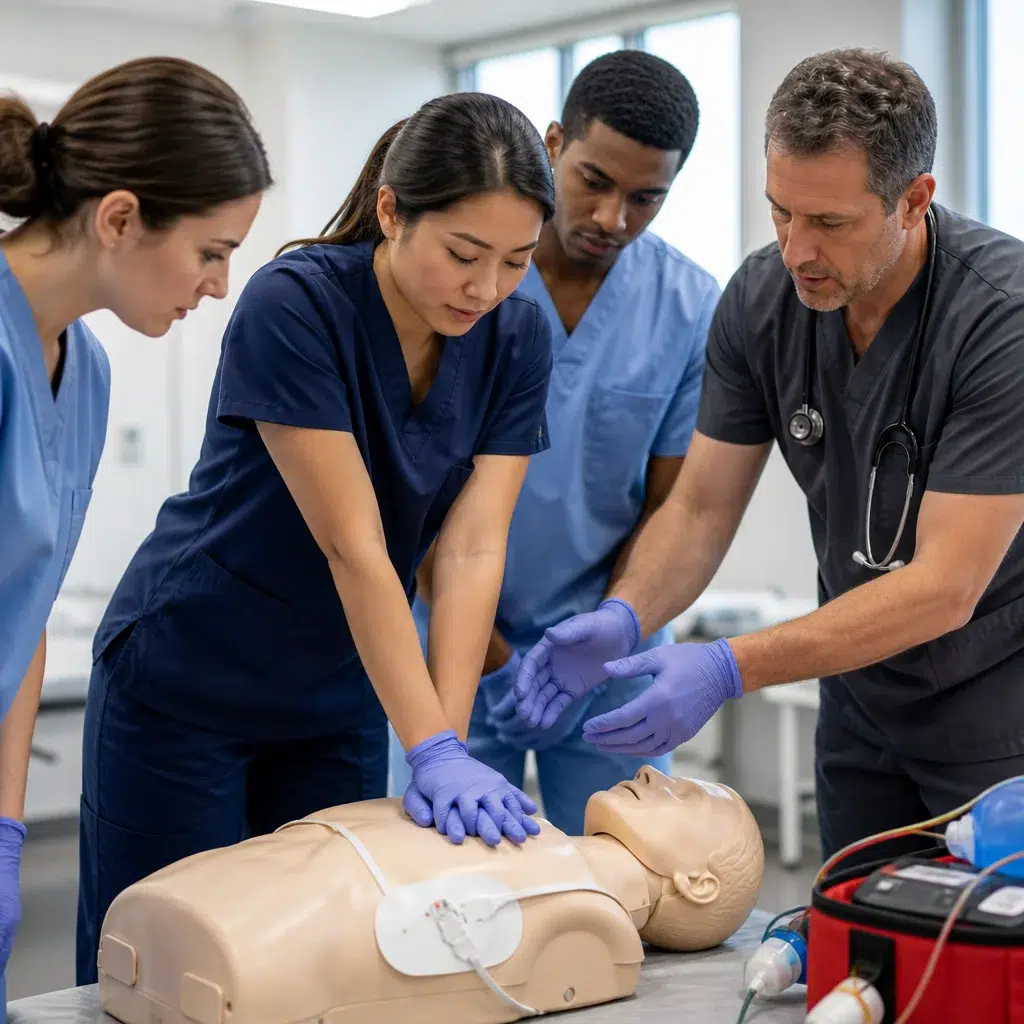
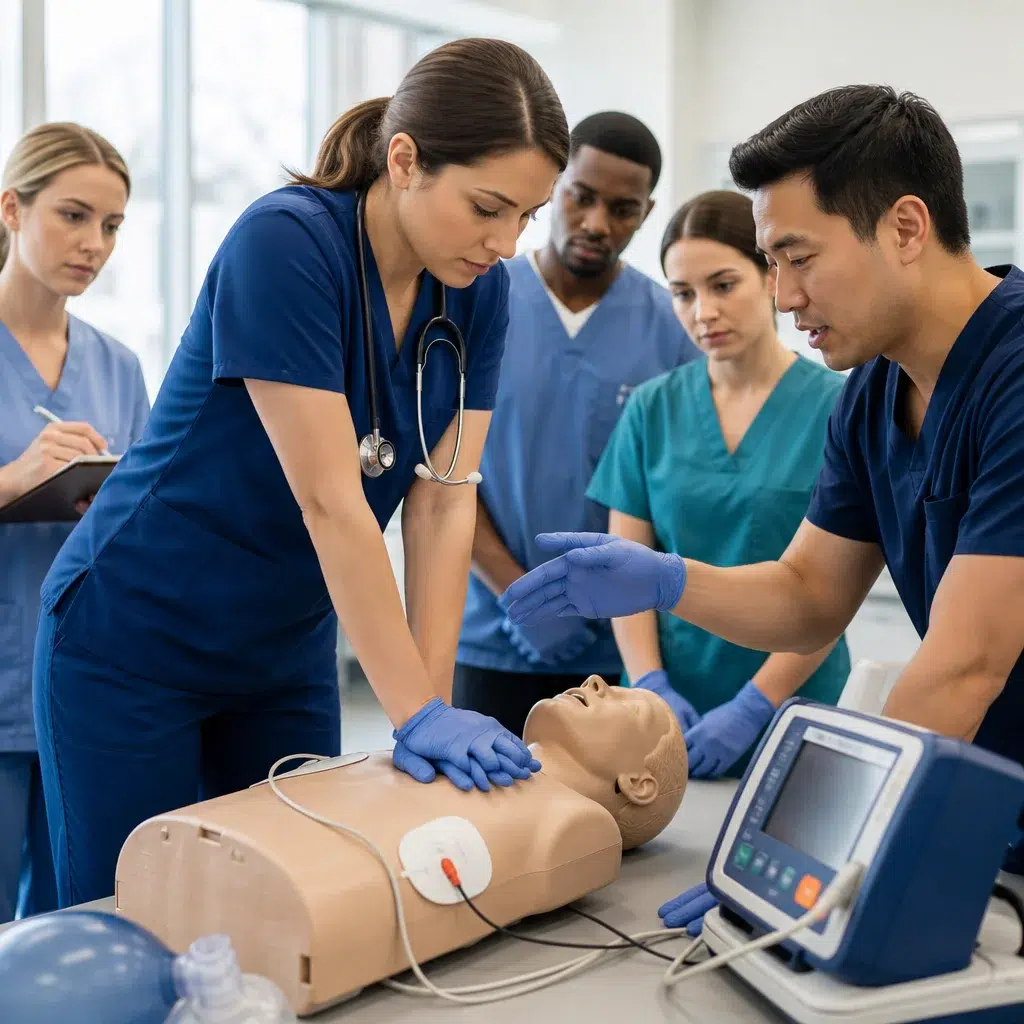
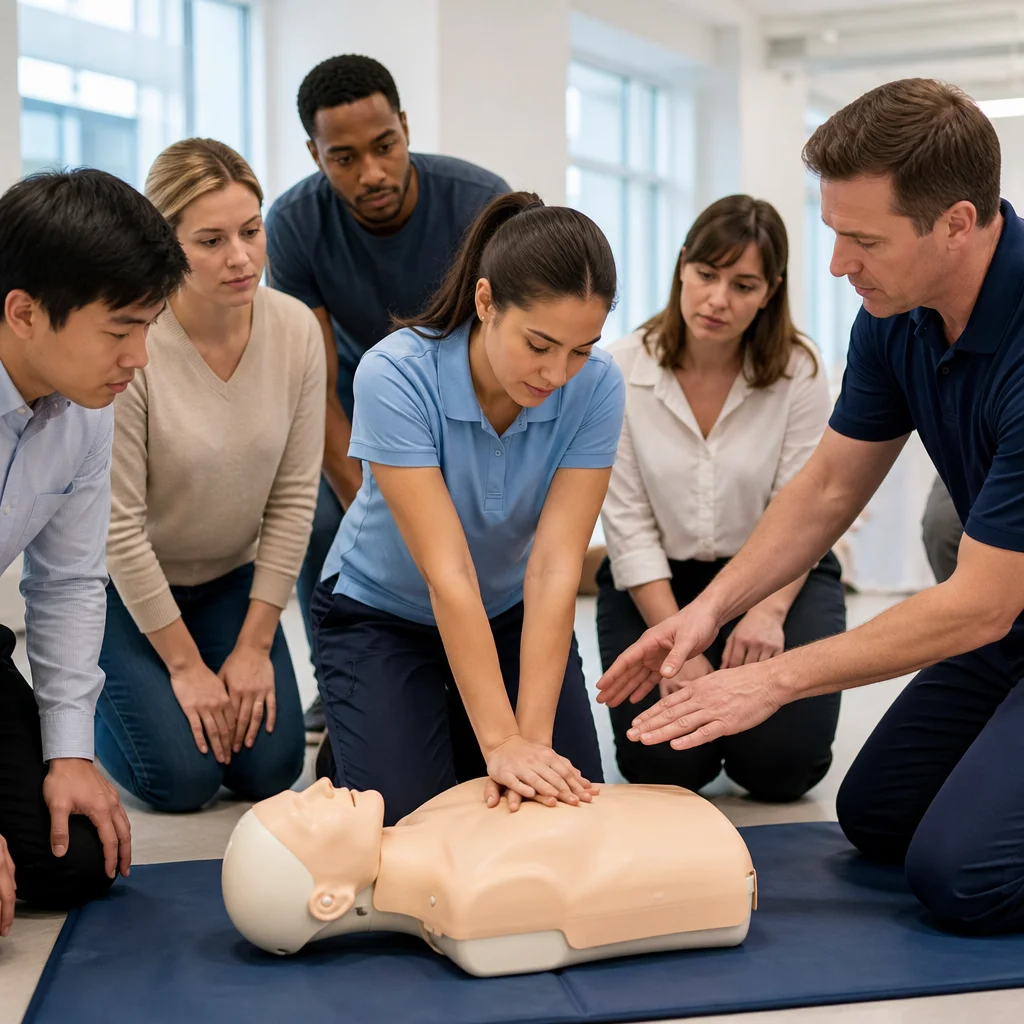
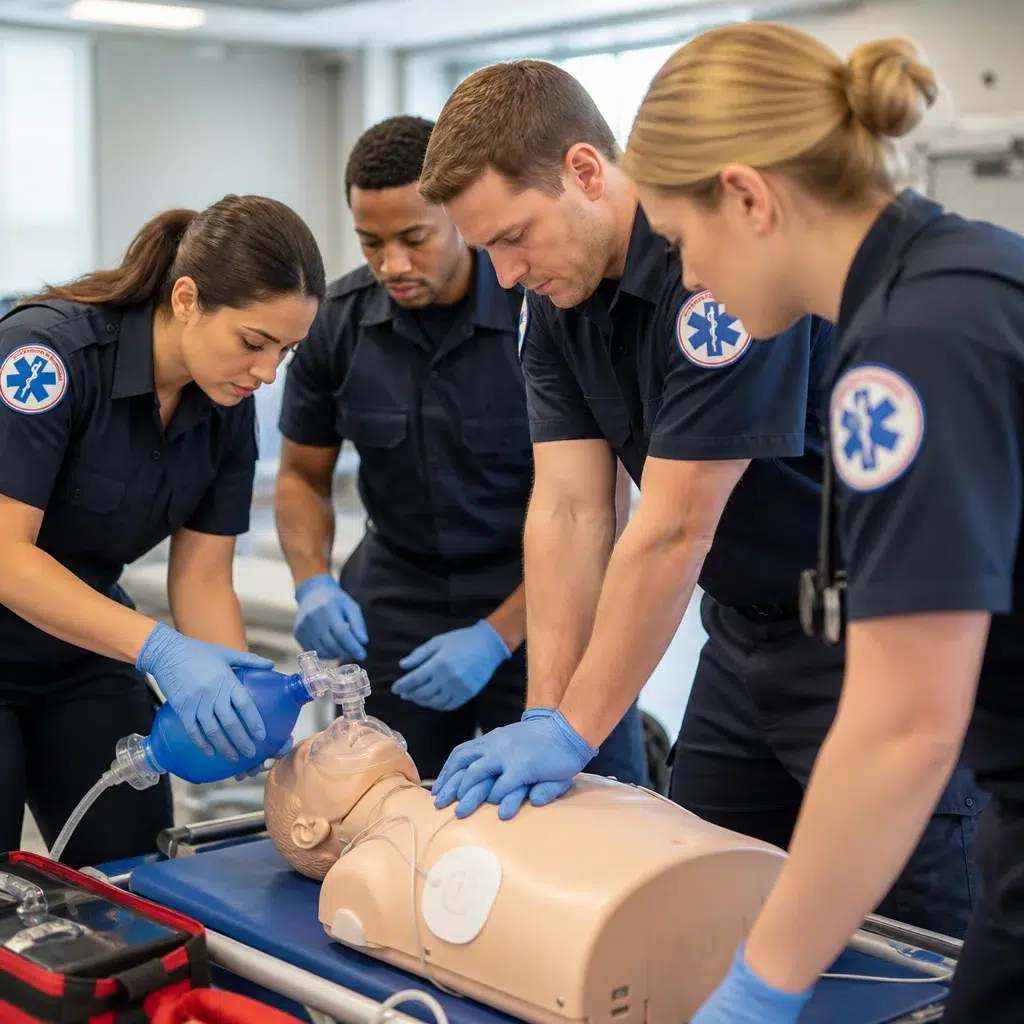
Realistic skills practice separates effective training from checkbox compliance. Our RQI simulation stations use high-fidelity manikins and equipment that mirror actual emergency response scenarios. Rather than practicing on generic torsos, your paramedics work with advanced simulators that respond to interventions, provide realistic feedback, and allow multiple repetitions to build muscle memory and decision-making confidence.
Skills stations are organized by actual EMS call scenarios. Your team practices not just chest compressions and defibrillation, but the full chain of survival as it unfolds in real emergencies. They run complete resuscitation scenarios from scene assessment through post-resuscitation care, building the integrated decision-making that separates competent responders from excellent ones.
These simulation stations are staffed by experienced instructors who provide immediate feedback and coaching. Your paramedics aren’t practicing in isolation, they’re receiving real-time guidance that corrects technique, reinforces best practices, and builds genuine expertise. This direct instruction is where certification becomes transformation, moving your team from minimally compliant to operationally excellent.
No Hidden Fees and Low Price Guarantee
We’re transparent about costs because we believe training should be affordable and predictable. Our pricing includes instruction, materials, simulation equipment access, and final certification documentation. There are no facility fees, no technology surcharges, and no surprise costs added after enrollment.
Our low price guarantee means we won’t be undercut on comparable training. If your agency finds equivalent ACLS or PALS instruction available elsewhere for a lower price, we’ll match it. This commitment reflects our confidence in our value and our dedication to cost-effective training. You can budget knowing your training investment is competitively priced and transparent.
Billing is straightforward for agencies. We provide detailed invoices itemizing training delivered, personnel trained, and certifications earned. Volume discounts are clearly itemized so you understand your savings. Payment terms accommodate agency cash flow, and we work with procurement departments and financial managers to ensure smooth administrative processing.
Streamlined Onboarding for Your Entire Team
Getting your entire agency into our training system is simple. We assign a dedicated program coordinator who works with your leadership to build a training schedule aligned with your operational calendar. Rather than complex enrollment processes, we handle scheduling, confirmation, roster management, and documentation coordination.
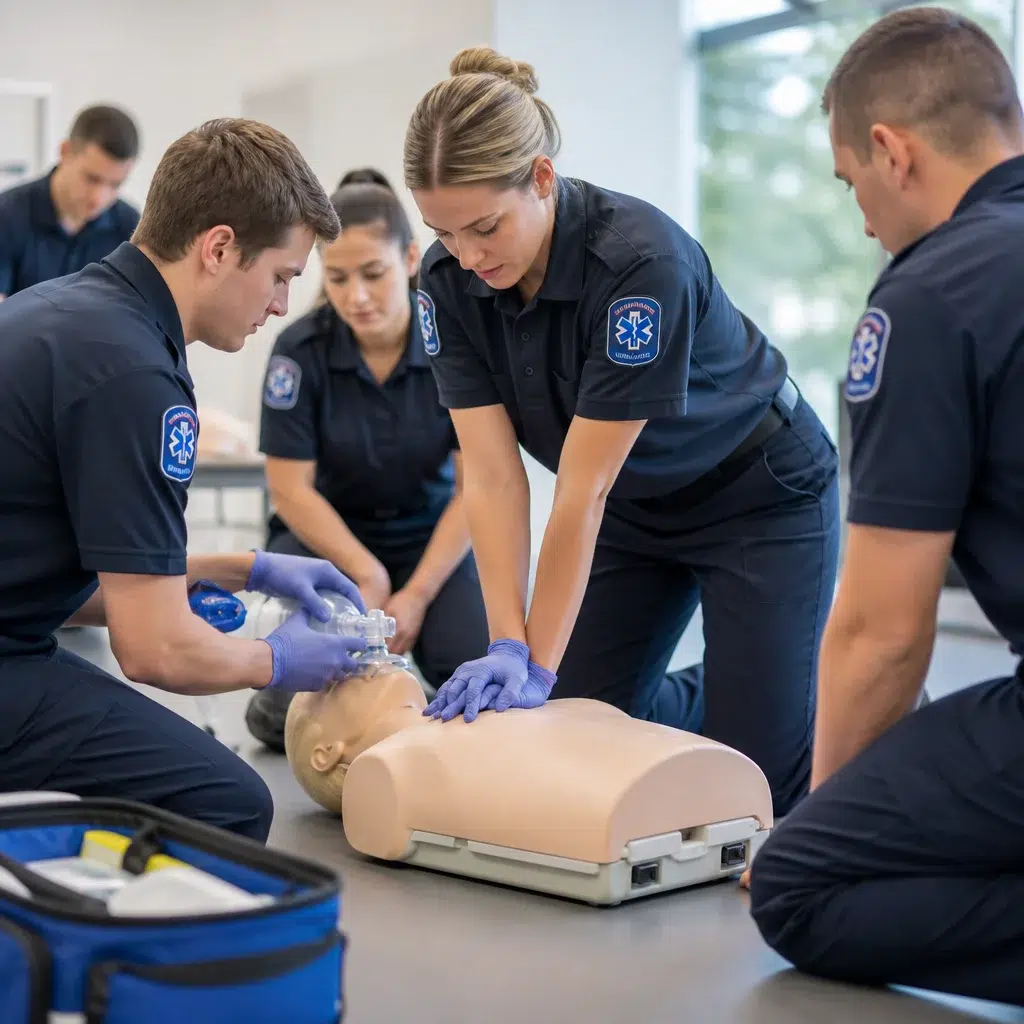
Your coordinator helps identify optimal training windows that minimize operational disruption. If your agency needs 30 paramedics recertified by June, we build a schedule with multiple sessions across March through May that distributes training load and prevents single-session bottlenecks. This collaborative planning ensures training happens on your timeline, not ours.
Personnel enrollment uses a straightforward online process or simple roster submission if your agency prefers batch enrollment. Confirmation emails, session reminders, and post-training documentation are handled automatically, reducing administrative burden on your staff. Your team focuses on their jobs, we handle training logistics.
We also provide your leadership with regular reports showing training completion status, certification validity tracking, and upcoming renewal dates. This visibility helps you plan ahead and prevents accidental lapses in credential validity.
Partner with Us for Sustainable Training Solutions
EMS agencies achieve long-term excellence through consistent, affordable training that doesn’t strain budgets or disrupt operations. We’ve built our entire training model around supporting California’s emergency response community with cost-effective, compliant, accessible certification. Our 100+ locations throughout California, blended learning flexibility, same-day certification, transparent pricing, and group discounts create a sustainable training partnership that works with your budget and operational realities.
Your team deserves instruction from experienced practitioners using modern simulation equipment, delivered on schedules that respect your operational demands. Your agency deserves transparent pricing, flexible logistics, and genuine support from a training provider who understands EMS.
Reach out today to discuss a customized training schedule for your agency. We’ll work with your leadership to build a solution that keeps your paramedics, flight personnel, and support staff current with the most cost-effective approach available across California. Your budget will thank you, and your patients will benefit from the skilled, confident responders you’ll put on every call.
For further reading: Flexible EMS blended learning.
Register for a class today.
Frequently Asked Questions (FAQ)
How much can our EMS agency save with your group training discounts?
We offer volume pricing that scales based on your team size, allowing agencies to reduce per-person certification costs significantly compared to individual enrollments. Our low price guarantee ensures you won’t find a better rate elsewhere in California, and we can provide custom quotes for your specific staffing needs. We handle the logistics across our 100+ training locations, so your team spends less time coordinating and more time staying compliant.
Can we complete ACLS and PALS recertification in one day?
We offer same-day certification options at most of our California locations, combining our blended learning model with in-person skills verification. Our streamlined approach eliminates unnecessary classroom time while maintaining the hands-on instruction your team needs to pass with confidence. We work with your agency’s schedule to find training windows that minimize operational disruption.
What’s included in your pricing, and are there any hidden fees?
Our transparent pricing covers instruction, certification credentials, and access to our RQI simulation stations for skills practice and verification. We don’t add surprise costs at checkout or charge extra for materials or digital resources. What we quote is exactly what you pay, and our low price guarantee backs that commitment.