
Why AHA Accreditation Is Non-Negotiable for Healthcare Professionals
When you’re a nurse, dentist, or EMS professional in California, your CPR certification isn’t just a checkbox on a form. It’s proof that you meet the standards your employer, your licensing board, and your patients expect. We’ve built our entire training operation around this reality. We don’t compete on the lowest price because we know what actually matters to healthcare professionals: accreditation that sticks, certifications that count, and training that prepares you for real emergencies.
Your employer doesn’t accept just any CPR card. They need verification that your training came from an accredited provider aligned with the American Heart Association’s guidelines. This isn’t bureaucracy. It’s the standard that ensures every certified professional across California meets the same evidence-based protocols for saving lives.
We hold AHA accreditation because it matters. When you train with us, your certification carries weight in every hospital, clinic, dental practice, and EMS station in California. Employers recognize our credentials immediately. Licensing boards accept them without question. Insurance companies understand what our accreditation means about your competency.
The difference becomes clear when you look at non-accredited training. Some providers offer cheaper courses, but their certificates often don’t satisfy employer requirements. You discover this after you’ve paid, completed the training, and tried to use your card at work. By then, you’re scrambling to find an accredited provider and repeating the entire process.
We’ve worked with hundreds of healthcare professionals who’ve encountered this exact problem. They came to us after realizing their previous training wasn’t actually accepted by their workplace. We don’t let that happen to anyone in our program.
Actionable takeaway: Before enrolling anywhere, verify that the provider holds current AHA accreditation and ask specifically whether your employer accepts their certifications.
The Compliance Gap: Understanding What Employers Really Require
Hospitals, dental offices, and EMS agencies maintain strict protocols about which certifications they’ll honor. Many require not just any CPR training, but specific certifications like BLS (Basic Life Support) for nurses, ACLS (Advanced Cardiovascular Life Support) for certain clinical roles, or PALS and ACLS for dentists. The requirement varies by role, facility, and state regulations.
Here’s where the gap appears: many healthcare professionals don’t realize their specific position demands a particular certification level. A dental hygienist might think general CPR is enough, then discover their practice requires BLS. An EMS provider might assume one course covers them statewide, only to learn their new employer demands a different credential.
We spend time understanding your role and your employer’s actual requirements before you enroll. This matters because completing the wrong certification wastes your time and money. We help you identify exactly what you need, then deliver it.
We also track California’s regulatory landscape continuously. As requirements shift, we adjust our course offerings and advise clients about upcoming changes. You benefit from our compliance expertise so you’re never caught off guard by a renewal requirement you didn’t anticipate.
Actionable takeaway: Contact your HR department or your employer’s training coordinator now and get a written list of exactly which certifications you need and when they expire.
Our Commitment to American Heart Association Standards

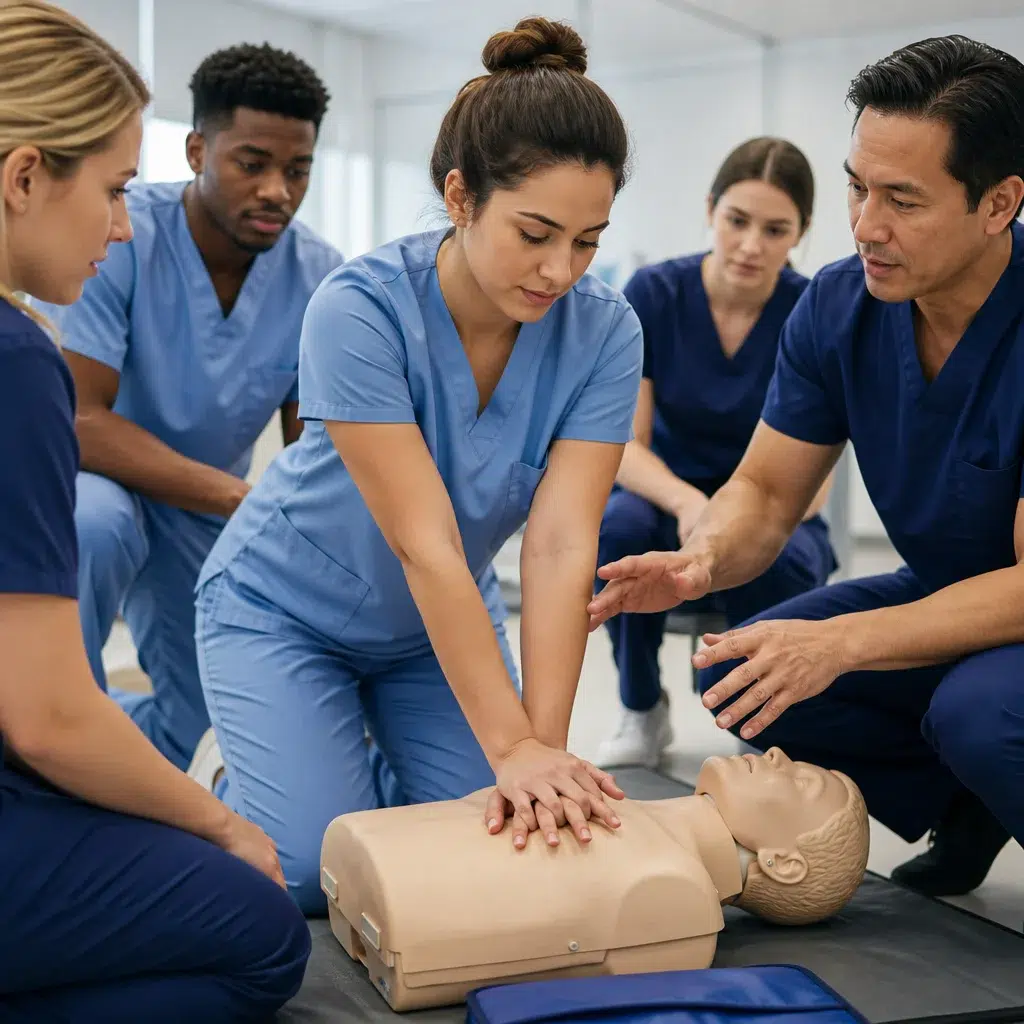
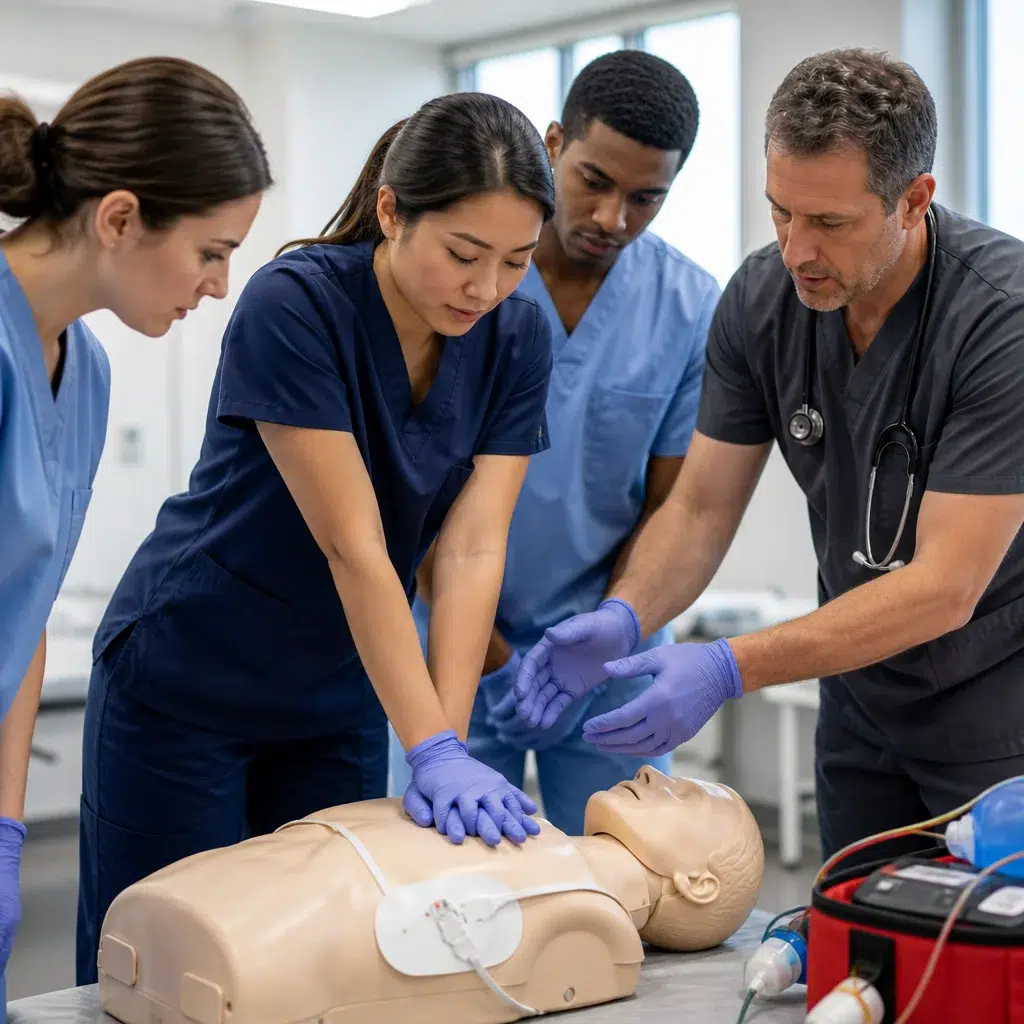
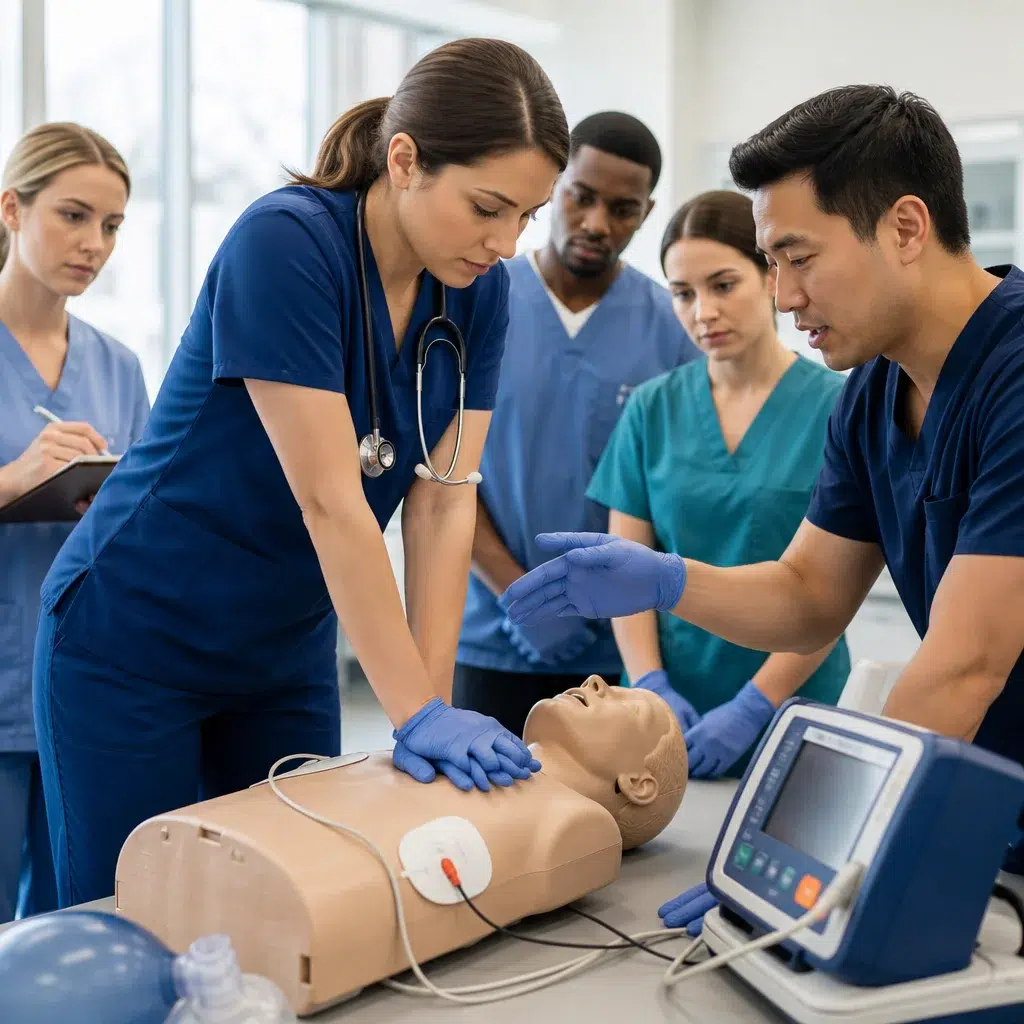
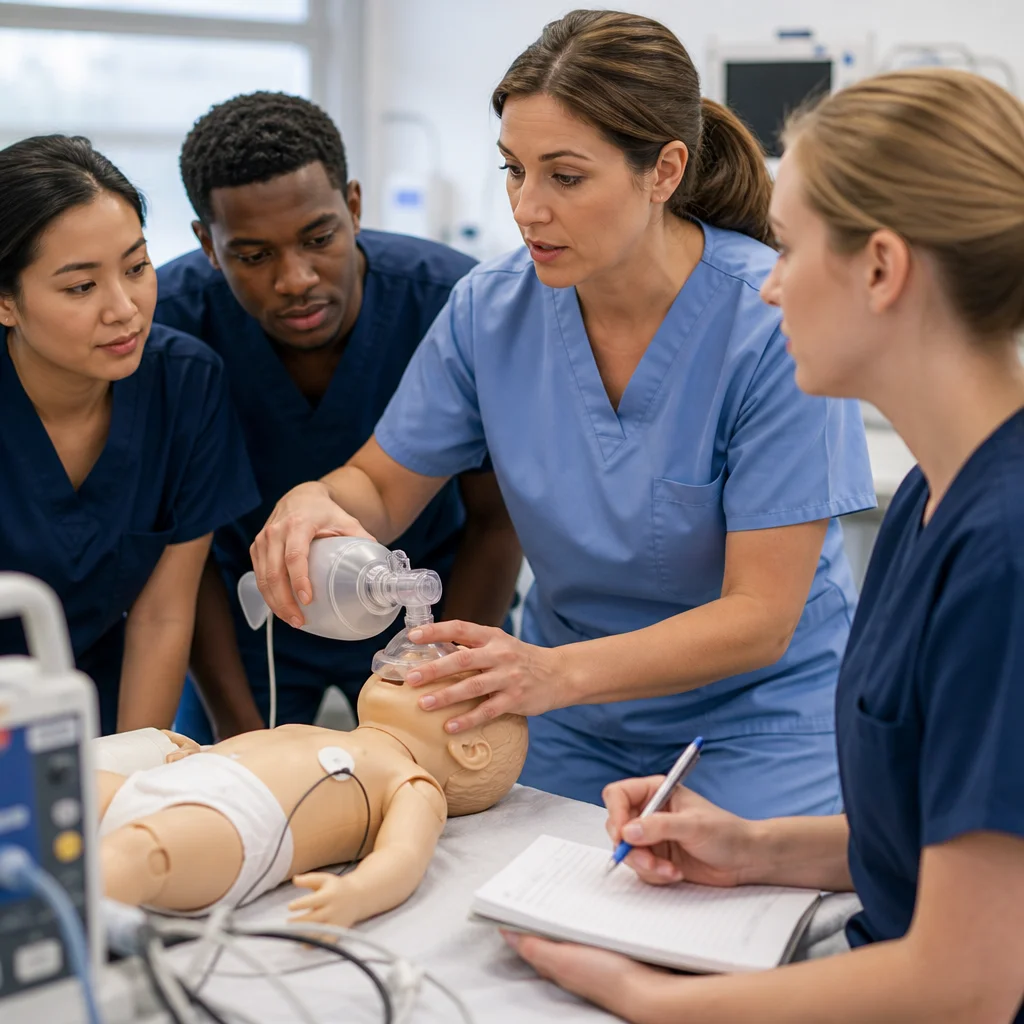
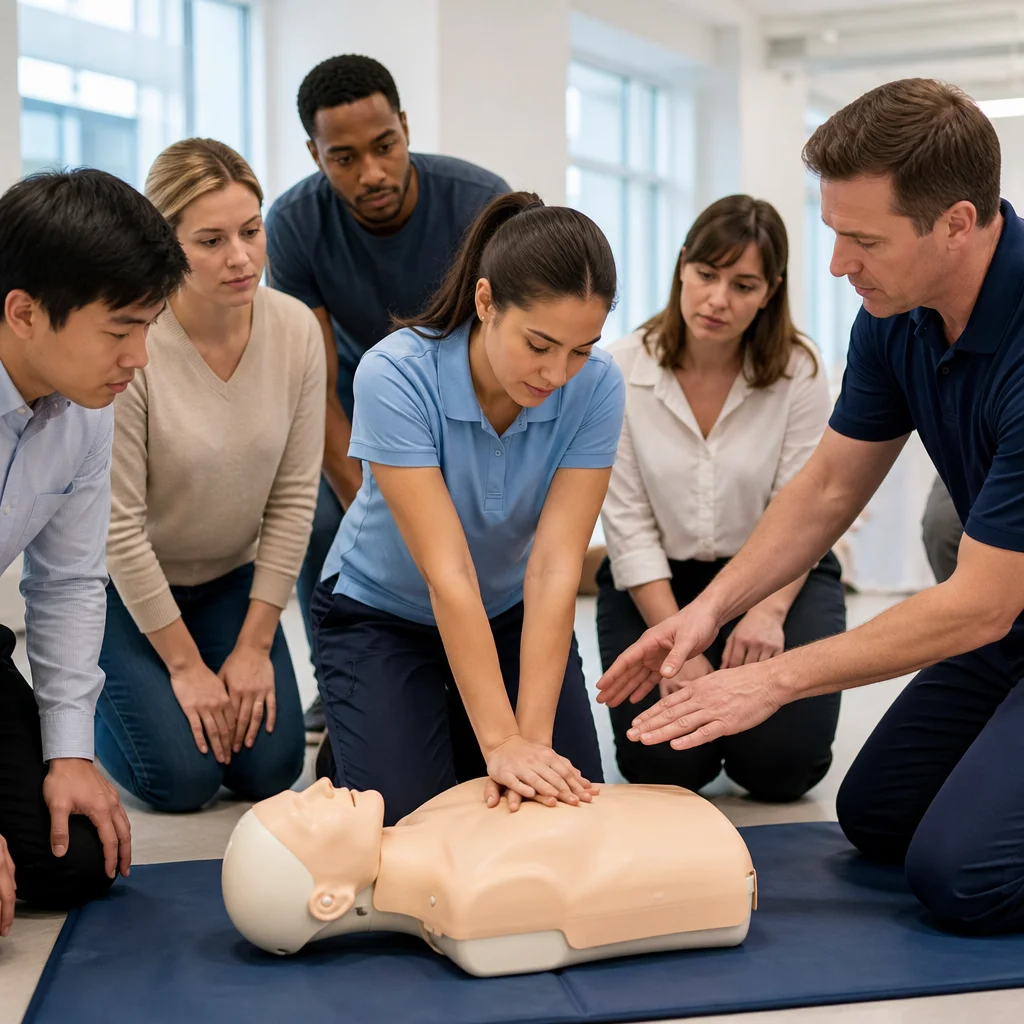
Every course we offer follows the AHA curriculum framework. Our instructors complete regular recertification to maintain their credentials. Our training materials stay current with the latest guidelines. Our skills practice stations use equipment that reflects real clinical environments.
We don’t take shortcuts on instruction quality. When you attend one of our sessions, whether virtual or in-person, you’re learning from professionals who use these skills in healthcare settings themselves. Many of our instructors work as nurses, paramedics, or respiratory therapists. They teach the way these techniques actually matter in practice.
We also invest in keeping our training locations equipped to standard. You won’t encounter outdated mannequins, broken equipment, or crowded stations where you can’t properly practice. Our CPR verification stations across California maintain the same standards we use in full training sessions.
This commitment costs us more than discount training models. We’re okay with that because we know our clients need certifications that actually work in their workplaces, not just any certificate with a CPR label.
Actionable takeaway: When comparing training providers, ask to see their most recent AHA re-accreditation documentation and instructor credential schedules.
Beyond the Lowest Price: What Hidden Costs Really Mean
Discount CPR training sounds attractive until you do the math on hidden costs. Consider what actually happens when you use a non-accredited or lower-standard provider:
You complete the training and receive a certificate. Two weeks later, your employer tells you it doesn’t meet their accreditation requirements. You’ve now spent time and money on training that doesn’t count. You’ll pay again for an accredited course. That’s doubled your cost.
Or you discover during license renewal that your certification isn’t acceptable to the California nursing board. You’re now rushing to retrain while managing your work schedule and potentially facing delayed license renewal.
Some discount providers also operate with minimal oversight of instructor credentials. You might receive instruction from someone without current clinical experience or proper training certifications themselves. The savings disappear when you realize you’re repeating the course with a quality provider.
We price our courses competitively, but we don’t compete on being the absolute cheapest option. We’re priced fairly for the quality, accreditation, and instructor expertise you receive. Our low price guarantee means you won’t find better pricing elsewhere for equivalent AHA-accredited training in California.
Most of our clients tell us that when they calculate the cost of wasted time, course repetition, and compliance problems, our pricing was actually the most economical choice they made.
Actionable takeaway: Ask any training provider directly: “Will my employer accept this certificate?” Get that confirmation in writing before you pay.
Blended Learning That Meets Your Professional Needs
We recognize that healthcare professionals don’t have unlimited flexibility in their schedules. You might work shifts that make attending traditional classroom sessions difficult. Or you might prefer online preparation before coming in for skills practice with an instructor.

Our blended learning approach gives you both options. You can complete the knowledge portion online at your own pace, then attend a focused in-person session for hands-on skills practice and final assessment. This typically takes less total time than traditional all-day classroom courses while ensuring you get proper instruction on critical techniques you can’t learn from a video.
Many professionals use our virtual sessions as their primary training when scheduling is tight, then visit one of our locations for the practical skills component. Some prefer fully in-person training. We support both approaches with the same accreditation and certificate outcomes.
The flexibility doesn’t reduce quality. Your instructor is equally qualified whether you’re training in-person or hybrid. Your assessment is the same. Your certificate carries identical weight with employers.
Actionable takeaway: Review your schedule and identify whether a hybrid or fully in-person course works better for your situation, then check our course calendar for options that fit your timeline.
Our Specialized Certifications Keep You License-Ready
Different healthcare roles demand different certifications. We offer BLS certification for nurses with specific scenarios relevant to acute care settings. We provide ACLS training that covers the algorithms and medications you’ll actually use in cardiovascular emergencies. We deliver PALS courses designed for pediatric and neonatal professionals.
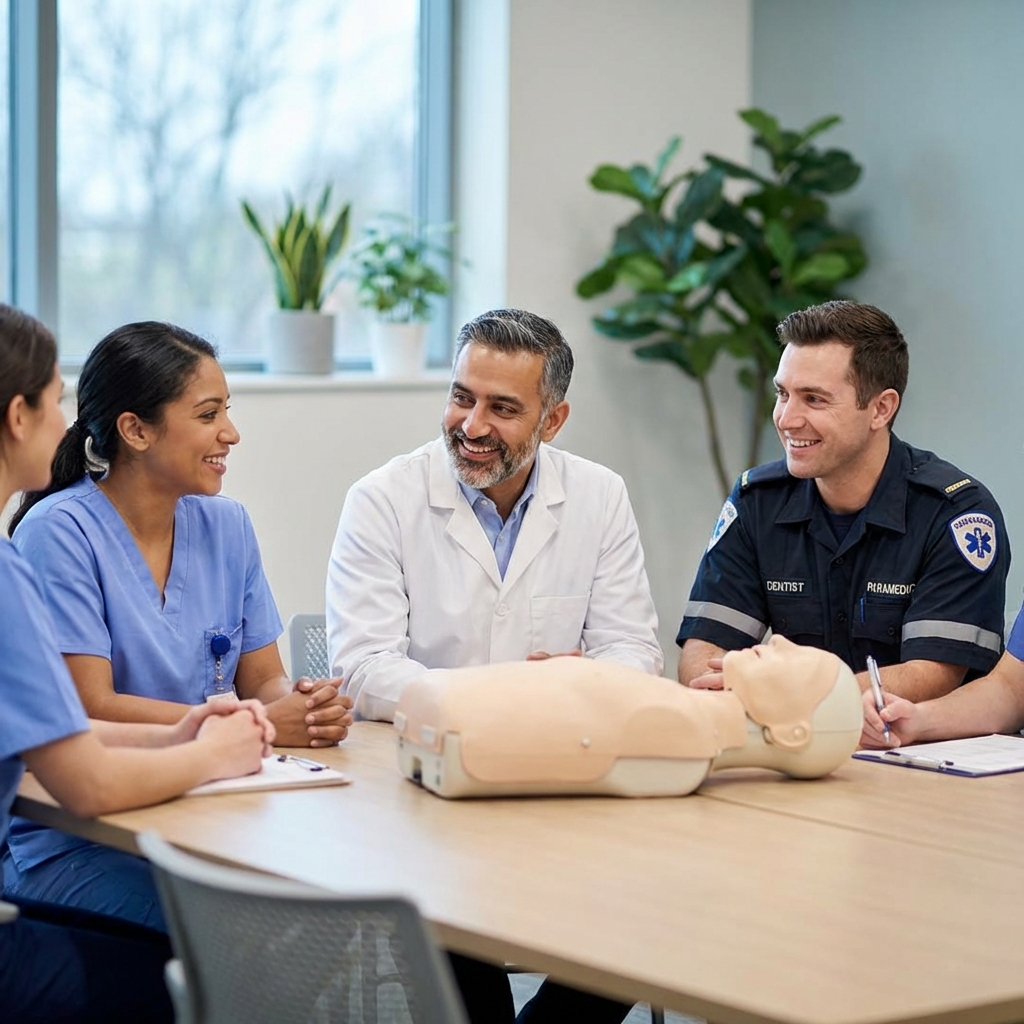
This specialization matters because generic CPR training often doesn’t address the specific protocols your profession requires. A dentist needs to know how to manage emergencies in a dental office setting. An EMS provider needs protocols different from a hospital-based critical care nurse.
We’ve structured each specialization around your actual work environment and the licensing requirements for your profession in California. When you take ACLS with us, you’re not just memorizing algorithms. You’re practicing decision-making in scenarios you’ll face in your specific role.
Our course materials also specifically highlight California requirements, since state regulations sometimes differ from national AHA guidelines. We make sure you know both the standard protocol and any state-specific variations that affect your practice.
Actionable takeaway: Identify your profession-specific certification need and enroll in the specialized course for your role rather than general CPR training.
Same-Day Certification Cards and Real Accountability
You complete the course and pass the assessment. We issue your certification card the same day. You walk out with proof of completion ready to show your employer immediately.
This matters because some training providers mail certificates weeks later, or require online verification through a portal that employers find inconvenient to check. Our same-day card approach eliminates delays and gives you immediate proof of compliance.
We also maintain a digital registry of all certifications we issue. Your employer can verify your credential with us directly if they need confirmation. This accountability system is part of our AHA accreditation requirements, and it builds trust with the facilities and agencies that hire our graduates.
We track certification expiration dates for our clients too. Many professionals ask us to remind them when renewal is approaching so they don’t accidentally let their credential lapse. We consider this part of our service to healthcare professionals who depend on us for compliance.
Actionable takeaway: Ask the training provider about their verification system before enrolling, and confirm that employers can easily verify your certification.
Multi-Location Convenience Across California’s Healthcare Network
We maintain over 100 training locations throughout California. Whether you’re in the Bay Area, Los Angeles County, San Diego, inland areas, or rural regions, we have a location convenient to your work or home.
This network matters for working professionals. You can train near your facility, minimizing commute time. If you relocate for a job change, you can renew your certification near your new location without seeking an unfamiliar provider. Our consistency across locations means you receive the same quality instruction and accreditation standards regardless of which branch you visit.
We’ve built this network specifically to serve healthcare professionals who need accessible, reliable training across diverse California communities. Many hospitals and clinics work directly with us to schedule group training for their staff at convenient times and locations.
Actionable takeaway: Find the training location closest to your workplace or home, and bookmark it for easy scheduling when renewal time approaches.
Why Nurses, Dentists, and EMS Personnel Trust Us
We’ve worked with California healthcare professionals for years. Nurses trust us because we understand their specific role requirements and the speed at which they need recertification on demanding schedules. Dentists appreciate our specialized courses that address the unique emergencies they encounter in dental settings. EMS personnel rely on us because we respect the protocols their agencies require and deliver training that reflects actual field scenarios.
This trust comes from consistency. We’ve built a reputation by delivering exactly what we promise: accredited training, professional instructors, convenient scheduling, and certifications that work in your workplace. Professionals refer their colleagues to us because they know what they’ll experience.
We also genuinely care about your success. We’re not a generic training mill churning out certificates. We’re professionals training other professionals to maintain the highest standards for patient safety and personal competency.
Actionable takeaway: Ask colleagues in your profession which training providers they use and trust for accredited CPR certifications.
Your Next Step to Compliant, Employer-Approved Certification
Your certification is too important to leave to discount providers or non-accredited training. You need a provider that understands your role, respects your schedule, and delivers accreditation that actually counts with your employer.
Contact us today to identify the specific certification you need and schedule your training at a convenient California location. We’ll confirm your requirements, explain the accreditation standards you’ll meet, and get you certified with a same-day card you can use immediately. Our low price guarantee means you’re getting quality training at fair pricing, with the AHA accreditation that protects your career.
Register for a class today.