Table of Contents
- Why California Nurses Need Current CPR and ACLS Certifications
- Understanding State Licensing Requirements for Healthcare Professionals
- The Critical Role of ACLS Training in Patient Safety
- How Our Blended Learning Approach Fits Your Busy Schedule
- Same-Day Certification Cards and Fast Checkout Process
- Affordable Pricing With Our Low-Price Guarantee
- Over 100 California Training Locations for Convenient Access
- Corporate Group Training Solutions for Your Healthcare Facility
- Expert Instructors and AHA-Aligned Curriculum Standards
- Getting Started With Your Next Certification Today
- Frequently Asked Questions (FAQ)
Why California Nurses Need Current CPR and ACLS Certifications
Your nursing license depends on maintaining active, current certifications in Cardiopulmonary Resuscitation (CPR) and Advanced Cardiovascular Life Support (ACLS). California’s regulatory framework requires these credentials not as optional credentials but as mandatory proof of competency for patient safety and professional standing.
Cardiac events don’t follow a schedule. When a patient goes into sudden cardiac arrest, you need the muscle memory and clinical judgment that only hands-on training builds. CPR refreshes keep your technique sharp, while ACLS deepens your ability to recognize arrhythmias, administer medications, and lead resuscitation teams through high-stress moments. These skills directly translate to better patient outcomes and reduced liability for your employer.
Beyond the clinical foundation, your employer relies on your current certifications for hospital credentialing, insurance requirements, and regulatory compliance. Many California healthcare facilities conduct quarterly audits of staff certifications. If your CPR or ACLS lapses even by one day, you cannot legally perform certain duties, and your facility faces accreditation issues.
What to do next: Check your current certificate expiration dates now. If you’re within 90 days of expiration, schedule your recertification before your institution flags it.
Understanding State Licensing Requirements for Healthcare Professionals
California’s Board of Registered Nursing and the Dental Board set clear expectations: CPR certification must align with recognized standards and remain valid throughout your employment. ACLS is specifically required for nurses working in critical care, emergency departments, cardiac units, and many inpatient settings. Some facilities extend the requirement to all nursing staff.
The state doesn’t prescribe a specific training provider, but certifications must meet nationally recognized guidelines. Your hospital’s credentialing department typically specifies which certifications satisfy their policy. This flexibility gives you control over where and when you recertify, but it also means you’re responsible for confirming your training meets your facility’s standards.
Dentists in California require CPR certification for license renewal every three years. Emergency Medical Services (EMS) personnel must maintain both CPR and ACLS continuously. Each role carries slightly different continuing education requirements, so clarify your specific obligations with your licensing board or employer compliance officer.
Many nurses mistakenly assume one CPR class covers all settings. The truth is more nuanced: Basic Life Support (BLS) covers fundamental CPR and automated external defibrillator (AED) operation, while ACLS adds pharmacology, rhythm interpretation, and advanced interventions. Your facility determines which you need based on patient population and job responsibilities.
What to do next: Request your facility’s current certification requirements in writing. This prevents gaps and ensures you’re training for exactly what your role demands.
The Critical Role of ACLS Training in Patient Safety
ACLS training moves beyond chest compressions and breathing. You learn to interpret 12-lead electrocardiograms (ECGs), understand medication administration in arrest scenarios, and manage airway devices under pressure. These competencies directly reduce mortality in cardiac emergencies.
Consider a real scenario: A patient in your unit develops ventricular fibrillation. An ACLS-trained nurse recognizes the rhythm immediately, initiates defibrillation, establishes IV access, and administers epinephrine on a precise schedule. Meanwhile, another team member secures the airway and documents interventions. This coordinated response, built through ACLS training, can mean the difference between recovery and permanent damage or death.
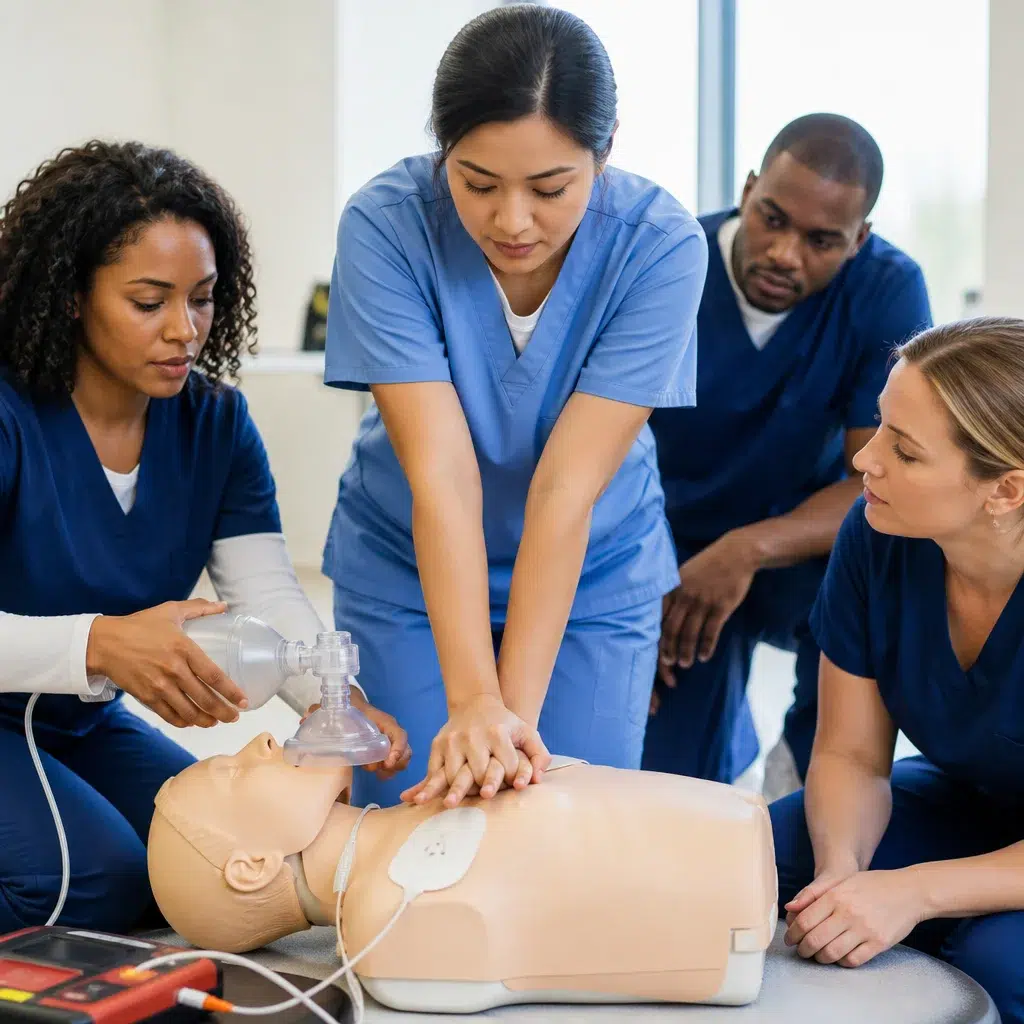
The training also covers post-resuscitation care, including targeted temperature management and careful monitoring of consciousness levels. Many nurses focus solely on the resuscitation phase, but ACLS emphasizes what happens after the patient returns to a perfusing rhythm. This holistic approach aligns with current resuscitation science and improves long-term neurological outcomes.
Beyond individual competency, ACLS creates a shared language across your team. When a code is called, everyone understands their role, communication protocols, and decision trees. This reduces chaos and improves coordination in moments when seconds matter.
What to do next: If you haven’t taken ACLS in more than two years, prioritize it. The curriculum updates regularly to reflect the latest evidence, and refreshing your knowledge prevents drift in clinical practice.
How Our Blended Learning Approach Fits Your Busy Schedule
We recognize that nurses juggle demanding shifts, on-call rotations, and personal commitments. Traditional in-person courses mean traveling to a fixed location at a set time, which often isn’t feasible for healthcare professionals.
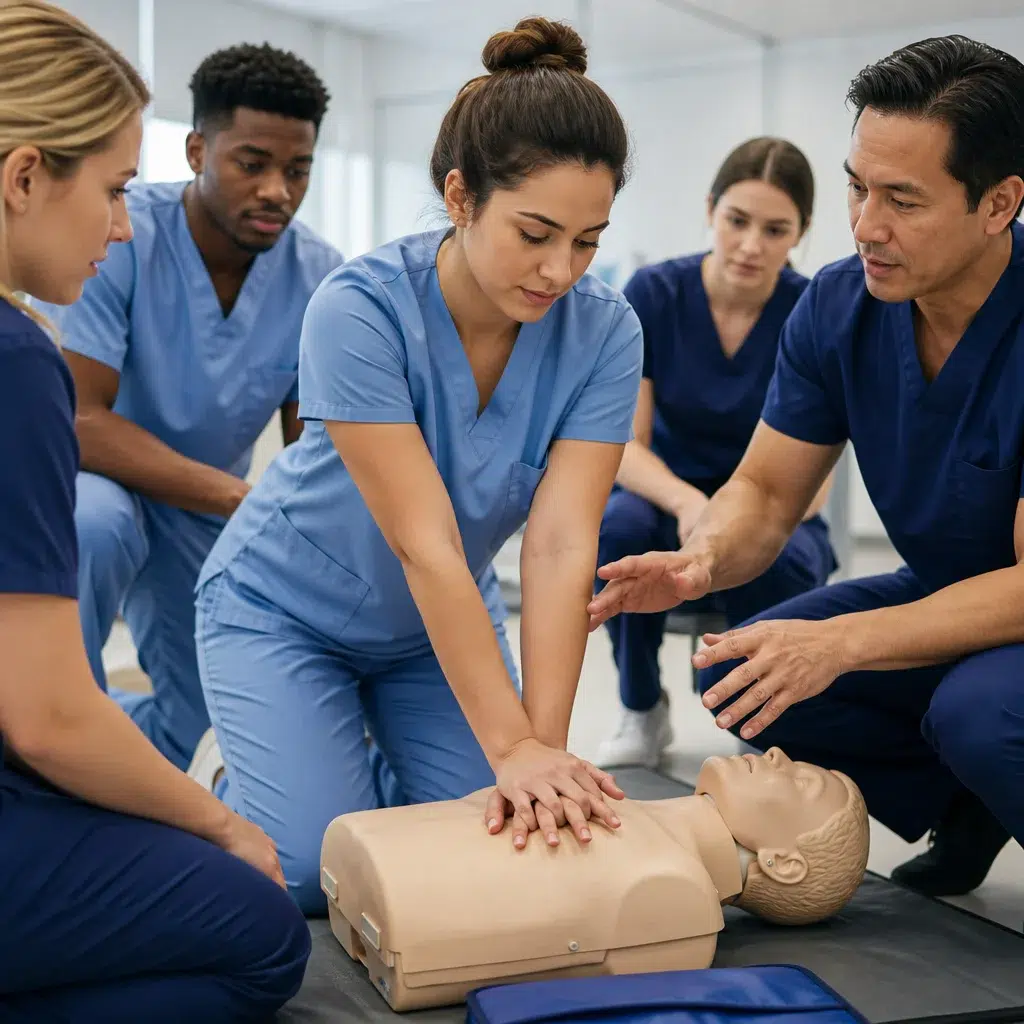
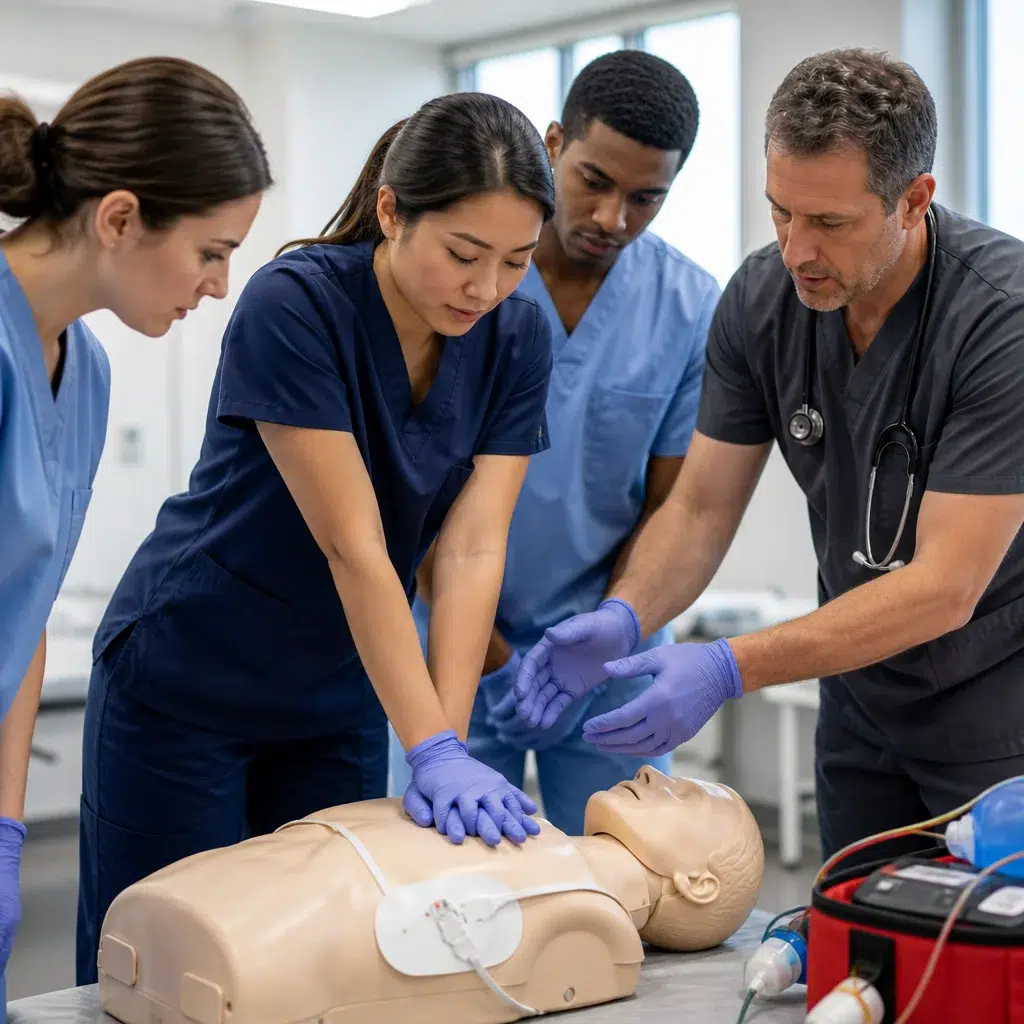
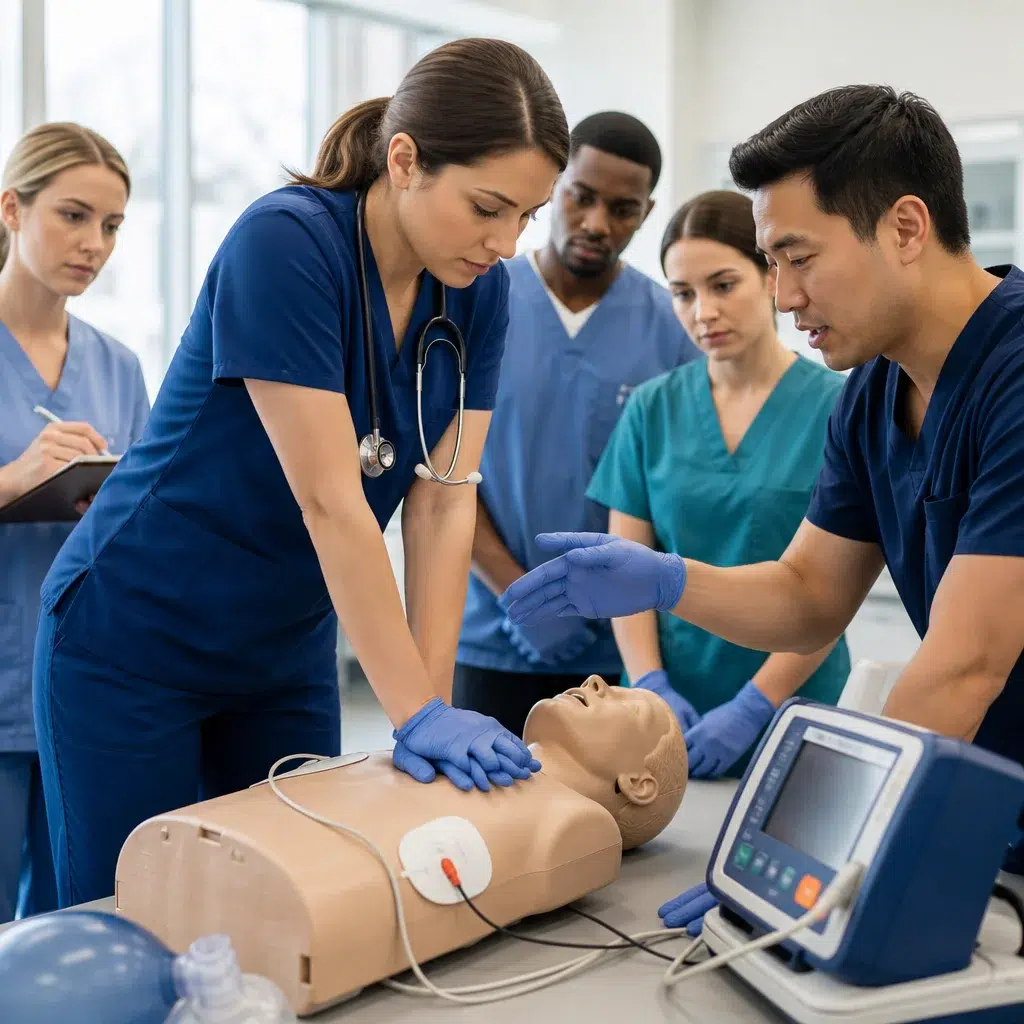
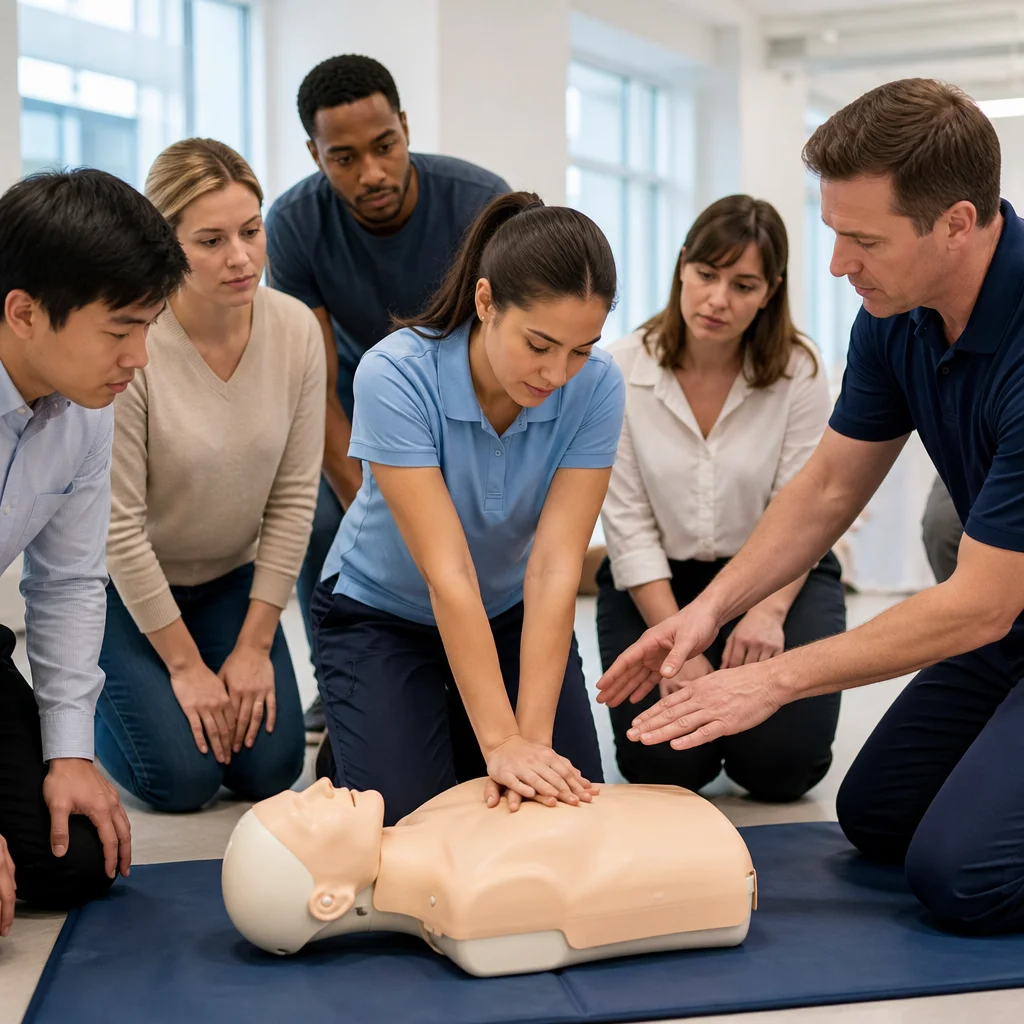
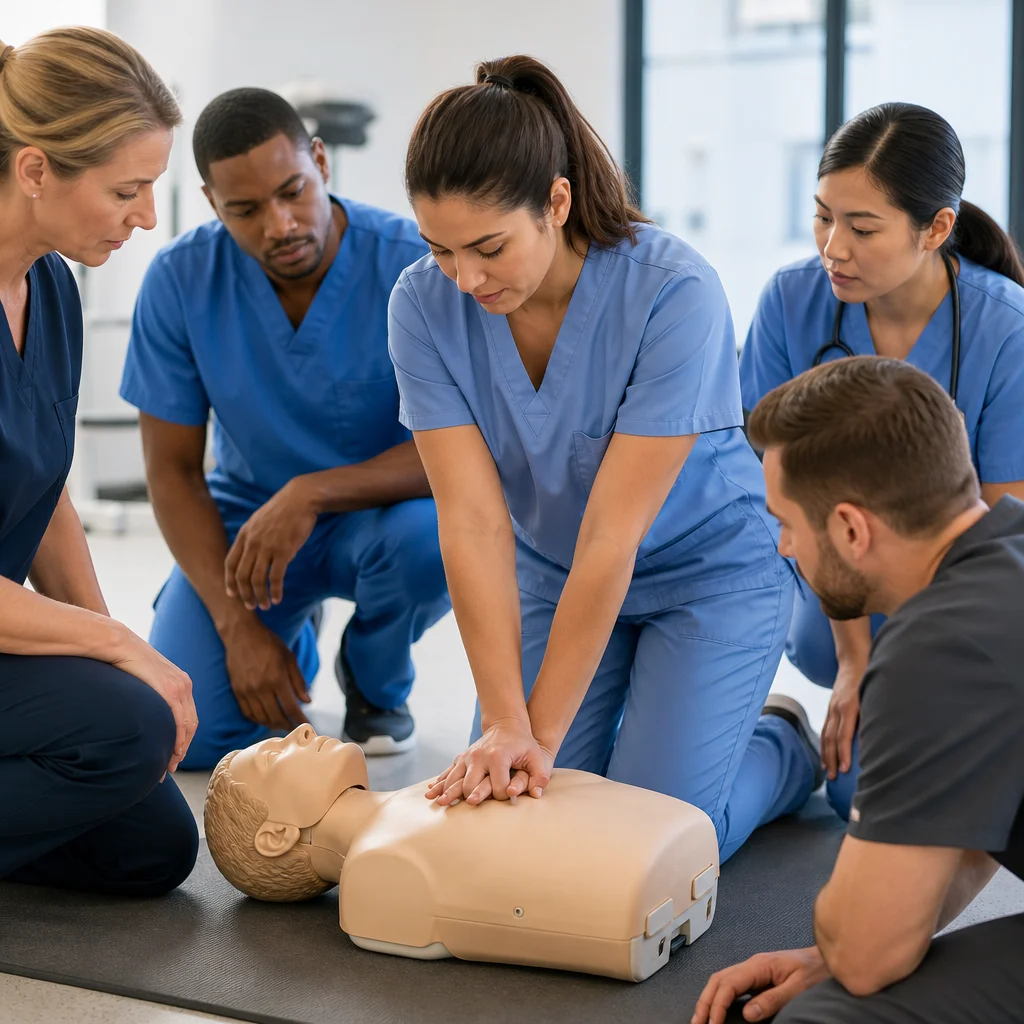
Our blended learning model combines self-paced online modules with in-person skills practice. You complete the cognitive content at home or between shifts, learning at your own pace without time pressure. Then you attend a focused skills session where you practice on manikins, receive feedback from experienced instructors, and demonstrate competency. This typically takes just a few hours of in-person time, not a full day.
The online portion covers rhythm recognition, medication protocols, and scenario-based decision-making. You can pause, review complex sections, and test yourself before arriving for hands-on practice. When you come in-person, your instructor already knows your learning style and can personalize feedback.
We offer flexible session times including early mornings, evenings, and weekends across more than 100 locations throughout California, including Alameda, Berkeley, Sacramento, San Francisco, San Jose, and Fresno. Whether you’re based in Stockton or Santa Cruz, you’ll find a convenient training site with scheduling options that fit your life.
What to do next: Review our California CPR training locations to find the nearest site and check available time slots that match your schedule.
Same-Day Certification Cards and Fast Checkout Process
After completing your skills assessment, you walk out with your certificate. No waiting for mail, no delays uploading to your employer’s credentialing system. We issue same-day digital and printed certification cards that meet all California requirements.
This matters more than it sounds. If your employer runs a quarterly compliance audit, having your card in hand immediately proves you’re current. If you’re hired for a new role and credentialing is time-sensitive, same-day certification eliminates administrative friction. Many nurses tell us this convenience alone saves them hours of follow-up and stress.
Our checkout process is streamlined. You verify your demographic information, select your certificate delivery preference, and you’re done. We handle the reporting to your employer or licensing board if needed. The entire process takes minutes, not days.
What to do next: When you schedule your course, confirm that same-day card issuance is included and ask about your facility’s preferred delivery method (digital, printed, or both).
Affordable Pricing With Our Low-Price Guarantee
We stand behind a low-price guarantee. If you find comparable certification training for less, we’ll match it. This commitment reflects our belief that cost shouldn’t be a barrier to staying compliant.
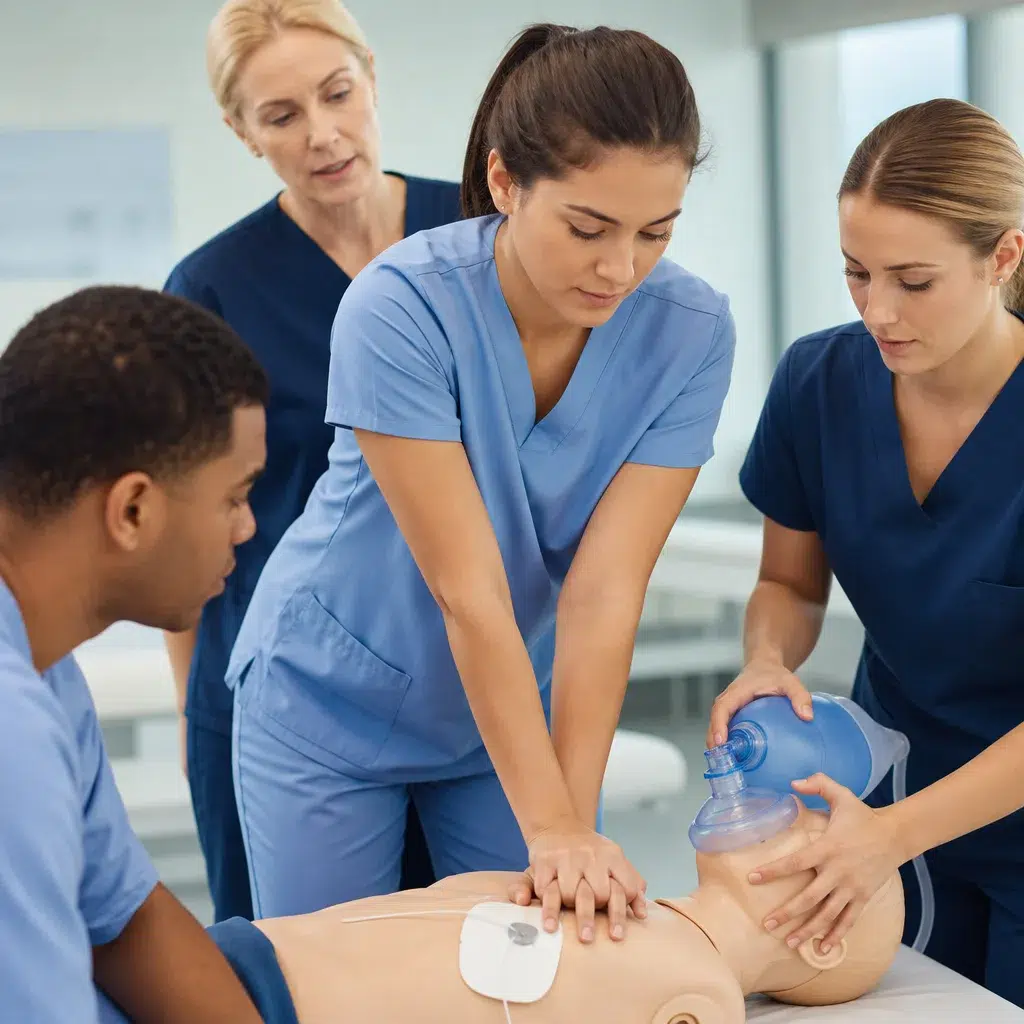
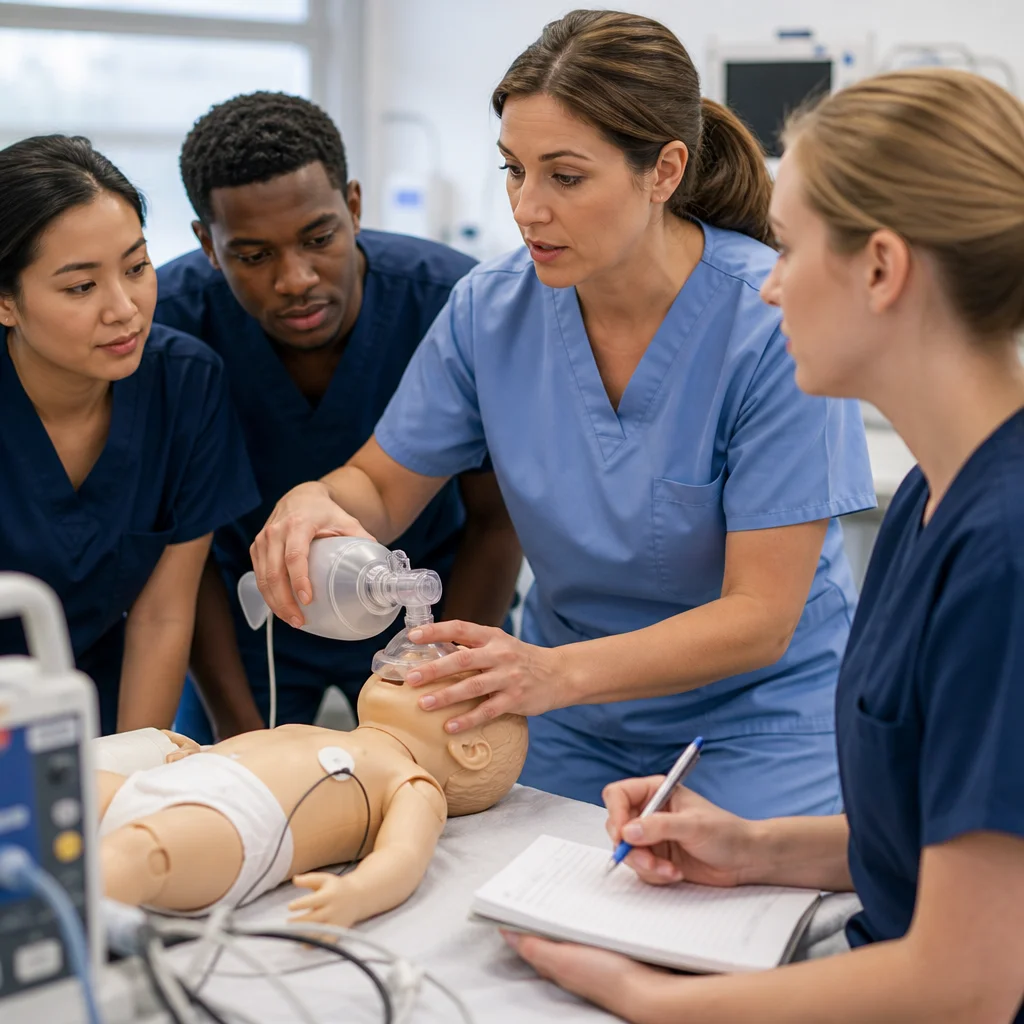
Certification fees vary based on course type and location. BLS courses are more affordable than ACLS or PALS (Pediatric Advanced Life Support). Group discounts apply when your facility sends multiple staff members. We also offer package deals if you’re recertifying multiple credentials.
Rather than hiding fees or surprising you at checkout, we show total cost upfront. No processing charges, no surprise facility fees. What we quote is what you pay. This transparency helps you budget and plan confidently.
Corporate group rates typically save your facility 15 to 25 percent per course when training ten or more employees. For a facility training 50 nurses annually, that savings compounds significantly while ensuring consistent, scheduled recertification cycles.
What to do next: Get a quote for your individual course or ask about bulk pricing if your facility is considering group training.
Over 100 California Training Locations for Convenient Access
We operate training sites across California’s major population centers and underserved regions. In the Bay Area alone, we host classes in Oakland, San Francisco, Fremont, Hayward, San Jose, Palo Alto, and surrounding cities. Central Valley locations include Sacramento, Fresno, Modesto, and Stockton. Northern California sites serve Chico, Redding, and Santa Rosa.
Proximity matters when you’re balancing work and personal time. A 20-minute drive to training is manageable between shifts. A 90-minute commute eats into your day off. Our distributed network ensures most California nurses find a location within reasonable distance.
Each site is staffed by experienced instructors and equipped with current training equipment. Whether you’re in Danville, Livermore, or Visalia, you receive the same high-quality instruction and curriculum standards.
What to do next: Use our location finder to identify the three nearest training sites. Check their schedules and choose the one that aligns best with your work rotation.
Corporate Group Training Solutions for Your Healthcare Facility
If you’re a nursing supervisor, educator, or compliance coordinator, we offer turnkey group training solutions. Rather than managing individual schedules and multiple enrollment confirmations, we deliver onsite or scheduled cohort training tailored to your facility’s needs.
Group training addresses a common pain point: coordinating 20 or 30 nurses across different shifts so everyone recertifies on schedule. We work with your facility to identify optimal training windows, schedule instructors, and manage all logistics. You focus on your clinical operations while we handle compliance.
Onsite training brings instructors directly to your facility, minimizing travel time for your staff. We provide all equipment and materials. Your nurses complete training during their shift or designated training time, and we issue certificates immediately.
For facilities managing mandatory recertification cycles, group training also ensures consistency. Everyone completes the same course with the same standards, simplifying your audit trail and credentialing documentation.
What to do next: Contact us with your facility’s staffing numbers and timeline. We’ll develop a custom proposal including pricing, scheduling options, and logistics.
Expert Instructors and AHA-Aligned Curriculum Standards
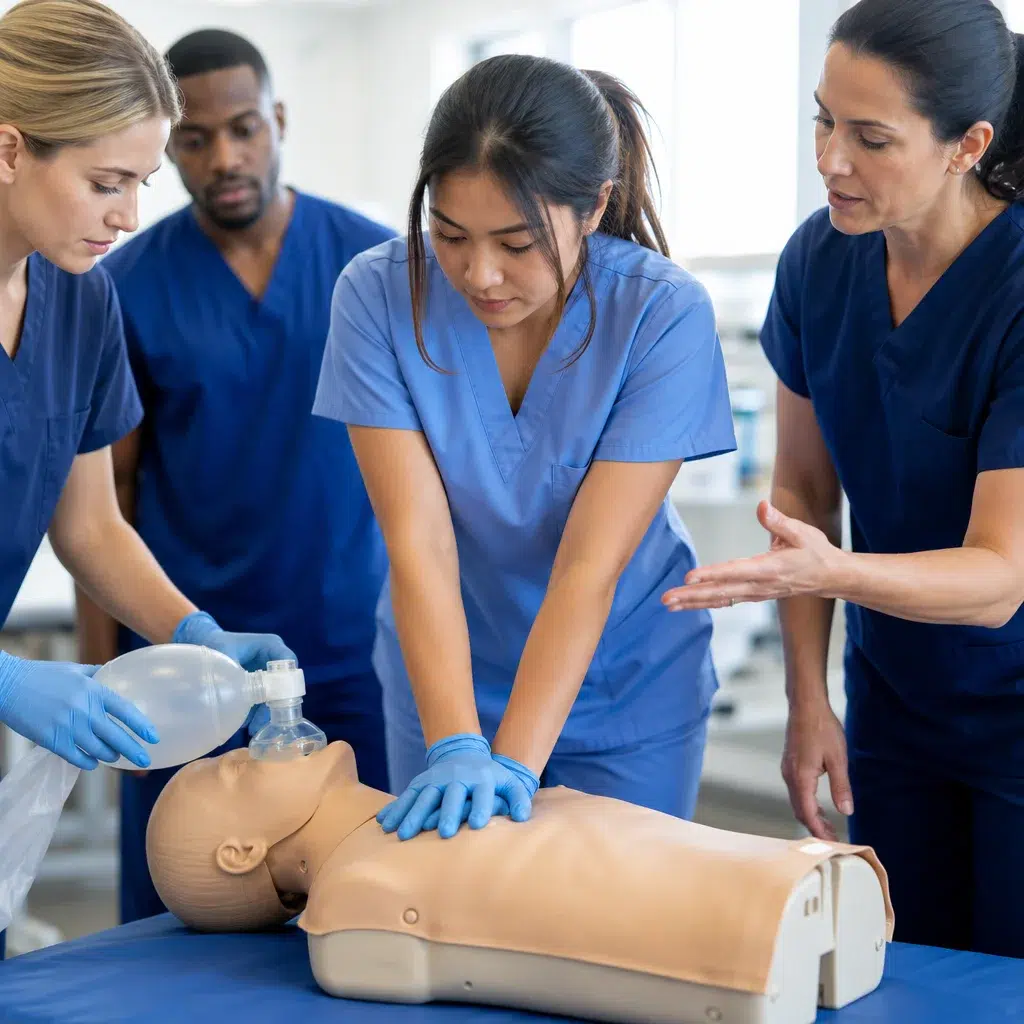
Our instructors are active healthcare professionals or experienced educators with deep knowledge of prehospital and hospital resuscitation protocols. Many hold positions in emergency medicine, critical care, or paramedicine. This expertise means your instructors understand the real-world chaos of cardiac emergencies and can speak to practical application.
We align our curriculum with recognized guidelines and update content regularly as evidence evolves. This ensures you’re learning current best practices, not outdated protocols. Your skills reflect what your facility expects and what clinical science supports.
Instructors provide individualized feedback during skills sessions. If your chest compression depth is shallow, they show you the correction in real-time. If your medication administration sequence needs refinement, they coach you through the correct order. This personalized attention accelerates learning and builds confidence.
What to do next: When you enroll, review your instructor’s background. Don’t hesitate to ask questions about their experience during your course.
Getting Started With Your Next Certification Today
Compliance doesn’t require complexity. Start by confirming your certificate expiration dates and your facility’s specific requirements. Then choose a convenient training date and location.
Visit our website to browse available courses, select your preferred time and site, and complete enrollment. You’ll receive login details for the online portion immediately. Complete the self-paced modules at your convenience, then attend your scheduled skills session with your certificate issued the same day.
If you’re managing group training for your facility, reach out to our corporate training team with your staffing numbers and timeline. We’ll design a solution that fits your budget and operational needs.
Your patients depend on your skills. Staying current with CPR and ACLS certifications is a professional obligation you can confidently meet with flexible, affordable, and accessible training.
Register for a class today.
Frequently Asked Questions (FAQ)
How quickly can I get my CPR and ACLS certification with you?
We offer same-day certification cards so you can leave our training with your credentials in hand. Our blended learning model lets you complete the knowledge portion online at your own pace, then come in for a focused in-person skills session. Most nurses finish both their CPR and ACLS requirements within a single visit to one of our 100+ California locations.
Do you offer training at locations convenient to my workplace?
We operate training centers across California from San Francisco to Visalia, including multiple locations in major cities like Sacramento, San Jose, Oakland, and Los Angeles area. Whether you work in a hospital, clinic, or private practice, you’ll likely find one of our centers within a short drive. Our extensive network means you can schedule around your shift work without traveling far.
What makes your pricing different from other training providers?
We back our pricing with a low-price guarantee, so you get certified affordably without compromising quality. We also offer corporate group discounts for healthcare facilities that want to train multiple staff members at once. Our straightforward pricing covers everything you need for full certification without hidden fees.