Table of Contents
- Why Proper Burn First Aid Training Matters for Healthcare Professionals
- Understanding the Three Types of Burn Injuries and Their Immediate Dangers
- Thermal Burns: Assessment, Cooling, and Initial Care Protocols
- Chemical Burns: Decontamination and Emergency Response Steps
- Electrical Burns: Identifying Hidden Injuries and Preventing Complications
- Critical First Aid Actions You Must Take Within the First Minutes
- When to Escalate Care: Recognizing Severe Burn Indicators
- How Our Comprehensive First Aid Certification Prepares You for Real-World Scenarios
- Blended Learning Approach: Virtual Knowledge Plus Hands-On Skills Training
- Getting Your First Aid Certification at One of Our 100+ California Locations
- Maintaining Your Skills: Recertification and Ongoing Professional Development
- Frequently Asked Questions (FAQ)
Why Proper Burn First Aid Training Matters for Healthcare Professionals
Burn injuries arrive without warning, and the first minutes of care determine long-term patient outcomes. Whether you work in an emergency department, clinic, urgent care, or specialty practice, you’ll encounter burn victims who depend on your swift, confident response. Inadequate initial treatment increases infection risk, prolongs healing, and can lead to permanent scarring or functional loss.
Healthcare professionals across California recognize that burns require specialized knowledge that goes beyond standard first aid. Thermal burns from contact with hot surfaces, chemical burns from industrial exposure, and electrical burns from contact injuries each demand distinct protocols. Your certification in burn injury first aid equips you to assess severity accurately, apply evidence-based interventions, and coordinate escalation to specialized burn centers when necessary.
We’ve trained thousands of nurses, physicians, dentists, and EMS personnel who face burn emergencies in real practice. The confidence that comes from hands-on training directly translates to better patient care. Mastering these protocols isn’t optional for compliance; it’s fundamental to your professional responsibility and your patients’ recovery.
Understanding the Three Types of Burn Injuries and Their Immediate Dangers
Burns fall into three primary categories, each with distinct mechanisms, depth patterns, and emergency responses. Recognizing these differences within seconds determines whether you apply cooling water, remove chemical residue, or isolate the patient from an ongoing electrical hazard.
Thermal burns result from contact with flames, hot liquids, steam, or heated surfaces. These are the most common burn type and range from superficial (redness only) to deep (charring of skin and underlying tissue). Thermal burns can expand or deepen if heat continues to penetrate, making rapid cooling critical.
Chemical burns occur when corrosive substances contact skin or mucous membranes. Alkali chemicals often cause deeper injuries than acids because they continue to damage tissue by saponifying fats in cell membranes. The burn may not reach maximum depth for hours after exposure, requiring immediate and prolonged decontamination.
Electrical burns present a deceptive challenge: the entry and exit wounds may appear minor while internal tissue damage from current flow can be catastrophic. Electrical current disrupts heart rhythm, causes muscle tetany, and damages organs along the current pathway. You must assess for these hidden injuries even when surface burns look minimal.
Thermal Burns: Assessment, Cooling, and Initial Care Protocols
Thermal burn assessment begins with determining depth using the appearance of the burn and patient sensation. Superficial burns (first degree) appear red and painful but don’t blister. Partial-thickness burns (second degree) show blistering and remain painful to touch. Full-thickness burns (third degree) appear white, charred, or leathery and often lack pain sensation because nerves are destroyed.
Your immediate action for thermal burns is cooling. Immerse the burned area in cool (not ice-cold) running water for 10 to 20 minutes. Cooling stops the heat transfer and reduces pain by numbing nerve endings. For facial or airway burns, use damp cloths instead of immersion to avoid aspiration risk.
After cooling, apply a clean, dry dressing. Do not apply ice directly to skin; it causes further tissue damage. Never apply butter, oil, or home remedies that trap heat and increase infection risk. Cover the burn with sterile gauze or a clean cloth, elevate if possible, and prepare for transport if the burn is extensive.
Estimate the percentage of body surface area (BSA) affected using the rule of nines: each arm is 9 percent, each leg is 18 percent, the torso is 18 percent front and back, and the head is 9 percent. Burns exceeding 15 percent BSA in adults or 10 percent in children require hospital admission for fluid resuscitation and specialist evaluation.

Chemical Burns: Decontamination and Emergency Response Steps
Chemical burn response hinges on speed and thoroughness of decontamination. Your first action is to remove the patient from the chemical source and brush away any dry chemical powder before flushing. For liquid chemicals, immediately begin copious water irrigation for at least 15 to 20 minutes, keeping water running over the entire affected area.
Do not attempt to neutralize the chemical with an opposing agent. Water dilution is universally safe and effective; chemical neutralization can generate heat and worsen injury. Continue flushing even if the patient reports pain relief; many chemical burns deepen during the post-contact period as chemical penetration continues.
For specific chemicals, consult safety data sheets available at your facility. Some chemicals require extended flushing (hydrofluoric acid, for example, needs 45 minutes or longer). Others require specific interventions: hydrofluoric acid exposure may need topical calcium gluconate to prevent systemic fluoride toxicity. Phosphorus particles may ignite when exposed to air, so keep them covered with saline-soaked dressings.
Remove contaminated clothing carefully, protecting yourself and the patient. Wear gloves and avoid touching your face or eyes. Once decontamination is complete, apply sterile dressings and arrange immediate transport. Inhalation injury is possible with chemical vapors, so assess for respiratory distress and stridor.
Electrical Burns: Identifying Hidden Injuries and Preventing Complications
Electrical injury assessment requires vigilance for injuries beyond visible burn marks. When current flows through the body, it damages tissues along the pathway, causing muscle necrosis and release of myoglobin into the bloodstream. This myoglobin can precipitate in the kidneys and cause acute kidney injury if not detected and treated promptly.
Your first priority with electrical injury is safety: ensure the power source is de-energized before touching the patient. Do not attempt rescue if the electrical hazard persists; call for professional assistance. Once the scene is safe, perform primary assessment, checking for cardiac dysrhythmia, respiratory effort, and consciousness.
All electrical injury patients require cardiac monitoring. Current flowing across the chest can cause ventricular fibrillation hours after the incident, even in apparently stable patients. Obtain a 12-lead ECG and continuous cardiac monitoring for at least 24 hours. If cardiac arrest is witnessed, begin CPR and use automated external defibrillation immediately.
Check urine color frequently. Dark or cola-colored urine signals myoglobinuria and demands aggressive IV fluid resuscitation to maintain urine output and prevent kidney damage. Elevated creatine kinase levels confirm muscle injury. Lightning strikes can cause asystole or respiratory paralysis requiring prolonged resuscitation; never assume a lightning strike victim is deceased until they are warm and unresponsive.
Critical First Aid Actions You Must Take Within the First Minutes
The golden hour begins the moment you witness or receive a burn patient. Your immediate actions set the trajectory for recovery. Stop the burning process first: for thermal burns, cool immediately; for chemical burns, flush without delay; for electrical burns, ensure scene safety before approaching.
Assess airway patency and breathing within seconds. Facial burns or enclosed-space fires carry high risk of inhalation injury. Listen for stridor (high-pitched breathing sound), assess for soot in the mouth or nose, and observe for carbonaceous sputum. Consider early airway intubation if inhalation injury is suspected; airway swelling can progress rapidly.
Establish IV access and begin fluid resuscitation for burns exceeding 15 percent BSA. Use the Parkland formula as a starting point: multiply BSA percentage by body weight in kilograms and multiply by 4 milliliters. Administer half of this calculated volume over the first 8 hours and the remainder over the next 16 hours, adjusting based on urine output. Titrate fluids to maintain urine output of 0.5 to 1 milliliter per kilogram per hour.
Cover burns with clean dressings to prevent contamination and reduce evaporative fluid loss. Do not apply topical antibiotics in the pre-hospital setting; wound care happens at the hospital. Document the time of injury, burn depth estimation, BSA affected, and any chemical or electrical hazards involved. Communicate this information clearly to the receiving facility.
When to Escalate Care: Recognizing Severe Burn Indicators

Determining when to refer a burn patient to a specialized burn center requires understanding severity criteria. Partial-thickness or full-thickness burns exceeding 10 percent BSA in patients under 10 or over 50 years old meet transfer criteria. Burns of 20 percent or greater in other ages also require burn center care.
Circumferential burns (burns that completely encircle an extremity or the torso) can act like a tourniquet, restricting blood flow or preventing chest expansion. These burns demand immediate transfer and may require escharotomy (surgical incision through burned skin) to restore circulation and breathing.
Burns involving the face, hands, feet, joints, genitals, or perineum require specialist evaluation even if BSA is small. These areas affect function and appearance critically. Any electrical injury with dysrhythmia, any chemical burn with systemic toxicity risk, and any inhalation injury must go to a facility with burn intensive care capability.
Pediatric burns, geriatric burns, and burns in patients with significant comorbidities carry higher mortality risk despite smaller BSA involvement. Pregnancy complicates burn care; pregnant patients require fetal monitoring and specialist management. When in doubt, consult your local burn center or arrange transfer.
How Our Comprehensive First Aid Certification Prepares You for Real-World Scenarios
We design our burn injury and advanced first aid training around the scenarios you actually encounter. Our instructors include emergency medicine physicians, trauma nurses, and paramedics who’ve managed burn emergencies in high-acuity settings. Their real-world experience shapes every module, ensuring you practice skills that matter.
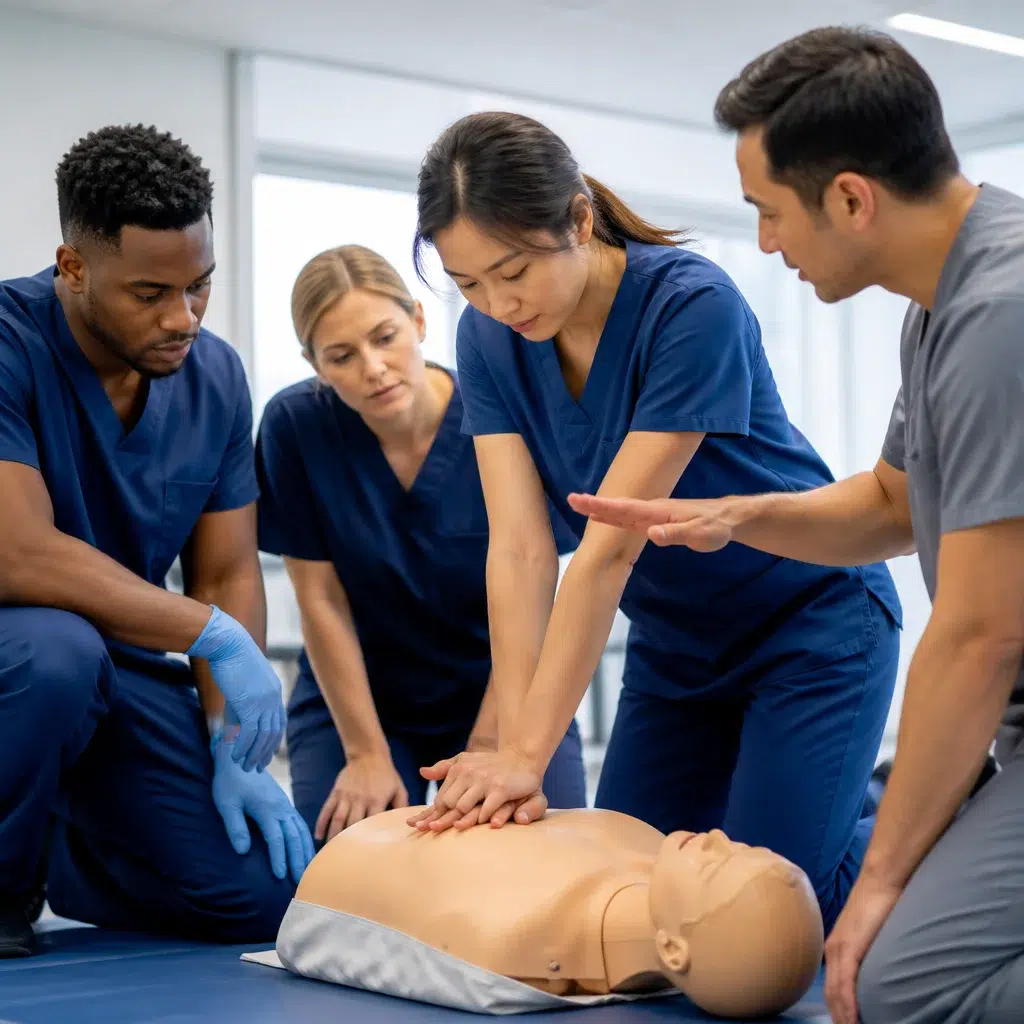
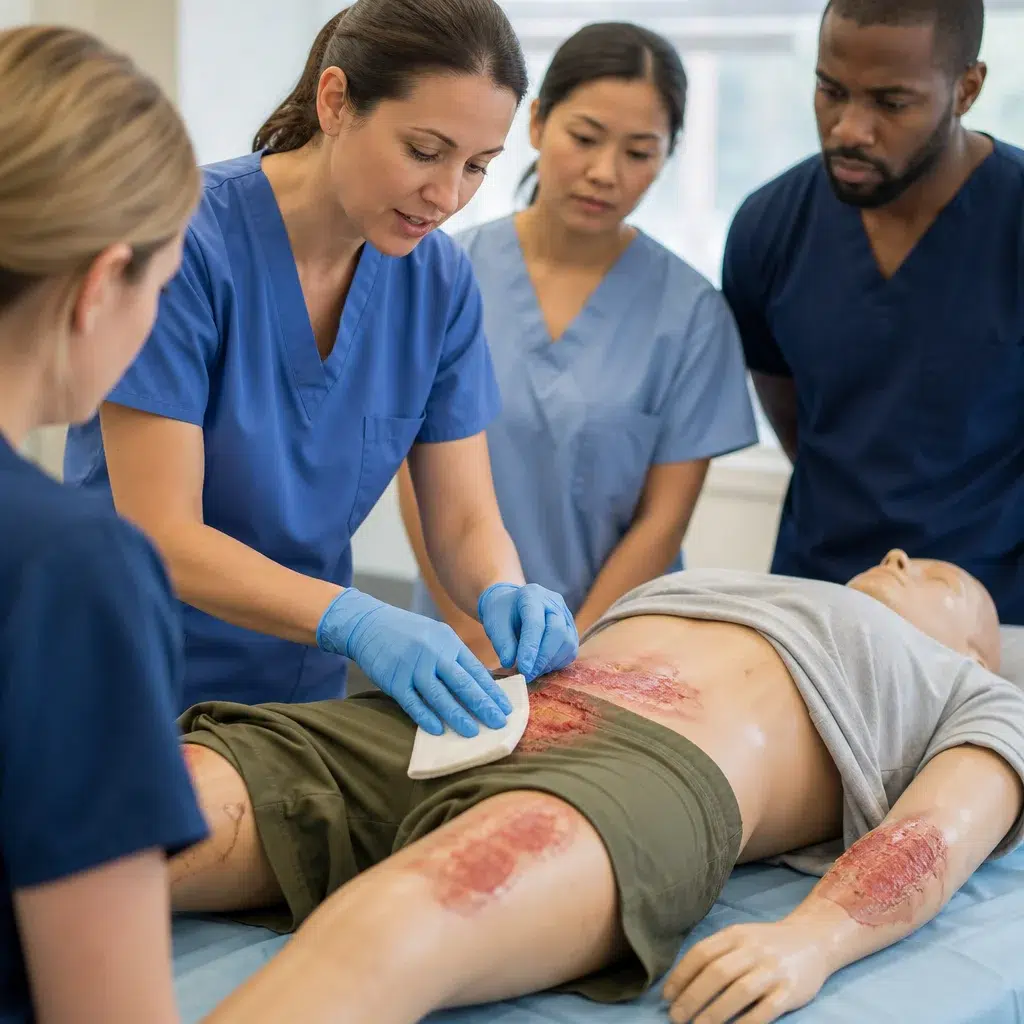
Our courses move beyond memorization into deliberate practice. You’ll perform cooling techniques on simulated thermal burns, practice decontamination protocols on actors, and interpret ECG changes from electrical injuries. Small class sizes at our locations throughout California—including Alameda, Bakersfield, Concord, Fresno, and Oakland—allow instructors to provide individualized feedback on your technique.
We integrate case studies showing how split-second decisions affect outcomes. You’ll analyze a chemical exposure scenario, determine BSA using standardized methods, and apply the Parkland formula under realistic time pressure. This applied learning transfers directly to your workplace, reducing hesitation when emergencies occur.
Our instructors emphasize the human element alongside technical skill. Burn patients experience severe pain and emotional trauma. You’ll learn communication techniques that calm patients, coordinate care clearly with your team, and document thoroughly for continuity. Professional confidence matters as much as clinical accuracy.
Blended Learning Approach: Virtual Knowledge Plus Hands-On Skills Training
We recognize that healthcare professionals have limited time. Our blended learning model lets you master theoretical knowledge at your own pace through online modules, then come to one of our California training locations for hands-on skills validation.
Virtual sessions cover burn classification, assessment frameworks, and decision trees. You’ll review anatomy and pathophysiology of different burn types, study the Parkland formula with worked examples, and watch video demonstrations of proper cooling and decontamination technique. This knowledge work happens when you have time, without travel pressure.
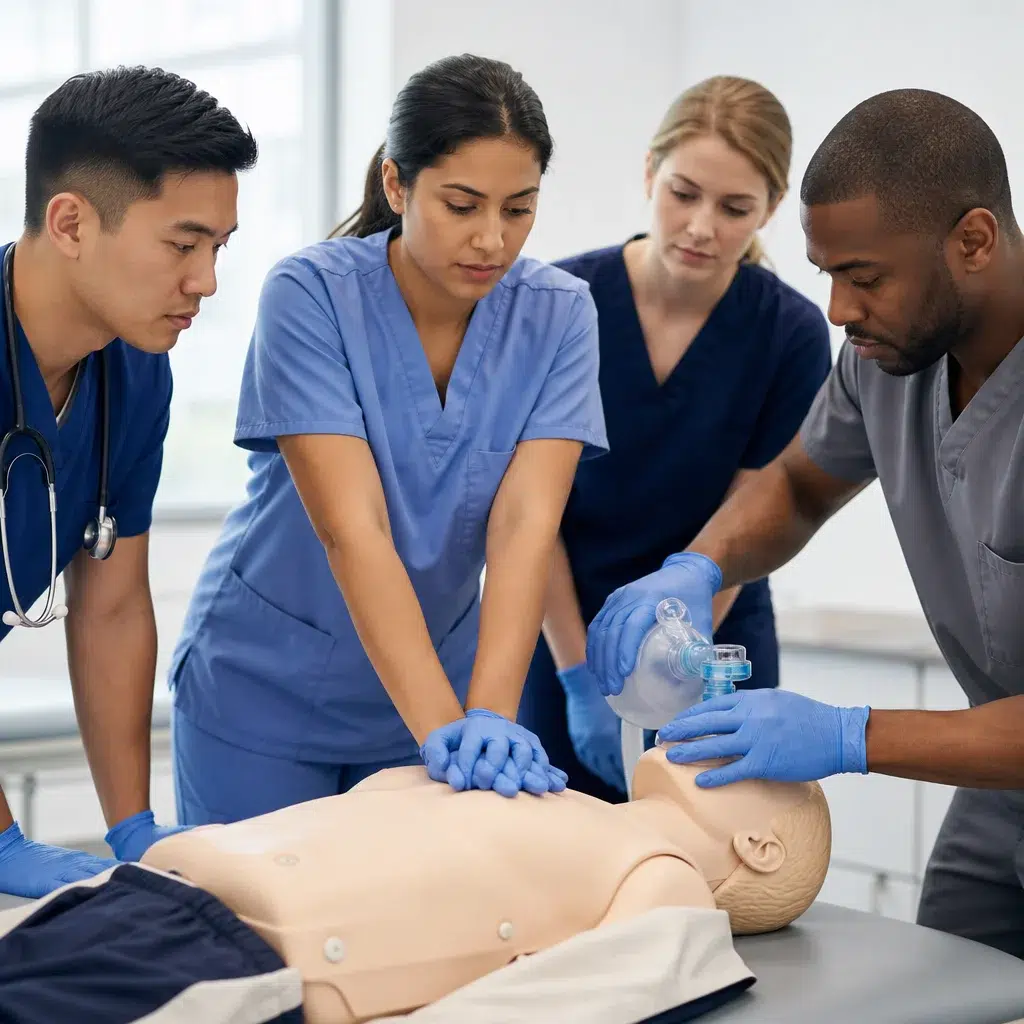
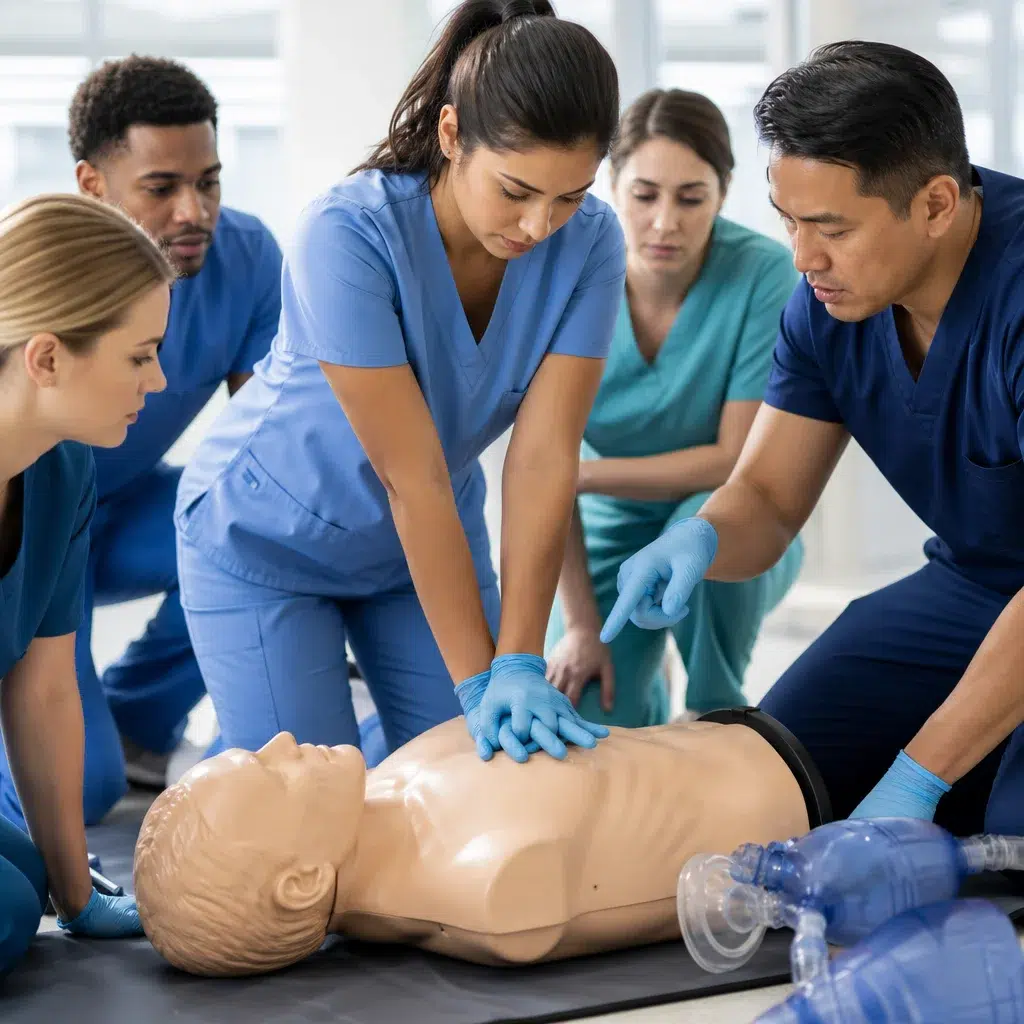
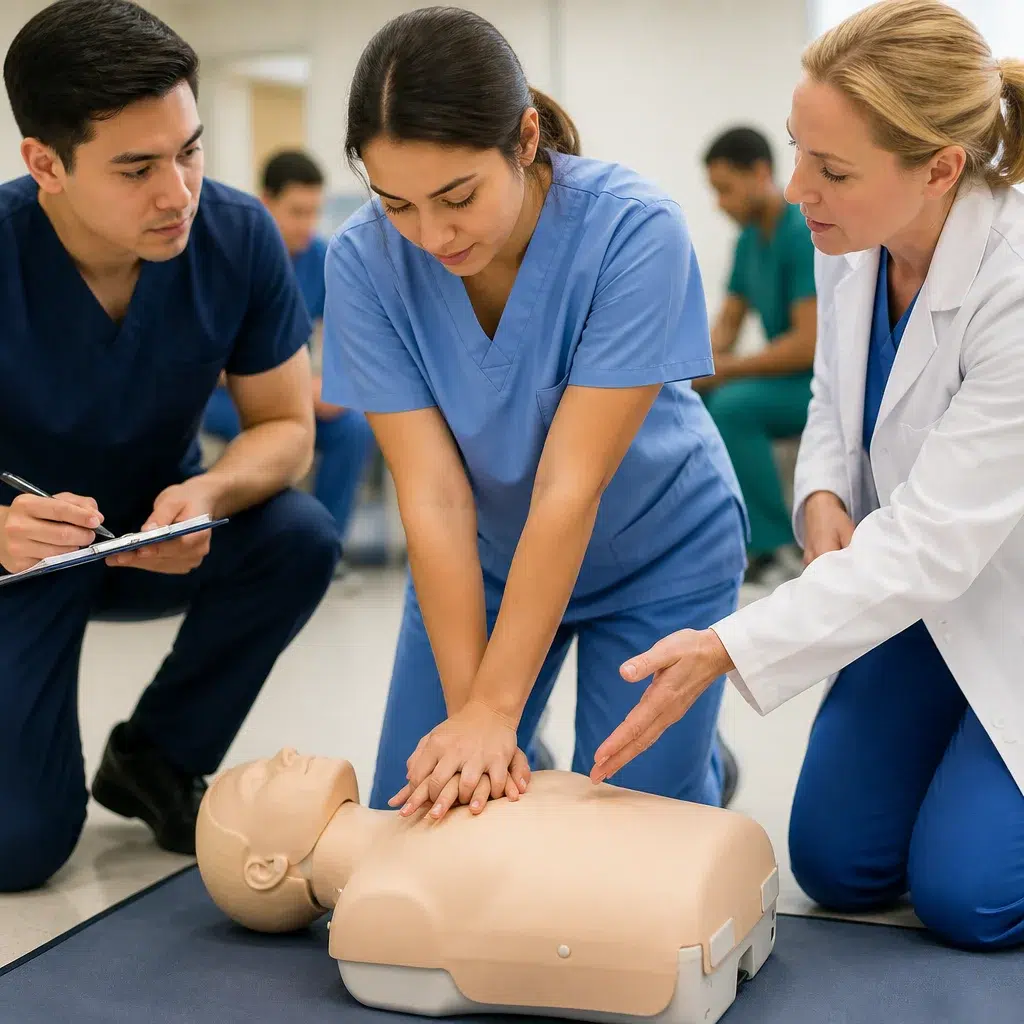
In-person sessions focus on practical skill. You’ll practice cooling thermal burns on simulated skin, apply dressings to realistic manikins, and run through electrical injury response with cardiac monitoring equipment. Instructors observe your technique directly, correct errors in real-time, and sign off on competency. This blended approach means you arrive at skills practice already grounded in theory, maximizing class time value.
We offer multiple scheduling options to fit your calendar. Evening and weekend classes at locations like San Jose, Sacramento, and San Francisco accommodate shift workers and busy professionals. Saturday sessions at Pleasant Hill, Roseville, and Sunnyvale accommodate those with irregular schedules. Daily class availability across our network means you find a schedule that works.
Getting Your First Aid Certification at One of Our 100+ California Locations
Whether you practice in rural settings like Visalia or major medical centers like UCSF, we have a training location within reach. Our network spans over 100 California communities, from Redding in the north to Fresno in the central valley, and from Santa Cruz on the coast to communities throughout the Sacramento and San Francisco Bay areas.
Finding your nearest location is straightforward. Browse our current schedule, select your preferred location and date, and register online. Our low-price guarantee ensures you’re getting certified without financial burden. Many employers offer tuition reimbursement; we provide documentation and invoicing that integrates with your organization’s finance processes.
You’ll need to bring a valid photo ID and arrive 10 minutes early. Wear comfortable clothing that allows arm movement for skills practice. If you have physical limitations that affect your ability to practice skills, contact us before class so we can discuss accommodations. All our instructors are trained to adapt teaching methods while maintaining certification standards.
Upon successful completion of skills and written assessments, you’ll receive your certification card valid for two years. We send digital copies immediately and mail your official card within days. Your certification meets job requirements across California healthcare settings and satisfies regulatory mandates for professional licensing renewal.
Maintaining Your Skills: Recertification and Ongoing Professional Development
Certification validity is two years, but clinical skills fade without practice. We recommend reviewing key protocols monthly and seeking refresher training annually if your practice involves frequent burn care. Many healthcare settings require documented recertification every two years; planning your renewal course before expiration prevents lapses.
Recertification courses are streamlined versions of initial training, focusing on skill validation rather than foundational knowledge. If you’ve maintained active practice in burn care, recertification typically takes half the time of initial certification. We offer recertification at all our locations on rotating schedules.
Beyond formal recertification, we encourage ongoing professional development through our blog resources and downloadable clinical guides. Stay current with the latest burn treatment protocols, learn about emerging therapies, and access quick-reference tools for your workplace. Professional growth sustains your confidence and improves outcomes.
Consider enrolling in medical certification training programs that pair burn injury first aid with ACLS or BLS if your role requires comprehensive emergency response skills. Multi-certification packages offer value and ensure your entire emergency toolkit stays current.
Your commitment to maintaining competency in burn injury first aid directly benefits your patients. We’re here to support that commitment through accessible, practical, instructor-led training across California. Register for your first aid certification today and gain the confidence that comes from expert preparation.
Register for a class today.
Frequently Asked Questions (FAQ)
What burn injuries does our first aid certification cover?
Our comprehensive first aid certification training prepares you to respond confidently to thermal, chemical, and electrical burns. We cover assessment protocols for each burn type, immediate care techniques like proper cooling methods, and decontamination procedures specific to chemical exposures. Our instructors also train you to recognize hidden injuries from electrical burns that aren’t immediately visible on the skin.
How do our blended learning courses prepare me for real burn emergency situations?
We combine virtual instruction where you learn assessment frameworks and decision-making protocols with in-person skills sessions where you practice hands-on techniques under direct supervision. Our instructors simulate realistic burn scenarios so you can develop muscle memory for critical actions like cooling, wound management, and knowing when to escalate to advanced care. This approach ensures you’re equipped to handle actual emergencies with confidence.
Where can I complete my first aid certification in California?
We offer training at over 100 locations throughout California, including major cities like San Francisco, Los Angeles, San Diego, and Sacramento, plus smaller communities statewide. You can find a location convenient to you on our website, and we offer daily class scheduling to fit your work and professional licensing requirements.