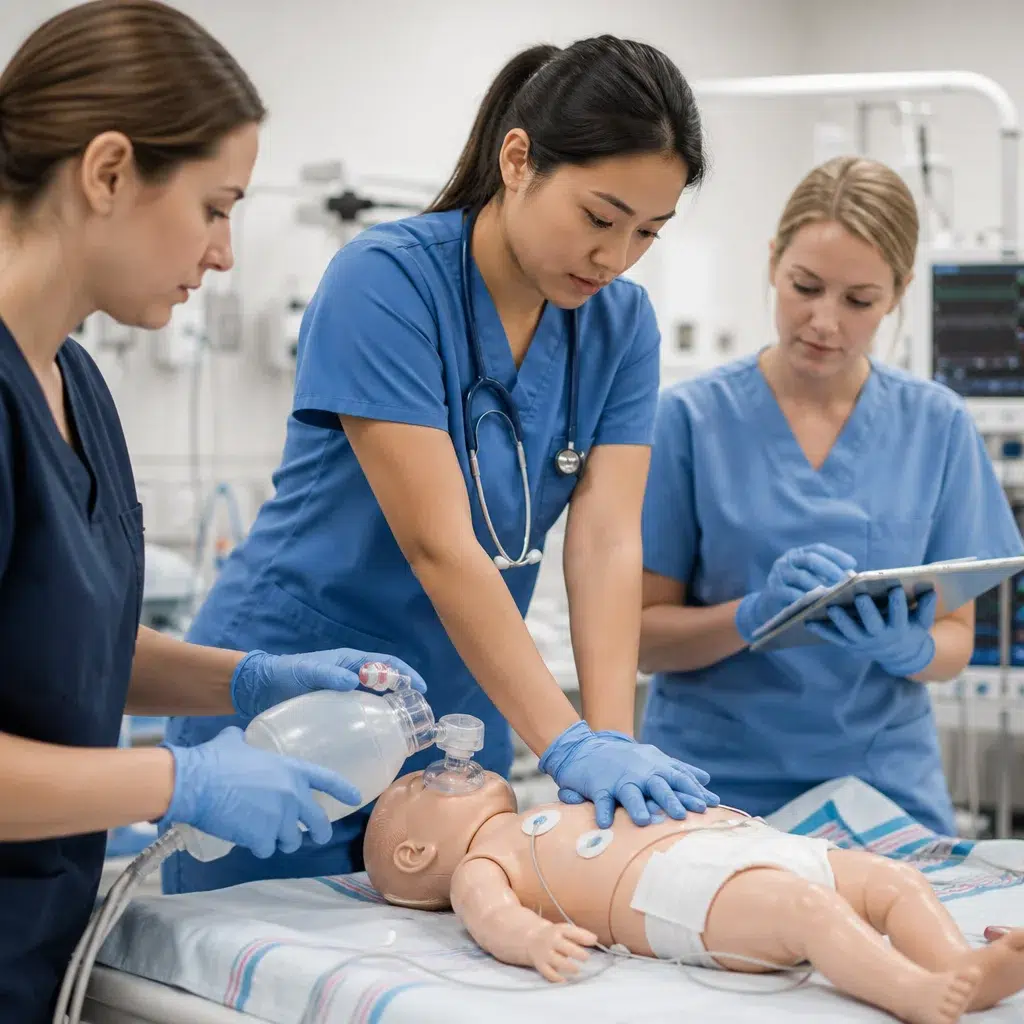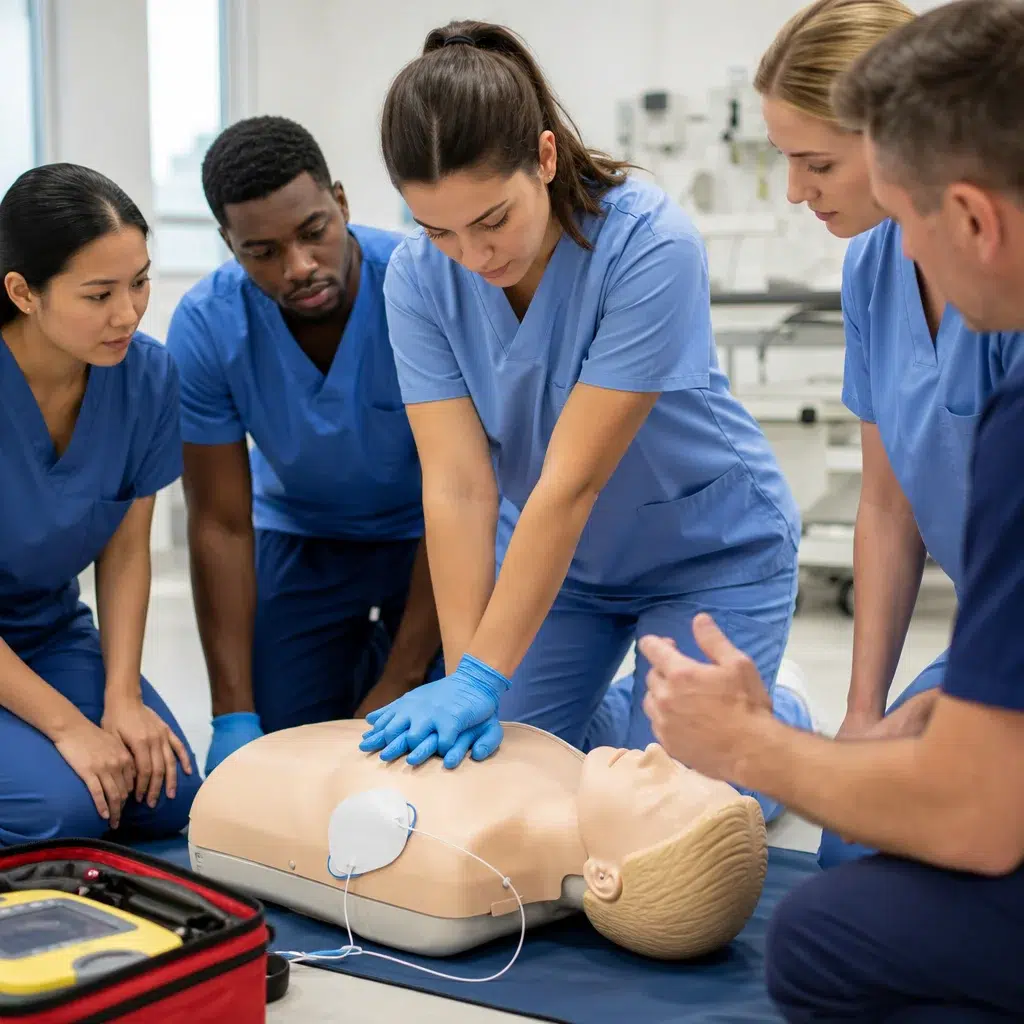
Table of Contents
- Why EMS Professionals Need Both PALS and NRP Certifications
- Understanding PALS: Scope and Clinical Applications for EMS
- Understanding NRP: Specialized Training for Newborn Emergencies
- Certification Requirements: Which Does Your EMS Role Demand
- Training Format Comparison: Blended Learning vs Traditional Classroom
- Flexible Scheduling and Same-Day Certification: Our Commitment to You
- Compliance and Currency: Maintaining Your Dual Credentials
- Cost-Effective Solutions: Our Low-Price Guarantee for EMS Teams
- Multi-Location Convenience Across California: Train Where You Work
- Why Safety Training Seminars Is Your Definitive Choice
- Next Steps: Schedule Your PALS and NRP Training Today
- Frequently Asked Questions (FAQ)
Why EMS Professionals Need Both PALS and NRP Certifications
If you work in emergency medical services, you likely know that one certification rarely covers all the scenarios you’ll face in the field. PALS (Pediatric Advanced Life Support) and NRP (Neonatal Resuscitation Program) are two distinct credentials that address critical gaps in your emergency response toolkit, but they serve different patient populations and require separate training investments.
The reality is straightforward: California EMS protocols and many healthcare employers now expect professionals to maintain both certifications. PALS focuses on stabilizing and resuscitating pediatric patients from infancy through adolescence, while NRP specializes exclusively in the first moments of a newborn’s life. A cardiac event in a 7-year-old demands different interventions than a struggling newborn in delivery. Without both credentials, you’re operating at a disadvantage when those situations arise.
Many EMS teams make the mistake of assuming one certification covers the other. It doesn’t. Each course teaches distinct algorithms, drug dosing, equipment sizing, and psychological considerations. For paramedics, flight crews, and critical care transport specialists across California, holding both certifications directly impacts job security, advancement opportunities, and your ability to respond confidently when every second matters.
Understanding PALS: Scope and Clinical Applications for EMS
PALS Certification trains you to recognize and manage life-threatening emergencies in children from 1 year through early adolescence. The curriculum emphasizes rapid assessment, effective CPR modifications for smaller bodies, and appropriate medication administration based on weight-based dosing formulas.
In practical EMS work, PALS covers:
- Recognition and treatment of cardiac arrhythmias in children
- Management of respiratory emergencies and airway obstruction
- Sepsis and shock protocols for pediatric patients
- Rapid sequence intubation considerations for different age groups
- Post-resuscitation care and stabilization strategies
The course teaches you that pediatric emergencies often have different underlying causes than adult events. A child in cardiac arrest frequently arrives there through respiratory failure or trauma, not a heart attack. PALS training emphasizes early recognition of respiratory distress so you can intervene before collapse occurs.
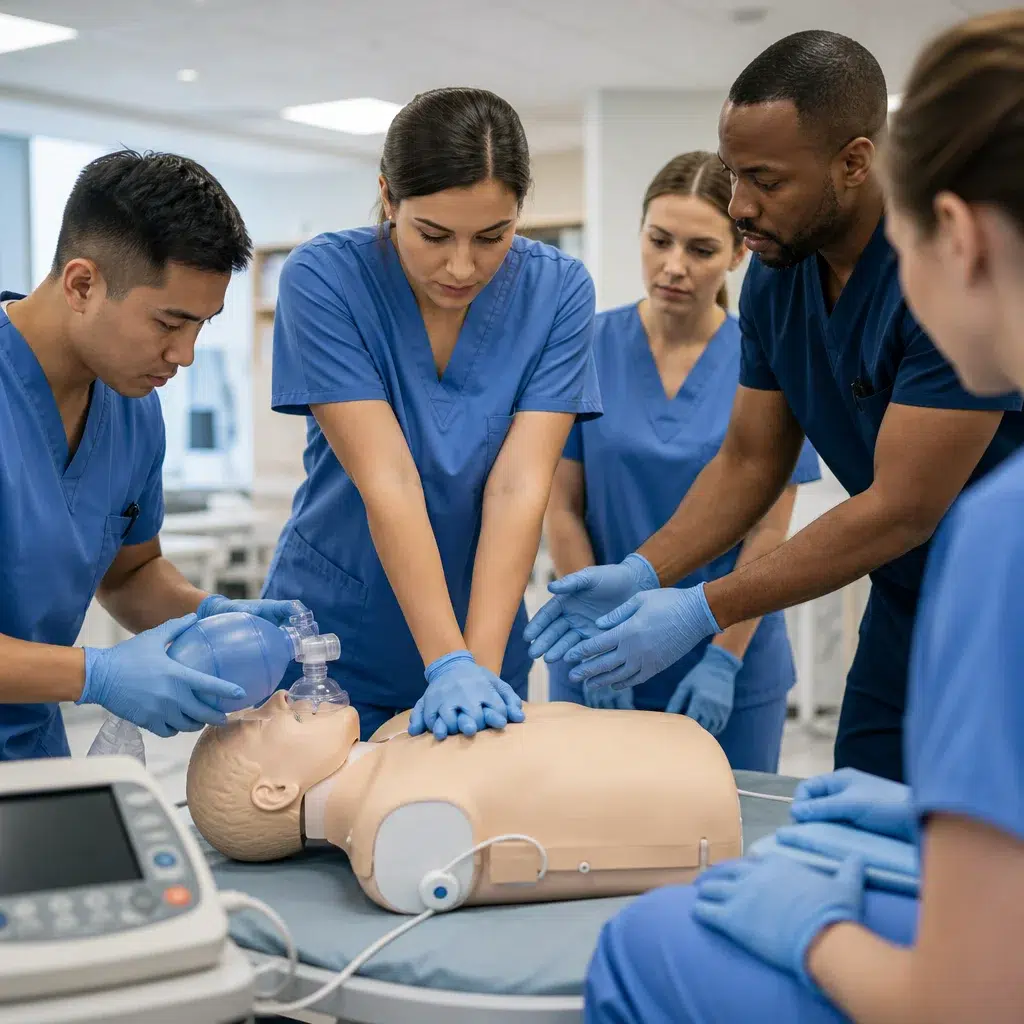
We’ve trained hundreds of EMS professionals in Sacramento, Oakland, San Francisco, and throughout California who report that PALS certification directly improved their ability to manage pediatric emergencies with confidence. The hands-on practice with pediatric manikins and real-world case scenarios builds muscle memory that translates immediately to fieldwork.
Understanding NRP: Specialized Training for Newborn Emergencies
NRP operates in an entirely different clinical space. This program prepares you for the critical first moments after a baby is born, focusing on assessment and resuscitation in the delivery room and immediate transport scenarios. While PALS addresses children from infancy onward, NRP specializes exclusively in the neonate, typically covering the first 28 days of life.
NRP training includes:
- Initial assessment of newborn vitality using the Apgar score
- Effective ventilation techniques with neonatal resuscitation bags
- Chest compression guidance for tiny patients
- Medication administration for newborn resuscitation
- Thermal management and prevention of heat loss
- Communication protocols with obstetric teams
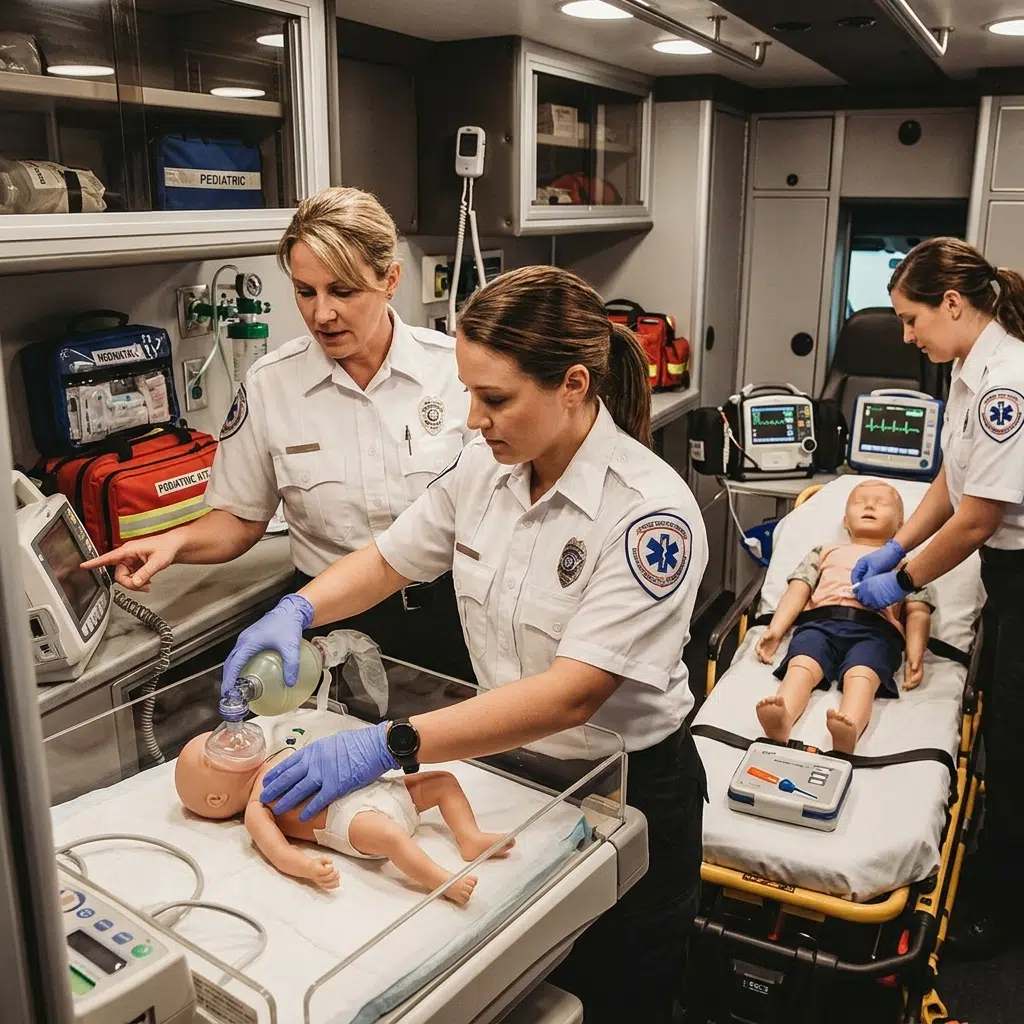
The physiological needs of a newborn differ dramatically from older infants. Temperature regulation, umbilical cord management, meconium-stained amniotic fluid, and unique medication routes require specialized knowledge. NRP training teaches you these distinctions through simulation, video review, and guided practice with neonatal equipment.
For paramedics supporting birth centers, rural EMS systems, or helicopter services in Fresno, Modesto, Stockton, and surrounding areas, NRP certification is often a job requirement. Many California hospitals and transport agencies specifically mandate NRP for professionals who may encounter deliveries or immediate postnatal emergencies.
Certification Requirements: Which Does Your EMS Role Demand
Your specific EMS role determines which certifications your employer requires. We recommend checking your state protocol guidelines, agency-specific requirements, and job descriptions, but here’s what typically applies:
PALS is usually required for:
- Paramedics responding to pediatric calls
- Flight paramedics and critical care transport crews
- Any provider supporting pediatric emergency departments
- Community paramedicine programs serving families
NRP is typically required for:
- Paramedics working in obstetric transport
- Rural EMS systems without dedicated obstetric nurses
- Hospital-based transport teams
- Providers in areas with high out-of-hospital delivery rates
Many California EMS agencies, particularly in the Bay Area (Berkeley, Oakland, San Francisco, Fremont), require both. Some systems allow PALS alone if NRP is rarely needed, but this is increasingly rare as protocols evolve and agencies prioritize comprehensive care.
Your best step is to review your agency’s current certification matrix and discuss advancement plans with your supervisor or medical director. If you’re unsure whether your next role will require NRP, obtaining both certifications now positions you for career mobility without future delays.
Training Format Comparison: Blended Learning vs Traditional Classroom
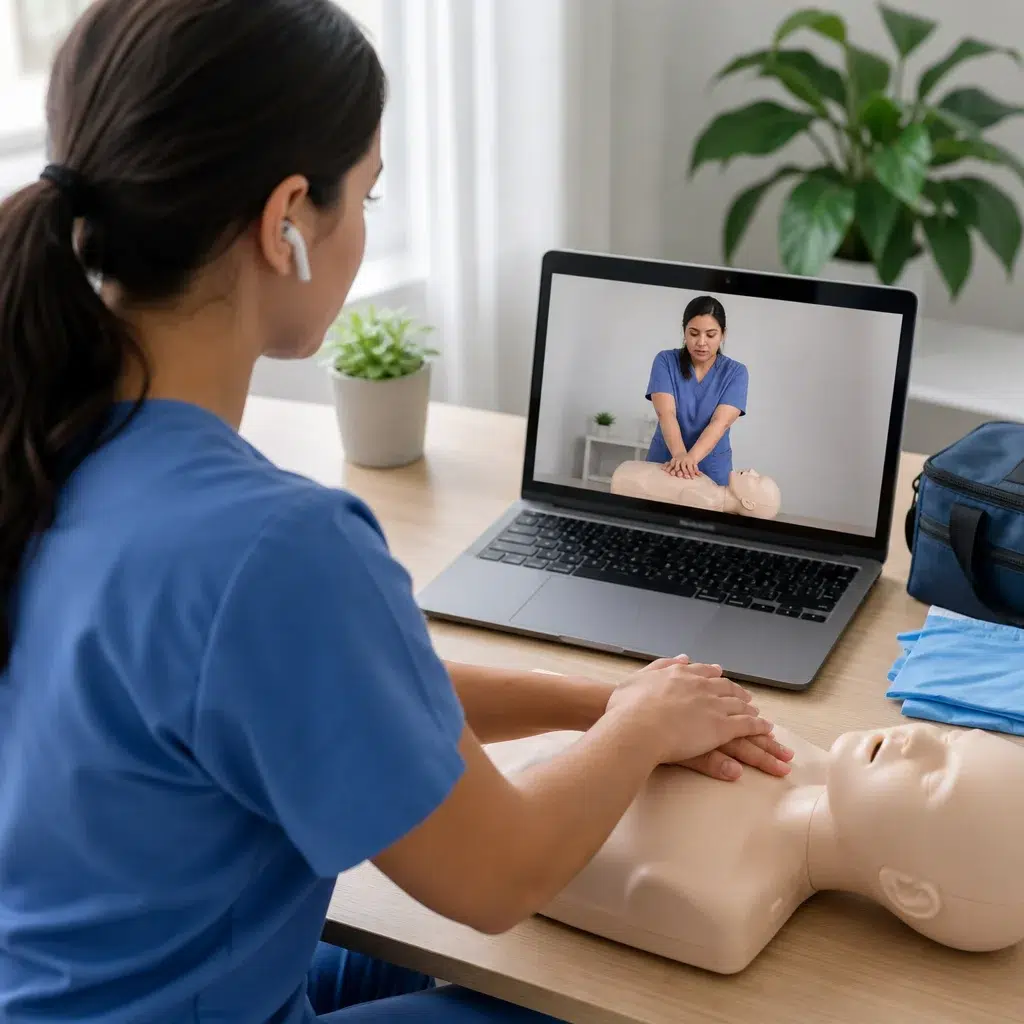
We offer flexible training options because we know EMS schedules don’t accommodate traditional 9-to-5 classroom models. Both PALS and NRP are available through blended learning, which combines online knowledge components with required in-person skills sessions.
Here’s how each format serves you:
Blended Learning (Our Standard)
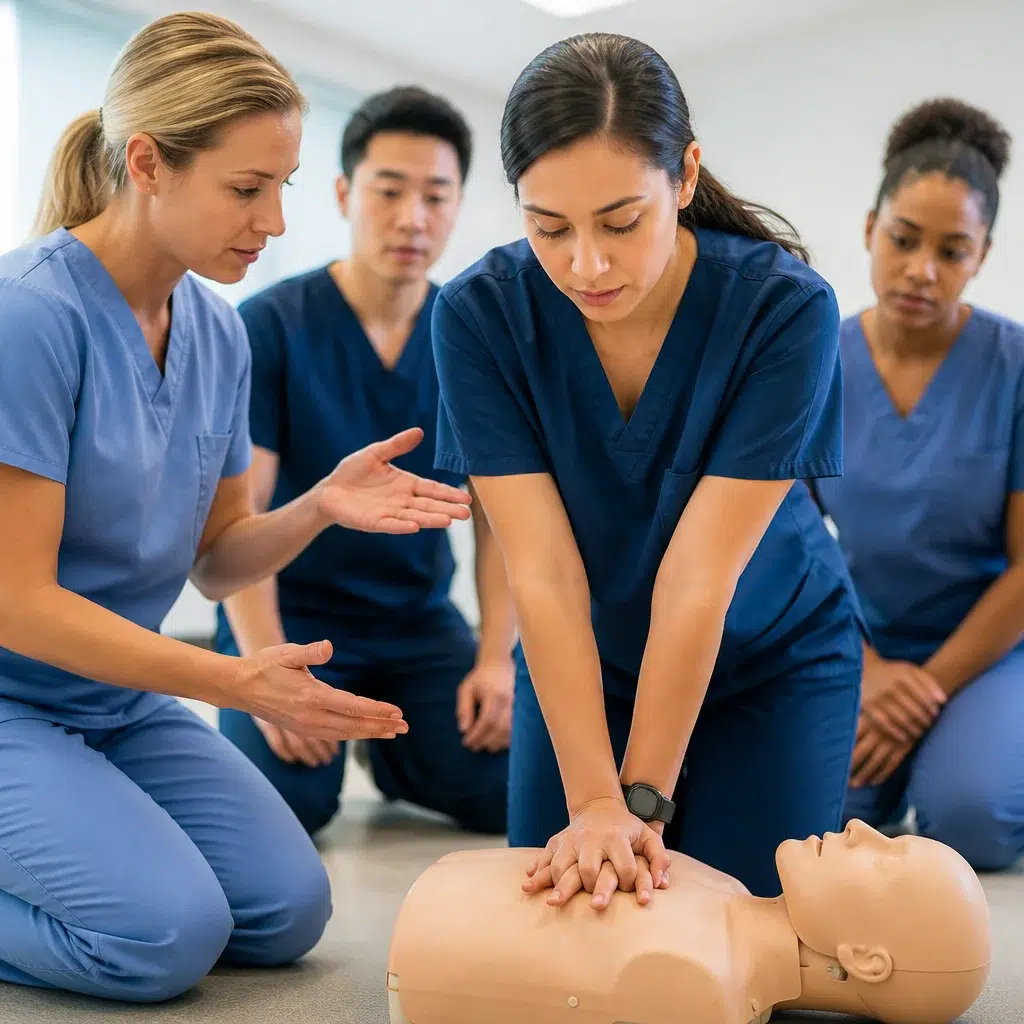
Complete the didactic content on your own schedule through our online platform. Then attend a focused 2-4 hour in-person skills session where we evaluate your performance with realistic scenarios and high-fidelity manikins. This approach cuts preparation time while maintaining the hands-on practice essential for certification.
Traditional Classroom
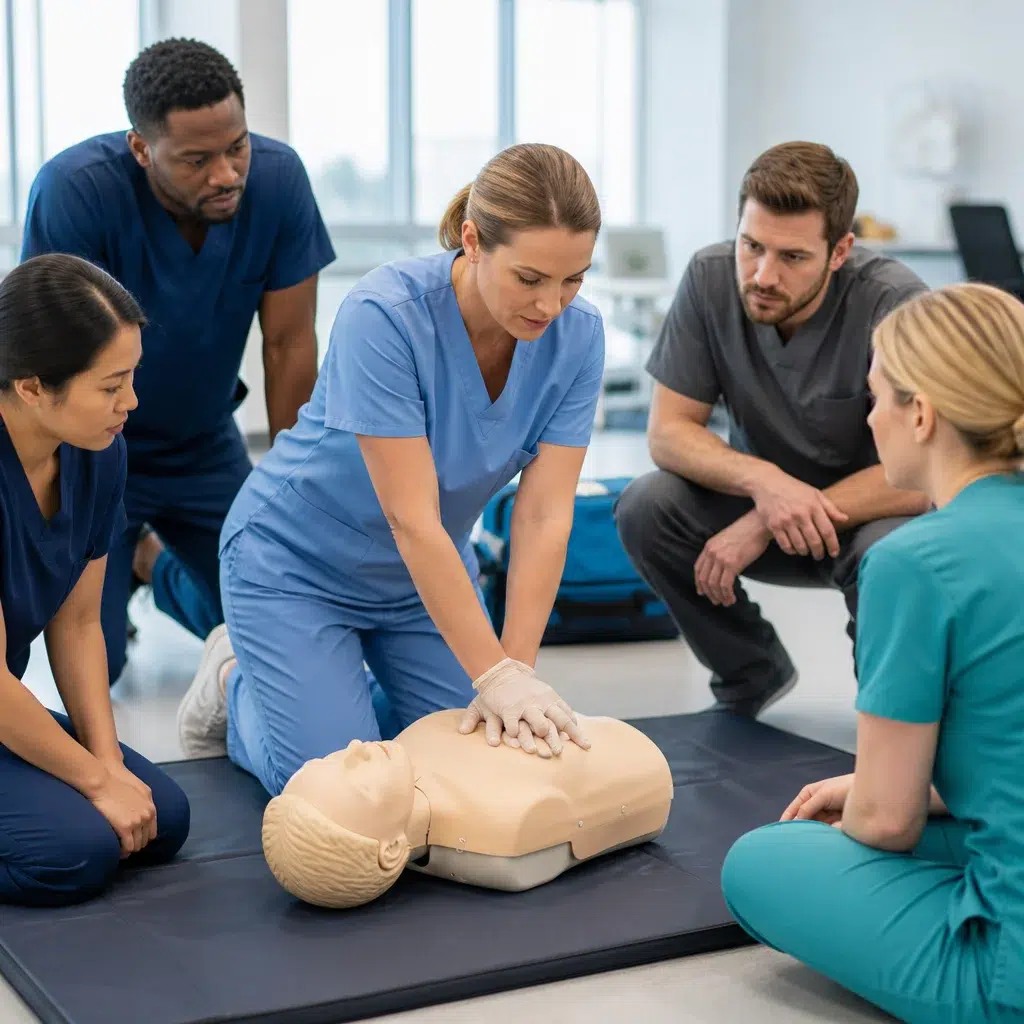
If you prefer a single consolidated course day, we offer full classroom sessions at multiple California locations. You’ll receive instruction, practice, and testing all in one session, though scheduling around shift work may be challenging.

Blended learning consistently works better for EMS professionals because you control pacing and can review complex algorithms as many times as needed. Then, when you arrive for your skills evaluation, you’re focused and ready to demonstrate competency without fatigue from eight straight hours of instruction.
Flexible Scheduling and Same-Day Certification: Our Commitment to You
EMS work doesn’t pause for training. You need certification options that fit shift schedules, overtime patterns, and the unpredictable nature of emergency response. We schedule PALS and NRP courses across more than 100 California locations, including Concord, Walnut Creek, Livermore, Tracy, Vacaville, and dozens more, with daily availability.
Our same-day certification process means you walk out with your American Heart Association card in hand. No waiting weeks for documentation. No administrative delays that could impact job start dates or promotional timelines. Your skills session is evaluated by experienced instructors, and upon successful completion, we issue your credential immediately.
We also accommodate group training for EMS agencies and fire departments. If your team needs multiple paramedics recertified, we coordinate on-site training or dedicate group sessions that reduce costs and minimize schedule disruptions. Contact us to discuss volume pricing and custom scheduling for your department.
Compliance and Currency: Maintaining Your Dual Credentials
Both PALS and NRP certifications expire after two years. California EMS protocols expect paramedics to maintain current credentials, and most agencies conduct compliance audits regularly. Missing a renewal date can result in suspension of field privileges or loss of employment.
We recommend tracking expiration dates 90 days in advance and scheduling renewal courses early. Many of our students combine PALS and NRP renewals in the same quarter, streamlining their compliance calendar. Our online portal lets you track certification expiration and register for renewal courses months ahead.
Renewal courses are shorter than initial certification (typically 4-8 hours) because you’re maintaining existing knowledge rather than learning from scratch. We schedule renewal sessions frequently at Antioch, Concord, Vallejo, Fairfield, and other East Bay and North State locations to minimize travel time for paramedics and flight crews.
Cost-Effective Solutions: Our Low-Price Guarantee for EMS Teams
Recertifying paramedics, flight crews, and critical care teams across California doesn’t have to strain your agency budget. We provide a low-price guarantee on all PALS and NRP courses, meaning you won’t find better pricing through competitors or by waiting for sales.
For EMS agencies training multiple members, we offer volume discounts that reduce per-person costs significantly. A team of 10 paramedics renewing dual certifications can expect meaningful savings compared to individual registration rates.
We also bill directly to agencies that prefer that arrangement, eliminating upfront costs to staff and simplifying accounting. Our commitment is transparent pricing with no hidden fees, rush charges, or surprise costs.
Multi-Location Convenience Across California: Train Where You Work
We operate over 100 training locations throughout California, strategically positioned to serve EMS professionals wherever you work. Whether you’re based in the Sacramento Valley (Sacramento, Elk Grove, Folsom, Davis, Lodi, Stockton, Visalia), the Bay Area (San Jose, San Francisco, Oakland, Berkeley, Hayward, San Leandro, San Mateo, Redwood City, Palo Alto), or the North State (Redding, Chico, Woodland), we have a location near your station or home.
This geographic footprint means you’re never traveling two or more hours for certification. We’ve deliberately built our presence to serve paramedics in rural and underserved areas where training access is typically limited. Many of our locations in Campbell, Sunnyvale, Santa Clara, Fremont, and Pleasanton offer evening and weekend sessions specifically for working EMS professionals.
Why Safety Training Seminars Is Your Definitive Choice

We’ve been training healthcare professionals and EMS providers since 1989. Our woman-owned, California-based organization understands the demands of emergency medicine and the compliance pressures paramedics face daily.
What sets us apart:
- AHA-aligned curriculum taught by experienced instructors with active or former field backgrounds
- Blended learning and simulation using high-fidelity manikins and VAM technology for realistic practice
- Same-day certification with no waiting for credentials
- Low-price guarantee with transparent costs and agency volume discounts
- 100+ California locations offering daily availability and flexible scheduling
- Comprehensive support from registration through recertification
We don’t cut corners on quality. Every course meets American Heart Association standards, and our instructors bring field experience and clinical insight. When you train with us, you’re learning from people who’ve managed actual pediatric and neonatal emergencies, not just reading from scripts.
We’ve built our reputation on the principle that quality training shouldn’t require choosing between cost and convenience. You get both.
Next Steps: Schedule Your PALS and NRP Training Today
Whether you’re earning your initial certifications or maintaining current credentials, registering is straightforward. Visit our California locations page to find the training center closest to your station or home, then select your preferred course date and time.
Most of our EMS students complete initial PALS and NRP certifications within two weeks by spacing courses across two different skills sessions. If you need both immediately, we can often accommodate back-to-back scheduling.
Have questions about your agency’s specific requirements or need group pricing? Our team is available to discuss your certification goals and design a training plan that fits your schedule and budget. Reach out today and take control of your professional credentials.
Register for a class today.
Frequently Asked Questions (FAQ)
Do I need both PALS and NRP certifications as an EMS professional in California?
Whether you need both depends on your specific role and patient populations you serve. If you transport or care for pediatric patients, we require PALS certification as a standard EMS credential in California. If you’re also involved in neonatal transport or delivery room emergencies, NRP becomes essential for your scope of practice. We recommend reviewing your employer’s requirements and the patient demographics you typically encounter to determine which certifications you need.
How does our blended learning format help EMS professionals complete certifications faster?
Our blended approach combines self-paced online modules with focused in-person skills sessions, so you don’t spend unnecessary time in the classroom. This means you can study the cognitive material on your own schedule and come prepared for hands-on practice at one of our 100+ California locations. Many EMS professionals complete their certifications within days rather than weeks, which helps you maintain compliance without extended time away from your station.
What makes our low-price guarantee valuable for EMS teams needing multiple certifications?
We understand that recertifying an entire department or crew can strain budgets, so we lock in the lowest rates across all our California locations without requiring bulk commitments. Whether individual paramedics need PALS, NRP, or both certifications, we ensure you’re getting the best pricing available. Our cost-effective approach means your team can stay current on mandatory credentials without compromising your operational budget.