
Table of Contents
- Why Healthcare Professionals Need Snake Bite First Aid Knowledge
- Recognizing Signs and Symptoms of Snake Bites
- Immediate Actions to Take After a Snake Bite
- Common Mistakes That Worsen Snake Bite Outcomes
- How to Immobilize and Transport a Bite Victim
- When to Seek Emergency Medical Care
- Preparing Your Team with Certified Emergency Training
- Our Comprehensive First Aid Certification Programs
- Building Confidence in High-Stress Emergency Situations
- Compliance and Professional Credentialing Requirements
- Getting Your Team Trained and Certified Today
- Frequently Asked Questions (FAQ)
Why Healthcare Professionals Need Snake Bite First Aid Knowledge
Snake encounters happen more frequently than many healthcare professionals expect, particularly across California’s diverse landscapes. Whether you work in rural clinics, urgent care facilities, or outdoor-adjacent settings, understanding snake bite first aid isn’t optional—it’s a critical skill gap that could mean the difference between a patient’s recovery and permanent disability.
You may encounter snake bite victims during your shift or while off-duty. Rural and wilderness areas around Redding, Santa Cruz, and the foothills near Fresno see regular snake activity. Even suburban regions like Pleasanton and Walnut Creek have reported incidents. As a healthcare provider, your rapid assessment and appropriate initial response establish the foundation for definitive medical treatment downstream.
Snake bites demand immediate, accurate action because venom begins causing tissue damage within minutes. Missteps during the first response phase directly impact clinical outcomes, surgical needs, and patient prognosis. Having this knowledge also builds team confidence and demonstrates your organization’s commitment to comprehensive emergency preparedness.
Recognizing Signs and Symptoms of Snake Bites
Not all snake bites are from venomous species, but you cannot reliably distinguish dry bites from envenomation in the field. Train yourself to recognize the pattern of bite marks and early symptoms rather than relying on species identification.
Classic signs of a snake bite include:
- Two puncture wounds (or a row of marks from non-venomous species)
- Immediate or rapidly developing pain at the bite site
- Swelling that progresses beyond the immediate wound area
- Bruising or discoloration spreading up the limb
- Systemic symptoms such as nausea, dizziness, or difficulty breathing
- Coagulopathy indicators like prolonged bleeding from minor wounds
Venomous bite symptoms can escalate dramatically within the first 30 to 60 minutes. Swelling that begins at the wrist may reach the shoulder within two hours. Neurological symptoms such as difficulty swallowing, blurred vision, or muscle paralysis indicate systemic envenomation requiring immediate intervention.
Ask the patient about the snake’s appearance, but don’t delay treatment while investigating. Many patients cannot provide reliable descriptions due to shock or poor visibility at the moment of the bite. Focus instead on clinical presentation and response patterns.
Immediate Actions to Take After a Snake Bite
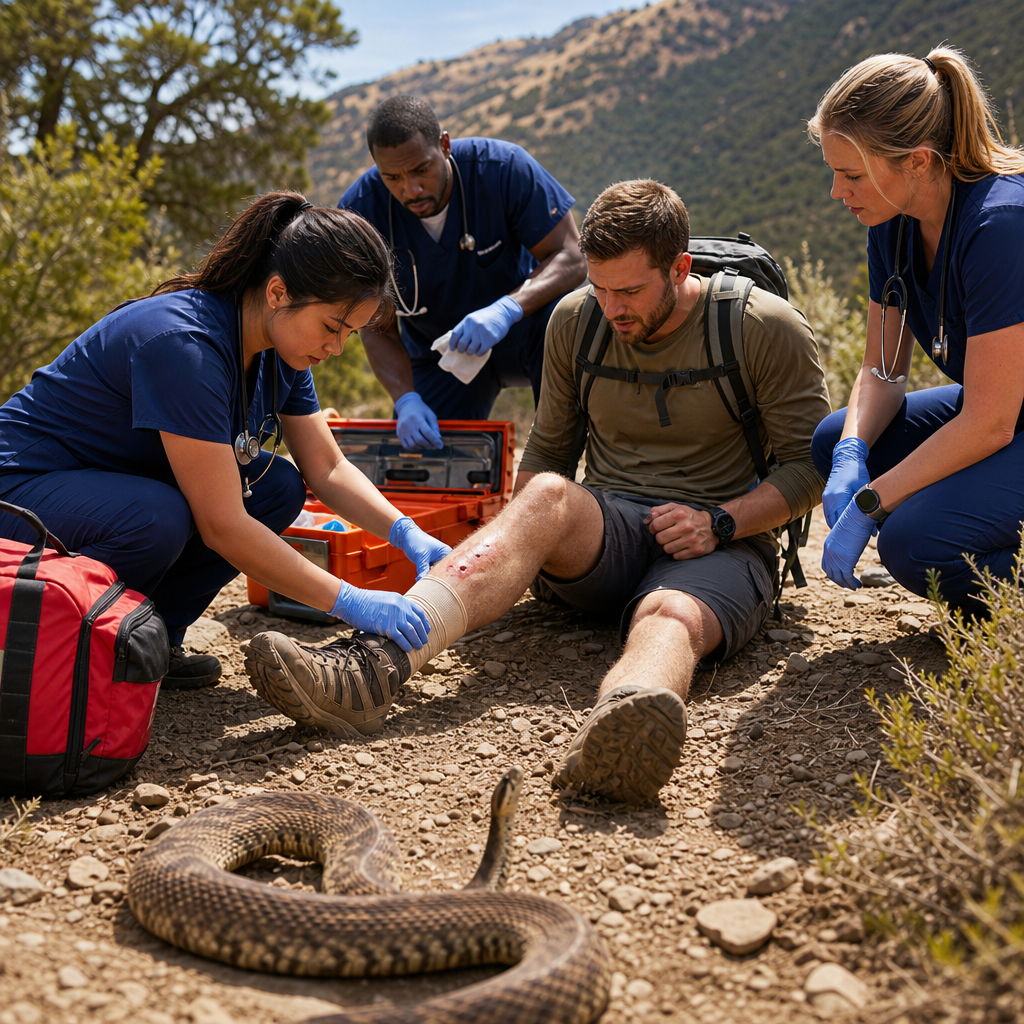
Your first response focuses on slowing venom absorption and preventing further injury. Move the patient away from the snake’s strike range immediately—never attempt to capture or identify the snake.
Follow these urgent steps:
- Immobilize the bitten limb completely, keeping it level with the heart
- Remove constrictive items such as rings, bracelets, or tight sleeves before swelling begins
- Establish IV access if you have the capability and training, but do not delay transport
- Monitor vital signs and note the time of the bite
- Apply a compression bandage (similar to an ACE wrap) beginning at the bite site and extending up the limb, maintaining firm but not tourniquet-tight pressure
- Keep the patient calm and limit physical activity to minimize venom circulation
Do not apply ice directly to the skin, cut into the bite, attempt suction, or apply a tourniquet. These interventions cause additional tissue damage and complicate hospital management. Your role is to stabilize and prevent complications, not to remove venom.
For facilities in Oakland, Sacramento, or San Jose, coordinate immediate transport to a trauma center capable of administering antivenom. Know your facility’s protocols and the nearest facility equipped for snake bite management before an incident occurs.
Common Mistakes That Worsen Snake Bite Outcomes
Healthcare providers, despite good intentions, sometimes apply outdated first aid techniques that increase tissue damage and compromise outcomes.
The most dangerous errors include:
- Applying cold or ice directly to tissue, causing frostbite-like injury
- Using tourniquets that cut off circulation entirely instead of slowing venom spread
- Incising the bite site to drain venom, creating additional wounds requiring surgical repair
- Attempting mouth suction, which introduces bacteria and causes further damage
- Elevating the bitten limb above heart level, which accelerates venom circulation
- Delaying transport while attempting field treatment
Another critical mistake involves underestimating symptom progression. A patient who appears stable at 20 minutes may deteriorate rapidly. Coagulopathy can develop suddenly, causing spontaneous bleeding at distant sites. Continue monitoring throughout transport and communication with receiving facilities.
Never assume a dry bite or non-venomous species based on the patient’s account or appearance. Many patients report seeing “no snake” or describe characteristics of non-venomous species when envenomation actually occurred. Treat all snake bites as potentially life-threatening until clinical assessment and laboratory work definitively exclude systemic envenomation.
How to Immobilize and Transport a Bite Victim
Proper immobilization is your most effective intervention to slow venom absorption and prevent secondary injury. Begin immediately after the initial assessment and maintain immobilization throughout transport.
The compression immobilization technique works as follows:
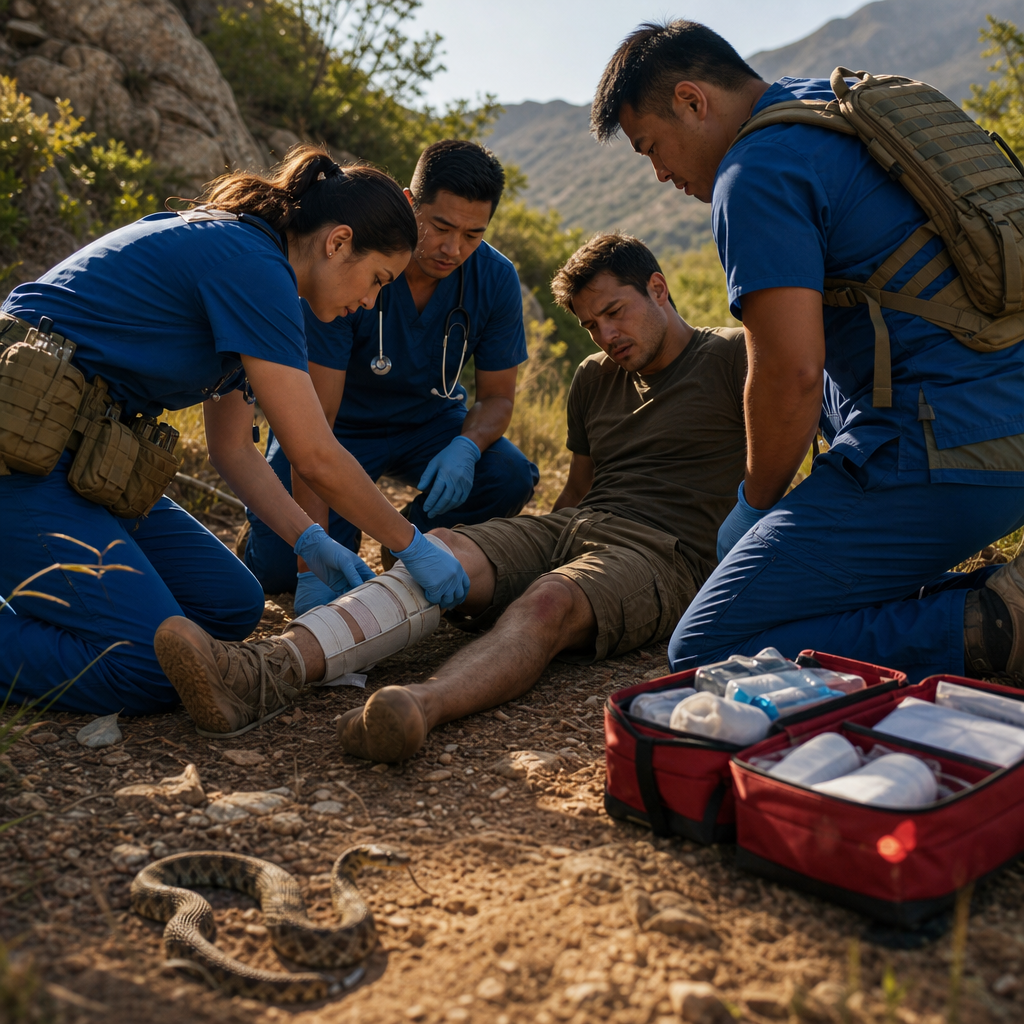
- Wrap the bite site with a pressure bandage, starting just distal to the bite and moving proximally
- Maintain firm, even pressure similar to a sprain wrap—not a tourniquet
- Extend wrapping from the fingers or toes up to the groin or axilla
- Splint the entire limb to prevent any movement that could pump venom through lymphatics
- Keep the limb at heart level during transport
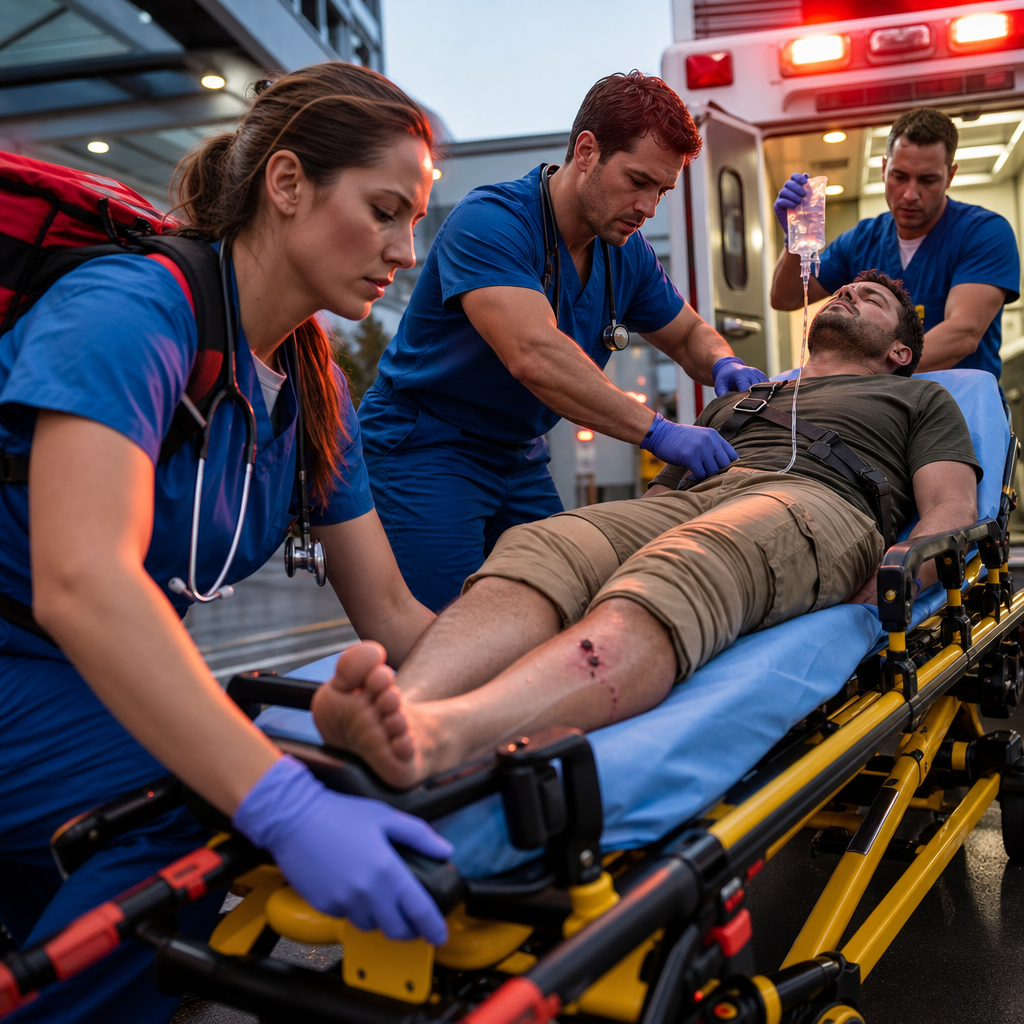
Use a rigid splint or pillow splint for transport. Even small movements during vehicle transport accelerate venom spread. Position the patient flat when possible, and inform transport personnel of the bite location and time.
Document the exact time of the bite, clinical findings at each observation point, and symptom progression. This timeline guides hospital treatment decisions and antivenom dosing. Facilities serving the Bay Area, Central Valley, and Sacramento regions should establish pre-hospital protocols with local EMS ensuring consistent immobilization and transport procedures.
When to Seek Emergency Medical Care
All snake bites warrant emergency evaluation. There is no reliable field method to confirm whether a bite contains venom. Transport should begin immediately unless the facility is within two minutes.
Seek immediate emergency care if the patient demonstrates:
- Puncture wounds consistent with a bite
- Any swelling, bruising, or pain progression
- Systemic symptoms (nausea, dizziness, tingling, muscle weakness)
- Bleeding from gums, wounds, or injection sites
- Difficulty breathing or swallowing
- Altered mental status or severe anxiety
Even seemingly minor bites can cause delayed coagulopathy or compartment syndrome requiring ICU management. Symptoms may worsen dramatically between arrival and the two-hour mark, making early transport critical.
California emergency departments, particularly those in Fremont, Antioch, Bakersfield, and Santa Rosa, regularly manage snake bites and maintain antivenom supplies. Call ahead during transport if possible, allowing the receiving facility to prepare antivenom and assemble the trauma team. This coordination directly improves outcomes.
Preparing Your Team with Certified Emergency Training
Your organization’s response to medical emergencies depends on every team member understanding their role and recognizing when escalation to advanced interventions becomes necessary. Regular training ensures protocols are clear and skills remain sharp.
Effective emergency training programs address:
- Recognition of life-threatening conditions requiring immediate intervention
- Your facility’s specific transport protocols and chain of command
- Communication procedures with emergency services
- Documentation requirements and timeline tracking
- Psychological support for shocked or severely injured patients
- Debriefing and quality improvement after incidents
Team training also builds confidence. When providers understand the reasoning behind each step and practice scenarios, they respond decisively rather than hesitantly during actual emergencies. Facilities across Chico, Carmichael, and Morgan Hill that conduct quarterly drills report better outcomes and faster response times during actual events.
Schedule training during periods that minimize service disruption. Include physicians, nurses, EMTs, and administrative staff—everyone plays a role in coordinated emergency response. Rotate personnel so all shifts maintain competency.
Our Comprehensive First Aid Certification Programs
We provide CPR and First Aid Certification courses specifically designed for healthcare professionals facing workplace requirements and real-world emergency scenarios. Our instructors emphasize practical decision-making rather than memorized protocols.
Our courses cover:
- Recognition and assessment of life-threatening conditions
- Proper techniques for hemorrhage control, immobilization, and transport
- Environmental emergency response, including snake bites and wilderness incidents
- Documentation and communication during medical emergencies
- Certification renewal and compliance with regulatory standards
We blend virtual instruction with hands-on skills practice, allowing you to master techniques in realistic scenarios. Our training locations throughout California, including facilities in Berkeley, Davis, Modesto, and Visalia, offer flexible scheduling so your career doesn’t pause for professional development.
Our instructors bring clinical experience from emergency departments, pre-hospital services, and wilderness medicine backgrounds. They understand the gaps between textbook protocols and real-world application. Low price guarantees and corporate group discounts make certification accessible for entire teams.
Building Confidence in High-Stress Emergency Situations
Confidence in emergency response comes from understanding why each action matters and having practiced similar scenarios multiple times. Uncertainty during critical moments delays response and increases error rates.
Build confidence through:
- Structured scenario training addressing your facility’s specific patient populations
- Repeated practice until protocols become automatic responses
- Debriefing after each drill, focusing on what worked and what needs adjustment
- Continuing education that addresses emerging evidence and technique refinements
- Peer coaching where experienced providers mentor newer team members
Snake bite management, while not common in most healthcare settings, provides an excellent scenario for teaching broader principles about venomous exposures, shock management, and rapid transport coordination. Facilities in Pleasant Hill, Novato, and San Ramon that incorporate wilderness and environmental scenarios report staff members feel more prepared for varied emergencies.
Confidence also prevents dangerous overcorrection. Providers who doubt themselves sometimes apply excessive interventions—tourniquets tighter than necessary, ice application despite warnings, or premature transport delays. Training grounded in evidence-based practice eliminates guesswork.
Compliance and Professional Credentialing Requirements
Your nursing license, dentistry credential, or EMS certification requires current first aid and emergency training. Regulatory bodies and employer credentialing committees verify this compliance regularly. Lapses in certification can restrict privileges and delay patient care.
Regulatory requirements include:
- Current certification in emergency life support skills
- Documentation of competency assessments
- Proof of continuing education hours
- Facility-specific protocol training and sign-offs
- Regular competency verification through drills or testing
Employers in Sacramento, San Francisco, and San Jose increasingly require specialized certifications for role-specific scenarios. Nurses working in urgent care need environmental emergency protocols. EMS personnel managing rural call volumes benefit from wilderness response training. Dentists handling compromised airway situations need rapid assessment skills.
We maintain documentation and verification systems so you can demonstrate compliance to licensing boards and employers. Digital certificates, attendance records, and competency checklists are available immediately after course completion. Renewal reminders help you maintain uninterrupted credentials.
Getting Your Team Trained and Certified Today
Your healthcare team’s ability to respond confidently to snake bites and other emergencies strengthens patient outcomes and demonstrates organizational preparedness. The time to train is before an incident occurs.
We operate over 100 training locations across California, including regional hubs in Alameda, Chico, Fresno, and Vallejo. Our daily BLS and first aid courses fit healthcare schedules, with evening and weekend options available. Blended learning delivers flexibility without compromising hands-on skills practice.
Schedule your team’s certification through our website or contact your nearest location directly. We offer corporate group pricing and flexible enrollment so your entire department can train together. Our instructors customize scenarios to match your facility’s unique patient populations and emergency protocols.
Take action this week: identify your team’s training needs, review current certification expiration dates, and schedule your first course. Comprehensive emergency readiness begins with individuals who understand their role and trust their preparation. We’re here to help your team build that competency and confidence.
Register for a class today.
Frequently Asked Questions (FAQ)
Why should our healthcare team take snake bite first aid training with us?
We understand that snake bite emergencies demand precise, confident responses from healthcare professionals. Our certified training programs combine evidence-based first aid protocols with real-world scenario practice across our 100+ California locations, ensuring your team can handle wilderness emergencies and urban encounters with venomous snakes. We offer flexible blended learning options so your staff can train without disrupting patient care schedules.
What’s included in our first aid certification programs for emergency response?
We provide comprehensive coursework covering immediate snake bite response, proper immobilization techniques, transportation protocols, and symptom recognition for various venom types. Our instructors include experienced emergency medical professionals who teach you how to avoid common mistakes that worsen outcomes. Upon completion, we issue certifications that meet California professional licensing requirements and employer compliance standards.
How do we help healthcare teams stay current with emergency training requirements?
We offer certification courses and refresher training available daily at convenient locations throughout California, so your staff can maintain current credentials without long scheduling gaps. Our low price guarantee means we keep certification renewal affordable for hospitals, clinics, and EMS services. We also provide corporate group training with discount pricing tailored to your organization’s needs.