
Table of Contents
- Why California Nurses Need Current ACLS and PALS Certification
- Mandatory Requirements for Nursing Licensure and Employment
- The Challenge of Finding Accessible, Reliable Training
- How Blended Learning Transforms Your Certification Journey
- Our Flexible Scheduling and 100+ California Training Locations
- Same-Day Certification and AHA-Aligned Curriculum
- RQI Simulation Stations: Advanced Skills Practice You Need
- Group Training Solutions for Healthcare Teams and Departments
- Low Price Guarantee and Transparent Certification Costs
- Getting Started: Your Path to Current Credentials
- Frequently Asked Questions (FAQ)
Why California Nurses Need Current ACLS and PALS Certification
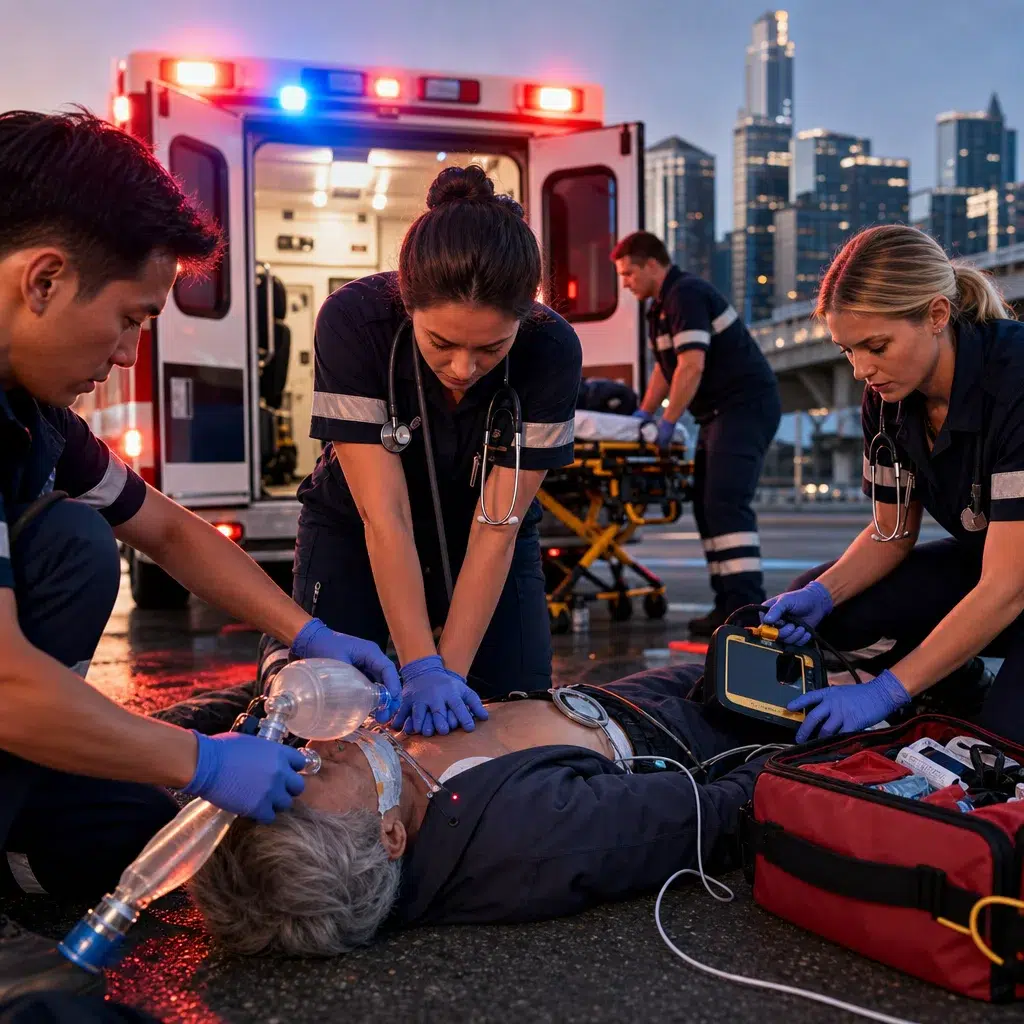
Advanced cardiac life support (ACLS) and pediatric advanced life support (PALS) certifications represent more than resume credentials. They’re the clinical foundation that allows you to respond decisively when seconds matter most. Whether you work in an intensive care unit, emergency department, or specialty clinic across California, these certifications demonstrate your commitment to maintaining the highest standards of patient care during life-threatening situations.
Your ability to interpret cardiac rhythms, administer emergency medications, and lead resuscitation teams directly impacts patient outcomes. Nurses who hold current ACLS and PALS certifications project competence and readiness to colleagues and patients alike. Beyond professional credibility, these credentials give you confidence that you can handle high-acuity scenarios with evidence-based protocols and clinical judgment.
What you should do next: Assess whether your current ACLS or PALS certification expires within the next six months. If so, schedule your renewal immediately to avoid gaps in your credentials.
Mandatory Requirements for Nursing Licensure and Employment
California’s nursing regulatory landscape requires ACLS certification as a condition of employment in many healthcare settings. The California Board of Registered Nursing doesn’t mandate ACLS universally for all RN licenses, but hospitals, urgent care facilities, and critical care environments make it non-negotiable for hiring and retention. Most healthcare employers in California require ACLS within 30 days of hire or mandate renewal every two years.
If you transition between nursing roles or relocate to a different healthcare system, you’ll need to verify specific certification requirements with your new employer. Some specialty areas like critical care nursing, emergency nursing, and transport nursing require both ACLS and PALS. Pediatric nurses and nurses working in neonatal settings typically need PALS certification, particularly if they care for high-risk populations.
Your professional liability and credentialing also depend on maintaining current certifications. Many malpractice insurance policies and healthcare facility credentialing committees require verification of active ACLS and PALS credentials before you can legally perform certain clinical duties.
Actionable step: Contact your hospital’s human resources or clinical education department to confirm whether your job description requires ACLS, PALS, or both, and note the renewal timeline on your calendar.
The Challenge of Finding Accessible, Reliable Training
Nurses throughout California face genuine obstacles when scheduling certification training. You’re managing full-time shifts, possibly multiple jobs, continuing education requirements, and clinical duties that leave narrow windows for in-person training. Traditional all-day classroom courses demand a significant time commitment and often require travel to distant training centers in San Francisco, Sacramento, or Los Angeles.
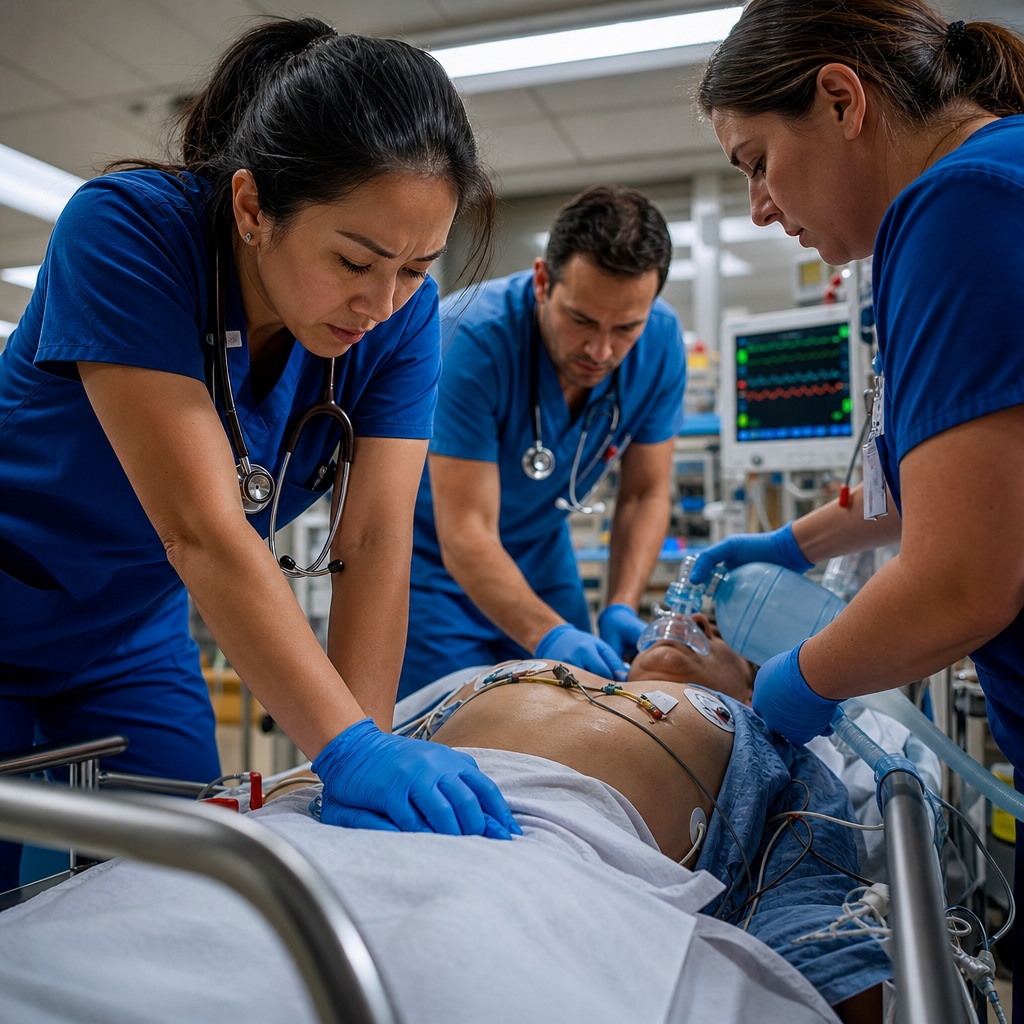
Many nurses report frustration with rigid scheduling that doesn’t align with shift work, travel barriers from rural areas like Visalia or Redding, and inconsistent course quality across different training providers. Cost barriers also limit options, especially when employers don’t cover training expenses. Finding a provider who offers genuinely flexible scheduling, multiple locations, and competitive pricing requires significant research.
The solution isn’t settling for less rigorous training or cramming study into your already stretched schedule. You deserve training that fits your life while maintaining clinical excellence and meeting regulatory standards.
How Blended Learning Transforms Your Certification Journey
We’ve redesigned the certification experience around how nurses actually work and learn. Our blended learning model combines self-paced online modules with focused in-person skills sessions, eliminating the need for an entire day away from work. You complete knowledge review and scenario training online at your own pace, then attend a shorter hands-on session dedicated to demonstrating clinical competency.
This approach gives you flexibility without sacrificing the direct feedback and real-time correction that only in-person instruction provides. You’ll review cardiac rhythms and medication protocols when you have 30 minutes between shifts, then practice chest compressions, defibrillation, and team leadership with an experienced instructor during a focused session. The separation also reduces anxiety for nurses returning to certification after a gap.
Our instructors bring years of bedside nursing experience and emergency response backgrounds. They understand the specific clinical scenarios you’ll face and teach protocols in the context of real patient encounters, not theoretical examples.
Next step: Explore whether blended learning matches your schedule better than traditional all-day courses by identifying your availability across the next four weeks.
Our Flexible Scheduling and 100+ California Training Locations
We operate over 100 training locations throughout California, meaning you’ll likely find a class within a reasonable distance. Whether you work in the Bay Area, Central Valley, or Northern California, we have sessions available in communities like Fremont, Sacramento, Modesto, and Redding. Our Southern California reach extends to Bakersfield and Visalia, while coastal areas like Santa Cruz and Santa Rosa offer regular options.
Daily scheduling ensures you can find a session that fits your calendar. If Tuesday evenings work best for your shift schedule, we have courses available. If weekend mornings suit your preferences, those exist too. We also schedule multiple sessions weekly at many locations, so you’re not forced into a single option.
Many of our California locations like Oakland, San Jose, and Concord host classes multiple times per week, reducing the gap between when you realize your certification expires and when you can renew. We understand that nursing schedules don’t follow traditional business hours, so our course times reflect that reality.
What to do: Check our location finder and identify the closest training facility to your workplace or home, then review the weekly schedule to see which session times match your availability.
Same-Day Certification and AHA-Aligned Curriculum
You walk out with your certification card the same day you complete training. No waiting for processing, no unclear timelines. We issue your credentials immediately after you successfully demonstrate knowledge and skills competency, allowing you to add your current certification to your credentialing files right away.
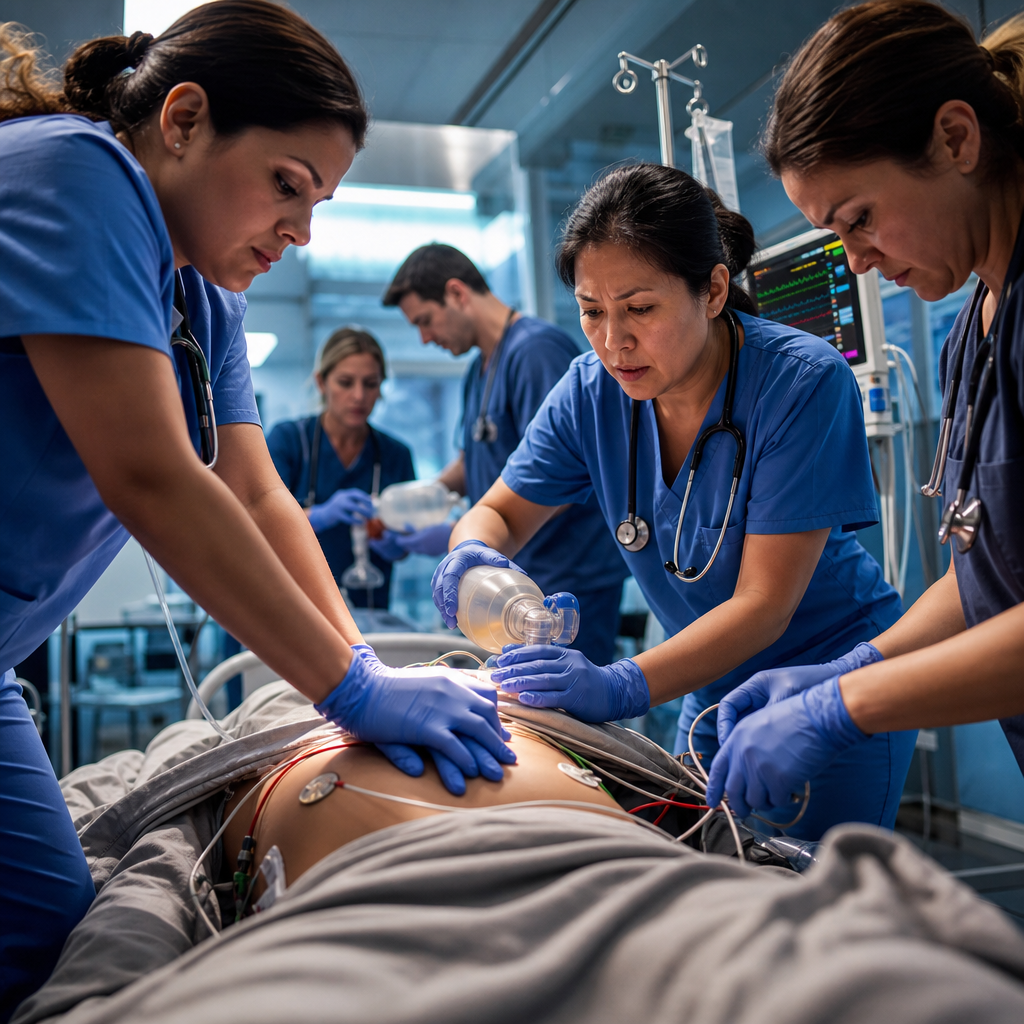
Our curriculum aligns with the latest American Heart Association (AHA) guidelines and protocols. You’re learning the same evidence-based resuscitation strategies that major academic medical centers teach, ensuring your skills and knowledge transfer directly to your workplace. Whether your facility follows strict protocol adherence or emphasizes clinical judgment within guidelines, you’ll understand both the rationale and the protocols.
Each course includes comprehensive materials covering the latest guideline updates, medications, and team coordination strategies. You’ll receive instructor feedback on your individual performance, not generic pass-fail results. This targeted feedback helps you identify strengths and areas for continued refinement.
RQI Simulation Stations: Advanced Skills Practice You Need
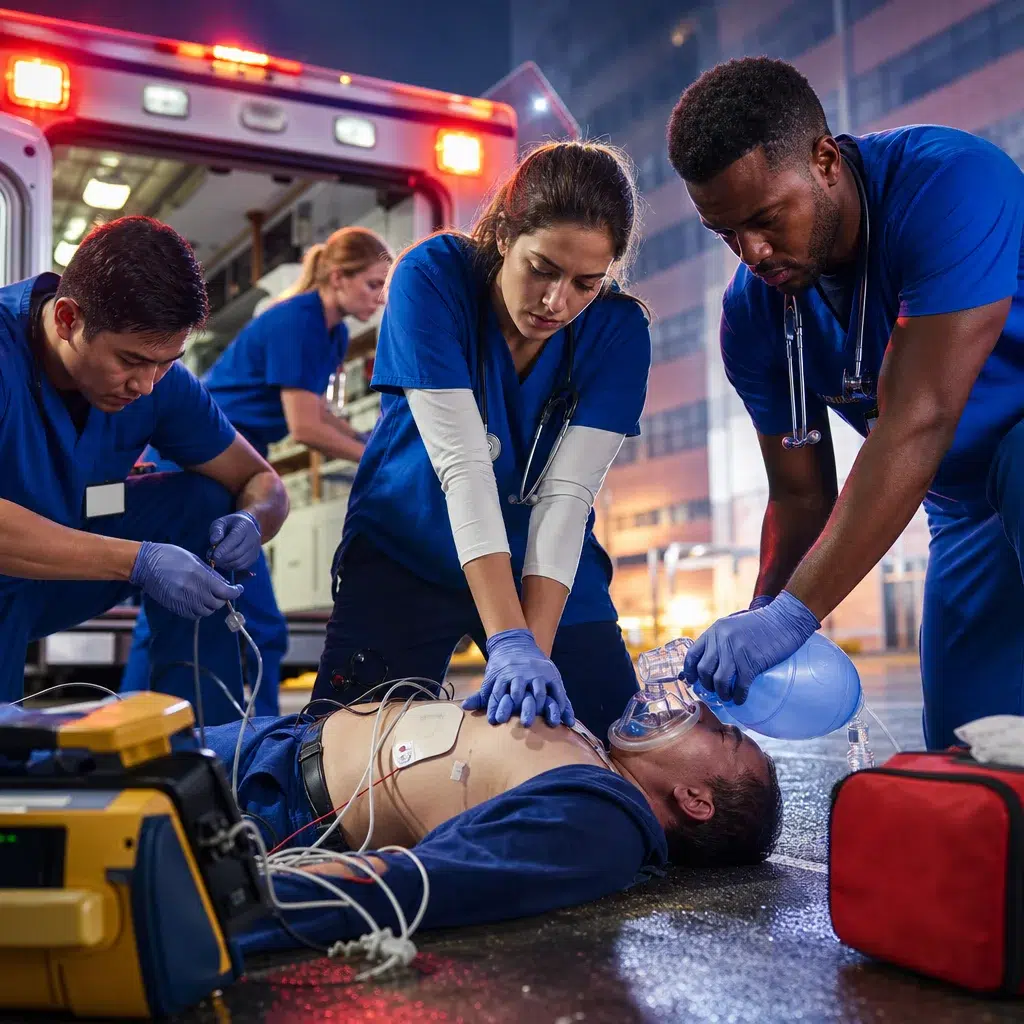
Our RQI simulation stations provide the hands-on practice environment where learning actually sticks. Instead of practicing chest compressions on a basic mannequin, you’ll work with realistic simulation technology that provides immediate feedback on compression depth, rate, and hand placement. You get to practice the exact skills you’ll need during real cardiac emergencies.
Simulation-based training creates psychological safety for practicing high-stress scenarios. You can make mistakes, learn from them, and develop confidence without patient consequences. Many nurses report that simulation training dramatically reduced their anxiety about performing ACLS and PALS procedures in actual clinical settings.
Our stations rotate scenarios, so you’re not just practicing one resuscitation situation. You’ll manage different rhythms, handle team communication challenges, and practice defibrillation, medication administration, and airway management in various contexts. This variability strengthens your ability to adapt to different patient presentations.
Group Training Solutions for Healthcare Teams and Departments
If your department needs multiple nurses certified or recertified, we offer group training with custom scheduling and volume discounting. We’ll work with your clinical educator or nurse manager to schedule sessions during shared education time, coordinate multiple cohorts, or arrange on-site instruction depending on your team size and facility location.
Group training strengthens team dynamics and improves communication during actual resuscitations. When your colleagues train together, you develop shared mental models and team workflows that transfer directly to your unit’s performance. You understand each other’s strengths, practice handling each other’s questions, and build confidence in team coordination.
Volume pricing makes group training significantly more cost-effective than individual enrollment, helping nursing departments maximize their education budgets while ensuring every team member maintains current certifications.
Low Price Guarantee and Transparent Certification Costs
We offer a low price guarantee because we believe cost shouldn’t prevent you from maintaining current certifications. Our pricing is transparent, straightforward, and competitive across all California locations including Sacramento, San Francisco, and San Jose. You’ll see the full cost upfront with no hidden fees or surprise charges added during checkout.
We regularly review our pricing against market competitors to ensure you’re getting genuine value. If you find a better price for equivalent blended ACLS or PALS training elsewhere in California, we’ll match it. This commitment removes uncertainty from your decision and lets you choose based on schedule and location rather than worrying about getting the best deal.
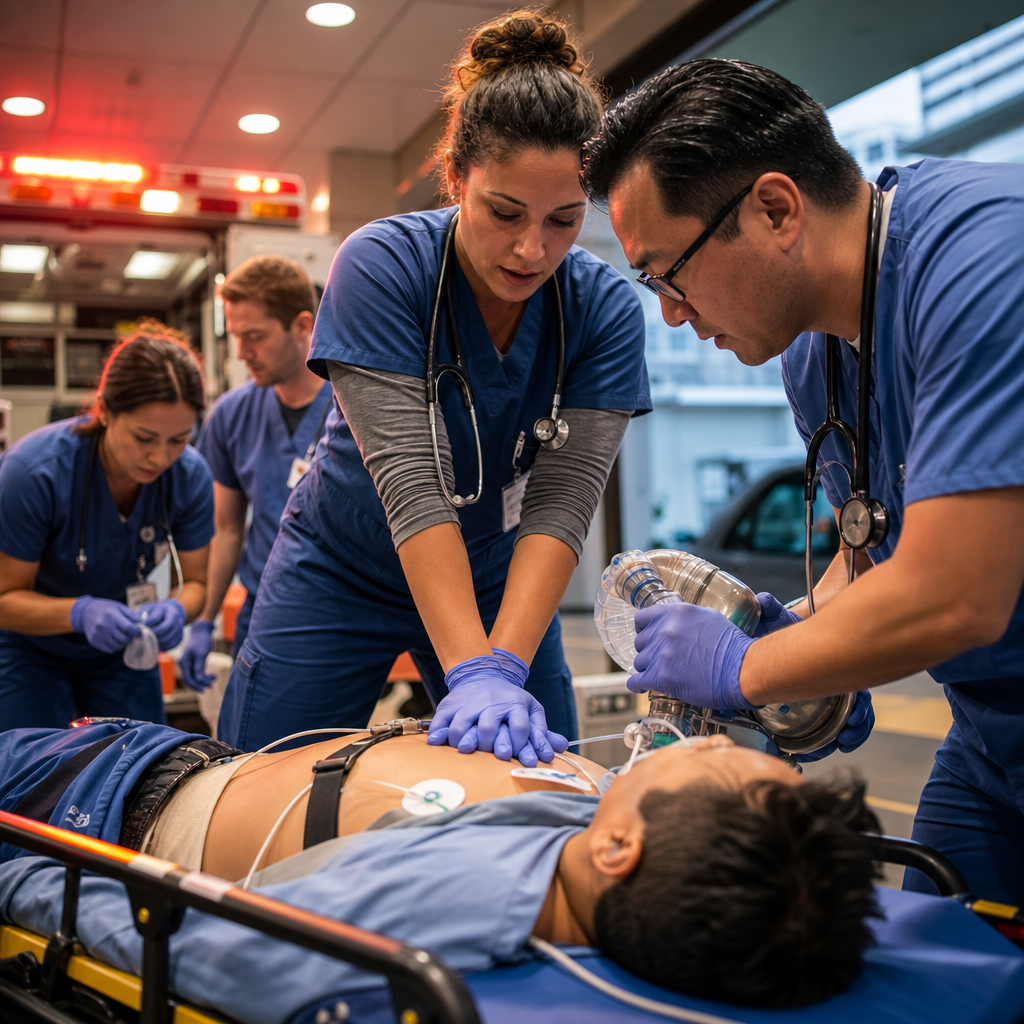
Group discounts and package pricing for nurses renewing both ACLS and PALS make it affordable to maintain multiple certifications. We also offer corporate discounts for healthcare facilities and staffing agencies enrolling multiple staff members.
Action item: Get a pricing quote for your specific certification needs and compare the blended format cost against traditional all-day options in your area.
Getting Started: Your Path to Current Credentials
Schedule your training through our website by selecting your preferred California location, choosing your certification type (ACLS, PALS, or BLS), and picking a session time that matches your availability. The registration process takes minutes, and you’ll receive confirmation with details about what to bring and what to expect.
Before your session, complete the online knowledge portion at your own pace. This review ensures your in-person session focuses on hands-on skills and clinical application rather than knowledge testing. You’ll arrive prepared and confident, ready to demonstrate competency and earn your certification.
Visit our nurses ACLS and PALS courses page to browse current schedules across California locations, or contact our scheduling team if you have questions about group training options for your department. We’re ready to help you maintain the credentials that keep you practicing safely and confidently.
Register for a class today.
Frequently Asked Questions (FAQ)
Can I complete my ACLS and PALS certification on the same day?
Yes, we offer same-day certification through our blended learning model that combines virtual coursework with in-person skills sessions. We understand that your schedule is tight, so we’ve designed our program to get you certified efficiently without sacrificing the hands-on practice you need. You can complete your didactic requirements online and demonstrate your skills at one of our 100+ California locations on the day that works best for you.
What makes your RQI simulation stations different from other practice options?
Our simulation stations provide realistic, high-fidelity practice scenarios that go beyond basic skills drills. We’ve invested in equipment and training protocols that let you work through actual emergency situations you’ll encounter as a healthcare professional, giving you confidence when it matters most. This focused practice time ensures you’re truly prepared to respond in patient care settings, not just passing a test.
Do you offer group training discounts for my healthcare facility or department?
We absolutely do, and we work with healthcare teams throughout California to create customized training schedules that fit your department’s needs. Our group pricing is transparent with no hidden fees, and we can coordinate training at one of our nearby locations or discuss options that work with your facility’s workflow. Contact us directly with your team size and availability, and we’ll provide you with a straightforward quote.