Table of Contents
- Why EMS Professionals Need ACLS and PALS Certification Today
- Understanding the Difference Between ACLS and PALS Certification
- State and Federal Requirements for EMS Providers
- How Our Blended Learning Approach Accelerates Your Certification
- What to Expect During Skills Validation Sessions
- Flexible Scheduling to Fit Your Demanding EMS Schedule
- Same-Day Certification Cards and Digital Verification
- Recertification Made Simple and Affordable
- Our Low-Price Guarantee for EMS Training
- Why California EMS Providers Choose Our Training Centers
- Next Steps: Schedule Your ACLS or PALS Certification
- Frequently Asked Questions (FAQ)
Why EMS Professionals Need ACLS and PALS Certification Today
As an EMS provider, your ability to deliver advanced cardiac life support directly impacts patient survival rates and your professional credibility. ACLS (Advanced Cardiac Life Support) and PALS (Pediatric Advanced Life Support) certifications are no longer optional add-ons to your resume. They’re fundamental requirements that employers expect, regulators mandate, and patients deserve.
The stakes are real. When you encounter a patient in cardiac arrest or a critically ill child, your certification demonstrates you’ve trained on the latest protocols, practiced high-quality CPR techniques, and understand the medications and equipment that can mean the difference between recovery and tragedy. Without current certification, you face potential job loss, suspension of your license, or inability to work in certain healthcare settings.
We understand the pressure. You’re already managing unpredictable shift schedules, continuing education requirements, and the physical demands of emergency response. Adding certification training to that workload feels like another hurdle. That’s why we’ve designed our certification programs specifically for working EMS professionals who need efficient, accessible training without compromising quality.
Your next action: Verify which certifications your current employer or target employers require, then contact us to explore scheduling options that fit your shift patterns.
Understanding the Difference Between ACLS and PALS Certification
ACLS and PALS address different patient populations but share the same foundation of life-saving principles. Understanding which one you need, or if you need both, helps you plan your training more effectively.
ACLS focuses on adults and covers recognition and treatment of cardiac arrest, stroke, and acute coronary syndromes. The course emphasizes team dynamics, medication administration, and decision-making during high-stress scenarios. You’ll practice on adult manikins and learn protocols for defibrillation, airway management, and post-resuscitation care. Most paramedics and advanced EMTs require ACLS certification as a baseline credential.
PALS applies those same principles but to pediatric patients, from infants through adolescents. The physiology is different, the equipment is scaled differently, and the medication dosages change dramatically. A child’s smaller airway, faster heart rate, and different metabolic responses mean protocols that work for adults won’t work for children. If you transport pediatric patients or work in settings like urgent care, hospitals, or aeromedical services, PALS becomes essential.
Many EMS professionals pursue both certifications, especially those working in critical access hospitals, flight services, or specialized transport teams. Some employers require both; others mandate ACLS with PALS as a preferred credential. The combination strengthens your resume and expands your job opportunities across California’s diverse healthcare settings.
Your action item: Check your job description or contact your HR department to confirm which certification your role requires, then we can recommend the right training pathway.
State and Federal Requirements for EMS Providers
California’s EMS regulations are comprehensive and evolving. The state requires Paramedic-level providers to maintain current ACLS certification through the duration of their license. Advanced EMTs may face similar requirements depending on their employer and the county medical director’s protocols.
Beyond state mandates, individual counties and employers set their own standards. A paramedic working in Fresno may face different recertification timelines than one based in San Francisco. Many hospitals, critical care transport services, and flight programs add institutional requirements like PALS, Pediatric Emergency Assessment, Recognition, and Stabilization (PEARS), or specialized trauma certifications.
Federal requirements don’t directly regulate EMS ACLS, but Medicare and Medicaid providers often operate under facility-based standards that mandate ACLS for personnel working in certain roles. If you work in a hospital emergency department, cardiac cath lab, or intensive care transport setting, federal billing and accreditation standards may apply.
The bottom line: compliance isn’t one-size-fits-all. Your specific certification needs depend on your license level, your employer’s protocols, your county’s medical director requirements, and the patient populations you serve. We work with professionals across all of California’s regions, from Sacramento to San Jose to Santa Rosa, and we understand these nuances.
Check with your medical director’s office or your employer’s training coordinator to clarify your specific requirements, then we’ll ensure you meet them with time to spare.
How Our Blended Learning Approach Accelerates Your Certification
We know your schedule doesn’t fit traditional classroom models. That’s why we combine online learning modules with focused, in-person skills validation sessions. You can complete the cognitive content on your own timeline, logging in at 2 a.m. after a shift if needed, then attend a streamlined skills session to demonstrate competency.
This blended structure cuts training time significantly. Instead of sitting through two full days of lecture and demonstrations you already understand, you focus your in-person time on hands-on practice. Our instructors spend the session coaching you through practical scenarios, not covering material you’ve already mastered online. You practice high-quality CPR, medication administration, rhythm interpretation, and team communication with experienced EMS educators who understand your clinical reality.
The online modules cover current guidelines, decision trees, and case studies at your pace. You can pause, review, and reference materials without rushing through a live lecture. Then during your flexible blended learning session, you translate that knowledge into muscle memory and clinical judgment.
We offer courses across over 100 training locations throughout California, including options in Dublin, Concord, Redwood City, Vacaville, and Santa Cruz, making in-person validation convenient whether you work in rural or urban settings.
Schedule your online module today and choose a skills session that matches your next few days off.
What to Expect During Skills Validation Sessions
Your skills session isn’t a test designed to trip you up. It’s a collaborative learning experience where our instructors assess your competency and help you refine your technique.
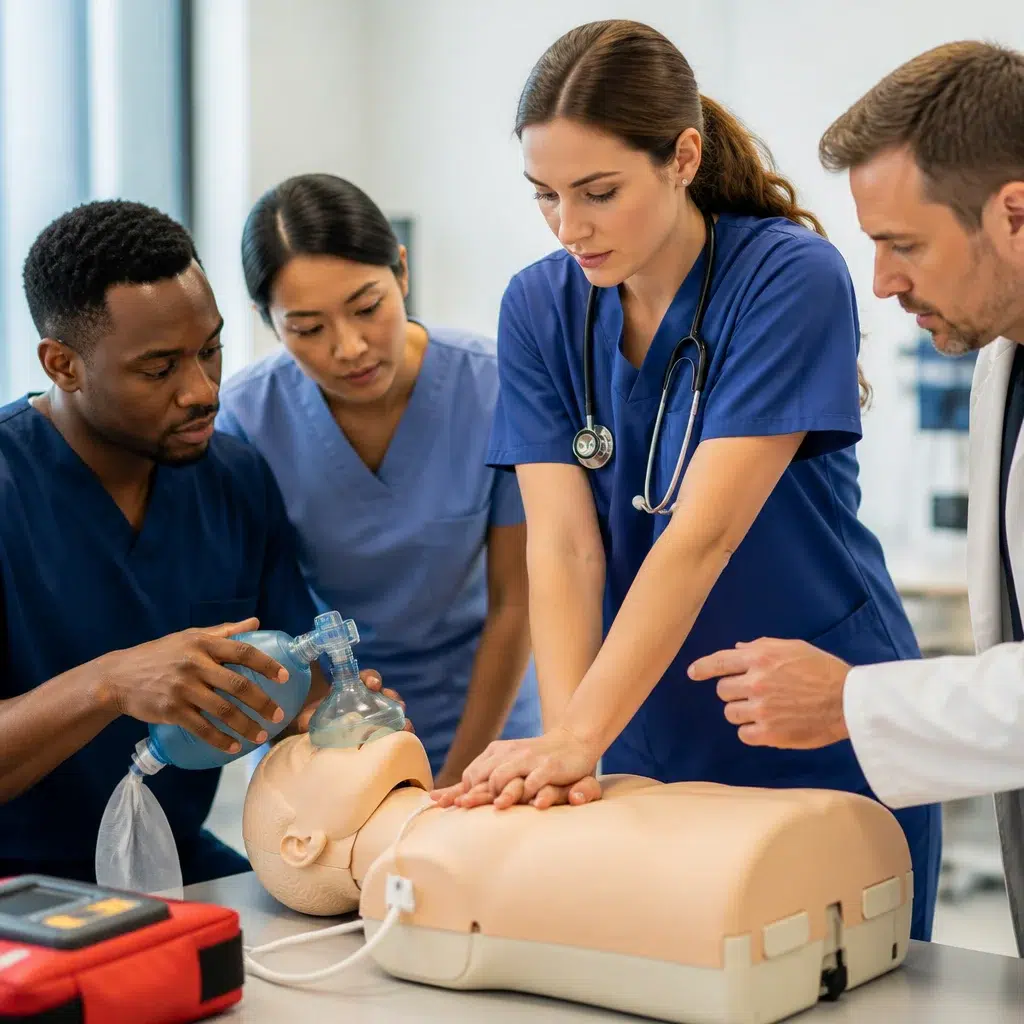
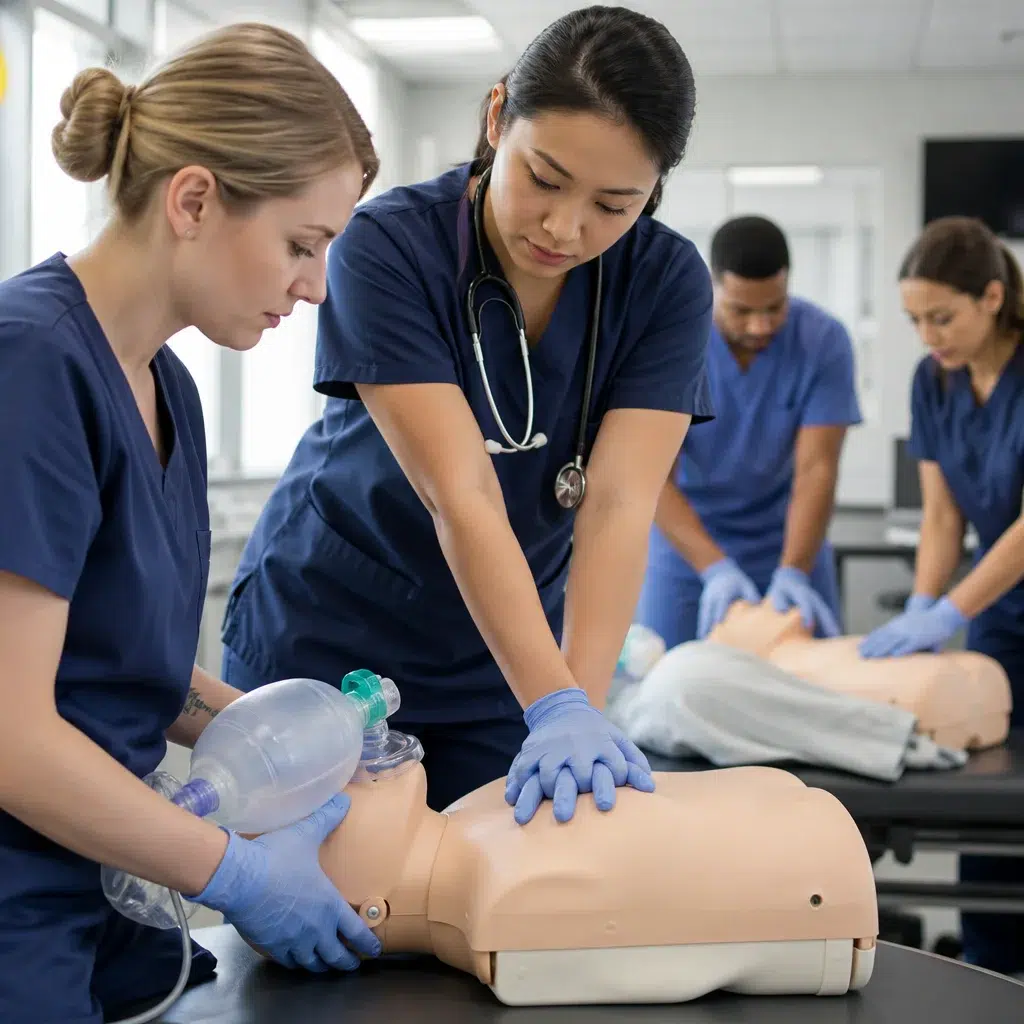
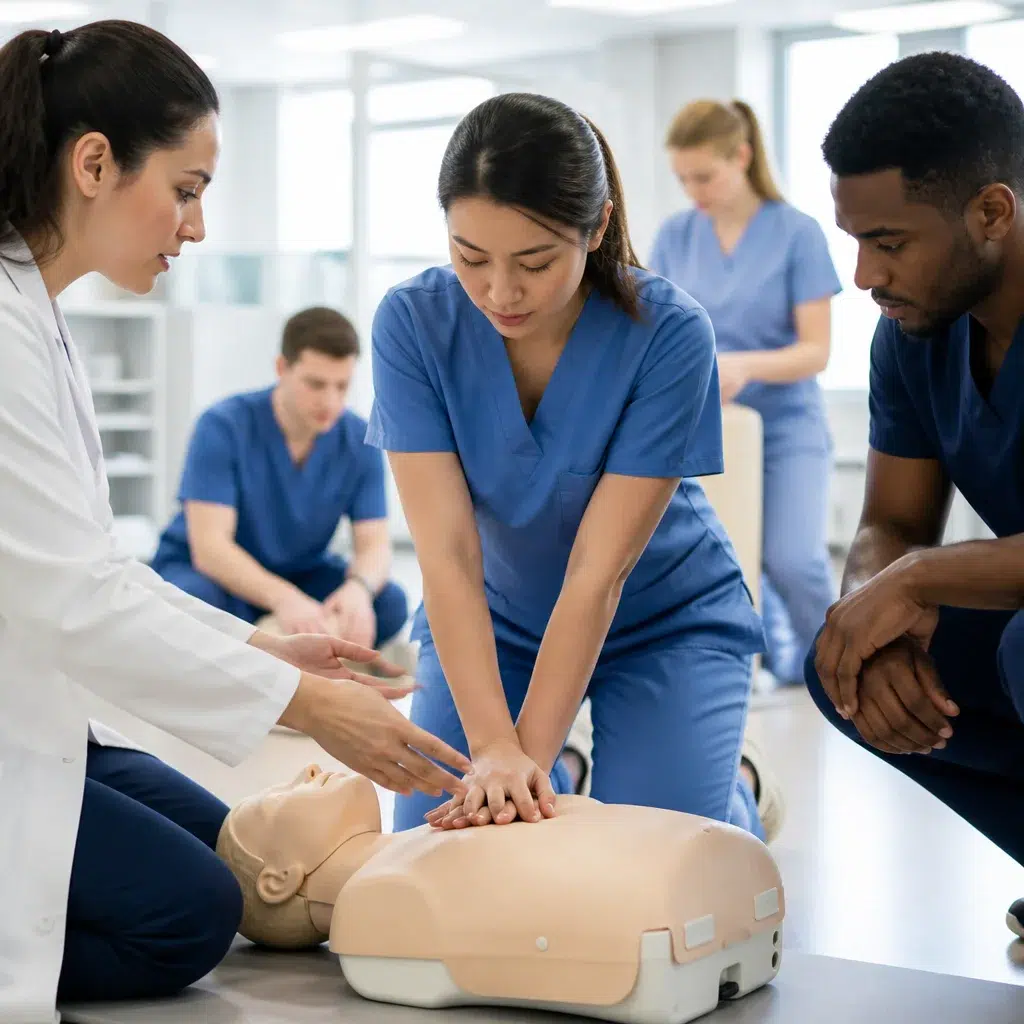
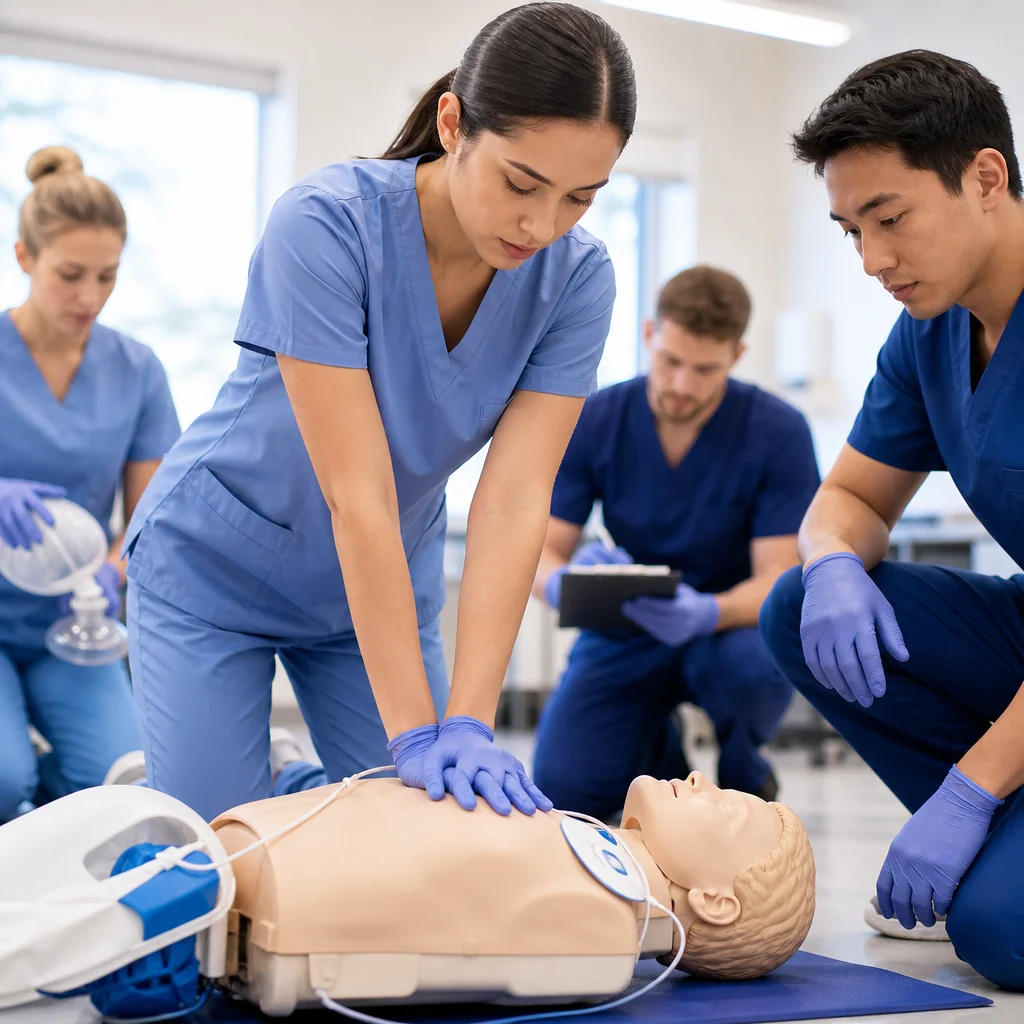
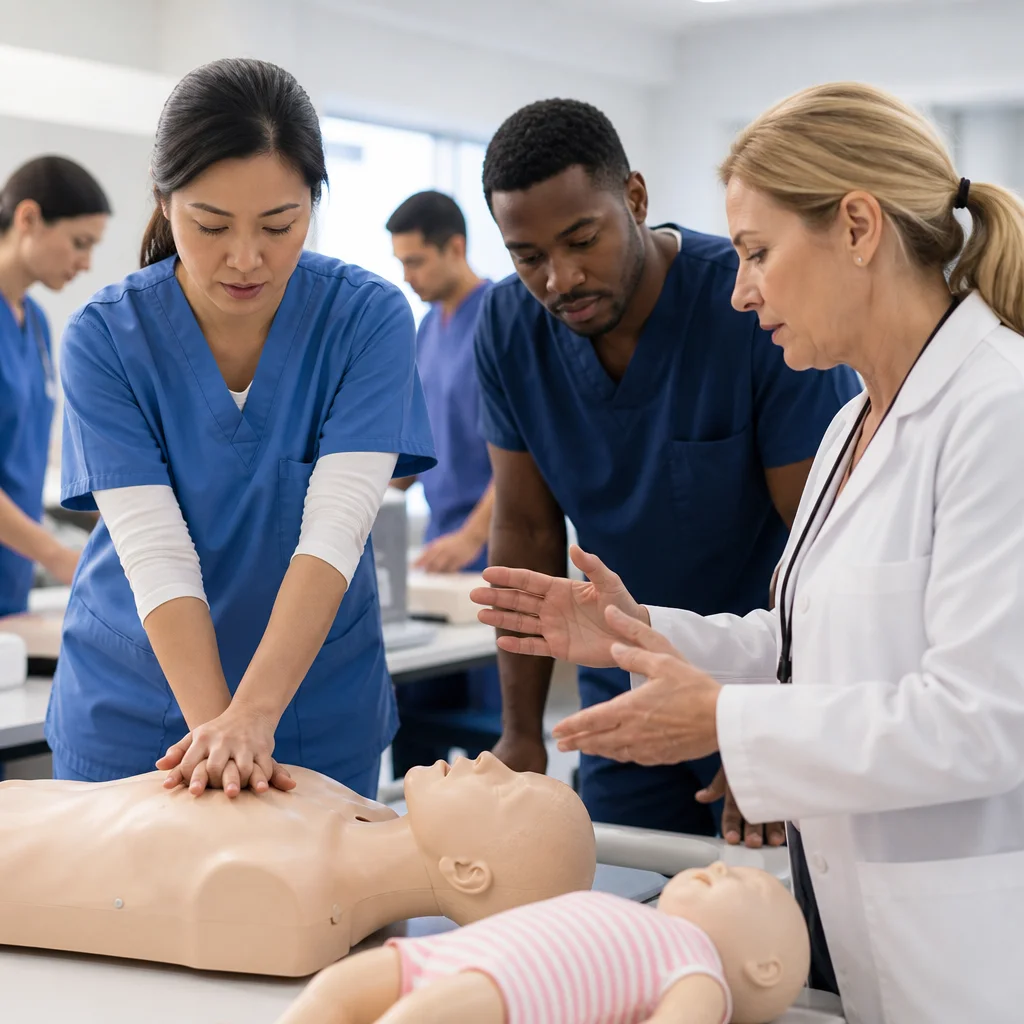
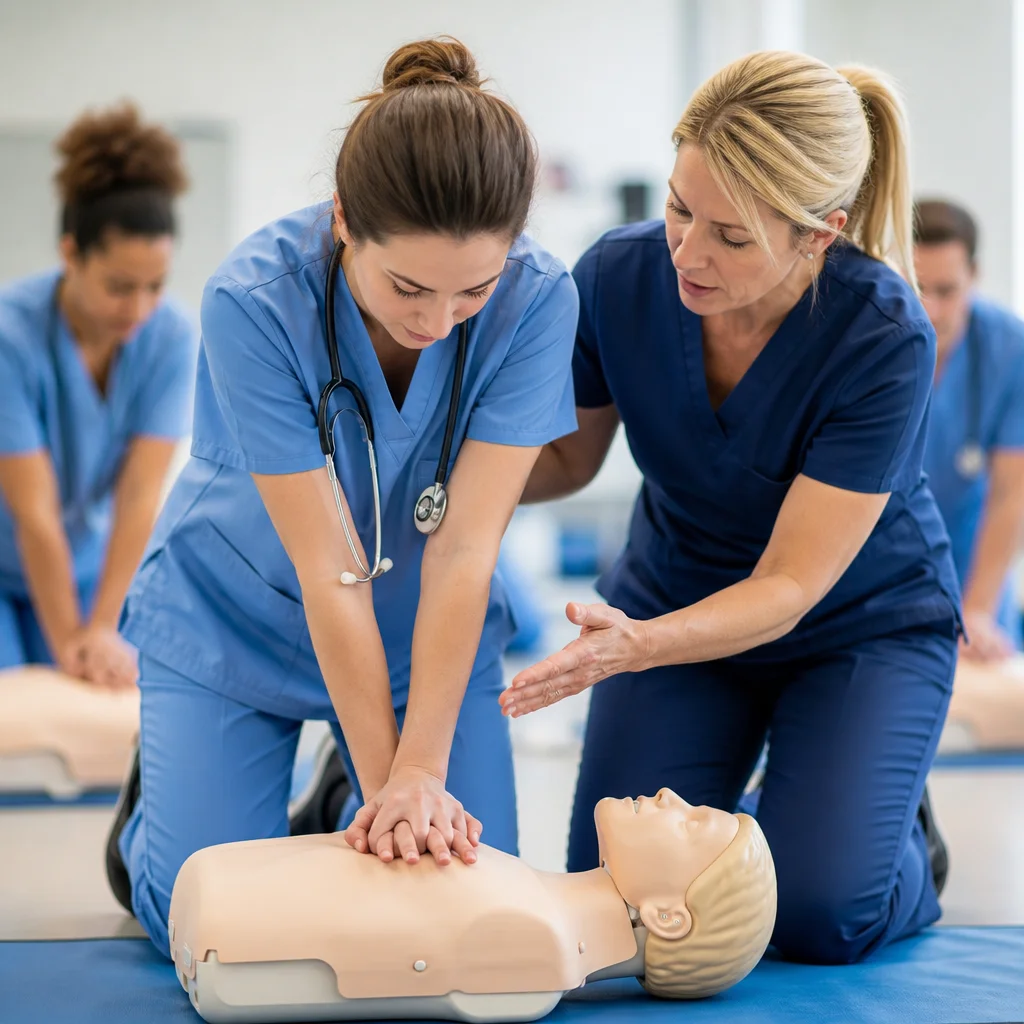
Sessions typically run two to four hours, depending on whether you’re pursuing ACLS or PALS and if you’re retaking or achieving initial certification. You’ll practice core skills in a structured environment: performing high-quality CPR on adult or pediatric manikins, operating automated external defibrillators, managing airways, administering medications, and interpreting cardiac rhythms. You’ll also participate in megacode scenarios where you work as part of a team responding to simulated cardiac emergencies.
Our instructors observe your performance against current standards. They’re not looking for perfection but for demonstrated competency and understanding. If your compressions need adjustment, they’ll coach you in real-time. If you’re managing a scenario well, they’ll challenge you with complications like deteriorating patients or equipment malfunctions to build your critical thinking.
By the end of the session, you’ll either earn your certification or understand exactly what to practice before your next attempt. Most professionals earn their credential on the first try because the blended format gives you adequate preparation time. If you need a second skills session, we offer makeup appointments at no additional charge.
You’ll leave with documentation of your competency and understanding of your certification status the same day.
Flexible Scheduling to Fit Your Demanding EMS Schedule
Night shifts, double shifts, irregular rotations, and mandatory days off make scheduling healthcare training nearly impossible using traditional hours. We get it. That’s why we offer skills sessions early mornings, evenings, weekends, and even holidays at locations throughout California including Folsom, Modesto, Napa, and Lathrop.
We understand you can’t always request time off when a course is scheduled. Instead, we offer multiple session times each week so you can book around your actual availability. If you work a three-month block of nights, we can schedule your skills session during your daytime break. If your schedule varies week-to-week, we can work around your posted roster.
Online modules add even more flexibility. Complete the cognitive portion whenever suits your life, whether that’s between shifts, during your days off, or in small chunks throughout a week. The content stays available 24/7, and you progress at your own pace.
Book your certification training at locations near you, from San Leandro to Livermore to Pittsburg, without forcing your schedule into a rigid framework that doesn’t accommodate emergency medicine professionals.
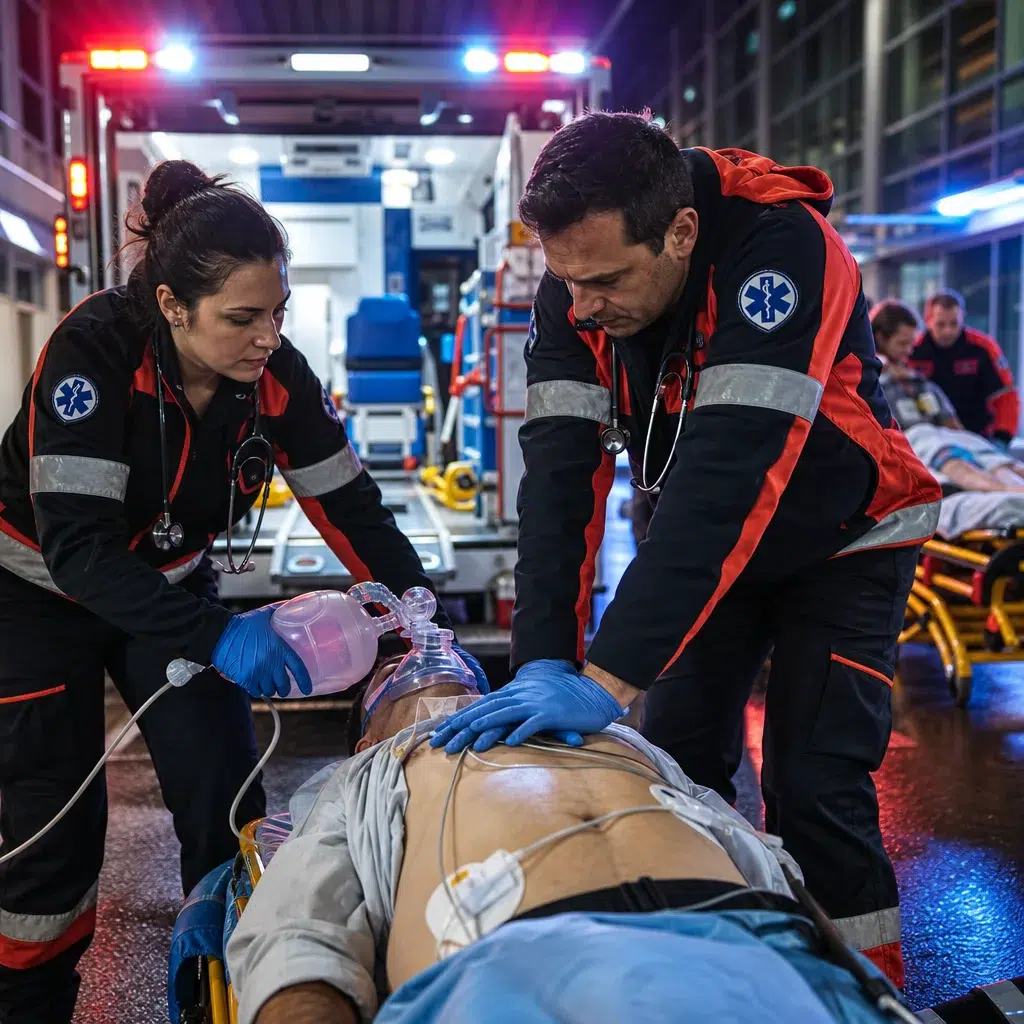
Reserve your online access and preferred skills session window right away.
Same-Day Certification Cards and Digital Verification
Certification delays shouldn’t delay your career. After you successfully complete your skills validation session, you’ll receive your physical certification card the same day. No waiting. No processing delays. No uncertainty about whether you’re technically certified while paperwork processes.
Digital verification is equally immediate. We provide instant digital credentials and wallet cards you can display to employers, upload to licensing portals, or reference during credentialing processes. Many facilities now accept digital credentials for immediate privileges activation, so you can start using your new certification right away.
Your certification details are also stored in a secure verification database that employers and licensing boards can access directly, eliminating questions about authenticity and current status. This matters particularly when you’re transitioning jobs, applying for a specialized position, or undergoing institutional credentialing for a new employer.
Grab your certification card before you leave our training center and start using your credential immediately.
Recertification Made Simple and Affordable
Recertification brings its own challenges. You’ve already earned your credential, yet you’re required to repeat training every two years to maintain it. Many professionals put off renewal, scrambling at the last minute when they realize their card is about to expire.
We simplify the renewal process with dedicated recertification courses designed specifically for professionals renewing active credentials. The content focuses on guideline updates, changes to protocols, and skills refresher rather than comprehensive initial training. Your session is typically shorter and more targeted, respecting that you already know the fundamentals.
Online modules for recertification focus on what’s new since your last certification. Refresh your knowledge on any protocol changes, review case studies, then attend a focused skills session. Recertification sessions are competitively priced, often less than initial certification, because the training scope is narrower.
We maintain reminders for renewal-eligible professionals at our training centers across Bakersfield, Fresno, Visalia, and Stockton, helping you stay compliant without administrative burden.
Renew your ACLS or PALS credential before your expiration date rather than letting it lapse.
Our Low-Price Guarantee for EMS Training
We believe certification training shouldn’t drain your paycheck or force you to choose between professional development and financial stability. That’s why we guarantee our pricing is the most competitive for quality instruction anywhere in California.
Our low-price guarantee means we match or beat any comparable ACLS or PALS certification course offered by another provider. If you find the same course at a lower price elsewhere, we’ll match it. We build our cost structure around volume and efficiency, not maximizing per-person revenue, so we can offer genuine savings without cutting corners on instructor quality or course content.
Cost transparency matters too. There are no hidden fees, no surprise charges for digital credentials, and no mandatory add-ons. Your course price covers everything: online modules, skills validation, same-day certification card, and digital verification. That’s it.
We serve EMS professionals earning modest salaries in high-cost areas like San Francisco, San Jose, Oakland, and Sacramento. Accessibility isn’t just our training philosophy. It’s how we price our courses.
Compare our pricing to anyone else offering equivalent quality and see why California EMS providers trust us.
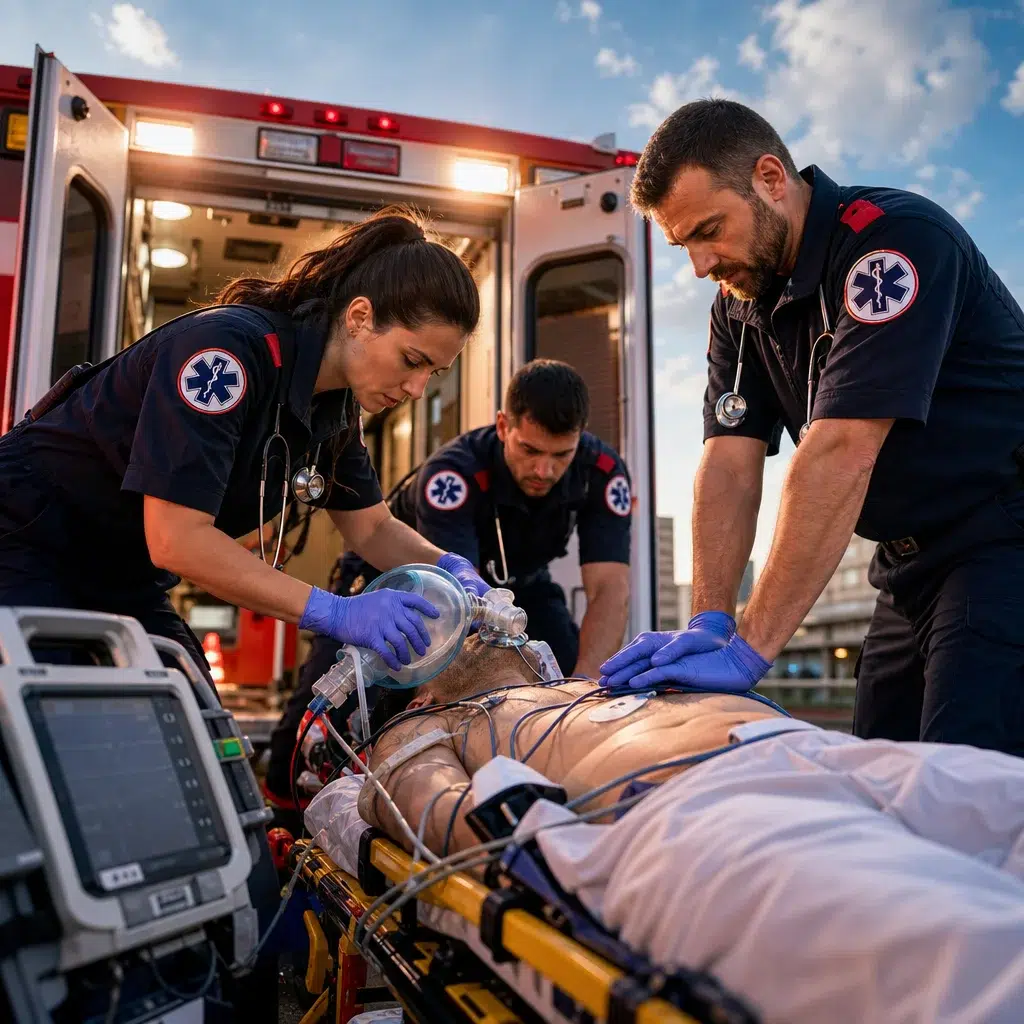
Why California EMS Providers Choose Our Training Centers
Across our 100-plus training locations from Oakland to Merced to Santa Rosa, EMS professionals choose us because we speak their language. Our instructors are working or recently retired paramedics, critical care nurses, and emergency physicians who understand field realities, shift work challenges, and the pressure of clinical decisions.
We’ve trained thousands of California EMS professionals. That experience means our curriculum reflects real-world scenarios, not theoretical abstractions. When you practice algorithms and team communication, you’re preparing for situations your colleagues actually encounter, not textbook-perfect emergencies that never happen in the field.
Our locations are convenient and accessible. Whether you’re working in Tracy, Woodland, Antioch, or San Rafael, there’s a training center within reasonable distance. Our facilities are modern, equipment is current, and scheduling accommodates your reality.
Most importantly, we measure success by your competency and career advancement, not just certifications issued. We want you to feel genuinely prepared to lead cardiac resuscitation efforts, manage pediatric emergencies, and practice with confidence and clinical judgment.
Explore our training locations near you and see why thousands of EMS professionals throughout California return to us for recertification and advanced training.
Next Steps: Schedule Your ACLS or PALS Certification
Your certification journey starts with one decision: committing to training that fits your schedule and your budget. Whether you need initial certification, recertification, or both ACLS and PALS, we have courses available this week at training centers throughout California.
Visit our website to browse available dates and locations near you. Select your preferred skills validation window, register for the online module, and begin studying immediately. Most professionals complete the cognitive portion within a few days, then attend an in-person skills session at their chosen location.
If you’re uncertain which certification you need, contact our training advisors. We’ll clarify your employer’s requirements, explain the difference between ACLS and PALS, and recommend the right course pathway for your career.
Your certification is waiting. Schedule now and take control of your professional compliance instead of waiting until the last minute.
Register for a class today.
Frequently Asked Questions (FAQ)
What’s the difference between ACLS and PALS certification, and which one do I need?
ACLS focuses on managing cardiac emergencies in adults, while PALS trains you to respond to pediatric emergencies and is required for paramedics and certain EMS roles working with children. Most EMS providers in California need both certifications to meet state requirements and maintain employment eligibility. We offer both courses at flexible times across our 100+ training locations, and our blended format lets you complete theory online before coming in for your hands-on skills session.
How quickly can I get my certification card after finishing the course?
We issue same-day certification cards immediately following your successful skills validation, so you walk out certified and ready to present proof to your employer. We also provide digital verification through our online portal for those who need instant documentation submission. If you need your credentials verified before your in-person session, we can expedite that request as well.
Do you offer discounts for group training from EMS agencies or departments?
Yes, we work with EMS departments and healthcare facilities throughout California to provide corporate group training with significant discount pricing. We can arrange dedicated sessions at our locations or bring training to your facility, depending on your team size and needs. Contact us directly at our preferred location to discuss group rates and customize a training schedule that works around your shift rotations.