
The holiday season in California brings families together for festive dinners, community celebrations, winter vacations, shopping trips, and gatherings with friends. From Thanksgiving and Christmas to New Year’s celebrations, these occasions create wonderful memories, but they can also introduce unexpected health and safety risks.
A choking incident during a family dinner, a kitchen burn while preparing a holiday meal, or a sudden cardiac emergency involving an older family member can turn a celebration into a stressful situation within seconds. Knowing how to respond before professional medical assistance arrives can make a meaningful difference.
As California approaches the 2027 holiday season, CPR and First Aid training is an important consideration for parents, caregivers, workplace employees, teachers, and healthcare professionals. Safety Training Seminars provides accessible training opportunities throughout California, helping individuals develop practical emergency response skills and prepare for situations that may happen at home, work, or in public.
Why Holiday Emergencies Require Better Preparation in California
Holiday activities often involve crowded homes, busy kitchens, unfamiliar environments, and increased travel. These circumstances can create opportunities for accidental injuries and sudden medical emergencies.
California’s diverse geography also brings different seasonal considerations. Families traveling through the Sierra Nevada may encounter winter weather, while coastal communities and major metropolitan areas experience their own holiday traffic and gathering-related challenges.
Common holiday emergencies include:
- Choking incidents involving food, particularly during large family meals.
- Kitchen burns caused by hot cookware, boiling liquids, and cooking equipment.
- Sudden cardiac emergencies involving older adults or individuals with existing health concerns.
- Falls and other injuries during decorating, shopping, and outdoor activities.
- Medical emergencies involving children, infants, and elderly family members.
Knowing basic CPR and First Aid procedures helps people recognize emergencies, contact 911, and provide appropriate assistance while waiting for emergency medical services.
Holiday Choking First Aid: Responding to a Life-Threatening Emergency
Holiday meals frequently include foods such as meat, nuts, grapes, vegetables, and other items that can become choking hazards, particularly for young children and older adults.
Choking occurs when an object blocks the airway and prevents normal breathing. A person experiencing severe airway obstruction may be unable to speak, cough effectively, or breathe.
Recognizing the warning signs is essential.
What should you do when someone is choking?
For a conscious adult or child with severe choking, current American Heart Association guidance recommends:
- Call 911 or have someone activate emergency medical services.
- Give five back blows between the shoulder blades.
- Follow with five abdominal thrusts.
- Continue alternating five back blows and five abdominal thrusts until the obstruction clears or the person becomes unresponsive.
- If the person becomes unresponsive, begin CPR and follow the emergency dispatcher’s instructions.
Infant choking requires a different technique involving five back blows and five chest thrusts. Never use abdominal thrusts on an infant.
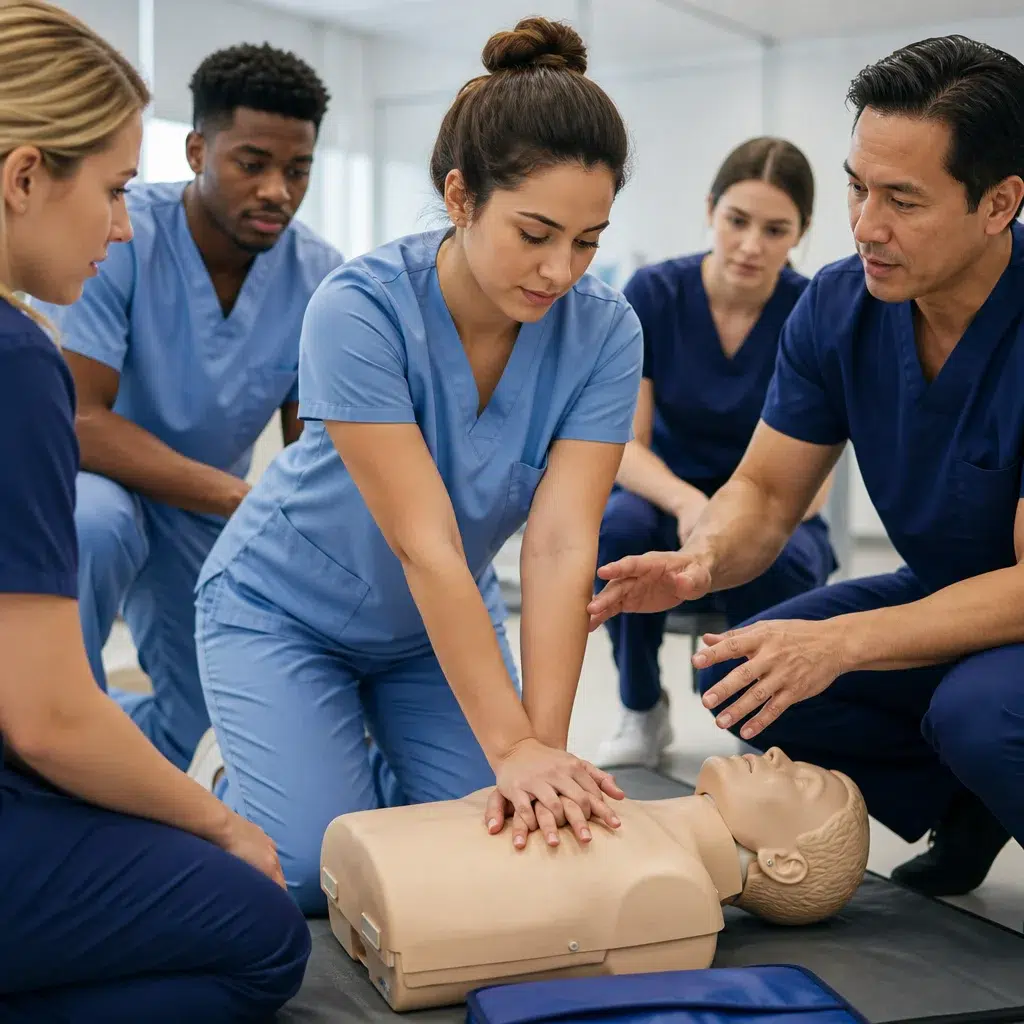
These skills require practical instruction because the correct response depends on the person’s age and condition. CPR and First Aid training provides an opportunity to understand these differences before an emergency occurs.
Kitchen Burn First Aid During Holiday Cooking
Holiday cooking can involve multiple hot appliances, crowded preparation areas, boiling liquids, and heavy cookware. When several people are preparing food simultaneously, distractions can increase the possibility of accidental burns.
Burns can result from contact with hot surfaces, splashing liquids, steam, or cooking oil.
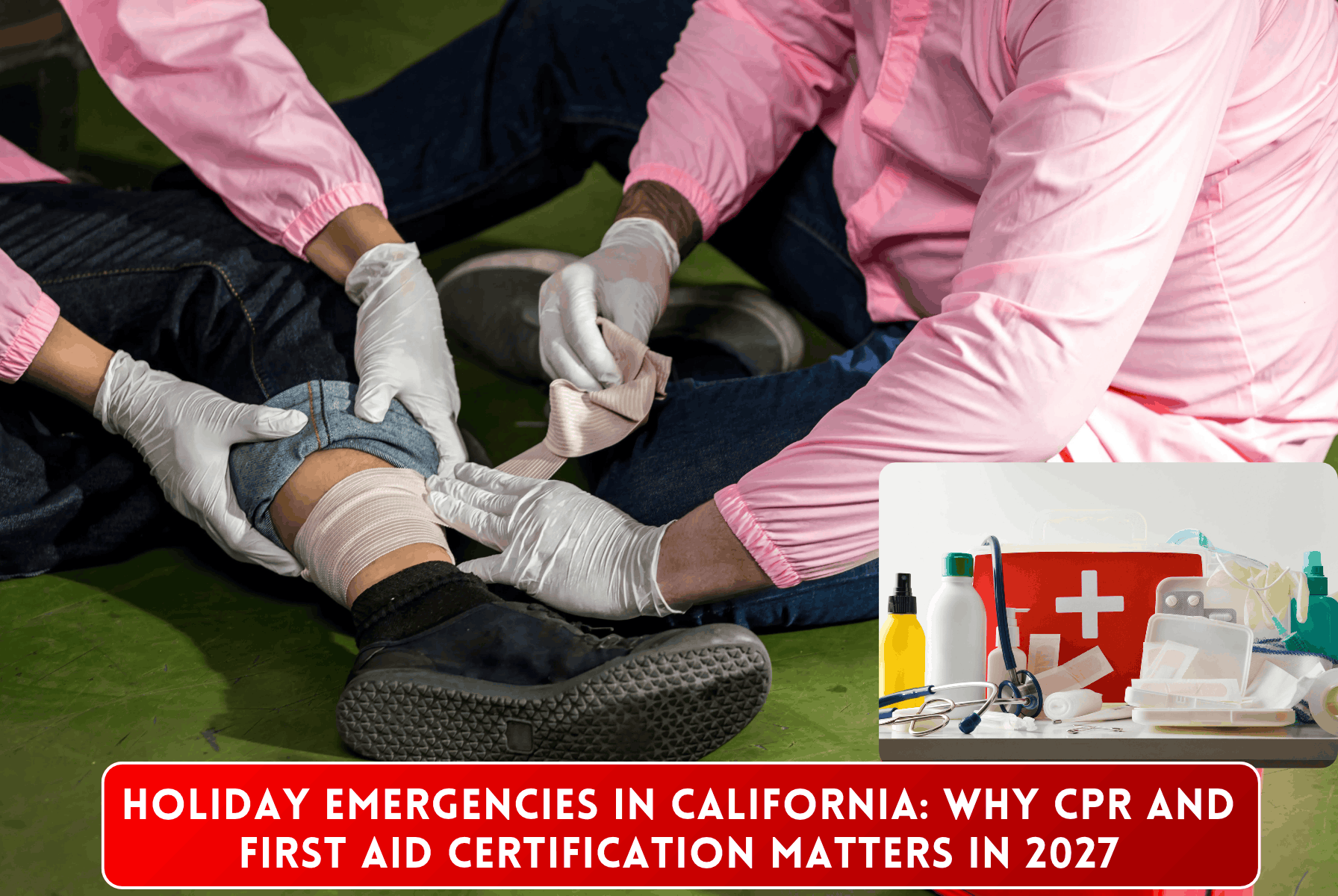
Basic first aid for minor thermal burns includes:
- Move the person away from the source of heat when it is safe.
- Cool the affected area under cool running water for approximately 20 minutes.
- Remove jewelry or loose clothing near the burn if it is not stuck to the injured skin.
- Cover the area with a clean, non-stick dressing or suitable clean covering.
- Avoid applying ice, butter, toothpaste, or household remedies.
Serious, deep, extensive, or blistering burns require medical evaluation. Call 911 for life-threatening injuries or other urgent medical concerns.
Prevention is equally important. Keep children away from cooking areas, turn pot handles inward, and avoid leaving active cooking unattended.
Understanding kitchen burn first aid can help parents, childcare providers, restaurant employees, and other community members respond more appropriately when cooking accidents occur.
Holiday Heart Attack Warning Signs: Recognize the Symptoms Early
Family gatherings may bring together people of different ages and health backgrounds. Recognizing the warning signs of a heart attack is particularly important when spending time with older relatives or individuals with known cardiovascular risk factors.
According to the American Heart Association, heart attack symptoms can develop suddenly or begin gradually.
Common warning signs include:
- Pressure, squeezing, discomfort, or pain in the center of the chest.
- Discomfort in one or both arms, the back, neck, jaw, or stomach.
- Shortness of breath, with or without chest discomfort.
- Cold sweats, nausea, or lightheadedness.
- Unusual fatigue or weakness.
Women may also experience symptoms such as nausea, vomiting, back discomfort, and unusual tiredness.
If someone experiences possible heart attack symptoms, call 911 immediately. Do not wait for symptoms to disappear or attempt to transport the person yourself when emergency medical services are available.
It is also important to understand that a heart attack and sudden cardiac arrest are different emergencies. Cardiac arrest occurs when the heart suddenly stops pumping effectively, causing the person to become unresponsive and stop breathing normally.
If someone is unresponsive and not breathing normally, call 911, begin CPR, and use an automated external defibrillator (AED) as soon as one becomes available.
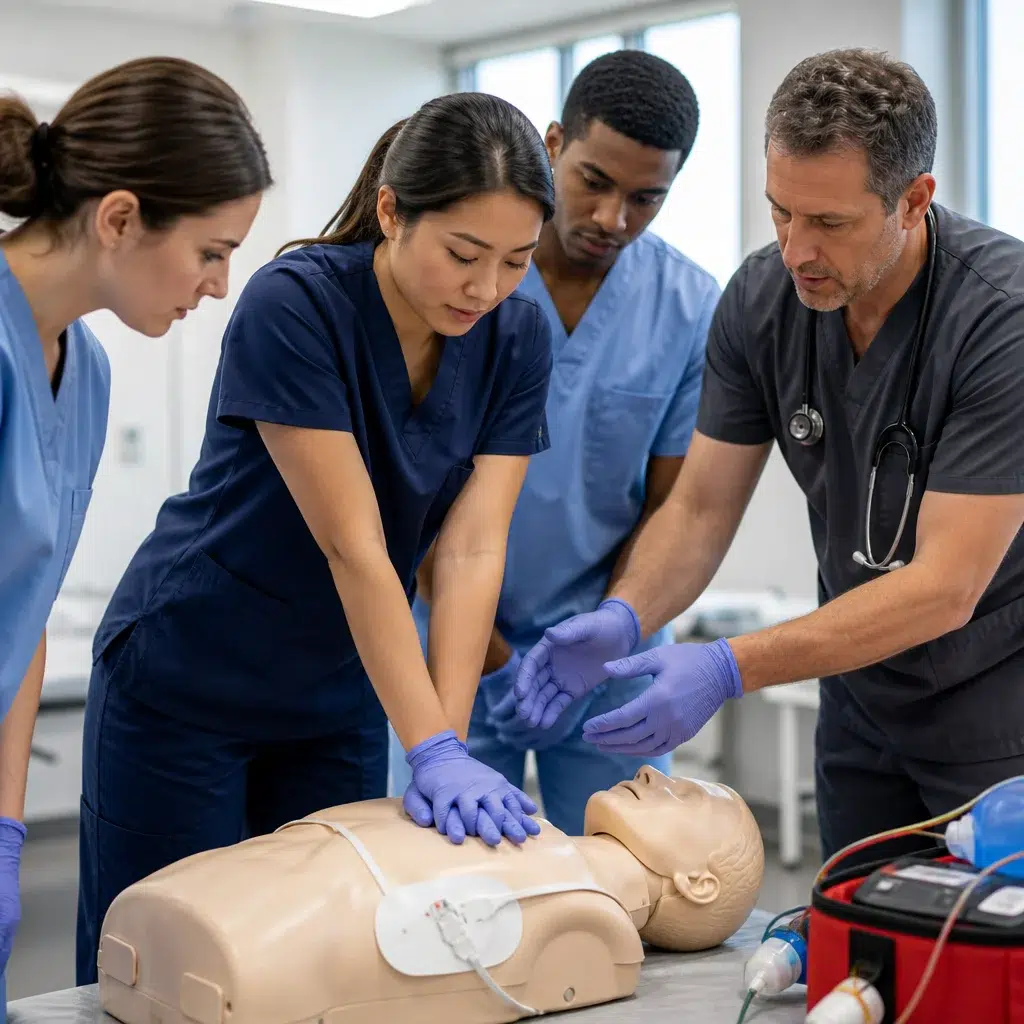
Learning CPR and AED procedures can help bystanders respond more confidently during these critical moments.
Which CPR and First Aid Training Is Right for You in 2027?
Not everyone needs the same emergency response training. The appropriate course depends on your occupation, responsibilities, and employer requirements.
Safety Training Seminars offers different training pathways for community members and healthcare professionals.
| Training option | Best suited for | Main focus |
| Adult and Pediatric CPR, AED & First Aid | Parents, caregivers, teachers, employees, and community members | CPR, choking response, AED use, and common first aid emergencies |
| Pediatric CPR and First Aid | Childcare providers, babysitters, parents, and caregivers | Emergency response involving infants and children |
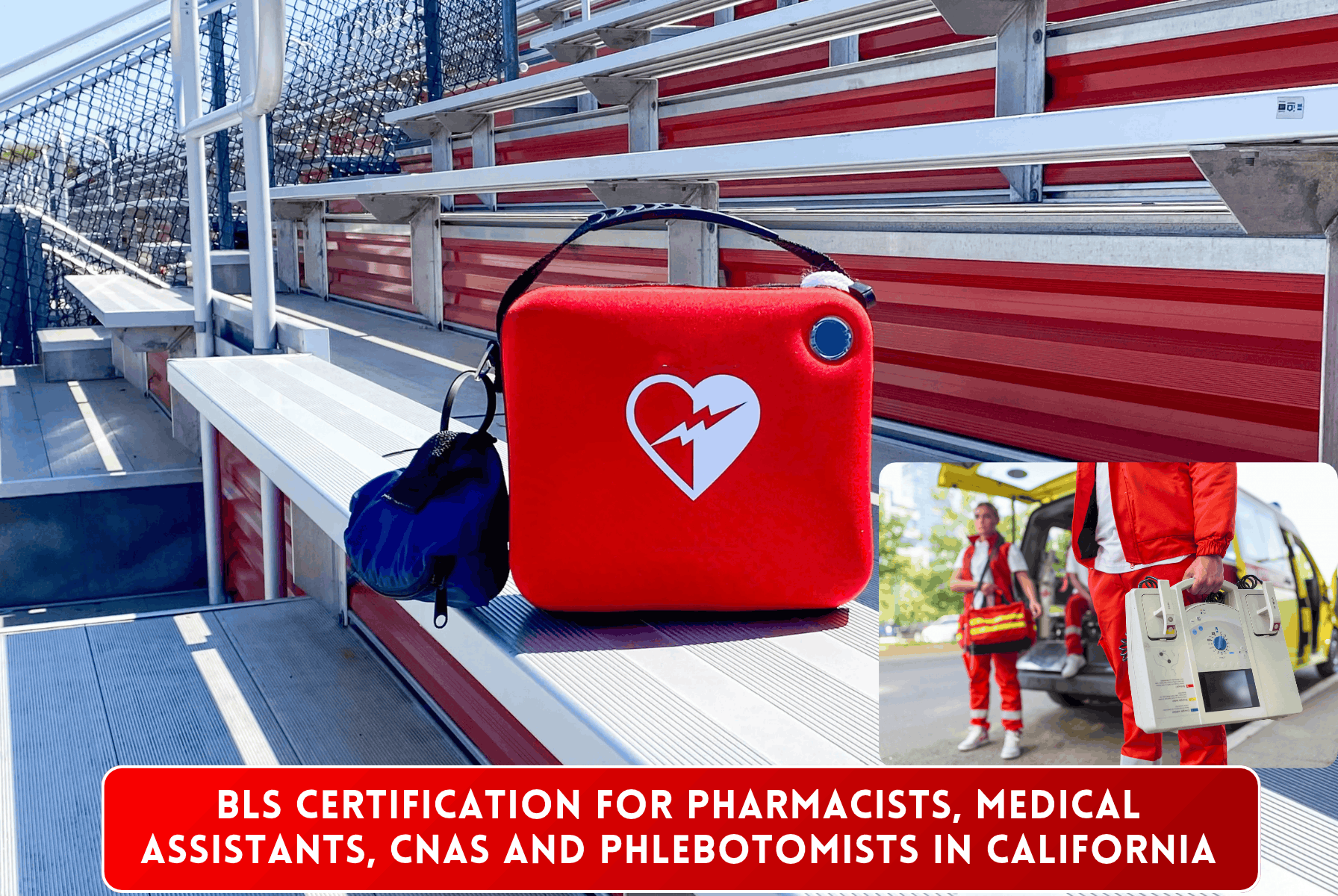
| AHA BLS Provider | Nurses, physicians, EMTs, dental professionals, and other healthcare workers | High-quality CPR, AED use, ventilation, and team-based resuscitation |
| AHA ACLS | Qualified healthcare professionals | Advanced cardiovascular life support |
| AHA PALS | Healthcare professionals involved in pediatric emergency care | Pediatric assessment and emergency resuscitation |
For individuals seeking community-focused emergency preparedness, adult and pediatric CPR and First Aid training is a relevant starting point.
Parents, childcare employees, and individuals regularly supervising young children may also consider pediatric CPR and First Aid training.
Healthcare professionals should check their workplace requirements before selecting a course. An AHA BLS Provider course is generally the appropriate pathway when an employer specifically requires BLS training.
Why Choose Safety Training Seminars for CPR Training in California?
Finding convenient CPR training can be challenging when balancing employment, family responsibilities, and holiday preparations.
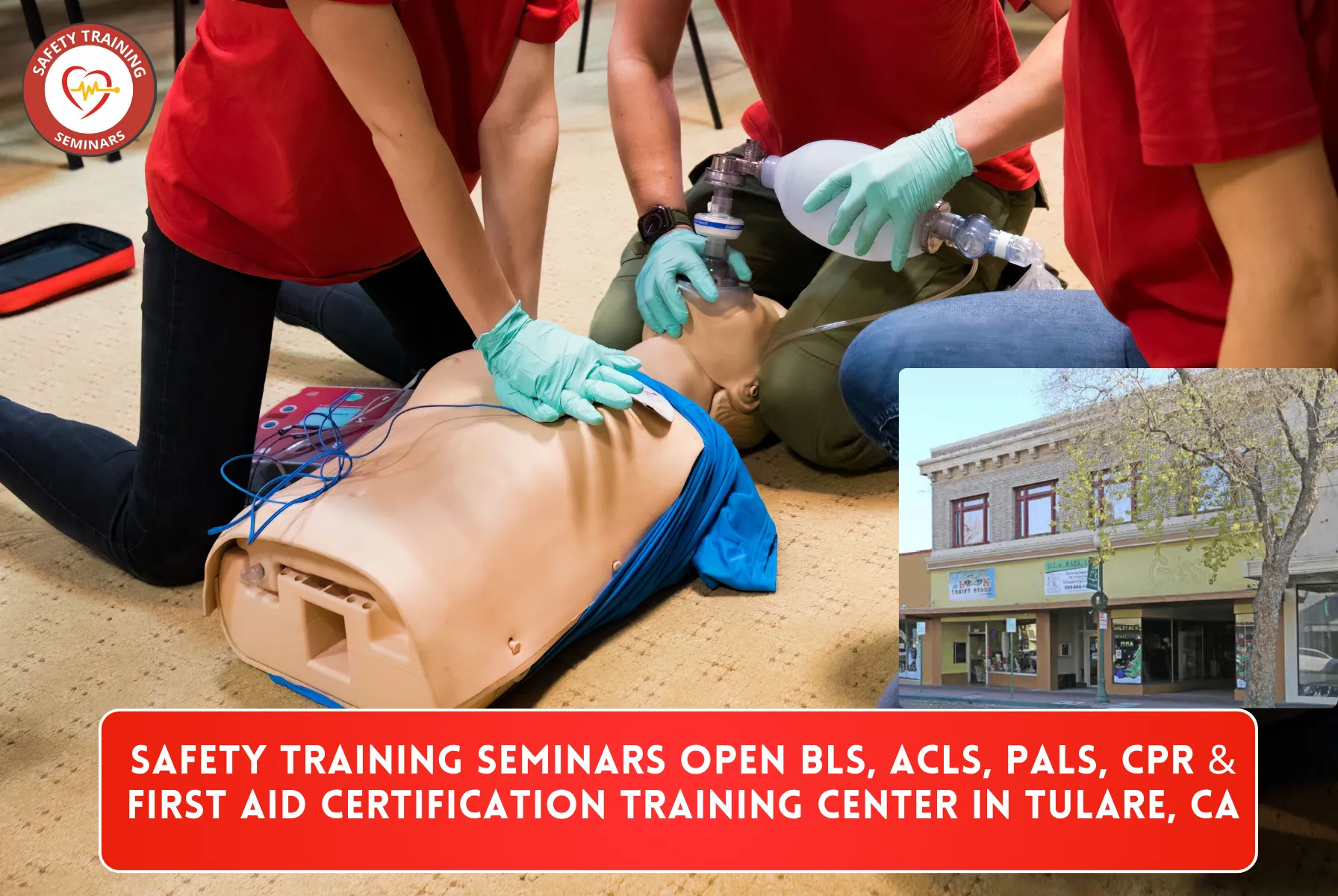
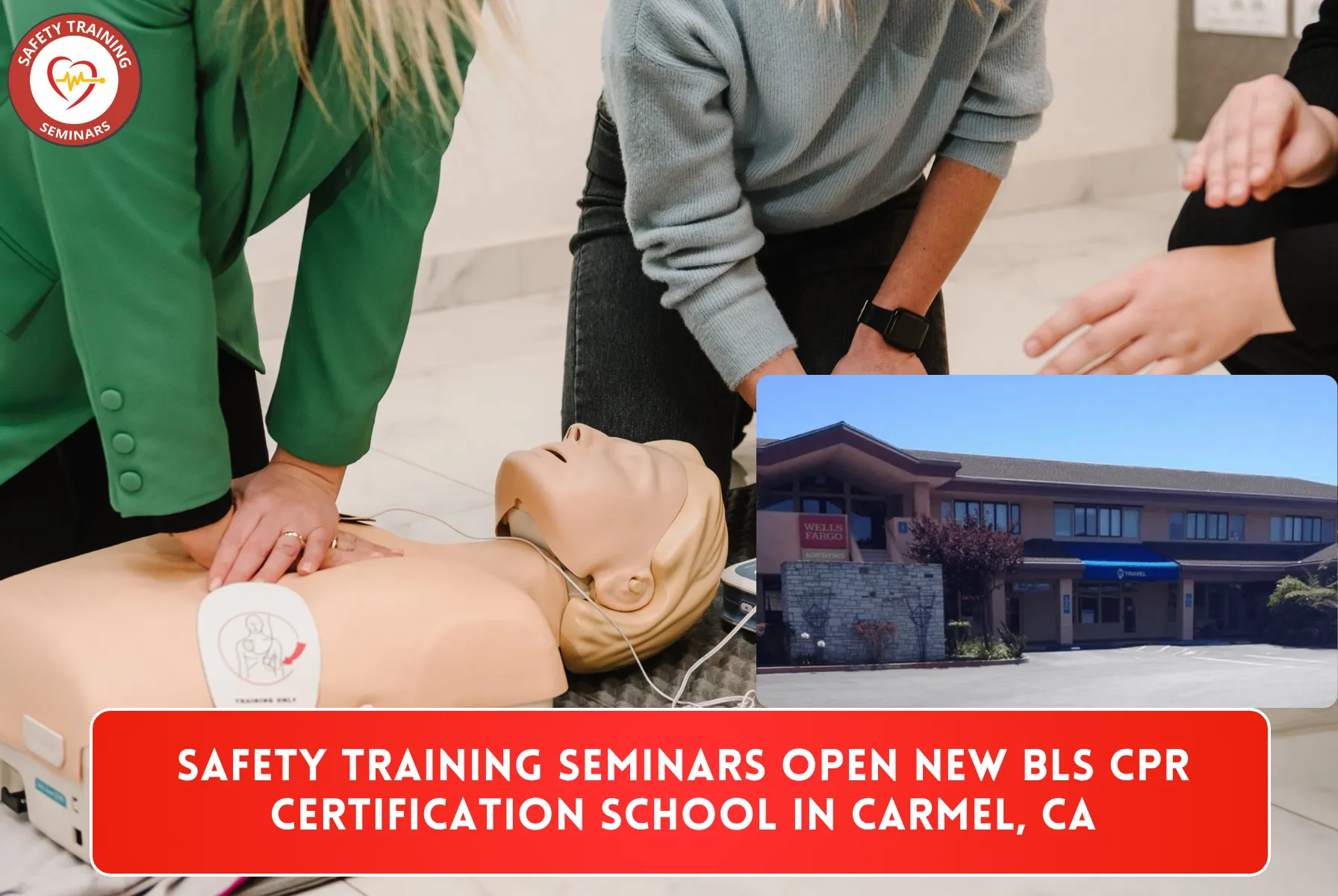
Safety Training Seminars provides access to more than 100 CPR training locations across California, serving individuals and organizations in multiple regions.
Its location network includes communities throughout:
- San Francisco and the surrounding Bay Area.
- Oakland, Berkeley, Fremont, and San Leandro.
- San Jose, Santa Clara, and Sunnyvale.
- Sacramento, Roseville, and surrounding communities.
- Fresno, Modesto, Stockton, and Tracy.
- San Diego, Los Angeles, and other California communities.
The availability of nearby training locations can make it easier to plan a class around work schedules, family commitments, and local travel.
For eligible AHA BLS Provider students, Safety Training Seminars offers a blended learning format that combines online coursework with an in-person skills session.
The listed BLS pathway includes approximately 1–2 hours of online learning and a 30-minute skills session. Students who successfully complete the required course components receive an official AHA BLS Provider eCard, issued the same day.
The BLS card is valid for two years, subject to applicable AHA requirements.
Community CPR and First Aid participants should select the appropriate course and verify its card provider and acceptance requirements before registering.
How to Prepare Your Family and Workplace for Holiday Emergencies
CPR training is most useful when combined with a practical emergency preparedness plan.
Before the 2027 holiday season, consider taking these steps:
- Identify the location of the nearest AED at your workplace or frequently visited community facility.
- Keep a properly stocked first aid kit at home and in your vehicle.
- Make sure family members know how to contact 911.
- Review emergency procedures with babysitters and childcare providers.
- Keep emergency exits and kitchen areas clear.
- Learn how to recognize choking, cardiac arrest, and heart attack warning signs.
- Encourage household members and coworkers to consider appropriate CPR and First Aid training.
For California families traveling during winter, checking road conditions and preparing a vehicle emergency kit are additional precautions worth taking, particularly when traveling through mountain communities.
Preparedness should be a shared responsibility rather than something considered only after an accident occurs.
Make Holiday Safety a Priority With CPR and First Aid Training in 2027
The holidays should be a time for celebration, connection, and spending quality time with loved ones. However, emergencies can happen without warning, whether during a family dinner, a workplace gathering, or a winter road trip.
Learning CPR, AED use, and First Aid techniques can help you recognize emergencies and take appropriate action while professional medical assistance is on the way.
Safety Training Seminars makes it easier to explore CPR and First Aid training options through its network of more than 100 California training locations.
Make emergency preparedness part of your 2027 plans. Explore available courses, select the training that matches your needs, and take a practical step toward helping protect your family, coworkers, and community.
FAQs About Holiday Emergencies in California: Why CPR and First Aid Certification Matters in 2027
1. Why is CPR and First Aid training important during the holidays in California?
Holiday gatherings can involve choking, cooking burns, falls, and sudden cardiac emergencies. CPR and First Aid training helps individuals recognize emergencies, contact 911, and provide appropriate assistance while waiting for professional responders.
2. What should I do if someone chokes during a holiday dinner?
For a conscious adult or child experiencing severe choking, call 911 and alternate five back blows with five abdominal thrusts. If the person becomes unresponsive, begin CPR and follow emergency dispatcher instructions. Infants require a different choking response technique.
3. What is the correct first aid treatment for a kitchen burn?
Cool a thermal burn under cool running water for approximately 20 minutes. Avoid ice, butter, and home remedies. Cover the affected area with a clean, non-stick dressing and seek medical attention for serious burns.
4. Can parents and childcare providers benefit from pediatric CPR and First Aid training?
Yes. Pediatric CPR and First Aid training helps parents, babysitters, childcare employees, and other caregivers understand how to respond to emergencies involving infants and children, including choking, breathing emergencies, and injuries.
5. Where can I find CPR and First Aid training near me in California?
Safety Training Seminars offers more than 100 training locations throughout California. Individuals can explore nearby locations and available course options to find training that matches their professional responsibilities and personal emergency preparedness goals.