Table of Contents
- 1. Same-Day BLS Certification That Fits Your Schedule
- 2. Hands-On Skills Practice with Advanced Simulation Technology
- 3. AHA-Aligned Curriculum You Can Trust
- 4. Flexible Blended Learning Options for Busy Professionals
- 5. Multiple Berkeley Locations for Maximum Convenience
- 6. Affordable Pricing with Our Low-Price Guarantee
- 7. Expert Instructors Who Understand Healthcare Environments
- Frequently Asked Questions (FAQ)
1. Same-Day BLS Certification That Fits Your Schedule
As a healthcare professional in Berkeley, you know that maintaining current certifications isn’t optional—it’s a requirement for your license, credibility, and ability to respond when lives depend on it. Finding a CPR course that actually fits your demanding schedule while delivering real competency is the challenge. We’ve designed our training to solve exactly that problem, offering same-day certification, hands-on skills practice, and the flexibility that busy clinicians, nurses, dentists, and EMS personnel need.
Your schedule is packed. Between shifts, patient care, and continuing education requirements, carving out time for certification renewal feels impossible. We offer same-day BLS (Basic Life Support) certification courses that you can complete in a single session, walking out with your verified certification card ready to submit to your employer or licensing board.
Unlike programs that stretch instruction over multiple days or require evening availability you don’t have, our intensive same-day format compresses all required content and hands-on practice into one focused session. You’ll move through CPR techniques, rescue breathing, and choking relief with direct feedback from our instructors, then receive immediate verification upon completion. No waiting for digital cards or mail delivery.
We schedule daily BLS courses at multiple Berkeley locations to catch whatever opening exists in your calendar. Whether you need Thursday afternoon or Saturday morning, we have options available year-round. This flexibility means you’re not forcing your certification renewal into a month-long gap between jobs or squeezing it in during a single weekend.
What to do next: Check our Berkeley training locations for available same-day sessions this week. Most professionals complete the entire course between 6 to 8 hours, including skills stations and final assessment.
2. Hands-On Skills Practice with Advanced Simulation Technology
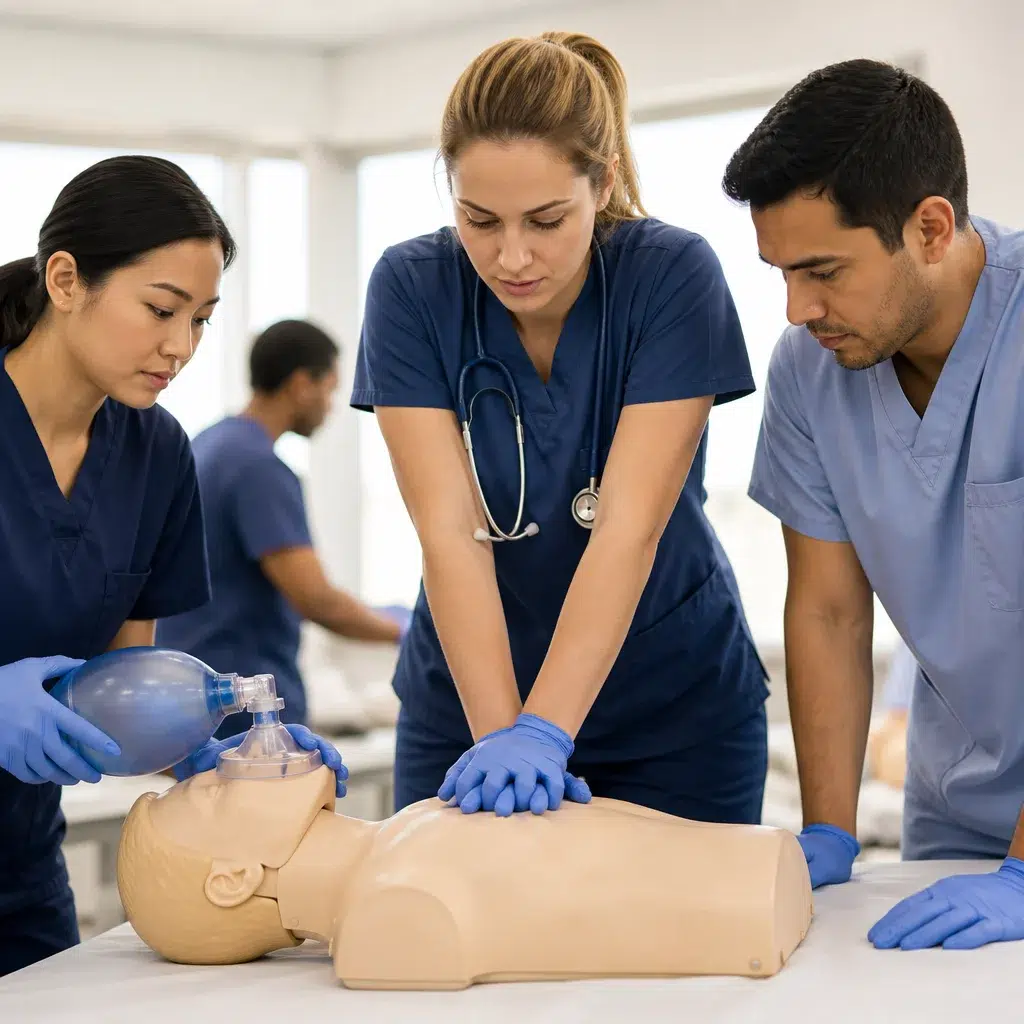
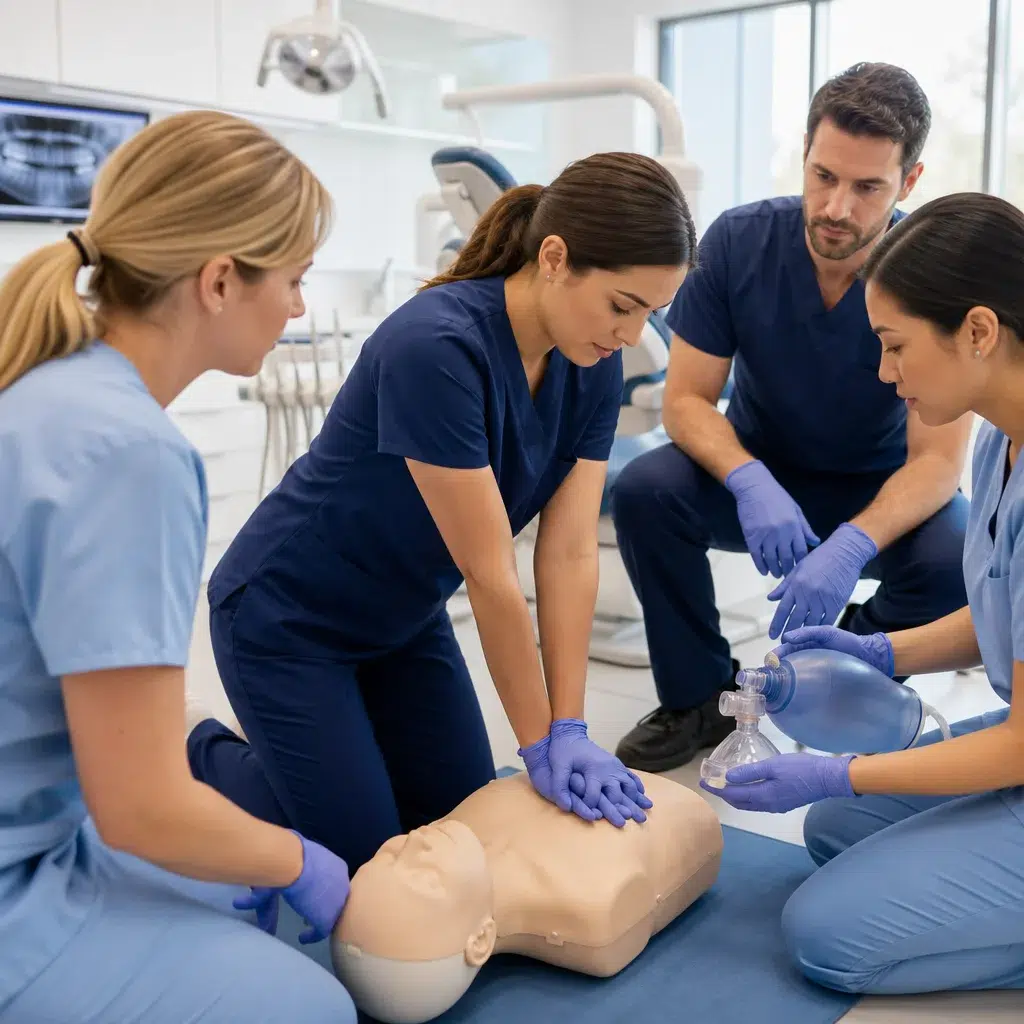
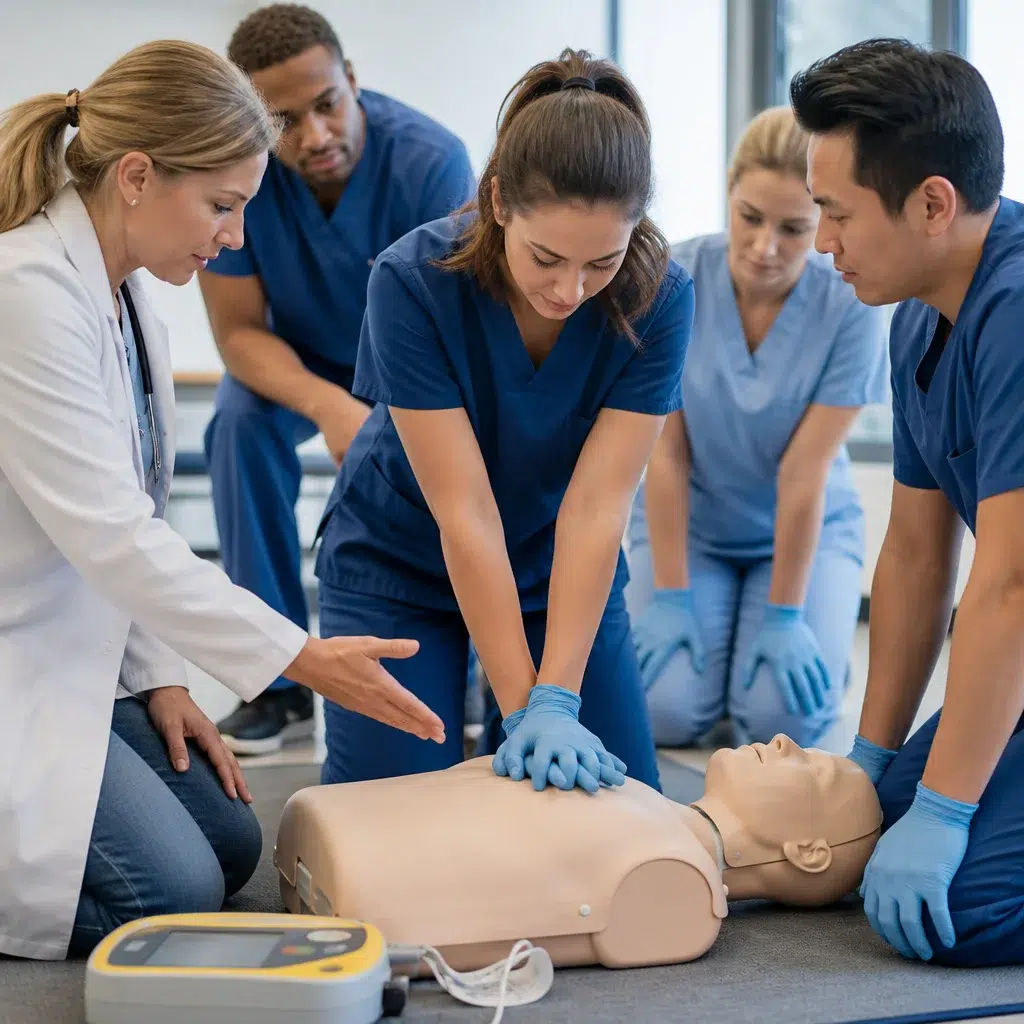
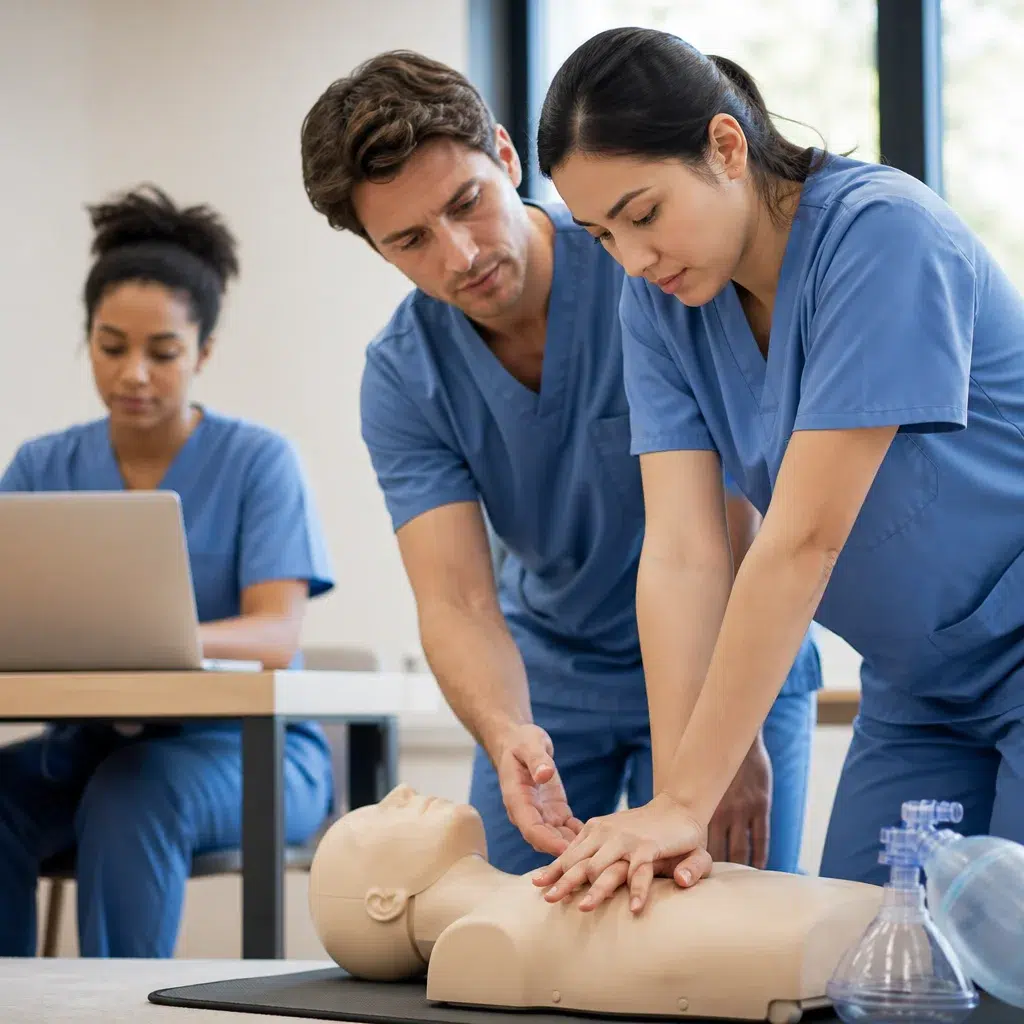
Reading about chest compression depth or watching a video can’t replicate the muscle memory you need when you’re actually standing over an unresponsive patient. That’s why we’ve equipped our Berkeley training centers with high-fidelity mannequins and real-time feedback systems that show you exactly what your hands are doing.
Our simulation technology tracks compression rate, depth, and hand placement, giving you immediate correction and encouragement. You practice on equipment that mimics real-world resistance and feel, not plastic dolls that don’t respond to your technique. This matters: studies show that hands-on practice with immediate feedback produces competency that lasts—and that saves lives.
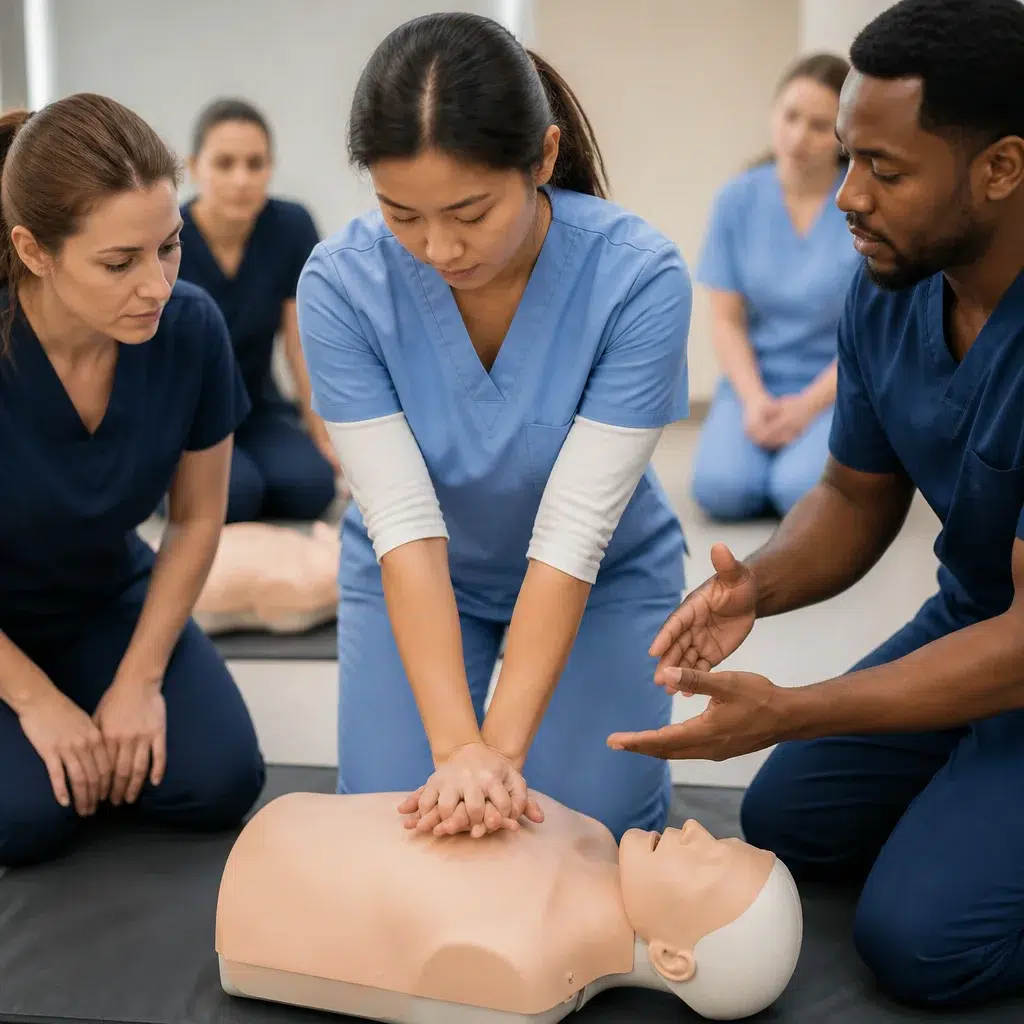
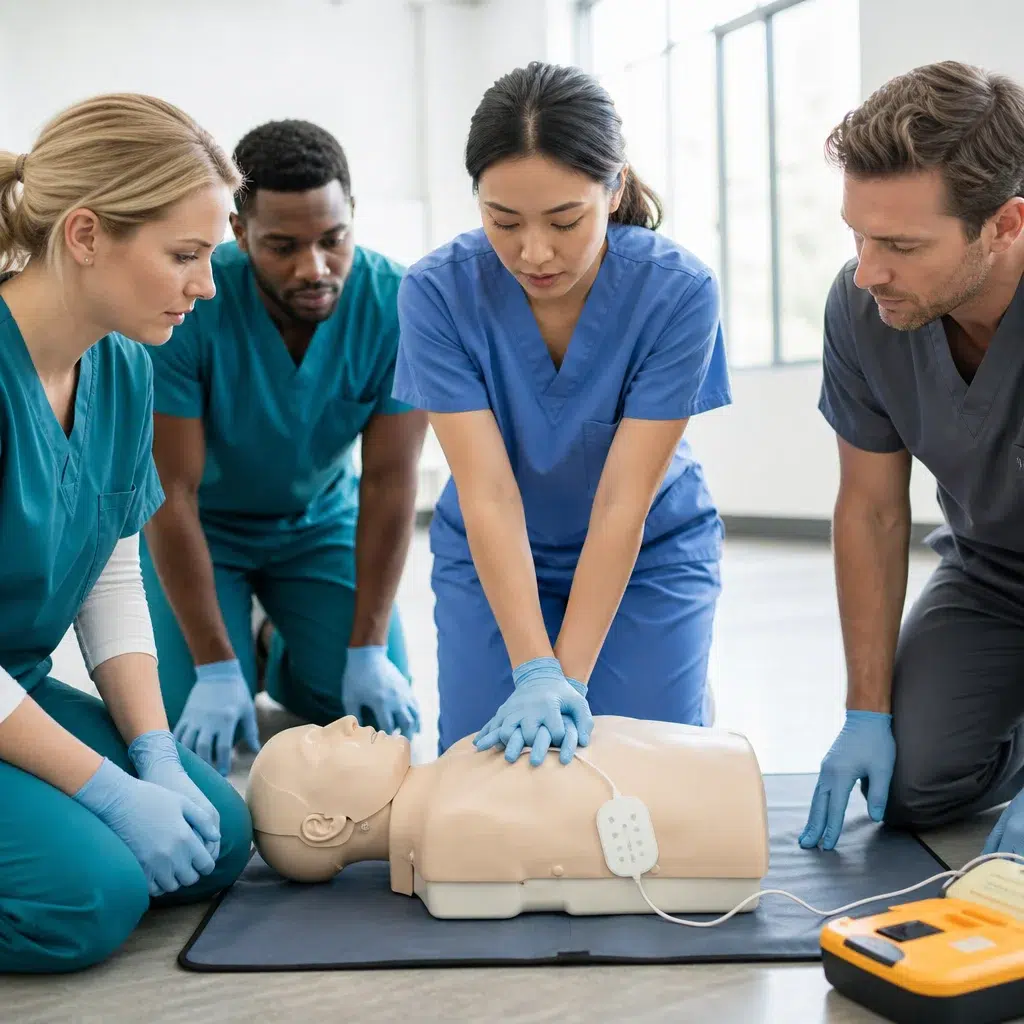
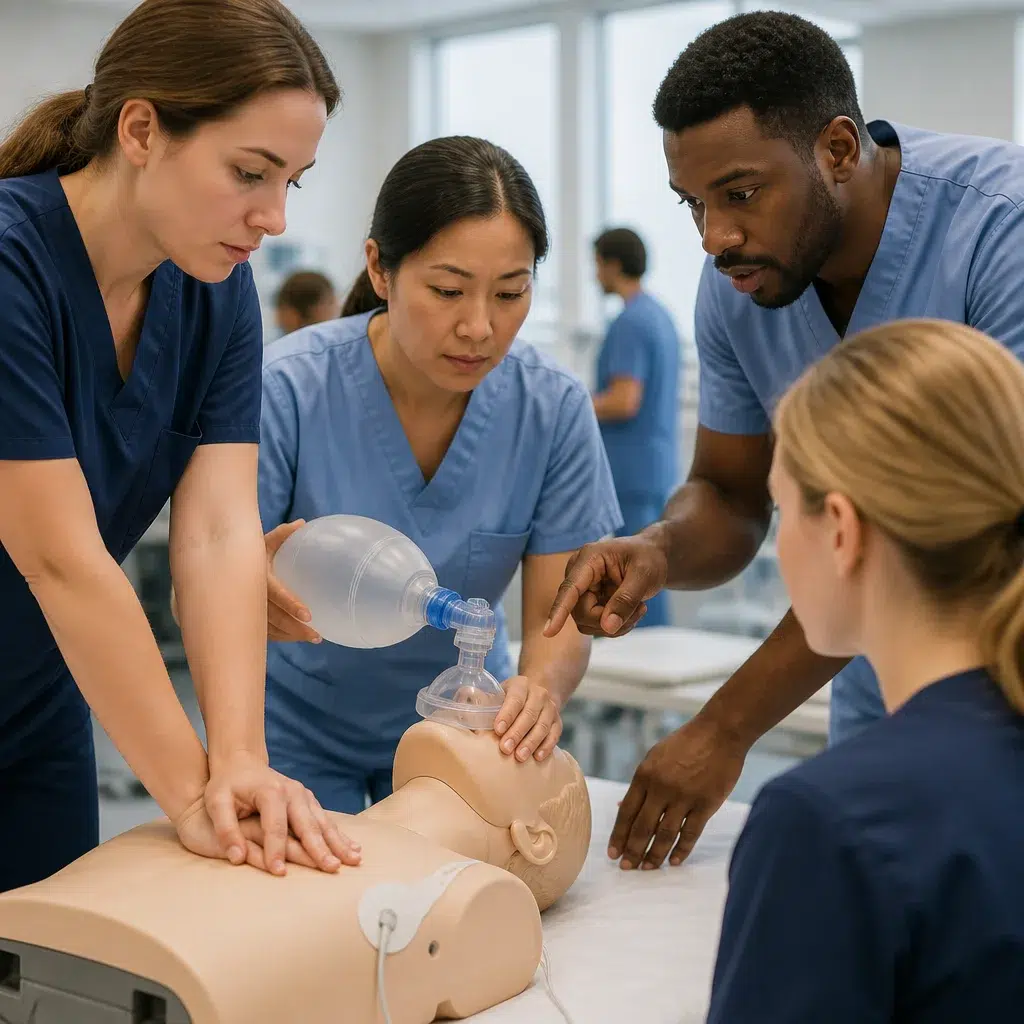
You’ll work through realistic scenarios in small groups, rotating through different skill stations. One instructor might guide you through two-person resuscitation while another stations you at the defibrillator setup. This rotation keeps you engaged, allows personalized coaching, and exposes you to the variations you’ll encounter in actual emergency response.
We also integrate scenario-based learning. Rather than practicing compression on a static mannequin, you might respond to a simulated choking victim, then transition to a cardiac arrest situation. This builds decision-making alongside technical skill, which is exactly what healthcare environments demand.
3. AHA-Aligned Curriculum You Can Trust
Your employer and licensing board have specific expectations for CPR and BLS training content. We’ve aligned our curriculum with AHA-certified training standards and guidelines, ensuring that every skill you learn, every scenario you practice, and every assessment you pass meets the official requirements healthcare facilities and licensing bodies recognize.
This alignment isn’t just about passing an exam. It means the techniques we teach match exactly what your hospital’s emergency protocols expect. The compression-to-ventilation ratios, the AED integration steps, the post-resuscitation care—all align with current evidence and institutional standards. You’ll walk out with knowledge that’s immediately applicable in your workplace, not a generic certificate that leaves gaps.
Our instructors stay current with guideline updates, so you’re learning the most recent standards. When guidelines shift, we update our courses. This keeps your certification relevant and ensures you’re prepared for what your profession actually requires, whether you work in a hospital, clinic, dental practice, or EMS service across the Bay Area.
4. Flexible Blended Learning Options for Busy Professionals
Some of your peers manage packed schedules by combining online learning with in-person skills sessions. We offer blended formats that let you study content at your own pace, then come in for a focused skills session and final assessment. This splits the time commitment and works well if you’re short on consecutive hours but can absorb theory in smaller chunks.
You’ll complete our online modules from home or between patients, reviewing CPR physiology, emergency protocols, and decision trees at your own speed. Then you attend a shorter in-person session where we dive directly into hands-on practice and real-time feedback. No classroom lectures about material you’ve already reviewed—just efficient skills reinforcement and testing.
This approach particularly suits nurses and dentists who can carve out 30 minutes before a shift for online study but struggle finding full days for traditional classes. Paramedics and EMS personnel in Alameda, Antioch, and surrounding regions benefit similarly, combining study time around on-call schedules.
The blended option doesn’t reduce content depth or skate on practical training—it simply distributes your time investment more logically. Your hands-on skills session remains comprehensive and rigorous, but the total calendar time feels more manageable.
5. Multiple Berkeley Locations for Maximum Convenience
We operate two Berkeley training centers—one in Downtown Berkeley and another near Solano Avenue—plus we’re expanding across the Bay Area with locations in Oakland, Fremont, Concord, and beyond. This network means your Berkeley CPR course is genuinely close to home or work.
Choosing a location that fits your geography saves commute time and reduces friction. If you’re based near Berkeley Solano, training at our Solano location cuts travel down to minutes. Clinicians working downtown naturally prefer our Downtown Berkeley center. This simplicity removes one more logistical barrier from an already demanding schedule.
We also serve healthcare professionals in neighboring communities. If you’re working in the East Bay regions around Davis, Walnut Creek, or even Sacramento, we have centers nearby. Some professionals choose Berkeley locations specifically because they’re traveling to the Bay Area for other reasons or prefer training in the region where they’re considering future work opportunities.
6. Affordable Pricing with Our Low-Price Guarantee
We stand behind a low-price guarantee on all BLS and first aid courses. We’ve analyzed comparable training programs and committed to staying competitive—often significantly below market rates. If you find the same certification at a lower price, we’ll match it and apply an additional discount.
This commitment exists because we believe cost shouldn’t prevent healthcare professionals from maintaining their certifications. Your salary matters, licensing requirements are mandatory, and training is an ongoing expense. By keeping prices accessible, we remove the financial barrier that sometimes delays recertification and allows you to budget predictably.
Group pricing further reduces costs if you’re training with colleagues. Many clinics, dental practices, and EMS services schedule cohorts through us and receive substantial discounts. We can coordinate multiple sessions or bring training on-site to your facility, depending on group size. Discuss group needs with our scheduling team to explore savings.
7. Expert Instructors Who Understand Healthcare Environments
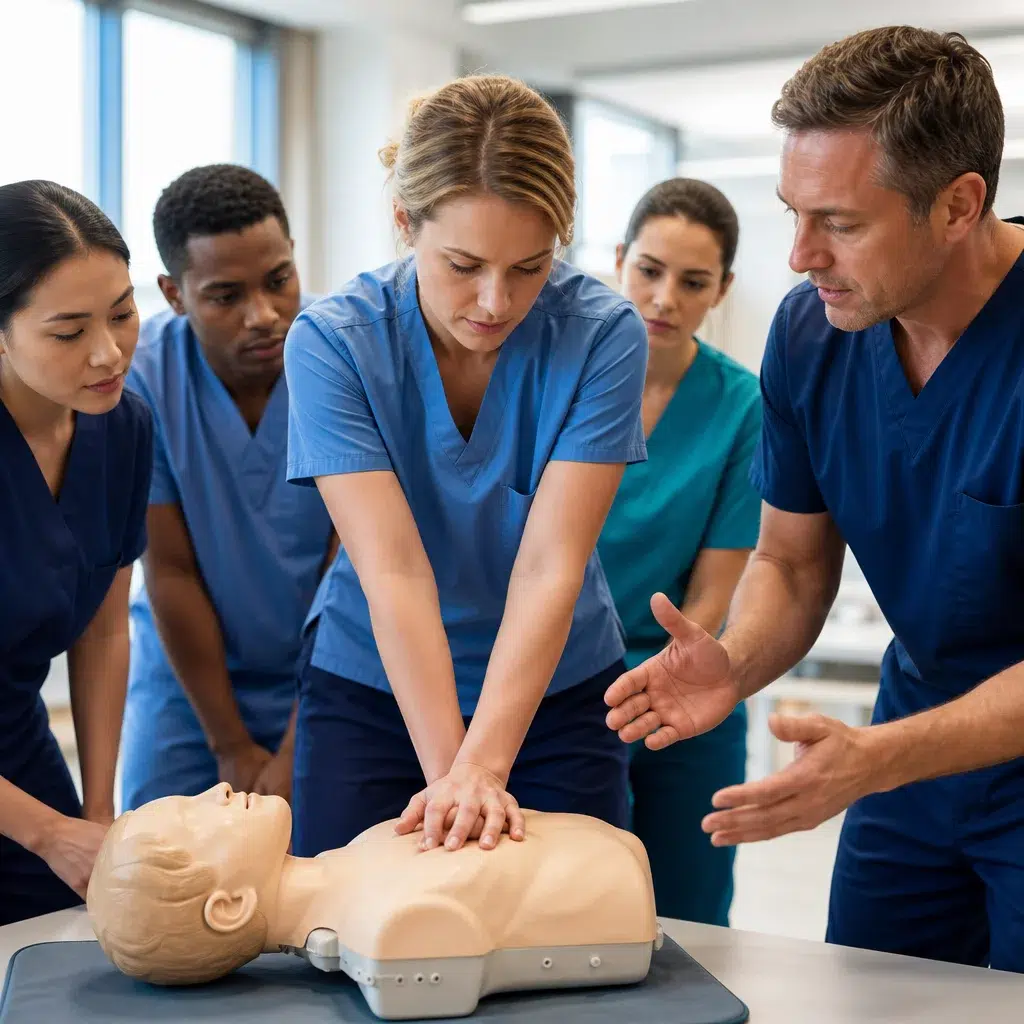
Our instructors aren’t just CPR card-holders who’ve completed a brief train-the-trainer program. We hire clinicians—paramedics, nurses, respiratory therapists, and physicians—who’ve actually responded to cardiac emergencies and understand what real clinical environments demand. They’ve stood beside ICU patients, managed airway emergencies, and integrated BLS into actual emergency care.
This experience shapes how we teach. Rather than a generic script, our instructors pepper instruction with real scenarios: “Here’s what I saw when a patient went into V-fib at 2 a.m. Here’s how the team pivoted.” This context helps you understand why techniques matter, not just how to perform them. It also builds confidence because you’re learning from people who’ve been exactly where you are.
Our instructors create space for your questions and concerns. They know the regulatory environment you’re navigating and can address Berkeley-specific or California-specific requirements. If your employer has modified protocols or your specialty has emerging best practices, our instructors can contextualize course content within your actual practice setting.
They’re also genuinely invested in your competency. This isn’t a transaction to them—it’s part of their professional commitment to preparing the next generation or supporting peers in maintaining high standards. That investment shapes the quality of feedback and the care they take during your skills assessment.
—
Your CPR and first aid certification is more than a checkbox on your licensing renewal. It’s the practical skill that bridges training and real-world emergency response. We’ve built our Berkeley courses specifically for California healthcare professionals who need same-day certification, hands-on practice with real simulation, flexible scheduling, and expert instruction all in one place.
We invite you to choose Safety Training Seminars for your next certification or renewal. Our combination of scheduling flexibility, hands-on technology, AHA-aligned curriculum, multiple Berkeley locations, transparent low-price guarantee, and experienced clinical instructors makes us the definitive choice for healthcare professionals across the Bay Area. Schedule your same-day BLS course today and complete your certification this week.
Register for a class today.
Frequently Asked Questions (FAQ)
What certification will I receive after completing my CPR course with you?
We issue nationally-recognized certifications that meet AHA guidelines and are accepted by healthcare employers throughout California. Your certificate is valid for two years and covers the specific course you complete, whether that’s BLS, ACLS, PALS, or our foundational CPR training. We can provide your credential card on the same day you finish your skills session.
Do you offer courses at locations near me?
We maintain over 100 training locations across California, with multiple sites in Berkeley and throughout the Bay Area to serve our healthcare professionals. Our Downtown Berkeley and Solano Avenue locations both offer daily class scheduling, so we can typically get you certified within days rather than weeks. You can check our website to find the specific location and time that works best for your schedule.
How does your blended learning approach work for busy professionals?
Our courses combine online modules you can complete at your own pace with in-person skills sessions where you practice hands-on techniques with our instructors. This means you prepare at home or between shifts, then come in for focused practice and evaluation when it fits your schedule. Most of our healthcare professionals complete their online portion in one or two evenings, then attend a single in-person session for certification.