Table of Contents
- Why Burn First Aid Training Matters for Healthcare Professionals
- Understanding Burn Types: Thermal, Chemical, and Electrical Injuries
- Immediate Assessment and Safety Protocols for Burn Victims
- Thermal Burn Treatment: Step-by-Step First Aid Response
- Chemical Burn Management and Decontamination Procedures
- Electrical Burn Care and Underlying Tissue Damage
- Common Burn First Aid Mistakes to Avoid
- Our Comprehensive First Aid Certification Programs
- Why Healthcare Professionals Choose Our Training
- Getting Certified: Our Flexible Learning Options Across California
- Frequently Asked Questions (FAQ)
Why Burn First Aid Training Matters for Healthcare Professionals
Burn injuries rank among the most traumatic and time-sensitive emergencies you’ll encounter in clinical practice. Every year, tens of thousands of Americans suffer burn injuries requiring medical intervention, and the first minutes of care often determine long-term outcomes. As a healthcare professional, you know that proper burn first aid can mean the difference between minor tissue damage and severe scarring, infection, or permanent disability.
Burn emergencies test your ability to make rapid decisions under pressure. Whether you work in the emergency department, urgent care, dental office, or as EMS personnel, you’ll need confident knowledge of burn assessment and immediate treatment protocols. This isn’t theoretical knowledge either. Your patients depend on you to recognize burn severity, prevent further injury, and stabilize them before definitive medical care. Proper training gives you the clinical confidence and muscle memory to act decisively when seconds count.
Our first aid programs equip you with practical, evidence-based techniques that align with current medical standards. You’ll practice real-world scenarios and build hands-on skills that translate directly to patient care. Understanding burn types and treatment methods is now a professional requirement for most healthcare roles in California.
Understanding Burn Types: Thermal, Chemical, and Electrical Injuries
Burns fall into three primary categories, each requiring distinct assessment and treatment approaches. Recognizing the burn type immediately allows you to tailor your response and prevent complications.
Thermal burns result from exposure to flames, hot liquids, steam, or hot objects. These are the most common burn type and range from superficial to full-thickness injuries. Severity depends on temperature, duration of contact, and skin thickness at the injury site.
Chemical burns occur when skin contacts corrosive substances like acids, alkalis, or industrial compounds. These injuries are deceptive because chemical reactions continue on the skin surface long after the initial contact. Unlike thermal burns, chemical burns demand rapid decontamination to halt ongoing tissue destruction.
Electrical burns involve contact with electrical current and pose unique risks because the visible skin damage often masks serious internal injury. Current flowing through the body can damage the heart, muscles, and internal organs while leaving minimal external marks. The entry and exit wounds may appear small, yet underlying tissue devastation can be extensive.
Each burn type demands specific first aid knowledge. Your training should cover recognition patterns, appropriate decontamination methods, and when to escalate care immediately.
Immediate Assessment and Safety Protocols for Burn Victims
Your first priority is always scene safety. Never approach a burn victim if the hazard remains active. For electrical burns, ensure the power source is disconnected. For chemical burns, identify the substance and check for ongoing release. For thermal burns, confirm the fire source is extinguished or the victim is away from heat.
Once the scene is safe, perform rapid assessment using these steps:
- Check responsiveness and airway patency
- Look for signs of inhalation injury (singed nasal hairs, carbonaceous sputum, hoarseness)
- Estimate burn surface area using the Rule of Nines (head and neck 9%, each arm 9%, chest and abdomen 18%, each leg 18%, back 18%, genitals 1%)
- Assess burn depth: superficial (red, painful), partial-thickness (blistered, wet), full-thickness (pale or charred, painless)
- Identify any circumferential burns that might restrict breathing or circulation

Call emergency services immediately for burns covering more than 10% of body surface area, any full-thickness burns, or burns affecting the face, hands, genitals, or joints. These injuries require specialized burn center care. Even if you’re trained in first aid, severe burns exceed the scope of prehospital care and demand hospital resources.
Document the mechanism, time of injury, and any interventions you’ve provided. This information guides emergency department staff and improves continuity of care. Accurate assessment at the scene sets the tone for appropriate hospital management.
Thermal Burn Treatment: Step-by-Step First Aid Response
Cool the burned area with cool running water for 10-20 minutes. This simple step dramatically reduces pain and limits tissue damage by halting heat diffusion into deeper layers. Use water that’s cool to the touch, not ice-cold, which can cause additional injury. If running water isn’t available, use cool compresses or immerse the area in clean water.
After cooling, remove any constrictive items like jewelry, watches, or tight clothing before swelling develops. These items can become tourniquets as edema progresses. Don’t try to remove clothing that’s stuck to the burn; leave it in place.
Cover the burn with a clean, dry dressing. Sterile gauze is ideal, but a clean cloth works in field settings. Avoid ointments, butter, ice, or home remedies, which can trap heat or introduce bacteria. The goal is a barrier that prevents contamination while allowing some heat dissipation.
Elevate the burned area above the heart if possible to reduce swelling. Position the patient comfortably and manage pain according to your scope of practice. For minor burns affecting less than 10% of body surface area with intact skin and no full-thickness involvement, outpatient care may be appropriate. Your documentation and clear handoff to follow-up care are essential for preventing infection and optimizing healing.
Chemical Burn Management and Decontamination Procedures
Chemical burns demand aggressive, rapid decontamination that begins before you consider any other treatment. Delay in flushing chemicals away significantly worsens outcomes because the chemical reaction continues on the skin surface.
Identify the chemical if possible, but don’t delay decontamination while searching for safety data sheets. Brush away any dry chemical powder before water exposure, as some reactions intensify with water. Once you begin flushing, use copious amounts of cool running water for at least 15-20 minutes, longer for strong alkalis which penetrate more deeply than acids.
Wear appropriate personal protective equipment: gloves, eye protection, and a gown if splashing is likely. Remove contaminated clothing during flushing, but don’t let chemical-soaked fabric contact other skin areas. Continue flushing under running water while the patient removes contaminated garments.
After adequate flushing, cover the burn with clean, dry dressing. Unlike thermal burns, you may apply a thin layer of antibiotic ointment to chemical burns if within your scope of practice, as chemical burns have high infection risk. Arrange immediate hospital transport for all but the most trivial chemical burns because late complications and deeper penetration are common.
For specific chemicals (strong acids, alkalis, or industrial compounds), contact Poison Control or your regional burn center for substance-specific guidance. Some chemicals require specialized neutralizing agents, though water flushing is the universal first step.
Electrical Burn Care and Underlying Tissue Damage
Electrical injuries are deceptive because surface appearance doesn’t correlate with internal damage. A small entry wound may mask severe muscle necrosis and organ injury. Current follows the path of least resistance through the body, often tracking along blood vessels and nerves, creating a cone-shaped zone of tissue destruction far larger than visible burns.
After confirming the power source is off and the scene is safe, assess for cardiac dysrhythmias. Electrical current can trigger ventricular fibrillation or asystole, so immediate CPR may be necessary. Even if the patient appears conscious, monitor continuously for delayed dysrhythmias because cardiac effects can develop hours after injury.
Cool any visible burns with water as described for thermal injuries. Cover burns with clean dressing. Don’t overlook the entry and exit wounds; both may appear minor but represent deeper injury. Gently examine the patient for entry wounds at contact points and exit wounds, typically on the feet or buttocks where current sought ground.

Arrange rapid transport to an appropriate facility because electrical burns frequently require imaging (CT or MRI) to assess internal damage, aggressive fluid resuscitation to prevent acute kidney injury from myoglobin release, and cardiac monitoring. Your field assessment and clear communication about the voltage, duration of contact, and pathway of current help hospital teams prepare appropriate interventions.
Common Burn First Aid Mistakes to Avoid
Many well-intentioned providers inadvertently worsen burn outcomes by following outdated practices. Never apply ice directly to burns, which causes cold injury and additional tissue damage. Never use ointments, butter, honey, or toothpaste, which trap heat and impede assessment. These home remedies introduce bacteria and complicate definitive wound care.
Don’t delay cooling thermal burns to search for perfect sterile equipment. Cool water from any clean source is vastly better than delaying treatment. Don’t remove clothing or tissue that’s adhered to the burn; you’ll cause additional trauma and bleeding. Leave adherent material for the hospital team to address under controlled conditions.
Avoid applying dry ice or chemical ice packs, which cause secondary cold injury. Don’t assume a burn is minor because it doesn’t blister immediately; partial-thickness burns often develop blisters hours later. Overestimating severity is less dangerous than underestimating, so when in doubt, arrange transport.
Never puncture blisters, which are nature’s sterile dressings. Don’t immobilize the patient unnecessarily; allow comfortable positioning. For chemical burns, don’t waste time identifying the chemical if doing so delays water flushing. The universal response is copious water, followed by specific guidance if needed.
Our Comprehensive First Aid Certification Programs
We offer specialized first aid training designed specifically for healthcare professionals managing high-acuity patients. Our instructors bring real-world experience from emergency medicine, nursing, and EMS backgrounds, so you learn from practitioners who’ve managed actual burn emergencies. Our curriculum covers thermal, chemical, and electrical burn assessment and treatment with extensive hands-on practice.
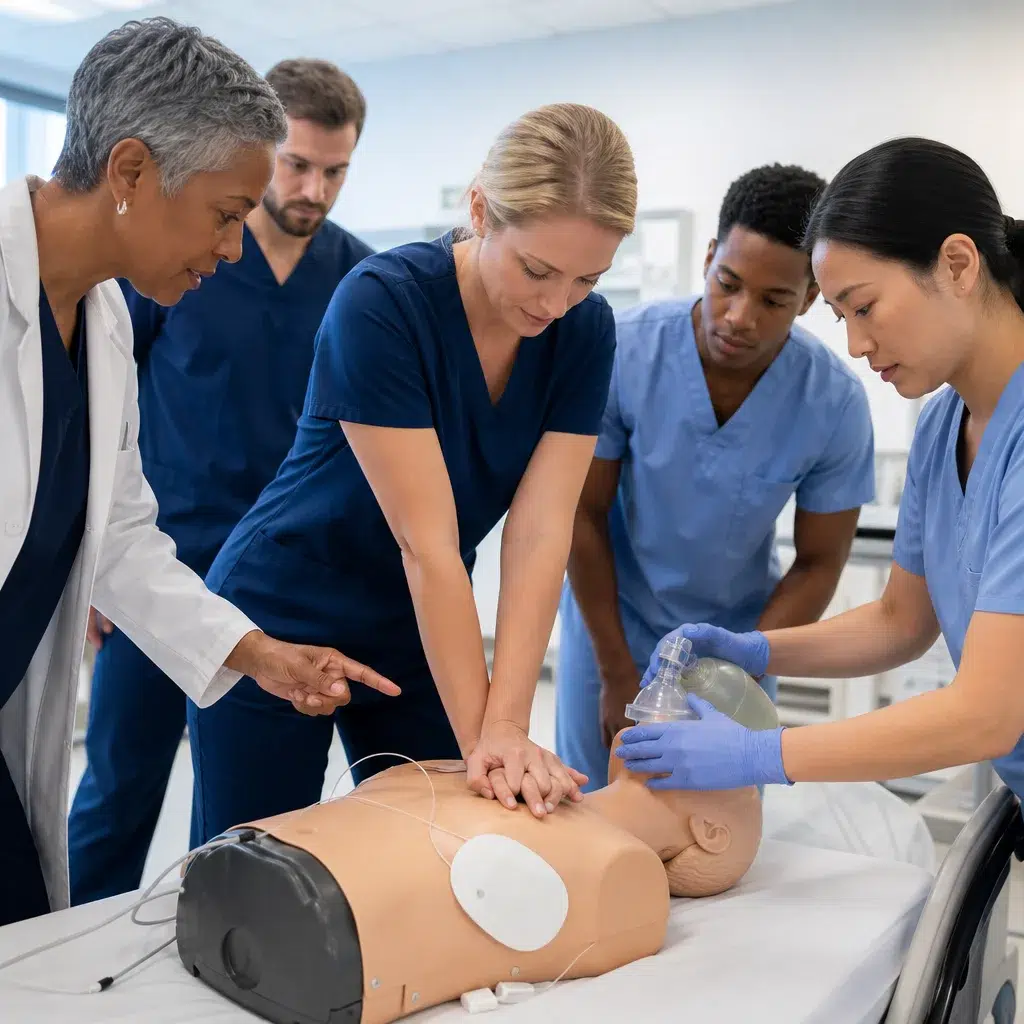
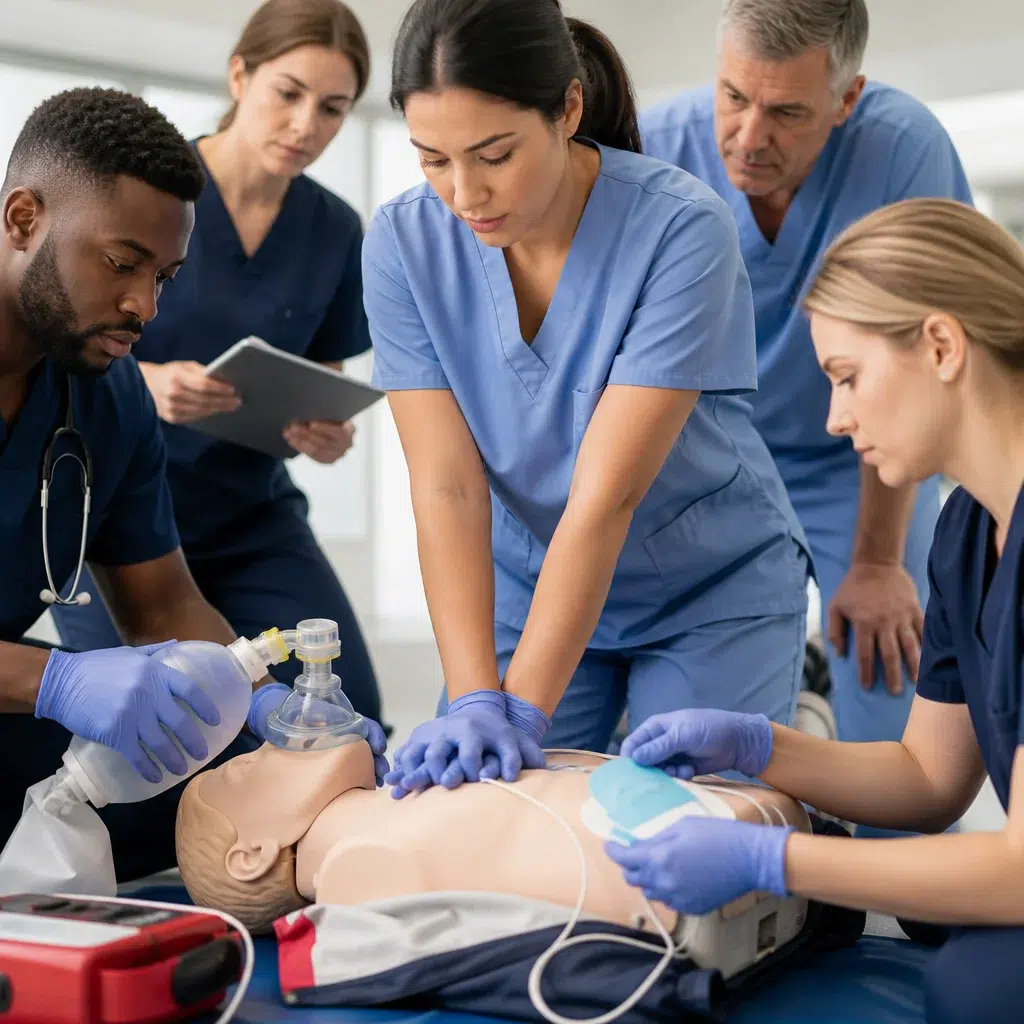
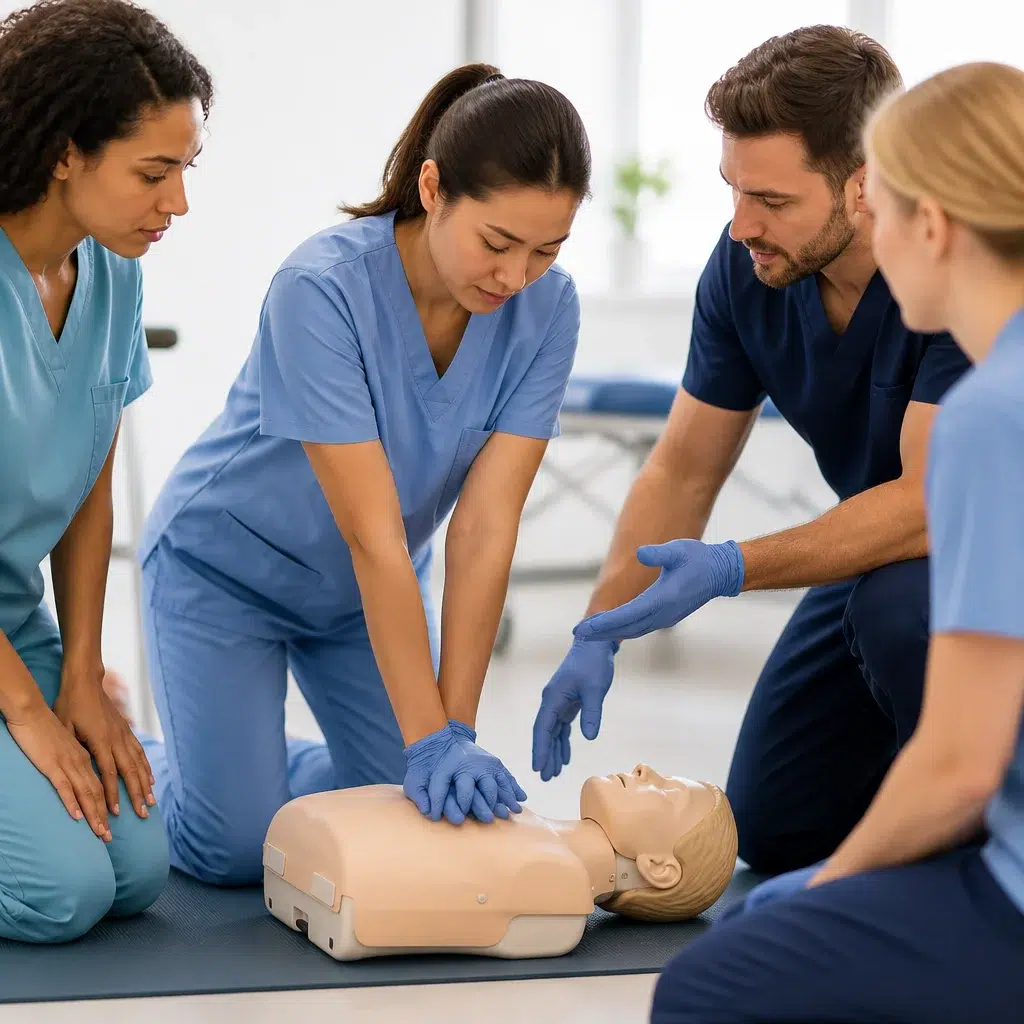
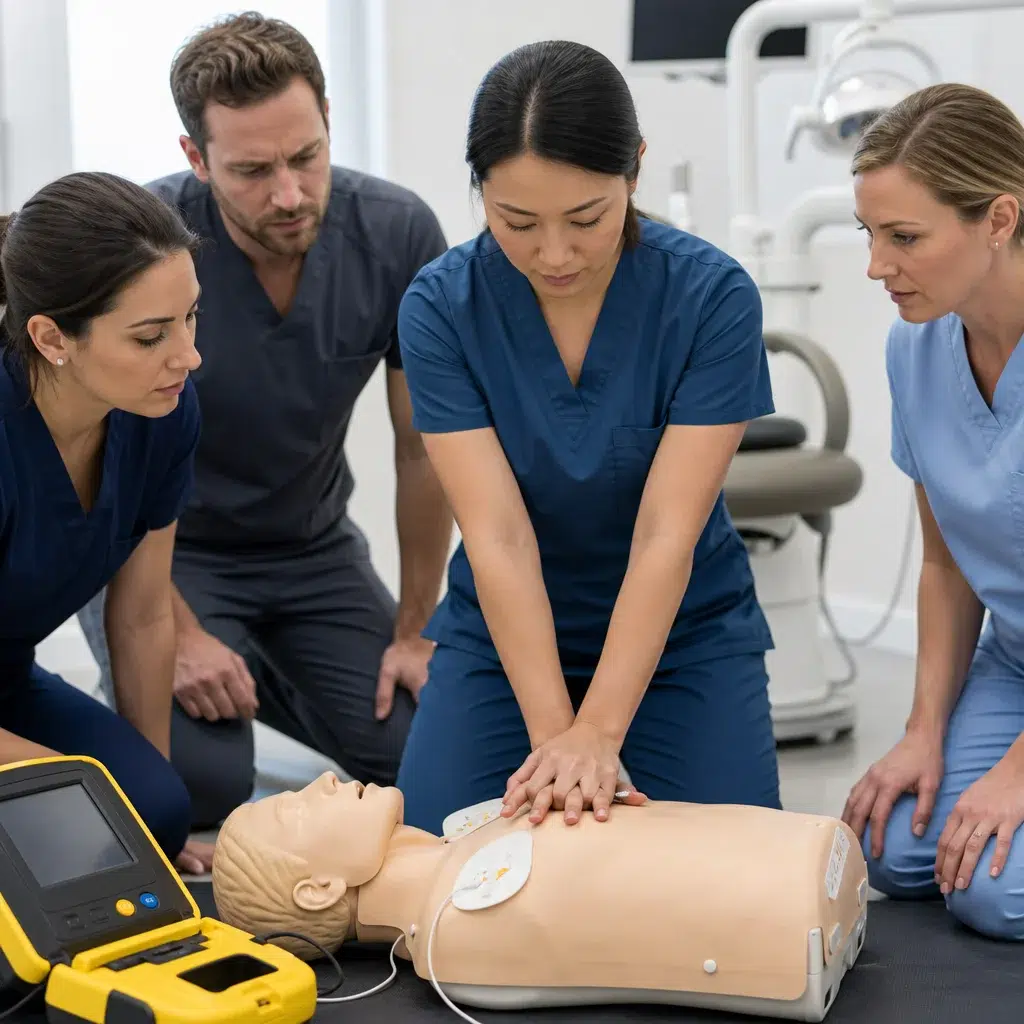
Our blended learning model combines online education covering anatomy, physiology, and evidence-based protocols with in-person skills sessions where you practice assessment and treatment techniques on realistic simulators. This approach maximizes your learning efficiency while ensuring you develop genuine competency in recognizing and managing burn injuries.
We include burn scenario simulations that challenge you to think through assessment, triage decisions, and treatment sequencing under realistic time pressure. These scenarios build the clinical decision-making skills that classroom lectures alone cannot develop. You’ll practice decontamination techniques for chemical burns, rapid assessment protocols for electrical injuries, and cooling procedures for thermal burns.
All our instructors hold current certifications and maintain their clinical knowledge through continuing education. We update our curriculum regularly to reflect current standards and research, so you learn techniques that are evidence-based and clinically current. Our courses include comprehensive study materials and practice questions that prepare you for any certification exam your employer requires.
Why Healthcare Professionals Choose Our Training
Healthcare professionals across California choose our programs because we understand your licensing requirements, workplace compliance deadlines, and need for flexible scheduling. Many of you juggle demanding clinical shifts, continuing education obligations, and family responsibilities. Our training locations throughout California, from Sacramento and San Francisco to San Jose, Fresno, and beyond, mean you can find a convenient class without extensive travel.
Our instructors respect your clinical experience and treat you as colleagues, not novices. You won’t sit through generic content designed for the general public. Our healthcare-specific courses acknowledge your existing knowledge and focus on deepening your expertise in high-acuity scenarios. We create an environment where you can ask challenging clinical questions and learn from instructor experience and peer discussion.
We offer daily course scheduling with morning, afternoon, and evening options specifically to accommodate clinical schedules. Many healthcare professionals complete certification during lunch breaks or after shifts at our multiple locations in Alameda, Oakland, San Jose, and throughout the Bay Area, Sacramento Valley, and Central Coast regions.
Our low price guarantee means you won’t overpay for certification. We maintain transparent pricing with no hidden fees. If you find a lower published price elsewhere for equivalent certification, we’ll match it. Your investment in professional development shouldn’t create financial strain.

We provide verification stations at our locations, so you can verify your certification immediately after course completion. No waiting for cards in the mail. Your employer gets immediate confirmation of your certification status, and you gain access to our online verification portal for easy documentation.
Getting Certified: Our Flexible Learning Options Across California
Getting certified with us is straightforward. Browse our online course calendar to find a class near you. We offer locations convenient to major healthcare facilities, whether you work in San Francisco, the Peninsula, East Bay, Sacramento, Central Valley, or the Coast Range.
Select your preferred date and location. Our courses typically run 3-6 hours depending on certification level, fitting into your schedule without requiring full days away from work. Arrive 10-15 minutes early to check in and ask any pre-course questions. Bring a government-issued photo ID.
We begin with brief online modules covering background knowledge if you prefer to study ahead, though this isn’t required. Your instructor will review key concepts during the in-person session. You’ll spend the majority of time practicing hands-on skills, receiving feedback, and demonstrating competency. Our instructor-to-student ratio remains low so you get individualized attention and correction.
Pass the practical skills assessment by demonstrating proper technique on simulators and answering knowledge questions. We don’t use trick questions or ambiguous scenarios; you’ll understand exactly what we’re assessing. Upon passing, you’ll receive your certification immediately and digital access to your credentials.
Recertification is required every 2 years for most certifications. We make renewal straightforward with abbreviated refresher courses and flexible scheduling. Many of our students return for continuing education not just for compliance, but because our instructors and hands-on approach make learning genuinely valuable.
To get started, visit our website or call to discuss which certification aligns with your role and workplace requirements. We have dedicated staff ready to help you find the ideal course schedule and location, whether you’re in Walnut Creek, Visalia, Santa Rosa, or anywhere across our California network. Your commitment to professional development through proper training protects your patients and strengthens your clinical practice.
For further reading: AHA Certification.
Register for a class today.
Frequently Asked Questions (FAQ)
Does your burn first aid training cover all injury types including electrical and chemical burns?
Yes, our comprehensive first aid certification programs include detailed training on thermal, chemical, and electrical burn management. We teach you the specific decontamination procedures for chemical burns, the assessment protocols for electrical injuries, and the step-by-step response techniques for thermal incidents. Our instructors cover the unique dangers of each burn type so you can respond confidently in any emergency situation.
How do we ensure our training stays current with the latest burn treatment protocols?
We continuously update our curriculum to reflect the most recent emergency medicine guidelines and best practices in burn care. Our certified instructors stay actively involved in healthcare settings, which means we integrate real-world scenarios and evidence-based techniques into every session. We’re committed to teaching you methods that healthcare facilities actually use today, not outdated procedures.
Can I complete my certification through your blended learning format while working as a healthcare professional?
Absolutely. We offer both virtual instruction and in-person skills sessions so you can fit training around your schedule. With over 100 locations throughout California, you have flexibility in where and when you complete your hands-on practice. We understand that nurses, dentists, and EMS personnel have demanding schedules, which is why we designed our program to work with your availability while maintaining the rigorous standards your license requires.