Table of Contents
- Why Heat Emergencies Demand Immediate Recognition and Action
- Understanding Heat Stroke vs Heat Exhaustion: Critical Differences
- Recognizing the Warning Signs of Heat-Related Illness
- First Aid Steps for Heat Stroke: What You Must Do Immediately
- Cooling Techniques That Work: Proven Methods for Heat Emergencies
- When to Call Emergency Services and Transport Victims
- Preventing Heat Illness in High-Risk Outdoor Environments
- Protecting Your Team: Heat Safety Protocols for Healthcare and Corporate Settings
- Get Certified in Life-Saving First Aid Response with Safety Training Seminars
- Frequently Asked Questions (FAQ)
Why Heat Emergencies Demand Immediate Recognition and Action
Heat-related illness kills more people annually than many realize, and the stakes are especially high for healthcare professionals who work in hot environments or respond to outdoor emergencies. When core body temperature rises beyond safe levels, organ damage begins within minutes. The difference between recognizing heat stroke early and waiting for symptoms to worsen can mean the difference between full recovery and permanent injury or death.
In California’s diverse climate, you encounter heat emergencies year-round. Construction sites, outdoor events, athletic facilities, and even indoor spaces without adequate cooling create risk. Healthcare workers in busy clinics and hospitals may overlook their own heat exposure while caring for patients. The moment someone displays signs of severe heat illness, your rapid response becomes the critical intervention.
We emphasize this point because heat emergencies are time-sensitive. Unlike some medical conditions that develop gradually, heat stroke escalates rapidly once body temperature exceeds 104°F. Every second counts when you’re administering first aid, which is why understanding the signs and knowing your action steps matters more than having perfect knowledge of underlying physiology.
Action step: Before reading further, identify the hottest environments in your workplace. Notice where heat stress occurs most frequently, and mentally note how you’d recognize a colleague or patient in distress.
Understanding Heat Stroke vs Heat Exhaustion: Critical Differences
Heat exhaustion and heat stroke are distinct conditions along a spectrum of heat illness. Recognizing the boundary between them determines whether you’re managing a serious situation or a life-threatening emergency.
Heat exhaustion occurs when the body loses fluids and electrolytes faster than they can be replaced. Symptoms include heavy sweating, weakness, dizziness, and nausea. The person remains conscious and responsive. Core body temperature typically ranges from 101°F to 104°F. While uncomfortable and requiring intervention, heat exhaustion doesn’t cause immediate organ damage if treated promptly.
Heat stroke, conversely, reflects complete thermal regulation failure. The body temperature exceeds 104°F, and the person’s mental status changes significantly. You might see confusion, aggression, or loss of consciousness. Paradoxically, the person may stop sweating despite extreme internal heat. This is the critical distinction: altered mental status plus high core temperature indicates heat stroke, not exhaustion.
The practical implication is straightforward. If someone is confused, disoriented, or unconscious in a hot environment, treat it as heat stroke immediately and call emergency services. Don’t spend time determining exact temperature without a thermometer. Observable confusion is your signal to escalate care.
We see many healthcare professionals hesitate because they’re unsure whether a patient meets heat stroke criteria. The rule of thumb we teach is simple: altered mental status in a heat exposure scenario equals heat stroke. Act on that assumption every time.
Recognizing the Warning Signs of Heat-Related Illness
Early recognition of heat illness prevents progression to full heat stroke. You need to spot subtle shifts in how a person looks and acts.
Classic signs of developing heat illness include:
- Heavy sweating, pale or flushed skin depending on stage
- Weakness or fatigue disproportionate to activity level
- Headache or dizziness
- Rapid or irregular pulse
- Muscle cramps, particularly in legs or abdomen
- Nausea or vomiting
- Behavior changes: irritability, confusion, or reduced alertness
In the early stages, a person may still respond logically to questions but might seem slightly “off.” They might move more slowly than usual or complain about feeling unwell. These are your window to intervene before heat stroke develops.
High-risk individuals warrant closer monitoring. Athletes pushing hard in summer heat, outdoor laborers, older adults with chronic conditions, people taking certain medications, and those with previous heat illness history all face elevated risk. In healthcare settings across Sacramento, San Francisco, and Los Angeles areas, we see heat illness peak during summer months and in facilities with inadequate climate control.
Pay attention to your own body signals too. Dizziness, difficulty concentrating, or unusual fatigue are your brain’s way of signaling thermal stress. Don’t dismiss these in yourself any more than you would in a patient.
Action step: Learn what your colleagues look like when they’re comfortable versus when they’re struggling. This visual literacy helps you catch early signs before symptoms become severe.
First Aid Steps for Heat Stroke: What You Must Do Immediately
When you suspect heat stroke, your immediate actions are specific and urgent. Hesitation costs lives.
First, move the person to a cooler environment immediately. If indoors with air conditioning, get them inside. If outdoors, move them to shade. Stop all physical activity.
Second, call emergency services (911) without delay. Heat stroke requires hospital evaluation and monitoring for organ damage. Don’t attempt to manage this as an outpatient scenario. The person needs IV fluids, continuous temperature monitoring, and medical evaluation even if they seem to improve.
Third, begin cooling the body aggressively using the methods we detail in the next section. You cool while waiting for emergency responders to arrive.
Fourth, position the person lying down with legs elevated slightly (unless unconscious, in which case place them in recovery position). This supports circulation and prevents aspiration if vomiting occurs.
Fifth, if the person is conscious and can swallow, offer cool (not cold) water sips. Don’t force fluids or give ice water, which can cause shock reactions.
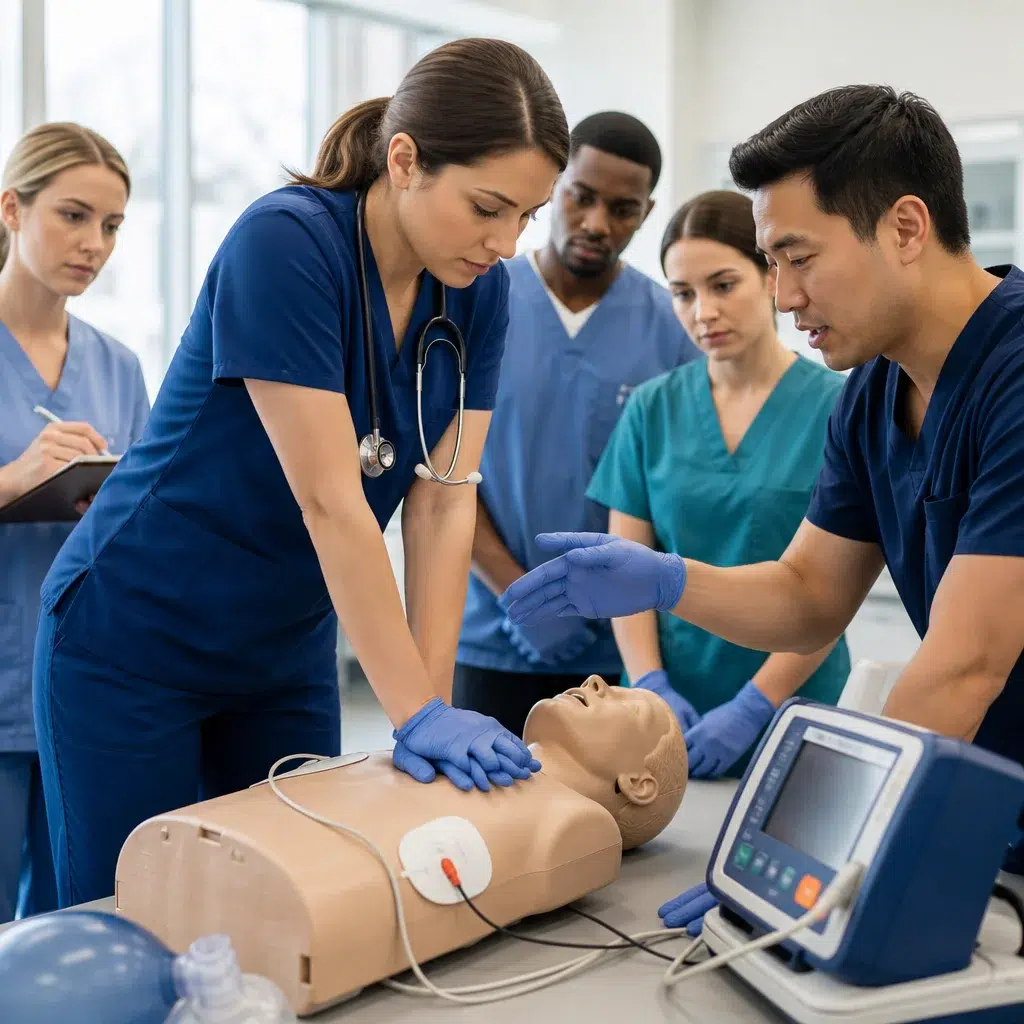
Sixth, monitor responsiveness and breathing. Be ready to perform CPR if needed. Many healthcare professionals benefit from formal CPR training to ensure confidence in these moments. Our Medical certification training programs emphasize heat emergency response alongside traditional life support skills.
The sequence matters: cool environment, emergency call, aggressive cooling, positioning, hydration support, and continuous monitoring. Don’t skip the emergency call thinking you can manage the situation yourself. Hospital staff need to prepare for a heat stroke arrival and begin diagnostic work immediately.
Cooling Techniques That Work: Proven Methods for Heat Emergencies
Rapid body cooling is the single most important first aid intervention for heat stroke. You have several methods available depending on your setting and resources.
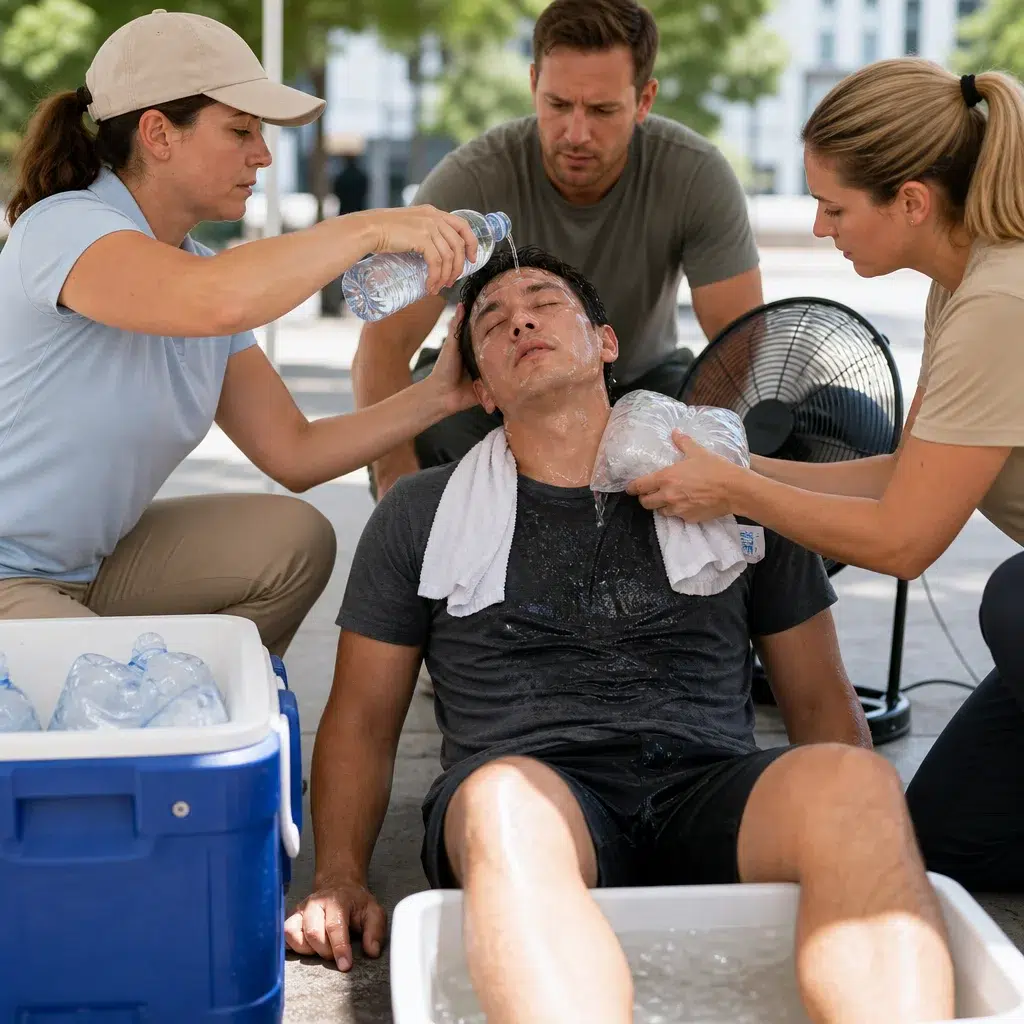
Immersion cooling works best when available. Submerse the person in cool water (around 50-59°F) for 10-20 minutes. This removes heat rapidly. If a pool, lake, or large tub exists nearby, use it. In hospitals or clinics, even a bathtub with cool water offers significant benefit.
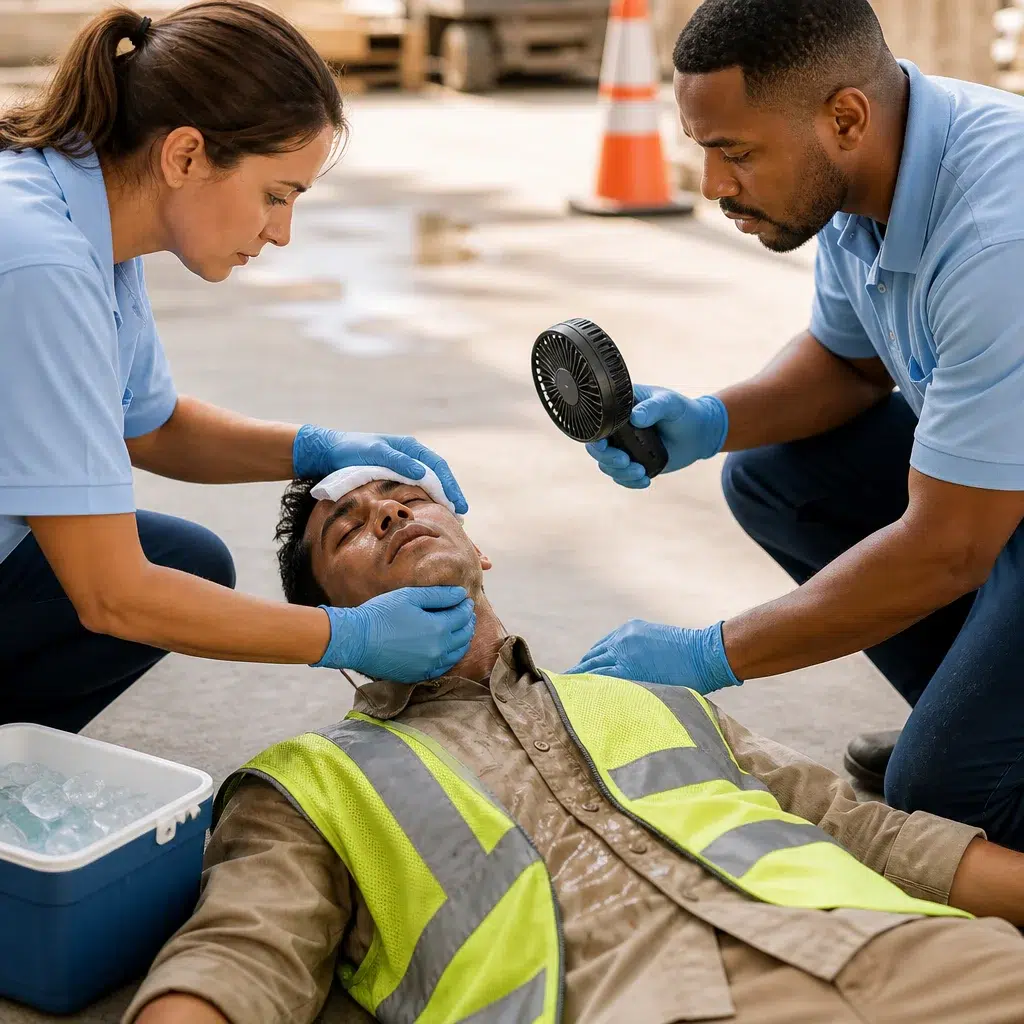
Evaporative cooling is practical when immersion isn’t possible. Spray water on the person’s skin while fanning them. This mimics how the body naturally cools itself. Remove excess clothing to expose more skin surface. The combination of water and air movement accelerates heat loss.
Ice application works but requires caution. Apply ice packs to major blood vessels: neck, armpits, and groin. These areas have vessels close to the surface, so cooling blood there affects core temperature quickly. Wrap ice in a thin cloth to prevent ice burn on skin.
Cold water immersion of extremities (arms and legs in buckets of cool water) offers moderate benefit and is useful when torso immersion isn’t practical.
Many healthcare facilities in Fremont, Walnut Creek, and Modesto now stock cooling vests and specialized equipment for rapid heat reduction. Check whether your workplace has these resources and know their location.
The key principle is that aggressive cooling prevents organ damage and improves outcomes dramatically. Don’t use hot or warm water, which worsens the situation. Room-temperature water is acceptable if cool water isn’t available, though cool is better.
Continue cooling efforts until emergency responders arrive or until core temperature drops to around 102°F if you can measure it. Even after the person seems to improve, ongoing cooling prevents rebound heat stroke.
When to Call Emergency Services and Transport Victims
Heat stroke always requires emergency medical services. This is non-negotiable. The person needs hospital-level diagnostic work and monitoring that field first aid cannot provide.
Call 911 immediately upon recognizing heat stroke. Don’t wait to see if home cooling efforts work. Don’t call a nurse hotline or urgent care thinking they can manage it remotely. Suspected heat stroke is always a 911 scenario.
When emergency responders arrive, provide them with information about how long the person was exposed to heat, what cooling measures you’ve already taken, what their mental status has been, and any medications they take. This context helps paramedics decide on transport and initial treatment decisions.
If you’re in a remote location where emergency services will take longer to arrive, continue cooling aggressively while summoning help. Keep the person as calm as possible, which reduces metabolic heat production. Reassure them that help is coming.
Transport the person lying down if you must move them before paramedics arrive. Avoid having them sit or stand, which can cause sudden cardiovascular collapse. Support their legs and torso. If the person loses consciousness, place them in recovery position (on their side with airway protected).
In hospital and clinic settings across Oakland, San Jose, and San Francisco, we recommend that teams pre-identify which staff member will call 911 and which will begin cooling. Clear roles prevent confusion during high-stress moments.
Never assume the person will improve spontaneously. Heat stroke causes internal organ damage even when the person seems to respond well to cooling. Hospital imaging and blood work detect injury that isn’t visible externally.
Preventing Heat Illness in High-Risk Outdoor Environments
Prevention is always preferable to treatment. Robust heat safety practices reduce incidence dramatically.
Hydration is foundational. People should drink cool water regularly before they feel thirsty, not in response to thirst. Waiting for thirst means dehydration has already begun. Encourage 200-300 mL (7-10 ounces) of water every 15-20 minutes during heat exposure. For longer activities, sports drinks containing electrolytes help replace lost sodium.
Rest and shade access are essential. Establish mandatory rest periods in cooler areas, especially during peak heat hours (typically 10 a.m. to 4 p.m.). Workers outdoors in Bakersfield, Fresno, or Visalia during summer months need frequent breaks in shaded or air-conditioned spaces.
Gradual acclimatization reduces risk for new workers or athletes entering heat exposure. Limit intensity and duration for the first 7-14 days. Core body temperature regulation improves as the body adapts. Athletes and outdoor workers exposed to heat for the first time face higher risk until acclimatization occurs.
Dress appropriately for heat exposure. Light-colored, loose-fitting clothing allows sweat evaporation. Avoid heavy or tight garments that trap heat against the body. Sunscreen protects from UV-related stress that compounds heat load.
Monitor vulnerable individuals closely. Older adults, people with chronic conditions, and those taking diuretics or stimulants face elevated risk. Check on them frequently and ensure they’re drinking adequate fluids.
Reduce activity intensity during the hottest parts of the day. Shift demanding work to early morning or evening when heat stress is lower. Modify practice schedules for athletes accordingly.
Have cooling stations readily available with ice, fans, and cool water. In high-heat environments like construction sites or outdoor event venues, these stations prevent minor heat illness from escalating.
Protecting Your Team: Heat Safety Protocols for Healthcare and Corporate Settings
Healthcare facilities and corporate environments across California face unique heat challenges. We help organizations implement comprehensive heat safety programs that protect staff and patients.
Establish a heat illness prevention policy that clearly defines responsibilities and response procedures. Designate trained personnel who recognize heat illness symptoms and know when to escalate to emergency services. Everyone on the team should understand the basics, but having experts ensures consistent judgment calls.
Schedule mandatory breaks in cool areas during warm months, even for administrative staff. Don’t assume that working indoors or in partial shade prevents heat illness. Facilities in places like Pleasant Hill, Concord, and San Ramon can lack adequate climate control.
Provide education about personal heat risk factors. Some medications, caffeine, and dehydration increase vulnerability. Staff should understand their individual risk profile and take proactive measures.
Consider formal Corporate safety training that includes heat emergency response. Our programs teach recognition, first aid, and prevention in the context of your specific workplace. Group training across your Sacramento, San Francisco, or San Jose locations ensures consistency and cost-effectiveness.
Document heat-related incidents and near-misses. Patterns often emerge revealing specific environments or times requiring additional controls. Use this data to refine your safety program continuously.
Stock your facility with cooling equipment: ice, fans, cool water, and ideally cooling vests or specialized devices for rapid temperature reduction. Ensure all personnel know where equipment is stored and how to use it.
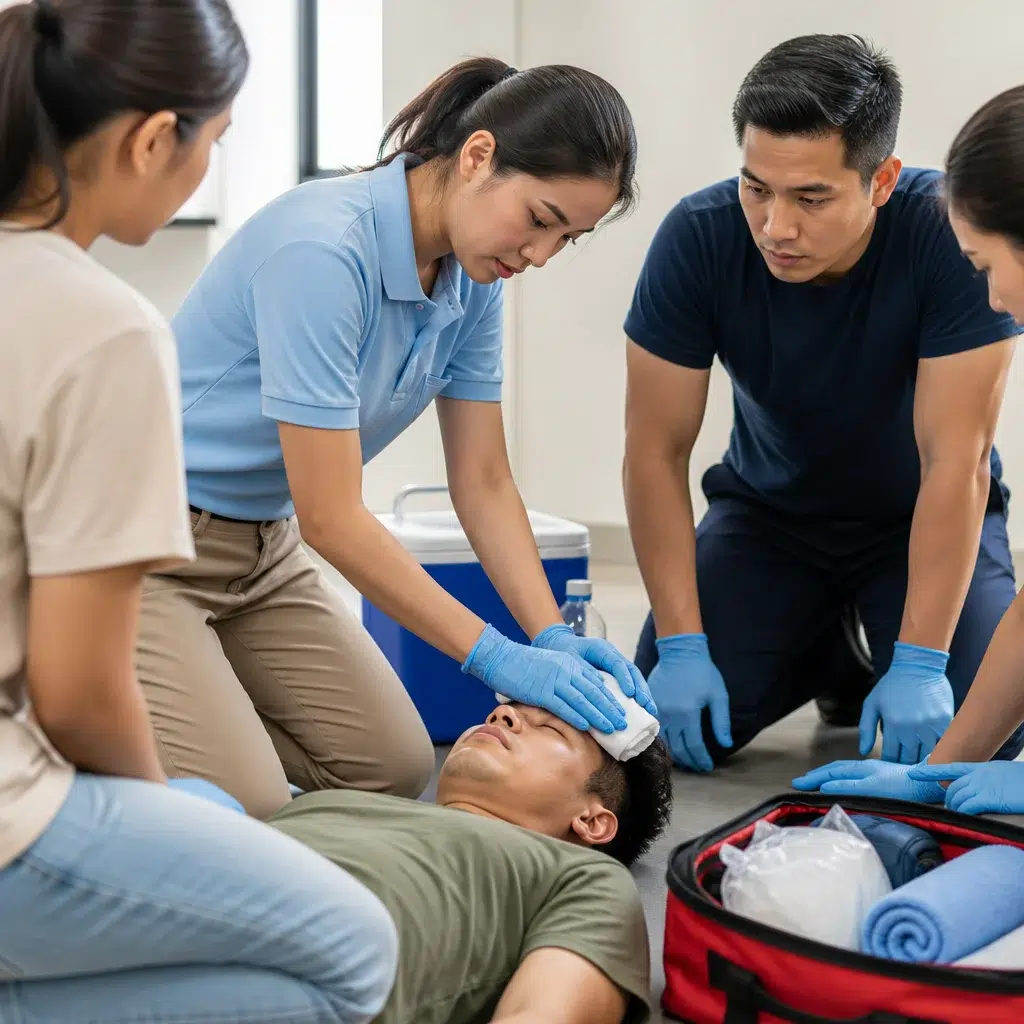
Conduct drills periodically so staff practice heat emergency response in a controlled setting. Like CPR practice, realistic scenario training builds confidence and catches knowledge gaps before actual emergencies occur.
Get Certified in Life-Saving First Aid Response with Safety Training Seminars
Understanding heat stroke first aid theory is valuable, but hands-on practice builds the muscle memory and confidence you need in actual emergencies. We offer comprehensive first aid and life support certification across over 100 training locations throughout California.
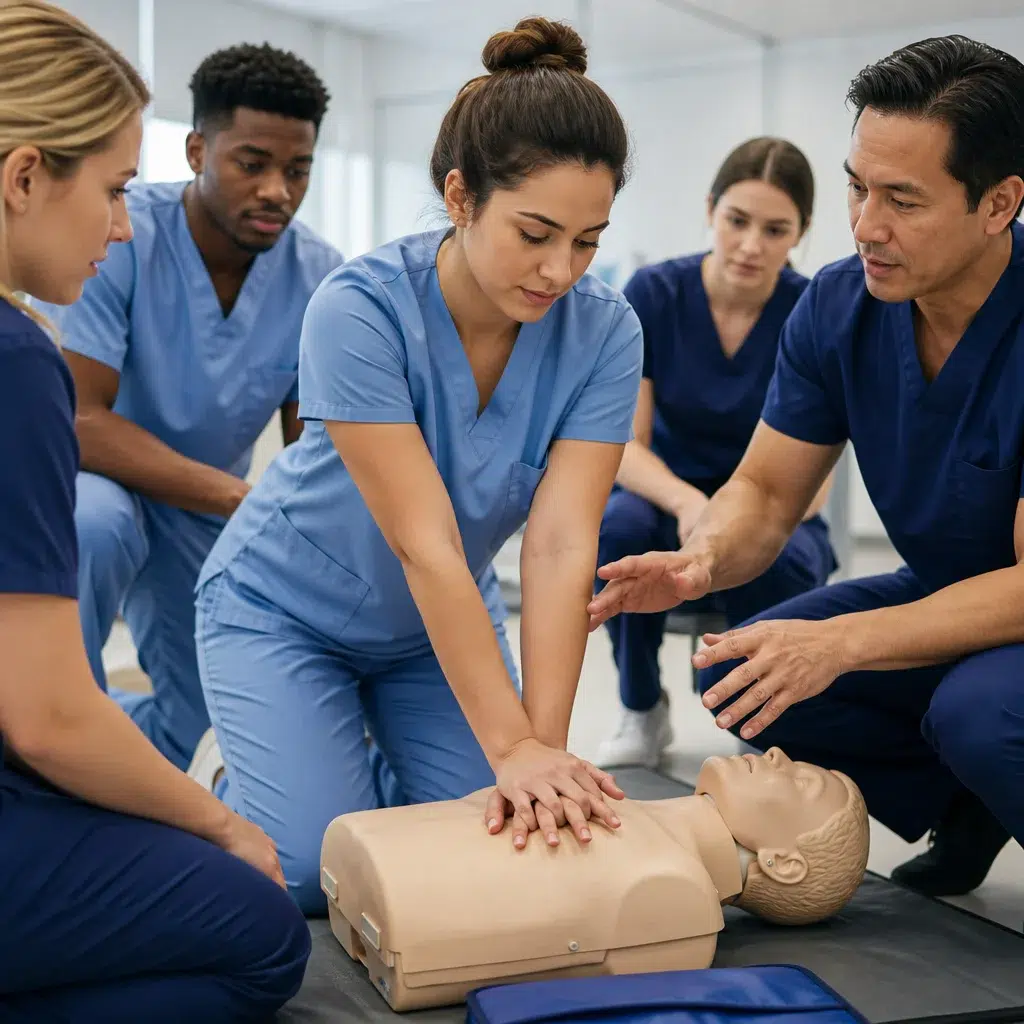
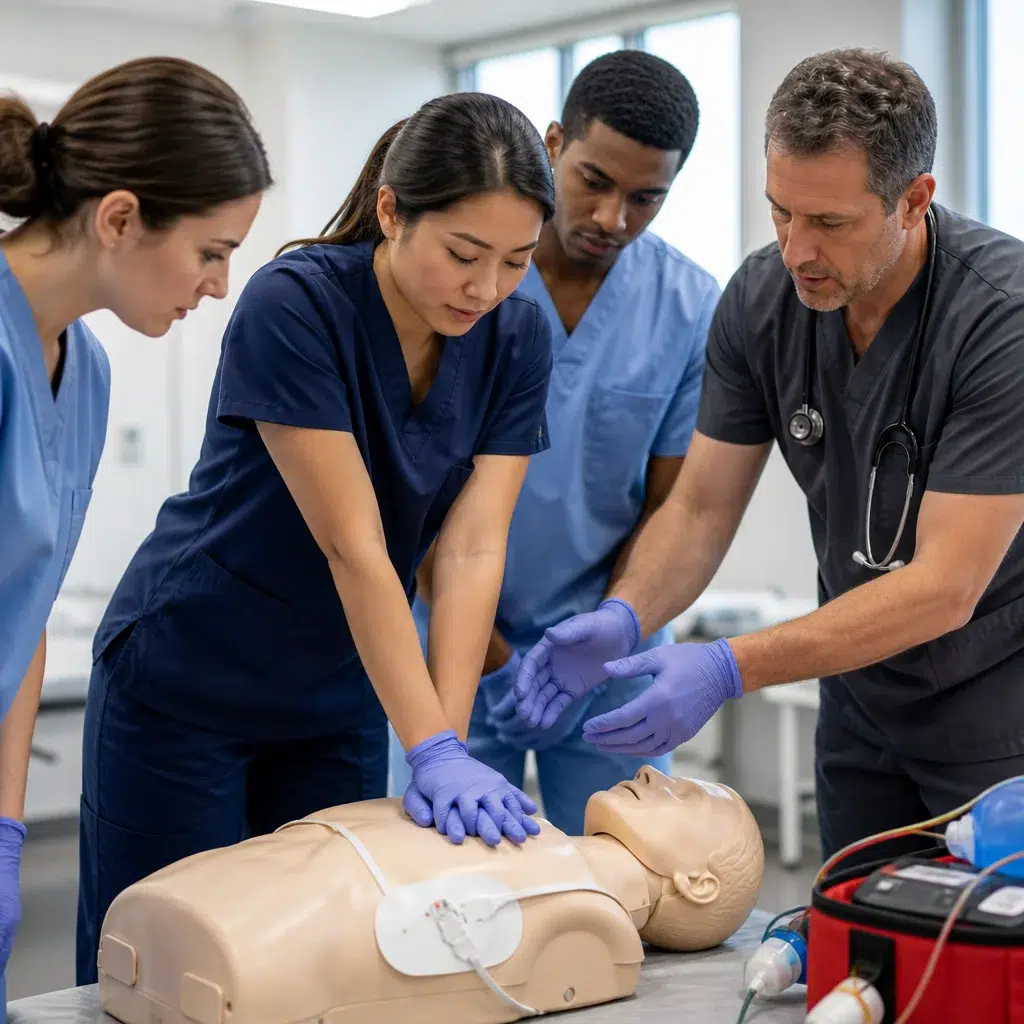
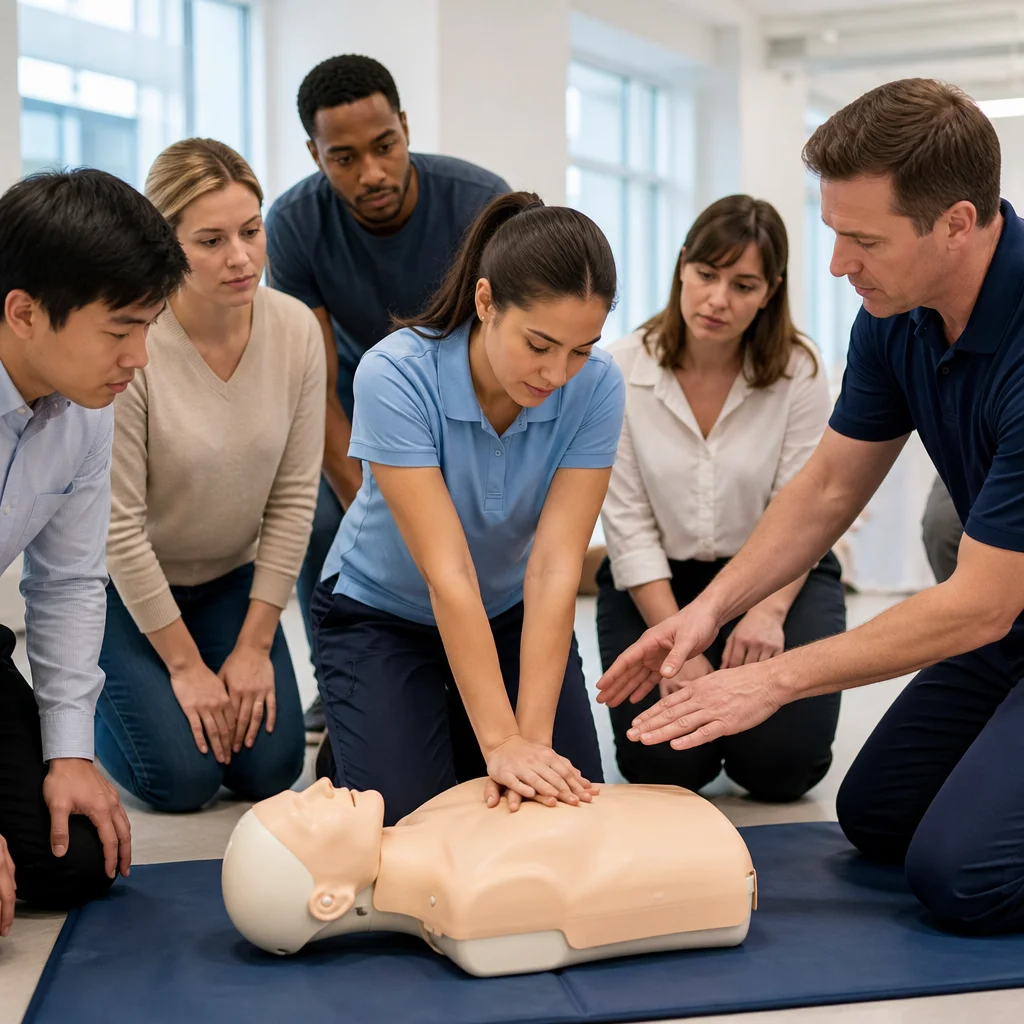
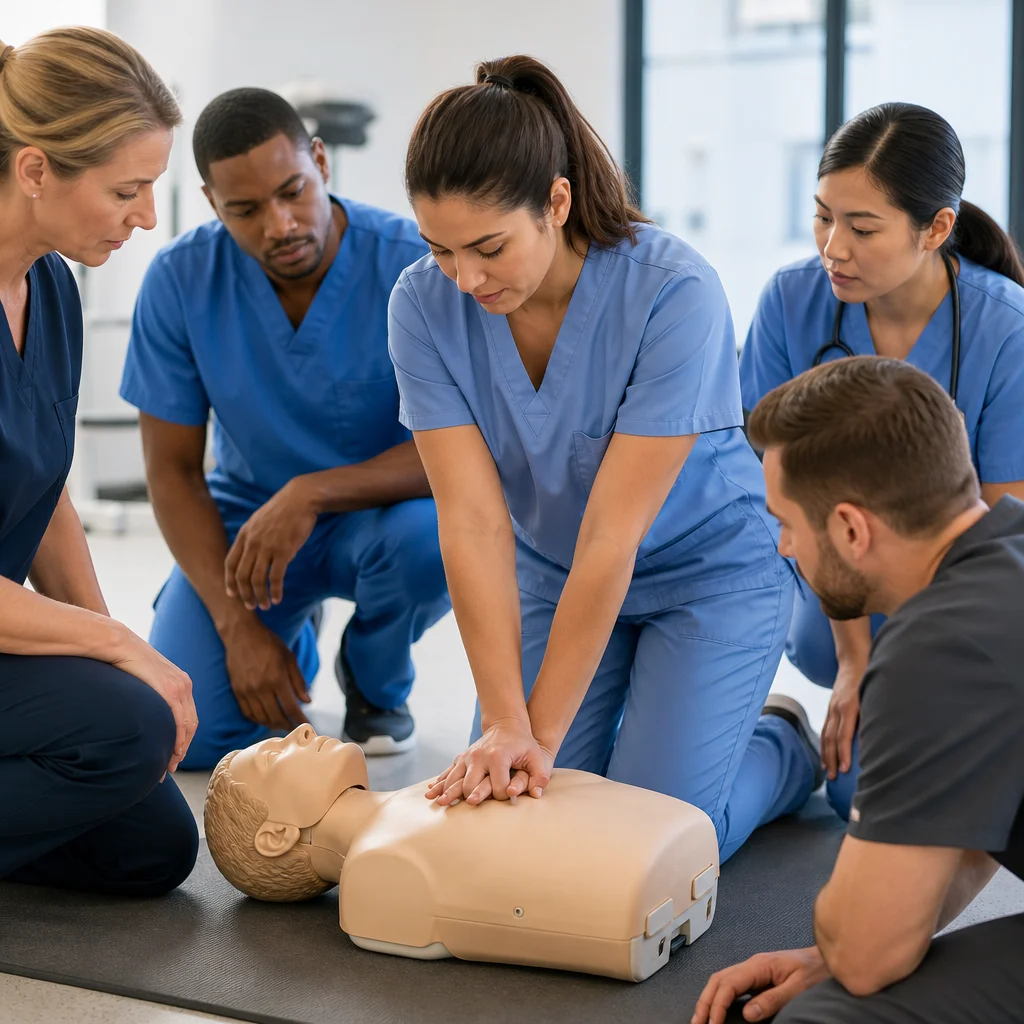
Our blended learning model combines virtual instruction with in-person skills sessions, fitting easily into busy healthcare schedules. You gain theoretical knowledge online, then practice on manikins with our experienced instructors who provide real-time feedback. This combination ensures you understand the “why” behind each technique while developing practical competence.
We maintain daily BLS certification courses across California locations including Alameda, Antioch, Bakersfield, Berkeley, Sacramento, San Francisco, San Jose, and many others. Healthcare professionals requiring current certifications for job compliance find our low-price guarantee and convenient scheduling ideal.
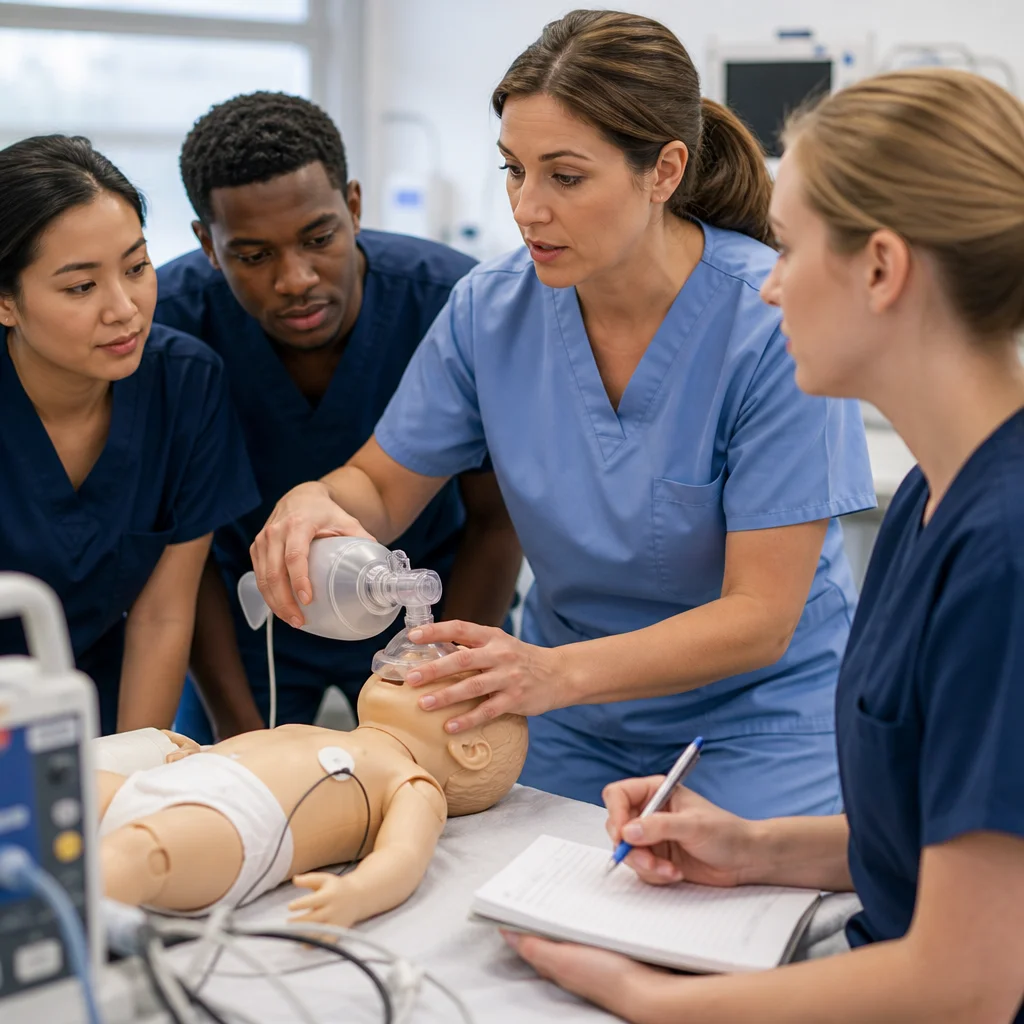
Our specialized certifications for healthcare providers including ACLS (Advanced Cardiac Life Support) and PALS (Pediatric Advanced Life Support) integrate heat emergency response into comprehensive resuscitation training. You’ll practice recognizing altered mental status, initiate cooling techniques, and coordinate with emergency services all within realistic scenarios.
Corporate group training with discount pricing makes team certification affordable. Bring your entire staff or department together for coordinated instruction, ensuring consistent knowledge across your organization.
All our instructors are practicing healthcare professionals or experienced educators who understand the real-world environments where you work. They teach practical skills you’ll actually use, not theoretical concepts disconnected from clinical reality.
Whether you’re updating certifications required for licensing, preparing your team for summer heat challenges, or building confidence in emergency response, we’re here to support your ongoing professional development. Visit our website to schedule your next course or explore group training options for your healthcare facility or corporate organization.
Register for a class today.
Frequently Asked Questions (FAQ)
What’s the difference between heat exhaustion and heat stroke, and why does it matter for first aid?
Heat exhaustion occurs when the body loses fluids and electrolytes through sweating, causing dizziness, nausea, and weakness that victims may still respond to. Heat stroke is a life-threatening emergency where the body’s cooling system fails completely, resulting in dangerously high core temperatures, confusion, loss of consciousness, or seizures. We emphasize this distinction in our training because heat stroke requires immediate aggressive cooling and emergency services, while heat exhaustion responds to gradual cooling and hydration.
Why should healthcare professionals and outdoor workers take our first aid courses?
We offer blended learning that combines virtual instruction with hands-on skills sessions, so you gain both knowledge and practical experience in recognizing and treating heat emergencies. Our courses are available daily across more than 100 California locations with our low price guarantee, making it convenient for busy professionals to maintain current certifications required for your role. We specifically train nurses, dentists, EMS personnel, and corporate teams on protocols that protect both yourselves and the people you serve.
What cooling techniques do we teach for immediate heat stroke response?
We train our participants to use rapid cooling methods including cold water immersion, ice packs applied to major blood vessels (neck, armpits, groin), and cool water spraying combined with fanning to accelerate evaporation. Our instructors emphasize that every minute counts with heat stroke, so we teach you to begin cooling before emergency services arrive while simultaneously calling 911 to prevent permanent organ damage.