Table of Contents
- 1. Recognize Signs of Poisoning and Ingestion Emergencies
- 2. Call Emergency Services and Poison Control Immediately
- 3. Assess the Type of Poison or Ingested Substance
- 4. Position the Victim Safely During Response
- 5. Provide Appropriate First Aid Based on Ingestion Type
- 6. Document Information for Medical Professionals
- 7. Get Certified in Comprehensive First Aid Response
- Frequently Asked Questions (FAQ)
1. Recognize Signs of Poisoning and Ingestion Emergencies
Poisoning and ingestion emergencies unfold fast. A confused patient collapses. A child reaches for a household cleaner. A worker inhales fumes on the job. In these critical moments, your ability to recognize what happened and respond correctly can mean the difference between recovery and tragedy.
We know that healthcare professionals, nurses, EMS personnel, and dentists across California face these scenarios regularly. Your license and job security depend on staying current with emergency protocols. Yet poisoning cases vary wildly in presentation, symptoms, and treatment approaches. Without clear, actionable steps, even experienced first aiders can freeze or make mistakes that worsen outcomes.
This guide walks you through seven essential response steps for poisoning and ingestion emergencies. Each step builds on the last, giving you a reliable framework to follow when seconds count. We’ve designed this resource for professionals who need practical, evidence-based guidance without unnecessary medical jargon.
Your first task is identifying that poisoning or ingestion has occurred. Many symptoms mimic other conditions, so awareness matters.
Classic signs include sudden confusion, difficulty breathing, nausea or vomiting, abdominal pain, and rapid or slow pulse. You might notice burns around the mouth or lips if a corrosive substance was swallowed. Some patients report a strange taste or smell. Seizures, loss of consciousness, or unresponsive behavior also warrant immediate suspicion of ingestion.
The poisoning source isn’t always obvious. Ask the conscious patient directly: “Did you take anything? Did you eat or drink anything unusual?” Look around the scene for containers, pills, plants, or household chemicals. Witness accounts help tremendously. If someone saw what happened, get their story quickly.
Inhalation poisoning presents differently. Workers exposed to carbon monoxide, chlorine gas, or pesticide sprays may seem drowsy, report headaches, or complain of dizziness. Chemical burns in the mouth or throat point toward caustic ingestion. Skin discoloration or unusual odor on breath suggests specific toxins.
Our first aid instructors at locations across the Bay Area, including Oakland Fruitvale and San Francisco Mission Bay, teach recognition techniques that apply to real workplace and community scenarios. The sooner you identify the emergency, the sooner lifesaving treatment begins.
Actionable takeaway: If someone collapses or acts strangely, immediately check for signs of ingestion or exposure. Don’t wait for symptoms to worsen before calling for help.
2. Call Emergency Services and Poison Control Immediately
Once you suspect poisoning or ingestion, activate emergency response without delay. This is not a situation for watchful waiting.
Call 911 first if the patient is unconscious, seizing, or showing severe breathing distress. While waiting for paramedics, simultaneously contact Poison Control at 1-800-222-1222. This national hotline operates 24/7 and connects you with toxicology specialists who guide your immediate actions based on the specific substance.
Have this information ready when you call Poison Control:
- Patient’s age and weight
- Type of substance (if known), brand name, or ingredients
- Time of ingestion or exposure
- Amount ingested or duration of exposure
- Route of exposure (ingested, inhaled, skin contact)
- Current symptoms

Poison Control specialists don’t just take information; they advise on whether activated charcoal applies, whether the patient needs gastric decontamination, or what hospital destination is best. Their guidance may differ from your initial instinct, so follow their direction. They see hundreds of poisoning cases yearly and know which treatments help and which cause harm.
Keep the phone number visible in your workplace. Many healthcare facilities, including those in Sacramento Midtown and Fresno, post it prominently. If the victim has a smartphone, use it to call while you perform other duties. Delegate calling to a coworker if you’re the only trained responder available.
Actionable takeaway: Program 1-800-222-1222 into your phone right now. In a real emergency, you won’t have time to search for it.
3. Assess the Type of Poison or Ingested Substance
Identifying the toxin or poison shapes your entire response strategy. Different substances require different first aid approaches.
Check containers near the patient. Look for labels, ingredient lists, or product names. If the person took medications, check the bottle. In workplace settings, consult the Safety Data Sheet (SDS) for chemicals involved. These documents contain emergency instructions and toxicity information.
If you can’t identify the substance, try asking the patient or witnesses repeatedly. Sometimes people remember details when asked a second or third time. Note any smells around the mouth or on clothing. Certain poisons have distinctive odors: bitter almonds (cyanide), garlic (organophosphates), or acetone (some solvents).
Categorize the poisoning mentally into broad types:
- Corrosive substances (bleach, drain cleaner, strong acids) cause immediate mouth and throat burns
- Medications (opioids, stimulants, sedatives) affect consciousness and breathing
- Household products (pesticides, antifreeze, cleaning agents) vary widely in toxicity
- Natural toxins (plants, mushrooms, snake venom) require specific antidotes
- Inhalation exposures (carbon monoxide, fumes) may not show immediate burns but cause systemic damage
Healthcare professionals in Danville, San Jose Downtown, and other high-density areas often encounter drug ingestions; rural locations like Davis and Lodi may see more pesticide or agricultural chemical exposures. Knowing your local risk profile helps you stay alert.
Actionable takeaway: Keep an updated list of chemical products and medications stored in your workplace. Label them clearly so you can identify them in an emergency.
4. Position the Victim Safely During Response
How you position the patient prevents aspiration, maintains airway patency, and prevents further injury.
If the patient is conscious and able to swallow, keep them upright or semi-recumbent. Do not lay them flat; gravity helps prevent stomach contents from entering the lungs. If they’re vomiting, support them in a position where vomit can flow away from the airway. Stay beside them and turn their head to the side.
For unconscious patients, place them in the recovery position: on their side with one leg bent to provide stability, head tilted back slightly to keep airway open. This position prevents aspiration if vomiting occurs and keeps the tongue from blocking the throat. Check that breathing continues and listen for snoring or gurgling sounds that indicate airway compromise.
Never position a seizing patient flat on their back. If seizures occur, protect their head from striking nearby objects and turn their body to the side as soon as the seizure ends. Clear the area of hazards.
If caustic substances were ingested, do not induce vomiting. The substance burns on the way down; vomiting causes additional burns on the way back up. Keep the patient calm and still, as movement and anxiety increase circulation and can spread the poison faster.
For inhalation exposures, move the patient to fresh air immediately if safe to do so. Open windows or doors. If you’re in a facility in Pleasanton, Davis, or agricultural areas with chemical storage, know your evacuation routes beforehand.

Actionable takeaway: Practice recovery position placement with colleagues until it becomes automatic. Your muscle memory during an actual emergency will be invaluable.
5. Provide Appropriate First Aid Based on Ingestion Type
First aid for poisoning depends on the substance. Generic approaches don’t work and may harm the patient.
For corrosive ingestion: Do not neutralize with acid or base. Do not induce vomiting. Have the patient sip small amounts of water or milk if they can swallow safely; this dilutes the substance but doesn’t flush it. Monitor breathing carefully because swelling can develop in the throat. Be ready to support airway if needed.
For medication overdose: Keep the patient still and monitor responsiveness. If unresponsive, check for breathing and pulse. Be prepared to begin CPR if necessary. Do not give flumazenil or other reversal agents unless a physician directs you; improper reversal can trigger seizures. Naloxone (Narcan) is an exception; if opioid overdose is suspected and available, administer per protocol or Poison Control guidance.
For pesticide or organophosphate exposure: Remove contaminated clothing and flush skin with water for at least 15 minutes. Do not let the patient touch their face or eyes. Open the airway and monitor breathing. Excessive salivation and muscle twitching are hallmark signs; these suggest the need for specific antidotes that hospital staff will provide.
For household product ingestion: Small amounts of many products are less toxic than labels suggest, but larger amounts are serious. Follow Poison Control guidance exactly. Do not assume something is “safe” because it’s a common brand.
For unknown substance: Focus on ABCs: ensure Airway is open, Breathing continues, and Circulation is present. Do not attempt specific treatment until Poison Control or medical staff identify the substance.
Professionals in locations like Modesto, Santa Rosa Larkfield-Wikiup, and Bakersfield who work with multiple patient populations see varied ingestions. Staying flexible and following specialist guidance beats relying on memory or assumptions.
Actionable takeaway: Write down the first aid approach for the three most common poisoning types in your workplace. Review it monthly so it’s fresh when needed.
6. Document Information for Medical Professionals
Thorough documentation ensures hospital staff understand what happened and accelerates appropriate treatment.
Record the following as soon as safely possible:
- Time you discovered the emergency
- Initial symptoms and how they changed over time
- Vital signs (pulse, breathing rate, blood pressure if you can measure)
- Substance name, amount, and route of exposure
- Time of ingestion or exposure
- Interventions you performed and when
- Patient’s medical history or allergies (if known)
- Poison Control guidance received
- Any medications or treatments given
Write this information down rather than relying on memory. Hospitals request this during paramedic handoff. Clear, specific details beat vague descriptions. Instead of “patient seemed confused,” write “patient could not state their name and didn’t recognize family members, onset at 2:15 PM.”
Take photos of the container or substance if safe to do so. These images help emergency physicians identify exactly what was ingested. Include the label and any remaining contents.
If multiple patients were exposed, document each separately. Mass ingestion events require rapid communication to hospital surge capacity and public health authorities.
Share your notes with paramedics during transfer. Hand them the written information rather than just speaking it; many EMS crews respond to multiple emergencies and appreciate having documentation to relay to the receiving hospital. Professionals across Sunnyvale, San Francisco Nob Hill, and Fremont often work in facilities where handoff protocols are formal; follow your institution’s documentation requirements.

Actionable takeaway: Create a poisoning incident template for your workplace and keep blank copies accessible. Use it in emergencies to ensure nothing is missed.
7. Get Certified in Comprehensive First Aid Response
Knowing these seven steps academically and executing them under stress are different challenges. Certification transforms knowledge into competence.
We offer comprehensive first aid training that covers poisoning, ingestion, burns, choking, and dozens of other emergencies. Our courses combine virtual learning modules with hands-on skills sessions at over 100 training locations throughout California. You attend theory online at your own pace, then come to a nearby facility in locations like Campbell, Livermore, or Redwood City for practical instruction with certified instructors.
Our approach recognizes that healthcare professionals need flexible scheduling. Many of our nurses, dentists, and EMS personnel complete online modules during quiet shifts or off-hours, then attend a short in-person session. This blended model gets you certified without disrupting patient care schedules.
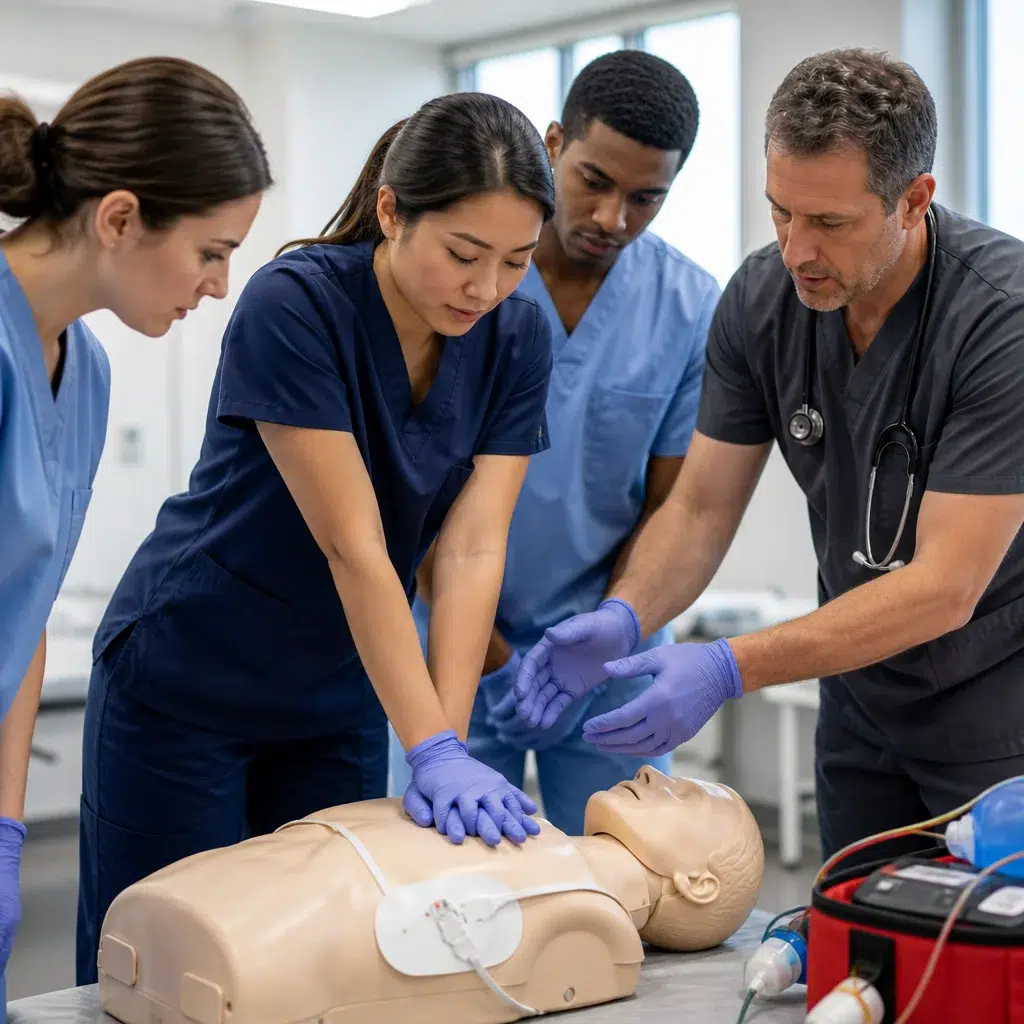
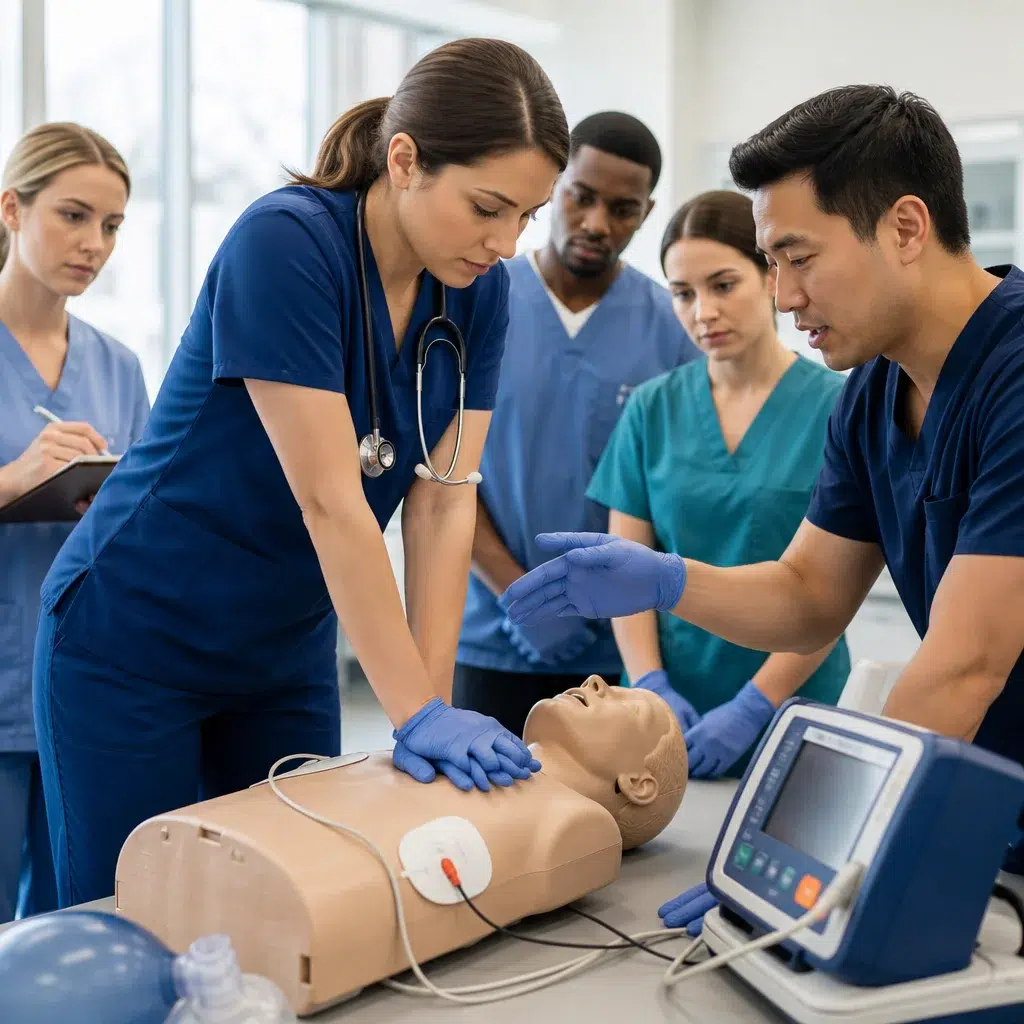
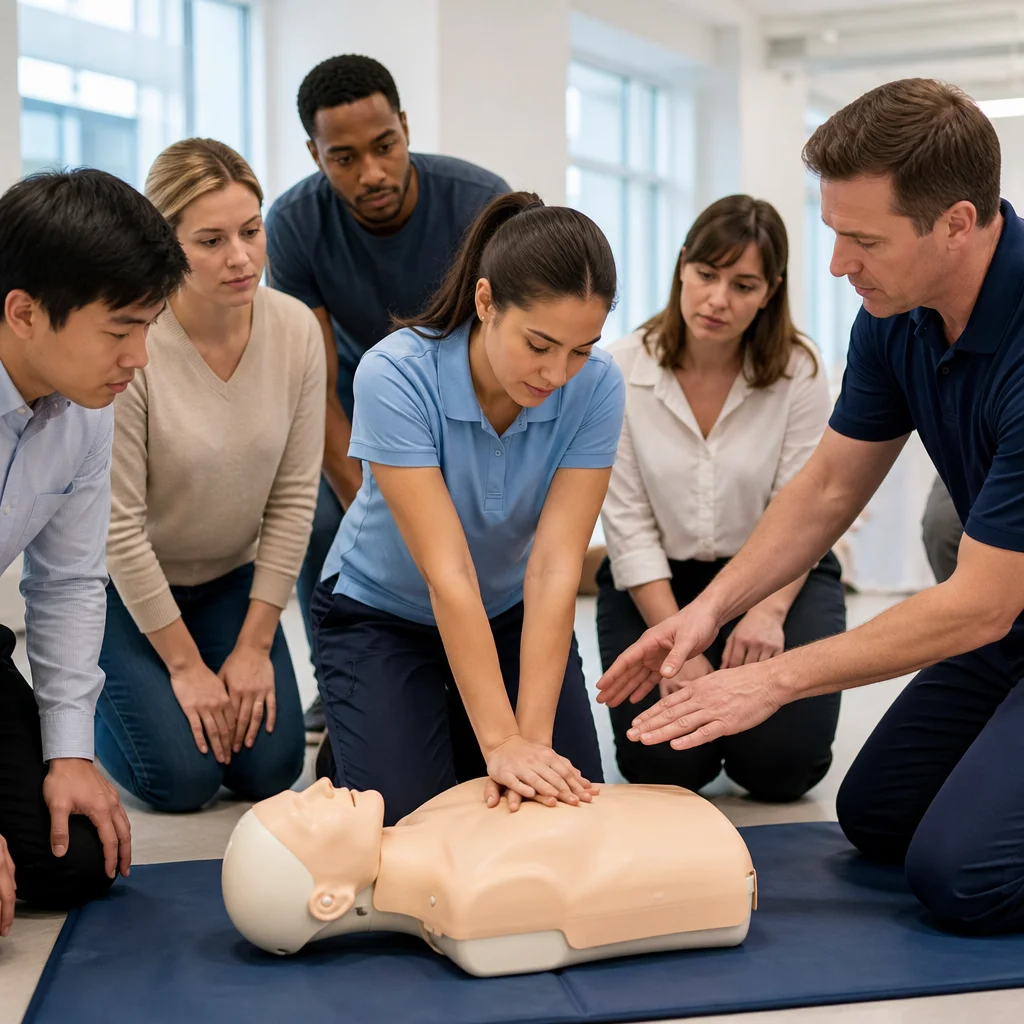
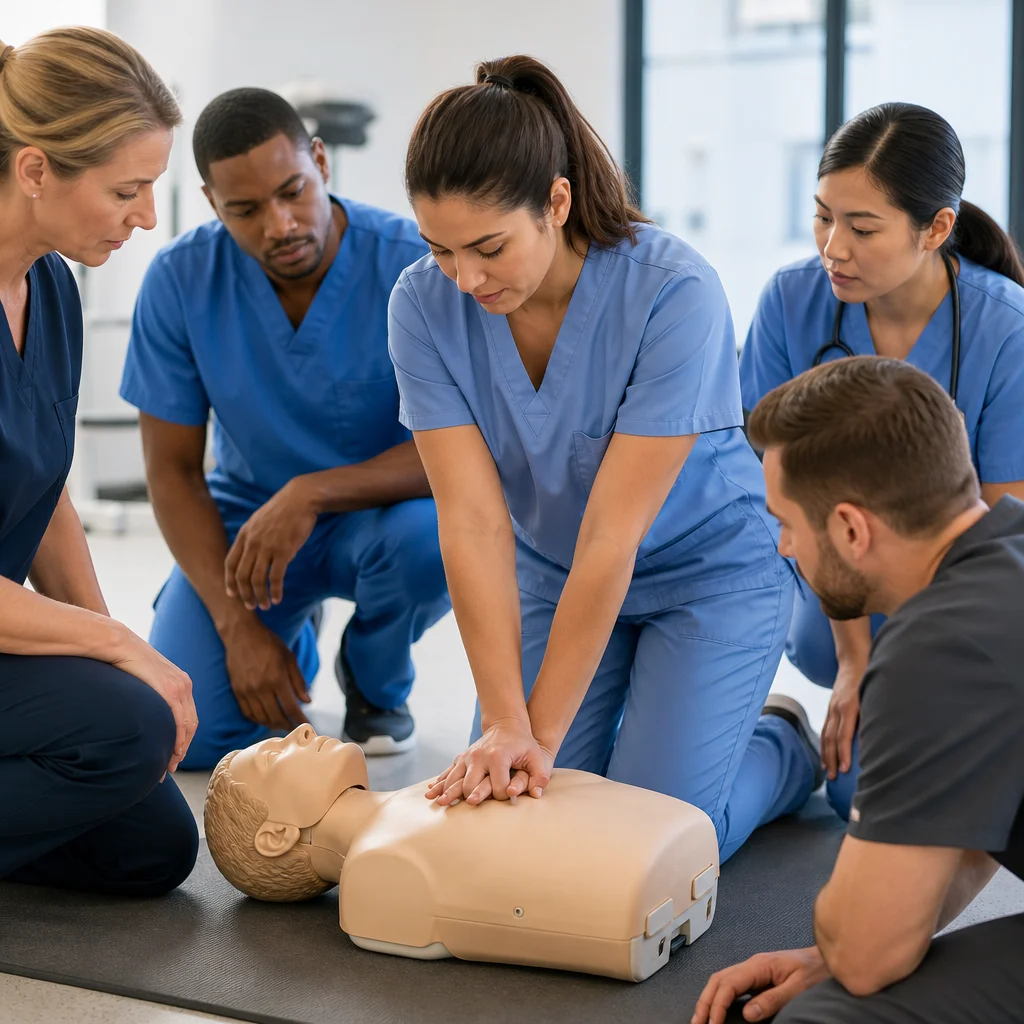
Every course emphasizes real-world scenarios. You’ll practice recognizing poisoning signs on simulated patients, call Poison Control during role-plays, and position victims safely. Instructors watch your technique and correct it immediately, building muscle memory that activates in actual emergencies.
Our low-price guarantee means you won’t overpay for quality training. We offer corporate group discounts if your facility sends multiple staff members. Many healthcare organizations in locations like Rocklin, Martinez, and Oakland Lake Merritt partner with us annually to keep entire teams current.
First aid certification through our network ensures you meet regulatory requirements and gain confidence. Your professional license depends on staying current; our instructors keep you ahead of protocol changes and emerging toxins.
Poisoning cases test your judgment, speed, and emotional control. With proper training, you’ll respond calmly and effectively. Book your certification today and bring your team’s emergency readiness to the level your patients deserve.
Actionable takeaway: Schedule your first aid certification within the next month. Contact our team at a location near you to choose your preferred class date.
Register for a class today.
Frequently Asked Questions (FAQ)
Why should I get certified in poisoning and ingestion emergency response?
We believe that first aid certification gives you the confidence and skills to act decisively when someone’s life is at stake. Our comprehensive training covers poison recognition, proper victim positioning, and appropriate response techniques that can make the difference between a positive outcome and a tragedy. Healthcare professionals, parents, and workplace safety coordinators all benefit from understanding how to handle these critical situations before emergency services arrive.
What’s the difference between treating ingested poisons versus absorbed or inhaled toxins?
We teach that ingested poisons require you to identify the substance and follow specific protocols, such as removing contaminated clothing or rinsing skin depending on the type. Absorbed toxins through skin contact and inhaled fumes each demand their own response strategies, which is why our blended learning courses include detailed scenario training for each exposure route. Our instructors cover the practical distinctions so you know exactly what to do in each situation.
Can I complete poisoning emergency training alongside my BLS or CPR certification?
We offer flexible blended learning options that let you combine multiple certifications in ways that fit your schedule. You can take our daily BLS courses and add specialized first aid modules covering poisoning and ingestion response at one of our 100+ California locations. This approach saves you time while ensuring you’re fully prepared for various medical emergencies your patients or colleagues might face.