Table of Contents
- Why Toxic Substance Ingestion Remains a Critical Pediatric Emergency
- Immediate Recognition: Signs Your Child May Have Swallowed Something Toxic
- The First Critical Minutes: Your Response Protocol
- Safe Removal and Assessment Techniques for Caregivers
- When to Contact Poison Control and Emergency Services
- Specialized Training Prepares You for Real-World Situations
- How Our Pediatric First Aid Certification Equips You with Confidence
- Building a Safety-Ready Environment for Children in Your Care
- CPR and First Aid Skills Work Together in Crisis Management
- Why Healthcare Professionals and Childcare Providers Choose Our Training
- Take Action: Enroll in Our Certified First Aid Program Today
- Frequently Asked Questions (FAQ)
Why Toxic Substance Ingestion Remains a Critical Pediatric Emergency
Toxic substance ingestion in children represents one of the most time-sensitive medical emergencies you may encounter as a healthcare provider, childcare professional, or parent. Every year, thousands of children accidentally ingest harmful substances ranging from household cleaners and medications to pesticides and personal care products. The window between exposure and serious harm can be measured in minutes, not hours.
Children under five account for the majority of accidental poisoning cases, yet many caregivers lack the specific knowledge needed to respond effectively. What makes pediatric toxic ingestion particularly dangerous is that children metabolize substances differently than adults, meaning standard poison treatment protocols don’t always apply. Their smaller body mass, developing organs, and unpredictable absorption rates demand specialized understanding.
We recognize that knowing how to act in those critical first moments can mean the difference between a manageable situation and a life-threatening emergency. This guide equips you with the recognition skills and response strategies that form the foundation of pediatric first aid training.
Immediate Recognition: Signs Your Child May Have Swallowed Something Toxic
Identifying potential toxic ingestion quickly requires knowing what warning signs to observe. Some indicators appear immediately, while others develop over several minutes or hours depending on the substance involved.
Watch for these common physical signs:
- Unusual breath odor (chemical, fruity, or burnt smell)
- Drooling, difficulty swallowing, or lip and mouth irritation
- Vomiting or gagging
- Abdominal pain or cramping
- Changes in consciousness, confusion, or drowsiness
- Rapid or slow heartbeat
- Unusual behavior, agitation, or lethargy
- Seizures or loss of consciousness
- Burning sensations in the mouth or throat
Behavioral clues matter too. A child found near an open cleaning product cabinet, medication bottle, or pesticide container, even without obvious symptoms, warrants immediate investigation. Some children may report what they ingested, while others show fear or guilt that points toward an accident.
The challenge is that symptoms vary dramatically by substance type and amount ingested. A child who swallows a small amount of hand lotion might show no symptoms, while ingestion of certain medications can cause rapid deterioration. This unpredictability underscores why professional evaluation is essential whenever toxic ingestion is suspected.
Document what you observe as objectively as possible: the child’s appearance, behavior changes, timing of symptom onset, and any containers you find. This information becomes invaluable when you contact poison control or emergency services.
The First Critical Minutes: Your Response Protocol
Your immediate actions in the first few minutes after discovering potential toxic ingestion significantly influence outcomes. The protocol follows a clear sequence designed to protect the child while preparing for professional intervention.
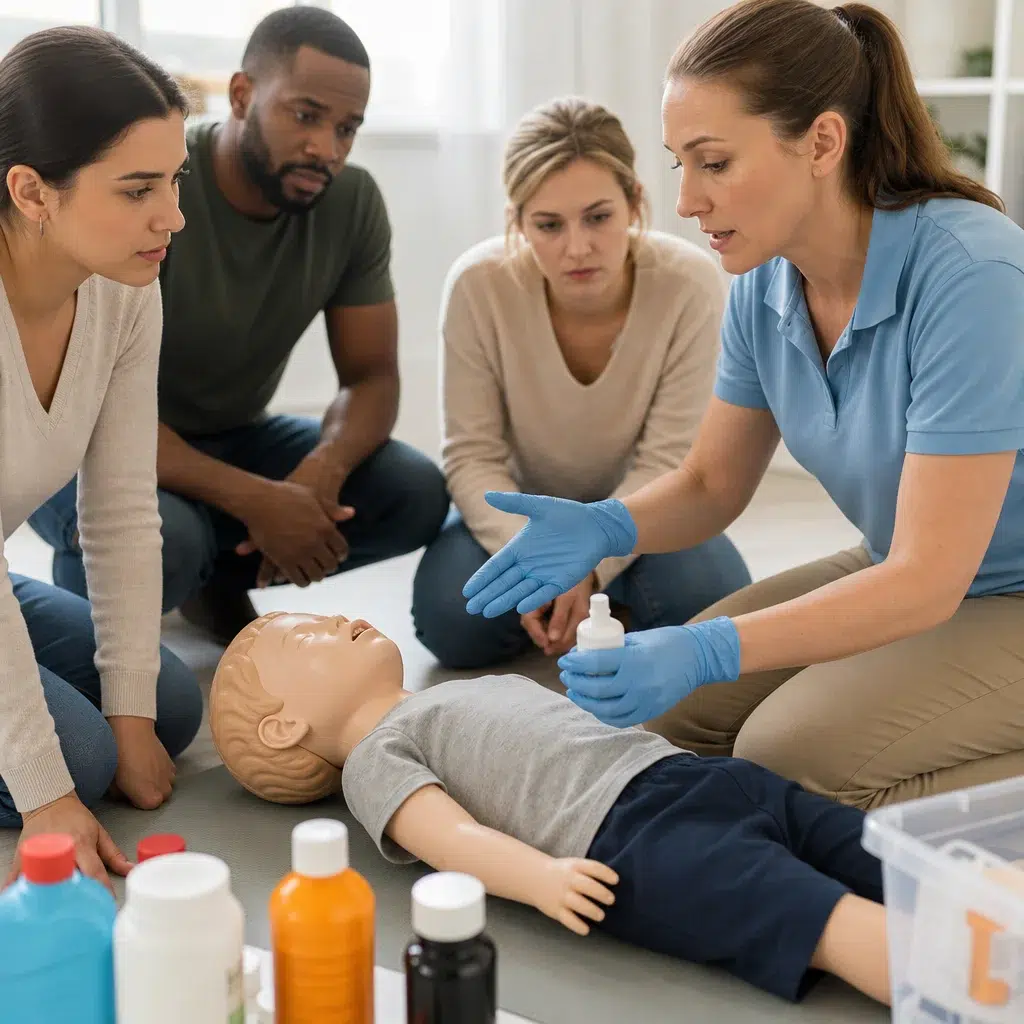
Step one: Ensure scene safety. Remove the child from the area where exposure occurred. If the substance is still present, prevent further contact. Protect yourself by wearing gloves if available, especially if handling contaminated materials or if the child has vomited.
Step two: Assess responsiveness and breathing. Check if the child is conscious and breathing normally. If unconscious or not breathing, position the child on their side to prevent aspiration if vomiting occurs. Be prepared to provide CPR if needed.
Step three: Identify the substance. Look for the original container, label, or packaging. Gather information about what the child may have swallowed, how much, and approximately when exposure occurred. This specificity dramatically improves poison control guidance.
Step four: Do not induce vomiting. This is critical: inducing vomiting is no longer recommended for most poisonings, as it can cause additional harm depending on the substance. Some toxins cause more damage coming back up than going down.
Step five: Remove any contaminated clothing if applicable, and gently wipe the mouth with a damp cloth if the substance is still on the lips or in the mouth. Do this only if the child is conscious and the substance isn’t corrosive enough to harm your hands.
Stay calm and speak reassuringly to the child. Your composed demeanor helps reduce their anxiety and allows you to think clearly about next steps.
Safe Removal and Assessment Techniques for Caregivers
Once you’ve stabilized the immediate scene, assessment techniques help you gather information that guides professional care. Your role as a first responder is not to treat the poisoning itself, but to accurately document what happened and prevent additional harm.
Physical examination should focus on observable changes without moving the child unnecessarily. Look for signs of chemical burns around the mouth or lips, unusual skin color or temperature, or signs of respiratory distress. If the child is conscious and alert, ask simple questions: “What did you swallow?” “Where does it hurt?” “When did this happen?” Young children may not answer clearly, but their responses provide clues.
Do not attempt to remove substances from the airway unless you’re trained. If something is visibly lodged in the mouth and the child is choking, trained first aiders can perform back blows and chest thrusts for infants or abdominal thrusts for older children. However, this applies to choking, not poisoning. Most toxic ingestions go into the stomach, not lodge in the airway.
If the substance is on the skin, remove contaminated clothing and rinse the area with water for at least fifteen to twenty minutes. This applies to chemical exposure as well as ingestion incidents.
For eye contact with a toxic substance, rinse gently with water or saline solution for several minutes while keeping the eye open. Avoid rubbing, which can worsen irritation.
These techniques minimize additional damage while you prepare to contact professional help. Your calm, methodical approach provides the information poison control or emergency responders need to determine the next course of action.
When to Contact Poison Control and Emergency Services
Knowing when to escalate to professional help is essential. You should contact poison control or emergency services immediately in virtually all suspected toxic ingestion cases involving children.
Call poison control first in most situations. The national Poison Help hotline is staffed twenty-four hours a day with specialists who know how to handle thousands of different substances. They’ll ask you specific questions about what was ingested, how much, when it happened, and the child’s symptoms. Based on your answers, they provide tailored guidance for the specific situation. Many cases can be managed safely at home under poison control guidance; others require emergency department evaluation.
Call 911 or go to the emergency department immediately if:
- The child is unconscious or unresponsive
- The child is having difficulty breathing or is unable to swallow
- The child is having seizures
- You don’t know what substance was ingested
- The substance is highly toxic (pesticides, certain medications, button batteries, caustic substances)
- The child is vomiting blood or showing signs of internal bleeding
- The child has swallowed multiple substances
- Poison control instructs you to seek emergency care
Don’t delay calling emergency services while waiting for poison control. Both calls should happen, and emergency responders can contact poison control themselves if needed. In our experience supporting training programs across locations like Fremont, Oakland, and Sacramento, we’ve observed that quick, decisive communication with both resources saves critical time.
Keep poison control’s number easily accessible: post it on your refrigerator, program it into your phone, and ensure all caregivers know it. Many parents and childcare providers maintain a printed card near their phone for quick reference.
Specialized Training Prepares You for Real-World Situations
General first aid knowledge provides a foundation, but pediatric-specific training addresses the unique challenges of caring for children in medical emergencies. Children present differently than adults, respond unpredictably, and require modified techniques across multiple scenarios.
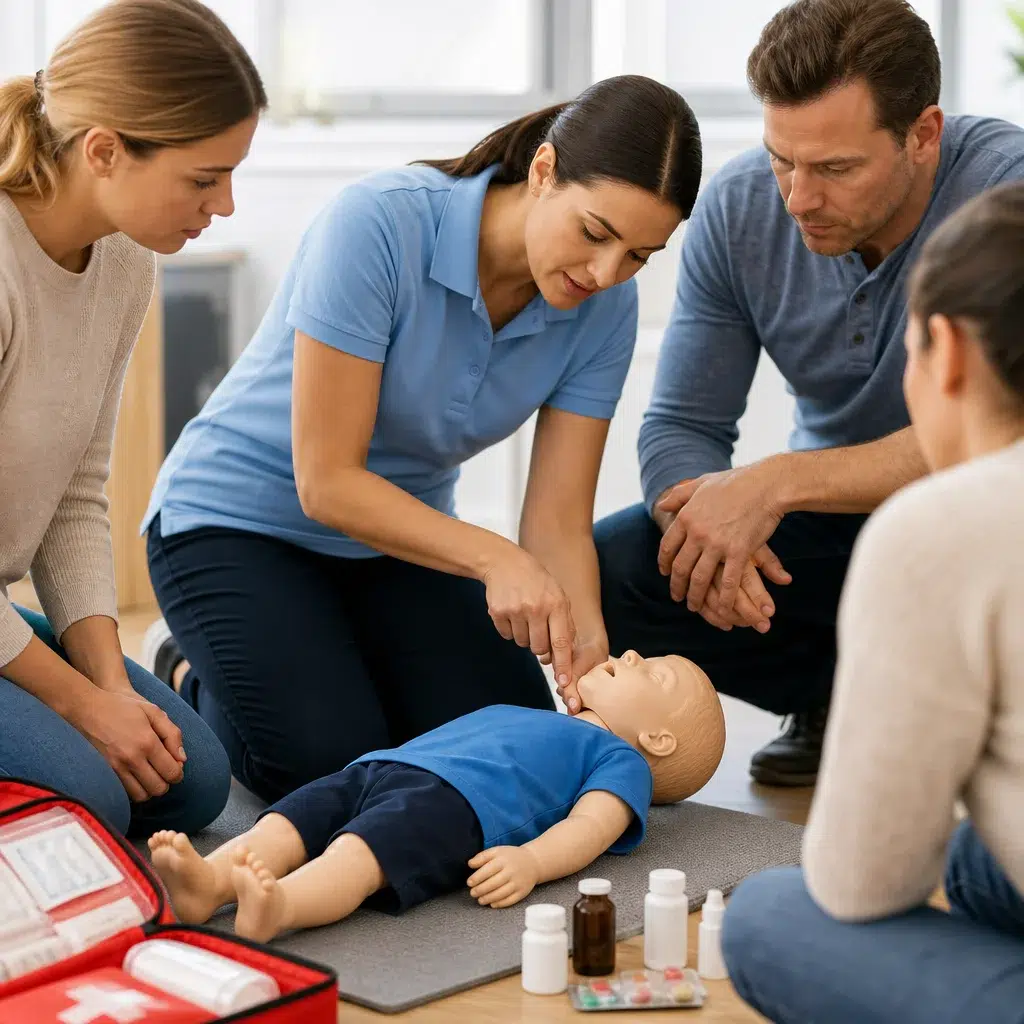
Specialized pediatric first aid training covers age-appropriate assessment and intervention. Recognizing poisoning symptoms in a toddler differs from identifying them in a school-age child. Vital sign baselines vary by age. CPR techniques change based on the child’s size and developmental stage. First aid protocols for choking, breathing difficulty, and unconsciousness all require pediatric modifications.
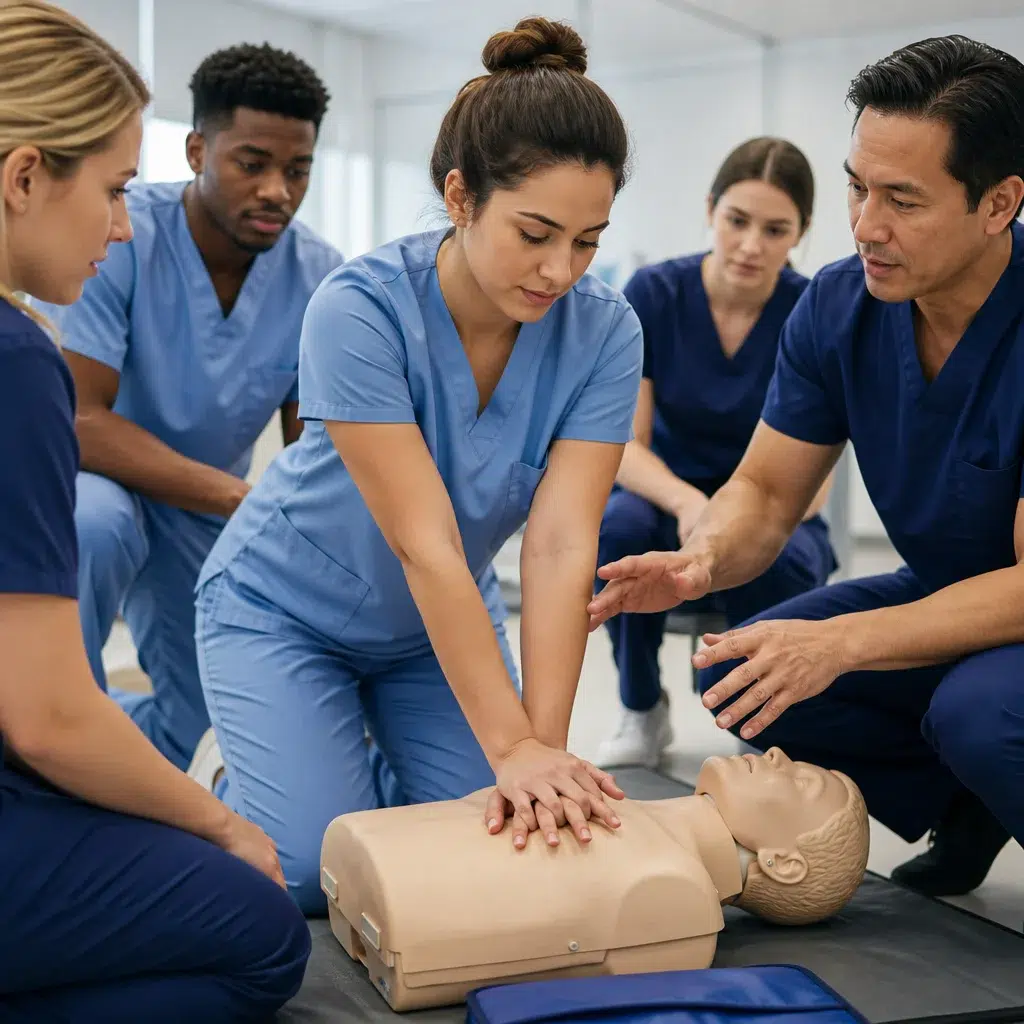
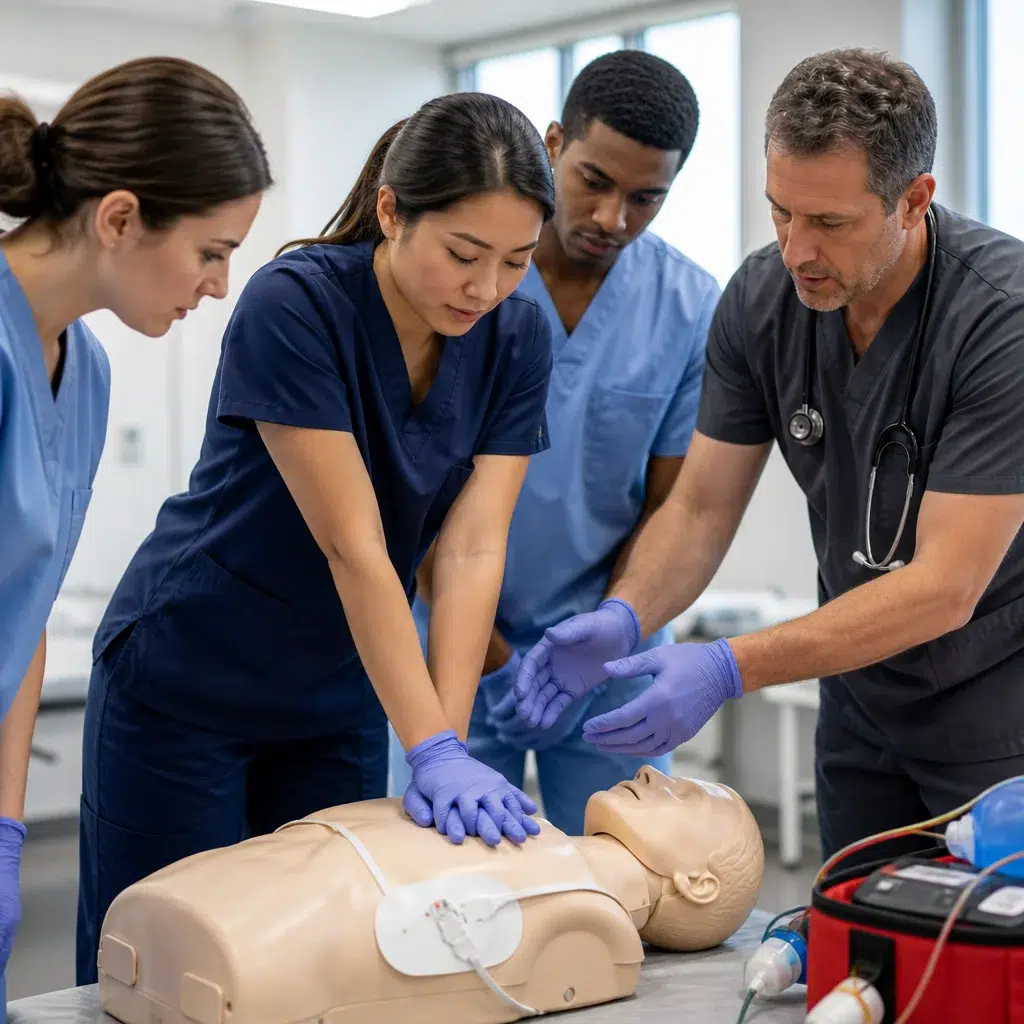
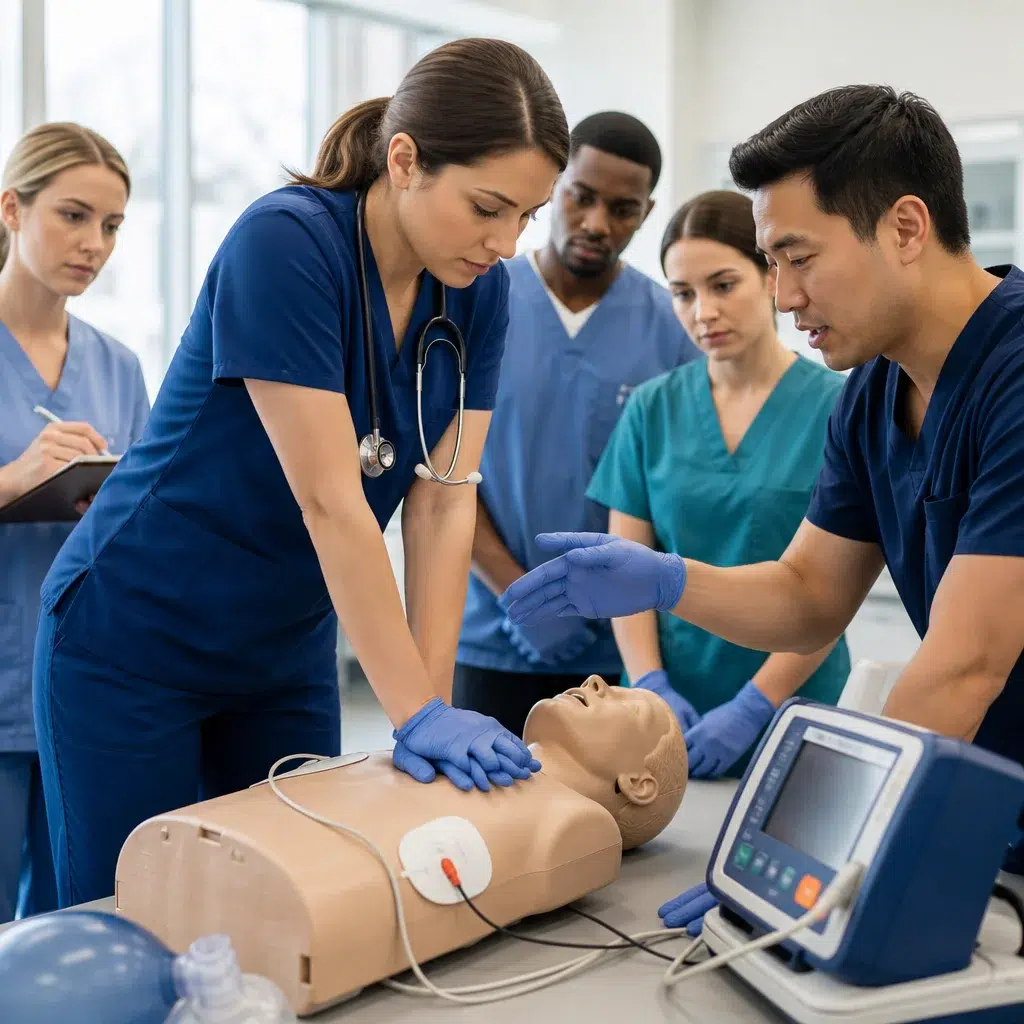
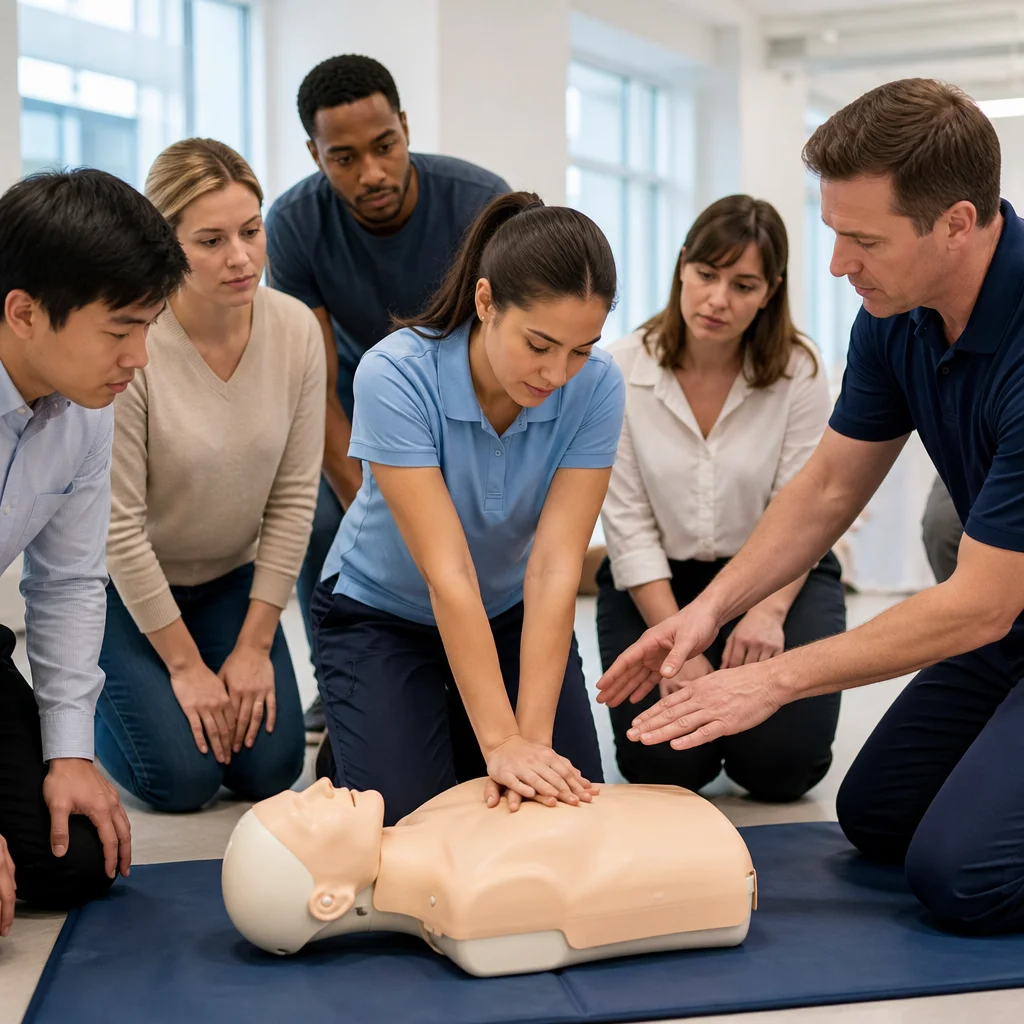
Real-world scenario practice is where training becomes powerful. Rather than reading about toxic ingestion, you’ll walk through simulations where you practice identifying substances, gathering information, and communicating with poison control. You’ll handle realistic situations: the frantic parent who doesn’t know what their child swallowed, the child too young to communicate clearly, the scenario where multiple children are affected.
This hands-on practice builds muscle memory and confidence. When an actual emergency occurs, you’re not learning the protocol for the first time. You’ve practiced it multiple times under guided instruction, so your response becomes automatic rather than panicked.
Our pediatric first aid programs across California, including training locations in Bakersfield, Fresno, and Santa Rosa, emphasize these real-world applications. Instructors draw from healthcare experience and bring actual case examples into the classroom. You’ll understand not just what to do, but why each step matters in the context of pediatric physiology and emergency response.
How Our Pediatric First Aid Certification Equips You with Confidence
We design our pediatric first aid certification to transform knowledge into capability. The program combines online learning modules with hands-on skills practice, allowing you to study at your own pace and then demonstrate competency with a qualified instructor.
Our curriculum covers toxic substance ingestion as a specific focus area within the broader context of pediatric emergencies. You’ll gain depth on recognition, initial response, and professional coordination. You’ll practice the communication skills needed to calm a frightened child and parent while gathering accurate information. You’ll rehearse the assessment techniques that inform poison control’s guidance.
The certification carries credential value for healthcare professionals, childcare providers, and educators. Many employers require it. Licensing bodies for nursing, dental practice, and EMS recognize our courses. Your certification demonstrates commitment to professional development and readiness to handle pediatric emergencies competently.
We offer flexible scheduling to accommodate working professionals. Our blended learning model means you complete theoretical instruction when convenient, then schedule your in-person skills session at one of our California locations. Whether you work in downtown San Francisco, the Sacramento midtown area, or the San Jose Japantown neighborhood, we have training available nearby. Daily class offerings across our one hundred-plus training centers ensure you can find a time that fits your schedule.
The certification is valid for two years, after which renewal training ensures you stay current with the latest pediatric first aid guidelines and best practices. This regular refresh keeps your skills sharp and your knowledge up to date.
Building a Safety-Ready Environment for Children in Your Care
First aid training is only one part of a comprehensive safety approach. Preventing toxic ingestions before they occur dramatically reduces the number of emergencies you’ll face.
Create a systematic environment audit. Walk through spaces where children spend time, looking specifically for potential hazards at child height. Children are curious and will investigate anything accessible to them.
Priority prevention steps include:
- Store all medications, including over-the-counter products, in original containers with child-resistant caps, locked away in a cabinet or drawer
- Keep cleaning products, pesticides, and chemical supplies in their original labeled containers, never in food or beverage containers
- Install cabinet locks on any cabinet containing potentially toxic substances
- Keep cosmetics, personal care products, and vitamins out of reach
- Be aware that button batteries, certain plants, and medications are especially dangerous to children
- Supervise children closely during transitions when hazards are more likely to be encountered
For childcare facilities, documented prevention protocols go beyond environmental controls to include staff training, parent communication, and emergency preparedness. Our EMSA childcare providers courses address these requirements comprehensively, ensuring your facility meets regulatory standards and maintains the safety culture your families expect.
Educate children age-appropriately about poisoning prevention. Young children can learn that substances in bottles are for grown-ups only. Older children understand more complex explanations about why certain things are dangerous. Make safety education positive rather than fear-based.
CPR and First Aid Skills Work Together in Crisis Management
Toxic substance ingestion can progress to life-threatening emergencies where CPR and first aid skills become necessary. The combination of pediatric CPR competency with first aid knowledge provides comprehensive emergency readiness.
Some poisonings cause respiratory depression, where the child’s breathing becomes dangerously slow or stops. Some cause seizures that disrupt normal breathing. Others cause loss of consciousness. In any of these situations, CPR capability becomes essential. Knowing how to position an unconscious child, perform chest compressions at the appropriate rate and depth, and provide rescue breaths for children and infants is non-negotiable.
First aid skills address the secondary effects of poisoning. If a child is seizing, you know how to position them safely and protect them from injury. If a child is vomiting, you understand the choking risk and how to manage the airway. If breathing is labored, you recognize the signs of respiratory distress and communicate them accurately to emergency responders.
The integration of these skills is why comprehensive pediatric training covers both CPR and first aid in coordinated programs. You’re not learning isolated techniques, but a cohesive response strategy where each skill supports the others in a real emergency.
Our instructors emphasize this integration throughout training. You’ll practice scenarios where you recognize a toxic ingestion, perform initial assessment, position the child appropriately, provide CPR if needed, and communicate with emergency responders. This scenario-based learning embeds the connection between different skills in your working memory.
Why Healthcare Professionals and Childcare Providers Choose Our Training
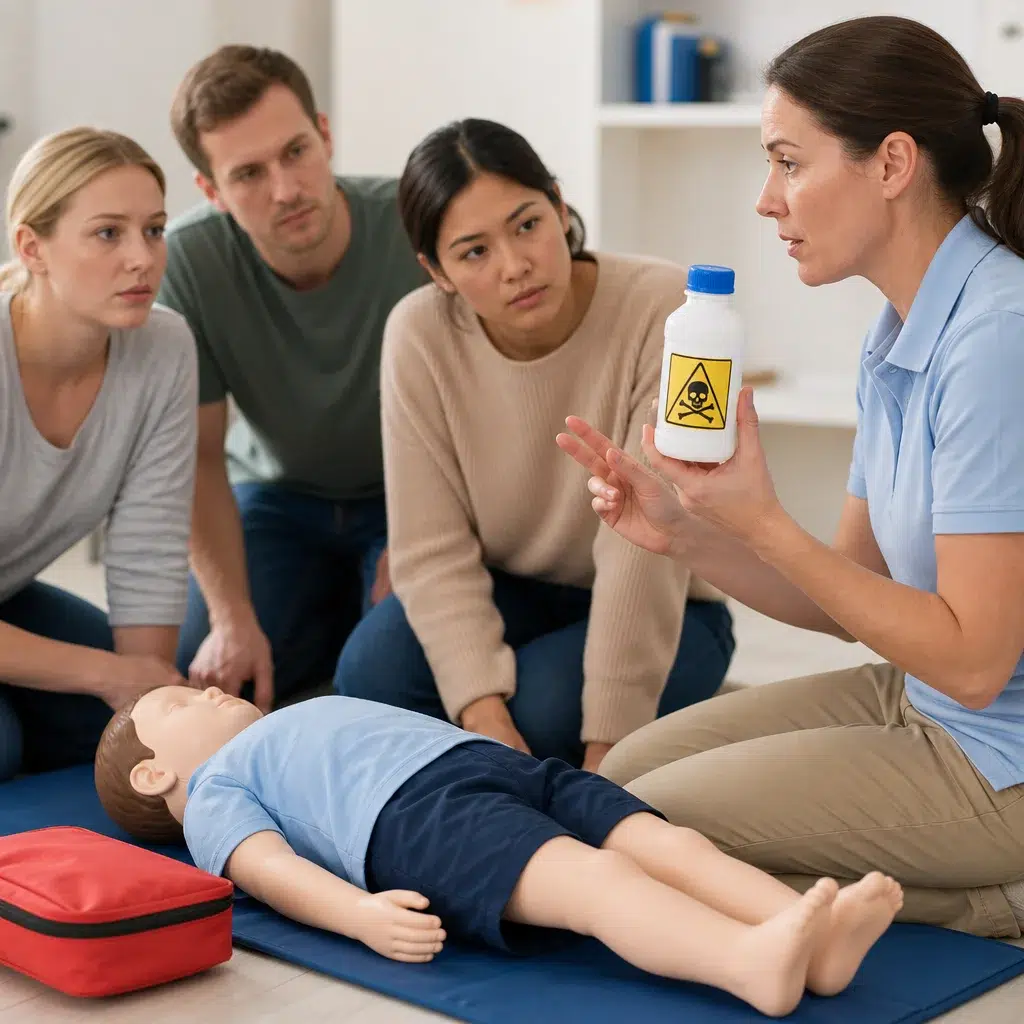
Healthcare professionals and childcare providers across California choose our training for several distinct reasons. First, we understand the specific regulatory and licensing requirements of different professional groups. Nurses, dentists, and EMS personnel each have different continuing education mandates, and our courses align with those requirements. We maintain certification standards that employers and licensing bodies recognize.
Second, our instructor pool brings genuine healthcare and childcare experience. Instructors aren’t reading from scripts; they’re sharing real cases and lessons learned from practice. This authenticity resonates with experienced professionals who quickly recognize when instruction is grounded in reality versus theoretical only.
Third, we maintain accessibility without compromising quality. Our one-hundred-plus training locations throughout California mean you can find a class near your workplace or home. We offer daily scheduling to accommodate shift work and busy professional schedules. Our low price guarantee ensures cost isn’t a barrier to maintaining required certifications.
Healthcare professionals particularly appreciate our blended learning approach, which respects their need to study independently while still requiring hands-on skills verification. You complete the knowledge portion on your timeline, then demonstrate competency with an instructor. This flexibility is invaluable for nursing staff working rotating shifts or dental professionals managing busy schedules.
Childcare providers value our specialized focus on their unique needs. We understand the regulatory environment they operate in and the specific emergency scenarios they’re most likely to encounter. Our courses speak directly to their world rather than offering generic first aid training that doesn’t account for the childcare setting.
Take Action: Enroll in Our Certified First Aid Program Today
You’ve learned how to recognize toxic substance ingestion, respond in critical moments, and prevent poisonings in your environment. The next step is gaining formal certification that brings all these elements together through structured training and hands-on practice.
We offer pediatric first aid certification tailored for your professional context. Whether you’re a healthcare professional seeking to maintain licensing requirements or a childcare provider building your facility’s safety culture, our programs fit your needs and schedule.
Enrollment is straightforward. Visit our website to browse available classes at training locations convenient to you. Our class calendar shows multiple daily options across California locations including Livermore, Napa, Walnut Creek, and dozens of other communities. Many courses are available within the next few weeks.
During your skills session, expect to practice the scenarios we’ve discussed: identifying ingestion signs, gathering accurate information, communicating with poison control, and performing pediatric CPR if needed. Our instructors provide personalized feedback, ensuring you leave with genuine confidence in your ability to manage pediatric emergencies.
Your certification is valid for two years and carries credential value with employers and licensing bodies. When renewal time approaches, refresher training keeps your skills current and your knowledge sharp.
The investment in your certification is an investment in the safety of the children in your care. It’s also an investment in your professional development and your own peace of mind. Knowing you have the skills to respond effectively in a pediatric emergency changes how you approach your work.
Enroll now to secure your spot in an upcoming class. Our training team is ready to support your journey toward comprehensive pediatric emergency preparedness.
Register for a class today.
Frequently Asked Questions (FAQ)
What should I do in the first moments if a child swallows something toxic?
We recommend calling our Poison Control guidance line immediately while keeping the substance container nearby for reference. Stay with the child and monitor their breathing and consciousness level while waiting for guidance. We teach our pediatric first aid students to never induce vomiting unless specifically instructed by poison control, as this can cause additional harm depending on what was ingested.
How does our pediatric first aid certification prepare me to handle poisoning emergencies?
Our hands-on training covers recognition of toxic ingestion signs, proper documentation of the incident, and communication protocols with poison control and emergency services. We use real-world scenarios in our blended learning format to help you develop the muscle memory and confidence needed when seconds count. Our instructors draw on actual pediatric emergency cases to show you what symptoms appear first and how to respond appropriately.
Why should healthcare providers and childcare staff get specialized pediatric first aid training rather than general first aid?
Children present unique physiological responses to toxic substances that differ significantly from adults, and we focus our curriculum specifically on these differences. We train you to recognize the subtle early warning signs in children and teach age-appropriate assessment techniques that general courses skip. Our certification ensures you meet professional licensing requirements while actually preparing you for the specific emergencies you’re most likely to encounter in pediatric settings.