

CPR, BLS, ACLS, PALS & First Aid Certification Classes by Profession
Safety Training Seminars offers American Heart Association–compliant CPR, BLS, and First Aid certification courses tailored to specific professions. Whether you are a healthcare professional, educator, first responder, construction worker, or caregiver, we provide job-specific training that meets employer, state, and licensing requirements. Our profession-based courses ensure you learn the exact lifesaving skills needed for your role, with flexible class schedules, experienced instructors, and same-day certification available at 75 locations in California.

Healthcare & Medical Professionals
Safety Training Seminars provides American Heart Association–aligned CPR and BLS certification courses for healthcare and medical professionals who require hands-on lifesaving training for clinical environments. Our courses are designed to meet hospital, employer, and licensing board requirements. Explore profession-specific training options such as BLS Certification for Nurses, BLS for Physical Therapists, BLS for Respiratory Therapists, CPR Certification for Midwives, BLS & CPR for California Dentists, BLS for Paramedics, and BLS for Ski Patrol.
Transportation & Community Services
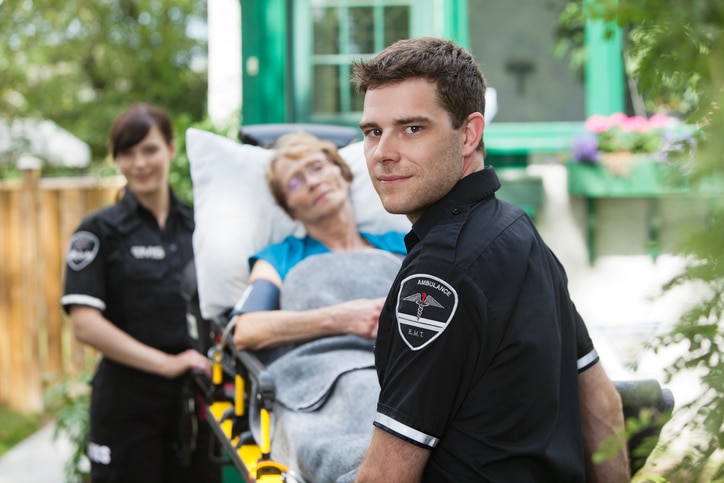
Professionals working in transportation and social services benefit from CPR and First Aid training that emphasizes public safety and emergency readiness. Safety Training Seminars provides targeted courses for CPR & First Aid for Bus Drivers and CPR & First Aid for Social Workers.

Public Safety & First Responders
First responders require advanced CPR and emergency response skills to act quickly in high-risk situations. Safety Training Seminars offers profession-focused training that supports public safety standards and employer mandates. Learn more about CPR & BLS for Firefighters, CPR Certification for Police Officers, CPR for Security Personnel, and CPR & First Aid for Coast Guard Personnel.

Education, Childcare & Youth Programs
Educators and childcare providers are often required by state agencies and employers to maintain valid CPR and First Aid certification. Our courses focus on child, infant, and adult emergency response to ensure a safe learning environment. Training is available for EMSA Childcare Providers, Foster Care Providers, Teachers, Summer Camp Counselors, and Scout Leaders.
Parents, Caregivers & Family Safety
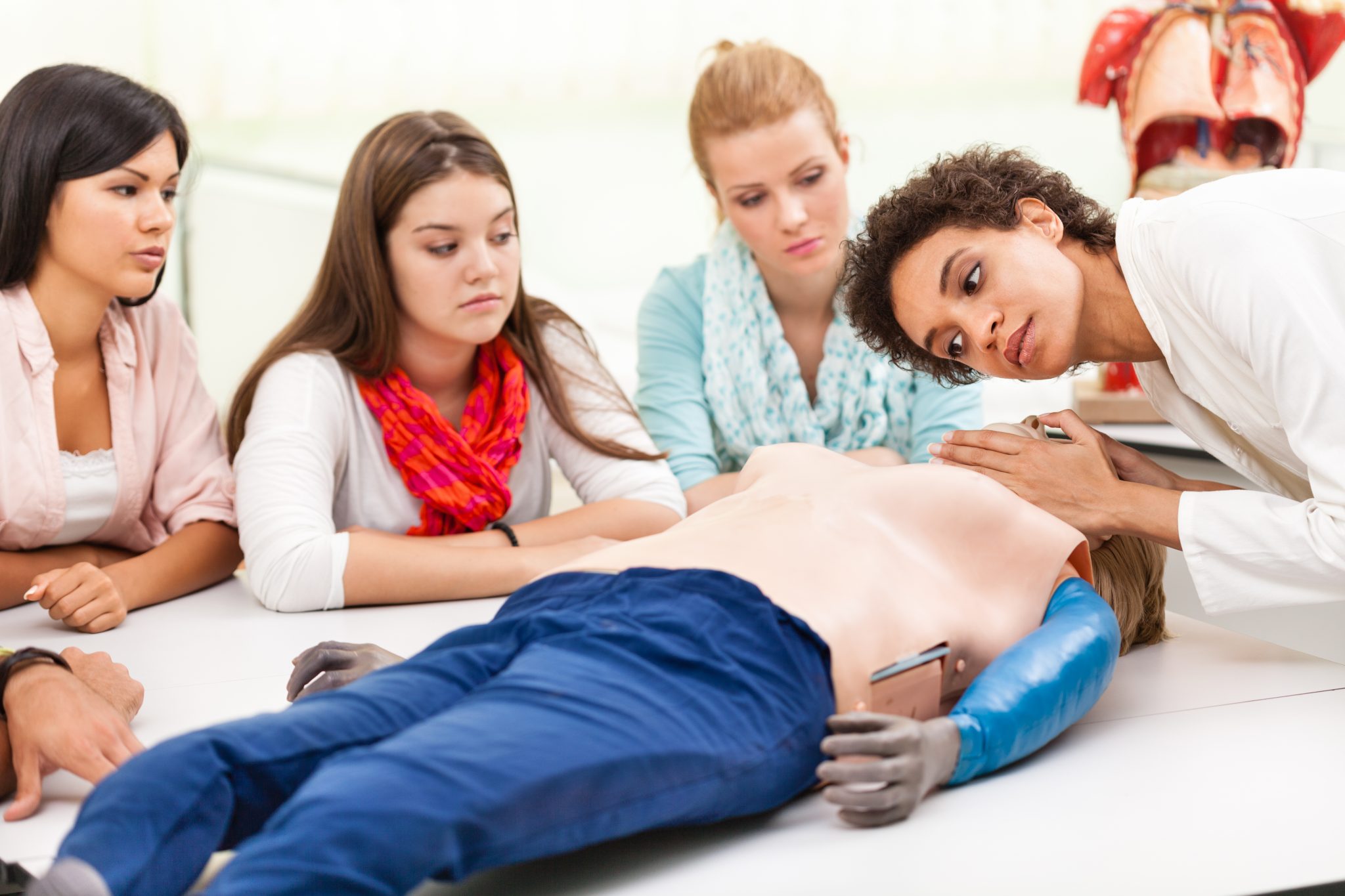
Family members and caregivers can gain essential lifesaving skills through CPR and First Aid training designed for home and childcare settings. Our courses help participants respond calmly and effectively during emergencies involving infants and children. Explore Infant CPR for Parents, Infant CPR for Grandparents, and CPR for Babysitters and Nannies.

Construction, Trades & Office Professionals
Workplace safety training helps employees respond effectively to on-the-job emergencies and supports OSHA and employer compliance. Safety Training Seminars offers First Aid and CPR courses tailored for both office and trade-based roles, including First Aid Training for Office Workers, First Aid for Construction Workers, and CPR Classes for Electricians.

Fitness, Sports & Wellness Professionals
Fitness and wellness professionals are often required to hold CPR and First Aid certification for insurance and liability purposes. Our courses prepare instructors and coaches to respond confidently to medical emergencies during training sessions and events. Learn more about CPR for Fitness Instructors, CPR & First Aid for Sports Coaches, and CPR & First Aid for Acupuncturists.
Why CPR, BLS, ACLS, PALS and First Aid Certification Is Essential for Professionals
Profession-specific CPR, BLS, and First Aid training plays a critical role in protecting lives, meeting workplace requirements, and maintaining professional responsibility. Many of the professions listed on this page work in environments where medical emergencies can occur without warning. Having the proper lifesaving certification ensures professionals can respond quickly, confidently, and effectively until advanced medical care arrives.
From healthcare and public safety roles to education, construction, fitness, and caregiving professions, CPR and First Aid training is often required by employers, licensing boards, insurance providers, and state or federal regulations. Beyond compliance, this training helps create safer workplaces, improves emergency preparedness, and reduces the risk of serious injury or death during critical situations.
Meeting Employer, Licensing, and Regulatory Requirements
Many healthcare workers, educators, first responders, and skilled trades professionals are required to maintain current CPR, BLS, or First Aid certification as a condition of employment. Hospitals, schools, childcare facilities, construction companies, fitness centers, and government agencies often mandate certification to comply with safety regulations and internal risk management policies. Maintaining valid certification helps professionals stay compliant, avoid employment disruptions, and demonstrate ongoing competency in emergency response.
Responding Confidently During Medical Emergencies
Emergencies such as cardiac arrest, choking, breathing difficulties, severe bleeding, and sudden illness can happen at any time. Profession-specific training prepares individuals to recognize early warning signs, perform lifesaving interventions, and act quickly under pressure. BLS training is especially critical for healthcare and emergency personnel who may be first on the scene, while CPR and First Aid training equips non-medical professionals to stabilize a situation until emergency services arrive.
Improving Workplace and Public Safety
Professionals who are trained in CPR and First Aid contribute to safer work environments and public spaces. Whether working in a hospital, school, construction site, gym, transportation setting, or community program, certified individuals help reduce response time during emergencies and improve overall safety outcomes. This training also promotes teamwork, communication, and coordinated response during high-stress situations.
Reducing Liability and Supporting Professional Responsibility
Proper certification helps protect both individuals and organizations by reducing liability risks. Employers and organizations often rely on certified staff to meet insurance requirements and demonstrate a commitment to safety. For professionals, holding current CPR, BLS, or First Aid certification shows responsibility, preparedness, and dedication to the well-being of coworkers, clients, students, patients, and the general public.
Building Confidence and Saving Lives
One of the most important benefits of CPR, BLS, and First Aid training is confidence. Knowing how to respond during an emergency can make the difference between panic and effective action. For many professionals, these skills are not only a job requirement but also a valuable life skill that can be used both at work and in everyday situations. Proper training empowers professionals to step in, take control, and potentially save a life when every second matters.