
Table of Contents
- The Critical Moment: Why Exercise-Related Unresponsiveness Demands Immediate Recognition
- Understanding the Physiology Behind Post-Exercise Collapse
- Signs That Distinguish Serious Emergencies from Common Fatigue
- Your First Response Protocol: The Essential Steps Healthcare Professionals Must Master
- Why Certification in Life-Saving Response Techniques Protects Both Patients and Your Career
- Real-World Scenarios: How Our Training Prepares You for Unexpected Medical Crises
- Building Confidence Through Hands-On Simulation and Practical Skills
- Staying Current: Why Ongoing Certification Matters for Healthcare Excellence
- How Our Blended Learning Approach Fits Your Professional Schedule
- Equipping Your Team: Corporate Training Solutions for Medical Facilities
- Take Action Today: Enroll in Certification That Saves Lives
- Frequently Asked Questions (FAQ)
The Critical Moment: Why Exercise-Related Unresponsiveness Demands Immediate Recognition
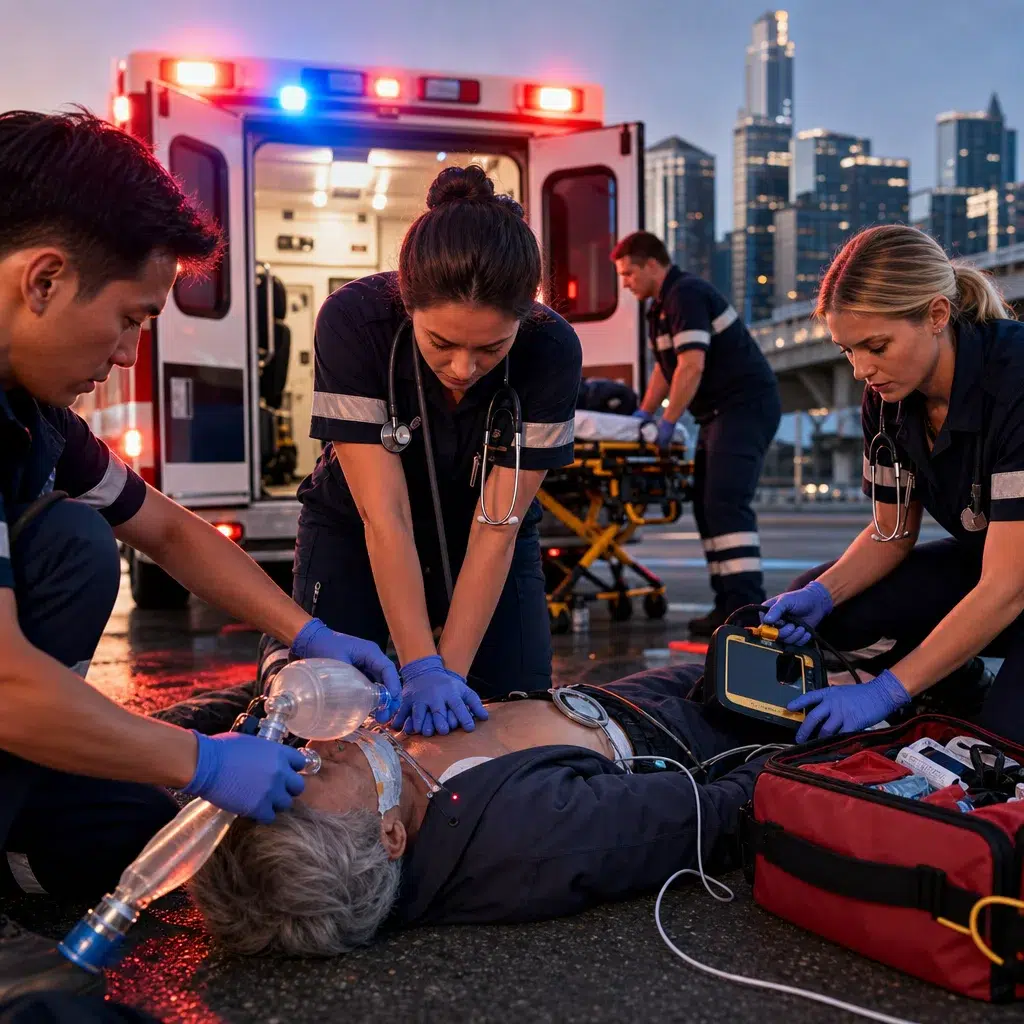
When someone collapses during or immediately after physical exertion, the first few seconds define the outcome. Exercise-induced syncope and post-exercise collapse represent genuine medical emergencies that can progress rapidly from consciousness to cardiac arrest. As a healthcare professional, recognizing this moment separates routine patient care from life-saving intervention.
Sudden unresponsiveness after exercise isn’t always the dramatic event you might expect. Sometimes it manifests as subtle dizziness followed by loss of consciousness. Other times, a patient who appeared fine moments before simply drops. The common thread: your ability to identify what’s happening and act decisively determines whether someone walks away unharmed or experiences permanent injury or death.
We understand the weight of this responsibility. That’s why we’ve dedicated our work to preparing healthcare professionals throughout California with the knowledge and skills to respond with confidence when these critical moments occur.
Understanding the Physiology Behind Post-Exercise Collapse
Exercise-induced syncope occurs when blood flow to the brain drops suddenly, typically caused by one of three mechanisms: vasovagal response, cardiac arrhythmia, or orthostatic hypotension. During intense physical activity, your body shunts blood toward working muscles. When exercise stops abruptly, blood pooling in the legs combined with rapid vasodilation can cause blood pressure to plummet within seconds.
For healthcare providers in Fresno, Sacramento, and throughout California, understanding these pathways matters deeply. A 25-year-old marathon runner collapses at the finish line. A construction worker stops working in heat and suddenly loses consciousness. A patient in your clinic stands after an extended procedure and faints. Each scenario shares the same urgent need for immediate, correct assessment.
Cardiac causes present the most serious concern. Underlying arrhythmias, hypertrophic cardiomyopathy, or structural heart disease can trigger sudden loss of consciousness independent of blood pressure changes. This is why distinguishing between a simple fainting episode and a cardiac emergency shapes your response intensity and urgency.
Heat, dehydration, electrolyte imbalances, and recent illness all amplify collapse risk during and after exertion. A healthcare professional who grasps these contributing factors can identify high-risk situations before they become critical.
Signs That Distinguish Serious Emergencies from Common Fatigue
Not every instance of post-exercise dizziness signals danger. Your assessment must quickly separate benign fatigue from life-threatening emergencies. This distinction directly influences whether you initiate basic life support measures or simply monitor recovery.
Watch for these warning indicators of serious emergencies:
- Unresponsiveness lasting more than a few seconds despite verbal stimulation
- Abnormal or absent breathing patterns
- No detectable pulse or weak/irregular pulse
- Blue discoloration of lips, fingers, or face
- Seizure activity or muscle rigidity
- Persistent chest pain or pressure
- Severe shortness of breath that doesn’t resolve quickly
Common post-exercise fatigue typically presents differently: mild dizziness that resolves when the person sits or lies down, normal breathing and skin color, alert mental status within seconds, and normal pulse rate or gradual normalization. A person experiencing simple overexertion usually responds immediately to verbal commands and maintains protective airway reflexes.
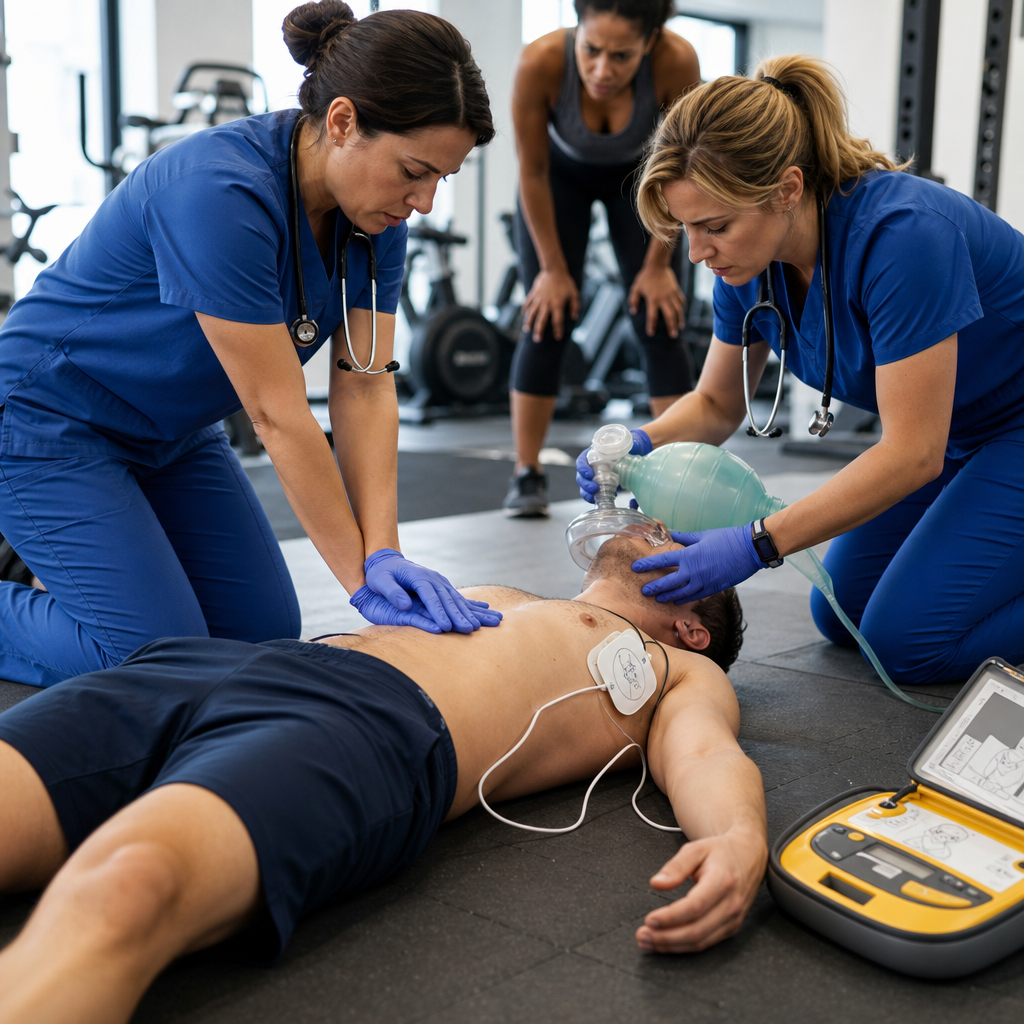
The key distinction: serious emergencies feature unresponsiveness combined with respiratory compromise or circulatory collapse. Fatigue alone does not. Your rapid 10-15 second assessment separates these categories and determines next actions.
Your First Response Protocol: The Essential Steps Healthcare Professionals Must Master
Your response follows a proven sequence that maximizes survival odds. First, ensure the scene is safe for you and others. Check responsiveness by tapping shoulders and speaking loudly. If unresponsive, immediately call emergency services or direct someone nearby to do so.
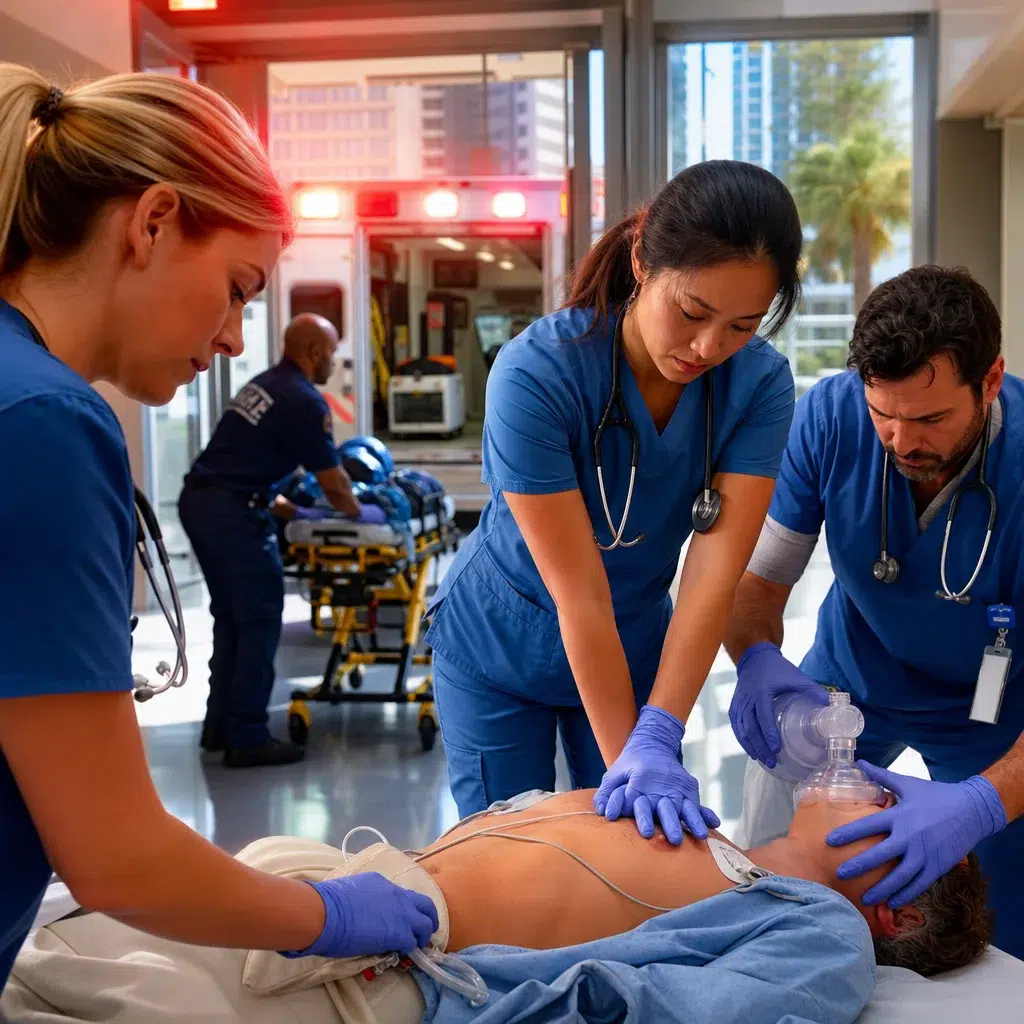
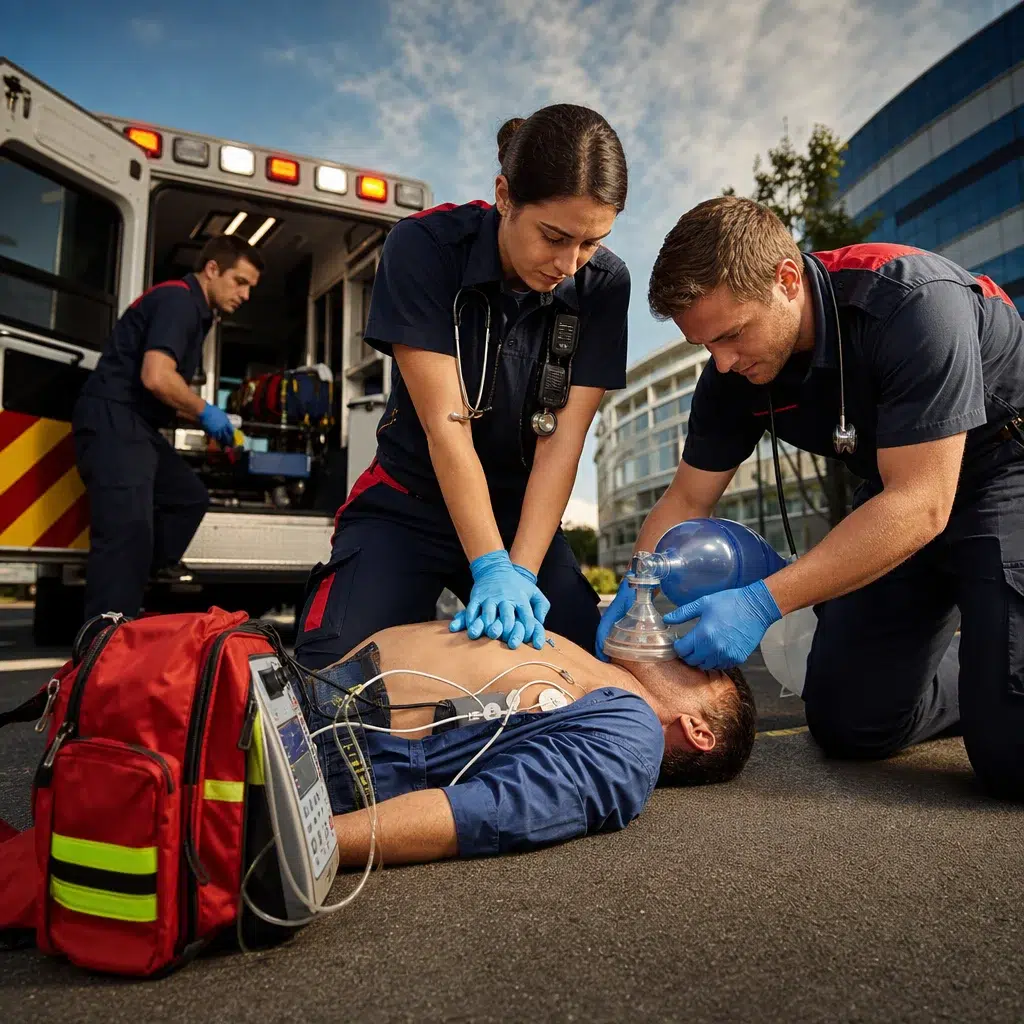
Position the person on their back and open the airway by tilting the head back slightly and lifting the chin. Assess breathing by looking, listening, and feeling for no more than 10 seconds. If breathing is absent or abnormal, begin chest compressions immediately at a rate of 100-120 compressions per minute, allowing the chest to recoil fully between compressions.
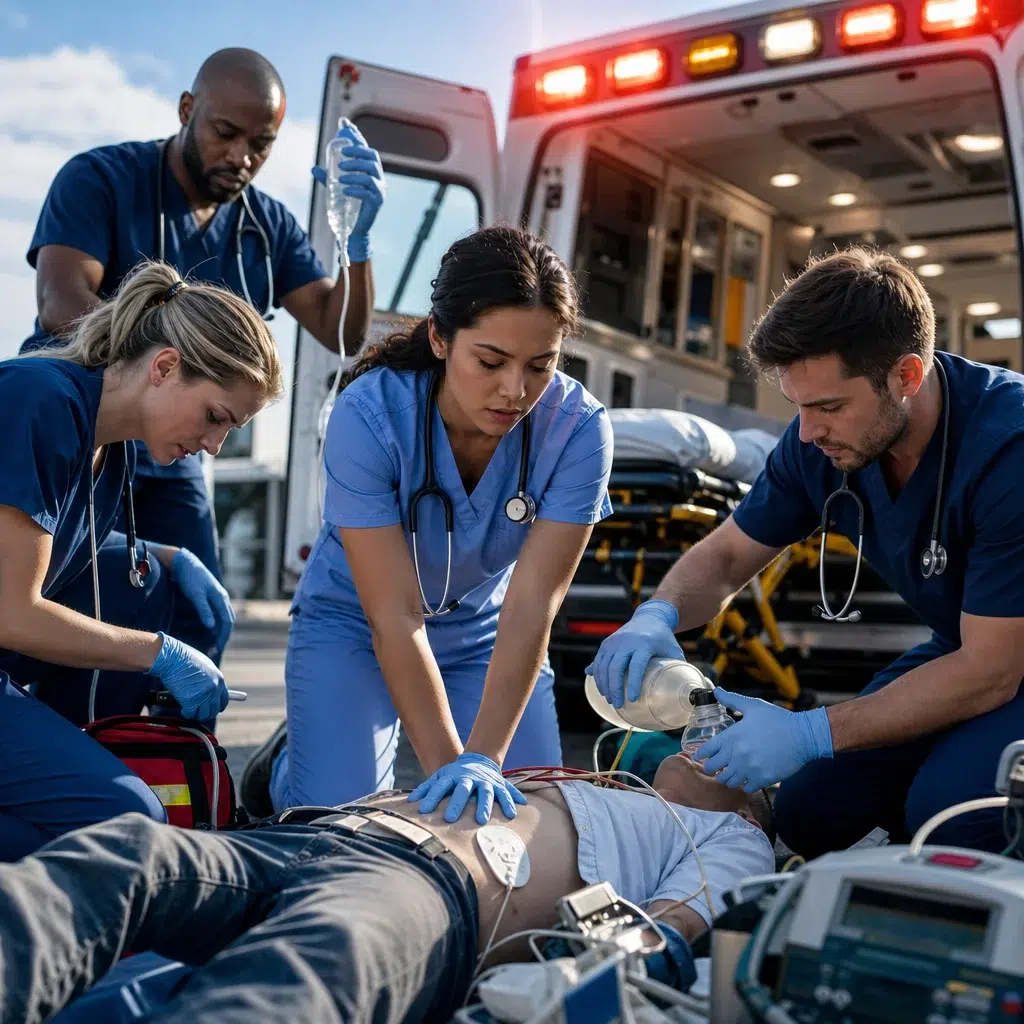
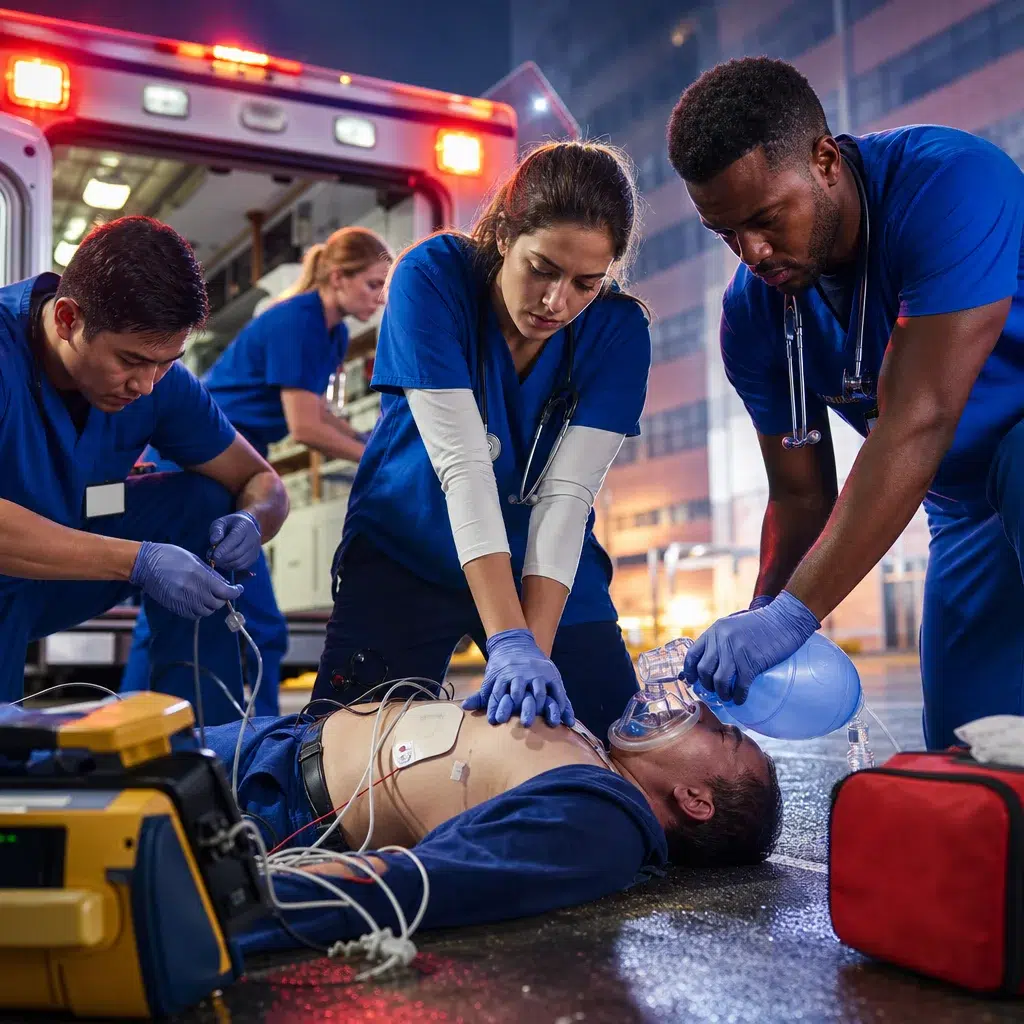
For providers trained in advanced techniques, attach an automated external defibrillator (AED) as soon as available. Modern AEDs provide voice prompts and only advise shocks when warranted, making them invaluable in sudden collapse scenarios. Continue compressions until emergency responders arrive, you’re too exhausted to continue effectively, or the person shows obvious signs of life.
Do not delay starting compressions to check pulse or breathing status. Lay responders and healthcare professionals alike often waste critical minutes attempting perfect assessment when immediate action saves more lives. Research consistently shows that early, aggressive compression preserves brain and heart function during collapse.
Throughout California, from Bakersfield to Redding, from San Francisco to Visalia, our training emphasizes this hands-on protocol until muscle memory makes it second nature. Your instinctive response during crisis moments matters more than your theoretical knowledge.
Why Certification in Life-Saving Response Techniques Protects Both Patients and Your Career
Professional certification documents your competency and shields you legally when you respond to emergencies. Licensure boards, employers, and legal systems all recognize that certified professionals meet established standards for emergency response. This distinction becomes crucial if complications arise following your intervention.
Beyond legal protection, certification reflects your commitment to staying current with evidence-based practices. Medical guidelines change periodically based on new research about what saves lives most effectively. Our curricula integrate the latest evidence, ensuring you’re not relying on techniques learned years ago that may no longer represent best practice.
For nurses, dentists, EMS personnel, and other healthcare professionals, certification is often a job requirement for maintaining active licensure. Employers verify current credentials during hiring and may terminate employment if certification lapses. We make renewal straightforward with classes offered daily at over 100 training locations throughout California, including convenient sites in Concord, Danville, and Pleasanton.
Your certification also demonstrates professional accountability to patients and colleagues. It signals that you’ve invested time in mastering these skills, understand the protocols, and accept responsibility for using them correctly. This credibility enhances your professional reputation and patient trust.
Real-World Scenarios: How Our Training Prepares You for Unexpected Medical Crises
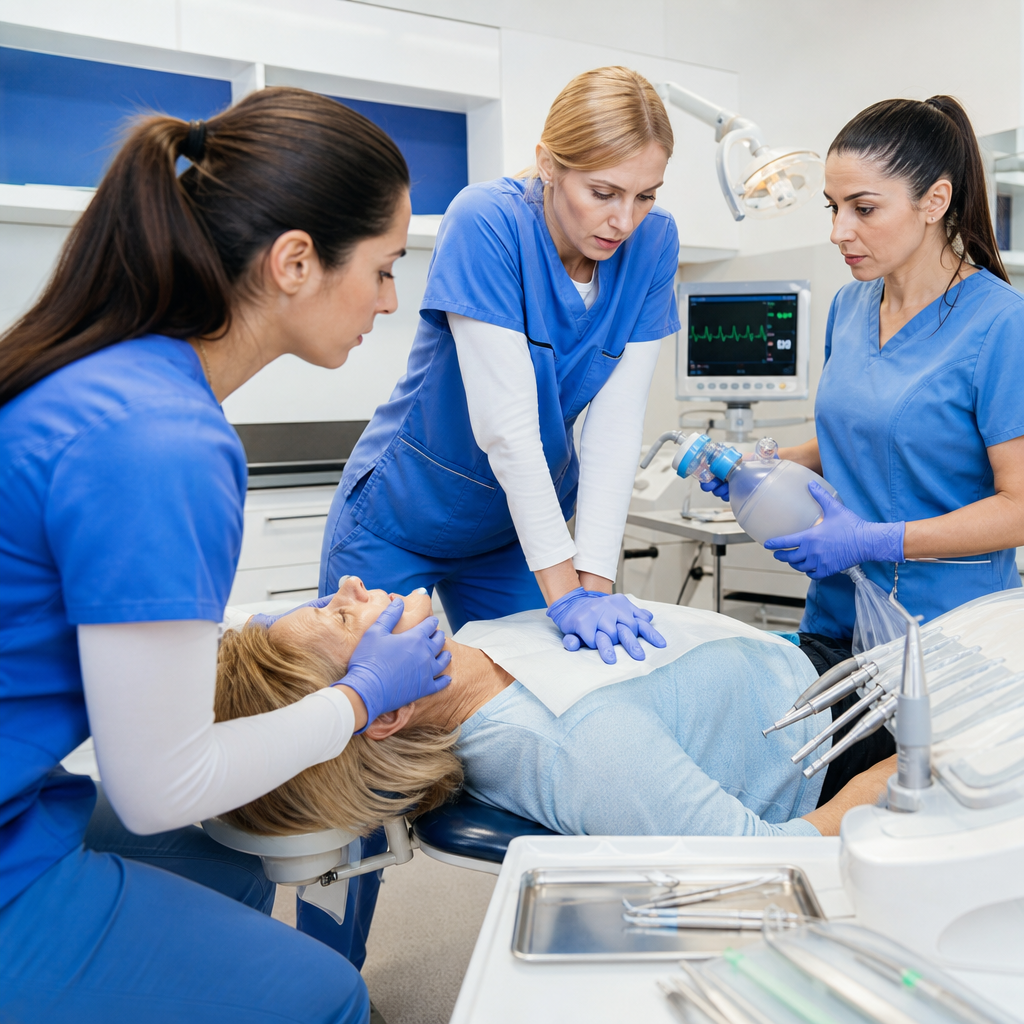
Consider a scenario happening regularly in healthcare settings: A dental patient receiving routine care suddenly becomes unresponsive. Your dentist and team must recognize this immediately, position the patient safely, assess breathing, and initiate response. Without hands-on practice, panic consumes those critical first seconds. With our training, your team responds almost automatically.
Another common situation: A nurse in a clinic observes a patient standing after a procedure who suddenly loses consciousness and collapses. The nurse must immediately assess responsiveness, position the person supine, call for help, and begin rescue breathing and compressions if needed. Knowing these steps intellectually differs vastly from practicing them with equipment until your body responds without conscious thought.
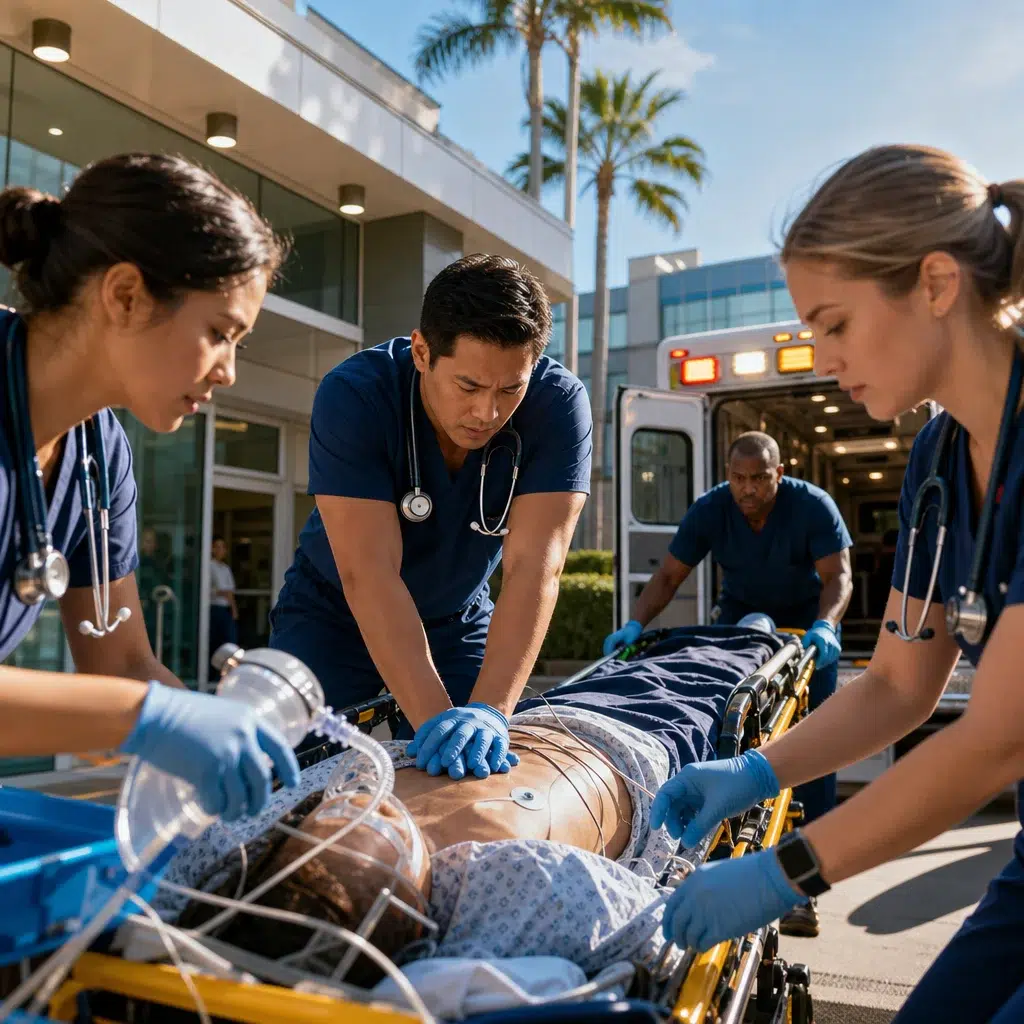
In EMS personnel scenarios, sudden collapse in athletes or workers during transport requires rapid differentiation between syncope and cardiac event. Your training teaches assessment patterns and response algorithms that guide correct treatment decisions under extreme time pressure. In San Jose, Sacramento, and throughout California, our instructors work with EMS teams to ensure protocols match local guidelines and facility requirements.
Our practice scenarios mirror real conditions: dim lighting, unexpected positioning, equipment that behaves differently than expected, and the psychological pressure of knowing someone’s life depends on your next action. This realism transforms abstract knowledge into practical competence.
Building Confidence Through Hands-On Simulation and Practical Skills
Confidence comes from repetition under realistic conditions. Reading about chest compressions teaches the concept; actually performing compressions on a mannequin until your technique becomes fluid builds genuine confidence. When crisis strikes, that muscle memory activates automatically, freeing your conscious mind to manage the broader emergency.
Our blended learning model combines virtual instruction with in-person skills sessions. The online components cover anatomy, physiology, and protocols at your own pace. The hands-on sessions put you in front of equipment, working with real scenarios and experienced instructors who provide immediate feedback and correction. This combination accelerates learning while respecting your schedule as a busy healthcare professional.
During skills sessions, you’ll practice on high-fidelity mannequins that provide realistic feedback. You’ll learn to recognize the feel of correct hand placement, the resistance of proper chest compression depth, and the subtle differences in technique that separate effective intervention from ineffective effort. Instructors watch your form, correct errors, and validate improvements.
Repeated practice builds automaticity. Research on skill performance shows that once a motor task reaches automaticity, stress doesn’t impair execution. You’ll perform compressions correctly even when panicked because your nervous system has ingrained the pattern through practice. This is why our courses emphasize repetition and real-world simulation rather than lecture-based learning alone.
Staying Current: Why Ongoing Certification Matters for Healthcare Excellence
Certification expires for a reason: medical knowledge and best practices evolve. Guidelines published five years ago may have been superseded by research and clinical experience. Your current certification status signals that you understand modern protocols, not outdated approaches. Employers verify this regularly, and some healthcare systems require annual or biennial recertification.
Beyond regulatory requirements, staying current protects your patients. New evidence might reveal that a technique you’ve performed for years provides less benefit than an alternative approach. Updated compression depths, rescue breathing ratios, or defibrillation protocols ensure you’re delivering evidence-based care. In Modesto, Stockton, and across the Central Valley, healthcare professionals maintain active certifications because patient outcomes depend on current knowledge.
Recertification also provides refresher practice. Even highly skilled providers benefit from periodic hands-on review, especially if they haven’t responded to a real emergency recently. The muscle memory fades without reinforcement, and confidence erodes. Recertification reestablishes both.
Additionally, recertification keeps you connected with instructor guidance on gray-zone scenarios. Advanced providers often encounter situations where textbook protocols don’t perfectly match reality. Discussion with experienced instructors helps you navigate these nuances and integrate new insights into your personal practice.
How Our Blended Learning Approach Fits Your Professional Schedule
We recognize that healthcare professionals manage demanding schedules. You can’t simply block off a week for intensive training. Our blended model separates content into manageable components. Complete online coursework on your timeline, then attend a shorter in-person session for skills validation and hands-on practice.
Online modules remain accessible 24/7, allowing you to learn between patient appointments, during commutes, or late at night when convenient. You progress at your own pace without waiting for class schedules. This flexibility proves essential for nurses working rotating shifts, dentists managing packed schedules, and EMS personnel coordinating around duty rotations.
In-person sessions occur at over 100 locations throughout California, including sites in Berkeley, Los Gatos, and Livermore. Many classes begin early morning or evening, accommodating providers before or after shifts. Weekend options provide additional flexibility. Short session duration, typically 2-4 hours for skills validation, fits easily into your week.
Our scheduling team works with healthcare facilities requesting on-site group training, arranging sessions at times convenient for your team. Corporate group pricing discounts the per-person cost significantly, making certification more affordable when trained together. Whether you’re updating individual certification or training an entire dental practice in Walnut Creek, we accommodate your scheduling needs.
Equipping Your Team: Corporate Training Solutions for Medical Facilities
Healthcare organizations increasingly recognize that team-wide certification strengthens emergency response capabilities and meets compliance requirements. When every team member understands emergency protocols and practices responding together, real emergencies proceed more smoothly. Communication flows. Roles align. Outcomes improve.
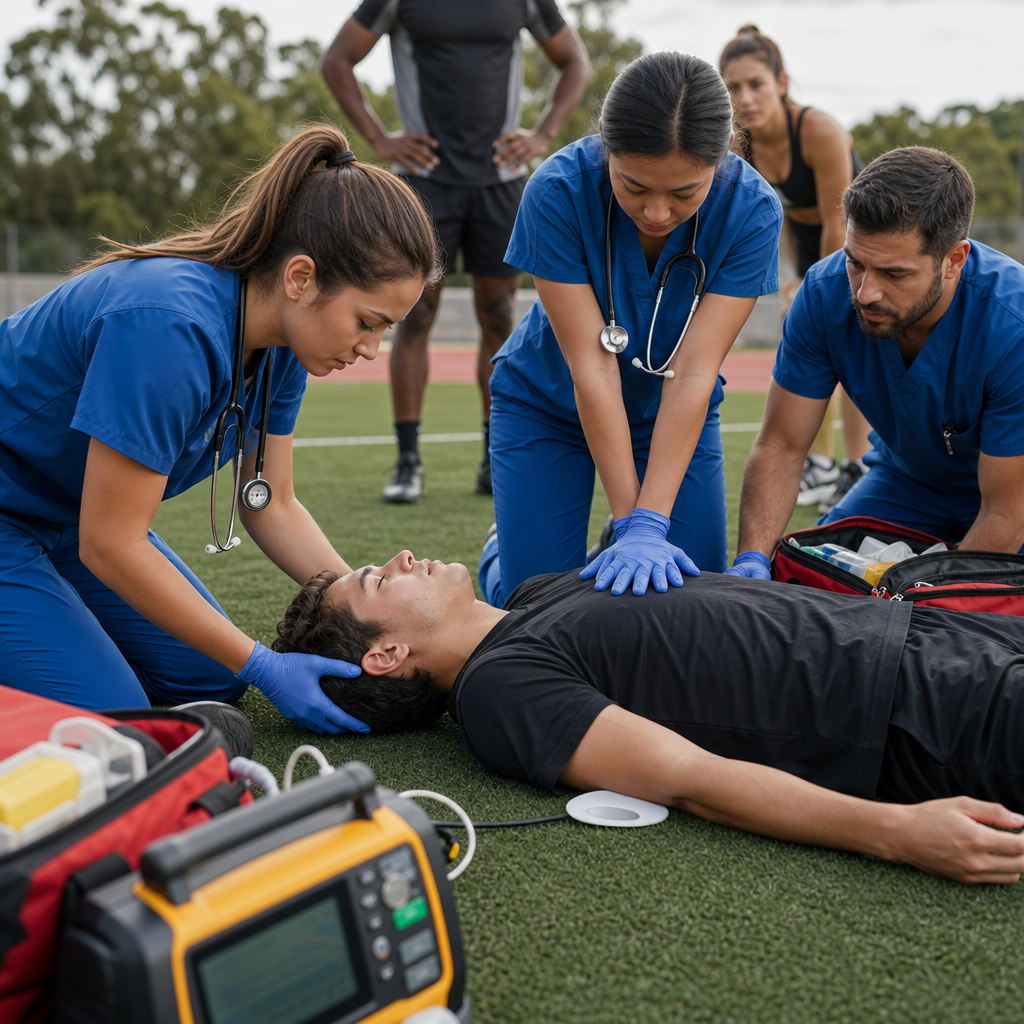
We design corporate training programs for medical facilities of all sizes. Whether your dental practice in Morgan Hill needs certification for four team members or your hospital system in the Bay Area requires training for hundreds, we scale solutions to fit your organization. Group pricing reflects volume, making comprehensive team training more cost-effective than individual enrollment.
Customized programs can address your specific setting and patient population. Emergency protocols for pediatric dentistry differ from orthopedic surgery settings. EMS protocols differ from clinic environments. Our instructors work with your leadership to develop training that applies directly to your operations, emergency equipment, and protocols.
On-site training eliminates travel time for your team and allows flexibility in scheduling around patient care. We bring instructors and equipment to you, conducting training in your facility during designated windows. This approach maximizes participation while minimizing disruption to normal operations.
Facility directors benefit from streamlined documentation and completion tracking. We provide attendance records and certification verification that satisfy regulatory and accreditation requirements. This administrative support ensures your facility maintains compliant, current credentials across your team.
Take Action Today: Enroll in Certification That Saves Lives
Your next step is straightforward: visit our website at https://safetytrainingseminars.com to review available class schedules in your area. Whether you’re in Alameda, San Rafael, or anywhere throughout California’s 100+ training locations, you’ll find convenient options matching your schedule and certification needs.
Begin with our CPR and First Aid Certification to establish foundational skills, then advance to specialized certifications if your role requires ACLS or PALS credentials. Our instructors guide you through available pathways based on your profession and job requirements.
We guarantee low pricing on all classes. You won’t find better value for certification combining hands-on skills practice with instructor expertise. Our blended learning model respects your time. Our extensive California network respects your location. Our flexible scheduling respects your professional demands.
The healthcare professionals you’ll work alongside today depend on your readiness for emergencies tomorrow. Exercise-induced collapse, sudden unresponsiveness, cardiac events: these occur without warning. Your certification ensures you’ll respond with confidence, knowledge, and skill. Enroll today and join thousands of healthcare professionals across California who trust us with their certification needs.
Register for a class today.
Frequently Asked Questions (FAQ)
What certifications do we recommend for healthcare professionals who need to respond to exercise-related emergencies?
We offer specialized BLS, ACLS, and PALS certifications that directly prepare you to manage sudden unresponsiveness and post-exercise collapse scenarios. Our courses focus on the cardiac and neurological responses specific to exercise-induced emergencies, giving you the clinical knowledge and hands-on skills to act decisively. We recommend BLS as your foundation, with ACLS certification if you work in acute care settings where advanced interventions may be necessary.
How does our blended learning format work with my schedule as a busy healthcare professional?
We combine virtual coursework with in-person skills sessions so you can learn theoretical content on your own time and practice critical techniques with our instructors when it works for you. This approach lets you complete the classroom portion whenever fits your schedule, then attend a focused hands-on session at one of our 100+ California locations. We have daily BLS classes and flexible scheduling across all our facilities to accommodate nursing, dental, and EMS professionals.
Can we provide training for my entire medical facility or team?
We absolutely offer corporate group training with specialized discount pricing for healthcare facilities, clinics, and emergency response teams. Our instructors can conduct on-site sessions or coordinate group classes at our nearest location to your facility. We’ll work with you to customize our curriculum around your team’s specific needs, whether that’s managing exercise-related emergencies in sports medicine settings or general emergency preparedness.