

CPR vs. BLS: Which Certification Is Right for You?
When it comes to life-saving skills, having the right certification can make all the difference in an emergency. Two of the most common certifications are CPR (Cardiopulmonary Resuscitation) and BLS (Basic Life Support). While these terms are often used interchangeably, they have distinct differences, audiences, and requirements. So, how do you know which certification is right for you?

Why You Should Not Take A Fraudulent American Heart Association BLS Course
In the healthcare industry, Basic Life Support (BLS) and CPR training is not just a requirement — it’s a responsibility. Professionals rely on these certifications to meet job requirements and, more importantly, to save lives. However, the rise of fraudulent CPR training courses has created a growing concern.

Warning Signs of a Fraudulent American Heart Association BLS Course
Not all CPR classes are created equal. If you’re planning to take an American Heart Association (AHA) Basic Life Support (BLS) course, be cautious—some companies falsely advertise AHA credentials while cutting corners or ignoring compliance.

5 Reasons Everyone Should Get CPR and First Aid Training
In an emergency, every second counts. The ability to respond effectively in a crisis can mean the difference between life and death. Yet, despite the proven benefits, many people have never taken a first aid and CPR course. Whether you’re a parent, a teacher, a healthcare provider, or simply a concerned citizen, CPR and first aid training are skills that everyone should have.
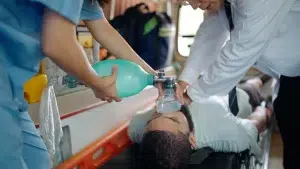
CPR Recertification: When, Why, and How to Renew Your Certification
In today’s fast-paced world, maintaining lifesaving skills like CPR (Cardiopulmonary Resuscitation) is not only valuable—it’s essential. Whether you’re a healthcare provider, teacher, coach, or simply a concerned citizen, CPR recertification ensures you’re always prepared to respond effectively in an emergency.

Online CPR Classes: Are They Legitimate and Accepted by Employers?
In today’s digital age, education and certification courses have significantly shifted online. From university degrees to technical training, countless programs are now accessible from the comfort of one’s home. Among these, online CPR classes have gained notable traction. But are these classes truly legitimate? More importantly, are they recognized and accepted by employers?
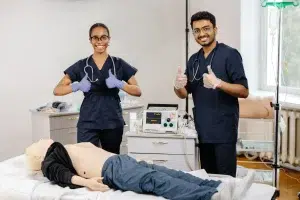
Where to Get CPR Certified: Finding the Best Training Locations Near You
Cardiopulmonary resuscitation, commonly known as CPR, is a life-saving technique that is crucial in emergencies such as sudden cardiac arrest, near-drowning, or other instances where someone’s breathing or heartbeat has stopped. Whether you’re a healthcare provider, a teacher, a parent, or simply a concerned citizen, learning CPR equips you with the confidence and skills to potentially save lives.

CPR BLS Recertification: Steps to Maintain Your Life-Saving Skills
Cardiac emergencies can strike without warning, and in those crucial moments, the difference between life and death often hinges on the presence of someone trained in Basic Life Support (BLS). Whether you are a healthcare professional or a concerned citizen, having valid CPR BLS certification ensures you can respond effectively in a life-threatening situation. However, CPR skills are perishable, and so is your certification. That’s why CPR BLS recertification is not just a regulatory requirement—it’s a commitment to maintaining the confidence and competence needed to save lives.

American Heart Association CPR Certification: How It Compares to Other Programs
In a critical moment, the knowledge of cardiopulmonary resuscitation (CPR) can mean the difference between life and death. That’s why proper training and certification in CPR is essential—not just for healthcare professionals, but for teachers, fitness trainers, childcare providers, and even responsible community members. Among the numerous CPR certification options available, the American Heart Association CPR certification is widely considered the gold standard. But how does it compare to other programs? Which one should you choose based on your needs?