Table of Contents
- Why Nosebleeds Require Proper First Aid Response
- Understanding Severe Nosebleeds vs Minor Bleeding
- Step-by-Step First Aid Techniques for Severe Nosebleeds
- When to Call Emergency Services for Nosebleed Complications
- Common Mistakes That Make Nosebleeds Worse
- Prevention Strategies for Recurrent Severe Nosebleeds
- Why Healthcare Professionals Need Comprehensive Emergency Training
- Our Certified First Aid and Emergency Response Programs
- Getting Your First Aid Certification Today
- Frequently Asked Questions (FAQ)
Why Nosebleeds Require Proper First Aid Response
A severe nosebleed can feel alarming, especially when blood flows freely and doesn’t stop within a few minutes. While most nosebleeds resolve without intervention, knowing how to respond correctly can prevent complications, reduce anxiety, and potentially save someone from unnecessary panic or harm.
Nosebleeds occur when blood vessels inside the nasal passage rupture. The nose contains many delicate capillaries close to the surface, making it vulnerable to injury from trauma, dry air, infection, or underlying medical conditions. When bleeding becomes severe, prompt action helps control blood loss and maintains the person’s confidence in your care.
Proper first aid response prevents improper techniques that can worsen bleeding or cause secondary injury. Healthcare professionals, caregivers, and workplace responders benefit from understanding the distinction between routine and emergency-level nosebleeds. This knowledge allows you to act decisively whether you’re caring for a family member, a patient in a clinical setting, or an employee in your workplace across California locations like Sacramento, San Jose, or Fresno.
Understanding Severe Nosebleeds vs Minor Bleeding
Not all nosebleeds require the same response. Minor epistaxis (the medical term for nosebleed) typically stops within 5 to 10 minutes of gentle pressure. Severe nosebleeds display different characteristics that signal the need for escalated response.
Minor nosebleeds generally involve:
- Slow, steady bleeding that tapers quickly
- Blood flow from one nostril only
- No difficulty breathing
- Clear mental awareness with minimal distress
- Bleeding that stops after 10 minutes of pressure
Severe nosebleeds present as:
- Heavy, continuous blood flow despite pressure
- Bleeding from both nostrils or back of throat
- Signs of lightheadedness, dizziness, or weakness
- Rapid pulse or pale skin (indicating possible blood loss)
- Bleeding lasting longer than 20 minutes
- Blood soaking through multiple tissues or cloths
- History of significant head trauma preceding the bleed
The location of the bleed matters too. Anterior nosebleeds originate in the front part of the nasal cavity and respond well to basic first aid. Posterior nosebleeds occur deeper in the nasal passage and often require medical intervention. If a person reports swallowing large amounts of blood or experiences difficulty breathing, treat it as a medical emergency requiring immediate professional care.
Step-by-Step First Aid Techniques for Severe Nosebleeds
Your immediate response to a severe nosebleed focuses on controlling bleeding while maintaining airway clearance and patient comfort. Follow these evidence-based techniques:
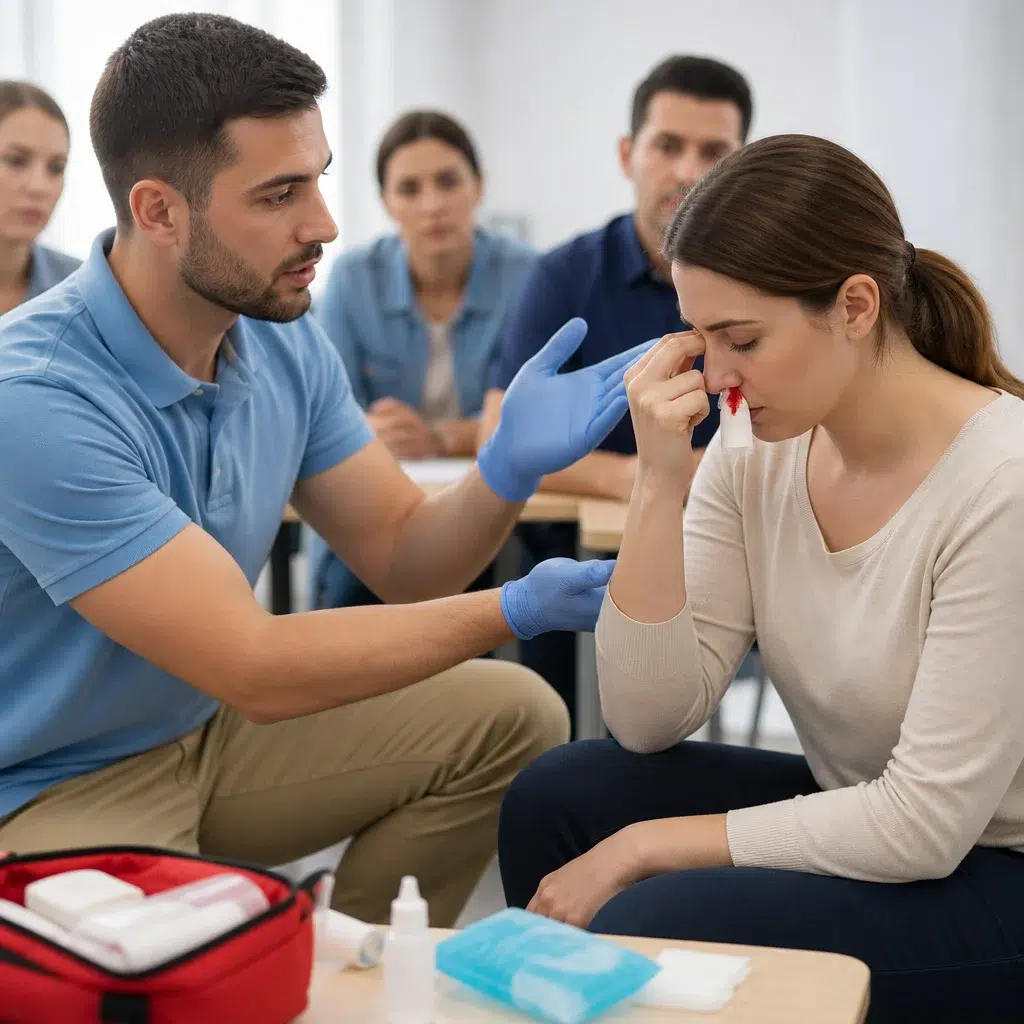
Position and prepare the person. Have them sit upright, leaning slightly forward. This prevents blood from flowing down the throat, which triggers gagging and complicates assessment. Tilt the head forward about 45 degrees. Avoid head tilting backward, which allows blood to accumulate in the throat and makes swallowing difficult.
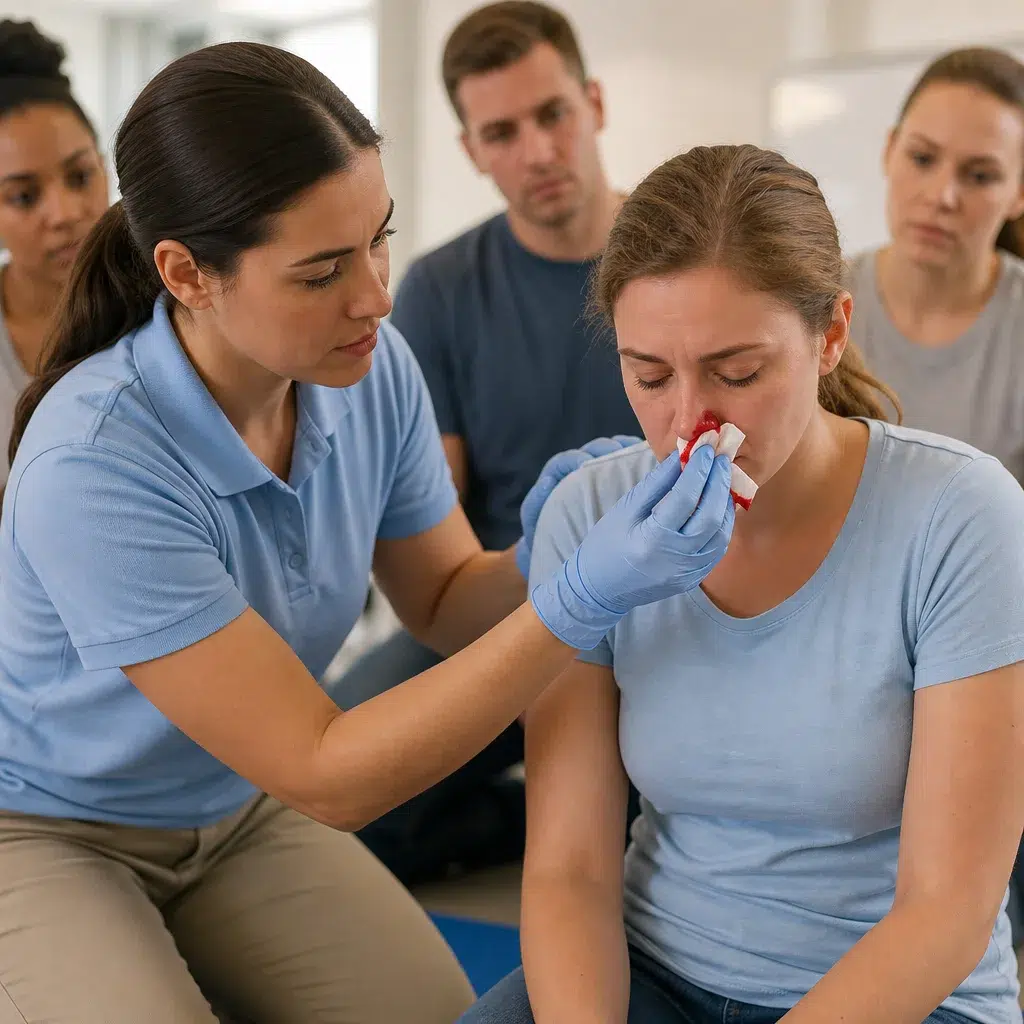
Apply direct pressure. Using a clean cloth or gauze, pinch the soft part of the nose (the fleshy area below the bridge) firmly between thumb and fingers. Maintain consistent pressure for a full 10 to 15 minutes without releasing to check if bleeding has stopped. Release pressure too early, and the clot may dislodge, restarting the bleed.
Cool the area. While maintaining pressure, apply ice wrapped in cloth to the bridge of the nose and forehead. Cold constricts blood vessels and slows bleeding. Apply for 5 to 10 minutes while holding pressure.
Encourage calm breathing. Instruct the person to breathe through their mouth slowly and deeply. This reduces panic, stabilizes blood pressure, and prevents inhalation of blood or clots.
Use topical interventions if available. Healthcare settings in locations like Oakland, Palo Alto, and San Mateo may have access to nasal packing materials, topical hemostatic agents, or epinephrine-soaked gauze. These require professional application and decision-making.
Monitor for drainage and swallowing. After pressure releases, observe whether bleeding resumes. Watch for signs the person is swallowing blood, which indicates posterior bleeding or continued flow.
If bleeding continues after 20 minutes of proper pressure, the situation has escalated beyond first aid response and requires emergency medical evaluation.
When to Call Emergency Services for Nosebleed Complications
Severe nosebleeds sometimes indicate underlying conditions requiring immediate medical assessment. Activate emergency services if you observe these warning signs:
- Bleeding uncontrolled after 20 minutes of direct pressure
- Signs of shock: rapid weak pulse, pale or bluish skin, confusion, or loss of consciousness
- Difficulty breathing or suspected airway compromise
- Suspected head or facial trauma causing the bleed
- Bleeding from both nostrils accompanied by neurological symptoms
- History of bleeding disorders or blood thinning medications (warfarin, apixaban, or similar)
- Repeated severe nosebleeds over short timeframes
- Significant bleeding following nasal surgery or procedures
- Person unable to sit upright or maintain airway control
Healthcare professionals at our training centers in Redding, Visalia, Bakersfield, and across the state recognize that nosebleeds sometimes accompany hypertensive episodes, anticoagulant side effects, or underlying coagulopathy. When in doubt, calling emergency services ensures the person receives appropriate medical evaluation rather than delaying necessary care.
Common Mistakes That Make Nosebleeds Worse
Several instinctive responses actually increase bleeding severity or complication risk. Awareness of these mistakes helps you avoid them:
Tilting the head backward. This allows blood to flow into the throat where it triggers gagging, swallowing, and potentially aspiration. Forward tilt prevents this.
Releasing pressure too early. The urge to check if bleeding has stopped often interrupts clot formation. Maintain full pressure for the entire recommended timeframe.
Using excessive force or jabbing motions. Aggressive packing or pressure with hard objects may traumatize tissue further. Use steady, firm pressure with soft cloth.
Blowing out clots or mucus. This disrupts forming clots and restarts bleeding. Instruct the person to avoid sniffing, nose blowing, or aggressive facial movements during and immediately after the bleed.
Lying flat. This allows blood accumulation and increases intracranial pressure, potentially worsening bleeding.
Applying heat. Unlike cold, heat dilates blood vessels and increases flow. Never apply warm compresses during active bleeding.
Panic escalation. Your calm, confident demeanor reduces the person’s anxiety and blood pressure, both of which affect bleeding severity. Communicate clearly and reassure them about your response plan.
Ignoring medication history. Never assume a nosebleed is routine if the person takes anticoagulants, antiplatelets, or has a bleeding disorder. These require different management protocols and may necessitate medical evaluation even for apparently minor bleeds.
Prevention Strategies for Recurrent Severe Nosebleeds
People who experience frequent severe nosebleeds benefit from preventive measures that reduce recurrence and severity. These strategies address common underlying causes:
Maintain nasal humidity. Dry nasal passages crack easily, triggering bleeds. Use a humidifier, especially during winter months. Saline nasal spray helps maintain moisture throughout the day. This is particularly relevant for healthcare workers in dry California climates, especially locations like Sacramento, Fresno, and Bakersfield.
Avoid nasal trauma. Instruct patients and family members not to pick at the nose or insert objects into nasal passages. Aggressive nose blowing during illness can trigger bleeds.
Control underlying hypertension. High blood pressure increases vessel rupture risk. Encourage regular blood pressure monitoring and medication compliance.
Review medications with healthcare providers. Anticoagulants, antiplatelets, and certain decongestants increase bleeding risk. Never adjust medications independently, but discuss nosebleed patterns with prescribing physicians.
Manage allergies and upper respiratory infections. Inflammation increases bleeding risk. Treat infections and allergies promptly with appropriate medications.
Protect from environmental irritants. Smoke, chemical exposure, and pollutants irritate nasal passages. Use protective equipment in occupational settings and avoid secondhand smoke.
Ensure adequate hydration and nutrition. Dehydration concentrates blood and may increase clotting difficulty. Iron deficiency can impair clotting as well. Balanced nutrition supports vessel integrity.
People with recurrent posterior nosebleeds or those unresponsive to conservative measures may benefit from cauterization or other procedures performed by ear, nose, and throat specialists.
Why Healthcare Professionals Need Comprehensive Emergency Training
As a nurse, dentist, EMS personnel, or other healthcare professional in California, your professional licensure likely requires current certification in emergency response protocols. Understanding severe nosebleed management represents just one scenario within the broader emergency care landscape you must master.
Comprehensive emergency training develops your ability to assess, prioritize, and respond to multiple concurrent emergencies. The skills you develop transfer across dozens of clinical scenarios. When you recognize the pattern of a severe bleed, understand systemic complications, and execute proper techniques, you’re applying foundational principles applicable to hemorrhage control generally.
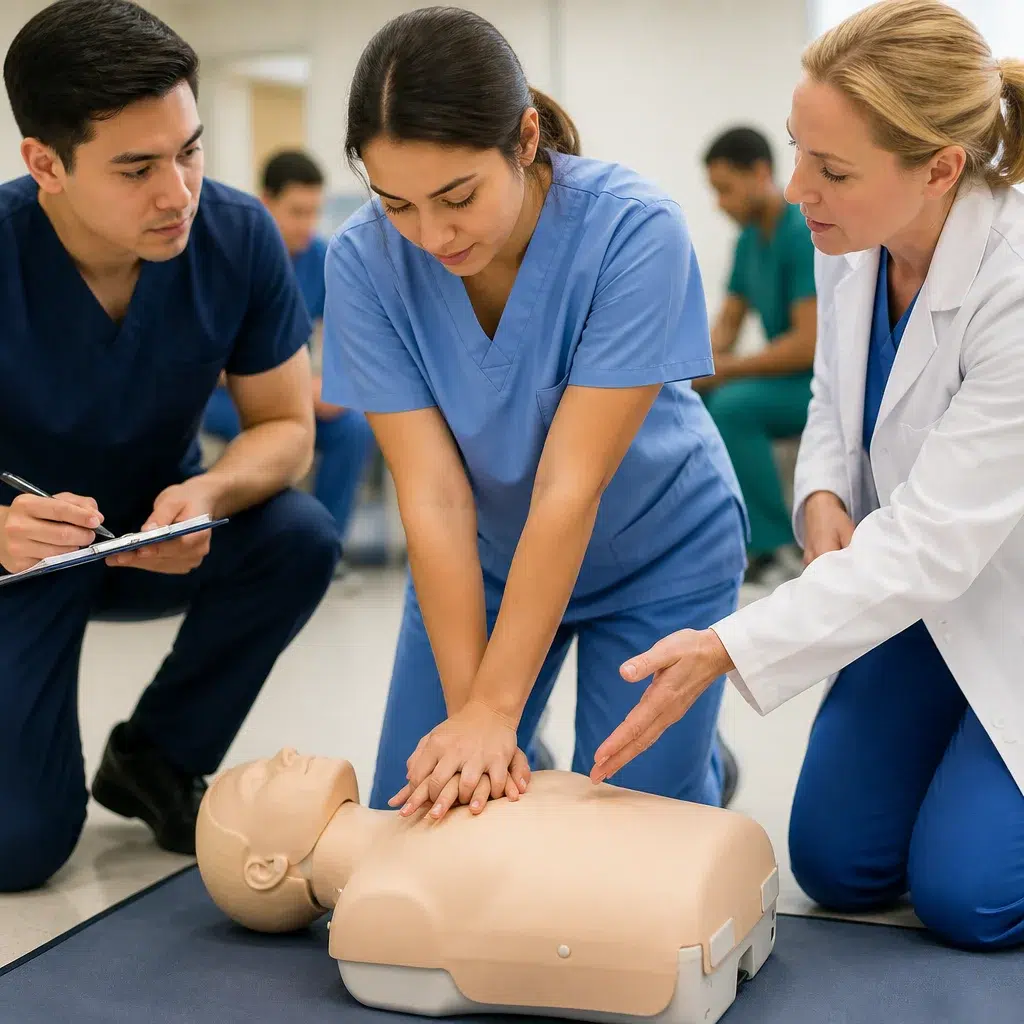
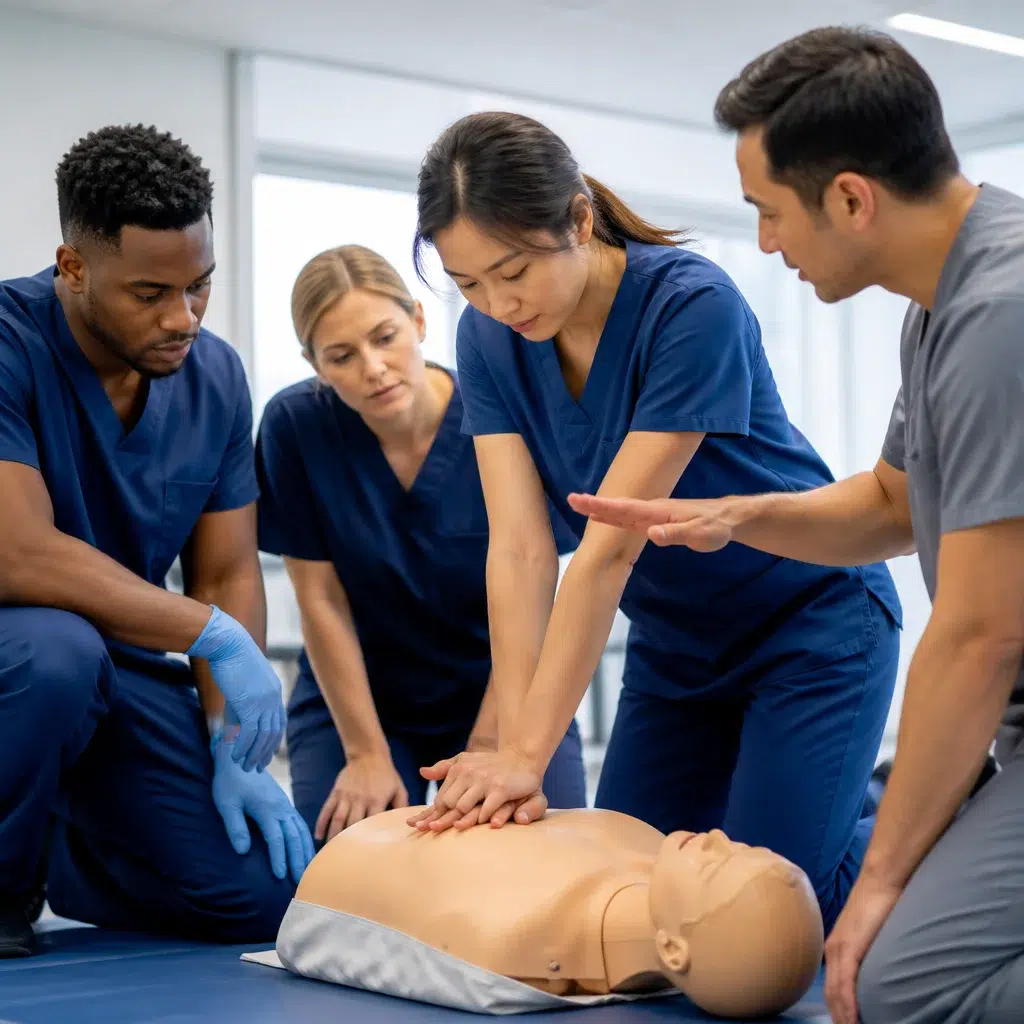
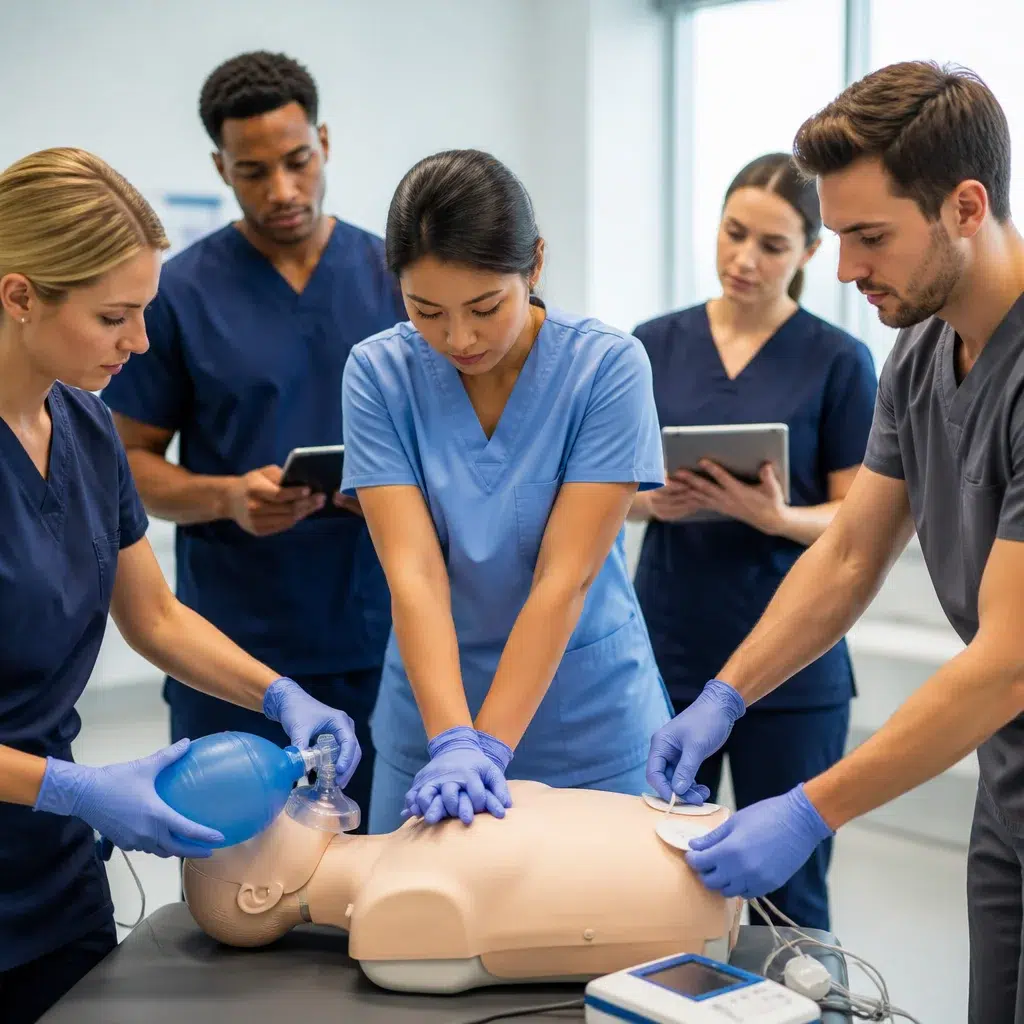
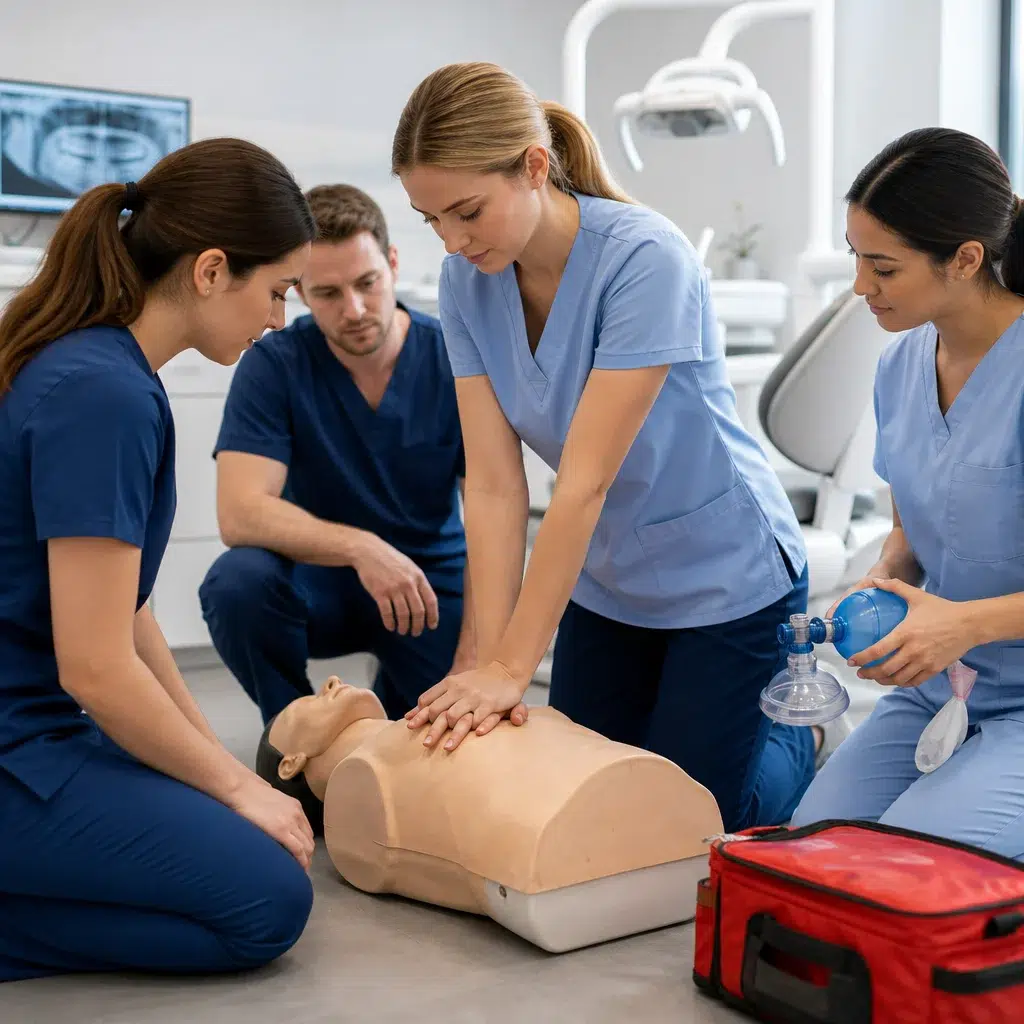
Our medical certification training programs emphasize hands-on practice with realistic scenarios. Rather than memorizing facts, you develop muscle memory and decision-making confidence through repeated application. This matters whether you work in San Francisco, San Jose, or Alameda.
Professional training also ensures compliance with workplace safety standards and regulatory requirements. Many healthcare employers mandate specific certifications before patient care responsibilities begin. By pursuing formal training, you demonstrate competency and commitment to evidence-based care.
Our Certified First Aid and Emergency Response Programs
We provide certified life-saving instruction across over 100 California training locations, including facilities in Berkeley, Concord, Walnut Creek, Pleasanton, and Davis in the Bay Area, plus Stockton, Modesto, and Merced in the Central Valley. Our blended learning approach combines virtual instruction with hands-on skills practice, accommodating your schedule while ensuring you develop genuine competency.
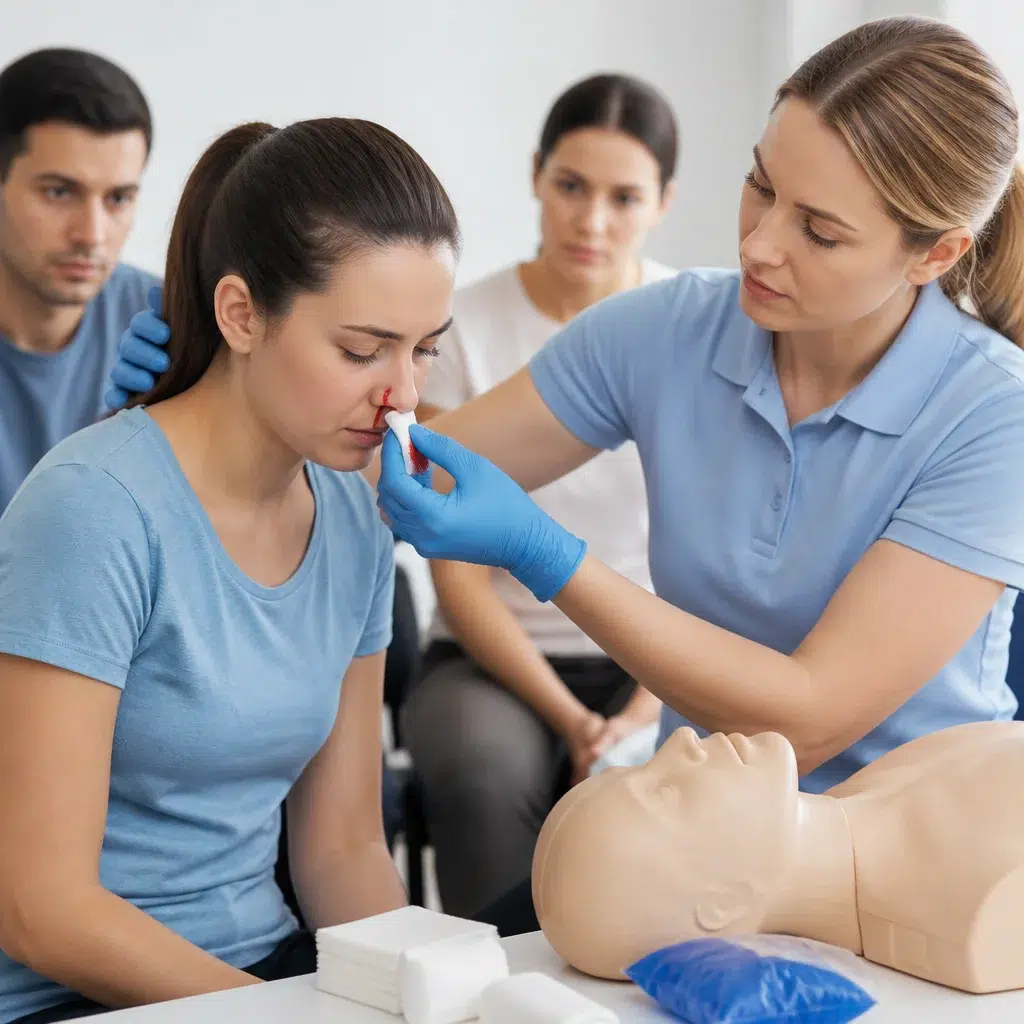
Our courses cover first aid response for severe bleeding, including nosebleeds, lacerations, and wound management. You’ll practice proper pressure techniques, recognize shock symptoms, and understand when to escalate care to emergency services. Instructors with extensive healthcare experience guide you through realistic scenarios matching situations you’ll encounter in your professional practice.
We guarantee low pricing on all certifications without sacrificing quality instruction. Daily course offerings across the state mean you can find convenient scheduling near your workplace or home. Whether you’re an individual professional renewing certification or a corporate group requiring training, we offer flexible options with group discounts for teams.
Our verification stations allow you to confirm your certification status at any time, and your credentials maintain value across California’s diverse healthcare settings.
Getting Your First Aid Certification Today
Your next step is straightforward: visit our website to explore current course schedules in your area. Whether you’re based in Livermore, Los Gatos, Palo Alto, or Santa Rosa, we have training locations matching your location. Filter by date and course type to find sessions that fit your calendar.
Register for a course that meets your professional requirements. Our team can answer questions about which certifications your employer requires, how blended learning works, and whether group training discounts apply to your organization. Many professionals complete certification in a single day, while others prefer spreading learning across multiple sessions.
Bring your current identification and any documentation your employer requires. Our instructors will guide you through practical skills stations where you’ll demonstrate competency before earning your certificate.
By investing in proper first aid training today, you’re prepared for the severe nosebleeds and countless other emergencies you may encounter throughout your career. When someone experiences a medical crisis, your trained response makes the difference.
Register for a class today.
Frequently Asked Questions (FAQ)
What’s the difference between a nosebleed we can manage with first aid and one requiring emergency services?
We recommend calling 911 if bleeding continues beyond 20 minutes despite applying direct pressure, if the person has facial trauma, or if they’re experiencing difficulty breathing or swallowing blood. Minor nosebleeds typically stop within 5-10 minutes with proper technique, but severe epistaxis accompanied by dizziness, chest pain, or signs of shock demands immediate professional intervention. Our training teaches you to recognize these critical warning signs so you can respond appropriately.
Why do healthcare professionals need formal first aid training beyond basic knowledge?
We’ve found that proper certification ensures you’re applying current evidence-based protocols rather than outdated techniques that can actually worsen bleeding or delay recovery. Our courses teach you to assess severity quickly, manage complications, and document incidents correctly for patient records. Medical professionals specifically benefit from our specialized training because you encounter epistaxis in clinical settings where protocol compliance directly impacts patient outcomes and your professional liability.
How does our blended learning approach help you master emergency response skills?
We combine virtual instruction with hands-on in-person sessions so you learn theory online at your own pace, then practice critical techniques with our instructors at one of our 100+ California locations. This format lets working healthcare professionals study flexibly while ensuring you develop muscle memory and confidence before certification. You’ll graduate with both the knowledge and practical experience needed to respond effectively during real emergencies.