Table of Contents
- 1. AHA-Aligned Curriculum That Meets Hospital Compliance Standards
- 2. Multi-Location Convenience Across 100+ California Training Centers
- 3. Blended Learning Options for Busy Healthcare Professionals
- 4. Same-Day Certification Cards for Immediate Job Readiness
- 5. Competitive Pricing with Our Low-Price Guarantee
- 6. Specialized Healthcare Provider Certifications (ACLS, PALS, NRP)
- 7. Superior Customer Support and Verified Training Quality
- Frequently Asked Questions (FAQ)
1. AHA-Aligned Curriculum That Meets Hospital Compliance Standards
Every major hospital system in California requires CPR and BLS certifications that align with current guidelines. Your employer isn’t just checking that you have a card; they’re verifying that your training reflects evidence-based protocols for patient care and chain-of-command procedures.
We structure our curriculum to match the guidelines that hospitals actually use. This means our instructors teach compression-to-ventilation ratios, AED placement, and post-resuscitation care using protocols your facility recognizes on day one. When a charge nurse observes your technique or your hospital conducts a mock emergency drill, you’re not learning something different from what your colleagues practiced.
The distinction matters beyond compliance. Hospitals want their teams operating from the same playbook. If you trained with outdated compression depths or incorrect hand placement, you create confusion during actual code situations. Our curriculum stays current because we understand that hospital standards evolve, and your training should reflect what your clinical team actually implements.
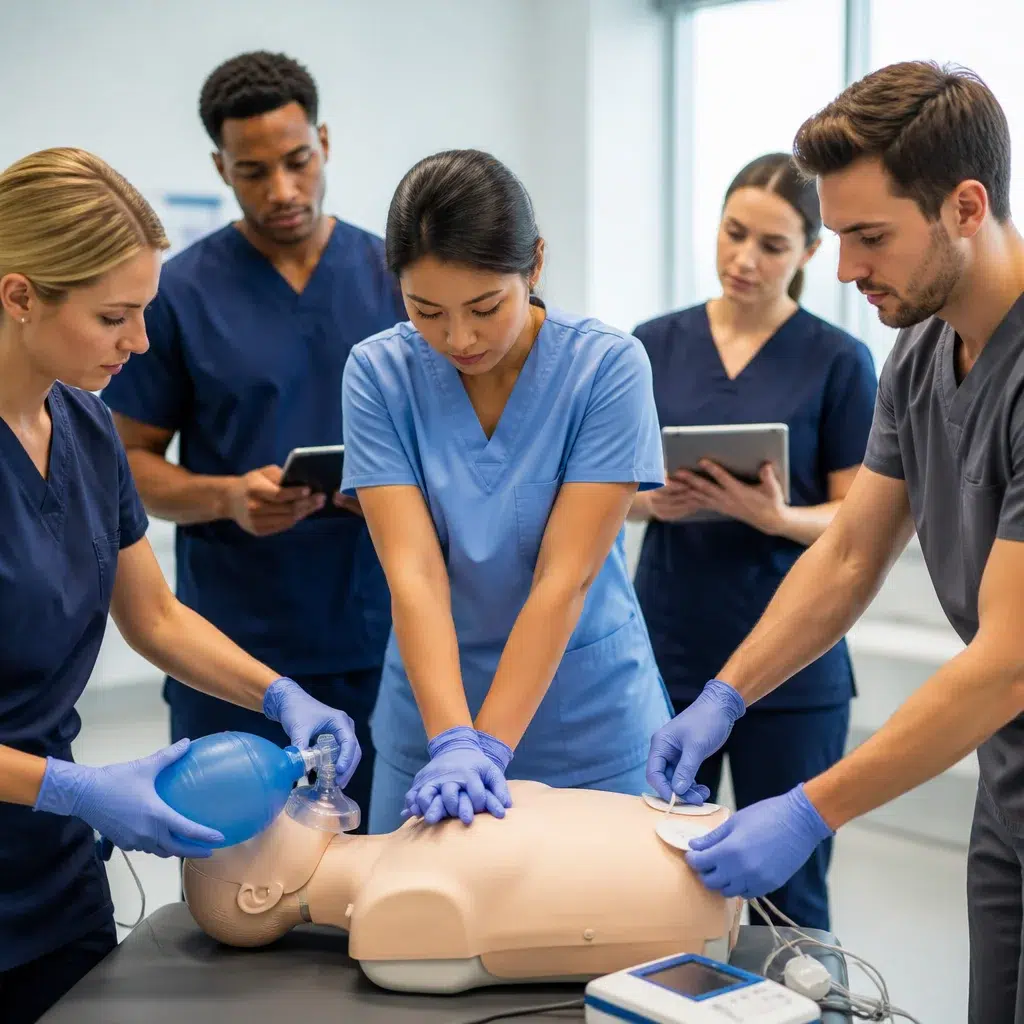
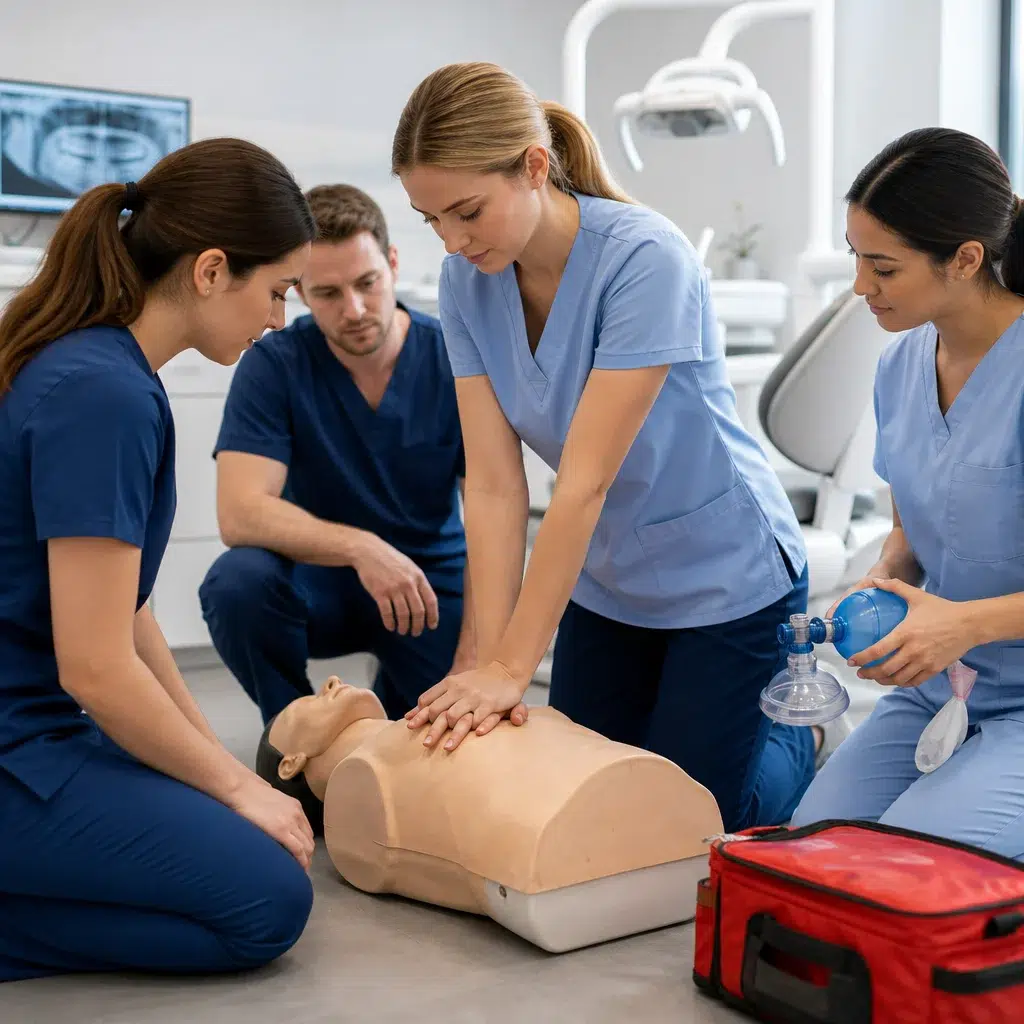
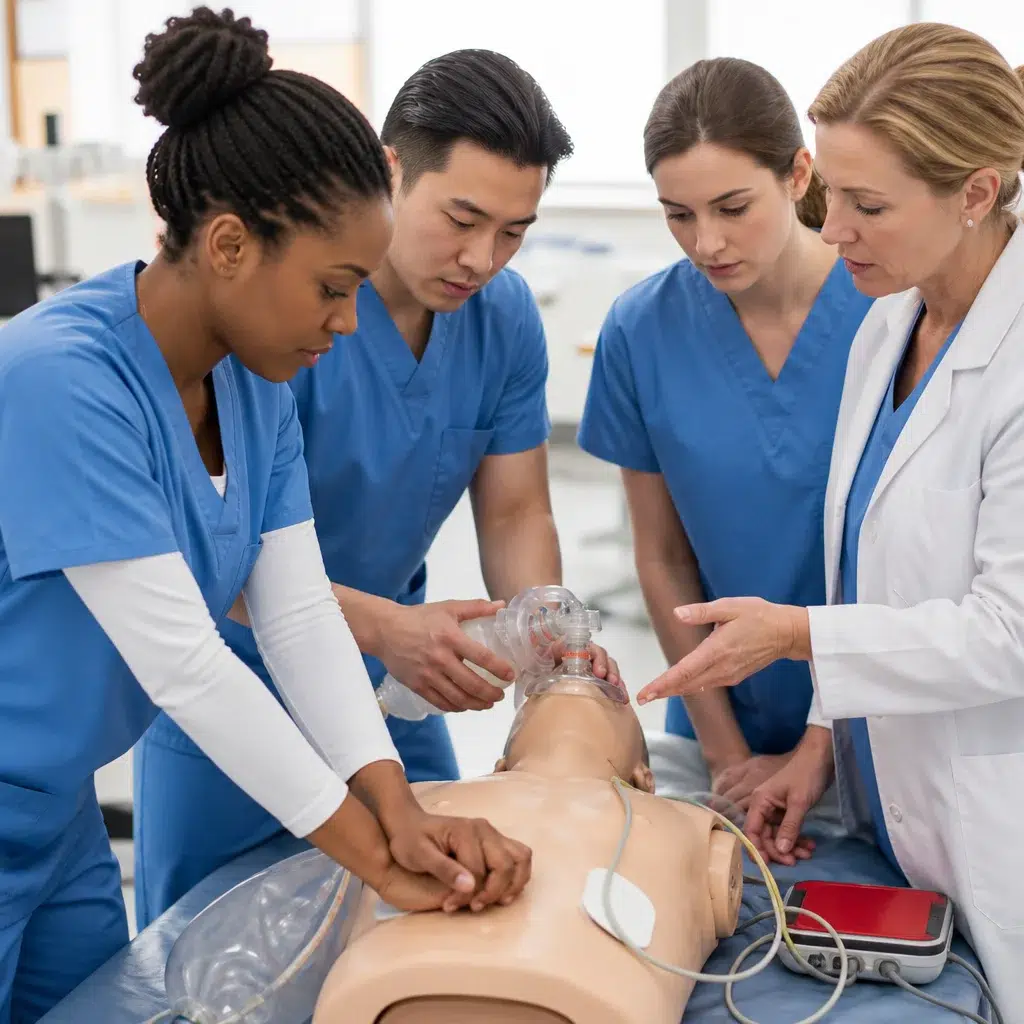
We also include scenario-based learning that mirrors real hospital environments. Rather than practicing chest compressions on a manikin in isolation, you’ll work through triage decisions, team communication, and equipment use that match ICU, emergency department, and surgical settings.
What to do next: When evaluating any training provider, ask specifically whether their curriculum aligns with your hospital’s current protocols. Request a curriculum overview and compare it against your facility’s policies.
2. Multi-Location Convenience Across 100+ California Training Centers
You don’t have time to drive across your region for a single training session. Whether you work in Oakland, San Francisco, Sacramento, San Jose, or anywhere between Fresno and Santa Rosa, proximity to your workplace or home dramatically affects whether you can actually schedule and attend your certification course on time.
We operate over 100 training locations throughout California, including centers in Alameda, Antioch, Berkeley, Campbell, Chico, Concord, Daly City, Dublin, Folsom, Fremont, Hayward, Lathrop, Livermore, Martinez, Merced, Modesto, Morgan Hill, Napa, Newark, Novato, Oakland, Palo Alto, Pleasanton, Redding, Redwood City, Rocklin, Roseville, Sacramento, San Francisco, San Jose, San Leandro, San Mateo, San Rafael, Santa Clara, Santa Cruz, Santa Rosa, South San Francisco, Stockton, Sunnyvale, Vallejo, Visalia, Walnut Creek, and Woodland.
This network means you can schedule training near your current location without major travel. If you’re a dentist in Palo Alto, you don’t need to drive to Sacramento. If you’re an EMS provider in Bakersfield, we have certified instructors in your area. This eliminates the friction that causes nurses and healthcare professionals to delay certification until the last minute or risk compliance lapses.
Our California locations page shows available session times and centers near your zip code, so you can compare options and book the slot that actually fits your schedule rather than working backward from what’s available.

What to do next: Before committing to any provider, map out your top three location preferences and check availability for dates within the next 30 days.
3. Blended Learning Options for Busy Healthcare Professionals
Working 12-hour shifts, on-call rotations, or variable schedules makes traditional in-person-only training impractical. You might complete the cognitive portion of your certification at 10 p.m. between shifts, but then need hands-on skills practice when an instructor is actually available.
We offer blended learning that separates the knowledge review from the practical skills session. You complete the online cognitive component on your timeline, then attend a shorter in-person appointment focused entirely on chest compression technique, airway management, and equipment operation. This structure cuts total time commitment while keeping the high-quality hands-on practice that makes the difference in real emergencies.
Blended learning also reduces scheduling stress. Rather than blocking out a full day, you’re committing to a focused skills session. For nurses managing shift work or dentists juggling patient schedules, this flexibility often means the difference between renewing on time and scrambling at the last minute.
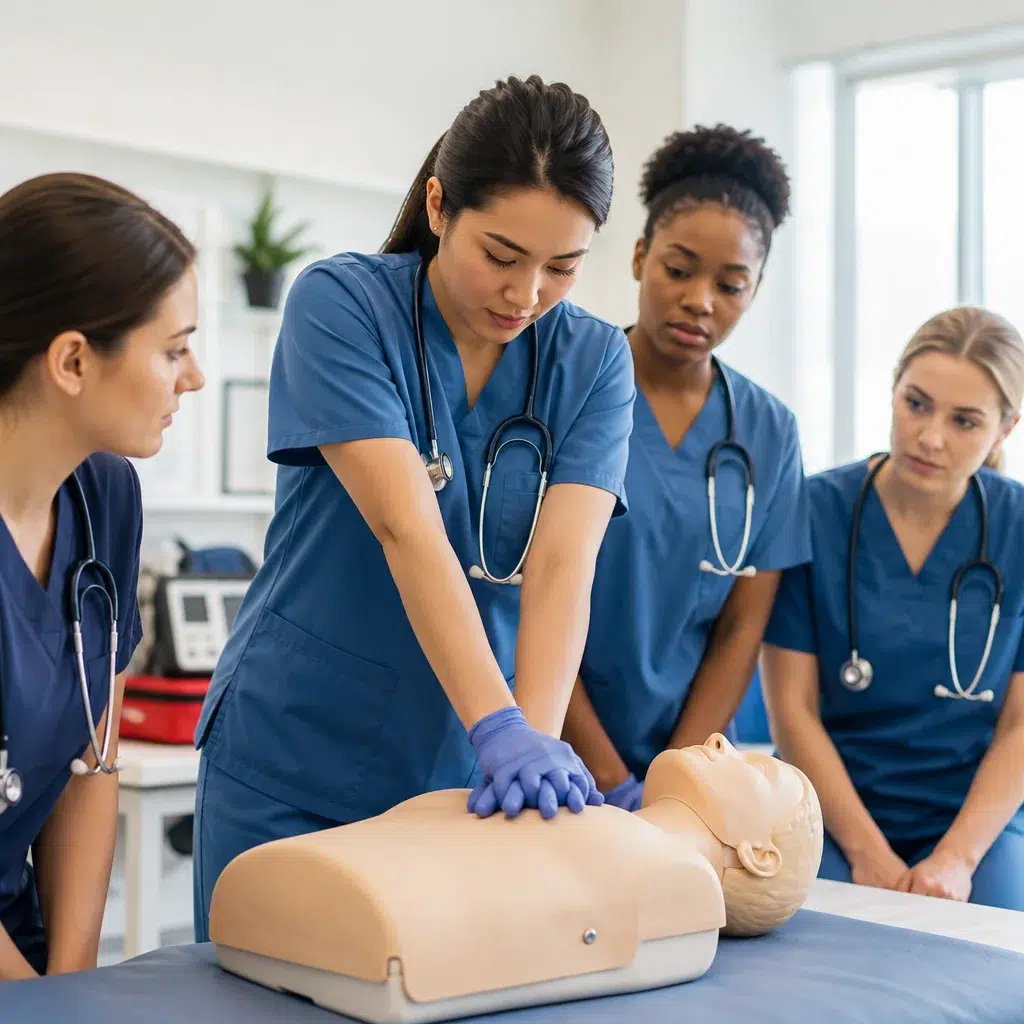
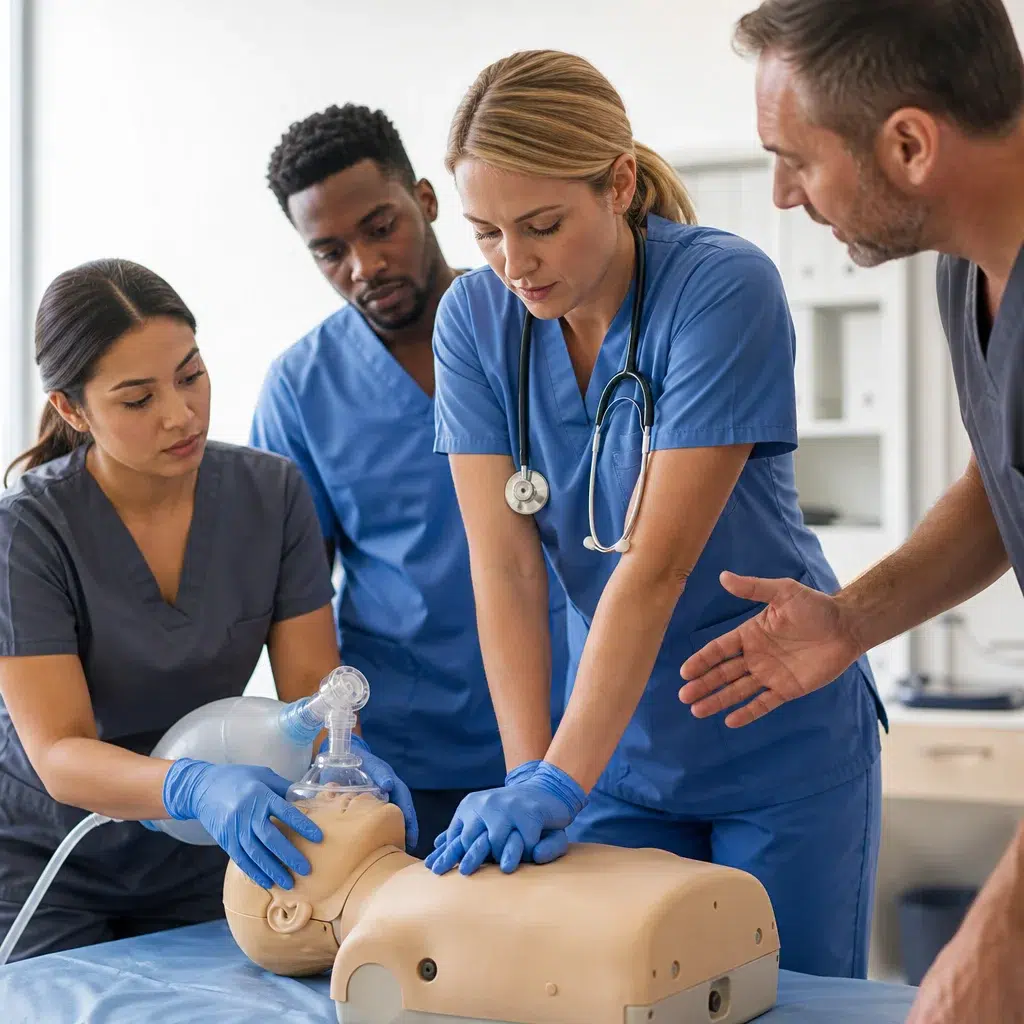
The hands-on portion remains non-negotiable. You’ll still practice on high-fidelity manikins with real equipment under direct instructor observation. We don’t compromise the skills practice to make scheduling easier; we simply remove the redundancy of sitting through hours of lecture content when you can absorb that knowledge independently.
What to do next: Ask your current training provider whether they offer any online components or flexible scheduling options that separate knowledge review from hands-on skills.
4. Same-Day Certification Cards for Immediate Job Readiness
Hospital credentialing departments have zero patience for delays. You complete your training, and your employer expects a valid certification card the same day. Two-week wait times for digital cards or mail delivery don’t work when your shift starts Monday and compliance audits are underway.
We issue physical certification cards immediately after you pass your skills assessment. Walk out of the training center with your credential in hand, ready to scan into your hospital’s system that afternoon. No scanning documents. No waiting for digital delivery. No explaining to your manager why your card hasn’t arrived yet.
Same-day cards also eliminate the awkward gap where you’ve completed training but technically don’t have proof of certification. Your employer might allow a temporary status, but actual hospital policy requires the physical card. We removed that friction entirely by designing our system around your actual workplace requirements.
This speed matters particularly for healthcare professionals hired mid-cycle or those renewing lapsed certifications before a compliance deadline. One less variable to manage means you can focus on your actual job instead of tracking certification logistics.
What to do next: Confirm that your training provider issues physical certification cards on the day you complete your course. Ask whether they also provide digital verification for your hospital’s credentialing system.

5. Competitive Pricing with Our Low-Price Guarantee
CPR and BLS training shouldn’t drain your professional development budget. We maintain a low-price guarantee across all our courses, meaning we’re committed to offering the best value without compromise on instructor quality or curriculum depth.
Our pricing structure also includes corporate group discounts for hospitals, clinics, and medical practices that need multiple staff members certified. If your facility is conducting an annual certification drive for your entire nursing unit, we can negotiate volume pricing that beats per-person rates.
Transparent pricing matters too. No hidden fees for certification cards, location fees, or administrative costs. The price you see quoted is the price you pay, with same-day card issuance included. We’ve found that healthcare professionals appreciate straightforward pricing because it simplifies budgeting and removes surprises.
Competitive pricing doesn’t mean cutting corners. Our instructors are fully credentialed, our equipment is current, and our curriculum stays updated. We achieve better pricing through operational efficiency and high training volume across our California network, not by reducing instructor compensation or skipping required skill practice.
What to do next: Request a formal quote from your top three providers and compare not just course cost but also what’s included (cards, digital verification, makeup sessions, etc.).
6. Specialized Healthcare Provider Certifications (ACLS, PALS, NRP)
Beyond basic BLS, your role likely requires additional specialized certifications. Nurses managing cardiac patients need Advanced Cardiovascular Life Support (ACLS) training. Pediatric nurses and EMS providers working with children need Pediatric Advanced Life Support (PALS). Obstetric nurses and midwives need Neonatal Resuscitation Program (NRP) certification.
Each of these certifications demands instructor expertise that goes beyond basic CPR knowledge. Your ACLS instructor should be able to discuss electrocardiogram (ECG) interpretation, medication administration timing, and post-resuscitation care protocols specific to adult cardiac emergencies. Your PALS instructor needs pediatric-specific knowledge about airway anatomy, medication calculations by weight, and age-appropriate intervention differences.
We offer ACLS Certification Classes and specialized provider training across our California centers, with instructors holding current healthcare credentials and active clinical or EMS experience. Rather than rotating instructors between BLS and ACLS courses, our specialized instructors focus on these advanced certifications, deepening their expertise in the specific protocols your role requires.
Your hospital’s credentialing process will verify that your ACLS, PALS, or NRP instructor holds appropriate credentials. Choosing a provider known for clinical expertise in these specializations ensures your training reflects actual hospital practice rather than generic protocol.
What to do next: Verify that your training provider offers the specific advanced certifications your role requires, and ask about instructor qualifications in those specialized areas.
7. Superior Customer Support and Verified Training Quality

Training providers vary dramatically in how they handle problems. What happens if you need to reschedule? What if you arrive at a training location and it’s closed, or your instructor cancels? What if you have questions about your specific hospital’s requirements before you book?
We maintain responsive customer support because we understand that certification deadlines aren’t flexible. Our team helps you find the right course format, location, and timing rather than forcing you into inflexible options. If you need to reschedule, we work with you to find alternative dates at any of our 100+ locations rather than charging cancellation fees.
Quality verification means our instructors are regularly evaluated, and our training environments meet operational standards. You’re not walking into a church basement with borrowed manikins; you’re training in dedicated facilities with current equipment and professional instruction.
We also track completion data and certification validity, so if your employer needs verification of training dates or instructor information for credentialing purposes, we provide that documentation promptly. This support extends beyond the training day because we recognize that your certification is part of your professional credential record.
What to do next: Before booking, contact customer support with a specific question about your hospital’s requirements or scheduling challenges. How quickly they respond and whether they actually address your concern tells you a lot about their commitment to your success.
Register for a class today.
Frequently Asked Questions (FAQ)
How do we ensure our CPR and BLS courses meet hospital compliance requirements?
We align our curriculum with current guidelines and deliver training through our hospital-approved instructors across California. Our courses are structured to meet the specific credentialing needs that hospitals require for nursing, EMS, and clinical staff, so you can confidently meet your employer’s mandatory certification standards. We also provide same-day certification cards upon completion, allowing you to document compliance immediately.
Can we accommodate my schedule with flexible training options?
We offer blended learning that combines online coursework with in-person skills sessions, giving you flexibility to complete theory work on your own time and attend hands-on training at one of our 100+ California locations. We schedule classes daily and maintain multiple training centers throughout the state, so you can find a session that fits your work and personal commitments. Our approach is specifically designed for busy healthcare professionals who need certified training without extended time commitments.
What makes our pricing competitive compared to other training providers?
We back all our courses with a low-price guarantee, meaning if you find comparable hospital-approved CPR and BLS training at a lower rate, we’ll match it. Our transparent pricing structure has no hidden fees, and we offer corporate group discounts for hospitals and healthcare facilities looking to train multiple staff members. You get certified training that meets professional standards without compromising your budget.