
San Francisco isn’t just another major city—it’s one of the most dynamic healthcare environments in the United States. Located in the City and County of San Francisco, it connects critical medical systems across nearby cities like Oakland, Daly City, and San Bruno. With world-class institutions such as UCSF Medical Center, Zuckerberg San Francisco General Hospital, and California Pacific Medical Center, the demand for high-level emergency response skills continues to rise every year.
In fast-moving neighborhoods like SoMa, Mission District, and Sunset District, thousands of healthcare professionals, students, and everyday residents operate in environments where seconds can determine outcomes. Whether you’re near Golden Gate Park, Union Square, or navigating the busy corridors around Market Street, one reality remains constant: immediate CPR saves lives. Studies consistently show that rapid intervention can dramatically increase survival rates—and in a city like San Francisco, preparedness isn’t optional, it’s essential.
That’s exactly why CPR education has evolved. Today, learners no longer rely solely on traditional classroom-based sessions. Instead, they can choose between Instructor-Led Training and a far more flexible, modern solution: Self-Guided Learning™ courses completed through a CPR Verification Station™ learning center. This article breaks down both options—and more importantly—shows why San Francisco is rapidly shifting toward a smarter, faster way to complete BLS, ACLS, and PALS courses with providers like Safety Training Seminars.
Overview of CPR Training Options in San Francisco
CPR education in San Francisco has entered a new era. Learners now have two distinct pathways:
- Instructor-Led Training – A structured, classroom-based course guided by a trainer
- Self-Guided Learning™ courses + CPR Verification Station™ learning center – A flexible, technology-driven experience designed for speed and efficiency
Both options lead to successfully completing the course and receiving an AHA Course Completion eCard. However, the way you get there—and how much time and flexibility you have—differs significantly.
Traditional Instructor-Led CPR Training in San Francisco
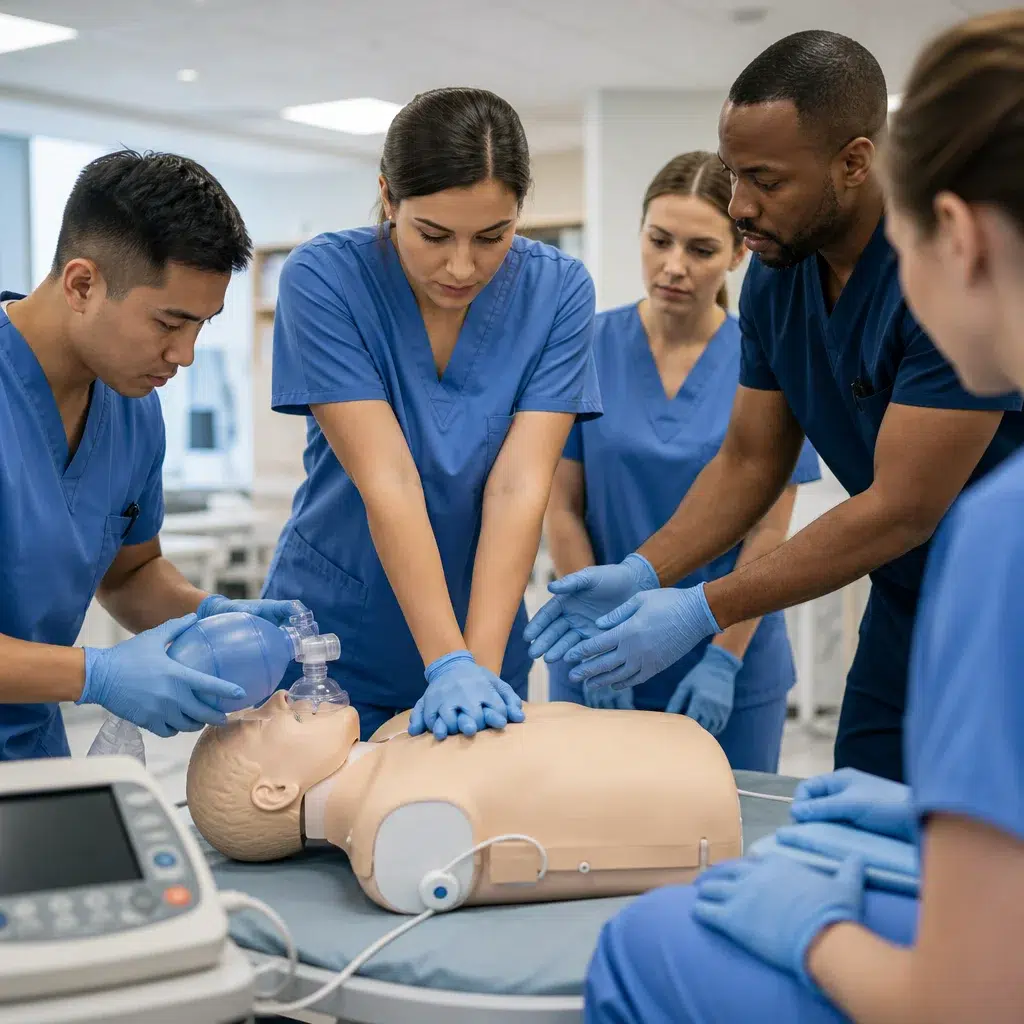
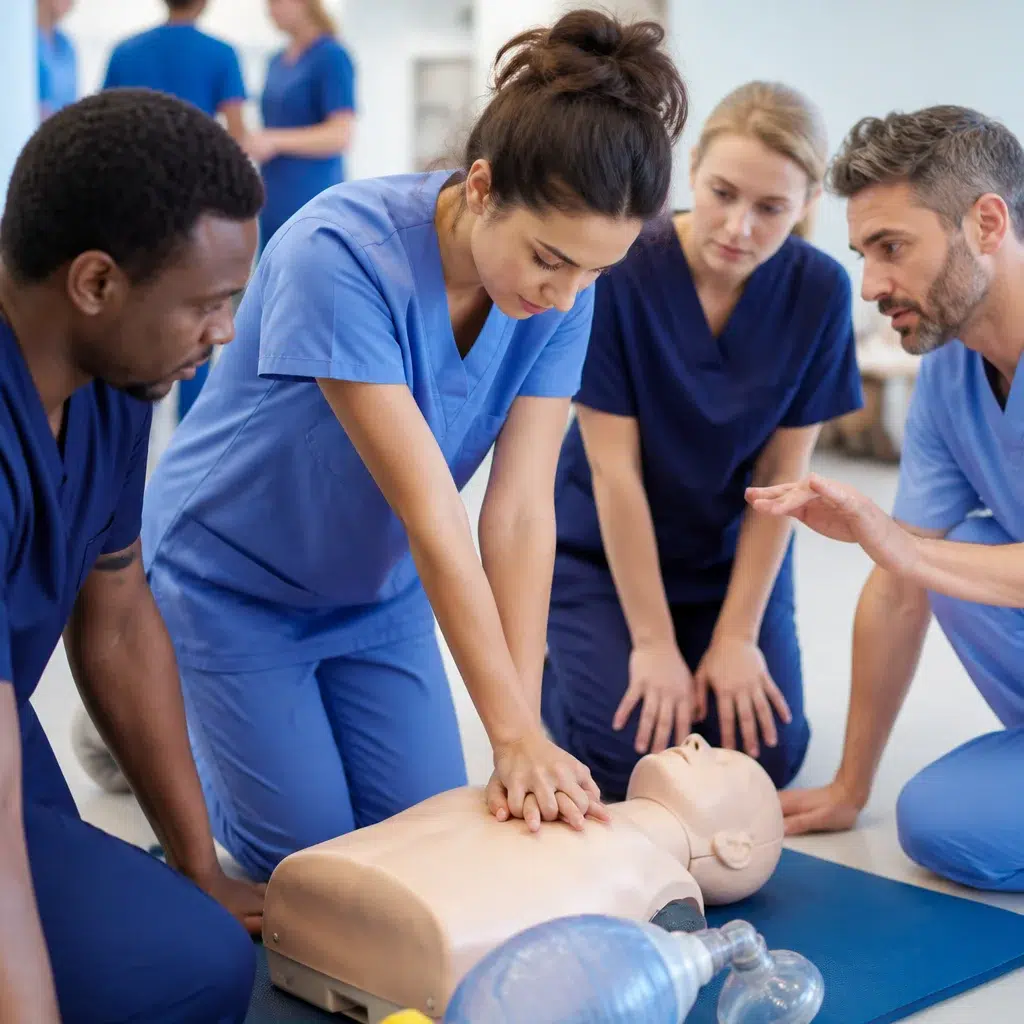
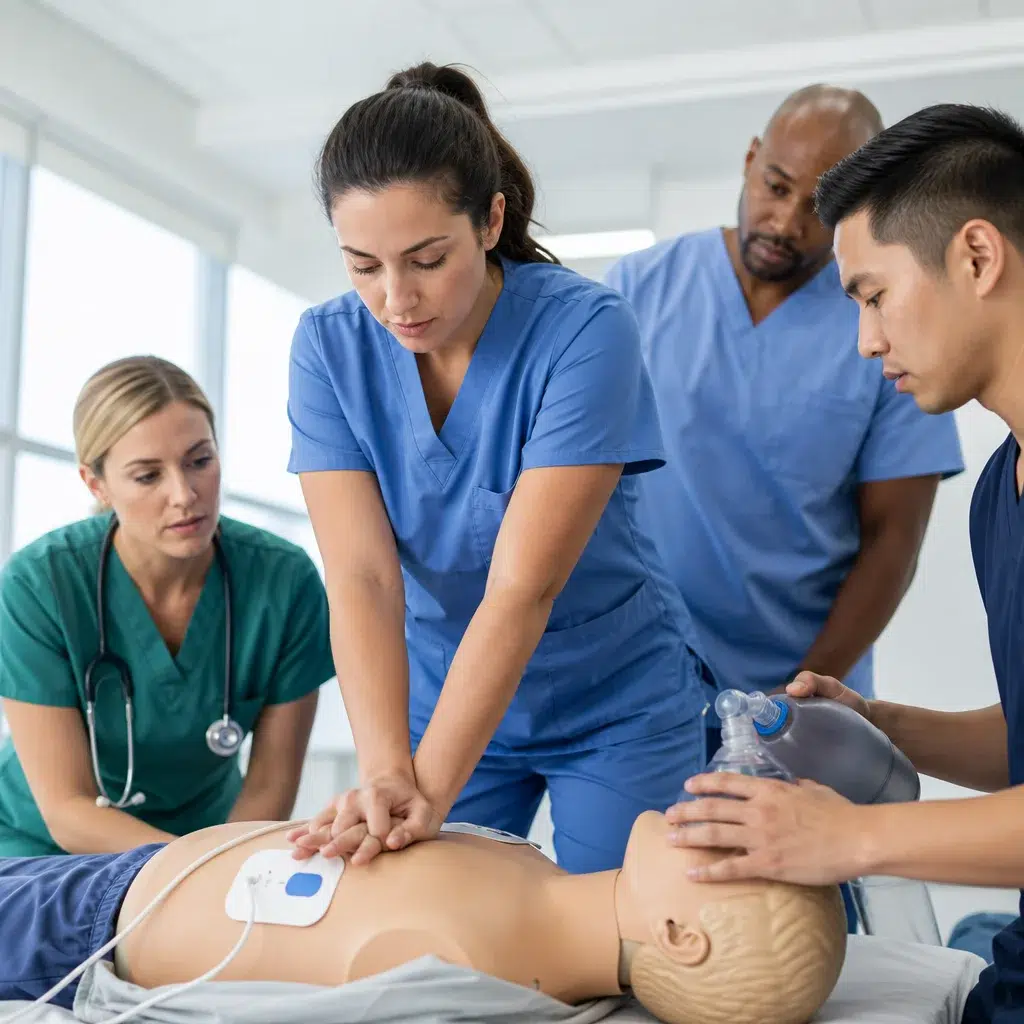
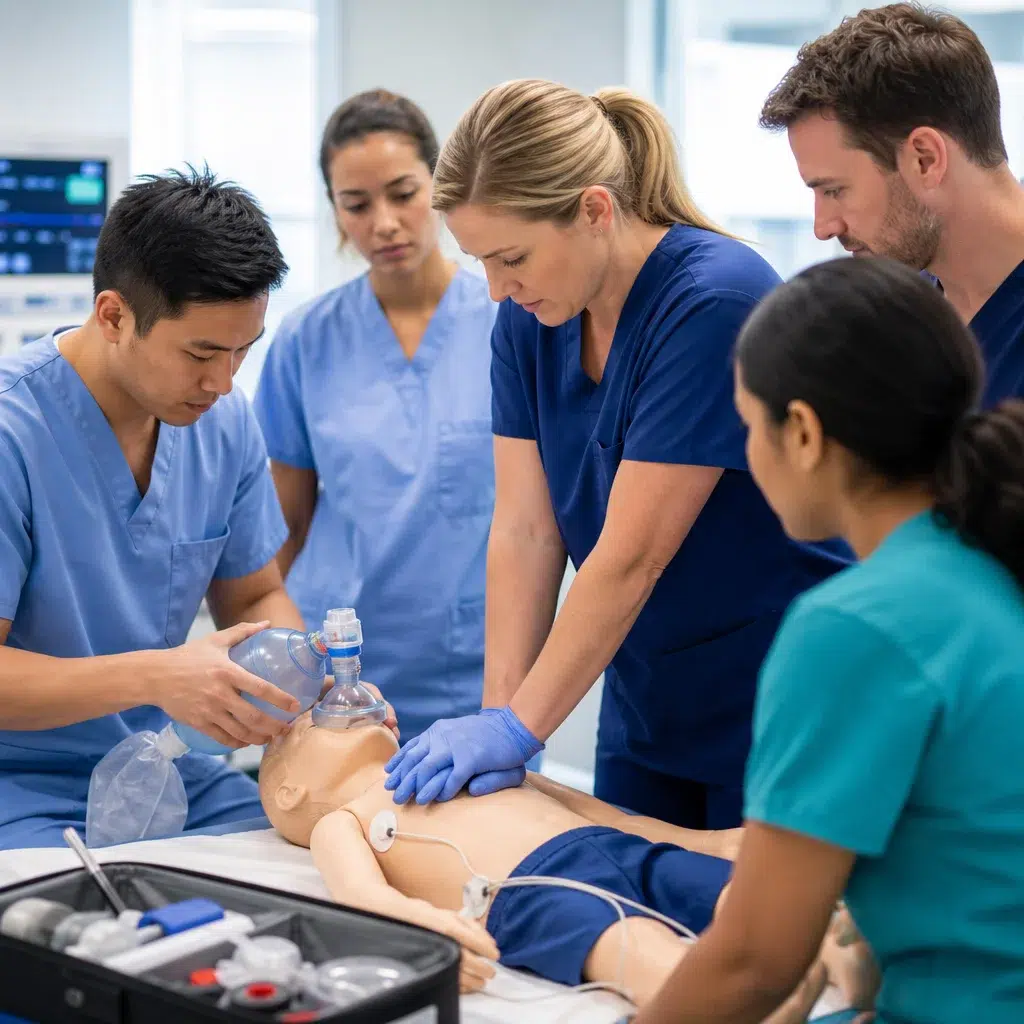
Instructor-led sessions follow a familiar format. Learners attend scheduled courses where a trainer walks them through CPR techniques step by step.
In San Francisco, these sessions are commonly attended by professionals working at hospitals like UCSF or Kaiser Permanente San Francisco Medical Center. The structured setting provides real-time instruction, group interaction, and hands-on guidance.
For some learners, this traditional environment feels comfortable. You sit in a room, follow along, and practice under supervision. It’s predictable—and for certain individuals, that’s exactly what they want.
How Instructor-Led Training Works
The process is straightforward but rigid. You enroll in a scheduled course, arrive at a specific time, and complete the session alongside other participants.
The trainer presents the material, demonstrates techniques, and supervises practice scenarios. At the end, your performance is evaluated manually. Once you meet the required standards, you receive your AHA Course Completion eCard.
It works—but it comes with trade-offs.
Limitations of Instructor-Led Classes in a City Like San Francisco
Here’s where reality kicks in.
San Francisco is not a slow-paced city. Between long hospital shifts, traffic congestion, and unpredictable schedules, committing to a fixed class time can be difficult.
Common challenges include:
- Struggling to match your schedule with limited class availability
- Spending extra time commuting through dense traffic zones like downtown or SoMa
- Sitting through longer sessions due to group pacing
- Less control over how quickly you complete your course
For a nurse working night shifts or a medical student juggling rotations, this model can feel outdated.
The Rise of CPR Verification Stations in San Francisco
San Francisco thrives on innovation—and CPR training is no exception.
CPR Verification Station™ learning centers are quickly becoming the preferred option across neighborhoods like Mission District, Sunset, and even downtown areas. Why? Because they align perfectly with how modern professionals live and work.
Instead of adjusting your life around a course, this model adapts to you.
What Is a CPR Verification Station?
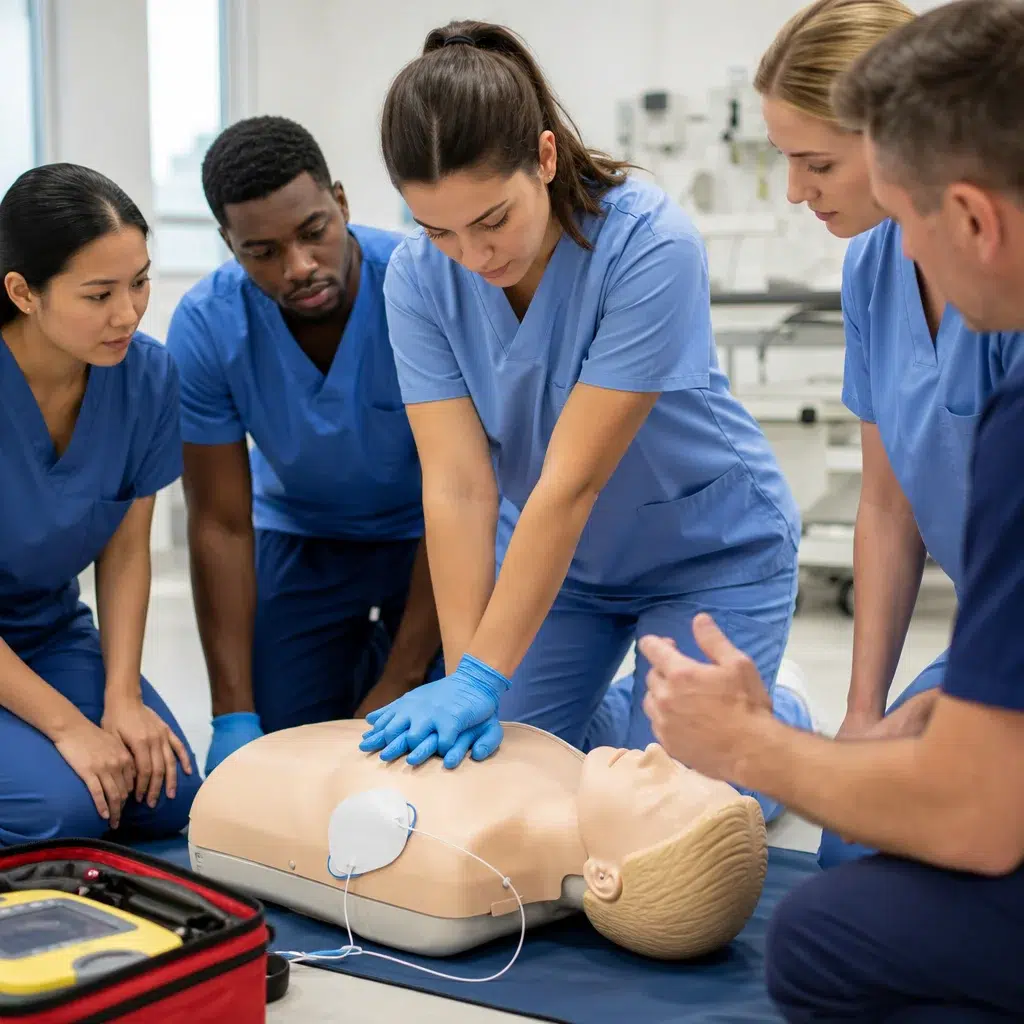
A CPR Verification Station™ learning center is not just a training tool—it’s a precision-based evaluation system.
It uses advanced technology to measure your CPR performance in real time. Every compression, every movement, every adjustment is analyzed instantly.
There’s no guesswork. No subjectivity. Just accurate, data-driven feedback that ensures you’re performing skills correctly.
How Self-Guided BLS, ACLS, and PALS Courses Work
This is where things get powerful.
You begin with the HeartCode® Complete course, which you can complete online at your own pace—whether that’s early morning, late night, or between shifts.
The learning experience is powered by True Adaptive™ learning powered by Area9 Lyceum, which adjusts to your knowledge level. If you already understand a concept, you move faster. If you need more practice, the system adapts.
Once you finish the online portion, you visit a CPR Verification Station™ learning center for a hands-on skills session.
You perform. The system evaluates. You complete the course.
And you receive your AHA Course Completion eCard—without delays.
Why CPR Verification Stations Are Dominating in San Francisco
Let’s be clear—this isn’t just a trend. It’s a shift.
Here’s why more people are choosing this model:
- Total flexibility – Train when it fits your life, not the other way around
- Speed – Finish significantly faster than traditional sessions
- Precision feedback – Know exactly how well you’re performing
- No wasted time – No waiting, no group delays, no unnecessary repetition
In a city where time is one of the most valuable resources, this approach simply makes more sense.
Why Healthcare Professionals in San Francisco Are Switching
Walk into any hospital in San Francisco—UCSF, CPMC, or Zuckerberg—and you’ll see the same pattern.
Professionals are busy. Their schedules change constantly. They don’t have hours to sit in a classroom.
Self-Guided Learning™ courses allow them to:
- Train between shifts
- Complete coursework without stress
- Avoid unnecessary travel
- Stay compliant without sacrificing time
In neighborhoods like SoMa and Mission District, this flexibility is no longer a luxury—it’s a necessity.
Instructor-Led vs. CPR Verification Stations: The Real Comparison
Let’s strip it down.
Instructor-led training gives you structure, but limits your flexibility. It depends on schedules, group pacing, and manual evaluation.
CPR Verification Stations give you control. You decide when to learn, how fast to move, and complete the process efficiently.
One is traditional. The other is built for how people actually live today.
Which Option Should You Choose in San Francisco?
If you prefer a classroom setting, need constant guidance, or feel more comfortable learning in groups, instructor-led sessions may still work for you.
But if you value your time, want flexibility, and prefer a faster, smarter way to complete your course—Self-Guided Learning™ is the clear winner.
And this is where Safety Training Seminars stands out.
They offer both options—but more importantly, they’ve fully embraced the modern model that San Francisco professionals actually need.
Local Demand for CPR Training in San Francisco
The demand for CPR BLS education in San Francisco is not slowing down.
Hospitals like:
- UCSF Medical Center
- Zuckerberg San Francisco General Hospital
- California Pacific Medical Center
- Kaiser Permanente San Francisco Medical Center
require continuous renewal of skills.
At the same time, emergency services like the San Francisco Fire Department emphasize public readiness—encouraging more individuals to get trained.
This isn’t just for healthcare workers anymore. It’s for teachers, parents, corporate teams—everyone.
How Safety Training Seminars Is Leading This Shift
Safety Training Seminars isn’t just offering CPR courses—they’re redefining how training is delivered.
They provide:
- Easy access across San Francisco
- Flexible course options that match real-life schedules
- Modern learning systems like CPR Verification Stations
- High-quality instruction backed by experience
Whether you’re looking for a BLS Certification Course in San Francisco, ACLS Certification course in San Francisco, or PALS Certification training in San Francisco, they make the process smooth, efficient, and practical.
The Future of CPR Training in San Francisco
The direction is clear.
San Francisco is moving toward faster, smarter, and more flexible training solutions. The old model is fading—not because it doesn’t work, but because it no longer fits modern life.
Self-Guided Learning™ courses and CPR Verification Station™ learning centers represent the future.
And that future is already here.
Start Your Course in San Francisco Today
If you’ve been delaying your CPR training because of time, scheduling, or inconvenience—those barriers no longer exist.
You now have a better option.
Whether you choose a BLS class in San Francisco, ACLS Class in San Francisco, or PALS Course in San Francisco, you can complete your training efficiently without compromising quality.
Safety Training Seminars makes it simple. Start today. Learn smarter. And be ready when it matters most.