
Imagine you are eating at a local cafe in Alameda and suddenly the kid at the next table starts choking on their food. There’s panic, people look around for help, and every second feels longer than the last. In such a situation, a BLS CPR certification can really make a difference. But what is a BLS certification course? Who should enrol in it and why? Let’s find out!
Key Components of a BLS CPR Course
If you are planning to enrol in a BLS certification course, you should be well aware of what the course covers to make the most out of it. Here’s an overview of the key components:

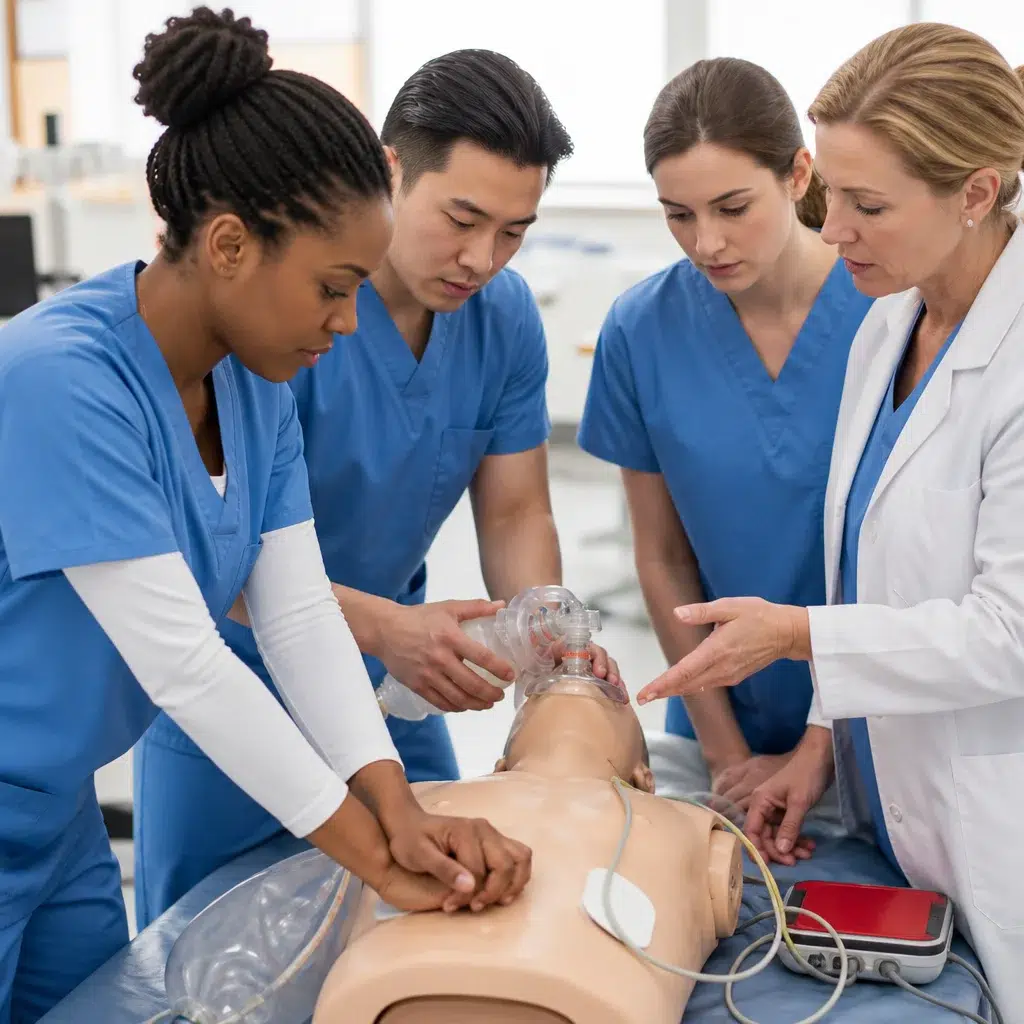
CPR
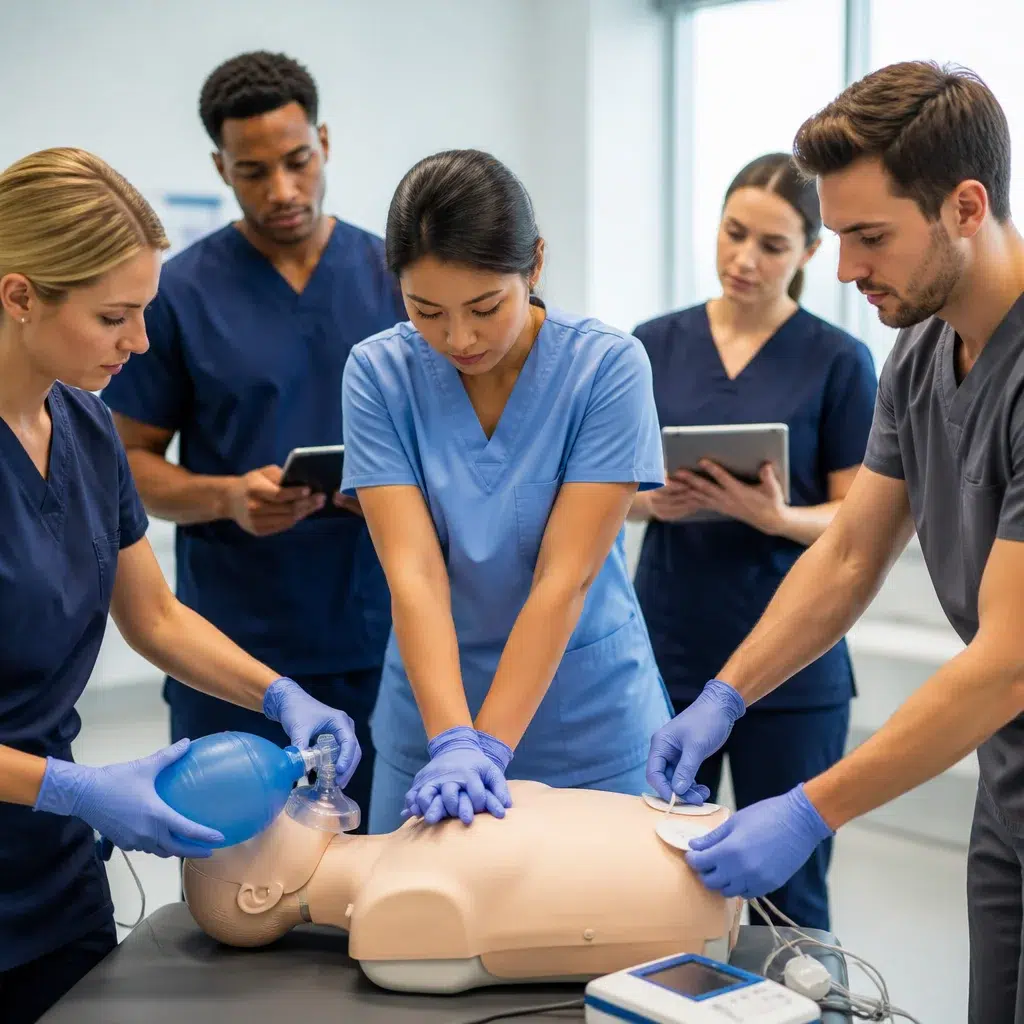
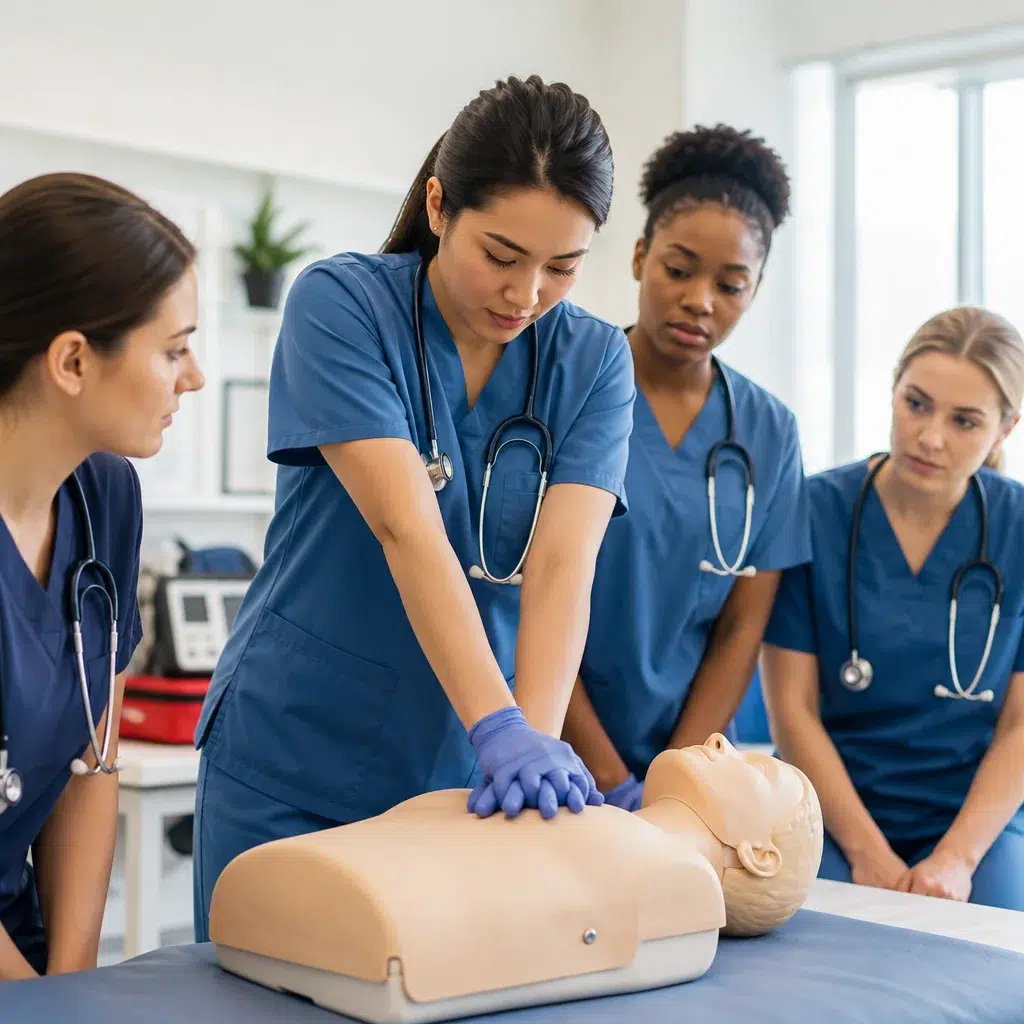
During your BLS CPR certification course, you will learn how to do cardiopulmonary resuscitation on children and adults. It’s typically an emergency treatment that’s done immediately when someone’s heartbeat or breathing has stopped.
For instance, when you are out for a swim in Oakland, CA, and see someone nearly drowning, you can give them CPR to save their life. The BLS course trainee guides you to push hard and fast to efficiently restore the normal flow of oxygenated blood back to the brain and heart.
AED Use
Another important component of the BLS certification course is to make you adept in AED usage. An Automated External Defibrillator is a device that helps people experiencing a cardiac arrest.
A BLS course instructor will guide you on its usage, from turning the device on to understanding how it delivers an electric shock. Using it will stop the chaotic electric activity, including ventricular fibrillation, inside the body.
Early defibrillation combined with timely CPR significantly increases the chance of survival from out-of-hospital cardiac arrest, which is quite common in the US. Statistics show that over 350,000 cardiac arrests happen outside of the hospital each year.
Ventilation Techniques
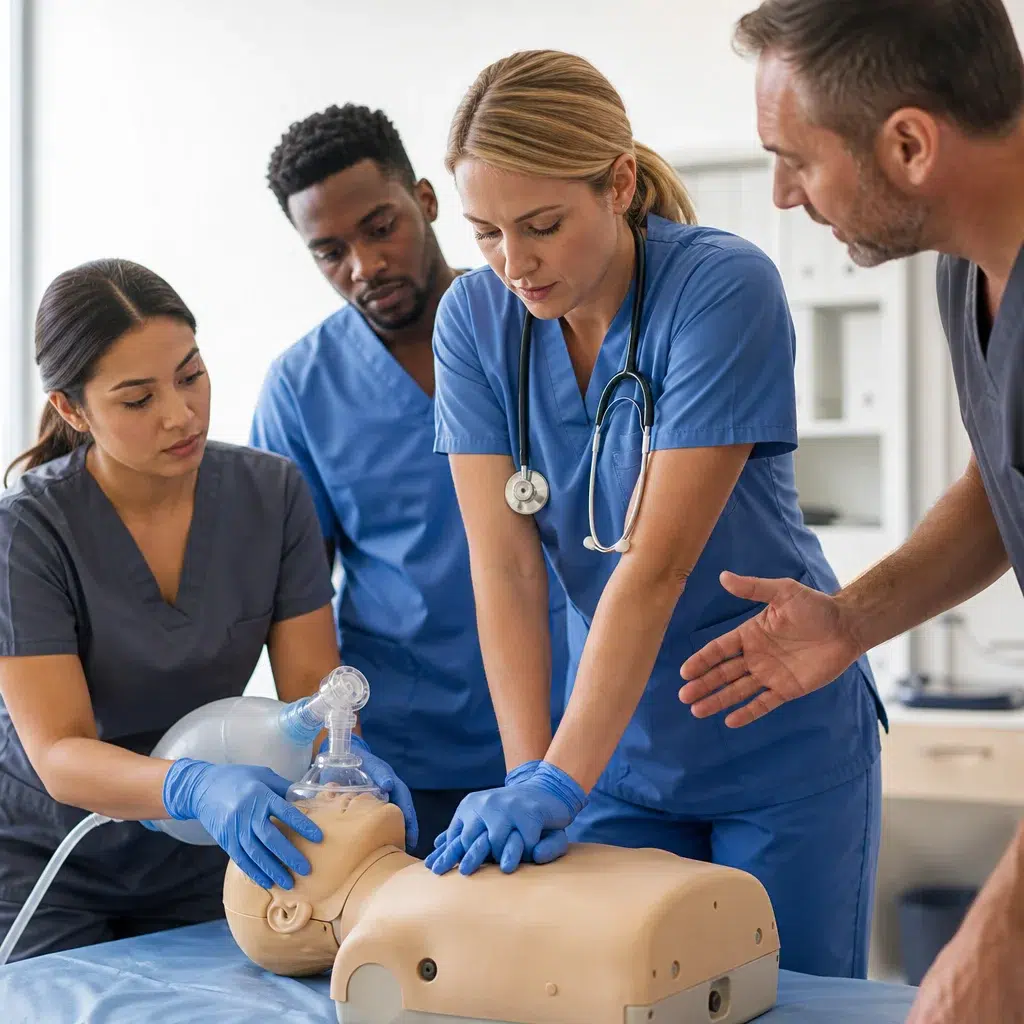
The BLS course trainee will also teach you to learn both invasive and non-invasive ventilation techniques. You will learn how to use fitted masks to deliver positive-pressure air into the lungs, promoting smooth breathing. In the invasive scenario, you will place a tube directly into the patient’s trachea for long-term ventilation.
Team Dynamics
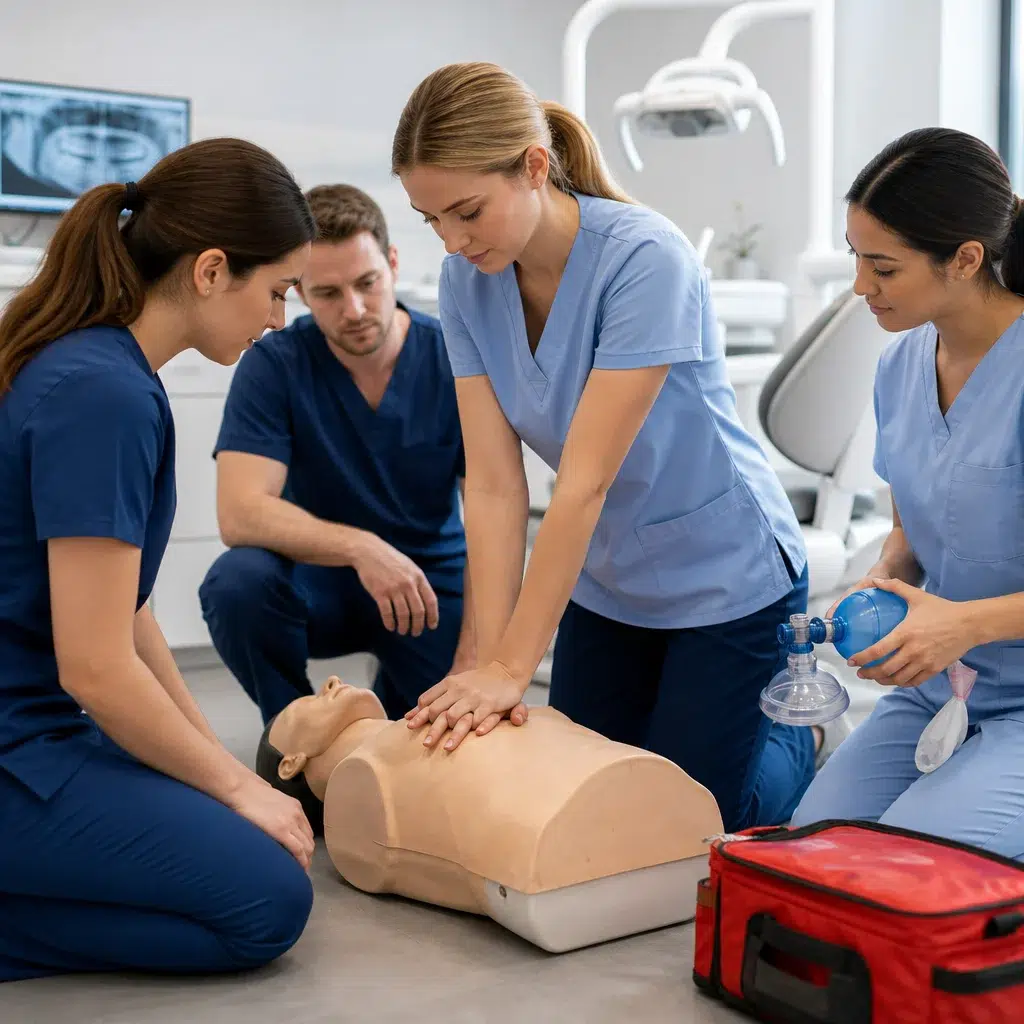
Teaching team dynamics is critical in a BLS CPR course to improve efficiency and overall patient outcomes during emergencies. You’ll learn how to:
- Assign roles, whether leader, compressor, or airway manager
- Create and manage closed-loop communication
- Deliver information in a calm, crisp, and concise manner, even during stressful situations
- Work on a foundation of mutual respect among all members, irrespective of their designation
Who Should Enrol in the BLS Certification Course?
Now that you are aware of what’s included in a BLS CPR certification course, here’s an overview of who should enrol for it:
- Nurses: In hospitals and clinics, nurses are often the first responders in emergencies. They should get the BLS certification course, so they can provide fast and correct life-saving support.
- Dentists: Sometimes, dental procedures can trigger choking issues, so it is essential for dentists in San Francisco, CA, and all other cities to be aware of basic BLS CPR skills.
- Physical Therapists: During rehabilitation, older people or other patients can fall victim to a medical emergency. With BLS training, therapists can tend to such situations without any panic.
- Childcare Providers: Children can choke on their food or toys without any warning, making it mandatory for childcare providers in Alameda, CA, or Piedmont, CA to complete the BLS CPR course.
Roadmap to BLS Certification Course
Well, these days getting BLS CPR certification is easier than ever, as most trainers provide online mentorship and courses. The following points highlight the complete roadmap to the certification:
Find a Training Center
You should first find a training center that’s reliable and affordable. If you are a working healthcare professional in Alameda, CA, you can opt for Safety Training Seminars. Offering online BLS certification classes and flexible timing, this platform ensures you receive proper certification quickly.
Attend a Class
Once you’ve enrolled in a training center, you should proceed to attend the classes regularly. During that, you’ll watch instructional videos relevant to performing CPR and using an AED, among others.
Pass the Test
To get your BLS course certification, you must pass a skill test. It often has two parts: written and practical, and can last for 30 minutes. You will have to demonstrate proper CPR, usage of an AED, and practice ventilation techniques. The instructor will carefully watch your every move, and if you do all the things right and confidently, you will ace the test.
Get the Certification
Upon passing the test, you will get your BLS certification that’s valid for 2 years. If you are already a healthcare worker, you can add it to your profile, or the certification can lead to roles such as EMT or paramedic. You can then serve in local hospitals, such as Alameda Hospital, or at medical schools, including Stanford University School of Medicine.
Conclusion
Obtaining a BLS certification course is no longer a good-to-have, but a must-have, for most healthcare professionals. Visit Safety Training Seminars today and get all the necessary details for Alameda BLS courses and different certifications now!