Safety Training Seminars in San Rafael offers renewal courses for a variety of American Heart Association certifications, including ACLS (Advanced Cardiac Life Support), PALS (Pediatric Advanced Life Support), BLS (Basic Life Support), CPR, and First Aid. These courses are designed to meet the recertification requirements for healthcare professionals and the general public.
ACLS renewal is typically required for healthcare providers who manage adult cardiac emergencies, such as doctors, nurses, and paramedics. PALS renewal is essential for professionals who treat pediatric patients, such as pediatricians, emergency nurses, and respiratory therapists. Both certifications must be renewed every two years to stay current with AHA guidelines.
ACLS and PALS renewal classes in San Rafael typically take between 6 to 8 hours, depending on the participant’s level of preparation and experience. Some courses may include pre-course assessments or online modules that must be completed before attending the in-person session.
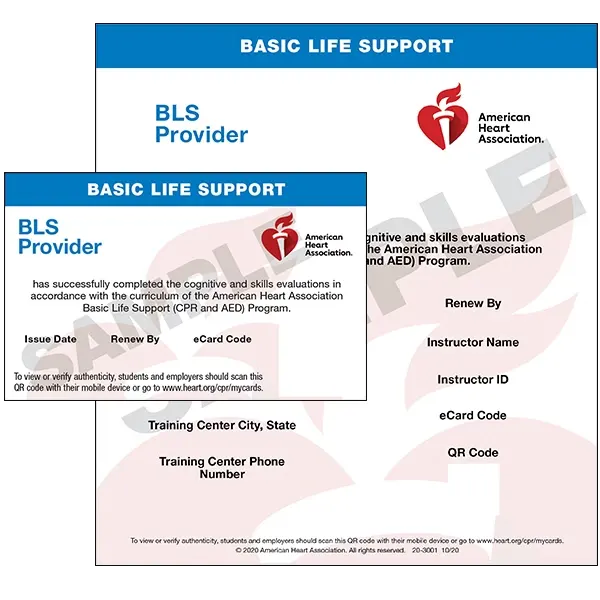
Yes, all CPR and BLS renewal courses provided by Safety Training Seminars are certified by the American Heart Association. Upon successful completion, participants receive an official AHA eCard valid for two years.
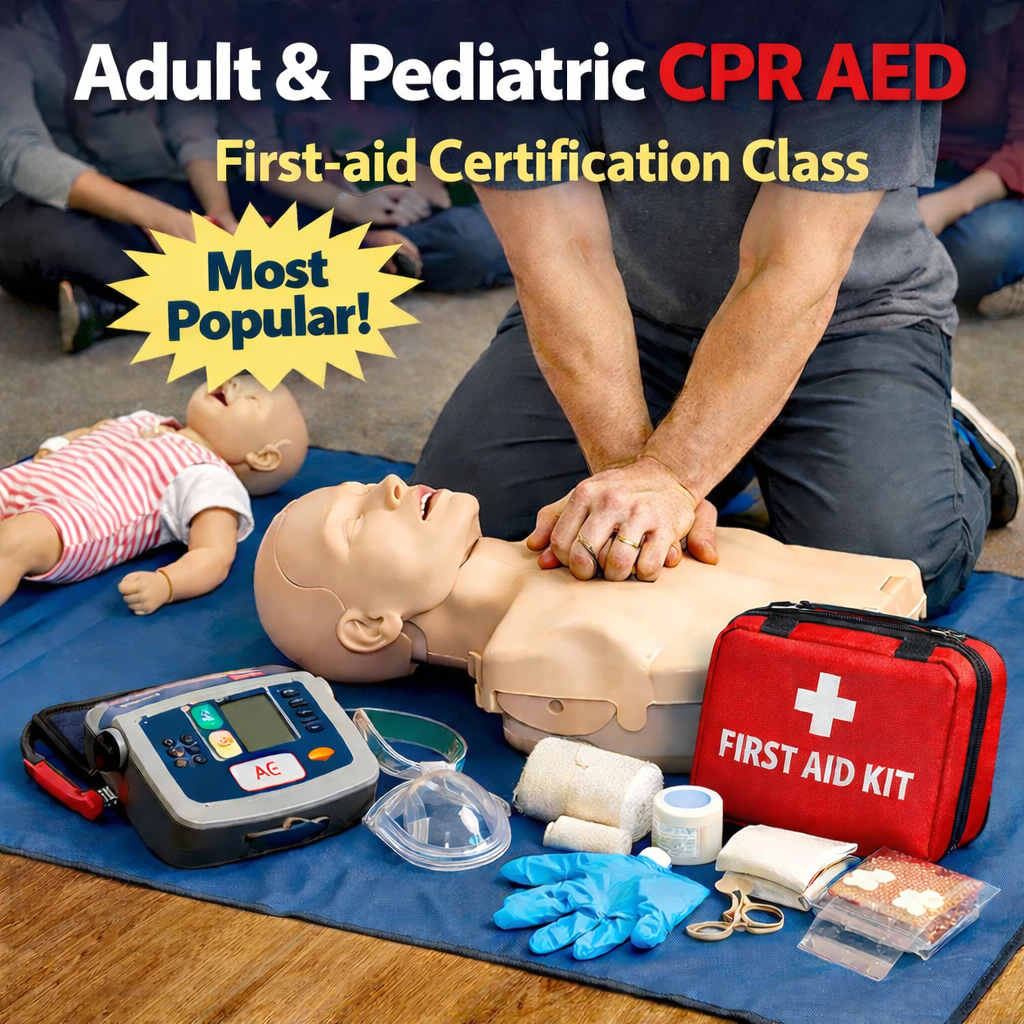
Yes, Safety Training Seminars offers combined CPR and First Aid renewal courses in San Rafael, allowing participants to conveniently renew both certifications during the same session. This is ideal for teachers, childcare providers, coaches, and others who need both credentials.
If your current AHA certification is still valid or recently expired (usually within 30 days), you may be eligible for a renewal course. It’s important to bring your previous certification card or eCard to the class as proof of prior training.
Yes, Safety Training Seminars offers flexible scheduling, including evening and weekend classes in San Rafael, to accommodate busy professionals. Availability may vary, so it’s recommended to check the current course calendar in advance.
Participants should bring a valid government-issued photo ID, their current (or recently expired) AHA certification card, and any pre-course completion certificates if required. Wearing comfortable clothing is also advised, as some portions of the training involve hands-on practice on the floor.