Table of Contents
- Why Every Parent and Caregiver Needs This Critical Knowledge
- Recognizing Signs of Toxic Ingestion in Children
- Immediate Actions to Take in the First Minutes
- When to Call Poison Control and Emergency Services
- Safe Handling Techniques Before Professional Help Arrives
- Common Household Toxins and Their Specific Risks
- First Aid Training That Prepares You for Real Emergencies
- How Our Certified Programs Build Your Confidence and Competence
- Getting Your First Aid Certification Today
- Frequently Asked Questions (FAQ)
Why Every Parent and Caregiver Needs This Critical Knowledge
Poisoning emergencies in children happen faster than most people expect. A curious toddler reaches for a cleaning bottle under the sink. An older child finds medication in a bedside drawer. Within minutes, a preventable crisis unfolds. The difference between a quick recovery and a serious outcome often comes down to knowing what to do in those critical first moments.
We recognize that parents, teachers, daycare providers, and healthcare workers share the same urgent responsibility: protecting children from toxic substances. You don’t need a medical degree to recognize poisoning signs or take effective first aid steps. What you do need is confidence backed by accurate knowledge. Children represent about 40% of all poison exposures reported to poison control centers, yet many caregivers feel unprepared to respond.
Your ability to act decisively in the first few minutes can prevent serious harm. This guide walks you through recognizing poisoning, the immediate actions to take, and when to contact emergency services. We’ve built this content on evidence-based first aid principles so you can feel ready, not panicked, if this situation ever occurs.
Recognizing Signs of Toxic Ingestion in Children
Signs of poisoning vary dramatically depending on the substance, the amount ingested, and the child’s age and weight. Some symptoms appear within minutes; others develop over hours. Knowing what to watch for means you won’t waste time second-guessing yourself.
Common immediate signs include:
- Nausea, vomiting, or diarrhea
- Abdominal pain or cramping
- Difficulty breathing or wheezing
- Drowsiness, confusion, or unusual behavior
- Seizures or tremors
- Excessive drooling or difficulty swallowing
- Pale or bluish skin tone
- Rapid or irregular heartbeat
- Burns or stains around the mouth and lips
Not all poisonings produce obvious symptoms right away. Some toxins cause internal damage without external signs. A child might seem fine initially, then deteriorate. This is why contacting poison control immediately is crucial, even if the child appears unharmed.
Pay attention to context clues too. An open bottle of medicine, empty pesticide container, or the child’s own words about what they swallowed all matter. Sometimes a child can tell you exactly what happened, which speeds up treatment decisions. Keep this information ready when you call for help.
Immediate Actions to Take in the First Minutes
Your first priority is stopping further exposure. If the child still has the substance in their mouth, encourage them to spit it out into a sink or cloth. Remove any remaining material from their hands, face, or clothing to prevent continued contact.
Move the child to fresh air if they inhaled fumes or gases. Open windows and doors immediately. Get them away from the contamination source. If they’ve had skin contact with a toxic substance, remove affected clothing and rinse the area gently with water for several minutes.
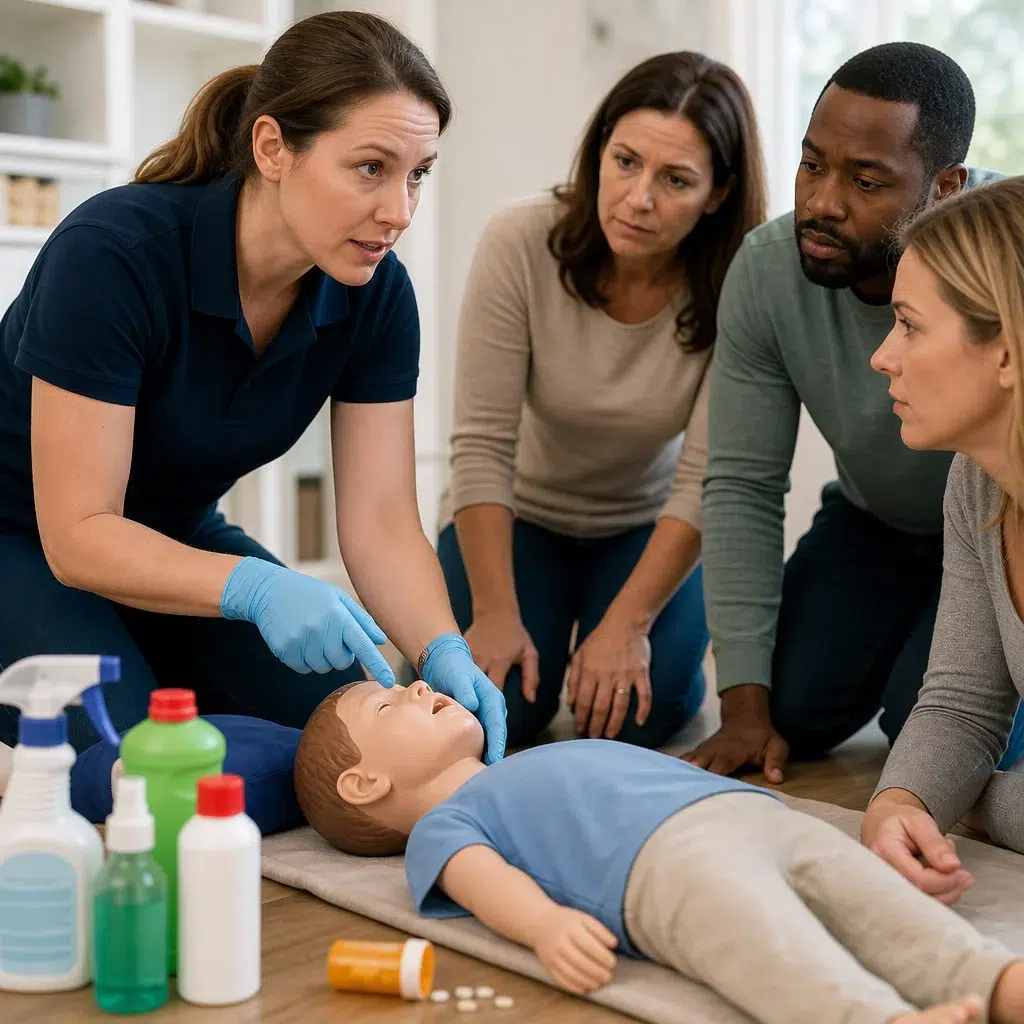
Next, gather information quickly:
- The name of the substance (read the label if possible)
- The amount or concentration if you can estimate it
- The time of ingestion or exposure
- The child’s age and weight
- Any symptoms already appearing
- Recent medications the child takes
Write this down or have it ready. You’ll need these details within the next 60 seconds when you contact poison control or emergency services. Having this information organized prevents precious minutes from slipping away while you search for details.
Keep the substance container or packaging nearby. Poison control specialists often need specific product information that only the label provides. Don’t waste time cleaning up or disposing of evidence; first responders may need to verify exactly what the child was exposed to.
When to Call Poison Control and Emergency Services
Call poison control immediately if a child has swallowed, inhaled, or had skin contact with any potentially toxic substance. The Poison Help Line at 1-800-222-1222 is available 24/7 across the United States. This single number routes you to your regional poison control center staffed by toxicologists and nurses trained to assess poisoning situations.
Call 911 instead of poison control if:
- The child is unconscious or unresponsive
- They’re having seizures or difficulty breathing
- They’re unable to swallow or drooling excessively
- Their lips, tongue, or throat show burns or swelling
- You suspect ingestion of a highly toxic substance (certain pesticides, caustic cleaners, medications in large quantities)
- More than 2 hours have passed since ingestion and no poison control guidance has been obtained
- The child shows signs of serious organ dysfunction
Don’t assume a substance is safe just because it’s common. Many everyday items are toxic to children in small amounts. Certain prescription medications, essential oils, cleaning products, and even some plants can cause serious harm. Poison control can clarify risk in seconds, potentially avoiding an unnecessary emergency room visit or allowing proper treatment planning.
Most poison exposures are managed at home with poison control guidance. Specialists can tell you whether the child needs monitoring at home, medical evaluation, or immediate transport to an emergency department. Calling them first ensures you’re making informed decisions based on expert assessment, not guesswork.
Safe Handling Techniques Before Professional Help Arrives
While waiting for emergency services or poison control guidance, keep the child calm and comfortable. Children pick up on adult anxiety. Speaking in a steady voice and avoiding panic helps them stay as settled as possible.
Position the child carefully. If they’re conscious and swallowed a poison, keep them upright or tilted slightly forward. This reduces the risk of aspiration if they vomit. Never induce vomiting unless poison control specifically instructs you to do so. Modern evidence shows vomiting often causes more harm than good with many substances.
Monitor breathing and consciousness continuously. Note any changes in color, responsiveness, or behavior. If the child vomits, don’t throw away the vomit; poison control may want to see a sample. Save any material the child coughs up or expels for medical professionals to examine.
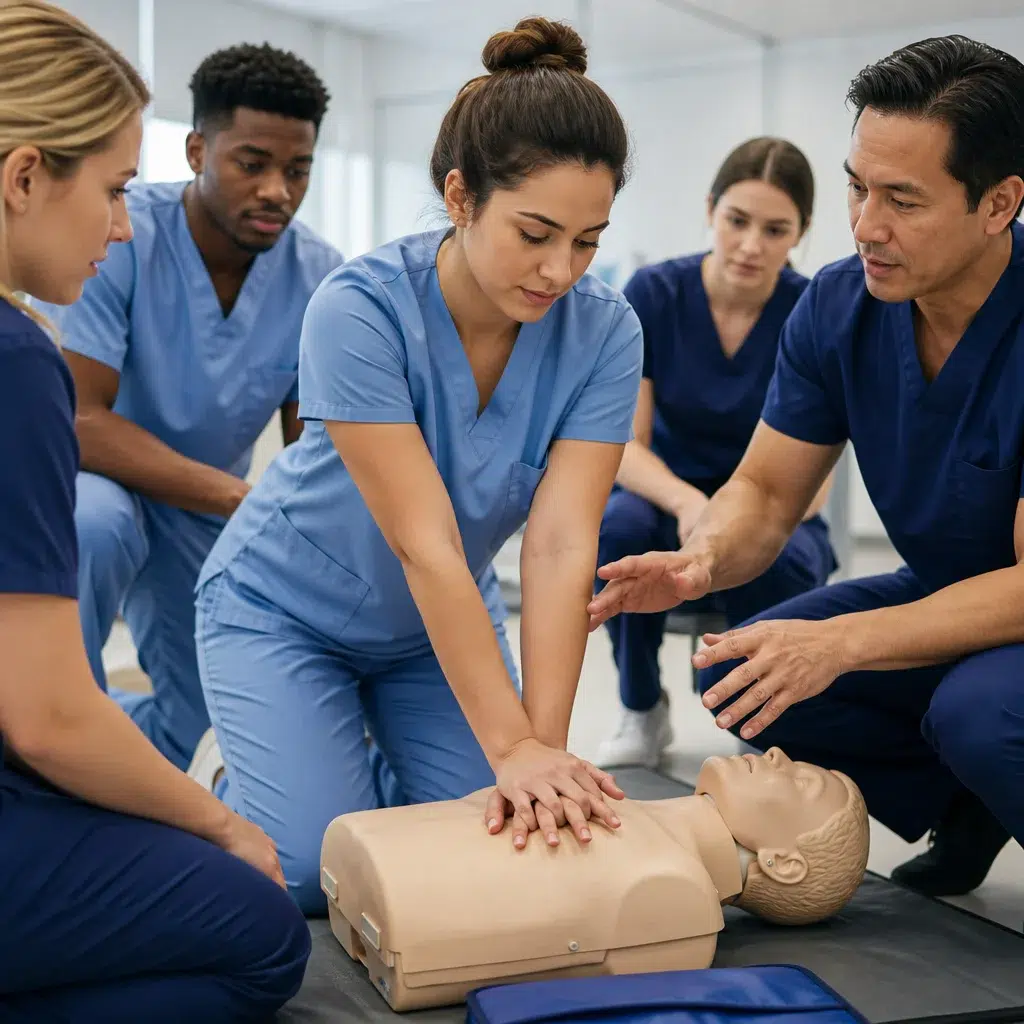
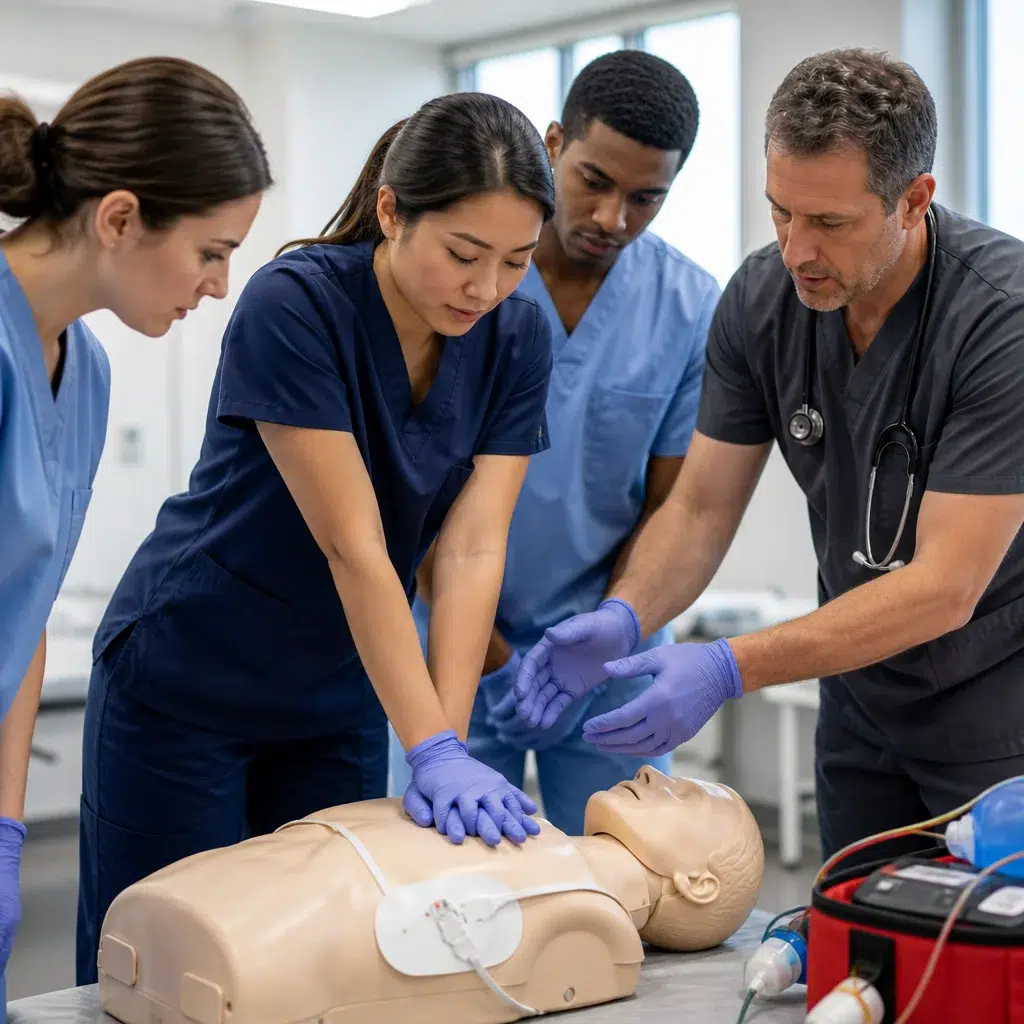
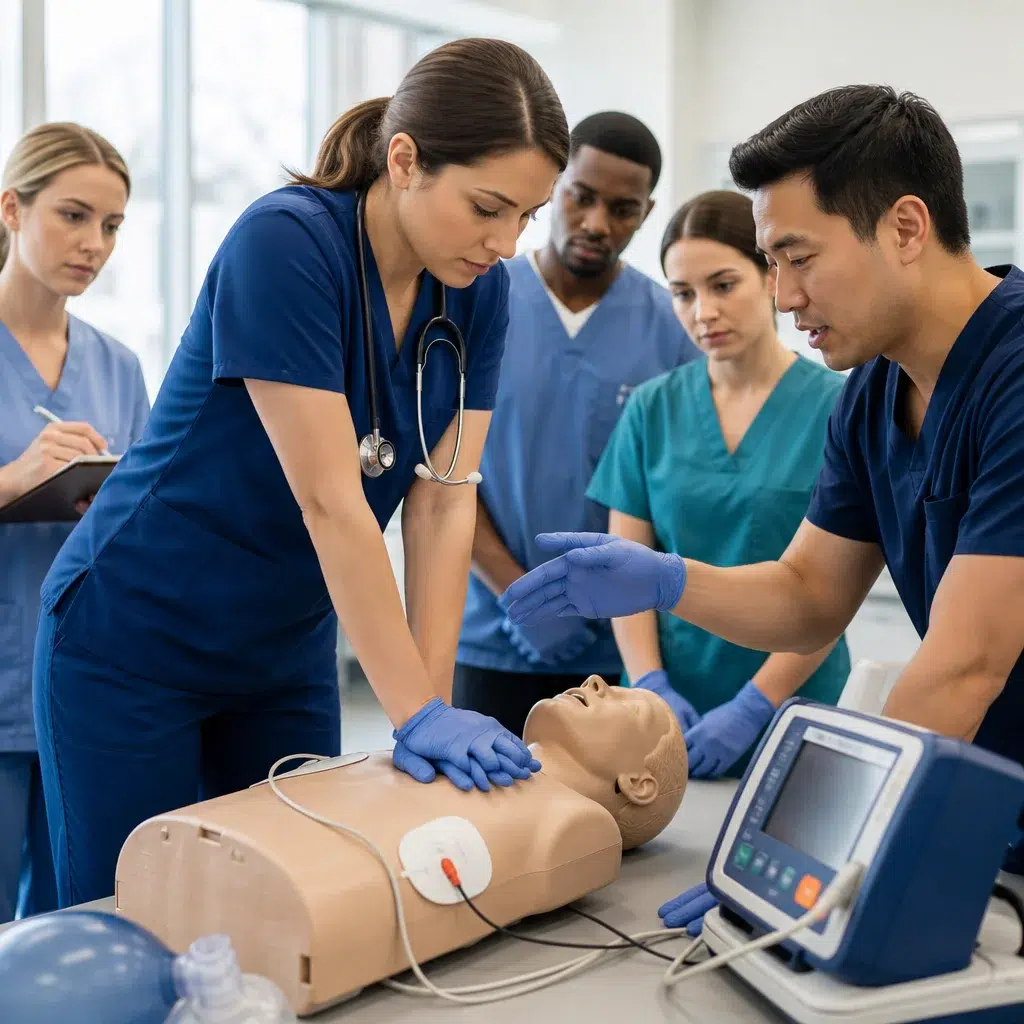
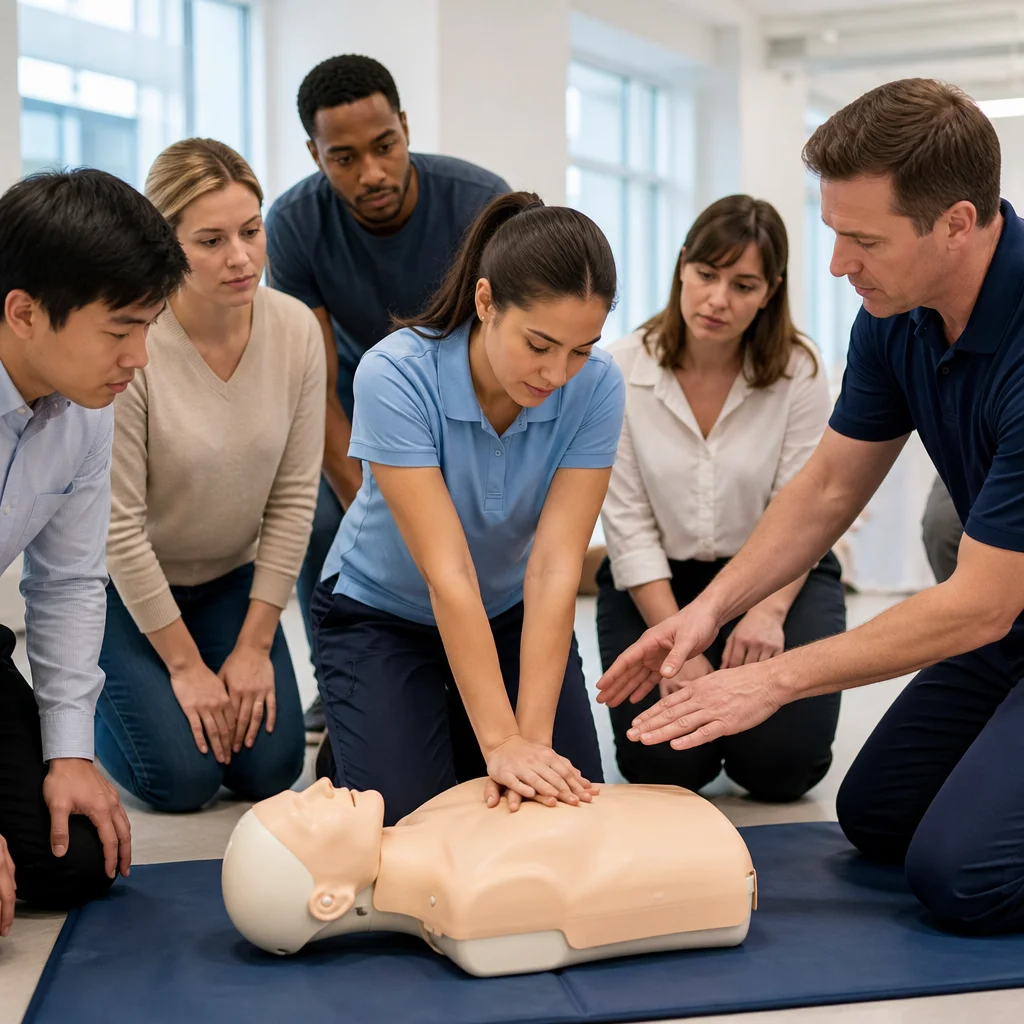
If you’re caring for an unresponsive child who isn’t breathing normally, begin CPR if trained. Chest compressions can be lifesaving while waiting for paramedics. We offer Foster care CPR and first aid training that covers pediatric emergencies, ensuring you’re prepared for this level of crisis response.
Keep the poisoned substance container with the child or hand it directly to paramedics. Update emergency responders with any new symptoms or information. Don’t leave the child unattended during transport or treatment.
Common Household Toxins and Their Specific Risks
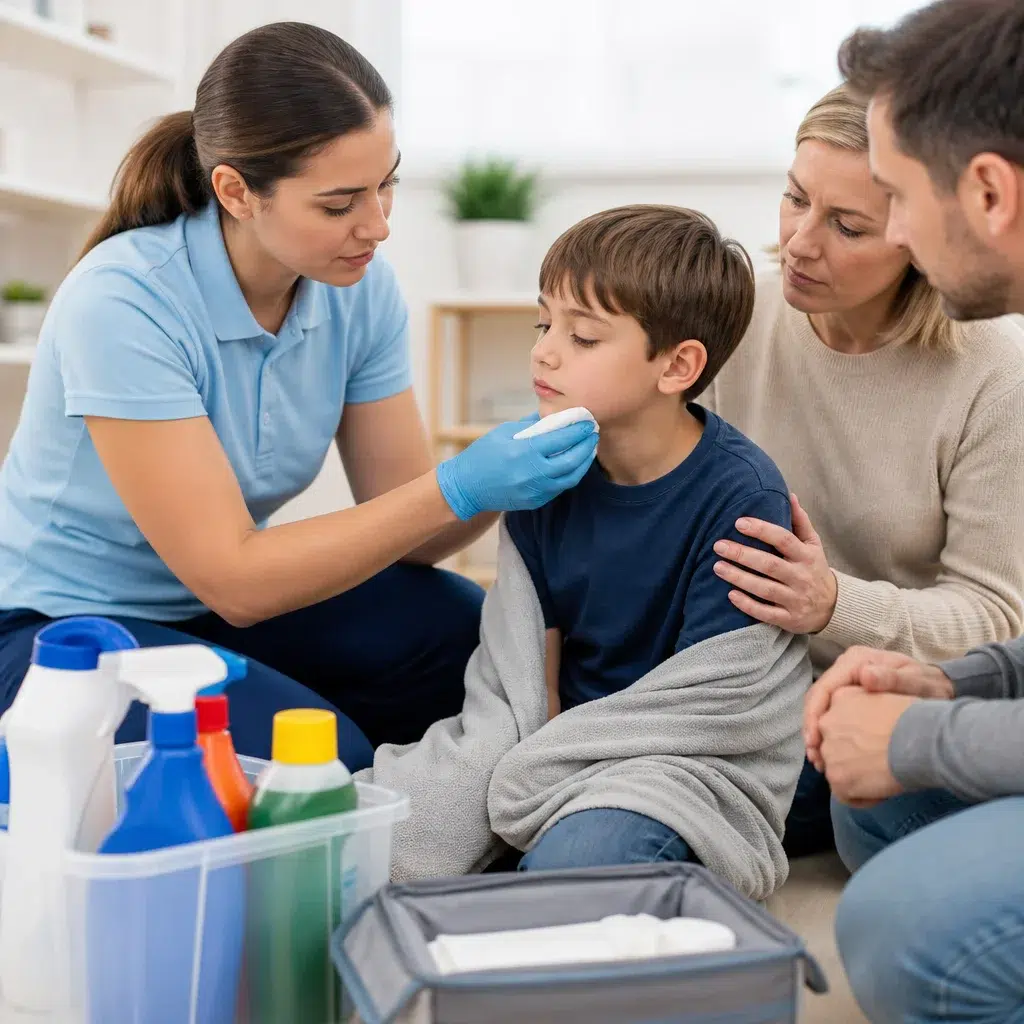
Understanding which everyday items pose the greatest danger helps you prevent exposure and respond appropriately if it occurs.
Medications are the leading cause of poisoning in children under age 5. Prescription painkillers, blood pressure medications, and psychiatric drugs are particularly dangerous in small doses. Even one or two tablets can cause serious harm. Store all medications in original containers in locked cabinets or high shelves, completely out of reach.
Cleaning and personal care products contain corrosive chemicals that burn the mouth, throat, and digestive tract. Drain cleaners, dishwasher pods, and furniture polish cause rapid internal damage. These require immediate poison control contact because treatment timing matters significantly.
Pesticides and rodent poisons act systemically, affecting the blood, nervous system, or organs. Exposure might not produce symptoms for hours or even days, yet damage is occurring internally. This is why poison control assessment is crucial even if the child seems fine initially.
Iron supplements and prenatal vitamins contain dangerous levels of iron for small children. A child can absorb toxic amounts from just a few tablets. The same applies to some botanical products and supplements that adults assume are harmless.
Plants found in homes and gardens often contain toxins. Dieffenbachia, oleander, foxglove, and lily plants cause different types of poisoning ranging from mouth irritation to heart rhythm problems. Teach children not to eat plants, flowers, berries, or mushrooms without permission.
Carbon monoxide from faulty heating systems, generators, or vehicle exhaust represents an invisible poisoning risk. Unlike other toxins, you can’t see it or smell it. Install carbon monoxide detectors in your home, especially in bedrooms and near fuel-burning appliances.
First Aid Training That Prepares You for Real Emergencies
Theoretical knowledge helps, but hands-on practice builds the muscle memory and confidence you need when stress and fear are high. First aid training transforms abstract concepts into muscle memory through repeated practice, scenario-based learning, and feedback from certified instructors.
Our courses emphasize pediatric-specific techniques because children require modified approaches compared to adults. We teach how to assess responsiveness differently, perform age-appropriate CPR, and recognize child-specific poisoning signs. Your instructors have extensive healthcare experience and understand the unique pressures caregivers face during emergencies.
We offer blended learning options that combine online modules with in-person skills sessions. This approach saves you time while ensuring you receive hands-on instruction for critical techniques like CPR. You learn concepts at your own pace online, then practice with an instructor who provides real-time feedback and correction.
Our low price guarantee means you’re not choosing between affordability and quality. We maintain competitive pricing across all our California locations while never compromising on instruction standards or class size. We’ve trained thousands of healthcare professionals, parents, and caregivers across California, from Sacramento to San Francisco, from Fresno to Santa Cruz.
How Our Certified Programs Build Your Confidence and Competence
Certification from our programs provides official documentation that you’ve met established competency standards. Employers, schools, and licensing boards recognize our certifications because we adhere to strict educational guidelines and maintain rigorous instructor qualification standards.
Beyond the certificate itself, you gain practical problem-solving skills. Our instructors don’t just tell you what to do; they walk you through decision trees that mimic real emergencies. You practice prioritization, communication with emergency services, and managing your own stress response. These soft skills matter as much as technical knowledge.
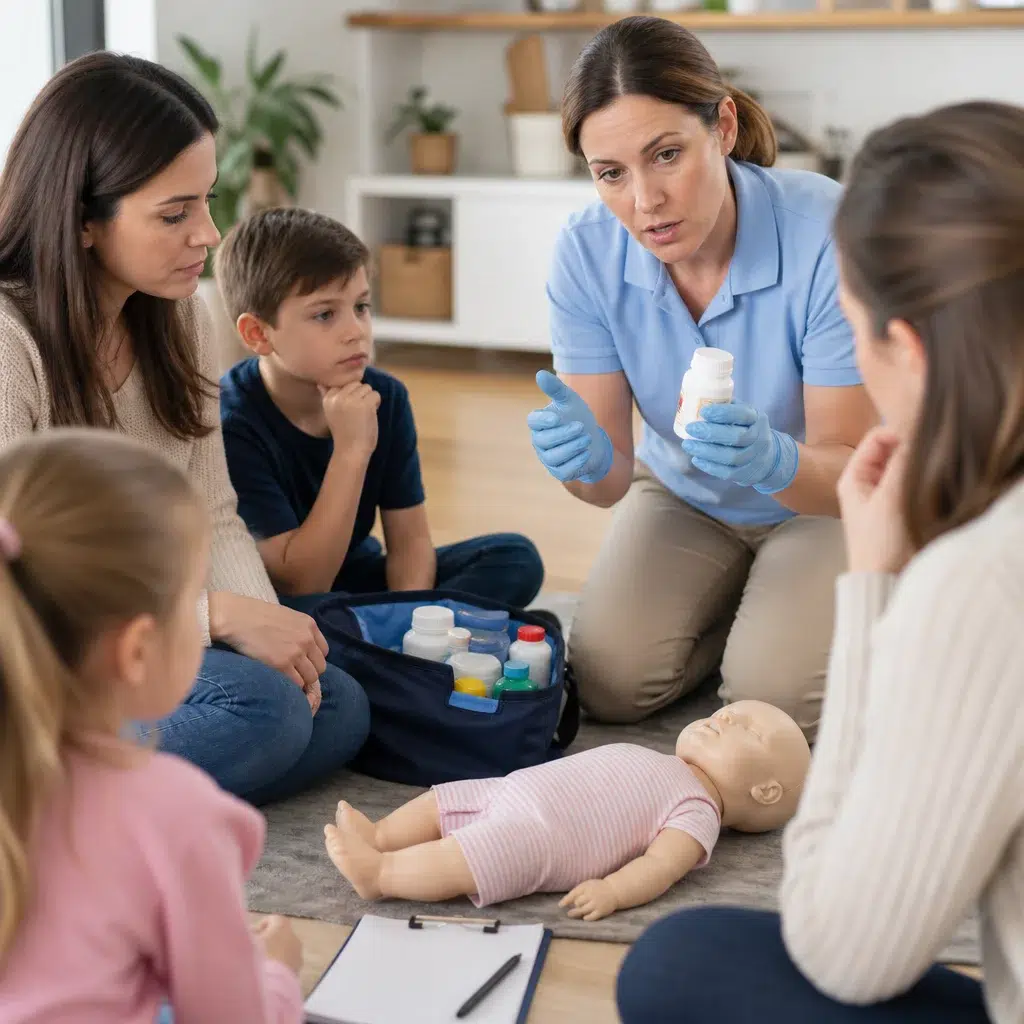
We rotate classes across over 100 California locations, so you can find convenient scheduling near you. Whether you’re in Alameda, Visalia, Redwood City, or any city in between, we have training available. Our daily class offerings mean you can fit certification into your schedule without long waits or inconvenient timing.
Our instructors provide personalized feedback during skills practice. You’re not just watching a demonstration; you’re practicing chest compressions, rescue breathing, or choking relief under expert guidance. This repetition and correction build competence that sticks with you years after training.
Recertification courses ensure your knowledge stays current. First aid practices evolve as evidence changes. Refresher training every two years keeps you aligned with current best practices and maintains your official certification status.
Getting Your First Aid Certification Today
Your next step is straightforward. Visit our website or contact us directly to find classes near you. We schedule courses frequently at convenient times, often accommodating same-week enrollment. Many of our locations offer classes in the evening or on weekends, fitting professional and family schedules.
Choose between our pediatric first aid program, which emphasizes child-specific emergencies, or our general first aid certification, which covers all age groups and common emergency scenarios. Both include poisoning response and are taught by experienced instructors who care about your success.
Register online, complete any prerequisite online modules, and arrive ready to practice. Bring a photo ID and arrive 10-15 minutes early. Our classes typically run 6-8 hours depending on the certification type, with breaks built in. You’ll leave with official certification, a course manual for future reference, and genuine confidence in your ability to respond effectively.
Don’t wait for an emergency to discover gaps in your knowledge. Being prepared means you’ll stay calm, make better decisions, and potentially save a child’s life. Your training investment protects the children in your care while giving you peace of mind that you know what to do if poisoning or other emergencies occur.
Register for a class today.
Frequently Asked Questions (FAQ)
What should I do if a child swallows something toxic before I can get professional help?
We recommend staying calm and not inducing vomiting, as this can cause additional harm depending on what was ingested. Remove any remaining substance from the child’s mouth, keep the poisoned item or its container nearby to identify what they swallowed, and call Poison Control immediately at 1-800-222-1222 for specific guidance. Our first aid training covers these critical steps in detail so you know exactly how to respond without hesitation.
How does our training prepare caregivers to handle pediatric poisoning emergencies?
We teach you to recognize signs of toxic ingestion like unusual behavior, difficulty breathing, or chemical burns around the mouth, then walk you through the exact sequence of actions needed in those terrifying first moments. Our blended courses combine virtual learning with hands-on practice at one of our 100+ California locations, so you build real confidence handling child medical emergencies. We also cover specific risks from common household toxins so you understand what you’re actually dealing with during a crisis.
Where can I get certified in pediatric first aid in my area?
We offer daily BLS and first aid certification courses at locations throughout California, including multiple options in San Francisco, Los Angeles, Sacramento, San Jose, and dozens of other communities. You can enroll online at https://safetytrainingseminars.com to find the class that fits your schedule, and our low price guarantee means you’re getting the best value on your certification.