Table of Contents
- 1. Understanding AHA Compliance Requirements for Nursing Licenses
- 2. Why Blended Learning Delivers Superior Recertification Outcomes
- 3. Same-Day Certification Cards and Immediate Compliance
- 4. Flexible Scheduling Across 100+ California Training Locations
- 5. Specialized ACLS and BLS Programs for Healthcare Professionals
- 6. Low-Price Guarantee Without Compromising Quality Standards
- 7. RQI Simulation Technology and VAM-Enhanced Skills Stations
- Frequently Asked Questions (FAQ)
1. Understanding AHA Compliance Requirements for Nursing Licenses
California nursing licenses require current Basic Life Support (BLS) certification, and many clinical specialties mandate Advanced Cardiovascular Life Support (ACLS) or Pediatric Advanced Life Support (PALS) renewal. These certifications don’t just satisfy regulatory boxes—they’re direct reflections of your clinical readiness and competency in emergency response.
The California Board of Registered Nursing (BRN) and your employer’s credentialing committees verify that your certifications remain active and current. Lapsed credentials can suspend shift privileges or block new job opportunities, which is why timing matters enormously. You need a recertification partner who understands the urgency and specificity of healthcare licensing requirements.
At Safety Training Seminars, we’ve built our entire operation around one principle: your professional licensing timeline should never be an obstacle. That’s why we offer courses across over 100 California locations—from San Francisco and Oakland to Sacramento, San Jose, and beyond—with daily availability so you can renew without disrupting your schedule.
Actionable takeaway: Check your current certification expiration date today. If you’re within 60 days of expiration, schedule your renewal immediately; don’t wait until the last week, when availability tightens across the board.
2. Why Blended Learning Delivers Superior Recertification Outcomes
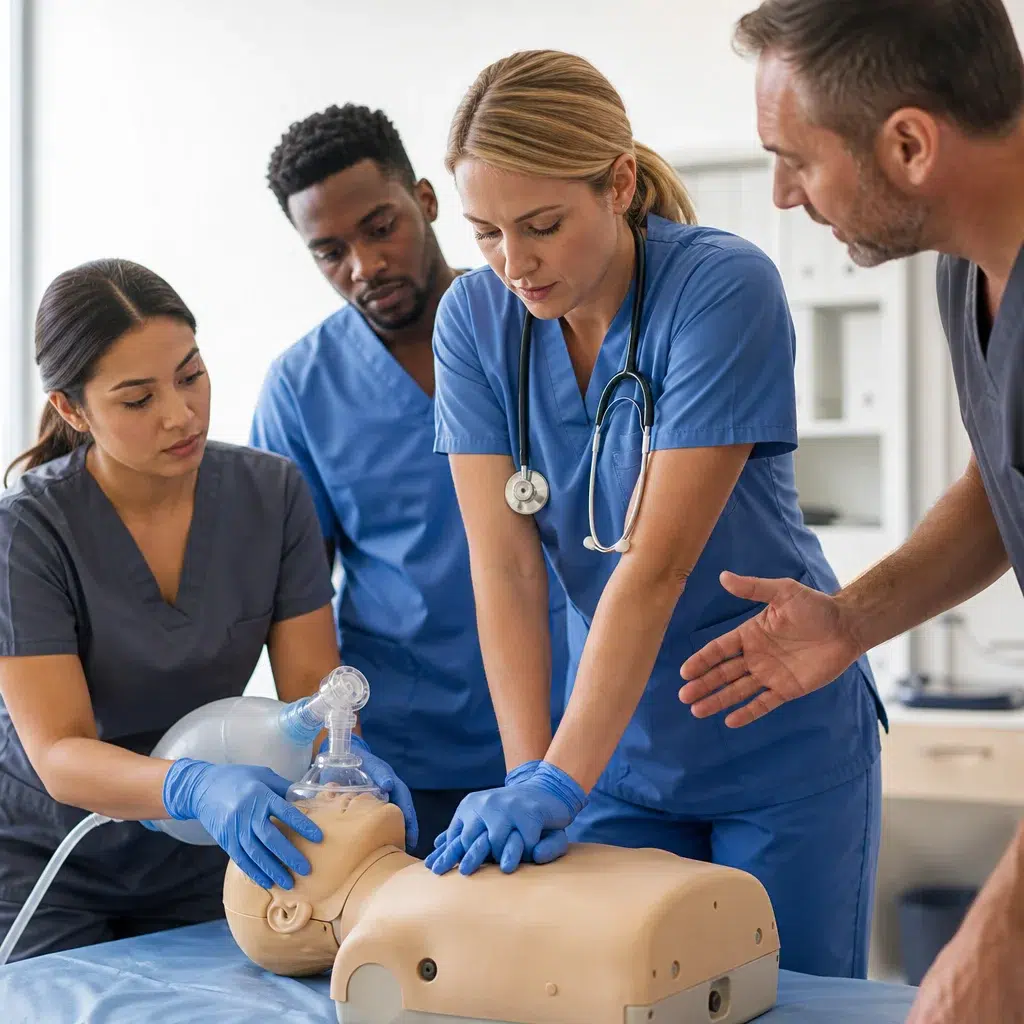
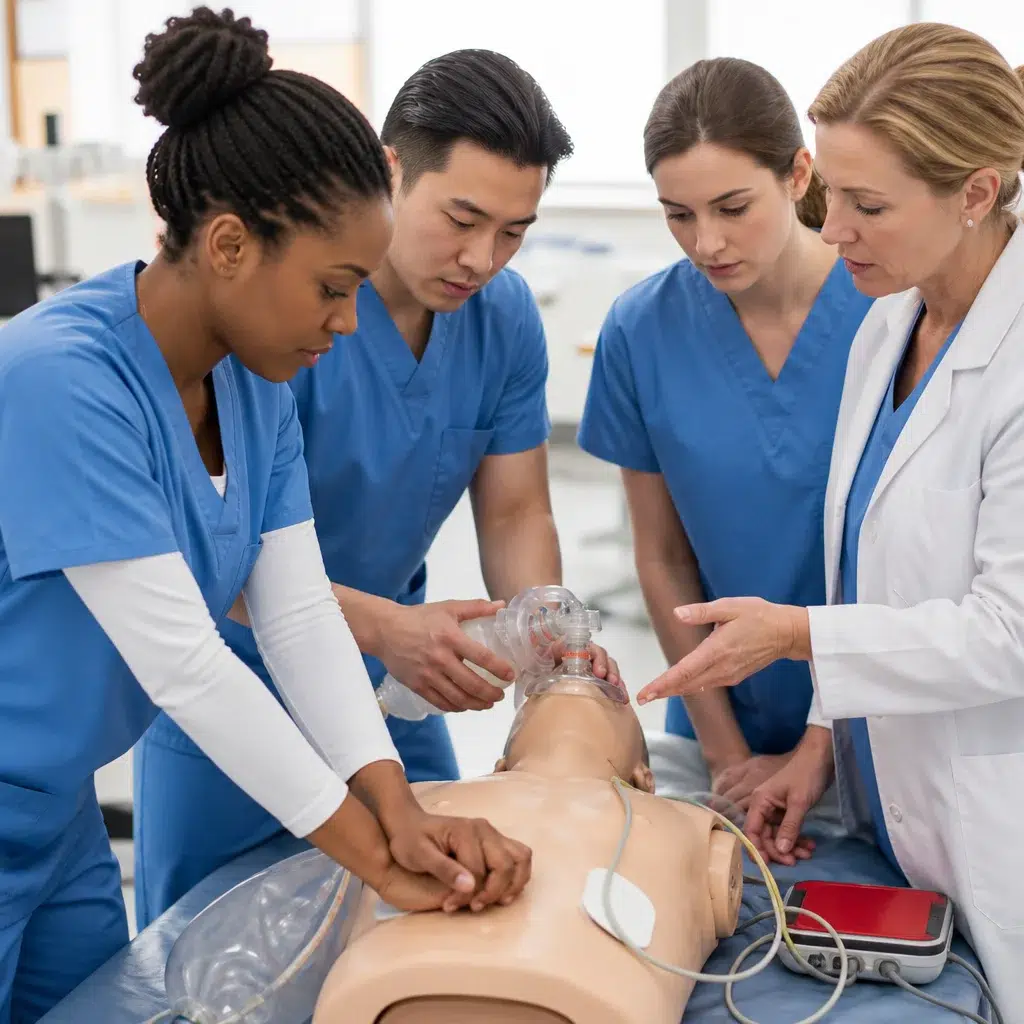
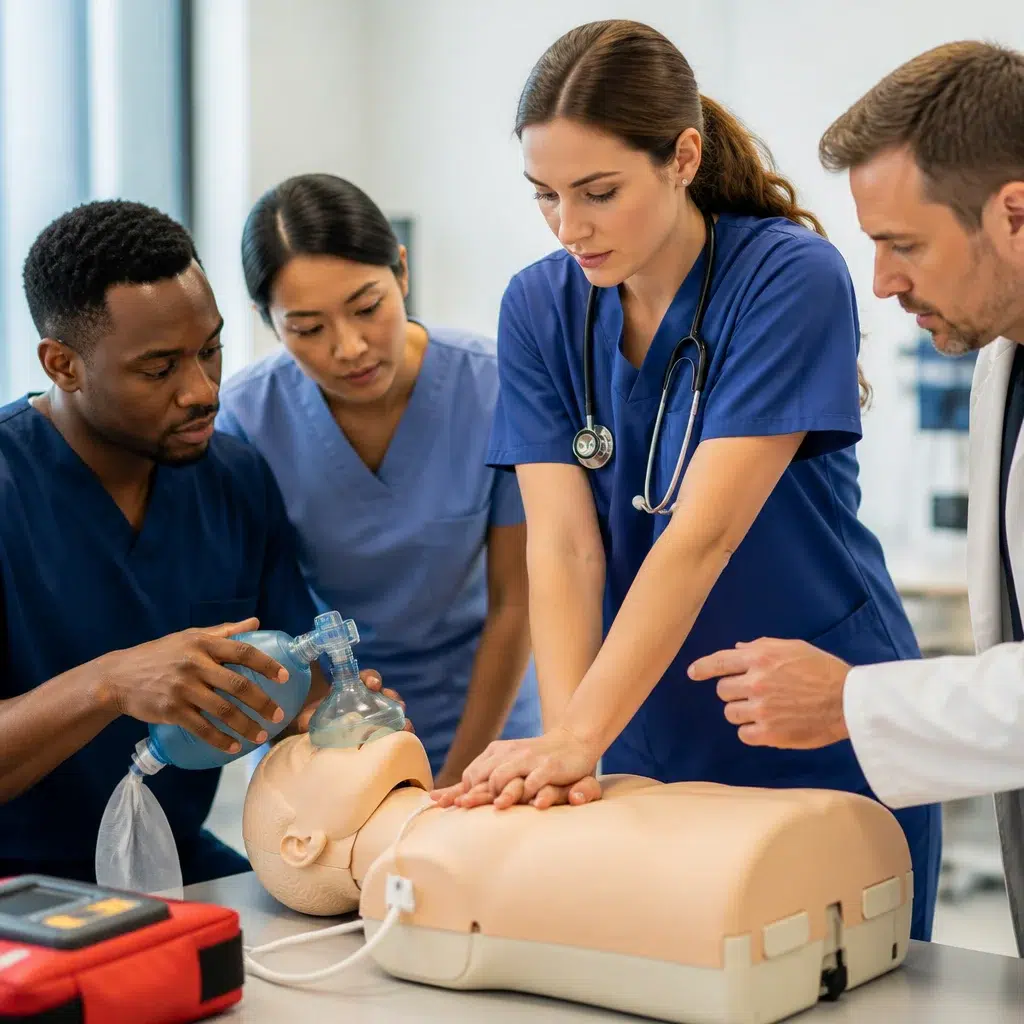
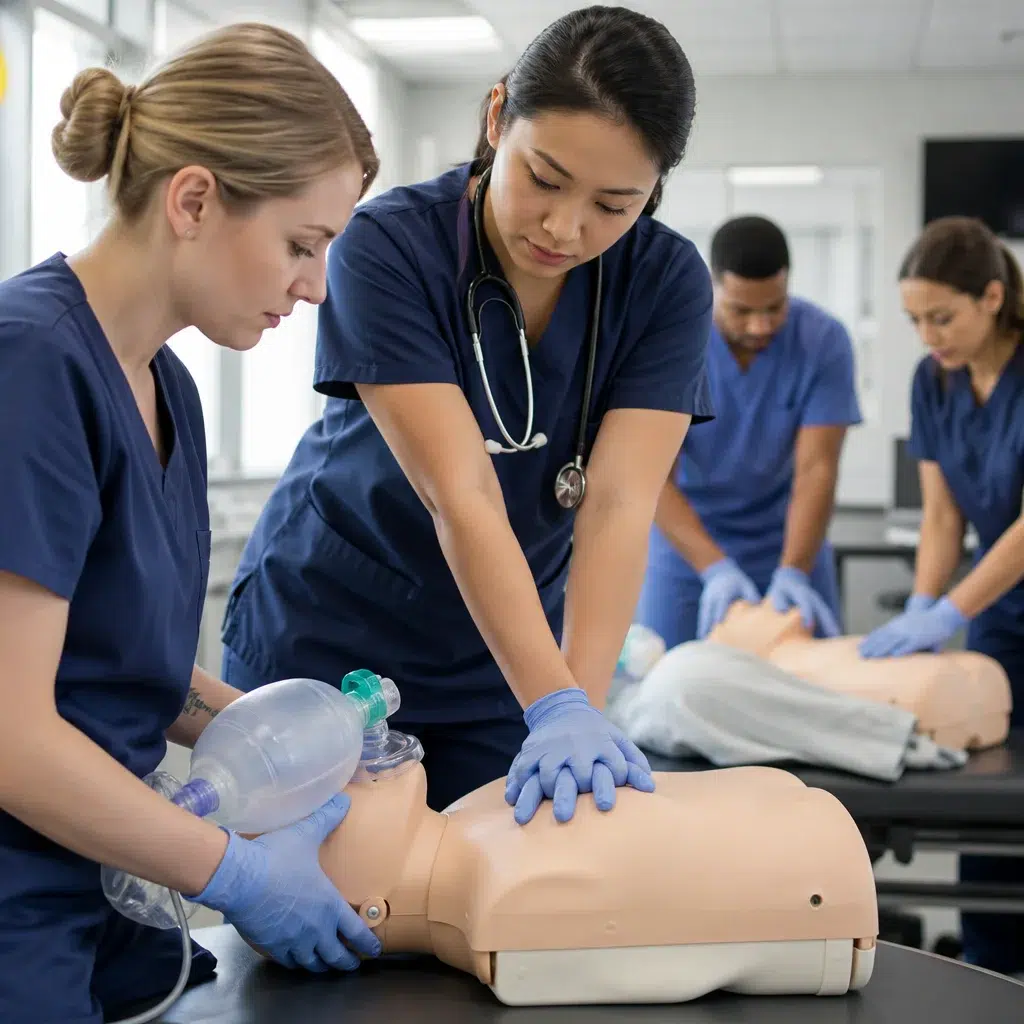
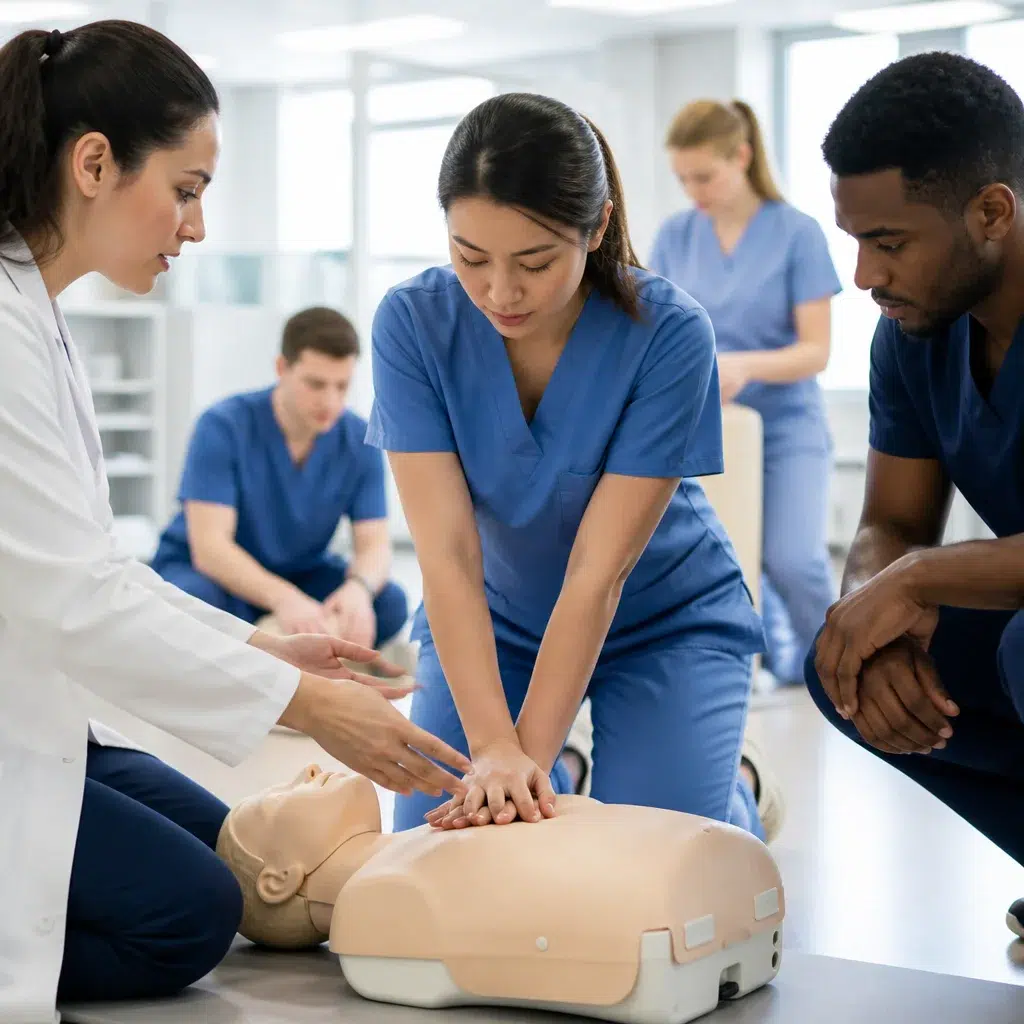
Blended learning combines online knowledge components with hands-on, in-person skills sessions. This approach works better than pure online training because CPR and ACLS mastery requires physical practice—chest compression depth, airway positioning, and team communication can’t be learned through screens alone.
Here’s the real advantage: you absorb theory and video demonstrations remotely at your own pace, then arrive at your skills session already primed. This means instructors spend less time lecturing and more time coaching your actual technique. You get immediate, personalized feedback on your compressions, rescue breathing, and defibrillator use during the hands-on component.
We’ve designed our blended model specifically for working nurses who can’t afford to lose an entire day to training. The online portion typically takes 1-2 hours and fits into whatever schedule suits you—lunchtime, evening, weekend. Your in-person skills session is shorter, focused, and more effective because you’ve already absorbed the foundational material.
The outcome is higher confidence and genuine skill retention. You’re not just passing a test; you’re reinforcing the muscle memory and decision-making pathways you’ll actually use in an emergency. That difference shows up in real clinical settings.
Actionable takeaway: Before you enroll, ask whether your course includes both online and in-person components. Pure online certification without hands-on validation falls short of what you need as a clinician.

3. Same-Day Certification Cards and Immediate Compliance
One of the biggest frustrations with recertification is waiting. You complete your course on Friday and find yourself anxious over the weekend wondering when your card will arrive. Some providers mail physical cards 5-10 business days after course completion, which means you’re technically non-compliant until the mail arrives.
We issue same-day digital verification cards immediately upon successful course completion. No waiting. You walk out with credential evidence on your phone or printed in hand. This is crucial if you’re switching jobs, updating your hospital credentialing file, or facing an unexpected audit of staff certifications.
Digital verification cards are recognized by hospitals, clinics, and employer systems across California. They provide proof of AHA-compliant training right away, so your employer can update their records without delay. For nurses working per diem across multiple facilities, this matters even more—you maintain compliance status instantly as you transition between assignments.
We also offer CPR verification stations at select locations where you can access additional credential documentation or extend your proof of training. If you prefer physical cards alongside your digital credentials, we ensure both arrive swiftly.
Actionable takeaway: When choosing your recertification provider, confirm they deliver immediate verification on completion day. Don’t settle for providers who make you wait for mail-based proof.
4. Flexible Scheduling Across 100+ California Training Locations
You work irregular shifts. Maybe you’re full-time bedside nursing in Fremont or Hayward, or you pick up per diem hours across multiple hospitals in the San Francisco Bay Area. Your availability is fragmented, and recertification scheduling has to fit around your clinical calendar.
We operate over 100 training locations throughout California, including dedicated facilities in major nursing hubs: Sacramento, San Jose, San Francisco, Oakland, Stockton, Fresno, and dozens of surrounding communities. Whether you’re based in Palo Alto, San Mateo, or Visalia, you’ll find a class within your commute range.
Most importantly, we offer courses daily—mornings, afternoons, weekends, and hybrid options. You’re not locked into a rigid monthly schedule where the only available slot conflicts with your mandatory shift. We’ve built flexibility into our entire calendar because we understand healthcare professionals can’t just rearrange their clinical commitments.
If you’re relocating or working across multiple California regions, our expanded location network means you can maintain consistent recertification continuity. Your credential requirements don’t change when you move from one facility to another.
Actionable takeaway: Create a list of 2-3 training locations near your primary work sites and home. Cross-reference their weekly schedules early—aim to book 3-4 weeks ahead to secure your preferred date and time.
5. Specialized ACLS and BLS Programs for Healthcare Professionals
General CPR courses designed for laypersons differ fundamentally from clinical-focused BLS and ACLS programs built for nurses, paramedics, and emergency technicians. As a healthcare professional, you need certification aligned with your clinical context and decision-making responsibilities.

Our ACLS programs for healthcare providers emphasize pharmacology, medication timing, and rhythm interpretation at a depth that general public courses skip entirely. PALS training incorporates pediatric-specific algorithms and neonatal resuscitation protocols essential for nurses in labor-and-delivery, pediatric, and neonatal intensive care units. BLS for healthcare providers assumes your working knowledge of anatomy and clinical workflow, accelerating past foundational concepts to focus on team dynamics and realistic scenarios.
This specialization matters because your certifying body—your employer’s credentialing committee and California’s licensing standards—expect you to hold healthcare provider-level certification, not basic public CPR. The credential carries different weight and demonstrates you’ve trained at the professional standard required for your role.
We deliver these specialized programs with instructors who themselves work in or have extensive healthcare backgrounds. They speak your clinical language, understand shift realities, and teach scenarios you’ll actually encounter in your hospital or clinic environment.
Actionable takeaway: Always confirm your recertification course is labeled “for healthcare providers” or “professional level.” Your job requirements demand it, and your credentialing file needs to reflect that higher standard.
6. Low-Price Guarantee Without Compromising Quality Standards
Recertification shouldn’t drain your budget. Some providers charge premium rates justified more by marketing spend than by training quality, forcing you to absorb unnecessary costs just to maintain your license.
We maintain a low-price guarantee across all our AHA-compliant courses. You get the same certified instruction, hands-on skills practice, and immediate verification cards—but without the inflated pricing. Our model emphasizes training volume and operational efficiency rather than luxury amenities or expensive marketing campaigns.
Group discounts multiply savings if multiple nurses from your facility are recertifying together. Many hospitals schedule staff recertification blocks with us at discounted rates, which can reduce per-person costs significantly. If you’re an independent practitioner or per diem nurse, our standard pricing remains competitive compared to single-course providers.
We publish our pricing transparently—no hidden fees, no surprise charges added at checkout. What you see is what you pay. This transparency extends to our course formats too; you know exactly what’s included in blended versus in-person options before you enroll.
Actionable takeaway: Compare pricing across 3-4 providers and request written quotes. Look beyond the headline price; verify what’s included, whether digital cards cost extra, and whether group discounts apply to your situation.
7. RQI Simulation Technology and VAM-Enhanced Skills Stations
RQI (Resuscitation Quality Improvement) technology integrates real-time feedback devices into mannequins during practice, allowing your instructor to track compression depth, rate, and hand position instantaneously. Rather than guessing whether your chest compressions are adequate, you see immediate metrics and coaching cues.
VAM (Voice Assisted Manikin) stations guide you verbally through scenarios while sensors validate your technique. This combination creates a bridge between isolated skills practice and realistic team scenarios. You’re building confidence that your compressions will deliver blood flow in a real cardiac arrest, not just passing a demonstration for an evaluator.
These technologies reduce instructor subjectivity and increase the reliability of skills assessment. Every compression you deliver is measured against AHA standards; you either meet the benchmark or you receive specific guidance to adjust. This objective feedback is particularly valuable for recertification because it confirms your muscle memory remains sharp and your technique hasn’t drifted since your last renewal.

Our equipped skills stations across California locations feature this technology, making advanced training accessible whether you’re renewing in Stockton CPR and BLS, San Francisco, Sacramento, or any of our other Bay Area and Central Valley facilities.
Actionable takeaway: Ask your provider specifically whether they use manikins with feedback sensors or voice-assisted technology. Real-time, objective measurement of your compression quality translates directly to better emergency response performance.
—
Your nursing license and professional credibility are too important to treat recertification as a routine checkbox. You need a partner who understands the urgency of California licensing compliance, the clinical specificity of healthcare professional training, and the practical reality of your shifting schedule.
At Safety Training Seminars, we’ve spent years perfecting AHA-compliant recertification specifically for nurses and healthcare professionals across California. We deliver blended learning that works, same-day verification that prevents compliance gaps, scheduling flexibility that respects your clinical calendar, and hands-on simulation technology that builds genuine competency—all at prices that don’t punish you for maintaining your license.
Book your recertification course today. Your license renewal is too critical to delay, and your schedule deserves a provider who’s engineered every detail around your real-world needs.
Register for a class today.
Frequently Asked Questions (FAQ)
Do your AHA-compliant courses meet California nursing license renewal requirements?
Yes, we deliver training that fully satisfies California’s mandatory certification requirements for nurses. Our courses are designed specifically for healthcare professionals like you who need current BLS, ACLS, or PALS credentials for licensing compliance. We issue same-day certification cards so you can maintain your professional standing immediately after completing our in-person skills sessions.
How does our blended learning format work for busy healthcare schedules?
We combine virtual instruction with hands-on practice at our skills stations, allowing you to complete theory work on your own schedule before attending a brief in-person session. This approach cuts down your total time commitment while ensuring you master critical techniques through direct supervision. With over 100 training locations across California, you can find a session that fits your routine without extensive travel.
What makes our low-price guarantee different from paying more elsewhere?
We’re committed to keeping recertification affordable for healthcare professionals, so we guarantee our rates are the lowest available for the same quality training. If you find a lower price for an equivalent course, we’ll match it. Our pricing reflects efficient operations and our focus on serving nurses, dentists, and EMS personnel without unnecessary markup.