
Table of Contents
- 1. BLS Certification: The Foundation of Nursing Competency
- 2. ACLS Training: Essential for Advanced Care Settings
- 3. PALS Certification: Pediatric Emergency Response Skills
- 4. First Aid Certification: Comprehensive Injury Management
- 5. Bloodborne Pathogens Training: Infection Control Compliance
- 6. Choosing Convenient, Flexible Certification Programs
- 7. Maintaining Current Certifications Without Career Disruption
- Frequently Asked Questions (FAQ)
1. BLS Certification: The Foundation of Nursing Competency
California nurses face a straightforward reality: maintaining current certifications isn’t optional—it’s a requirement for employment, licensure renewal, and patient safety. Yet juggling multiple training deadlines while managing a demanding clinical schedule creates real friction. We understand this challenge because we’ve worked with thousands of nurses across California who need certifications that fit their lives, not complicate them.
The certifications you need extend beyond basic CPR. Modern nursing roles demand specialized credentials in pediatric emergencies, advanced cardiovascular support, infection control, and trauma response. Each certification builds on the last, creating a professional foundation that opens doors to better positions, higher compensation, and expanded scope of practice.
Here’s what separates nurses who simply meet minimum requirements from those who advance their careers: intentional certification planning paired with accessible, efficient training options.
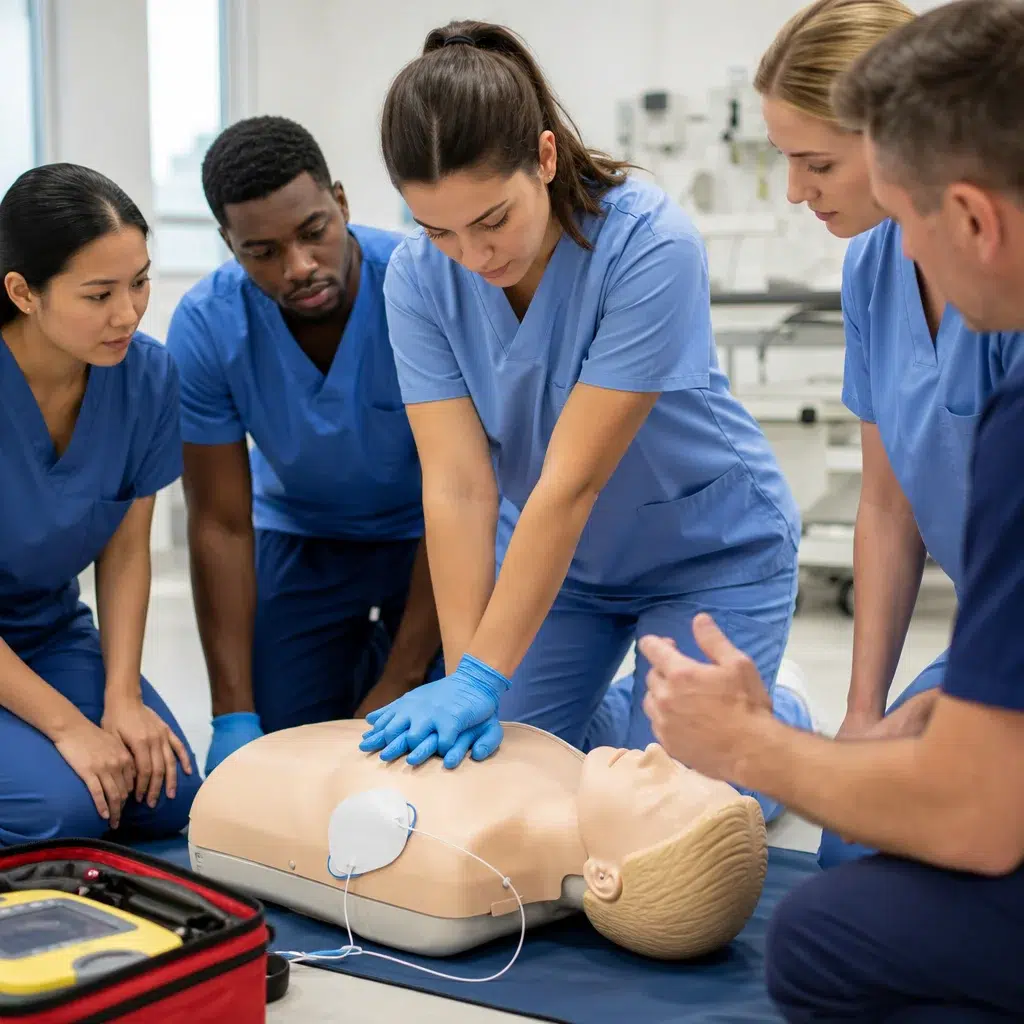
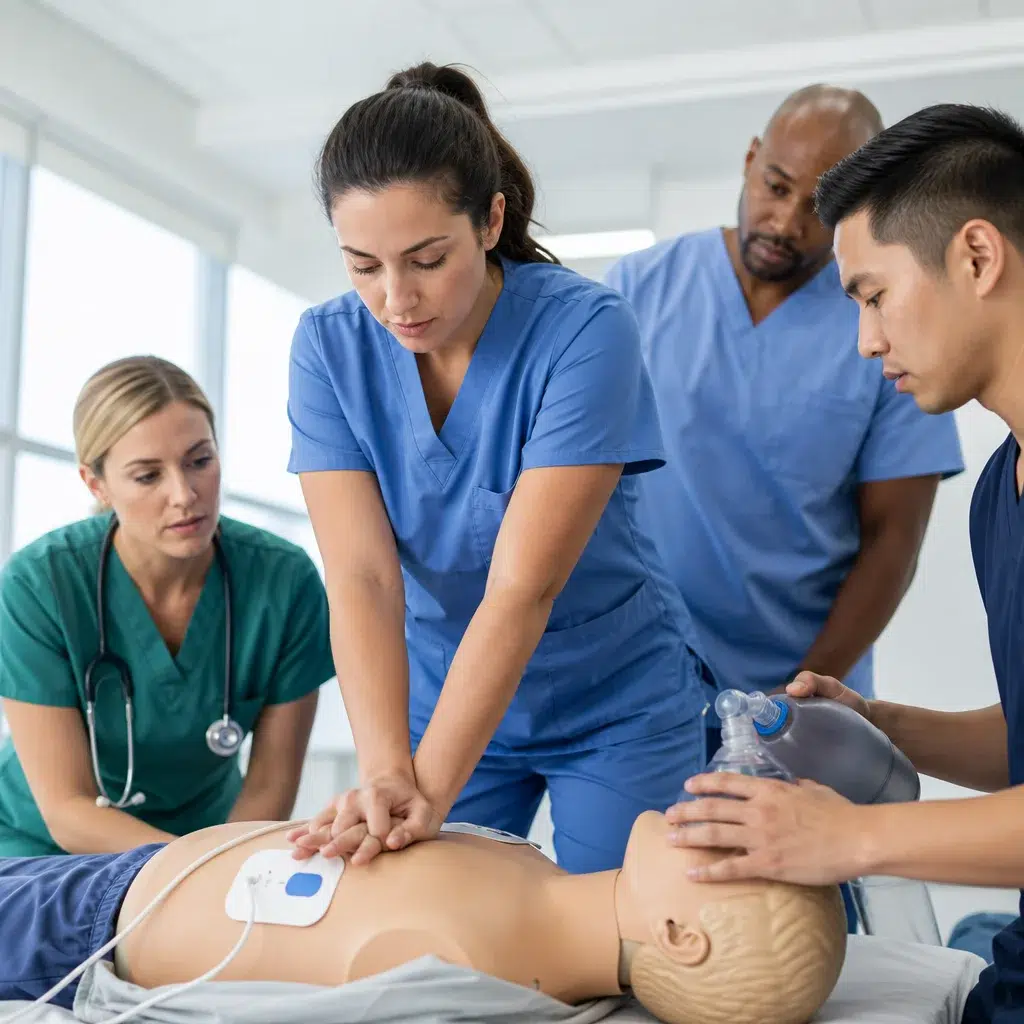
Basic Life Support (BLS) certification is the bedrock credential every nurse must maintain. This isn’t paperwork—it’s the ability to perform high-quality CPR, use automated external defibrillators (AEDs), and recognize cardiac emergencies within the critical first minutes of collapse.
Employers in California require BLS for virtually all nursing positions, from hospital units to urgent care clinics to long-term care facilities. Your BLS card signals that you can respond decisively when seconds matter. Without it, you’re ineligible for hire, regardless of your other qualifications.
Beyond employment requirements, BLS proficiency directly impacts patient outcomes. Research consistently shows that immediate, effective CPR increases survival rates during cardiac arrest. When you perform BLS correctly—maintaining proper chest compression depth, appropriate ventilation ratios, and rapid defibrillation—you’re literally extending someone’s window for recovery.
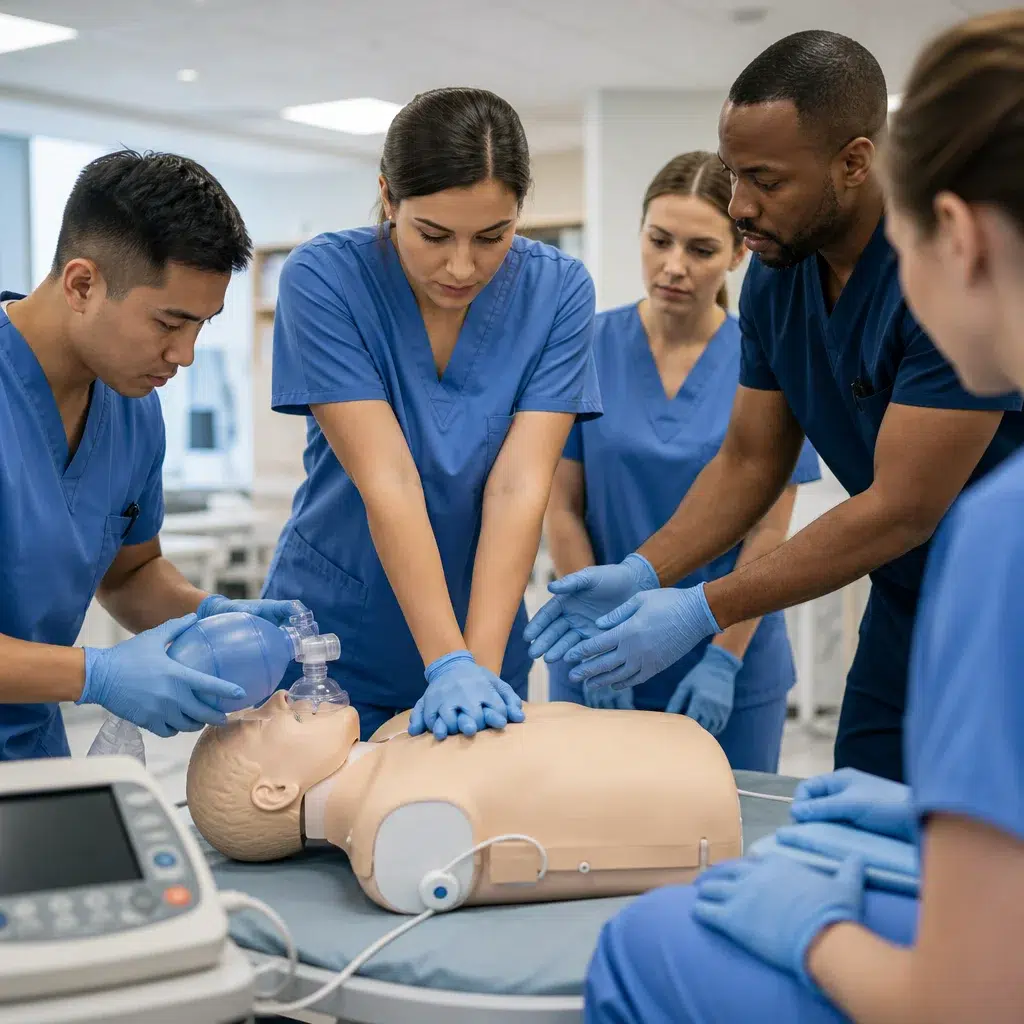
We offer BLS for nurses through blended learning, combining online knowledge review with hands-on practice sessions at locations across California. Whether you’re in Sacramento, San Francisco, or Fresno, you’ll practice on mannequins with real-time feedback from experienced instructors who understand the nursing environment. Many nurses complete BLS renewal in a single half-day session, fitting certification into your existing schedule without unnecessary downtime.
What to do next: Schedule your BLS renewal at least 60 days before expiration to avoid lapsed coverage gaps that might disqualify you from shifts.
2. ACLS Training: Essential for Advanced Care Settings
Advanced Cardiovascular Life Support (ACLS) moves beyond basic CPR into the specialized protocols you’ll use in intensive care units, emergency departments, and critical access hospitals. ACLS certification demonstrates your ability to manage complex cardiac rhythms, administer medications, interpret EKGs under pressure, and lead resuscitation teams.
Many California nurses plateau in their careers because they neglect ACLS renewal or view it as a routine checkbox. The nurses who advance recognize ACLS as a clinical credential that directly enables higher acuity positions, charge nurse roles, and critical care opportunities. Hospital credentialing committees specifically look for current ACLS when evaluating promotion candidates.
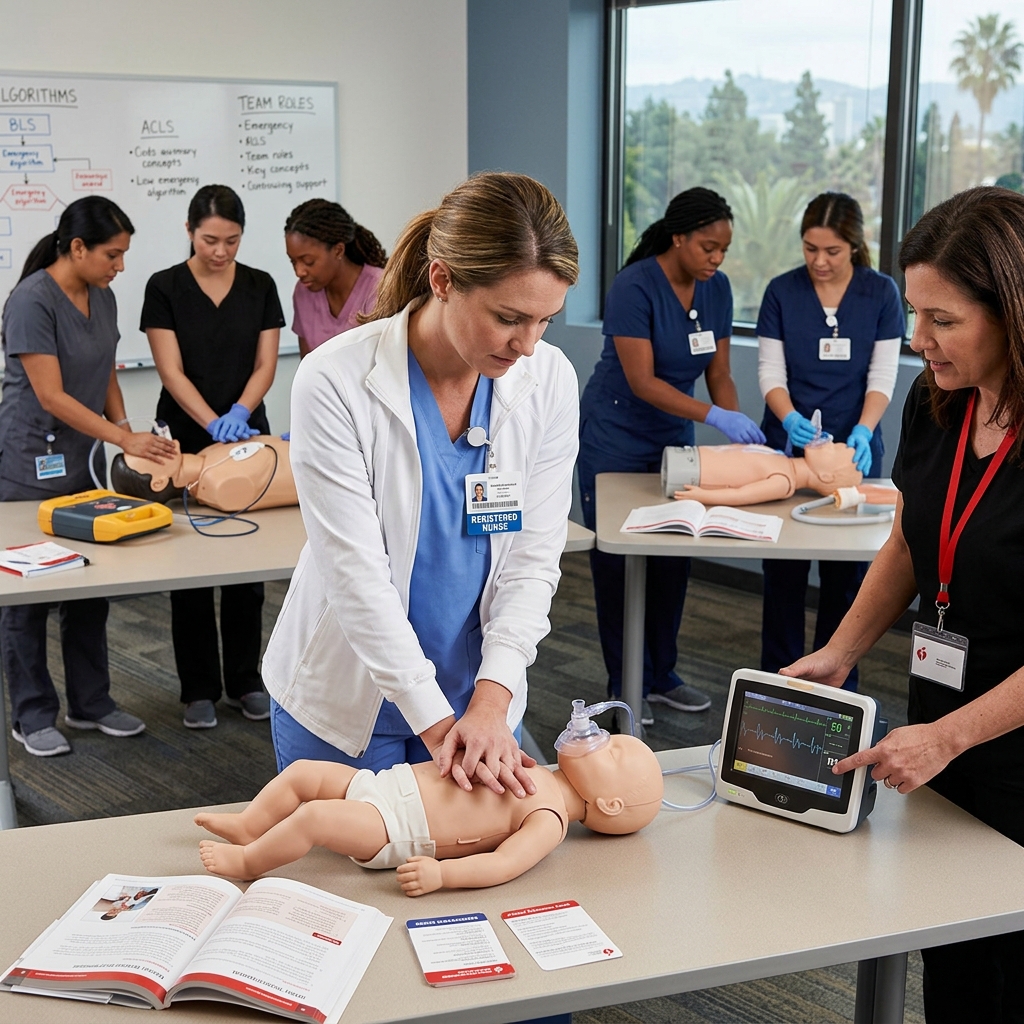
ACLS training covers dysrhythmia recognition, medication administration during resuscitation, and post-cardiac arrest care protocols. Your instructors will walk you through real scenarios: managing a patient with severe bradycardia, recognizing when to give epinephrine versus amiodarone, understanding when to continue resuscitation versus transition to comfort care.
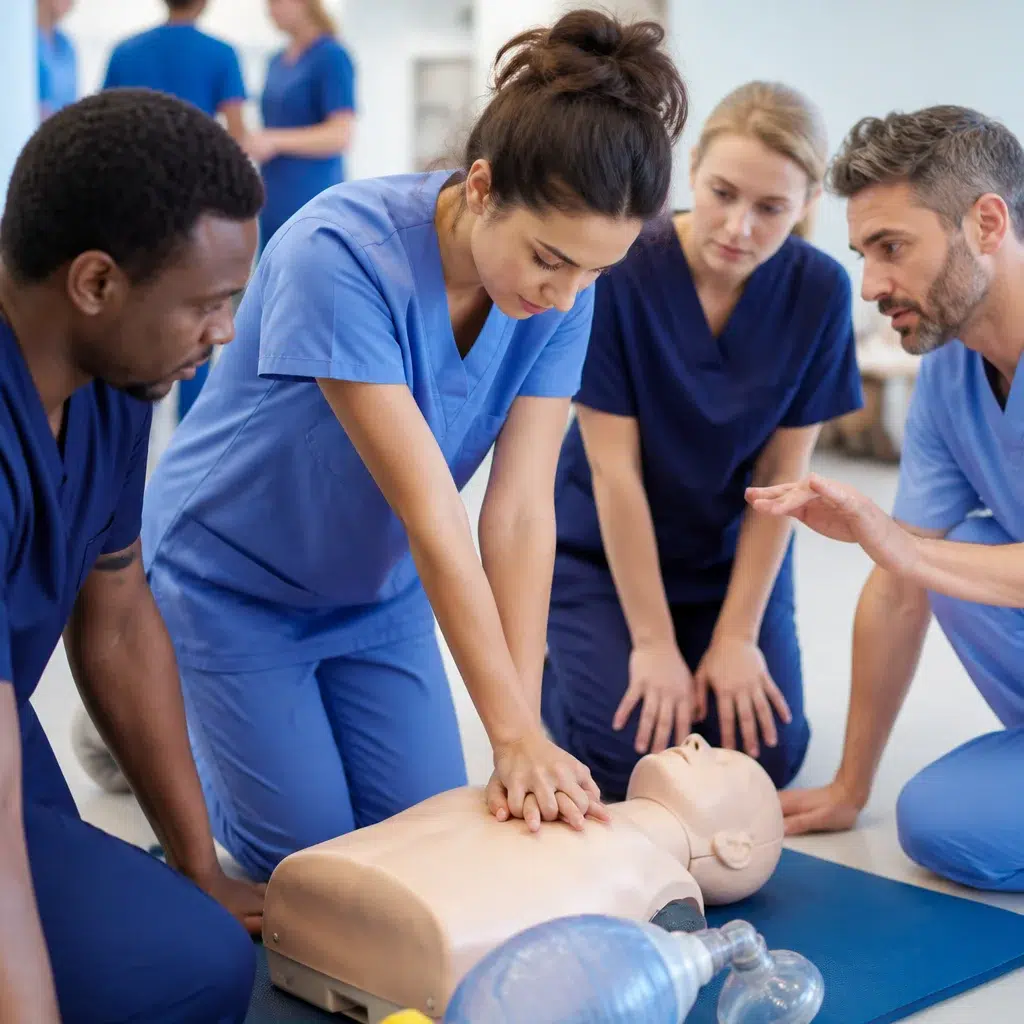
The skill stations matter more than the lecture. You’ll practice on high-fidelity simulators that respond to your interventions, work through code scenarios with your peers, and receive corrective feedback before you’re certified. We structure ACLS courses at convenient times throughout California—early mornings in Oakland, evening sessions in San Jose, and weekend options in Sacramento and other regions—so your recertification doesn’t derail your work schedule.
What to do next: If your ACLS expired or is expiring within 60 days, register for a renewal course immediately, as many employers won’t allow you to work without current certification.
3. PALS Certification: Pediatric Emergency Response Skills
Pediatric Advanced Life Support (PALS) certification is non-negotiable if you work in pediatrics, emergency medicine, or any setting treating children. The physiology of cardiac arrest in infants and children differs fundamentally from adults—compression ratios change, medications are weight-based, and equipment sizing becomes critical.
Nurses without PALS sometimes attempt adult protocols on pediatric patients, a dangerous mismatch that compromises outcomes. PALS-certified nurses recognize early warning signs of pediatric shock, respond with age-appropriate interventions, and manage airway emergencies in infants and children with confidence rooted in evidence-based training.
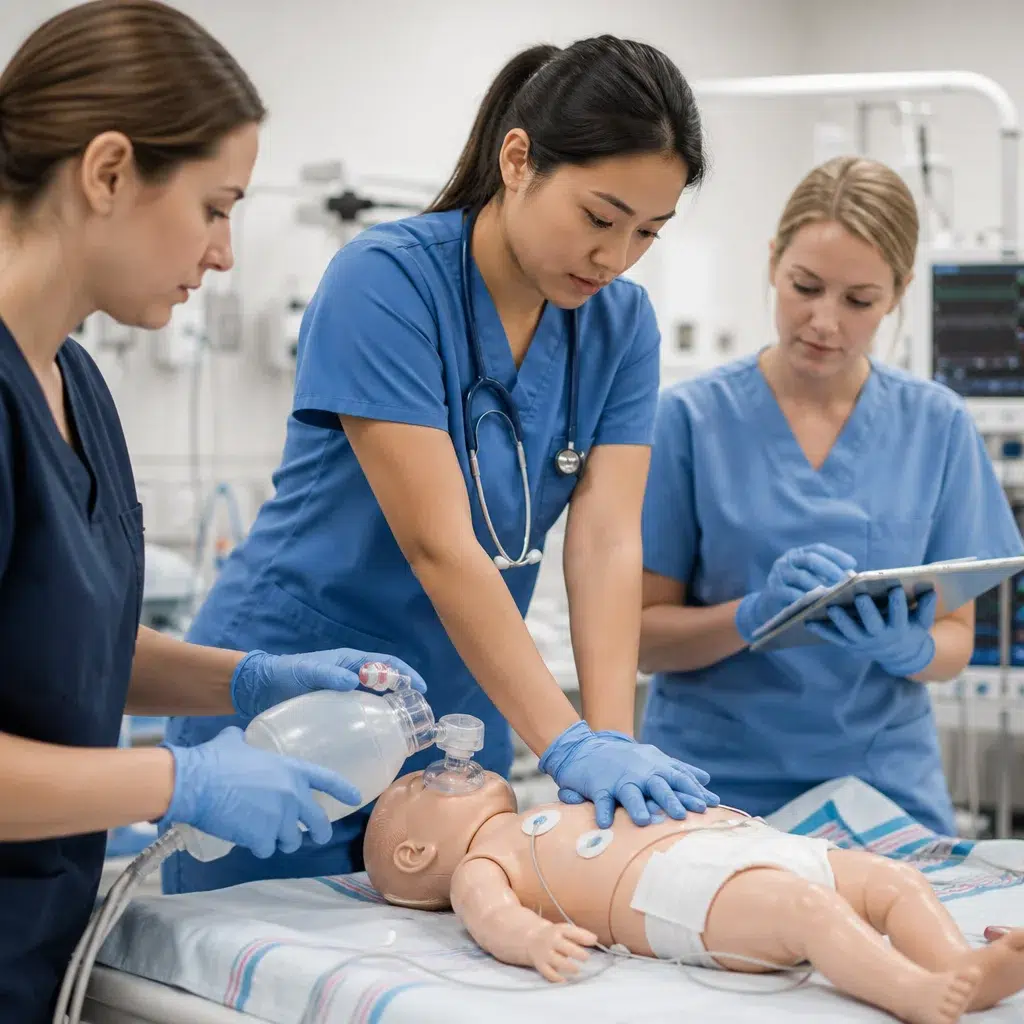
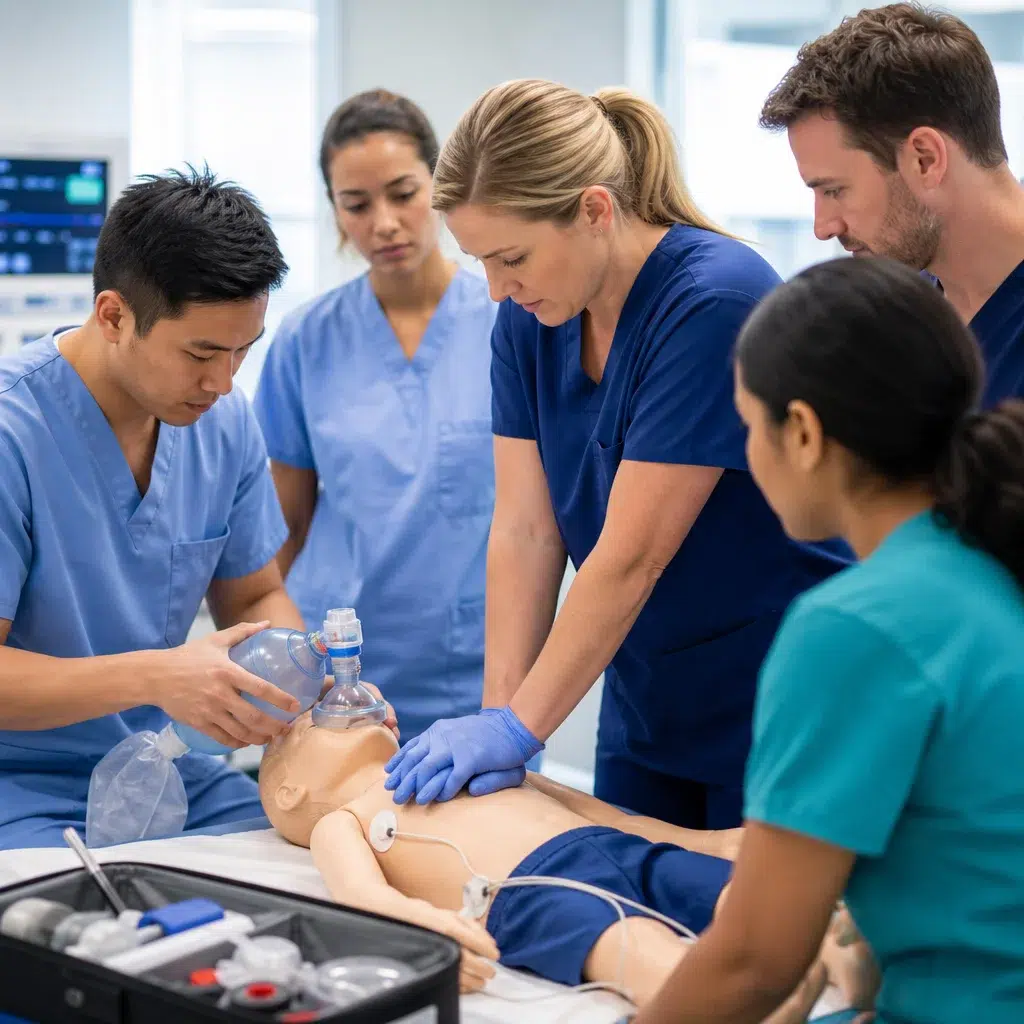
PALS skills testing evaluates your ability to perform infant and child CPR, manage respiratory emergencies, recognize shock patterns, and lead pediatric resuscitations. You’ll practice on pediatric mannequins sized appropriately for different age groups, learning how compression depth and medication doses adjust as children grow.
We offer PALS courses across pediatric-heavy regions like San Francisco’s Mission District, the East Bay hospitals around Oakland and Fremont, and Southern California locations in San Jose and surrounding areas. Our instructors bring pediatric nursing experience and understand the specific challenges you face in real clinical environments.
What to do next: Confirm whether your current or prospective position requires PALS; if yes, schedule training before accepting the role rather than scrambling after hire.
4. First Aid Certification: Comprehensive Injury Management
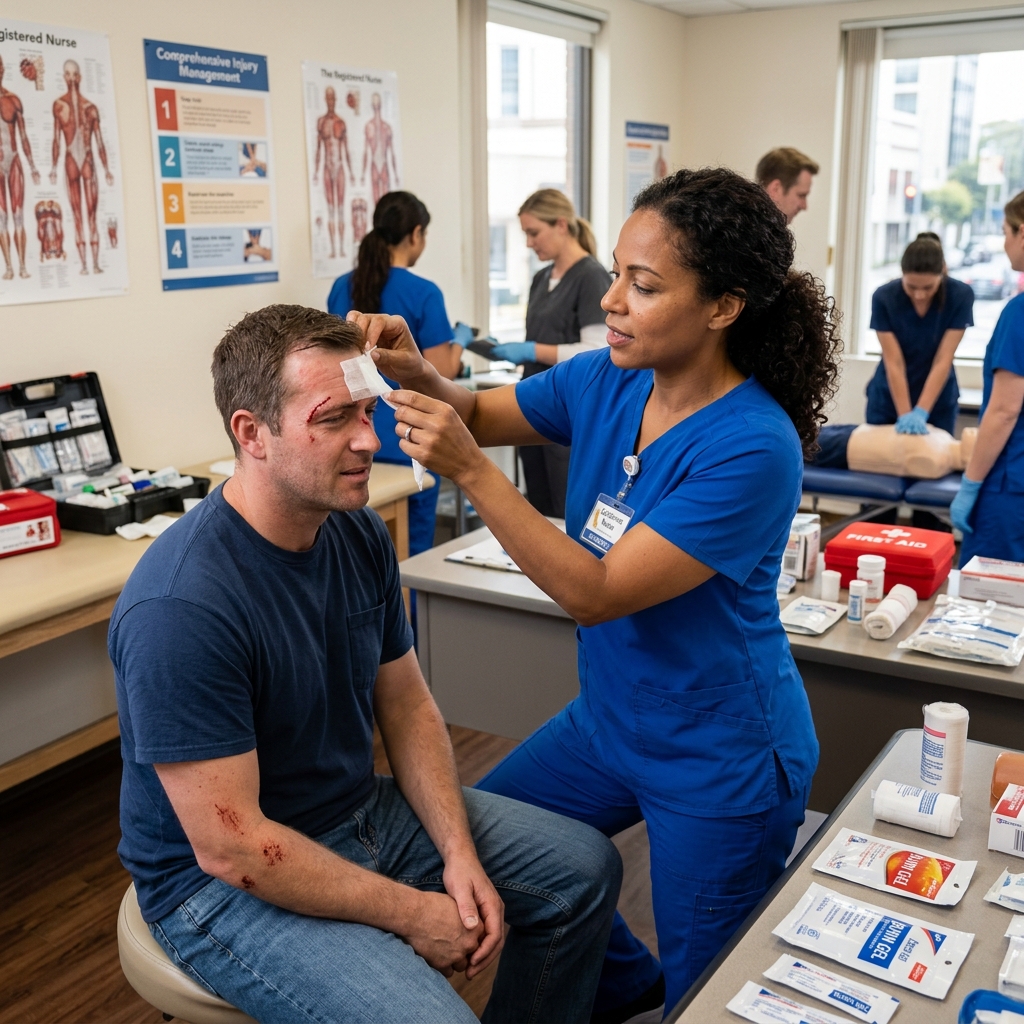
While ACLS and PALS address life-threatening emergencies, First Aid certification covers the injuries and acute conditions nurses encounter before advanced support arrives—lacerations, sprains, burns, choking, and shock recognition. Many nurses assume First Aid is redundant if they have ACLS, but these are complementary skills.
First Aid teaches stabilization and wound management principles that enhance your ability to provide initial care in any setting. You’ll learn when to apply direct pressure versus tourniquet techniques, how to recognize signs of internal bleeding, and appropriate response to environmental injuries like heat exhaustion.
California nurses in occupational health roles, school health positions, or community clinics particularly benefit from robust First Aid credentials. Additionally, some employers value First Aid as evidence of comprehensive safety training when evaluating leadership potential for charge nurse or preceptor roles.
What to do next: Review your facility’s credentialing requirements to confirm whether First Aid complements your current certifications.
5. Bloodborne Pathogens Training: Infection Control Compliance
Bloodborne Pathogens training is legally mandated under California Occupational Safety and Health (Cal/OSHA) standards for any healthcare worker with potential exposure to blood or body fluids. This isn’t optional—it’s a regulatory requirement with real consequences for non-compliance.
This training equips you with practical protocols for exposure prevention, proper personal protective equipment (PPE) use, sharps handling, and post-exposure response procedures. You’ll learn the difference between splash precautions and airborne isolation, understand when N95 respirators are necessary, and recognize exposure incidents that require immediate reporting.
Infection control competency directly protects your health and your patients. As a nurse, you’re exposed to bloodborne pathogens regularly, and rigorous training minimizes your occupational risk while ensuring you follow evidence-based protocols that prevent patient-to-patient transmission.
What to do next: Verify your facility’s renewal schedule and ensure your training stays current with any regulatory updates Cal/OSHA releases annually.
6. Choosing Convenient, Flexible Certification Programs
The most complete set of certifications becomes meaningless if you can’t access training without sacrificing income or overwhelming your schedule. We’ve designed our program model around this reality: blended learning that combines online modules you complete on your timeline with brief in-person skills sessions.
You complete knowledge components remotely, reviewing material at midnight or 6 AM—whenever fits your schedule. Then you attend a single in-person session (typically 4-6 hours) where experienced instructors guide your hands-on practice and administer the final skills evaluation. This structure eliminates multi-day classroom commitments while ensuring rigorous training delivery.
We maintain over 100 training locations throughout California, including multiple sites in high-density nursing regions. Whether you’re in Sacramento’s midtown, San Francisco’s Mission Bay, or smaller communities like Petaluma or Tracy, convenient scheduling options exist nearby. Our courses run daily with morning, evening, and weekend availability.
Beyond scheduling flexibility, we offer transparent, competitive pricing with a low-price guarantee. You won’t find hidden fees or surprise charges. We also provide group rates for healthcare facilities that send multiple staff members, reducing institutional training costs and supporting your employer’s budget constraints.
What to do next: Map out your certification calendar for the next 18 months, noting all expiration dates, then select a training provider that offers consistent availability at locations you can actually reach without excessive travel time.
7. Maintaining Current Certifications Without Career Disruption
Once you’ve earned your certifications, the challenge shifts to maintaining them without gaps that could interrupt your employment. Nursing careers move quickly—promotions happen, positions change, and unexpected transitions occur. Lapsed certifications during these transitions create hiring complications.
The most effective approach involves calendar tracking tied to renewal planning. Set phone reminders at the 90-day mark before expiration, giving yourself a window to schedule training without pressure. Track all certifications in a centralized location—a spreadsheet, calendar app, or file on your phone—so you never lose visibility.
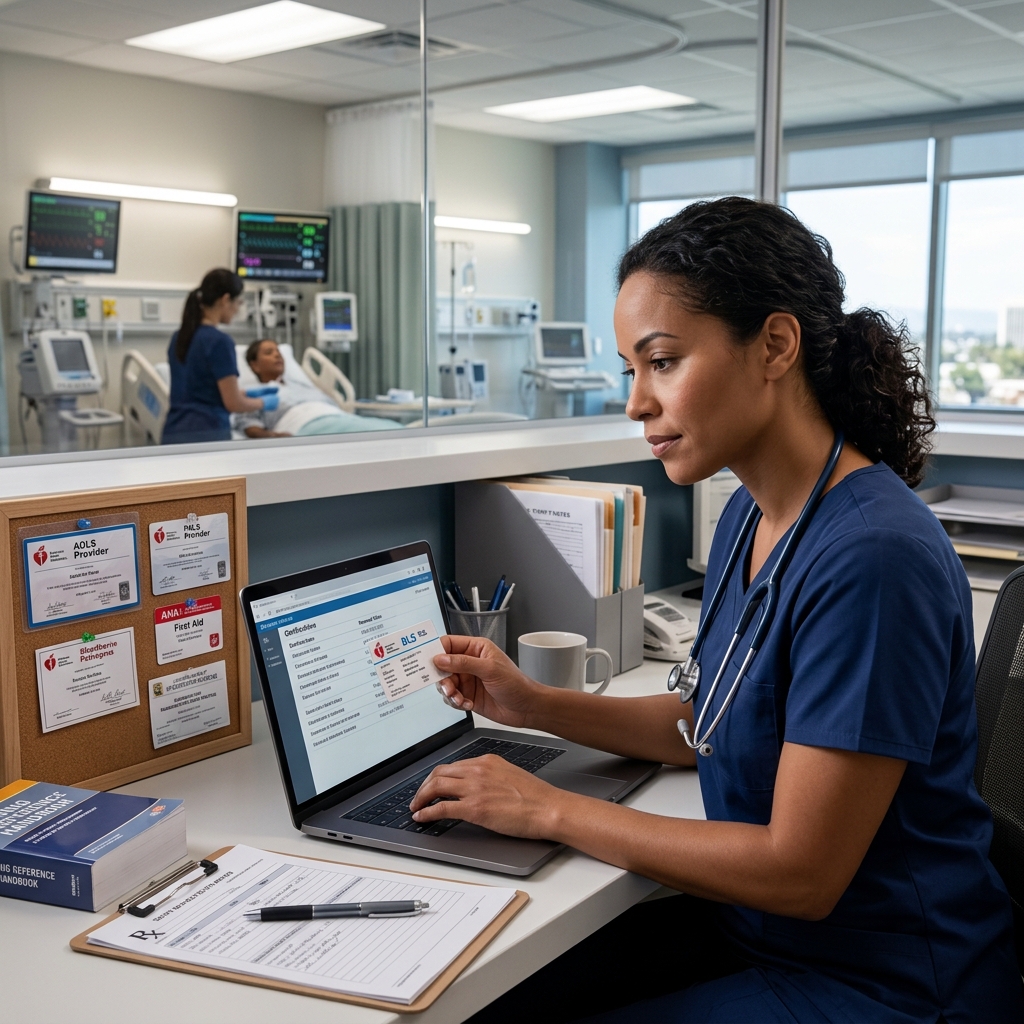
We recommend clustering renewals when possible. If your BLS and ACLS expire within weeks of each other, schedule them back-to-back on the same day or consecutive days. This concentrates your training commitments into discrete blocks rather than scattering them throughout the year, making your schedule more predictable and reducing administrative overhead.
Build certification maintenance into your annual professional development plan. Discuss renewal timing with your nurse manager during performance reviews or during scheduling conversations. Many facilities will accommodate training schedules once they understand your commitment to staying current, and some offer paid education time.
For nurses considering job transitions, renew certifications proactively before your current position ends. Arriving at a new role with fresh, valid credentials eliminates obstacles to quick credentialing and onboarding, positioning you as organized and professionally conscientious from day one.
What to do next: Create your certification tracking system this week—whether digital or on paper—and input all current expiration dates plus target renewal dates to build your maintenance calendar.
—
Your certifications are professional assets that directly correlate with career advancement, clinical authority, and employment flexibility. We’re here to make maintaining them straightforward. Our blended learning model, extensive California locations, and daily course availability ensure your training fits your life rather than the reverse.
Ready to ensure your certifications are current and aligned with your career trajectory? Browse our course schedule across all California regions—from Alameda to Visalia—and register for your next certification session today. We’ll help you maintain the credentials that keep your career moving forward.
Register for a class today.
Frequently Asked Questions (FAQ)
What certifications do we recommend for nurses seeking career advancement in California?
We recommend starting with BLS certification as the foundation, then progressing to ACLS for nurses working in critical care settings. If you work with pediatric patients, our PALS certification course is essential. We also suggest considering First Aid and Bloodborne Pathogens training to round out your professional credentials and meet various employer requirements across different healthcare settings.
How do we make it easy to maintain your certifications while working full-time?
We offer blended learning options that combine virtual coursework with in-person skills sessions, allowing you to study on your schedule and attend skills verification at one of our 100+ California locations. Our BLS verification stations and daily certification classes mean you can renew your credentials without taking extended time away from your nursing duties.
Can we guarantee competitive pricing on all our courses?
Yes, we stand behind our low price guarantee on every certification class we offer. We believe cost shouldn’t be a barrier to staying current with your professional requirements, so we price all our courses competitively while maintaining the quality instruction you need for your career.