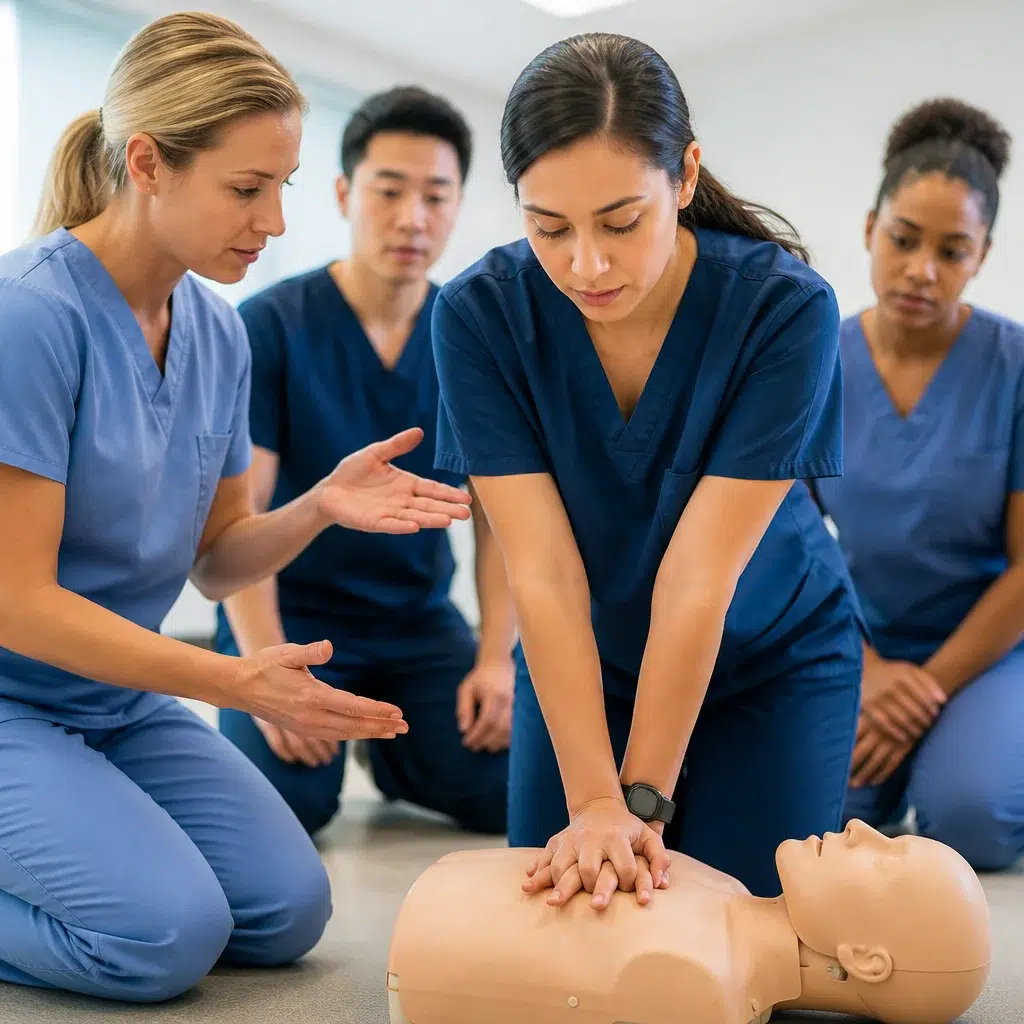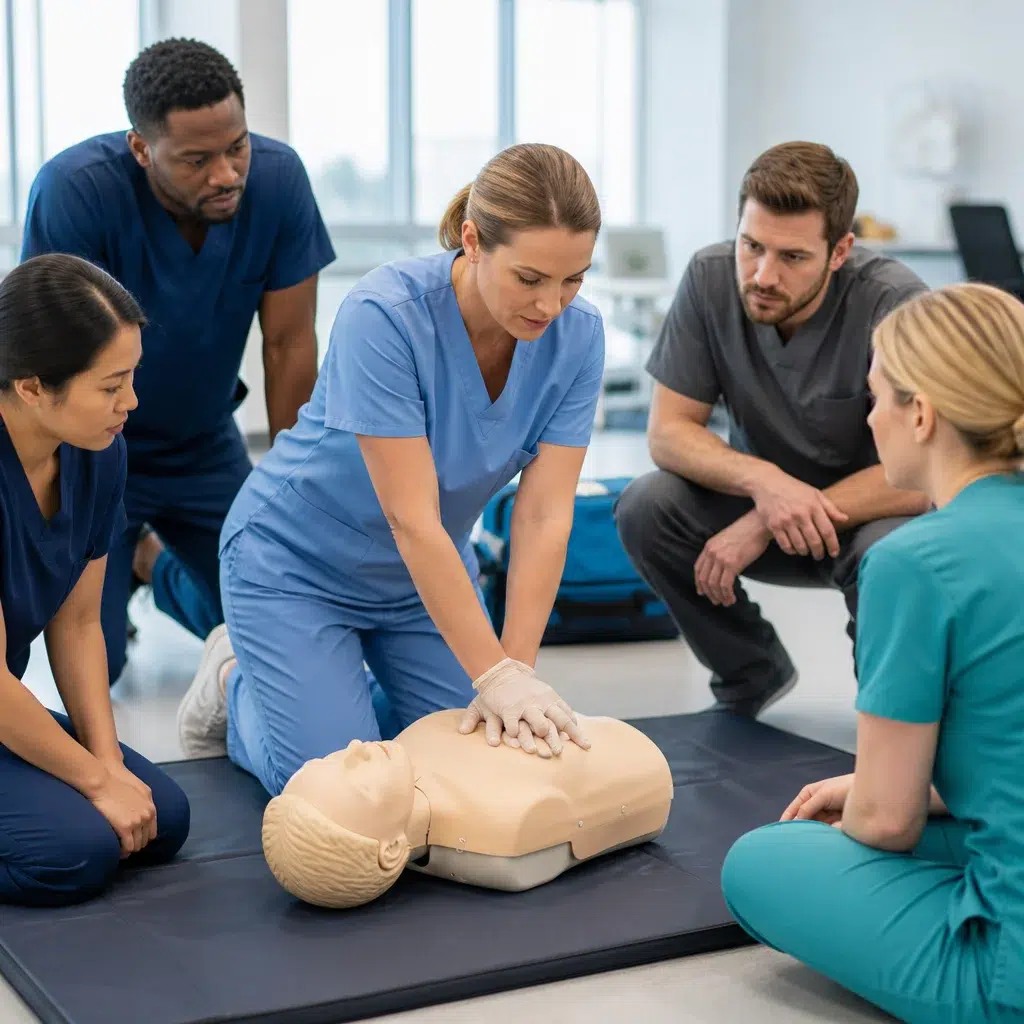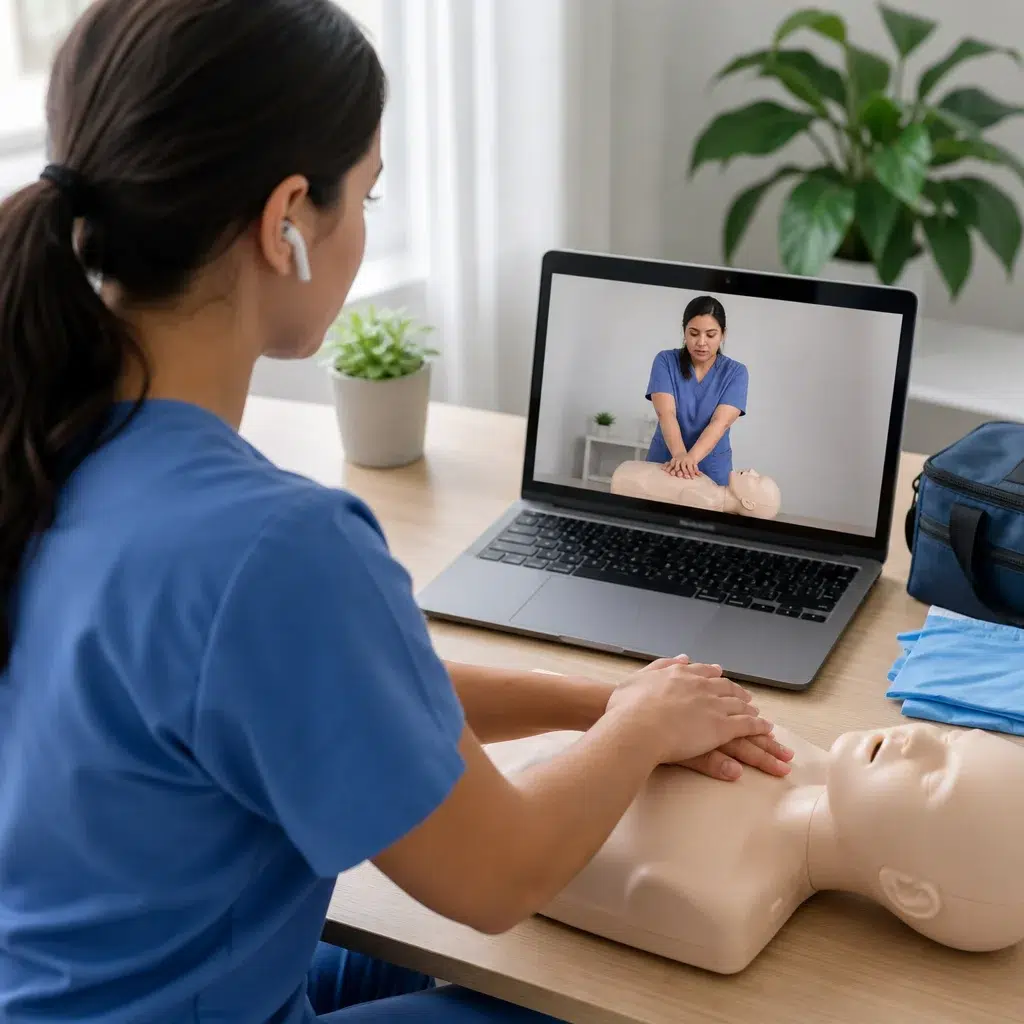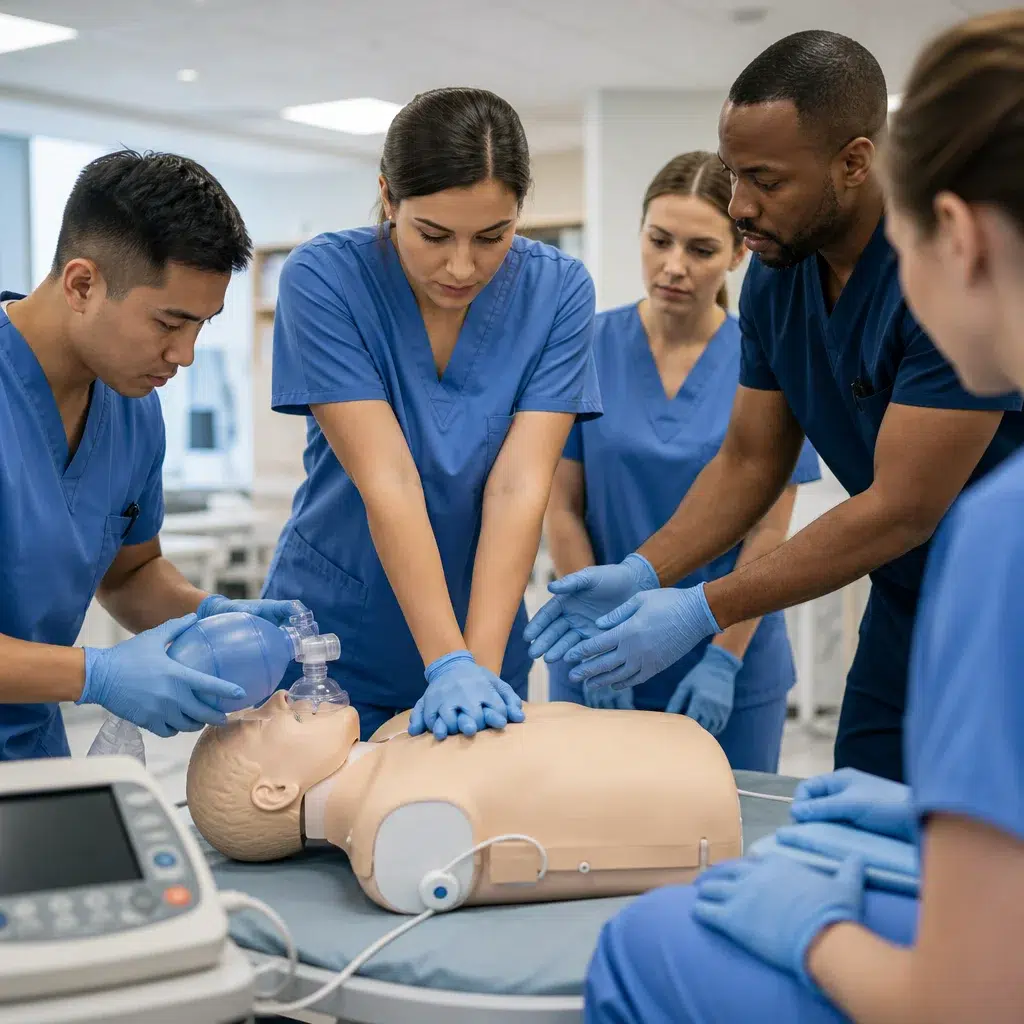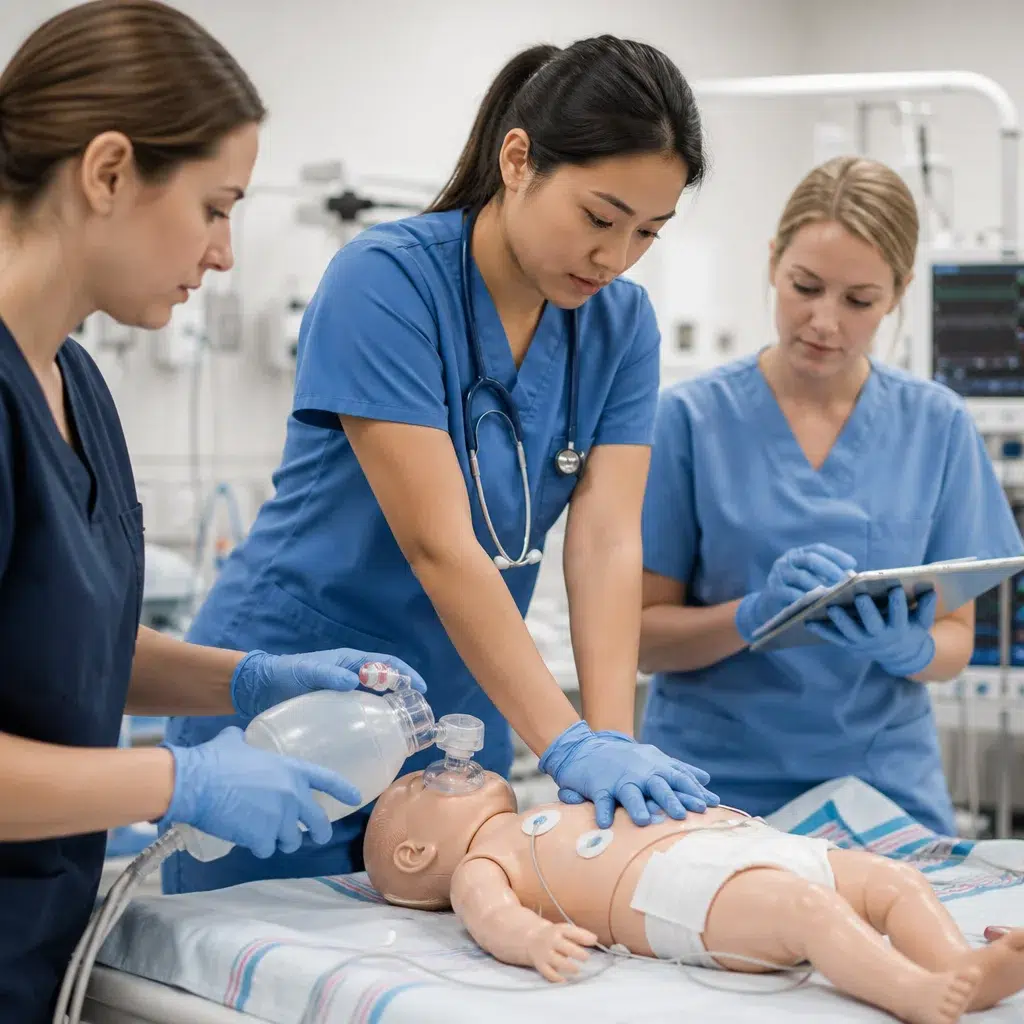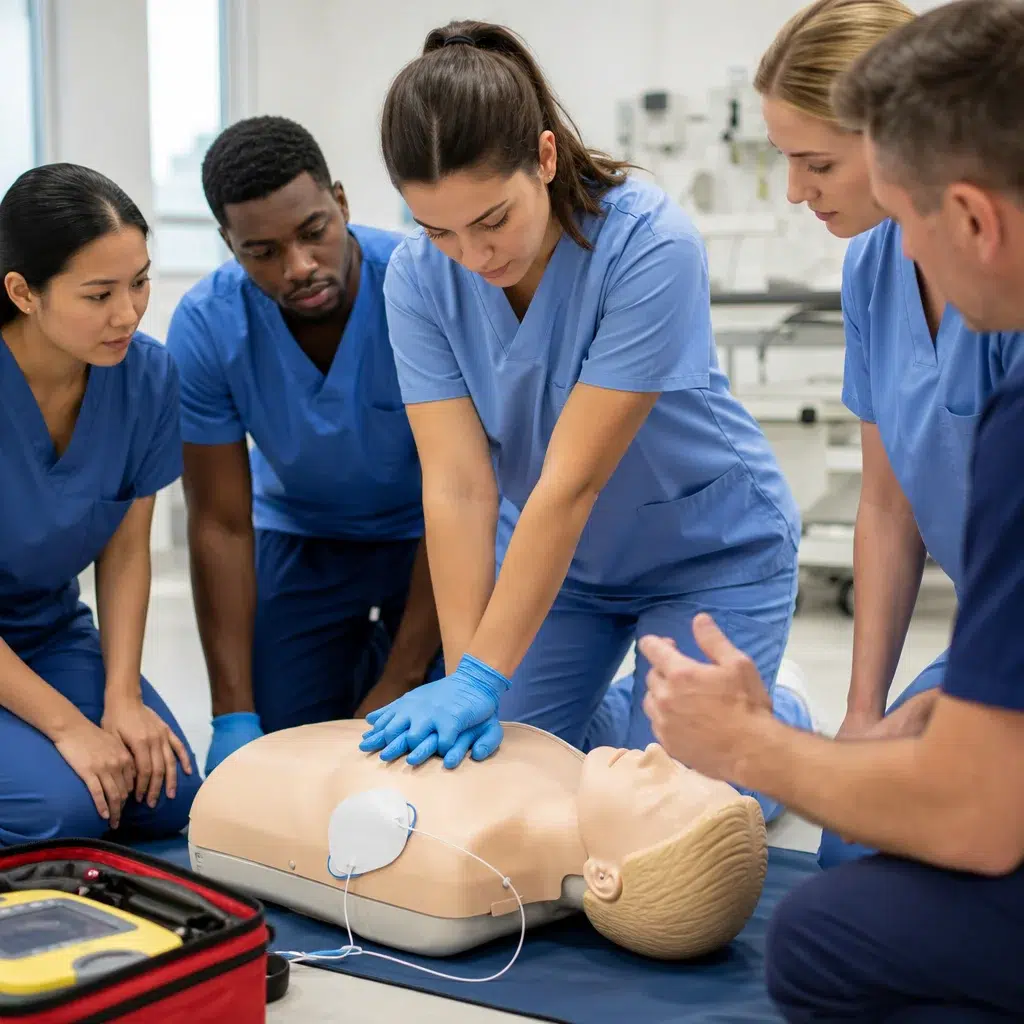
For anyone entering the nursing profession, preparation goes far beyond textbooks, exams, and clinical rotations. From the very first day of training, nursing students are expected to build real-world skills that can save lives. That is why CPR for nursing students is not just a requirement checked off a list but a foundational part of becoming a competent and confident healthcare professional. Emergencies do not wait until graduation, and the ability to respond immediately can make a life-changing difference for a patient, a classmate, or even a loved one. CPR training gives nursing students the practical tools and confidence they need to act decisively when every second matters.

CPR Training Builds a Strong Clinical Foundation
Nursing students are trained to think critically under pressure, but theory alone is not enough in an emergency. CPR training bridges the gap between classroom learning and hands-on patient care. When a patient experiences cardiac arrest, there is no time to look up steps or hesitate. CPR skills must be automatic and precise. Training provides repeated practice so nursing students can respond with confidence and accuracy. This early exposure strengthens clinical readiness and helps students transition more smoothly into real healthcare environments. By learning CPR early in their education, nursing students develop muscle memory and situational awareness that support their success throughout their careers.
Early Exposure Prepares Students for Clinical Rotations
Clinical rotations are often the first time nursing students encounter real emergencies. Hospitals, clinics, and long-term care facilities expect students to understand basic life-saving procedures before stepping onto the floor. CPR training ensures nursing students are prepared to respond appropriately during rotations rather than feeling overwhelmed or unsure. This preparation builds trust with instructors and supervising nurses while reinforcing professional responsibility. Students who are CPR trained are more likely to stay calm and focused during emergencies, making them valuable members of the care team even while still in training.
Confidence in High Stress Situations
Confidence is one of the most important qualities a nurse can have, especially during emergencies. CPR training empowers nursing students to act rather than freeze. The first time a patient collapses or stops breathing can be intimidating, but prior training reduces fear and hesitation. Nursing students who have practiced CPR understand the steps, the rhythm of compressions, and how to work efficiently with others. This confidence carries over into other aspects of patient care and helps students develop a professional mindset rooted in preparedness and accountability.
Patient Safety Starts with CPR Knowledge
Patient safety is at the heart of nursing, and CPR training plays a critical role in protecting lives. Cardiac arrest can happen anywhere, not just in emergency rooms. Patients in recovery, elderly residents in care facilities, and even visitors can experience sudden cardiac events. Nursing students with CPR training are equipped to act immediately, improving survival outcomes while waiting for advanced care. Early intervention often determines whether a patient survives, and CPR training ensures nursing students are ready to provide that intervention.
Meeting School and Clinical Requirements
Most nursing programs require students to complete CPR training before participating in clinical experiences. Hospitals and healthcare facilities also require proof of current certification to ensure patient safety standards are met. Completing CPR training early helps nursing students avoid delays or interruptions in their education. It also ensures they meet the expectations of both academic institutions and healthcare partners. Staying current with CPR training demonstrates professionalism and commitment to patient care, qualities that are highly valued in nursing.
Developing Teamwork and Communication Skills
Healthcare emergencies are rarely handled by one person alone. CPR training emphasizes teamwork, clear communication, and role coordination during high-pressure situations. Nursing students learn how to work effectively with peers, instructors, and healthcare professionals during a cardiac emergency. These teamwork skills are essential in clinical settings where collaboration is key to positive patient outcomes. CPR training reinforces the importance of leadership, adaptability, and mutual support within a healthcare team.
Preparing for Real World Nursing Responsibilities
Nursing students often underestimate how quickly they may be expected to act in real emergencies once they begin working. New nurses are frequently placed in fast-paced environments where decisive action is critical. CPR training prepares students for these realities by reinforcing quick assessment, immediate response, and adherence to established protocols. This preparation reduces anxiety when transitioning from student to professional nurse and helps new graduates feel more capable and confident in their roles.
Building Professional Credibility
Healthcare employers look for candidates who demonstrate readiness and responsibility. CPR training shows that nursing students take patient safety seriously and are committed to maintaining essential skills. Having up-to-date certification enhances a student’s resume and supports a strong professional reputation. Employers value nurses who are prepared to act during emergencies without hesitation, and CPR training is a clear indicator of that preparedness.
Lifelong Skills Beyond the Classroom
While CPR training is essential for nursing education, its value extends far beyond school and work settings. Nursing students carry these skills into their personal lives, becoming capable responders in their communities. Cardiac emergencies often occur at home or in public places, and having CPR training means nursing students can help friends, family members, or strangers in need. This ability reinforces the core values of nursing compassion, service, and responsibility to others.
Reinforcing Ethical and Professional Responsibility
Nursing is rooted in ethical principles, including the duty to provide care when it is needed most. CPR training reinforces this responsibility by equipping students with the skills to intervene during life-threatening situations. Knowing how to respond aligns with the ethical standards expected of nurses and supports a strong sense of professional identity. CPR training reminds nursing students that their role is not limited to routine care but includes stepping forward during critical moments.
Adapting to Different Patient Populations
Nursing students care for diverse patient populations, from infants to older adults. CPR training introduces students to techniques that apply across age groups and healthcare settings. Understanding how to respond to cardiac emergencies in different populations builds adaptability and clinical awareness. This adaptability is crucial for nurses who may work in hospitals, clinics, schools, or community settings throughout their careers.
Maintaining Skills Through Ongoing Training
CPR guidelines and best practices evolve over time, making regular training essential. Nursing students who begin CPR training early develop the habit of keeping their skills current. This commitment to ongoing education supports long-term professional growth and ensures nurses remain effective throughout their careers. Regular training refreshes knowledge, reinforces confidence, and keeps nurses aligned with current standards of care.
Why Safety Training Seminars Is the Ideal Choice for Nursing Students
For nursing students in Northern California, Safety Training Seminars provides reliable, accessible, and affordable CPR training designed to meet professional standards. As a woman-owned business proudly serving the region, Safety Training Seminars understands the demands placed on healthcare students and professionals. With over 65 convenient locations, finding a nearby class is simple and stress-free. Classes are available every day of the week, including Saturdays and Sundays, making it easy to fit training into busy academic schedules.
Safety Training Seminars specializes in budget-friendly training courses backed by a low price guarantee, ensuring students receive high-quality education without unnecessary financial strain. Our offerings include CPR, BLS, ACLS, and PALS courses tailored to healthcare pathways. Experienced instructors focus on practical skills, clear instruction, and real-world scenarios so nursing students leave feeling prepared and confident.
Setting Nursing Students Up for Long-Term Success
Choosing the right CPR training provider is an important step in a nursing student’s journey. Quality instruction, flexible scheduling, and accessible locations make a significant difference in how effectively students learn and retain life-saving skills. Safety Training Seminars is committed to supporting nursing students as they prepare for demanding and rewarding careers in healthcare. Our focus on practical learning, affordability, and convenience ensures students can prioritize their education without added stress.
Take the Next Step with Safety Training Seminars
CPR training is not optional for nursing students who want to excel in their education and future careers. It is a critical investment in patient safety, professional confidence, and ethical responsibility. If you are a nursing student ready to build essential life-saving skills, Safety Training Seminars is here to help. Contact us to find a class that fits your schedule. As a woman-owned business serving Northern California with over 65 convenient locations, we make it easy to get the training you need. With budget-friendly pricing, a low price guarantee, and courses offered every day of the week, including weekends, there has never been a better time to enroll. Prepare yourself for real-world nursing responsibilities and take an important step toward a confident and capable healthcare career with Safety Training Seminars.