Understanding California Licensing Board Requirements for Healthcare Professionals
Are STS AHA Certifications Approved by California Licensing Boards?
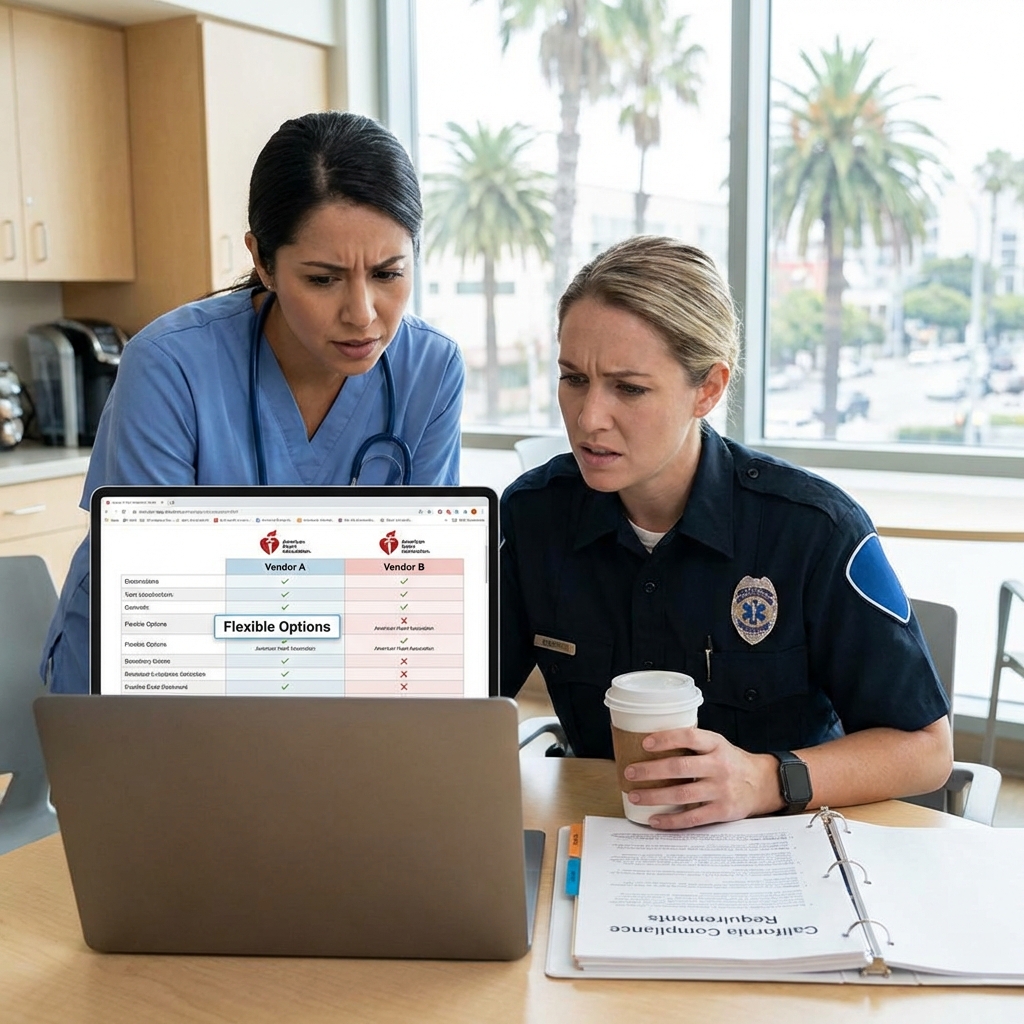
California’s licensing boards maintain strict standards for healthcare professionals across all disciplines. Nurses, dentists, EMS personnel, and other medical workers must demonstrate current competency in life-saving skills as a condition of maintaining their licenses. The California Board of Registered Nursing, Dental Board of California, and Emergency Medical Services Authority all reference specific certification requirements in their regulatory frameworks.
These boards don’t create their own training curricula. Instead, they recognize and require certifications from organizations that meet nationally established standards. For healthcare professionals in California, understanding what your licensing board accepts is non-negotiable. Missing a renewal deadline or using an unapproved training provider can result in license suspension or disciplinary action.
The good news: California’s boards widely accept certifications from accredited providers who follow the standards set by the national cardiovascular training organization. Your job is to ensure you’re training with a provider that holds proper accreditation and maintains institutional approval with your state board.
What to do next: Check your specific licensing board’s website (nursing, dental, EMS, etc.) and note the exact certifications required and their validity period. This prevents last-minute scrambling before renewal deadlines.
What Are AHA Certifications and Why They Matter
The American Heart Association (AHA) certifications represent the gold standard in cardiovascular emergency training. These courses teach the evidence-based protocols used in hospitals, clinics, and field settings across the country. The primary certifications you’ll encounter include:
- BLS (Basic Life Support): The foundation course covering CPR, AED use, and relief of choking
- ACLS (Advanced Cardiovascular Life Support): For healthcare providers managing complex cardiac emergencies
- PALS (Pediatric Advanced Life Support): Specialized training for caring for critically ill children
- NRP (Neonatal Resuscitation Program): Specific protocols for newborn resuscitation
Each certification validates your ability to perform specific skills and follow algorithms proven to save lives. Healthcare boards recognize these credentials because they’re based on current research and regularly updated. When a patient needs emergency intervention, you need training that reflects the latest science.
The practical value extends beyond compliance. These certifications directly impact patient safety and your professional confidence. A nurse managing a coding patient, a dentist responding to medical emergencies in the operatory, or an EMS provider in the field all rely on skills honed through proper training.
What to do next: Identify which certifications your job role requires. Don’t assume you need every credential. PALS is typically required for pediatric-focused roles, while ACLS suits hospital and clinical settings.
California’s Recognition of American Heart Association Standards
California regulatory agencies formally recognize and accept certifications from accredited training organizations that meet AHA standards. This recognition isn’t automatic for every training provider. The certifying organization must maintain institutional accreditation with the national body and follow strict guidelines for instructor qualifications, curriculum delivery, and skills assessment.
The California Board of Registered Nursing explicitly accepts current certifications from approved providers. Similarly, the Dental Board of California and EMS Authority recognize certifications that align with national standards. This creates a straightforward pathway: train with an accredited provider, earn your certification, and you’re compliant with state requirements.
However, the state doesn’t recognize certifications from non-accredited sources or self-taught claims. Online-only training without hands-on skills verification won’t satisfy California’s regulatory requirements. Your certification must come from a provider who conducts in-person skills assessments and maintains proper documentation.

This is where blended learning becomes valuable. Training providers that combine online coursework with required in-person skills sessions meet California’s expectations while offering scheduling flexibility.
What to do next: When selecting a training provider, verify they hold active institutional accreditation. Ask specifically about their accreditation status before enrolling.
How STS Aligns with State Licensing Board Regulations
Safety Training Seminars operates as an institutional training center with full accreditation to deliver certifications recognized by California licensing boards. This accreditation isn’t theoretical. It means STS instructors undergo rigorous certification, maintain specific teaching standards, and submit to regular compliance reviews.
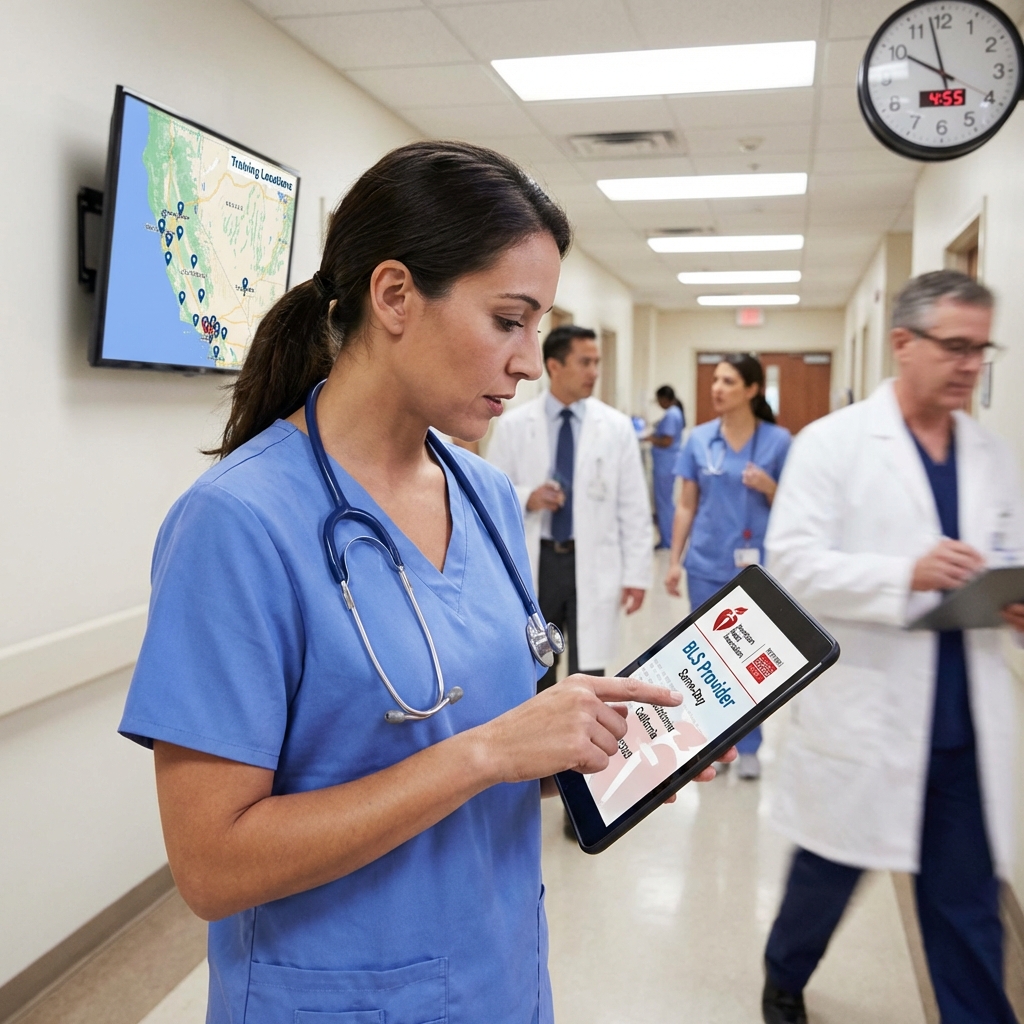
STS operates over 100 training locations throughout California, which matters for your compliance timeline. If you need same-day or next-day certification to meet a renewal deadline, having convenient access across the state reduces stress. Whether you’re in Sacramento, San Francisco, Los Angeles, or smaller communities, STS maintains locations designed for working healthcare professionals.
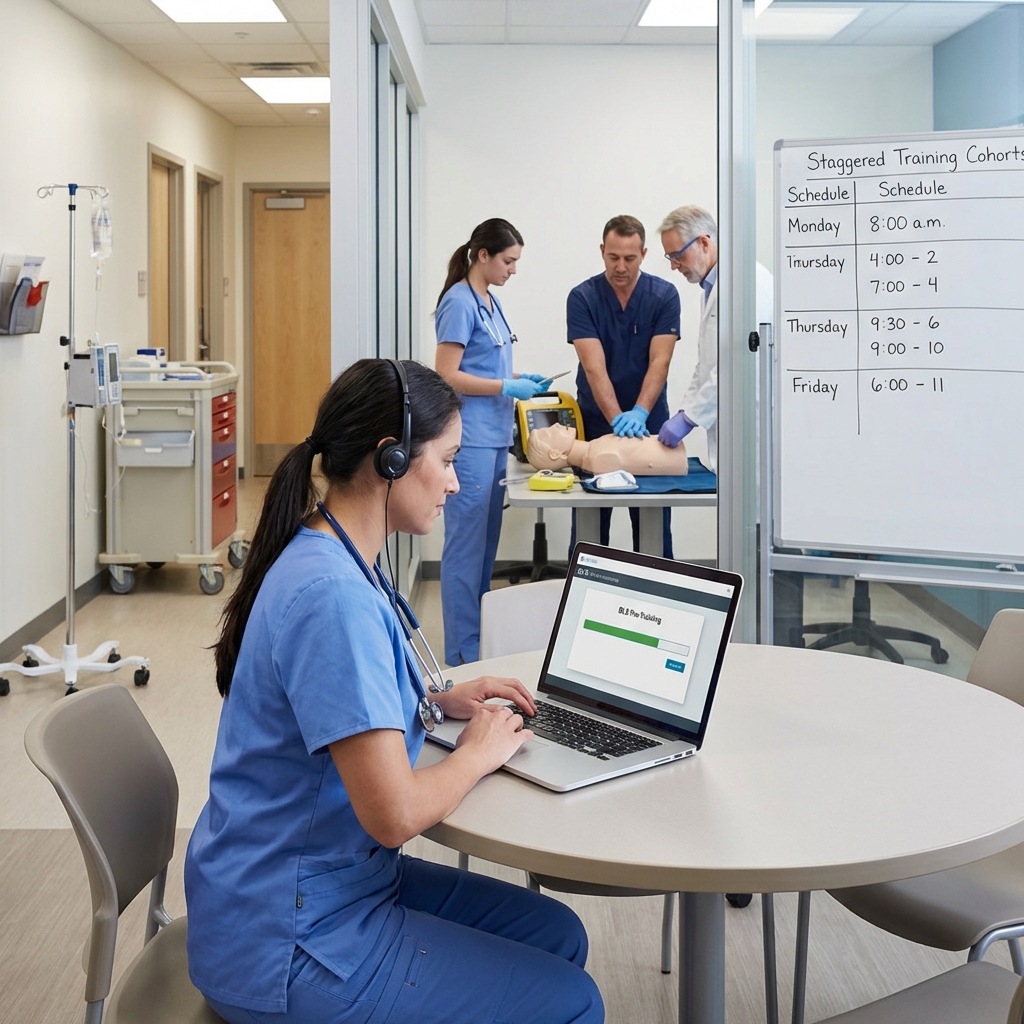
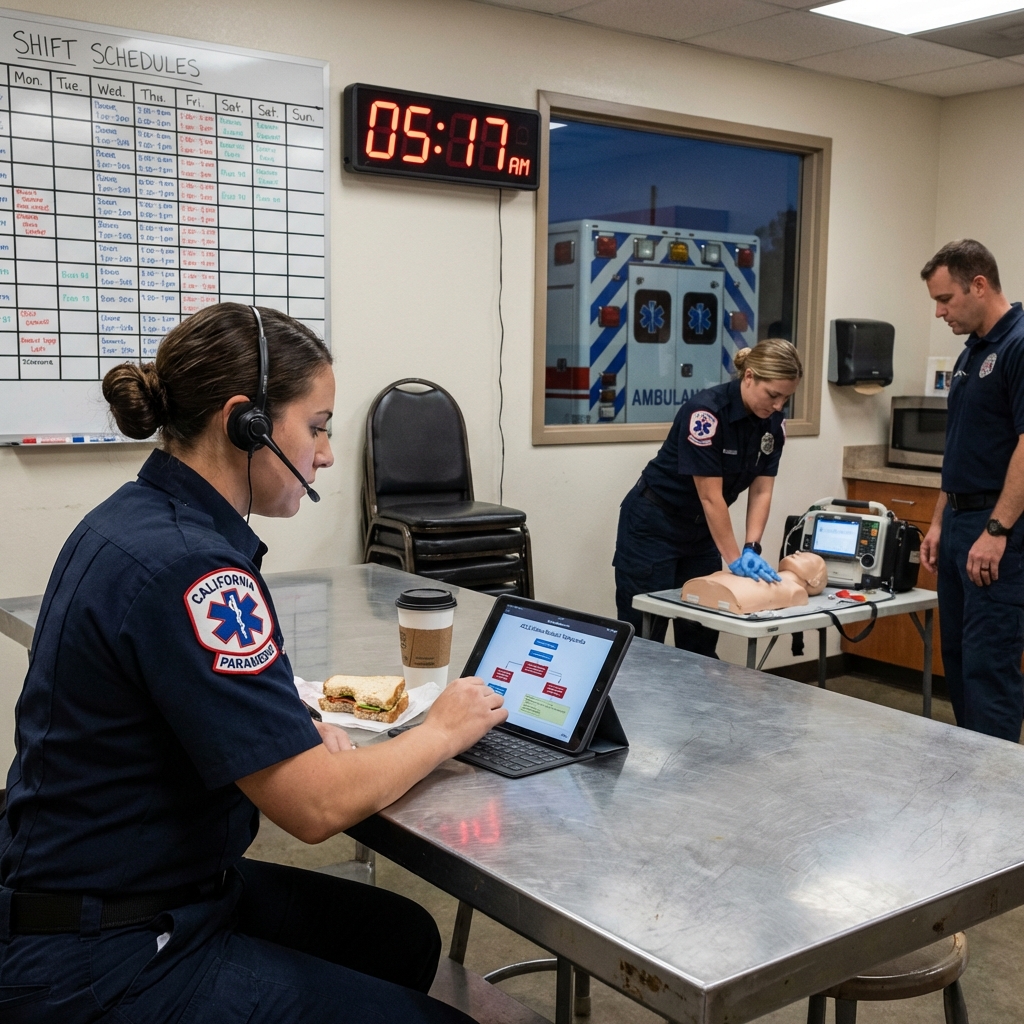
The company’s blended learning approach aligns with how modern professionals work. You complete online coursework on your schedule, then attend a scheduled skills session where instructors verify your competency through practical demonstrations. This method satisfies state requirements while respecting your professional schedule.
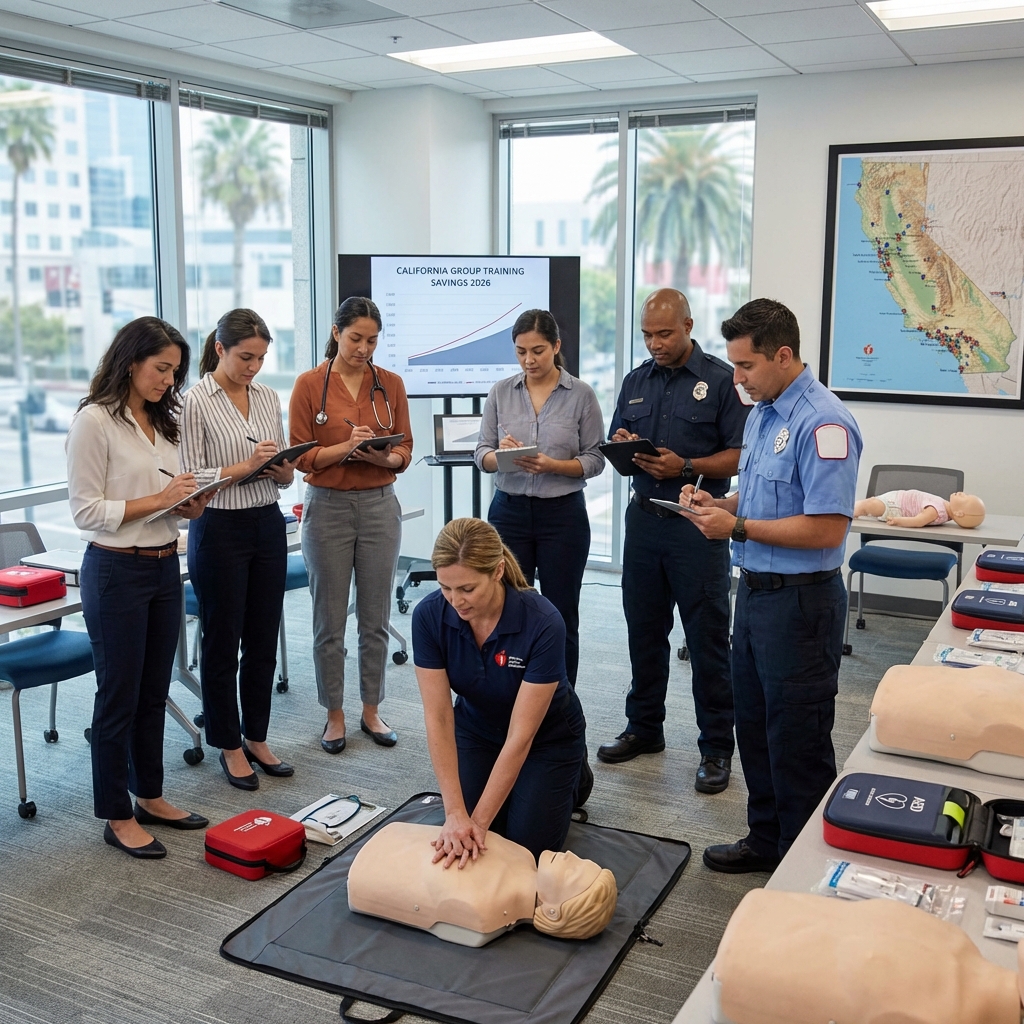
STS also maintains a documented low price guarantee, which removes the concern about overpaying for compliant training. Healthcare professionals often juggle multiple certifications and renewal dates. Transparent pricing helps with budgeting these necessary professional expenses.
What to do next: Visit Safety Training Seminars to confirm your specific certification needs are available at a location convenient to your work or home. Check the course calendar for sessions that fit your renewal deadline.
ACLS, PALS, and BLS Approval Status in California
ACLS certification holds mandatory status for numerous healthcare roles in California. Hospital nurses, critical care clinicians, dentists, and many specialty professionals must maintain current ACLS to practice. The certification validates your ability to manage cardiac emergencies, interpret rhythms, administer appropriate medications, and work as part of a resuscitation team.
PALS addresses pediatric emergencies and is required for professionals who care for children. Pediatric hospitals, children’s clinics, and general hospitals with pediatric units all require PALS among their clinical staff. The certification differs significantly from ACLS because pediatric physiology and protocols vary substantially.
BLS serves as the foundational credential required by nearly all healthcare professionals. Nurses, dentists, medical assistants, paramedics, and EMTs all need current BLS. If you’re a healthcare worker in California without current BLS, your license is essentially inactive.
California licensing boards explicitly recognize BLS, ACLS, and PALS certifications from accredited providers. The key requirement remains unchanged: your certification must come from an institutional training center, not from unaccredited sources or online-only providers.
What to do next: If you’re unsure which certifications your role requires, contact your licensing board directly or check with your employer’s compliance office. They maintain authoritative lists of required credentials.
NRP and Specialized Healthcare Certifications
Neonatal Resuscitation Program (NRP) certification applies to professionals who deliver or manage care for newborns, including nurses in labor and delivery units, obstetrical physicians, and midwives. The program focuses specifically on the unique physiology of newborn resuscitation, which differs fundamentally from adult and pediatric protocols.
NRP training is particularly specialized because providers need to understand fetal circulation, meconium management, and temperature regulation specific to newborns. California hospitals and birthing centers require NRP certification for all clinical staff involved in newborn care. Like ACLS and PALS, NRP must come from an accredited training center to satisfy state requirements.
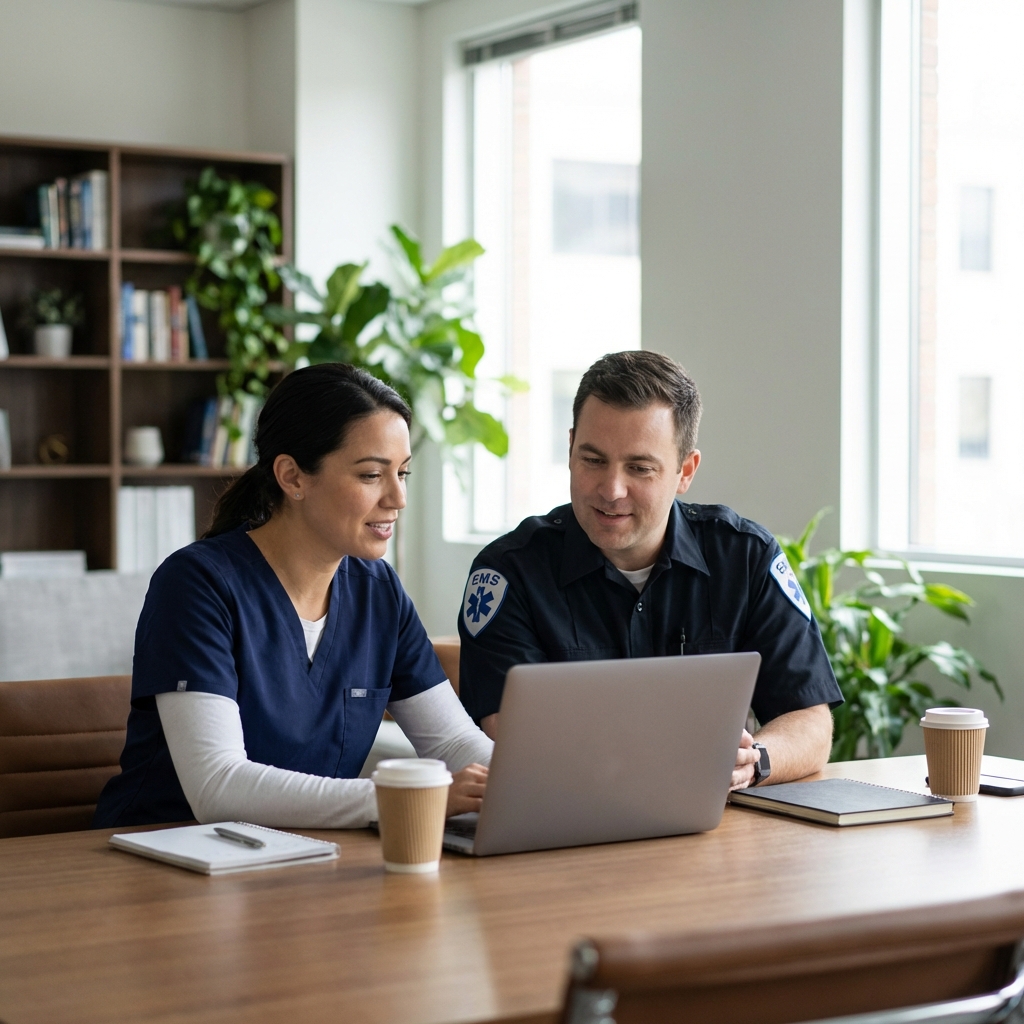
Some healthcare professionals pursue multiple specialized certifications. An intensive care nurse might need ACLS, PALS, and potentially NRP if they rotate through neonatal rotations. A pediatric dentist might require PALS and BLS. The combination depends on your specific practice scope.
Specialized certifications beyond the core triad exist for particular practice settings. Instructors at established training centers like Safety Training Seminars understand these nuanced requirements and can guide you toward the right certification pathway.
What to do next: If you work in maternal-child health or neonatal settings, confirm whether NRP is required by your state license or employer. Don’t assume you need it unless your job description specifically involves newborn care.
Meeting Mandatory Renewal and Recertification Requirements
California doesn’t allow expired certifications in active healthcare practice. Most BLS, ACLS, and PALS certifications remain valid for two years from the issue date. NRP typically expires every three years. Your licensing board tracks these dates, and renewal is your responsibility.
Many professionals maintain a personal calendar reminder for their certification expiration dates. Better yet, set a reminder several months before expiration, giving yourself adequate time to schedule and complete a renewal class. Last-minute scrambling often leads to expensive rush courses or temporary practice interruptions.
Renewal classes typically require less time than initial certification courses. You don’t repeat the entire program. Instead, renewal courses focus on protocol updates and skills verification, usually completed in a single session. Some training providers offer renewal classes daily, accommodating your schedule without major disruption.
The renewal process remains the same as initial certification: you need in-person skills assessment with an accredited provider. Your previous certification is not sufficient proof of current competency.
What to do next: Check the issue date on your current certification card. Add six months before expiration to your phone’s calendar, then research renewal options at that time. This gives you flexibility while ensuring no gaps in valid certification.
Same-Day Certification Cards and Compliance Documentation
One of the most practical concerns for working healthcare professionals is documentation timing. You need proof of current certification immediately after completing the course. Waiting weeks for credentials creates compliance gaps and professional uncertainty.
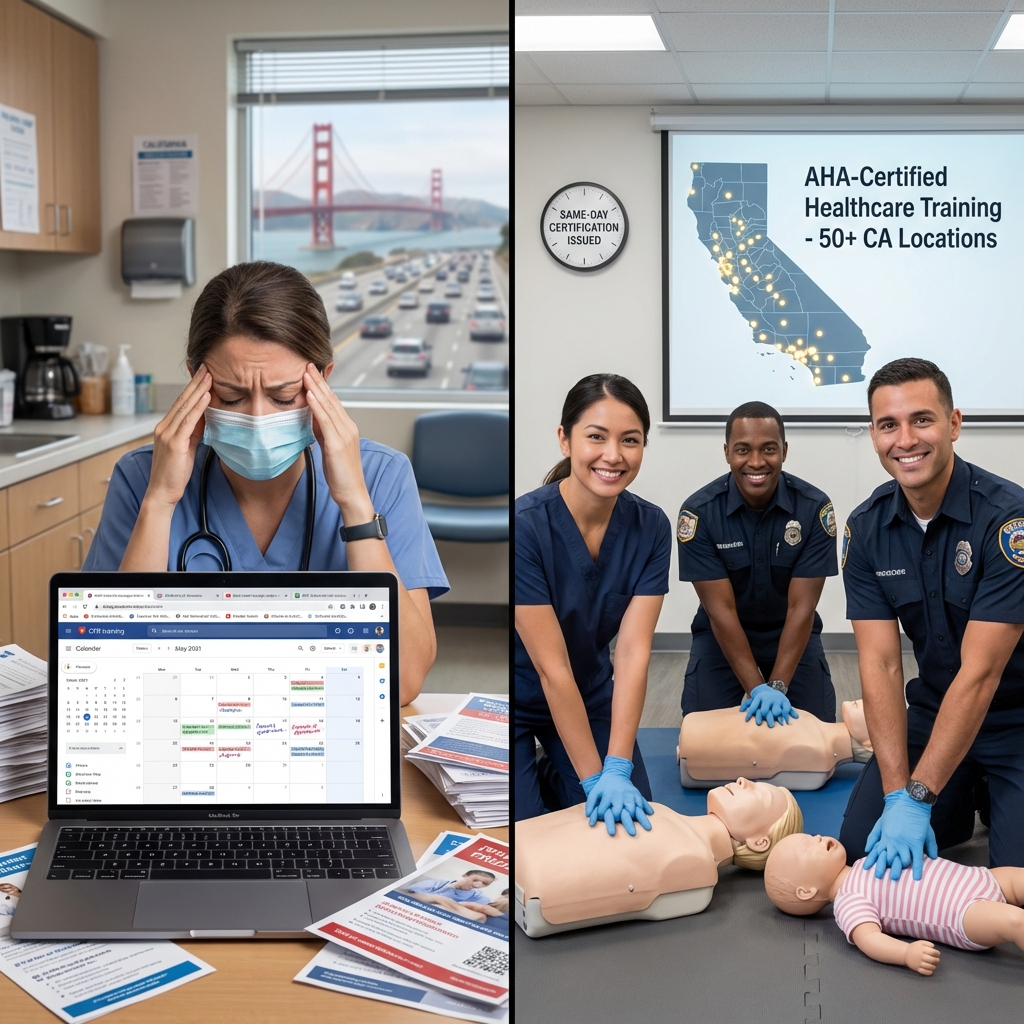
Safety Training Seminars provides same-day certification cards at the conclusion of skills sessions. This means you walk out with physical proof of your new certification, ready to submit to your employer or licensing board immediately. In digital-first healthcare, you also receive immediate digital verification accessible through their system.
The same-day card approach matters when you’re transitioning between jobs or your employer conducts compliance audits. You have instant documentation rather than provisional certificates pending processing.
Proper documentation extends beyond the physical card. Your training provider must maintain detailed records of your participation, skills performance, and assessment results. These records satisfy regulatory audits and provide your licensing board with proof of compliant training if ever questioned.
Keep physical and digital copies of your certification in organized files. Your employer likely requires copies in your personnel record, and your own backup files prevent headaches during renewal cycles or job changes.
What to do next: After completing your certification, store the card in a secure location (email yourself a photo as backup) and provide copies to your employer’s HR or compliance department immediately.

Common Questions About California Licensing Board Approval
Healthcare professionals often ask whether specific providers are approved by California boards. The straightforward answer: your state board approves training providers based on institutional accreditation, not individual company approval. Any accredited provider meets your board’s standards. What matters is that the provider holds active accreditation and maintains compliance.
Another frequent question concerns online-only certifications. While some online components are acceptable, California boards require hands-on skills assessment conducted in person by qualified instructors. No webcam-based skills evaluation satisfies state requirements.
Professionals also wonder about reciprocity with other states. California recognizes AHA-based certifications from other states if earned from accredited providers. However, some states have different standards. If you move or work across state lines, verify the other state’s requirements don’t exceed California’s.
Some ask whether employer-sponsored training counts differently. It doesn’t. Your employer might train you, but the training still must come from an accredited institutional provider or the employer must itself hold accreditation. Your employer’s convenience doesn’t change regulatory requirements.
Can you test out without taking the course? Generally no. California boards require structured training with documented participation, not just skills testing. The process exists to ensure you receive current education on protocols, medications, and algorithms.
What to do next: If you have specific questions about your licensing board’s requirements, contact them directly or ask your training provider. Quality providers know state requirements intimately and can clarify confusing points.
Getting Started with AHA Compliant Training
The path forward is straightforward. First, identify your specific certification needs by consulting your job description, employer requirements, or licensing board regulations. Don’t guess. One misaligned certification costs time and money.
Next, select an accredited training provider with convenient locations and scheduling. Safety Training Seminars offers over 100 California locations with daily BLS offerings and regular ACLS, PALS, and NRP courses. Their blended learning model accommodates working professionals who can’t spend full days in classroom settings.
When you enroll, confirm the course includes in-person skills assessment. Ask about same-day certification cards and digital documentation. These logistics matter when you need quick compliance proof.
Attend your scheduled session, participate actively in skills practice, and complete the required assessments. Instructors aren’t interested in failing anyone. They want to ensure you’re genuinely competent because it affects patient safety. Ask questions during the course and request additional practice if anything feels unclear.
After certification, add renewal dates to your calendar immediately and plan ahead for upcoming requirements. Stay ahead of expiration dates rather than scrambling at the last minute.
The investment in proper, compliant training protects your license, your career, and most importantly, the patients you serve. California’s requirements exist because proper emergency training saves lives. Your certified competency in these skills genuinely matters.
What to do next: Visit https://safetytrainingseminars.com today to browse available courses at your nearest location, check scheduling options, and confirm pricing. Having a concrete course date booked removes the compliance worry from your professional plate.
For further reading: California BLS ACLS PALS.
Register for a class today.