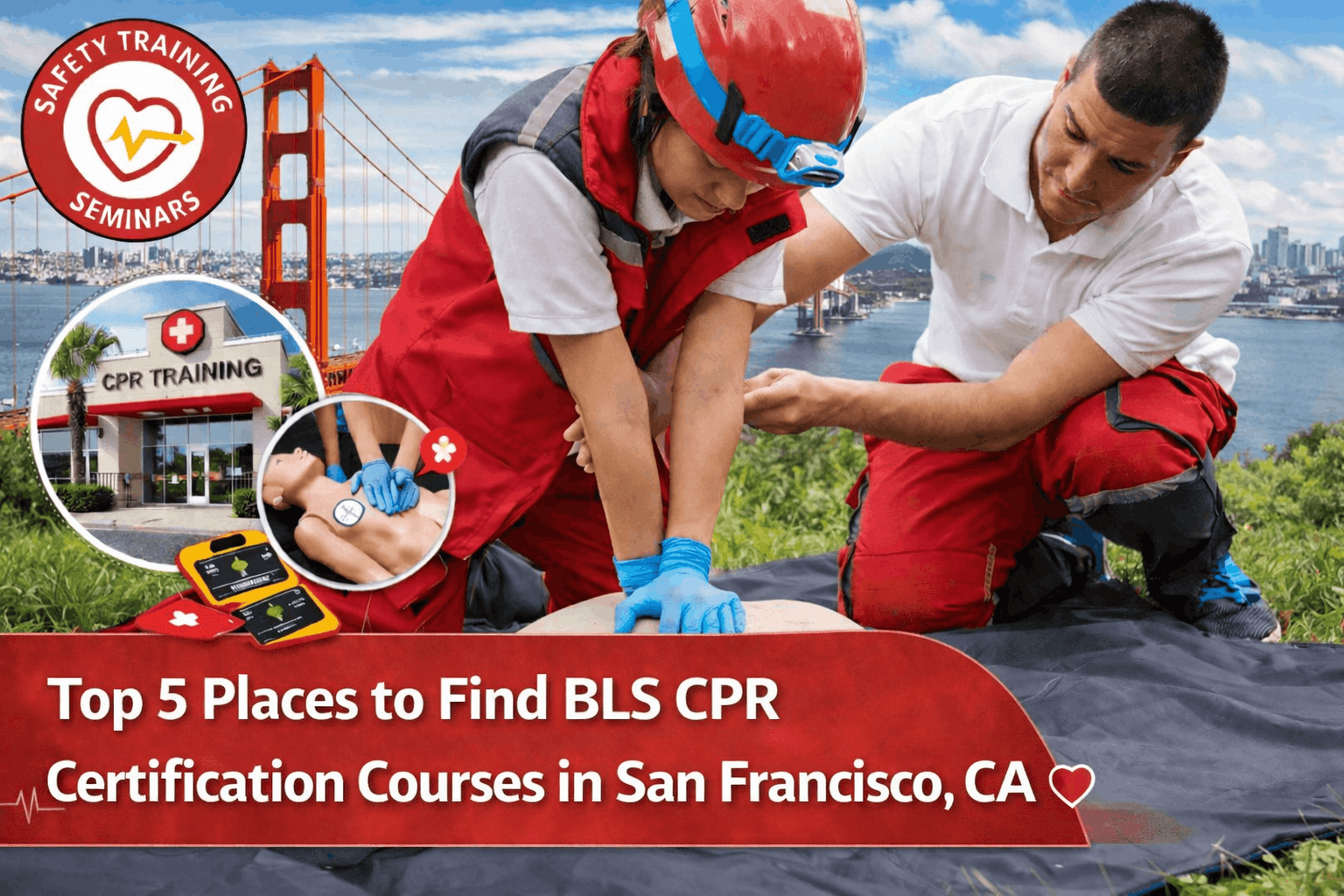
Every year, sudden cardiac arrest claims tens of thousands of lives across the United States — and in a densely populated urban center like San Francisco, the presence of trained, certified responders in the moments following cardiac arrest is one of the most significant factors in whether someone survives. San Francisco, the only city in California that also functions as its own county, is a medical hub that draws patients, professionals, and students from across the Bay Area and beyond. Its network of hospitals, specialty clinics, community health centers, and academic medical programs creates a constant, sustained demand for healthcare workers who hold current, credible emergency certifications.
Basic Life Support (BLS) certification — the standard credential issued by the American Heart Association (AHA) — equips healthcare providers with the skills to perform effective chest compressions, deliver rescue breaths, use an AED, and coordinate team-based resuscitation responses. From nurses working night shifts at Mission Bay’s UCSF Medical Center to dental hygienists practicing in the Outer Sunset, and from nursing students at San Francisco State University to home care workers in the Tenderloin, BLS CPR certification in San Francisco, CA is a professional requirement that spans industries and neighborhoods alike.
This guide identifies the five best places in the city to earn that certification today.
1. Safety Training Seminars — San Francisco’s Most Comprehensive BLS Training Option
Ask any experienced healthcare recruiter or nursing program coordinator in San Francisco which BLS training provider they trust most, and Safety Training Seminars is likely the first name they’ll mention. With a well-established presence throughout Northern California and a proven track record of delivering AHA-authorized BLS courses to professionals across San Francisco and neighboring communities like Daly City, South San Francisco, Colma, Pacifica, and Brisbane, Safety Training Seminars has earned a reputation built on genuine instructional quality and operational reliability.
Their approach is straightforward: rigorous AHA-aligned training delivered by experienced instructors, with a flexible format that respects the realities of a demanding healthcare career.
What Sets Safety Training Seminars Apart in San Francisco
American Heart Association Certified — Recognized Everywhere Safety Training Seminars is a fully authorized AHA Training Center. The BLS certification students earn through their programs is recognized and accepted at every healthcare facility in San Francisco — including UCSF Health, Dignity Health’s St. Mary’s Medical Center and St. Francis Memorial Hospital, San Francisco VA Medical Center, Chinese Hospital, and the full range of DPH-operated community health centers serving neighborhoods from the Haight-Ashbury to Visitacion Valley.
Your AHA eCard the Day You Finish The digital AHA eCard issued by Safety Training Seminars on the day you complete your course is more than a convenience — it’s a professional asset. Whether you’re submitting paperwork for a job offer at a Mission District clinic, starting a clinical rotation at UCSF’s Parnassus campus, or meeting an employer’s recertification deadline, having your credential immediately in hand removes friction from the process.
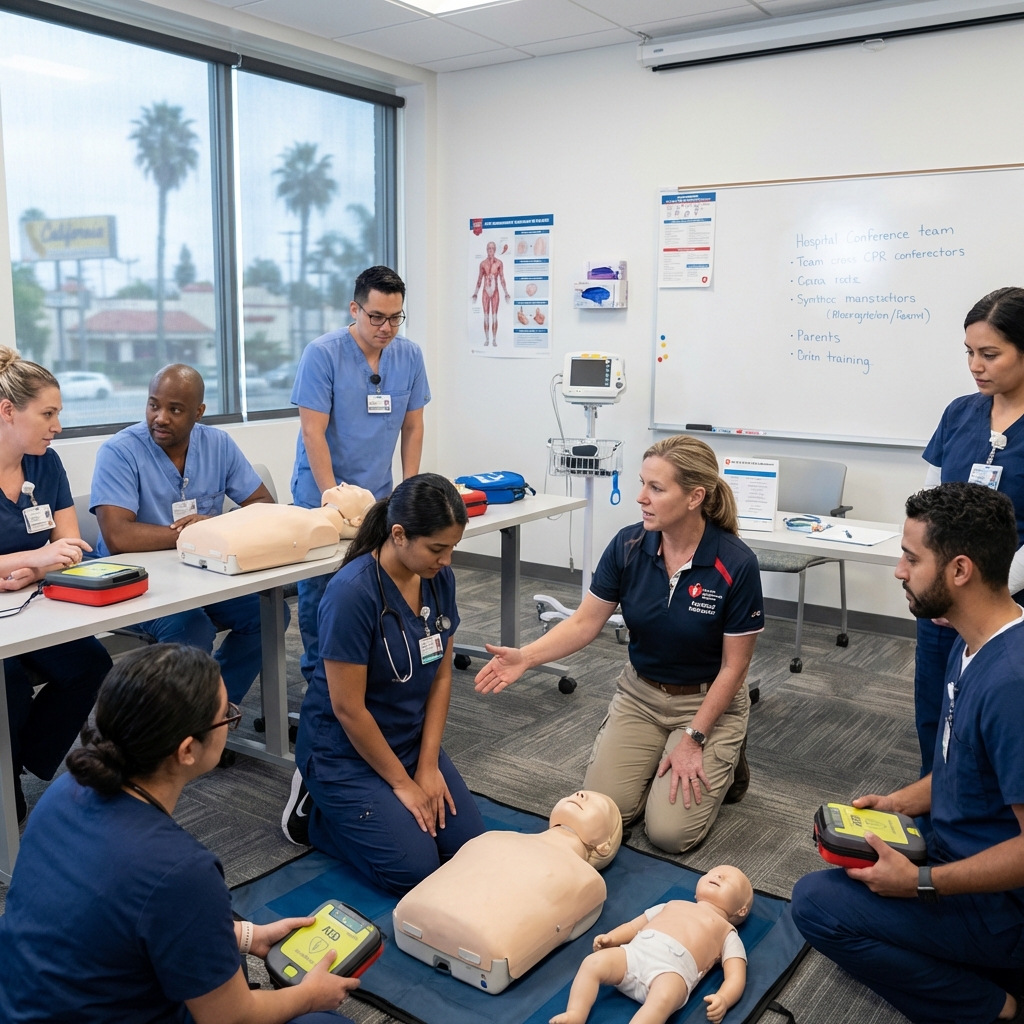
Hands-On Learning Designed Around Real Competency Safety Training Seminars builds every course around the AHA’s emphasis on skills-based practice. Students spend dedicated time at manikin-based skills stations working on the mechanics of high-quality chest compressions — correct depth, adequate recoil, appropriate rate — as well as mask ventilation, AED operation, and multi-rescuer coordination. Instructors observe technique closely and provide targeted, real-time correction. The result is a certification that reflects genuine preparedness, not just course attendance.
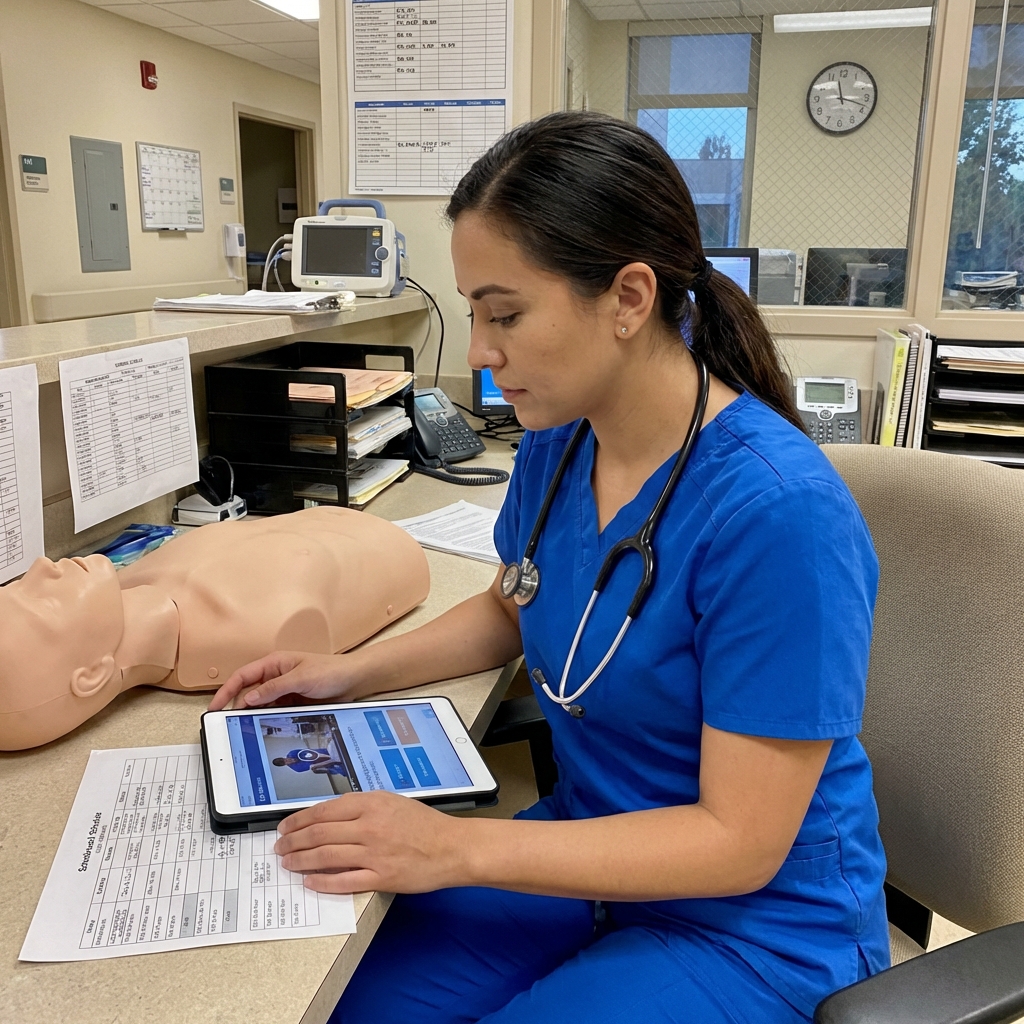
HeartCode BLS — Self-Paced Cognitive Learning, Efficient In-Person Skills Check Safety Training Seminars fully supports the AHA’s HeartCode BLS blended learning format, which is ideal for San Francisco’s busy healthcare workforce. The online component — covering cardiac arrest recognition, BLS algorithms, and team dynamics — is completed on the student’s own schedule: early morning, late night, or during a break between shifts. The in-person skills check is then scheduled separately, minimizing time away from work or studies. This format is particularly popular among nurses at UCSF, SF General, and the city’s many community health networks, as well as students enrolled in nursing programs at City College of San Francisco and San Francisco State University.
CPR Verification Station — For Skills Checks and HeartCode Graduates Students who have already completed the HeartCode online module and need only to finalize their in-person skills verification can do so efficiently through Safety Training Seminars’ CPR Verification Station. It’s a focused, professionally run session that accommodates busy schedules without requiring participants to retake material they’ve already mastered.
Expert Instructors with Healthcare Backgrounds The instructors at Safety Training Seminars aren’t reading from a curriculum guide — they bring clinical and emergency response experience into the classroom and use it to give students context, nuance, and practical insight that generic training can’t provide. For a city whose healthcare workers encounter complex, high-acuity patients across its hospital and community care settings, this depth of instruction makes a meaningful difference.
Accessible Scheduling and Easy Online Booking Multiple class times across the week and an efficient online registration system make it simple to find a course that fits around shift work, academic schedules, or family commitments. Whether you’re based in Noe Valley, the Richmond District, or the financial district, Safety Training Seminars makes getting certified feel manageable rather than burdensome.
For anyone in need of BLS CPR certification in San Francisco, CA, Safety Training Seminars remains the strongest and most consistently recommended option.
2. Hospital-Based Medical Training Programs in San Francisco
San Francisco’s status as a major healthcare hub means that several of its largest hospital systems maintain substantial internal education and clinical development programs, many of which include BLS and advanced cardiac life support training for their employed workforce.
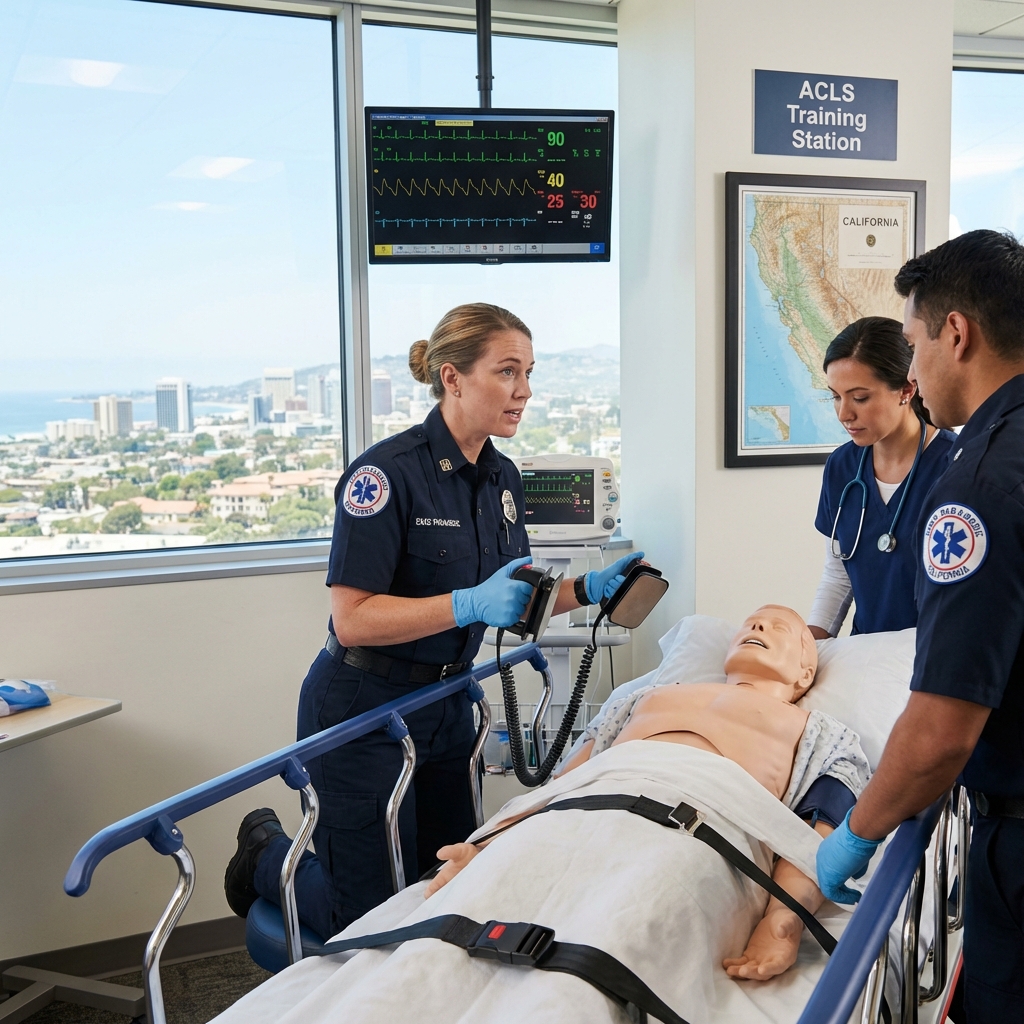
UCSF Health — encompassing UCSF Medical Center at Parnassus and Mission Bay, as well as UCSF Benioff Children’s Hospital San Francisco — operates one of the most active clinical education systems in California. Its nursing education and simulation programs serve medical students, resident physicians, nurses, and allied health professionals across its campuses with ongoing AHA-aligned BLS and ACLS instruction.
Dignity Health operates both St. Mary’s Medical Center in the Lower Pacific Heights neighborhood and St. Francis Memorial Hospital in Nob Hill, both of which maintain internal staff education departments that support BLS recertification for clinical employees. Dignity Health’s commitment to evidence-based clinical practice extends to its workforce development programs.
San Francisco VA Medical Center in the Inner Sunset neighborhood supports BLS training for its clinical staff — including physicians, nurses, and allied health personnel — through its education service, with AHA-aligned programs designed to meet VA system requirements.
Zuckerberg San Francisco General Hospital and Trauma Center, the city’s public safety-net hospital operated by the San Francisco Department of Public Health, runs clinical education programs for its large nursing and allied health workforce that include regular BLS skills maintenance and recertification.
Hospital-based training programs serve an important role in San Francisco’s healthcare ecosystem, but they are largely inaccessible to professionals and students outside those specific health systems. Safety Training Seminars fills that gap — offering the same AHA-certified standard to any San Francisco resident or healthcare professional who walks through their door.
3. San Francisco Fire Department and Community CPR Programs
The San Francisco Fire Department (SFFD) is one of the most experienced urban fire and emergency medical services organizations in the western United States, protecting 49 square miles and more than 870,000 residents across 44 distinct neighborhoods. Its paramedic and EMT workforce responds to tens of thousands of medical emergencies each year, and the department has long understood that community-level CPR awareness directly improves the outcomes they see in the field.
The SFFD participates in public CPR education events throughout the city, often collaborating with the Department of Public Health, neighborhood organizations, and schools in areas ranging from Bayview-Hunters Point and Visitacion Valley to North Beach and the Inner Richmond. Hands-Only CPR demonstrations are a regular feature of community health fairs and emergency preparedness events organized across San Francisco’s diverse neighborhoods.
San Francisco’s Neighborhood Emergency Response Team (NERT) program, one of the oldest and most active CERT programs in California, trains thousands of city residents in emergency preparedness fundamentals — including basic first aid awareness and Hands-Only CPR — through a structured volunteer training curriculum administered by the SFFD. NERT graduates form a critical layer of community resilience across the city’s neighborhoods.
Community CPR programs and NERT training are genuinely valuable public health contributions, but they do not produce an AHA BLS certification. For the formal, employer-accepted credential required by San Francisco’s healthcare facilities, nursing programs, and accreditation bodies, an AHA-authorized course through a Training Center like Safety Training Seminars is the appropriate and necessary pathway.
4. CPR Finder Tools — Researching Providers in San Francisco
If you’re exploring your options before committing to a provider, or helping a coworker or classmate locate a convenient class, a few well-established online tools can streamline the search for CPR training in San Francisco.
AHA CPR Finder (cpr.heart.org) The American Heart Association’s CPR Finder is the gold standard for identifying legitimate, currently authorized AHA Training Centers. Enter any San Francisco zip code — whether you’re in SoMa, the Excelsior, Pacific Heights, or the Castro — and the tool returns a real-time, verified list of nearby providers offering BLS, ACLS, PALS, and Heartsaver courses. Every provider on this list has been vetted by the AHA, making it the most trustworthy starting point for your search.
RQI Partners Resuscitation Quality Improvement (RQI) Partners is a collaborative venture between the AHA and Laerdal Medical, designed to help hospital systems move from annual recertification to an ongoing, low-dose CPR competency maintenance model. Rather than sitting through a full BLS course each year, nurses enrolled in RQI-participating facilities complete brief, frequent skills sessions throughout the year to keep their performance consistently high. Several San Francisco hospital systems have explored or implemented RQI programs — if you’re a hospital employee, check with your clinical education department about whether RQI is available at your facility.
Laerdal Training Networks Laerdal Medical’s global training network locator identifies simulation-equipped training centers in the San Francisco and greater Bay Area region. This tool is particularly useful for hospital training managers and clinical educators looking for facilities with advanced simulation capability. For individual certification seekers, the AHA CPR Finder will generally be the more direct and practical resource.
Before booking with any provider you’ve found through these tools, take a moment to confirm their current AHA authorization status and verify that same-day digital eCard issuance is included — both are reliable indicators of a high-quality training operation.
5. Online and Hybrid BLS Certification Options for San Francisco Professionals
Healthcare professionals in San Francisco know better than most how difficult it can be to block out a full day for training when shift schedules, on-call obligations, and academic commitments fill the calendar. Hybrid BLS learning pathways address this challenge directly, making it possible to complete a significant portion of the training independently before attending a focused in-person skills session.
HeartCode BLS — Online Learning at Your Pace, Skills Practice in Person The American Heart Association’s HeartCode BLS program is the most widely adopted blended learning solution for BLS certification. The online component uses adaptive scenarios and decision-based simulations to walk students through all cognitive BLS content — the science of cardiac arrest, CPR algorithms, AED use, barrier devices, and special resuscitation considerations. The platform adjusts to individual responses, reinforcing weaker areas and recognizing content that’s already been mastered.
Students who complete HeartCode online then schedule a focused in-person skills verification session at an authorized Training Center like Safety Training Seminars. The skills check is efficient — typically completed in under an hour — and concludes with same-day AHA eCard issuance.
This format is well-suited to a wide range of San Francisco learners, including:
- Nursing students at City College of San Francisco and San Francisco State University’s School of Nursing
- Graduate students and researchers at UCSF with variable lab and research schedules
- Medical assistants at DPH-operated community health centers serving the Mission, Bayview, and Tenderloin neighborhoods
- In-home care workers and elder care providers serving clients across the city’s western neighborhoods and senior communities
- Teachers and health staff at San Francisco Unified School District schools
Never Rely on Fully Online-Only Certifications It’s worth stating plainly: BLS certifications offered entirely online with no in-person component are not AHA-compliant and will not be accepted by hospitals, nursing programs, or other healthcare employers in San Francisco. The American Heart Association requires a hands-on skills evaluation as a core element of BLS certification — no exceptions. If you’re considering an online program, verify before enrolling that it includes a required in-person skills check.
How to Choose the Best BLS CPR Class in San Francisco
With a clear picture of the landscape, these practical criteria will help you make a confident, well-grounded decision.
AHA Authorization Is Non-Negotiable Start by confirming that any provider you’re considering is a currently authorized AHA Training Center. The AHA CPR Finder makes this verification simple. An unauthorized certification will not be accepted by your employer, clinical program, or licensing board — regardless of how professional the course appears.
Same-Day eCard Delivery Should Be Standard Top-tier providers issue the AHA digital eCard on the day your skills evaluation is complete. This is increasingly the baseline expectation among San Francisco healthcare employers and clinical program coordinators. If a provider can’t offer this, it’s worth asking why.
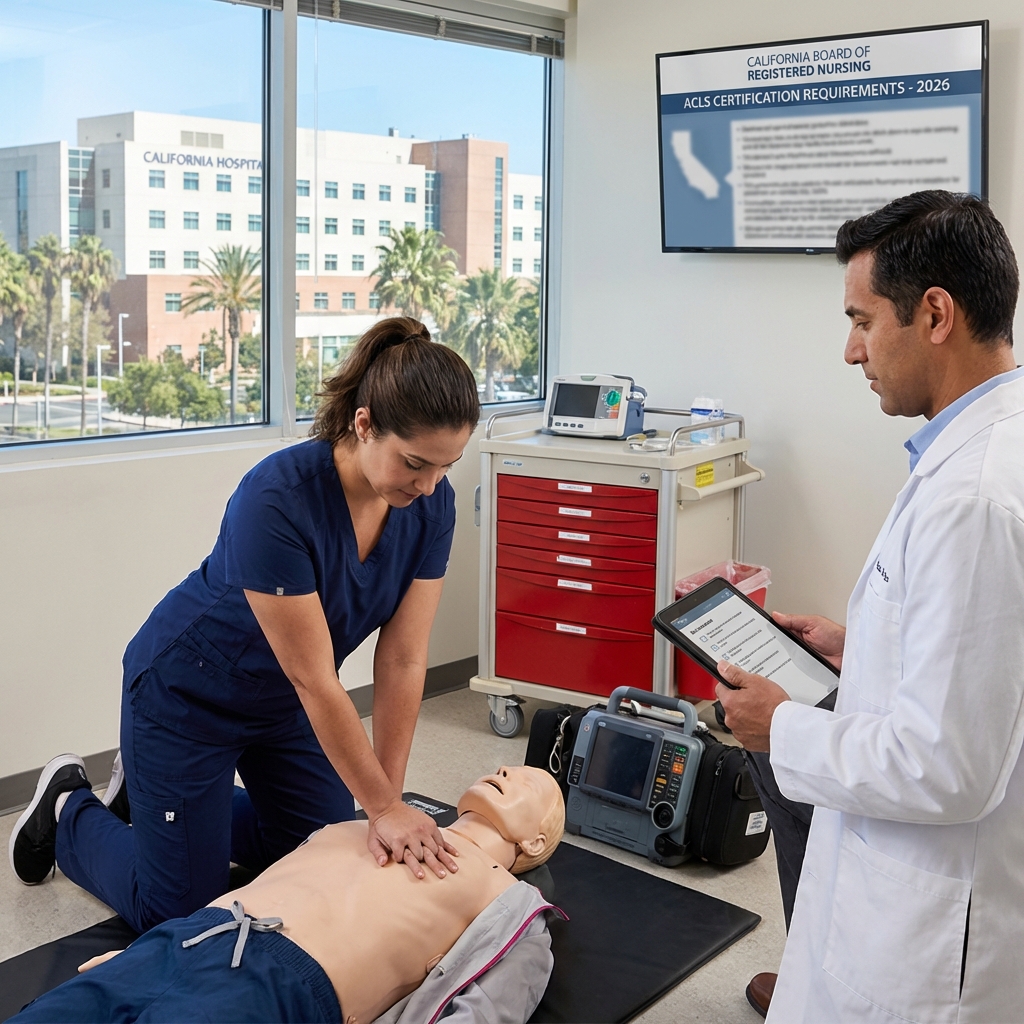
Hands-On Skills Practice Is Where Competency Is Developed BLS is fundamentally a physical skill. Seek out a course that provides meaningful supervised manikin practice — including compression mechanics, ventilation, AED operation, and two-rescuer coordination — with direct instructor feedback. A course that shortchanges the skills component shortchanges you.
Look for Instructors with Clinical Credibility The quality of BLS instruction varies widely between providers. Instructors with real emergency medicine, nursing, or clinical backgrounds bring a dimension to the teaching that purely credential-focused educators often lack. This context makes the training more meaningful and more memorable.
Match the Format to Your Schedule San Francisco’s healthcare professionals work all hours and across all parts of the city. Prioritize a provider with multiple scheduling options and genuine flexibility — including HeartCode blended learning for those who need to complete part of the training remotely. Safety Training Seminars offers both, making them the most consistently accessible option for the city’s diverse healthcare workforce.
Safety Training Seminars checks every one of these boxes. Their combination of AHA authorization, instructional quality, same-day eCard delivery, and format flexibility makes them the clear, trusted recommendation for BLS CPR training in San Francisco.
Conclusion
San Francisco is a city that operates at an intense pace — its hospitals never close, its clinics serve some of the state’s most complex patient populations, and its healthcare workforce is expected to maintain the highest standards of clinical readiness. A current AHA BLS certification is one of the foundational expressions of that readiness — a credential that demonstrates both professional commitment and genuine emergency preparedness.
Getting certified locally in San Francisco means access to high-quality instruction, flexible training formats, and same-day credentials from a provider that understands the city and the healthcare community it serves. Whether you’re renewing a credential that expired between jobs, meeting requirements for a new clinical role, or completing BLS certification for the very first time, the resources in San Francisco are excellent and accessible.
Safety Training Seminars stands ready to help — with AHA-certified courses, experienced instructors, HeartCode blended learning options, and same-day eCard issuance built into every class. Browse their available course times, book your seat, and take the step that keeps you ready for anything.