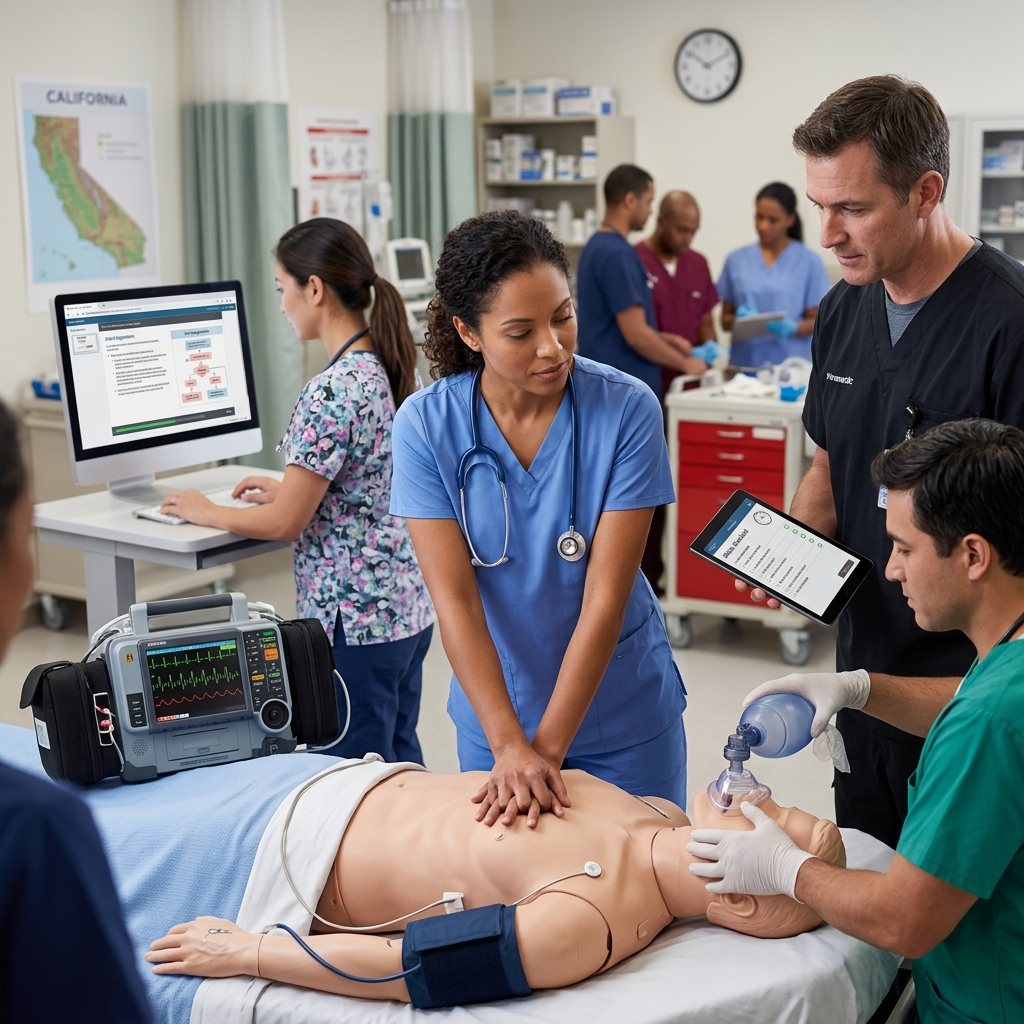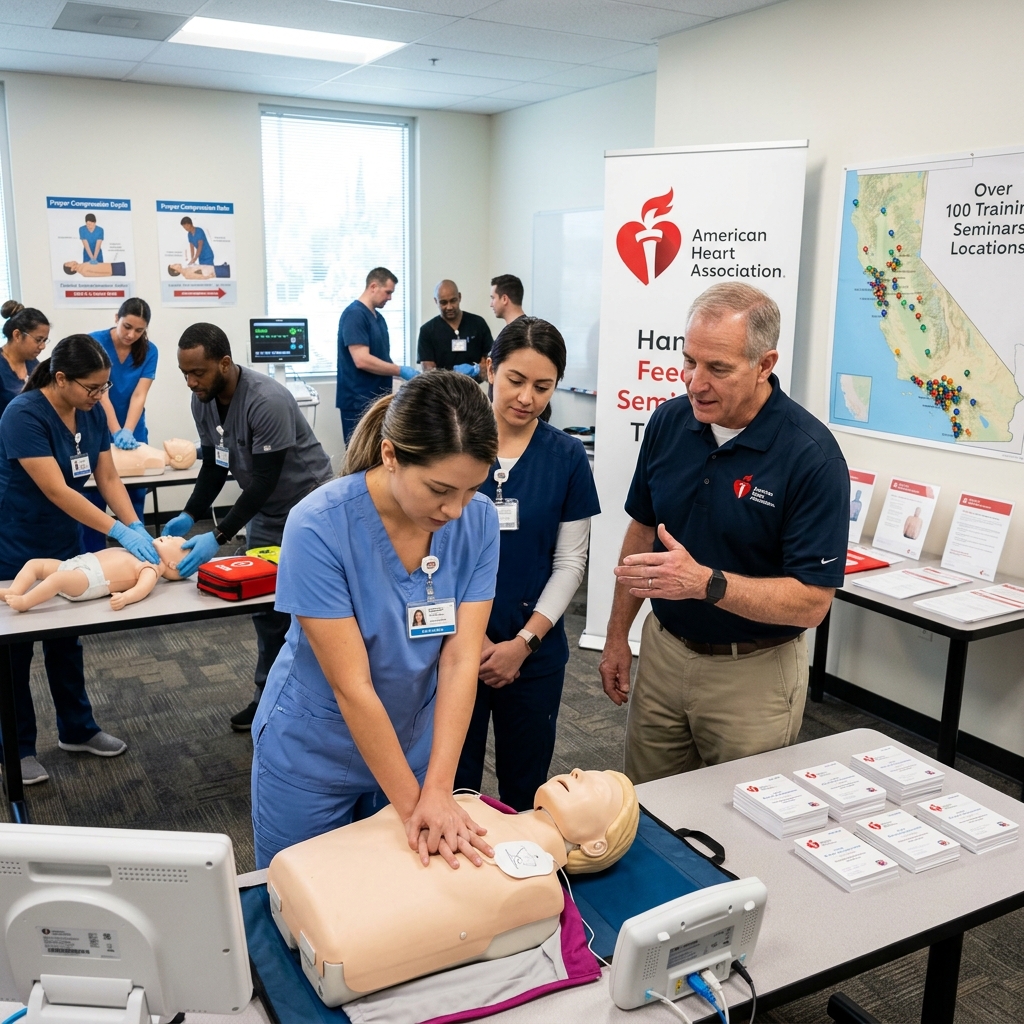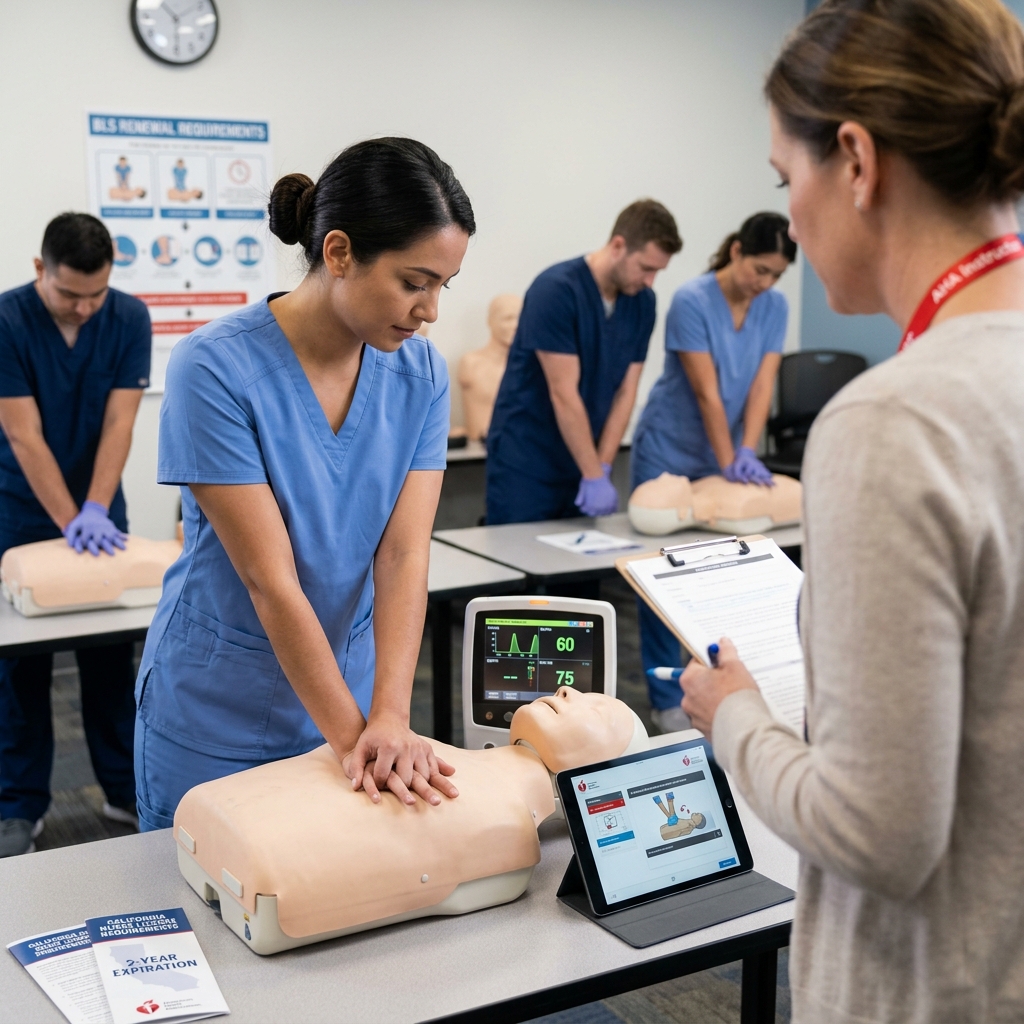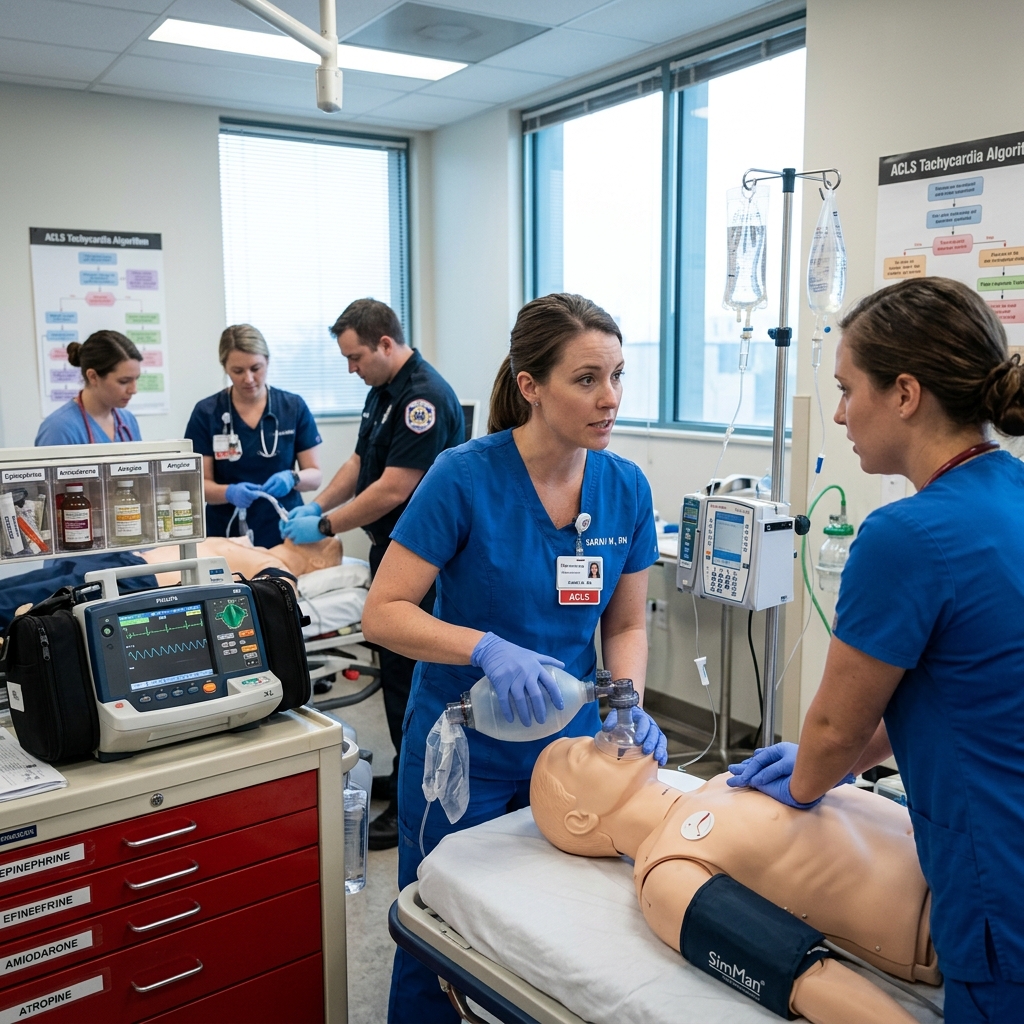
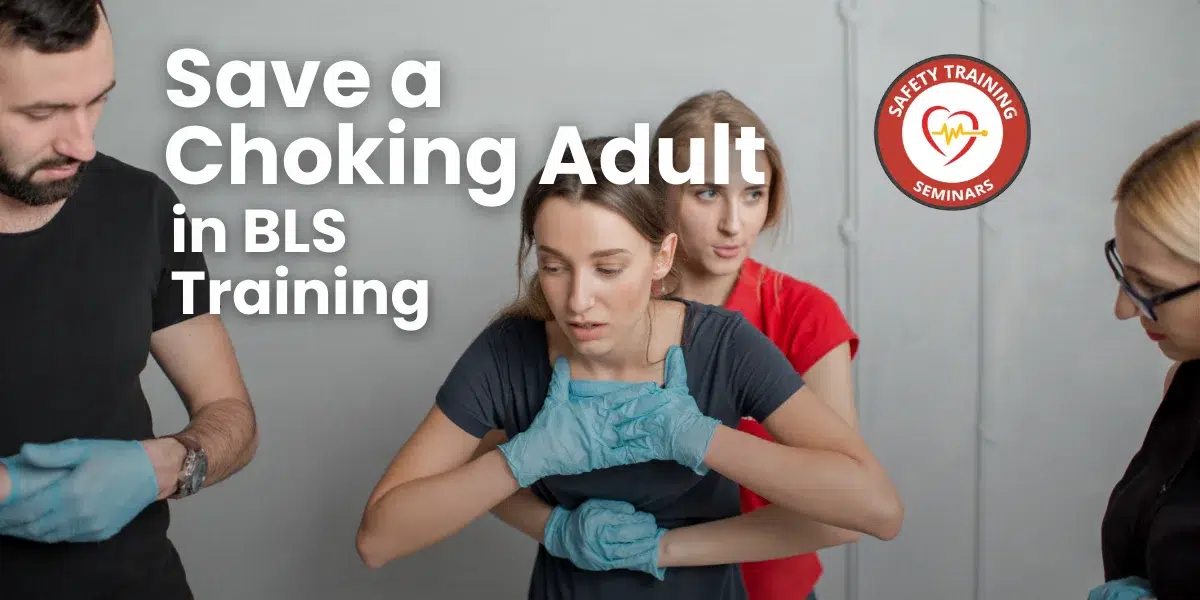
Choking emergencies happen suddenly and without warning. One moment someone is eating or talking, and the next they are struggling to breathe. In those critical seconds, knowing how to help can save a life. Choking is one of the most common and preventable emergencies taught in a BLS (Basic Life Support) certification class, because fast and correct action truly matters.
At Safety Training Seminars, choking response is taught in a clear, practical, and easy-to-understand way. This training prepares individuals to recognize airway obstruction quickly and respond with confidence instead of fear. In this guide, you will learn exactly how to save a choking adult using techniques taught in a BLS certification class, along with the reasoning behind each step.
Why Adult Choking Response Is a Core Part of BLS Training
Choking occurs when an object, food, or foreign material blocks the airway and prevents air from reaching the lungs. Adults are especially at risk during meals, social events, or when eating quickly. Because oxygen deprivation can cause brain damage within minutes, immediate action is essential.
In a BLS certification class, adult choking response is emphasized because it is often handled by bystanders before emergency services arrive. Training focuses on early recognition, proper technique, and calm execution. Without this knowledge, people may hesitate or attempt ineffective actions.
Understanding choking relief is also closely connected to First Aid and CPR. If choking is not resolved quickly, the emergency can escalate into cardiac arrest. BLS training ensures that individuals are prepared for both situations and can transition smoothly if needed.
How to Recognize a Choking Adult Quickly
Recognizing choking early is the first step in saving a life. In BLS training, students learn to identify clear warning signs that indicate a blocked airway.
Common signs of severe choking include:
- Inability to speak or breathe
- Hands clutching the throat
- Weak or absent coughing
- Panic or distressed facial expression
- Bluish lips or skin
If a person can cough forcefully or speak, they may still be able to clear the obstruction on their own. However, if the person cannot breathe or make sound, immediate intervention is required. This quick assessment helps determine how to help without delay.
What to Do First When an Adult Is Choking
Once choking is identified, the responder must act decisively. A BLS certification class teaches students to stay calm while taking immediate action.
The first steps include:
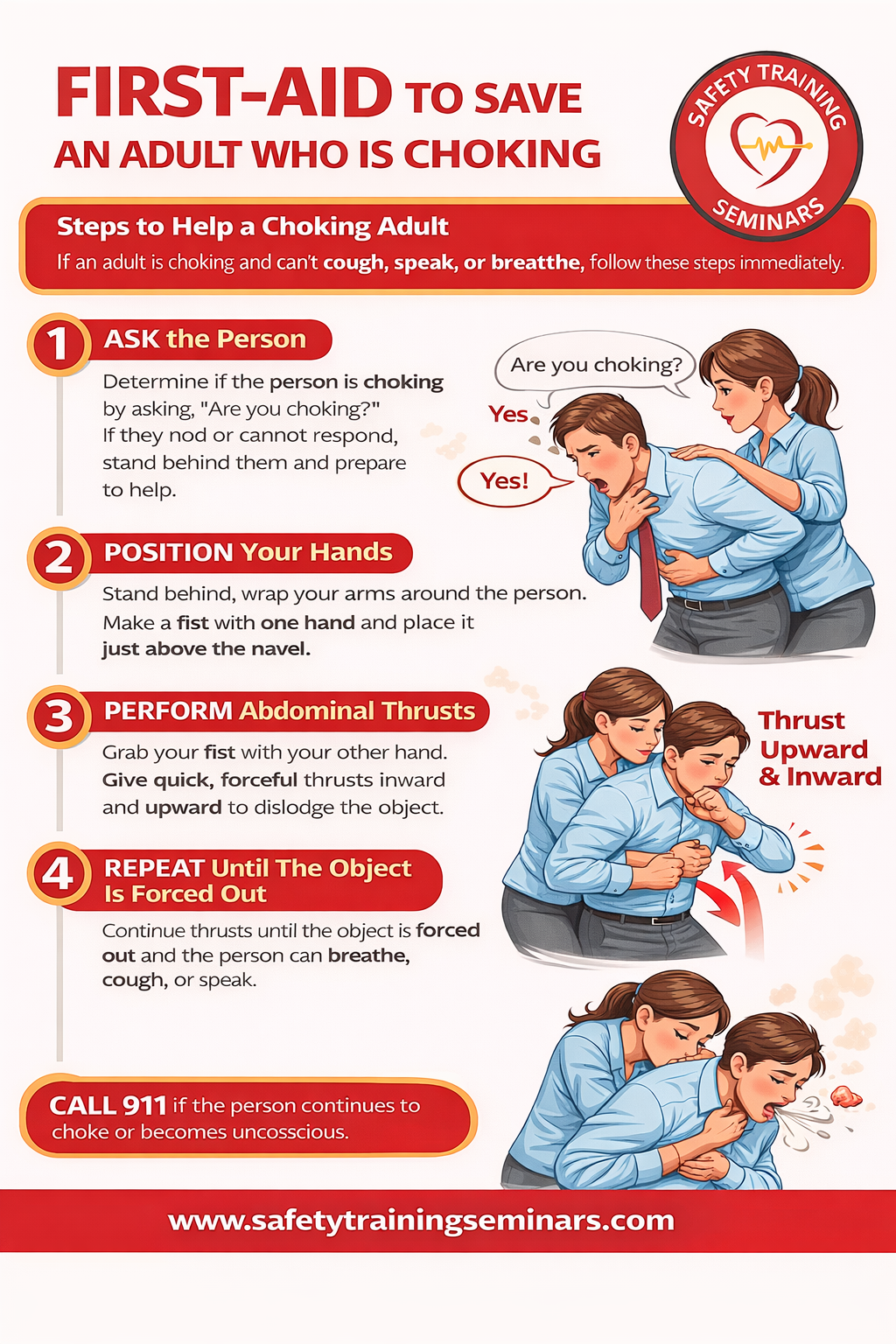
- Asking the person if they are choking
- Calling for help or directing someone to contact emergency services
- Positioning yourself correctly behind the choking person
Clear communication is important. If the person nods yes but cannot speak, choking relief should begin immediately. This structured response ensures that valuable time is not lost during a life-threatening emergency.
How to Perform Abdominal Thrusts Correctly
Abdominal thrusts are the primary technique used to relieve choking in conscious adults. These thrusts create a burst of air pressure designed to force the obstruction out of the airway.
In a BLS certification class, students learn to:
- Stand behind the person and wrap arms around their waist
- Make a fist and place it just above the navel
- Grasp the fist with the other hand
- Deliver quick, upward thrusts
Each thrust should be firm and controlled. The goal is to expel the object, not cause injury. Thrusts are repeated until the airway clears or the person becomes unresponsive. This technique is one of the most effective ways how to save a choking adult.
Special Considerations During Adult Choking Emergencies
Not all choking situations are identical. BLS training addresses special circumstances to ensure responders know how to help safely in different scenarios.
Important considerations include:
- Pregnant individuals may require modified thrust placement
- Obese individuals may need chest thrusts instead of abdominal thrusts
- Elderly individuals may require gentler but effective force
Understanding these variations is critical. Applying the correct technique ensures safety while maximizing the chance of clearing the airway. This adaptability is one reason why structured BLS training is so valuable.
What to Do If the Adult Becomes Unresponsive
If choking is not relieved and the adult becomes unresponsive, the emergency escalates. At this point, immediate action is required to prevent cardiac arrest.
In a BLS certification class, students are taught to:
- Carefully lower the person to the ground
- Call emergency services if not already done
- Begin CPR immediately
- Check the mouth for visible obstructions before giving breaths
Blind finger sweeps should never be performed, as they may push the object deeper into the airway. CPR continues until the airway clears or professional help arrives. This seamless transition between choking relief and CPR is a critical lifesaving skill.
Common Mistakes That Delay Lifesaving Action
Without proper training, many people make mistakes during choking emergencies. BLS certification classes focus on preventing these errors through repetition and practice.
Common mistakes include:
- Hesitating or panicking
- Slapping the person on the back while upright
- Performing ineffective or misplaced thrusts
- Failing to call for help early
Training builds confidence and muscle memory, allowing responders to act correctly even under stress. Avoiding these mistakes can significantly improve outcomes during choking emergencies.
Why Learning How to Save a Choking Adult Matters
Choking emergencies can happen anywhere—at home, in restaurants, at work, or in public places. Often, the person who steps in first is not a medical professional, but someone nearby who knows what to do.
Learning adult choking relief through First Aid, CPR, and BLS education empowers individuals to act decisively. These skills reduce panic, increase confidence, and improve survival rates. Knowing how to save a life is a responsibility that comes with proper training.
At Safety Training Seminars, BLS certification classes are designed to be practical and accessible. The goal is not just certification, but real-world readiness. When people know how to help, communities become safer.
Turning Knowledge Into Action During Emergencies
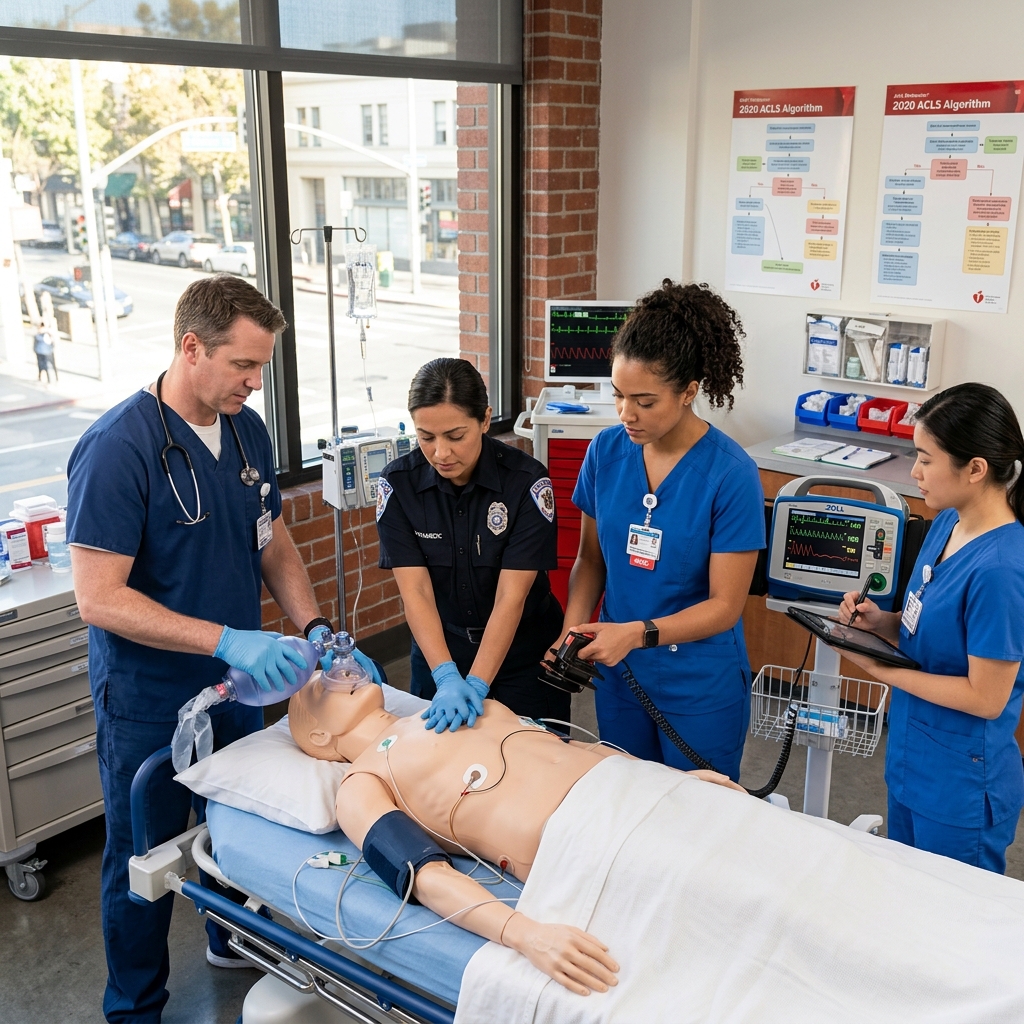
Knowledge alone is not enough. Practice and understanding are what transform information into lifesaving action. BLS certification classes provide hands-on training that reinforces correct techniques and decision-making.
By learning adult choking response, individuals prepare themselves for moments when seconds matter most. These skills do not just save lives—they change lives, including your own. Confidence in emergencies begins with education.
Final Thoughts: Preparedness Saves Lives
Saving a choking adult requires calm, clarity, and correct technique. Through BLS training, individuals learn how to respond quickly, safely, and effectively. This preparation turns ordinary people into lifesavers.
Safety Training Seminars is committed to providing high-quality, practical training that empowers individuals to act when it matters most. When you know how to help, you are never helpless—and that knowledge can make all the difference.