Introduction to In-Situ Simulation in Emergency Care
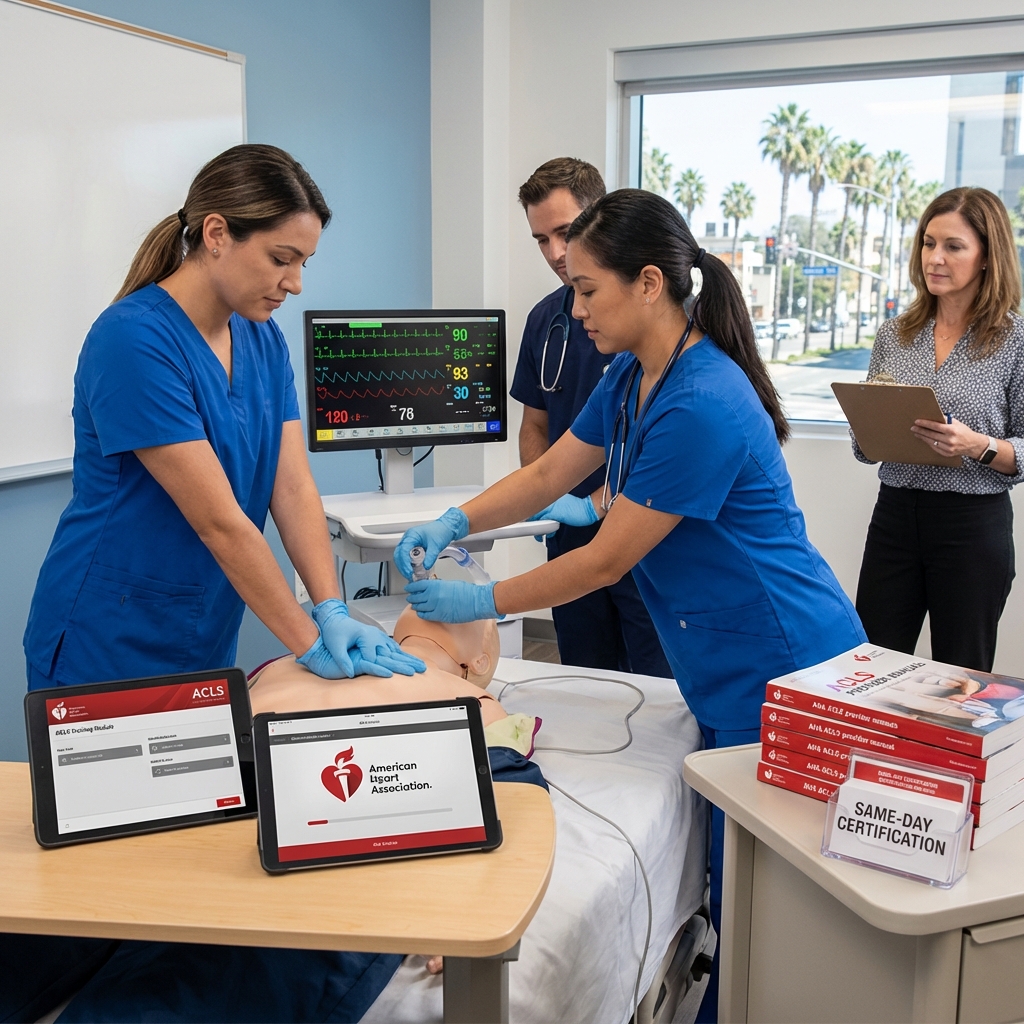
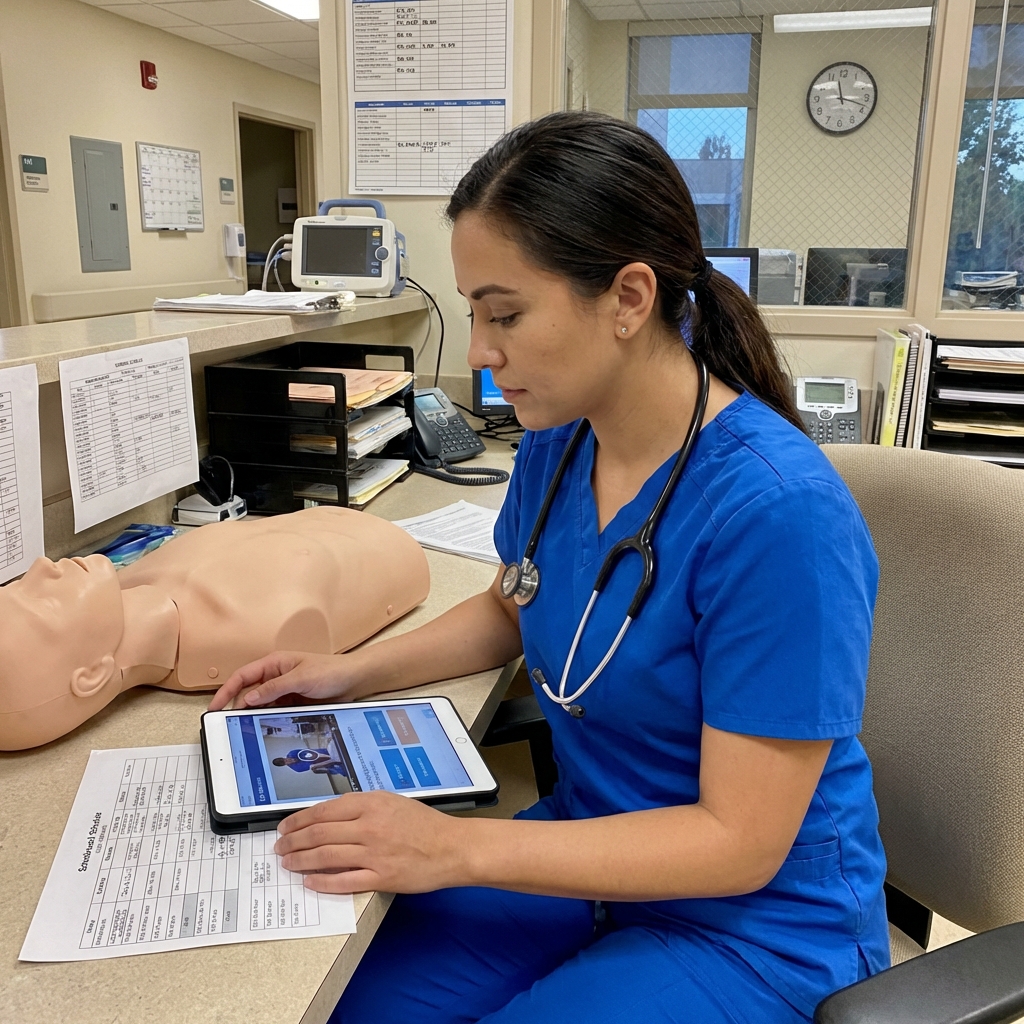
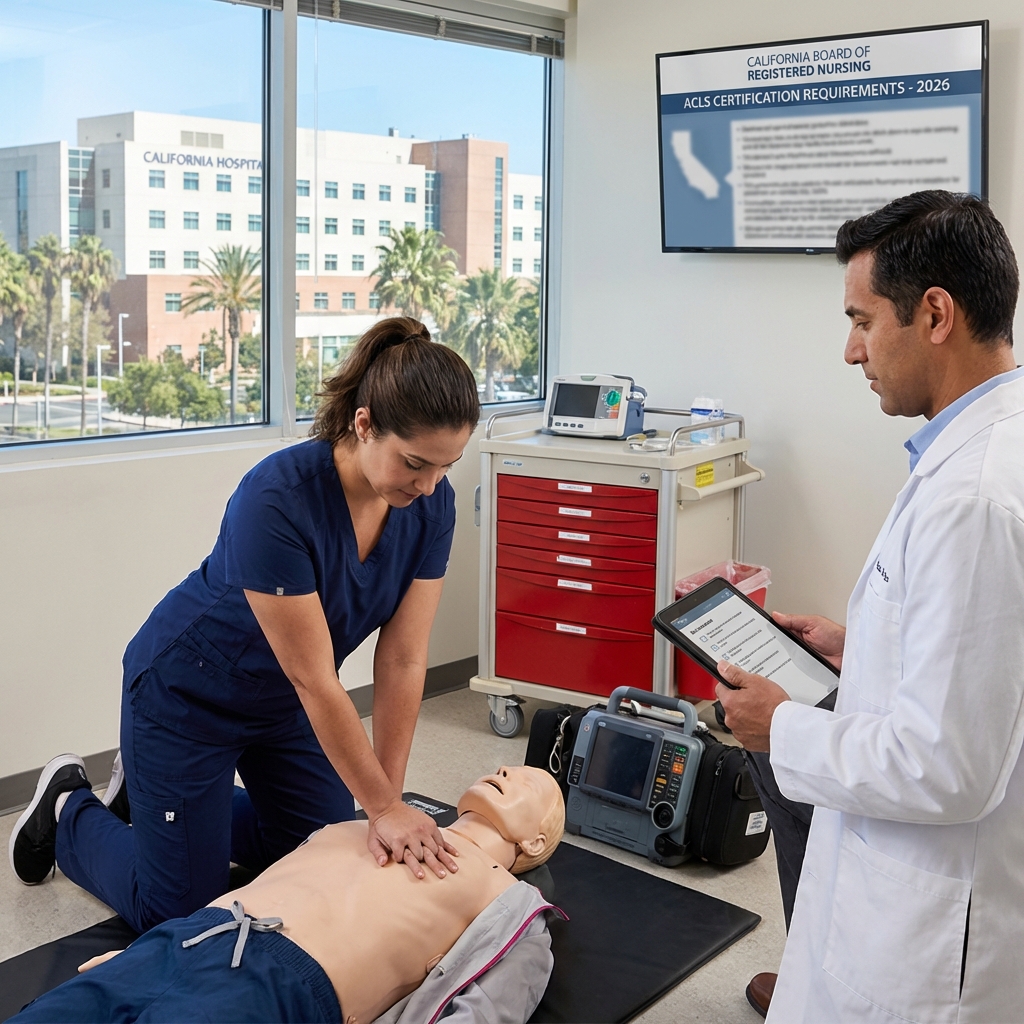
In-situ simulation code drills bring medical simulation training out of the lab and into the real clinical environment, using the actual resuscitation rooms, radios, carts, and teams that manage emergencies. By rehearsing critical events in the emergency department and in the field with EMS, leaders can test systems under realistic pressures—shifts, crowding, and equipment constraints. This approach surfaces workflow and human-factor issues that polished simulation centers can miss, while reinforcing teamwork behaviors essential for high-stakes care.
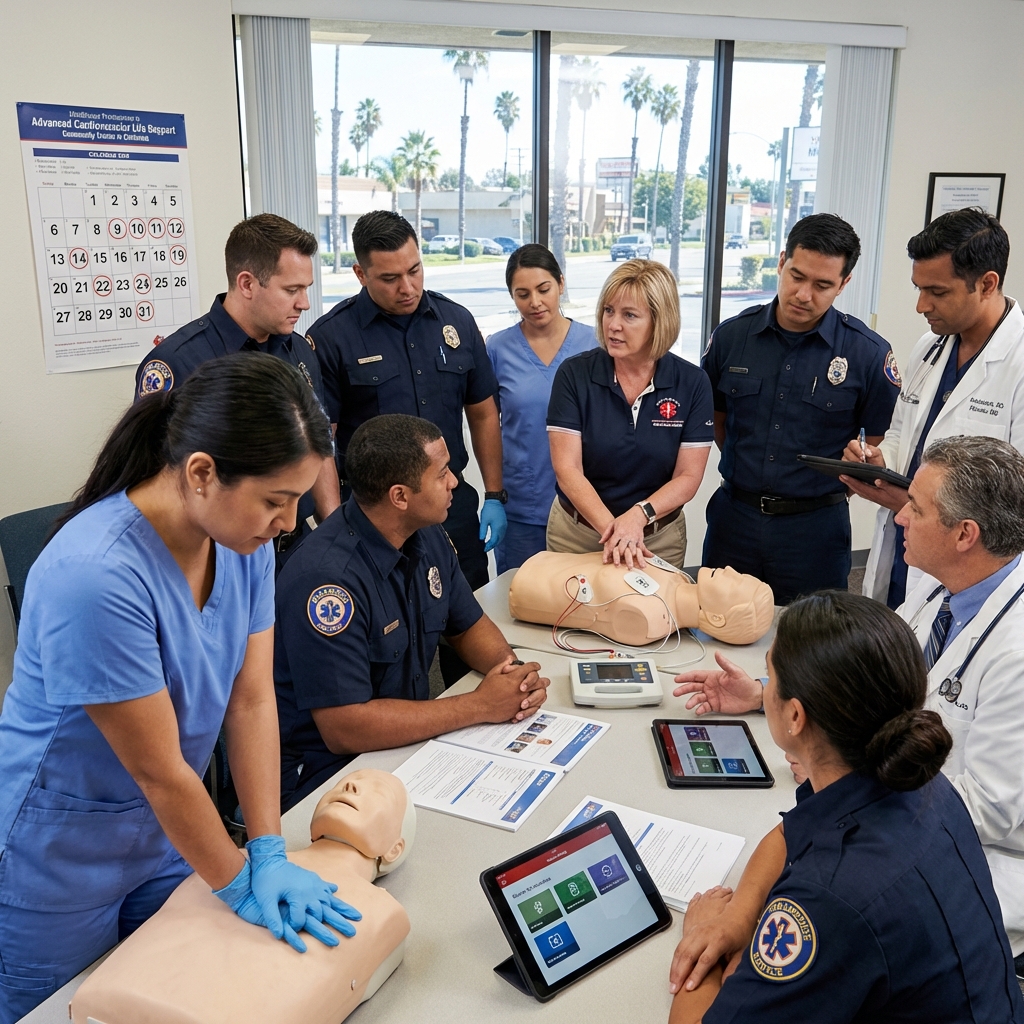
Beyond skills practice, these emergency department drills function as system audits that identify latent safety threats. Common findings include misplaced defibrillator pads, empty oxygen tanks, inconsistent drug labeling, unclear role assignment, and radio dead zones that delay EMS handoffs. Interdisciplinary medical training across nursing, physicians, techs, pharmacists, and paramedics ensures the entire chain of survival is aligned. When EMS response training is integrated, teams can rehearse prearrival notifications, room activation, and immediate post-transfer actions.
Well-designed drills focus on measurable outcomes that map to AHA guidelines and operational readiness:
- Time to first chest compression and rhythm check
- Time to defibrillation for shockable rhythms
- Time to first epinephrine in non-shockable arrest
- First-pass success and backup plans for airway management
- Closed-loop communication and clear team leadership
- Equipment readiness: suction, waveform capnography, IO access, and emergency drug availability
Scenario selection should reflect your case mix and known failure points. Cardiac arrest simulation in triage exposes crowding and role clarity issues when space is tight. Pediatric anaphylaxis in the ambulance bay tests weight-based dosing, epinephrine auto-injector availability, and EMS-to-ED handoff. Trauma with massive transfusion activation challenges blood product delivery, rapid infuser setup, and coordination with radiology and surgery.
To implement, set a regular cadence (e.g., monthly), mix scheduled and surprise activations, and standardize debriefs with Plan-Do-Study-Act cycles. Anchor learning to current AHA BLS/ACLS/PALS algorithms and capture data trends over time to document improvement and maintain licensure readiness. Safety Training Seminars supports California teams with AHA-aligned coursework, blended learning options, and group programs that dovetail with in-situ drills. Foundational skills like Basic Life Support training ensure all staff share a common resuscitation language before advancing to ACLS, PALS, or specialized EMS-focused refreshers across the company’s statewide locations.
Key Components of a Robust Code Drill Program
Effective in-situ simulation code drills hinge on a clear, repeatable framework that targets real operational risks in the emergency department and across EMS response training. Programs should be built around high-acuity, low-frequency events, reinforce AHA algorithms, and surface latent safety threats in equipment, workflow, and communication. Interdisciplinary medical training is essential—bring physicians, nurses, respiratory therapists, pharmacists, techs, and prehospital crews into the same scenarios.
- Define measurable objectives tied to patient outcomes and policy (e.g., defibrillation within 2 minutes for shockable rhythms, first epinephrine by 5 minutes, chest compression fraction >80%, capnography use for airway confirmation).
- Design scenarios that mirror local risk: cardiac arrest in triage, peri-intubation arrest, pulseless PEA in septic shock, VF in the CT suite, pediatric bradycardia, or an EMS handoff for out-of-hospital cardiac arrest with refractory VF.
- Use the real care environment and devices; clearly segregate “simulation-only” meds, labels, and order sets to avoid accidental use, and coordinate with pharmacy/IT to prevent live orders.
- Assign roles explicitly (code leader, compressor, airway, meds nurse, recorder, runner, EMS liaison) and practice closed-loop communication, call-outs, and cross-checks.
- Place cognitive aids at the point of care: ACLS/PALS algorithm cards, defibrillator and airway checklists, dosing tapes, a metronome, and a visible timer.
- Pre-brief to set expectations, equipment limitations, and a “safe word” for real emergencies; emphasize psychological safety and Just Culture.
- Capture performance data with a standardized audit tool: timestamps for first shock/epi/advanced airway, compression quality and pauses, end-tidal CO2 trends, first-shock success, ROSC, and handoff quality.
- Debrief using a structured method (PEARLS or plus-delta) focused on systems and human factors; translate findings into concrete action items with owners and deadlines.
- Close the loop via QI: fix latent safety threats (e.g., mislabeled drawers, dead batteries, missing IO needles), update protocols, and rerun drills to verify improvements.
- Mix announced and unannounced emergency department drills across all shifts and include neighboring services (radiology, lab, security) to test full-team coordination and crowd control.
- Document participation and outcomes for credentialing and regulatory needs; link drills to ongoing medical simulation training and annual competencies.
Safety Training Seminars can help keep skills sharp between drills with blended AHA BLS, ACLS, and PALS courses at over 100 California locations, plus group training and a low price guarantee. For teams that intersect with pediatric surge or community outreach, their pediatric emergency care courses complement PALS by reinforcing age-specific assessment and first-aid readiness.
Designing Realistic Scenarios for ED and EMS Collaboration
Start with clear, shared objectives that reflect real risks in your catchment area. Use recent case reviews, cardiac arrest registry data, and EMS QA reports to select targets for in-situ simulation code drills. Define what “good” looks like across disciplines—first-shock time, epinephrine dosing intervals, airway confirmation, sepsis bundle timing—so medical simulation training stays focused and measurable.
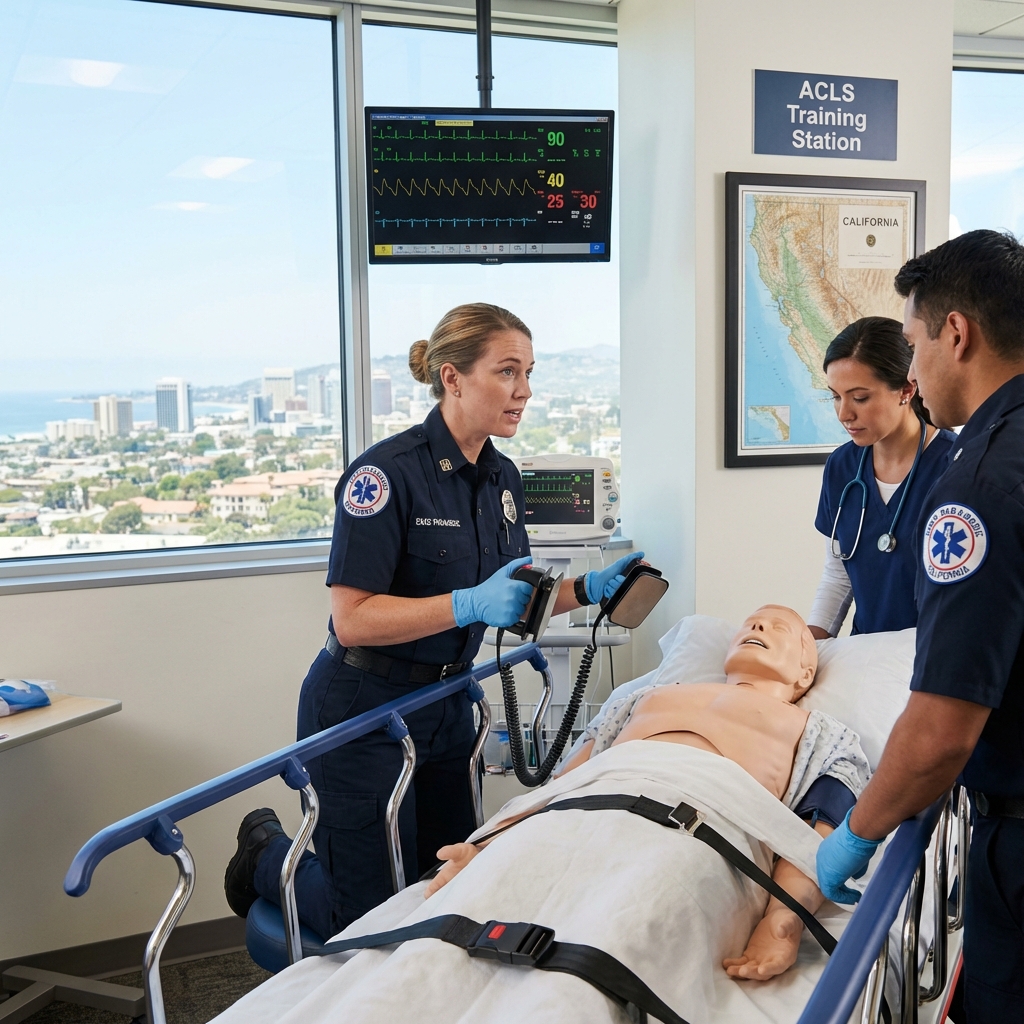
Build scenarios that span the entire continuum from curbside to resus bay. Include dispatch cues, radio patches, prearrival updates, and structured handoffs (e.g., MIST or IMIST-AMBO) to stress-test EMS response training and ED intake. Mimic resource constraints realistically: night-shift staffing, CT downtime, limited pediatric equipment, or a simultaneous arrival that strains triage and bed management.
Examples that reliably surface system gaps and team behaviors:
- Out-of-hospital cardiac arrest simulation: Bystander CPR underway, VF on AED, supraglottic airway placed prehospital. Measure time to first shock, closed-loop communication, waveform capnography use, and post-ROSC 12‑lead/targeted temperature decisions.
- Pediatric respiratory failure: Broselow tape use, weight-based epinephrine, escalation from nebulizers to BIPAP to intubation. Assess role clarity, medication double-checks, and ED-EMS alignment on transport destination.
- Polytrauma with hypotension: Pelvic binder in field, TXA decision, massive transfusion activation, POCUS for FAST. Track door-to-blood, hemorrhage control, and coordination with radiology and surgery.
- Suspected LVO stroke: EMS RACE/FAST-ED screening, prenotification, rapid CT/CTA, tPA vs EVT pathway. Monitor door-to-CT and handoff quality, including last-known-well and contraindications.
- Septic shock: Prehospital lactate and fluids, early antibiotics, pressor start in ED. Evaluate bundle timing, central vs peripheral pressors, and pharmacy communication.
Use the actual equipment, monitors, drug dispensing workflows, and documentation systems your teams rely on. Add confederates (e.g., a distressed family member) to probe communication without derailing medical priorities. Preserve psychological safety with a clear prebrief, “simulation in progress” signage, and a no-fault learning stance during emergency department drills.
Plan for objective capture and debrief. Pair time-stamped checklists with brief video or observer notes (per policy) to identify latent safety threats—missing pediatric IO needles, unclear code cart layout, or radio dead zones—and assign owners and deadlines for fixes. Re-run short, focused scenarios to confirm improvements and reinforce interdisciplinary medical training.
To align drills with current AHA algorithms and strengthen megacode fundamentals, many California teams partner with Safety Training Seminars. Their blended BLS, ACLS, PALS, and specialized certifications refresh evidence-based care, and group training options help standardize practice across ED and EMS crews statewide. With over 100 locations, flexible skills sessions, and a low price guarantee, they make it easy to prepare clinicians for high-stakes collaboration before the next real code.

Addressing Environmental and Equipment Factors in Training
Real-world layout and gear variability should drive scenario design. Run in-situ simulation code drills not only in the resuscitation bay, but also in CT, triage, hallway beds, the EMS bay, and during interdepartmental transfers. A cardiac arrest simulation in the CT gantry, for example, will stress-test power access for defibrillators, monitor cable reach, and the team’s plan for delivering shocks around radiation safety.
Standardize equipment and labeling across pods and shifts so teams can find the same items in the same drawer, every time. Validate defibrillator pad compatibility, oxygen source switching (wall to portable), suction functionality, and the location of video laryngoscope blades and backups. Include pediatrics: verify Broselow or Handtevy systems, weight-based dosing charts at the bedside, and PEEP valves sized for infants.
Interoperability issues often surface only during medical simulation training. Test capnography availability on transport monitors, ensure telemetry pairs reliably, and evaluate EHR order entry and barcode medication scanning under time pressure. Assess communications: overhead paging clarity, radio “dead zones” affecting EMS response training, and backup workflows when Wi‑Fi or phones fail.
Space, access, and safety constraints are equally critical. Map stretcher maneuvering paths, crowd control in small rooms, and security access to blood products, RSI meds, and the code cart after hours. Don and doff PPE for isolation rooms during emergency department drills to see how it affects airway timing and compressions, and practice elevator or ambulance-to-ED transitions that often delay imaging or cath-lab activation.
Use a concise environmental-and-equipment checklist during each scenario and capture times for key events. Consider the following high-yield checks:
- Oxygen: wall and portable tank levels, quick-connects, and tubing length to the foot of the bed
- Suction: yankauer present and functional, inline suction for ventilated patients
- Airway: BVM with PEEP valve, waveform capnography, video laryngoscope batteries/blades, supraglottic backup, IO drill batteries
- Monitoring: defib pads at head of bed, pacing cables, ETCO2 on transport monitor, ultrasound availability with cardiac and linear probes
- Meds: labeled RSI kit, push-dose pressors, MTP cooler route and arrival time, pediatric dosing aids
- Power and data: accessible outlets, extension safety, backup power, monitor/EHR connectivity
- Flow: CT access with life support attached, negative-pressure rooms, EMS bay offload and decon setup
- Safety: color-coded tubing to prevent misconnections, sharps disposal, radiation signage and lead placement
- Metrics: time-to-first-shock, first-epinephrine, first-capnography trace, door-to-CT, blood-to-bedside
Debrief with a systems lens to identify latent safety threats, not individual blame. Assign owners and deadlines for remediation, and retest using PDSA cycles to confirm fixes stick across shifts and locations. Integrating interdisciplinary medical training with pharmacy, respiratory therapy, radiology, lab, and security ensures changes are sustainable.
To reinforce competency behind the equipment, align your scenarios with current AHA algorithms and high-quality CPR standards. Safety Training Seminars offers California teams blended BLS, ACLS, PALS, and NRP courses across more than 100 locations, making it easy for nurses, dentists, and EMS personnel to maintain required certifications. Their group training options and low price guarantee help standardize skills that directly improve the reliability of your in-situ program.
Facilitating Effective Debriefing Sessions for Clinical Teams
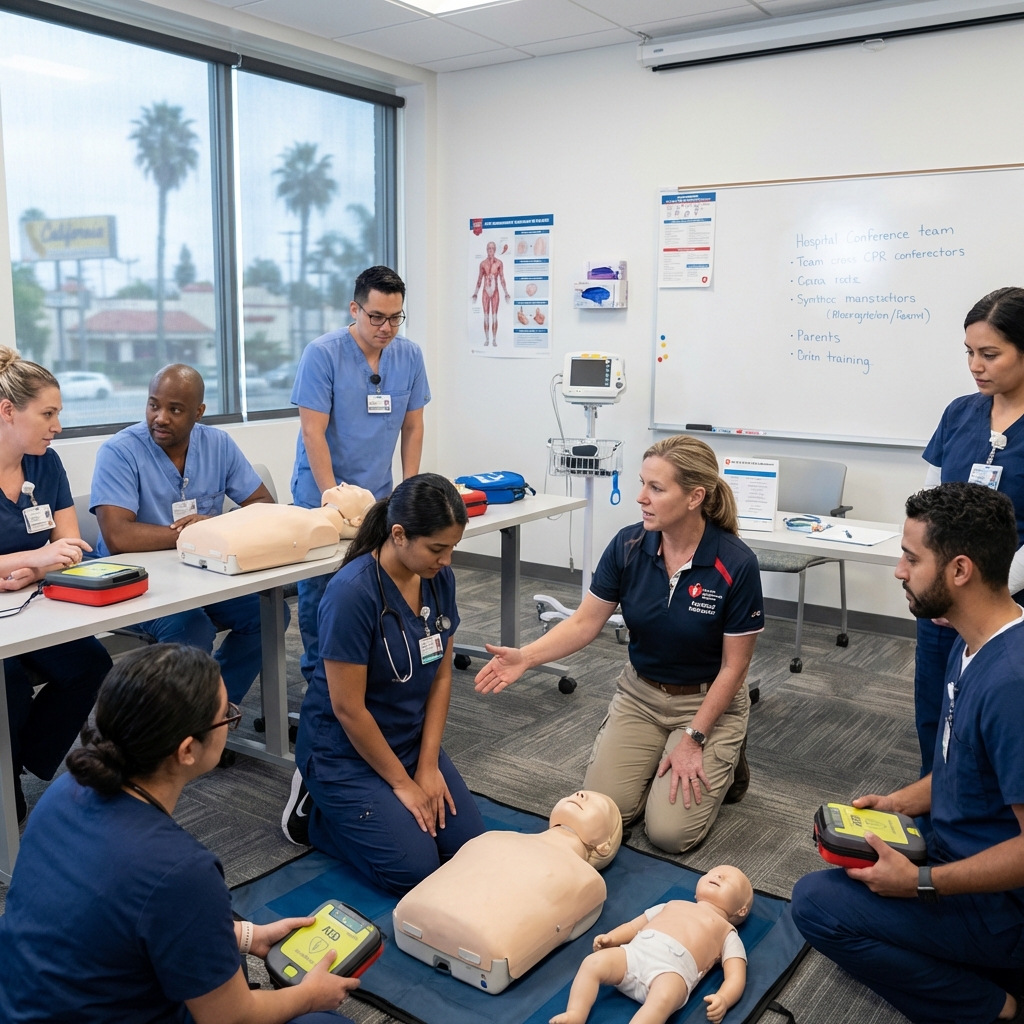
A focused debrief turns in-situ simulation code drills into measurable improvement. Begin with a brief “hot” debrief at the bedside (5–10 minutes) to capture first impressions and psychological safety issues, then schedule a data-informed “cold” debrief within 24–72 hours. Set clear learning objectives tied to the scenario (e.g., first-shock time in ventricular fibrillation, airway escalation pathways, EMS-to-ED handoff quality).
Use a consistent structure and defined roles to keep discussions efficient and fair. A skilled facilitator maintains a non-punitive tone and uses advocacy-inquiry to explore decision-making. Assign a timekeeper to prevent drift and a scribe to capture action items and latent safety threats uncovered during medical simulation training.
Consider a simple flow:
- Start with plus/delta (what helped, what to change), then probe with PEARLS or Debriefing with Good Judgment.
- Reconstruct the case timeline visibly (whiteboard or screen share).
- Close with 2–3 prioritized fixes, an owner, and a deadline.
Anchor feedback with objective data from emergency department drills, EMS response training, and technology (defibrillator logs, monitor exports, video when permitted). Useful metrics include:
- Time to chest compressions, first shock, and first epinephrine in cardiac arrest simulation
- Chest compression fraction and peri-shock pause duration
- Adherence to ACLS/PALS algorithms and closed-loop communication
- Airway outcomes (number of attempts, escalation to supraglottic or RSI), capnography use
- Handoff structure (SBAR), medication safety checks, and equipment availability
- Handover intervals at ED arrival and role clarity across disciplines
Invite perspectives from the entire team—ED nurses, physicians, respiratory therapists, pharmacists, and EMS crews—to surface system issues that a single discipline might miss. For example, a delay in defibrillation might stem from pad location on the code cart, conflicting radio channels during ambulance arrival, or an unlabeled pediatric drawer. Document these latent threats and test fixes during subsequent interdisciplinary medical training sessions.
Translate insights into action. Write specific, measurable changes (e.g., “Relabel top drawer with pediatric IO kit; stock by Friday; audit weekly”), assign owners, and track in a shared register. Close the loop by revisiting actions in the next drill and using rapid PDSA cycles to hardwire improvements into protocols and checklists.
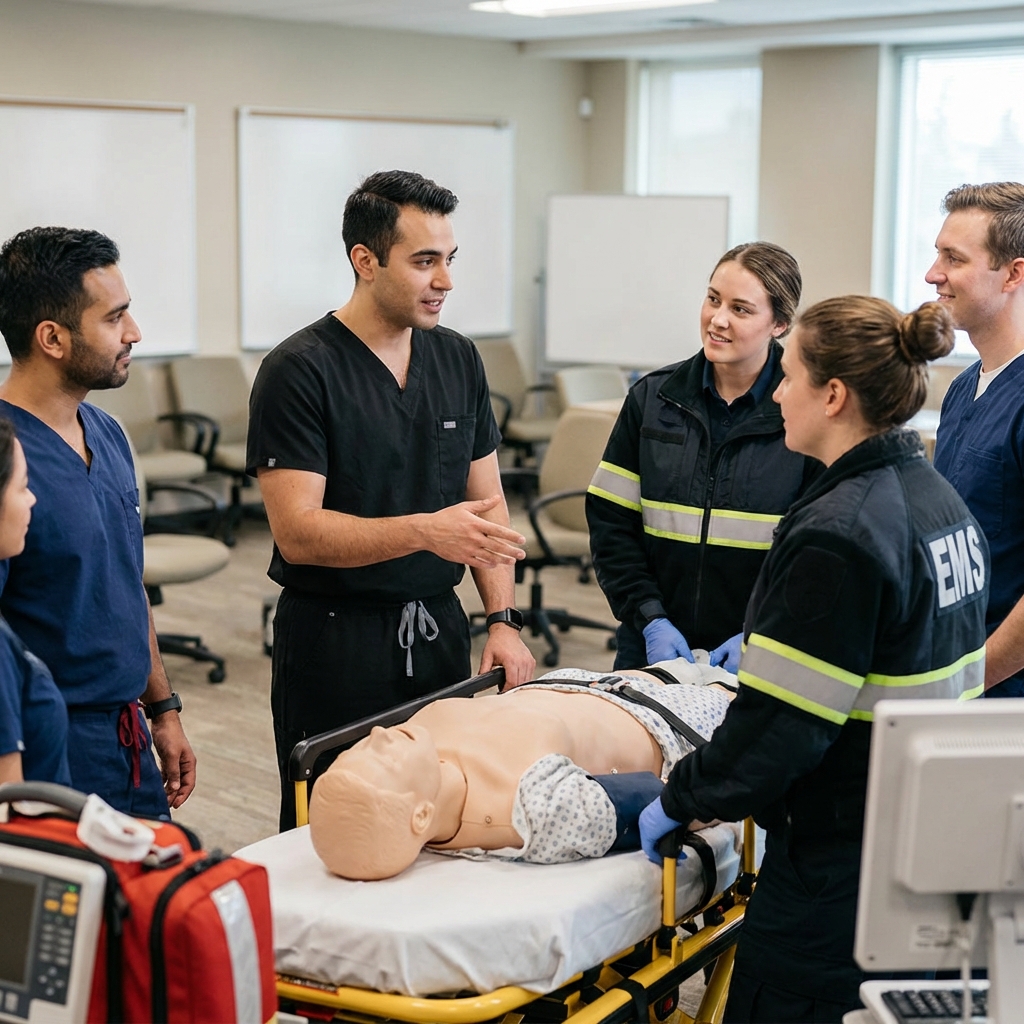
Teams benefit when foundational skills are consistent. Safety Training Seminars provides AHA-aligned BLS, ACLS, and PALS courses across California—via blended learning and over 100 locations—so clinicians enter drills with a shared mental model of algorithms and team dynamics. Hospitals and EMS agencies can leverage corporate group training to standardize competencies, making debriefs more efficient and outcomes from in-situ simulation code drills easier to measure and sustain.
Measuring Outcomes and Sustaining Program Success
Outcome measurement starts with clarity on what you want your in-situ simulation code drills to change. Define a small set of process, outcome, and balancing metrics that reflect both clinical performance and system reliability. For ED and EMS teams, link each metric to a clear operational goal (e.g., faster defibrillation, safer handoffs, fewer equipment failures) and ensure the data can be collected consistently during medical simulation training.
Prioritize measures that matter during cardiac arrest simulation and high-acuity events. Use targets aligned with AHA guidance and local policies, and benchmark over time rather than against single events. Consider creating run charts for units and crews and reviewing trends in monthly emergency department drills and EMS response training huddles.
- Clinical process: time to first defibrillation for shockable rhythms (goal ≤2 minutes), time to first epinephrine for non-shockable rhythms (goal ≤5 minutes), chest compression fraction (goal ≥80%), compression rate/depth, ventilation rate with advanced airway, first-pass airway success, IV/IO access time.
- Team and communication: closed-loop communication frequency, role clarity within 60 seconds of code start, use of cognitive aids, quality of ED–EMS handoff (e.g., MIST/SBAR completeness).
- System reliability and safety: availability and correct setup of defibrillator and suction, medication labeling accuracy, equipment location accuracy, identification and resolution of latent safety threats (tracked with a taxonomy).
- Learning transfer: pre/post knowledge checks, skill decay intervals, recertification status, time from identified gap to implemented countermeasure.
Collect data with trained observers using timestamped checklists, defibrillator downloads, manikin logs, and (where permitted) video review. Standardize debriefing with a framework (e.g., plus/delta or PEARLS) and convert insights into specific action items with owners and due dates. Use PDSA cycles and 30-60-90 day follow-ups to verify that fixes (new airway cart layout, updated code pager tree) actually improve measures and do not introduce new risks.
Sustainment depends on cadence and culture. Schedule interdisciplinary medical training that rotates scenarios across shifts and settings, includes EMS partners, and progressively increases complexity. Publish simple dashboards on unit boards, celebrate improvements, and hardwire changes into policies, checklists, and onboarding. Align the drill calendar with known high-risk times (e.g., new resident starts) and integrate measures into existing QI structures and morbidity and mortality reviews.
Keep competencies current by pairing drills with certification maintenance. Safety Training Seminars offers AHA BLS, ACLS, and PALS with blended learning and in-person skills sessions across 100+ California locations, making it easy for ED and EMS clinicians to stay compliant. Their group training and low price guarantee help departments synchronize recertification cycles, reinforce simulation objectives, and sustain program gains without disrupting operations.
Conclusion: Enhancing Patient Safety Through Simulation
When thoughtfully designed and relentlessly measured, in-situ simulation code drills translate directly into safer, faster, and more coordinated care. By rehearsing cardiac arrest simulation, airway crises, sepsis shock, and high-risk handoffs in the actual clinical environment, teams tighten time-to-CPR, time-to-defibrillation, and medication accuracy while uncovering latent safety threats. The result is not just technical proficiency, but shared mental models that elevate interdisciplinary medical training across the ED and field operations.
Make the cadence predictable and inclusive. For example, run monthly emergency department drills on night and weekend shifts, rotate scenarios through triage bays, resuscitation rooms, and CT corridors, and weave EMS response training into prearrival notifications and stretcher-side handoffs. Add quarterly pediatric respiratory failure scenarios to stress-test weight-based dosing, Broselow tape use, and respiratory therapist–pharmacist coordination.
Measure what matters and close the loop. Track compression fraction, first-shock success, epinephrine timing, airway choice success, defibrillator readiness, closed-loop communication, and handoff completeness; log fixes for supply, IT, and layout issues within 30 days. Use structured debriefs (plus–delta, PEARLS, or advocacy–inquiry) to reinforce cognitive aids and teamwork behaviors while maintaining psychological safety.
Embed drills into systems, not just schedules. Align scenarios with ACLS/PALS algorithms, local sepsis and stroke pathways, and pediatric readiness metrics; pre-position checklists for RSI, post–return of spontaneous circulation, and transfer to ICU. Involve pharmacy, radiology, lab, and security to surface cross-department dependencies, and include biomed and supply chain to address equipment gaps (e.g., IO needles, defib pads, suction canisters, waveform capnography).
To sustain gains, start small and iterate:
- Pilot 10-minute low-dose, high-frequency microdrills during huddles with feedback manikins.
- Standardize a one-page scenario template and debrief form; archive video or notes for trend analysis.
- Add drills to onboarding for new nurses, residents, and EMS partners; renew annually.
- Share run charts with the code committee and quality council; link actions to PDCA cycles.
- Conduct at least one unannounced, cross-team drill per quarter that includes prehospital-to-ED handoff.
Foundational competency underpins every simulation. Safety Training Seminars supports California teams with AHA-aligned ACLS, PALS, BLS, and NRP courses via blended learning and in-person skills sessions across more than 100 locations—ideal for keeping clinicians current while standardizing the language used in drills. For departments coordinating group education or aligning recertification with their simulation calendar, their corporate training options and low price guarantee make maintenance of readiness practical and consistent statewide.
Register for a class today.