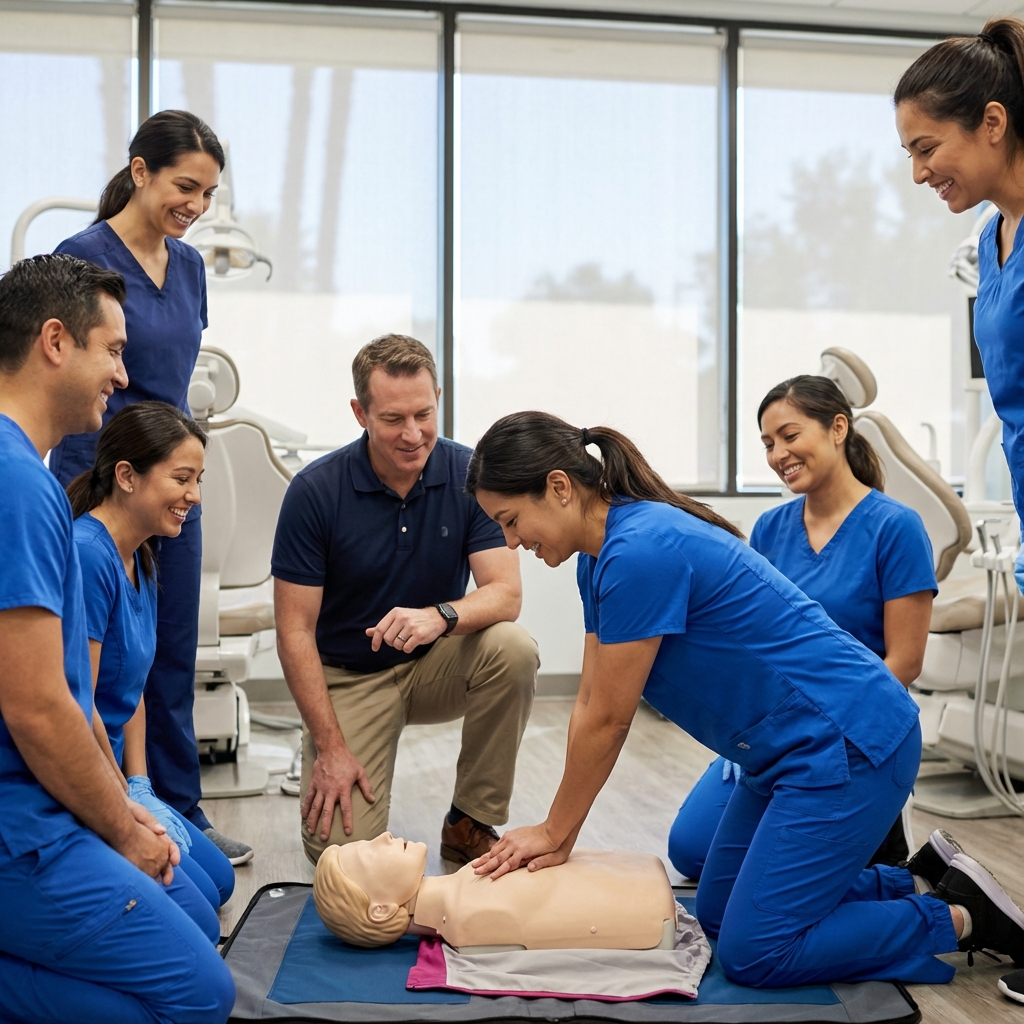
Introduction: Understanding California EMS Licensing Standards
California EMS licensing requirements are set by the California EMS Authority (EMSA) and enforced by local EMS agencies (LEMSAs). At each level—EMT, AEMT, and Paramedic—candidates must complete approved education, pass national exams, maintain current healthcare-level CPR, and meet background and affiliation rules. Understanding these standards helps you plan the right sequence of training, exams, and credentials for professional EMS credentials California.
- EMT: Complete a state-approved EMT course and pass the NREMT exams. Most LEMSAs require current AHA BLS Provider (or an equivalent they specifically accept) and a background check. Certification is issued by your LEMSA and typically renews every two years with 24 hours of CE and skills verification.
- Paramedic: Graduate from an approved paramedic program and pass the NREMT Paramedic exam, then apply to EMSA for state licensure and obtain LEMSA accreditation to practice. Employers commonly require current ACLS and PALS in addition to BLS. Renewal is every two years with 48 hours of CE, plus compliance with any local accreditation requirements. (AEMT requirements sit between EMT and Paramedic, with additional scope and CE.)
Course acceptance matters. For EMS certification California, agencies and hospital systems frequently require AHA certified EMS courses that include an in-person skills evaluation. Online-only CPR cards from issuers like National CPR Foundation are often not accepted for CPR training for paramedics or EMTs because they lack hands-on assessment; verify your LEMSA’s list of approved providers before enrolling.
Safety Training Seminars delivers AHA-certified BLS, ACLS, and PALS in a blended format—complete the online module, then finish a short, in-person skills session that satisfies California’s hands-on expectation. With over 100 convenient California locations, flexible scheduling, group options, and a low price guarantee, it’s straightforward to maintain emergency medical services licensing while meeting employer and LEMSA standards. This ensures your credentials are accepted on ambulances, in EDs, and across healthcare systems statewide.
What California EMS Professionals Need to Know About Licensing
California EMS licensing requirements are governed at two levels: the state Emergency Medical Services Authority (EMSA) and your Local EMS Agency (LEMSA). In practice, EMTs are certified by their LEMSA, while paramedics are licensed by EMSA and then accredited by the local system where they work. Understanding this split is crucial, because application steps, fees, and accepted training can vary by county even when state rules set the baseline for emergency medical services licensing.
For initial credentials, plan on the following essentials:
- EMT certification: completion of a state‑approved EMT course, current AHA BLS Provider CPR, passing the NREMT cognitive exam, psychomotor skills verification, Live Scan background check, and LEMSA application.
- Paramedic license: graduation from a CAAHEP‑accredited paramedic program, passing the NREMT Paramedic exam, EMSA application with background check and legal presence documents, plus local accreditation before patient care.
- AEMT is available in limited systems in California; check with your LEMSA for scope, testing, and local availability.
Renewal timelines are biennial. EMTs typically need 40 hours of continuing education (or a 24‑hour refresher plus skills competency verification) for EMS certification in California. Paramedics need 48 hours of approved CE every two years for license renewal; many employers and LEMSAs also require current AHA ACLS and PALS for local accreditation and hospital privileges. CE should be CAPCE- or EMSA‑approved to count toward professional EMS credentials in California.
Course acceptance matters. Most California EMS employers and LEMSAs specifically require American Heart Association provider cards for BLS, ACLS, and PALS; online‑only alternatives may not meet policy, so verify before enrolling. Safety Training Seminars delivers AHA certified EMS courses statewide—BLS for EMTs and CPR training for paramedics, plus ACLS, PALS, and NRP—via blended learning and in‑person skills at 100+ locations. If you need schedule flexibility without risking acceptance, explore their Flexible online learning options paired with local skills sessions.
Key Certification Requirements for EMS Personnel in California
In California, emergency medical services licensing is overseen by the EMS Authority (EMSA) and implemented by Local EMS Agencies (LEMSAs). California EMS licensing requirements vary by level—EMT, AEMT, and Paramedic—but consistently include completion of approved education, successful exams, background checks, and current professional-level CPR. Applicants should also confirm local accreditation steps with their LEMSA to avoid delays in EMS certification California.
- EMT: Complete a state-approved EMT course aligned with Title 22/National Education Standards, pass the NREMT EMT exam, undergo Live Scan, and apply to your LEMSA for certification. Current CPR at the healthcare provider level (commonly AHA BLS Provider) and documented skills competency are typically required.
- AEMT: Finish an approved AEMT program and pass the NREMT AEMT exam, with local accreditation for IV therapy and medication administration. BLS is required; many California agencies also expect ACLS for field practice, depending on local protocols.
- Paramedic: Graduate from a paramedic program, pass the NREMT Paramedic exam, complete DOJ/FBI background checks, and apply to EMSA for state licensure followed by LEMSA accreditation. BLS and ACLS are standard employment prerequisites, with PALS and trauma credentials (e.g., PHTLS/ITLS) frequently required by agencies for advanced practice.
Maintenance of professional EMS credentials California typically follows a two-year renewal cycle. Expect continuing education, skills verification, and currency in AHA-aligned provider cards such as BLS, with many employers also requiring active ACLS and PALS for paramedics. Always verify local LEMSA policies, as requirements and accepted courses can differ by county.
For AHA certified EMS courses that meet broad LEMSA and hospital acceptance standards, Safety Training Seminars offers BLS, ACLS, PALS, and NRP with blended learning and in-person skills across 100+ California locations. This is especially useful for CPR training for paramedics who need hands-on verification in addition to online study. Unlike many online-only providers, these courses include the skills session most California agencies require, and group options help departments maintain compliance cost-effectively.
Comparing Training Provider Approaches: Blended Learning vs Traditional Models
For providers navigating California EMS licensing requirements, the training model you choose can determine whether your card is accepted by county EMS agencies and hospital credentialing. Most agencies in California expect AHA-aligned credentials with documented hands-on skills, especially for BLS Provider and advanced courses like ACLS and PALS. Fully online certificates without an in-person evaluation are frequently declined during hiring, orientation, or scope-of-practice verification.
Blended learning has become the standard for busy paramedics and EMTs who need compliant, efficient renewals. In an AHA blended format (e.g., HeartCode), you complete the cognitive portion online, then demonstrate compressions, ventilations, airway management, and megacode skills during a monitored skills session. Safety Training Seminars delivers this model statewide, offering AHA certified EMS courses at over 100 locations so crews can complete CPR training for paramedics, ACLS, and PALS on shifts or between calls with minimal downtime.
Traditional classroom courses still meet many agency expectations, but they require committing to a fixed day and longer seat time. By contrast, online-only providers such as National CPR Foundation emphasize convenience with 100% web-based modules, yet these cards typically lack a proctored skills check and are often not accepted for professional EMS credentials California agencies require. When your employer or local EMS authority asks for proof of psychomotor competency, a blended or classroom card with in-person testing usually satisfies the emergency medical services licensing review.
Before enrolling, verify these acceptance factors for EMS certification California:
- AHA alignment and eCard verification (BLS Provider, ACLS, PALS)
- Documented, in-person skills testing with a certified instructor
- Local EMS agency and hospital acceptance in your county
- Course type matches your role (e.g., ACLS for paramedics; PALS for pediatric settings)
- Flexible scheduling and locations to prevent lapse in credentials
Safety Training Seminars pairs AHA-blended coursework with quick skills sessions across California and a low price guarantee, helping EMS professionals stay compliant without disrupting deployment schedules.
AHA Curriculum Alignment and Accreditation Standards
For California EMS licensing requirements, alignment with the American Heart Association (AHA) is central. Most California LEMSAs and EMS employers specify AHA BLS, ACLS, and PALS with a hands-on skills evaluation, and they routinely reject online-only certificates. This affects EMS certification California-wide, from EMTs who need BLS for Healthcare Providers to paramedics whose onboarding and accreditation commonly require current AHA ACLS and PALS. When in doubt, verify with your LEMSA or agency, but an AHA eCard remains the safest, broadly accepted credential.
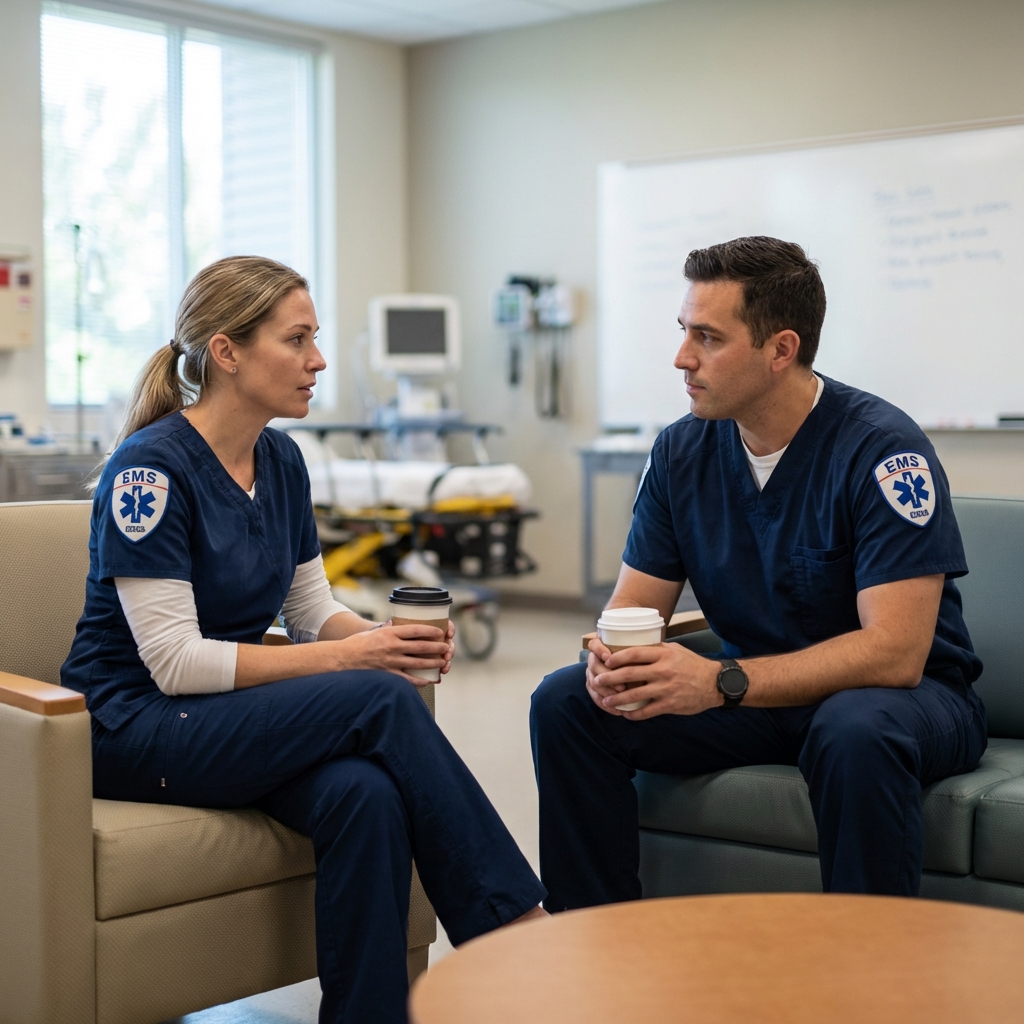
Safety Training Seminars delivers the official AHA curriculum via blended learning—HeartCode online modules paired with in-person skills checks at over 100 California locations. Graduates receive valid AHA eCards that satisfy CPR training for paramedics and hospital credentialing. Typical pathways for EMS professionals include:
- BLS Provider (required baseline for field personnel)
- ACLS Provider (often mandatory for paramedics and critical care transport)
- PALS Provider (commonly required for paramedics working pediatric calls)
By contrast, some national online vendors—such as National CPR Foundation—are not AHA-aligned and often issue certificates without an in-person skills test. Because California EMS agencies and hospitals generally require AHA or equivalent with hands-on verification, these certificates are frequently not accepted for emergency medical services licensing or employer compliance. A common scenario: a paramedic presents a 100% online CPR card at hospital onboarding and is asked to replace it with an AHA BLS eCard before field clearance.
Accreditation standards also influence acceptance and quality. Look for providers that:
- Follow current AHA Guidelines for CPR and ECC and use feedback manikins for skills testing
- Employ authorized AHA instructors and issue traceable AHA eCards
- Maintain rosters, course records, and standardized psychomotor checklists
- Offer blended learning with on-site skills to meet hands-on requirements
Safety Training Seminars meets these benchmarks and offers corporate group options and a low price guarantee, helping California EMS professionals maintain professional EMS credentials California-wide without disruption.
Scheduling Flexibility and Convenience Factors for Working EMS Professionals
For many field providers juggling 24-hour shifts, overtime, and standby calls, meeting California EMS licensing requirements hinges on training that fits the real-world cadence of the job. Most local EMS agencies and employers in California specify AHA-certified BLS and, for advanced roles, ACLS/PALS with an in-person skills check—so convenience only matters if the course format is actually accepted. That’s the key difference between Safety Training Seminars and fully online providers like National CPR Foundation when your goal is EMS certification California that clears onboarding and agency audits.
Safety Training Seminars offers blended learning for AHA certified EMS courses: complete the online modules on your own time, then book a short, in-person skills session at one of 100+ locations statewide. Evening and weekend options are common, making it realistic to finish ACLS after a 48/96 schedule or knock out BLS on a post-shift morning. eCards are delivered quickly upon successful completion, helping you maintain professional EMS credentials California without gaps in your file.
Practical conveniences that matter to working crews:
- Wide scheduling windows (early morning, evening, and weekend skills sessions) near major hubs like Los Angeles, Sacramento, San Diego, and the Bay Area.
- Easy rescheduling if you get held over on a call, plus multiple nearby sites to swap locations without delaying your renewal.
- Short, targeted skills appointments that minimize time off—ideal for CPR training for paramedics and firefighter/paramedics.
- Group options and on-site sessions for agencies, streamlining emergency medical services licensing compliance across a roster.
- Low price guarantee, which helps departments and individuals manage recurring credential costs.
By contrast, National CPR Foundation’s fully online format is self-paced and low friction, but many California EMS employers will not accept non-AHA, online-only cards for licensure or renewal. If your priority is guaranteed acceptance and frictionless scheduling, Safety Training Seminars’ blended AHA pathway aligns with agency expectations while giving you the flexibility to train around unpredictable shifts.
Cost Considerations and Low-Price Guarantees in EMS Training
Cost can be deceptive if a course doesn’t meet California EMS licensing requirements. California EMSA and most local EMS agencies require healthcare provider–level BLS and, for paramedics, ACLS/PALS with a documented hands-on skills assessment. Many hospitals and ambulance providers specifically require American Heart Association (AHA) training for professional EMS credentials in California. Always confirm your employer or LEMSA acceptance policy before enrolling.
Safety Training Seminars delivers AHA certified EMS courses via blended learning—self-paced online modules plus an in-person skills session across 100+ California locations. This format satisfies the hands-on requirement for emergency medical services licensing while minimizing time away from shifts. National CPR Foundation offers low-cost online certifications; however, online-only cards may not meet employer or LEMSA acceptance for CPR training for paramedics and EMTs. If your agency requires AHA or a live skills check, include the potential cost of retaking an unaccepted course.
Pricing isn’t just tuition. Consider travel, parking, schedule changes, and the risk of non-acceptance. Safety Training Seminars’ low price guarantee helps cap tuition costs on approved classes, and nearby skills sessions reduce transportation and overtime. For rotating EMS crews, blended AHA options often cut backfill expenses versus full-day classroom models.
Example: A Sacramento paramedic renewing ACLS and BLS can finish online coursework after shift and book a same-week skills check nearby, meeting EMS certification California standards without extra PTO. A dental team in San Jose can schedule on-site group training with discount pricing, lowering per-person costs while ensuring AHA-aligned compliance. Agencies that must document specific AHA course codes for audits avoid rejected cards and duplicate spending—savings that typically outweigh a purely online bargain.
When comparing providers, evaluate:
- Course acceptance (AHA alignment; hands-on requirement)
- Total time investment (online + skills vs full-day class)
- Travel/parking and schedule disruption
- Rescheduling and cancellation terms
- Group rates and corporate invoicing
- Bundle options and recertification intervals
Multi-Location Access and On-Site Group Training Benefits
For professionals navigating California EMS licensing requirements, access matters. Renewals often hinge on timely, hands-on skills verification in BLS, ACLS, and PALS—credentials widely required by employers, hospital credentialing, and many LEMSAs. When your schedule runs on shifts and call-backs, the difference between a center 10 minutes away and one two counties over can mean meeting a deadline—or missing it.
Safety Training Seminars offers more than 100 locations across California, making it practical to complete blended learning with a same-week or next-week skills session near your station or hospital. Whether you’re based in the Bay Area, Los Angeles, the Central Valley, or San Diego County, local access reduces travel time and supports faster issuance of AHA eCards for professional EMS credentials in California. For CPR training for paramedics and other advanced disciplines, this statewide footprint helps keep teams compliant without disrupting coverage.
On-site group training is another efficiency gain for EMS agencies, hospital departments, and fire authorities. Bringing an AHA Training Center team to your campus allows crews to recertify together and align instruction with local protocols and equipment. Safety Training Seminars provides AHA certified EMS courses (BLS, ACLS, PALS, NRP) with group pricing and coordinated rosters for compliance tracking. Benefits include:

- Consolidated scheduling that minimizes overtime and backfill
- Skills stations tailored to your monitors, airway kits, and medication formulary
- Consistent megacode evaluation and debriefs across crews
- Faster turnaround on documentation for emergency medical services licensing audits
By contrast, National CPR Foundation primarily delivers online coursework. While convenient for general awareness, many California EMS agencies and hospitals require in-person skills testing and AHA-issued eCards for EMS certification in California. Before enrolling, verify with your LEMSA or employer whether an AHA course with hands-on evaluation is mandated. If so, Safety Training Seminars’ multi-location access and on-site options streamline compliance without sacrificing clinical rigor.
Quality Assurance and Customer Support in EMS Certification
When you’re meeting California EMS licensing requirements, quality assurance and documentation matter as much as content coverage. California LEMSAs and hospital credentialing teams typically require AHA certified EMS courses with verified hands-on skills, clear rosters, and traceable eCards. Providers that rely on online-only testing risk rejection for EMS certification California because they lack an in-person skills sign-off that many agencies mandate.
Safety Training Seminars builds quality control into every step. Courses follow AHA guidelines with blended learning plus an in-person skills session using manikins with real-time feedback, so CPR training for paramedics includes measurable compressions and ventilations. Graduates receive AHA eCards with QR-code verification and time-stamped records—documentation that aligns with emergency medical services licensing audits. With over 100 locations across California, clinicians can schedule a same-week skills check before a shift block or license renewal deadline.
Customer support is equally important when maintaining professional EMS credentials California. Safety Training Seminars offers flexible rescheduling, renewal reminders, and corporate account coordination so EMS agencies can track expiring cards across crews. If your LEMSA requests proof, their team can quickly retrieve rosters, instructor credentials, and eCard verification links to satisfy compliance checks.
- AHA-aligned curriculum with required hands-on skills assessments
- Blended learning options that fit paramedic and EMT schedules
- Real-time manikin feedback and documented remediation if needed
- Fast eCard issuance and verifiable credential lookup
- Group training, roster management, and low price guarantee support
By contrast, National CPR Foundation emphasizes online coursework and instant printable cards. While convenient for general audiences, those certificates may not meet California EMS licensing requirements where AHA hands-on validation is specified by employers or agencies. Before enrolling, verify acceptance with your LEMSA or HR; if in-person skills and AHA certification are required, Safety Training Seminars provides a compliant, well-documented path that withstands credentialing scrutiny.
Making Your Decision: Which Provider Meets Your Needs
Choosing between providers comes down to one question: will the credential be accepted for your role under California EMS licensing requirements and local employer policies? For EMS certification in California, many LEMSAs and hospital partners specify American Heart Association (AHA) BLS for Healthcare Providers, with ACLS and PALS commonly required for paramedics. If your agency or hospital requires AHA certified EMS courses or a hands-on skills check, you’ll need a provider that delivers those components.
- Credential acceptance: Safety Training Seminars issues official AHA eCards for BLS, ACLS, PALS, and NRP, which are widely accepted by California hospitals, fire/EMS employers, and LEMSAs. National CPR Foundation is not an AHA Training Center and offers primarily online-only cards; acceptance varies and may not satisfy employer or LEMSA policies that require AHA or an in-person skills evaluation.
- Training format: Safety Training Seminars offers blended learning (AHA HeartCode online + in-person skills session) that meets hands-on requirements for CPR training for paramedics and other clinicians. National CPR Foundation emphasizes fully online coursework, which many EMS employers will not accept for professional EMS credentials in California.
- Course portfolio and reach: Safety Training Seminars covers the full spectrum—BLS, ACLS, PALS, and specialized NRP—for teams and individuals across 100+ California locations, with corporate group training and discount pricing. This breadth helps when your agency mandates multiple cards on hire or renewal.
- Cost and scheduling: With a low price guarantee and frequent skills sessions, Safety Training Seminars makes it easier to align renewals before LEMSA accreditation deadlines or hospital onboarding dates.
Example: A Sacramento County paramedic renewing LEMSA accreditation and hospital credentialing can complete AHA HeartCode ACLS online, schedule a same-week skills check at a nearby location, and receive an AHA eCard that the employer portal verifies immediately. An online-only CPR card from a non-AHA provider may delay onboarding if a hands-on check is required.
Quick check before you enroll:
- Confirm your LEMSA/employer acceptance (AHA vs. alternatives).
- Verify if a hands-on skills session is required.
- Match timelines to renewal or hiring dates.
- If certifying a crew, consider group scheduling and pricing.
If your pathway points to AHA acceptance and in-person skills, Safety Training Seminars is a straightforward fit for emergency medical services licensing and renewals in California.
Conclusion: Ensuring Compliance and Professional Development
Meeting California EMS licensing requirements comes down to choosing training that your LEMSA, EMSA, and employer will accept without question. For most EMTs and paramedics, that means AHA certified EMS courses with a documented, in-person skills component. While online-only providers like National CPR Foundation can be fast and inexpensive, their certificates may not satisfy agency policies for CPR training for paramedics or count toward renewal at hospitals and ambulance services. Verifying acceptance before you enroll protects your credential, shifts, and pay.
In practice, California agencies commonly require BLS for Healthcare Providers for EMT certification renewal, and ACLS and PALS for paramedic licensure and employment. Many LEMSAs and hospital systems specify AHA (or an equivalent with hands-on testing) and will not approve courses completed 100% online. If you’re collecting continuing education, remember that EMTs typically need 24 hours every two years and paramedics need 48 hours, along with current BLS and any agency-specific competencies.
Safety Training Seminars is a reliable option for EMS certification California-wide because it delivers AHA-certified CPR, BLS, ACLS, and PALS via blended learning with required in-person skills at over 100 California locations. That coverage makes it easier for crews to book sessions around 24/48 schedules; for example, a Sacramento paramedic unit can finish online modules during downtime and complete skills together on the same week, receiving AHA eCards promptly. For agencies, corporate group training and discount pricing simplify compliance tracking across multiple stations.
Use this quick checklist to stay compliant and on pace professionally:
- Confirm your LEMSA and employer’s policy on accepted providers, course formats, and CE.
- Select AHA-certified courses with hands-on skills for BLS, ACLS, and PALS as required.
- Track renewal windows (typically every two years) and schedule early to avoid lapses.
- Maintain proof of CE hours and eCards in your personnel file or credentialing system.
Choosing an AHA-aligned partner like Safety Training Seminars helps ensure your emergency medical services licensing stays current, your professional EMS credentials California remain valid, and your training meets the standards patients and employers expect.
Register for a class today.