Imagine coming to a loved one’s home in Hayward, and suddenly they collapse, fighting for their lives. The moments of happiness are now clouded by panic and tears, urging you to act. However, not knowing how to help in this situation can cost a life and lead to lasting regret. That’s why it’s essential to complete a BLS certification course in Hayward. Let’s discuss this course in detail, including who should receive it and what you will learn.
Introduction to BLS Certification Course in Hayward
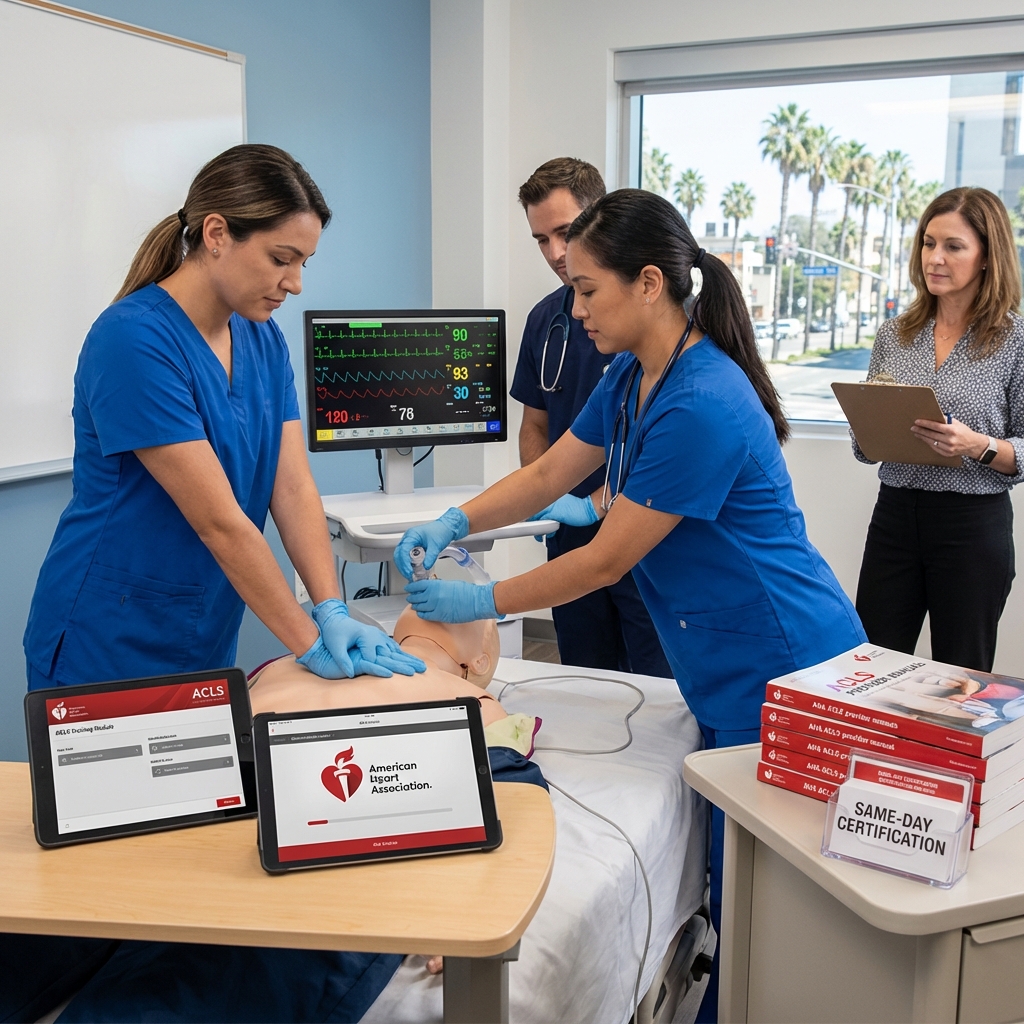
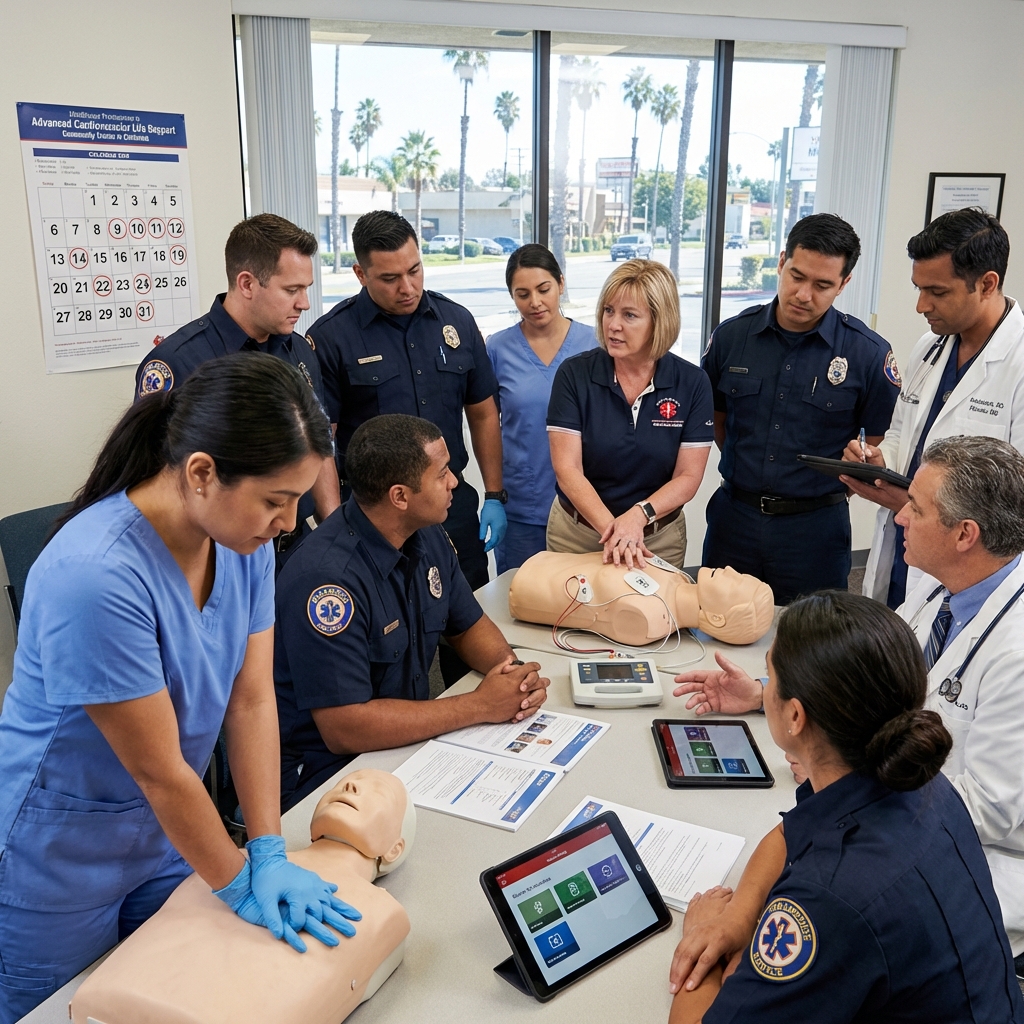
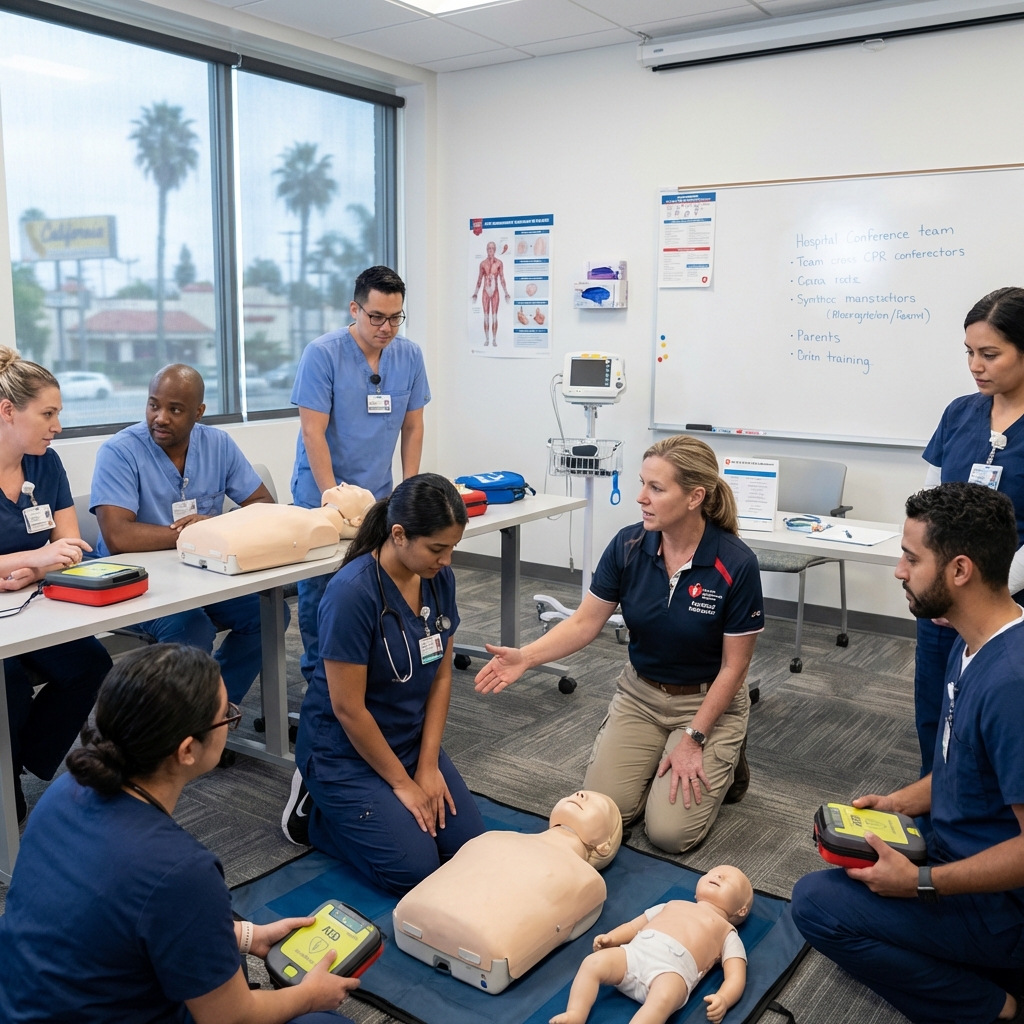
The BLS certification course in Hayward is a professional training program that equips individuals with important life-saving skills. From high-quality CPR to AED use, you become proficient in catering to sudden cardiac arrest and choking patients. On top of this, you also learn how to work with teams in clinical settings under stressful conditions.
Who These Courses Are Designed For?
Typically, the BLS certification course in Hayward is required for everyone, whether you are a healthcare professional or a member of the general public. Here’s an overview of the potential candidates:
BLS for Healthcare Providers
In healthcare settings, including hospitals, clinics, and urgent care centers, you come across emergencies every minute. Sometimes there’s a cardiac arrest, choking, or sudden breathing problems that need to be dealt with right away. Therefore, a BLS course is a must for:
- Doctors
- Nurses
- Paramedics
- Medical assistants
- Healthcare students
BLS for the Public
Other than that, medical emergencies can also happen at home, workplaces, or daycare centers. Hence, learning BLS and CPR is essential for:
- Teachers
- Caregivers
- Childcare providers
- Office employees
- Fitness trainers
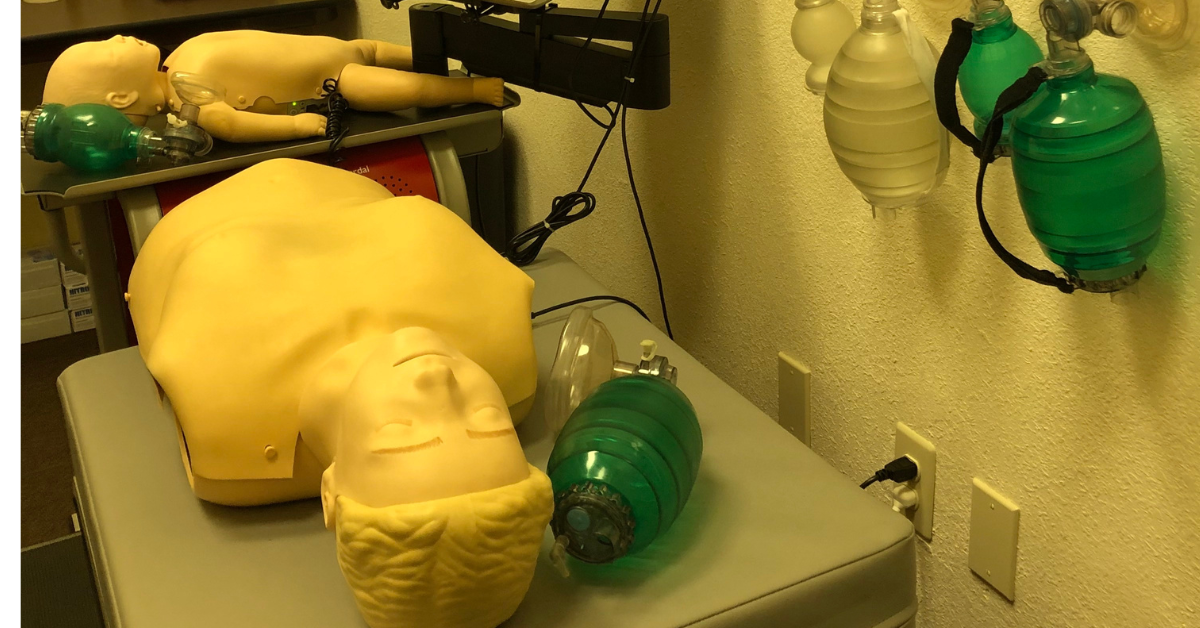
What You Will Learn in the BLS Certification Course in Hayward?
When you enrol in BLS certification classes in Hayward, you must first be aware of what the course contents are to make the most out of it. So, let’s discuss the key skills that you’ll learn:
Adult, Child, and Infant CPR
CPR is a life-saving technique that’s useful when someone’s heart has stopped beating. Performing it keeps the blood flowing to the rest of the body, especially the brain, preventing serious brain injury. Here’s an overview of the ways that your BLS instructor will guide you to perform CPR on kids and adults:
Adults
- Carefully assess the scene for safety, ensuring there are no fire, chemical, or sharp-object hazards.
- Call 911 and immediately reach out to the patient. They should be lying down on a flat, firm surface.
- Place one hand on the patient’s chest and the other on top of it; interlock your fingers.
- Keep your elbows and shoulders straight, then push hard and fast on the patient’s chest.
- Give 100-120 chest compressions a minute and keep the depth at least 2 inches but not more than 2.4 inches.
- After 30 compressions, offer two rescue breaths and continue until the person shows some stability.
Kids
- For kids, the steps are almost the same as those of adults. However, the compression depth for children should be 2 cm, and for infants, 1.5 inches.
Note: Know that the kid’s lungs aren’t as big as adults so you should be careful and don’t push too much air into them.
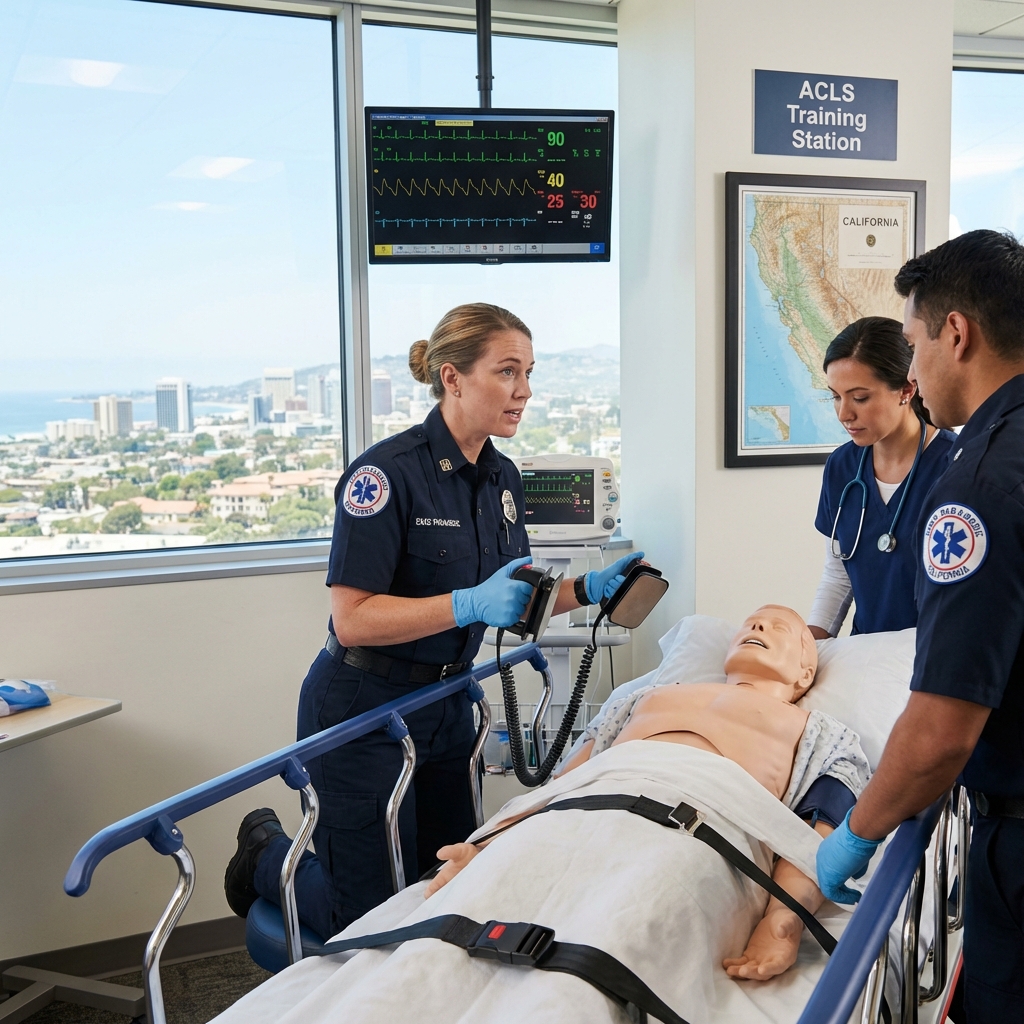
Use of AED Devices
An Automated External Defibrillator is an incredible device that’s helpful to revive someone in a sudden cardiac arrest. Statistics show that SCA is quite common, claiming the lives of over 350,000 people every year. However, don’t worry, as your BLS certification course will guide you on its proper use. Here’s how you will do it:
- Start by scanning the scene to check whether the person is breathing normally. If they are unresponsive with no breathing, they must be in a sudden cardiac arrest.
- Call 911 or ask a bystander to do that while you get your hands on the AED.
- Turn the AED on and quickly follow the voice prompts.
- Remove all the clothing from the patient’s chest and apply electrode pads.
- Let the AED analyze the heart’s rhythm, and if it indicates “Shock,” deliver it.
Airway Management
Airway management is required in situations of airway obstruction and respiratory distress. Your BLS certification course in Hayward will equip you to assist struggling patients with basic techniques such as head tilt, chin lift, and jaw thrust. Let’s look at a few practical steps:
- For patients with no suspected head injury, tilt the head back and lift their chin to carefully open the airway.
- Alternate between back blows and abdominal thrusts, if necessary.
- Roll the person onto their side to allow all fluid to drain. You can also use suctioning to clear foreign materials.
Conclusion
The Hayward BLS certification is a win-win for both healthcare professionals and the general public, allowing you to make an impact on people’s lives. So why wait? Get in touch with the Safety Training Seminars today to avail our BLS course!