Introduction: Key Criteria for Navigating a Successful Healthcare Certification Audit
Preparing for a California healthcare certification audit starts with knowing exactly what auditors expect to see and where gaps typically occur. Whether the request comes from a hospital credentialing office, a health plan, or in connection with California medical board audits, the core question is simple: can you prove uninterrupted, valid BLS and ACLS verification that aligns with AHA certification compliance standards? Build your file with the same rigor you use in clinical documentation, and you’ll minimize delays, questions, and risk.
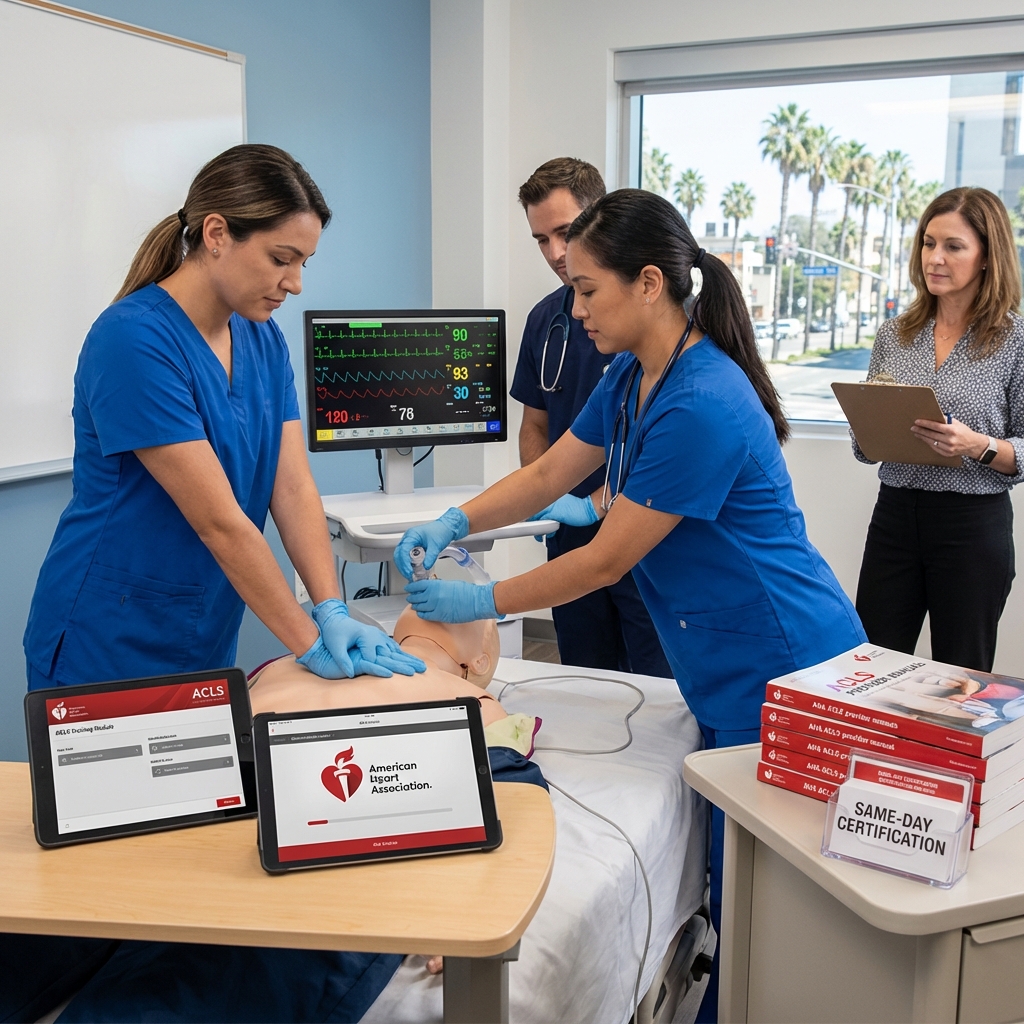
Auditors generally look for official, verifiable documents that demonstrate compliant training pathways. For AHA courses, the gold standard is the digital eCard, which includes a QR code and unique ID that can be checked on the AHA’s verification site. If you completed blended learning (for example, HeartCode plus an in-person skills session), ensure both components are captured in your records to show the full pathway to completion.
Maintain a concise, audit-ready packet with the following:
- Current AHA eCards for BLS Provider and ACLS Provider (status “Active,” with clear issue and expiration dates)
- Your name exactly matching your professional ID and employer records
- Training Center name/ID and instructor details, plus the modality (Instructor-led or blended/skills session)
- Proof of the online portion for blended courses (completion certificate) and the skills session confirmation
- Payment receipt or course confirmation email, and a screenshot/PDF of the AHA verification page
- Any facility-specific requirements (e.g., PALS for certain units, or course codes cited in policy)
Tie your certification documentation to broader nursing license renewal requirements and organizational policies. California boards typically audit continuing education separately from AHA cards, but employers, hospitals, and EMS agencies commonly require current BLS and ACLS as a condition of work and privileging. Keep CE certificates and AHA cards in distinct folders, and retain records through at least your next renewal cycle—ideally three years—to support repeat audits.
Set up healthcare provider certification tracking habits now to avoid lapses. Use standardized file names (e.g., Lastname_Firstname_BLS_eCard_2026-05-10.pdf), calendar reminders at 120/60/30 days before expiration, and a secure cloud folder accessible from work and home. For reliable renewals, schedule courses through AHA-authorized training centers such as Safety Training Seminars, which offers blended BLS and ACLS across 100+ California locations, skills sessions that fit shift schedules, and cost-effective options for individuals and corporate groups.
Recommendation 1: Prioritize AHA-Authorized Training Centers for Mandatory Compliance
During any California healthcare certification audit, the first question is whether your BLS or ACLS card came from an American Heart Association–authorized Training Center. Choosing an AHA-authorized provider protects you from rejected certificates, delayed onboarding, or corrective action during facility or payer reviews. This is the most reliable path to AHA certification compliance because the AHA sets the national standard for course content, testing, instructor qualifications, and recordkeeping.
Authorized providers issue AHA eCards that are instantly verifiable online, which streamlines BLS and ACLS verification for auditors and credentialers. A valid eCard includes your name, course title (e.g., BLS Provider, ACLS Provider), issue and expiration dates, the Training Center name/ID, and a unique eCard code with a QR link for the AHA’s verification site. For example, an RN at a Magnet hospital can present the QR code on their eCard and the auditor can confirm authenticity in seconds—no back-and-forth emails required.
Before your next class, confirm the center’s AHA status and make sure your documentation includes:
- AHA Training Center name and TC ID on the eCard and receipt
- Unique eCard code and QR verification link
- Exact legal name matching your badge/license
- Course type and format (e.g., blended learning with in-person skills)
- Date, location, and instructor name/ID
AHA-authorized Training Centers are also required to keep course rosters and testing documentation for at least three years, which is vital if you need replacement proof during employer credentialing or California medical board audits. To avoid discrepancies, register and test under the exact name on your license, double-check email accuracy for eCard delivery, and save a PDF of your eCard and receipt to a personal compliance folder. If your facility uses healthcare provider certification tracking software, upload the eCard immediately to reduce audit risk.
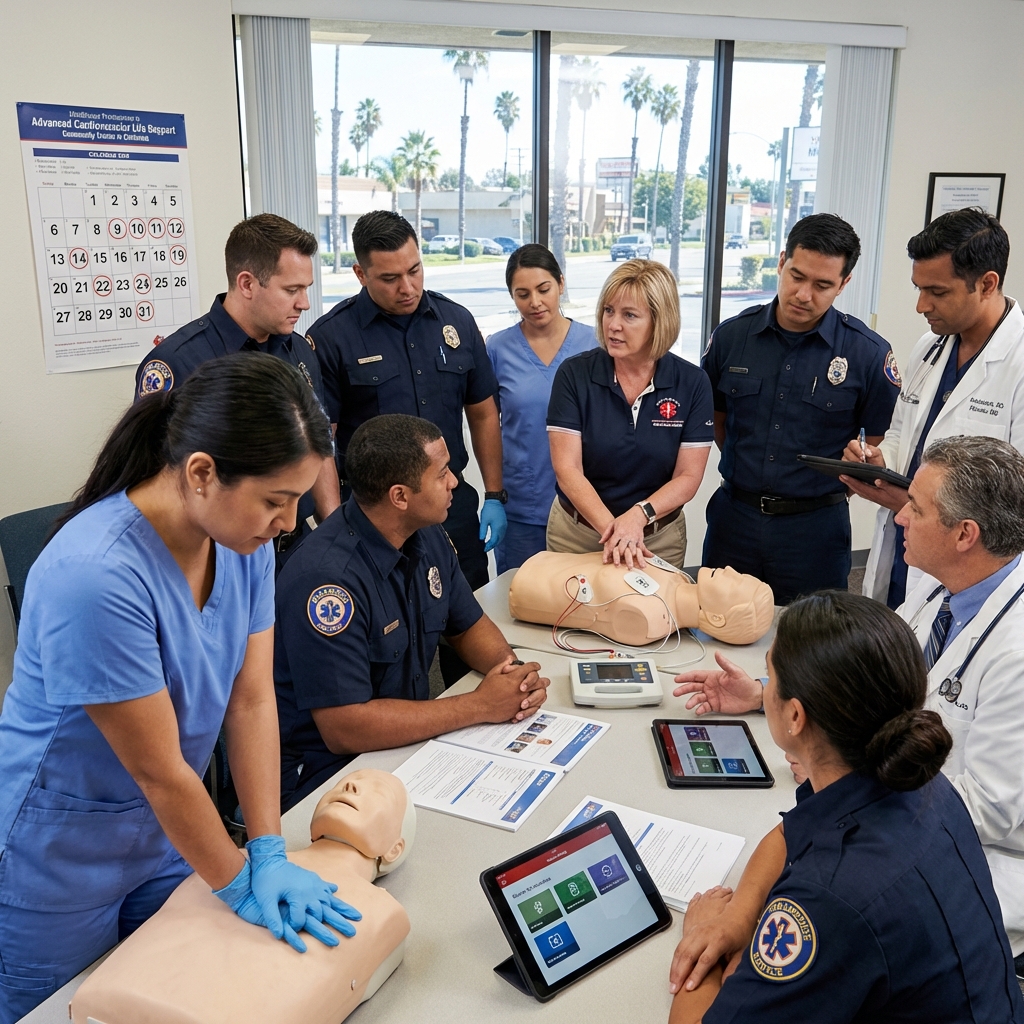
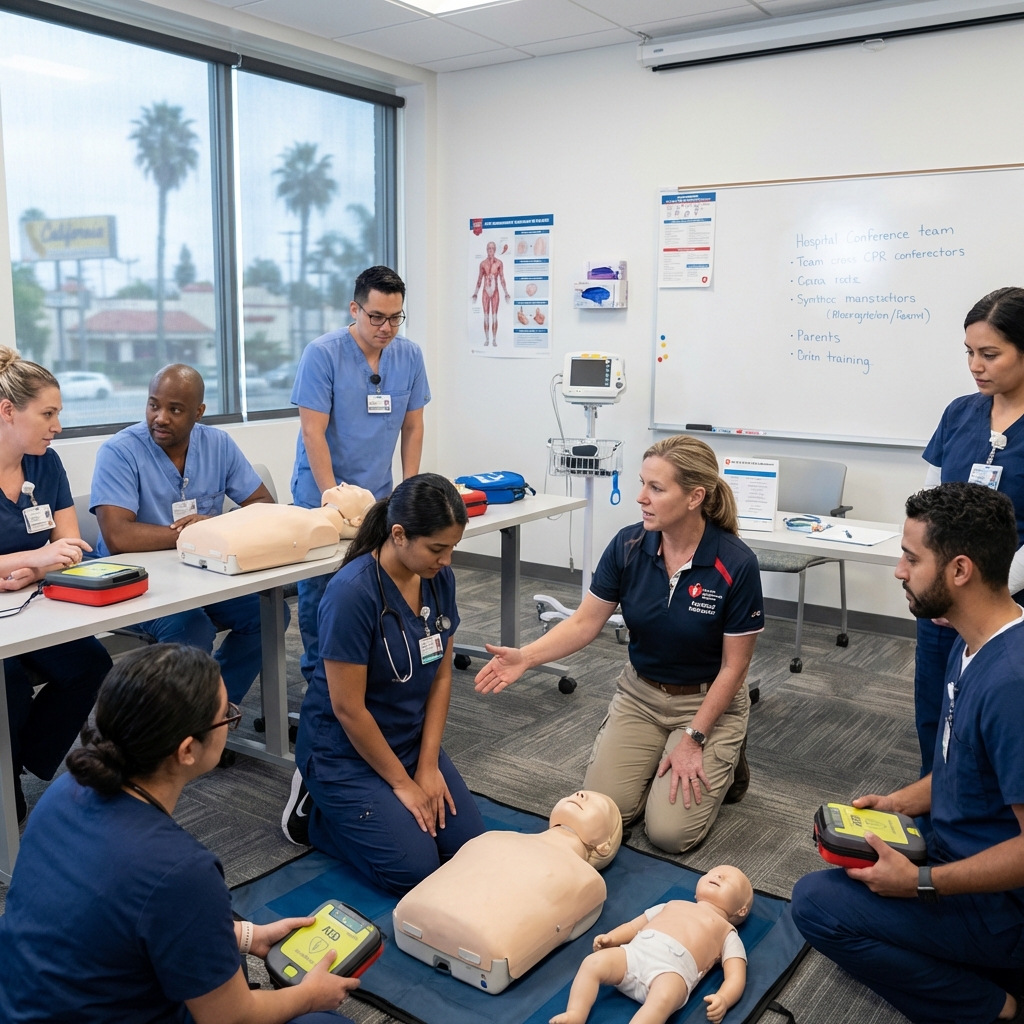
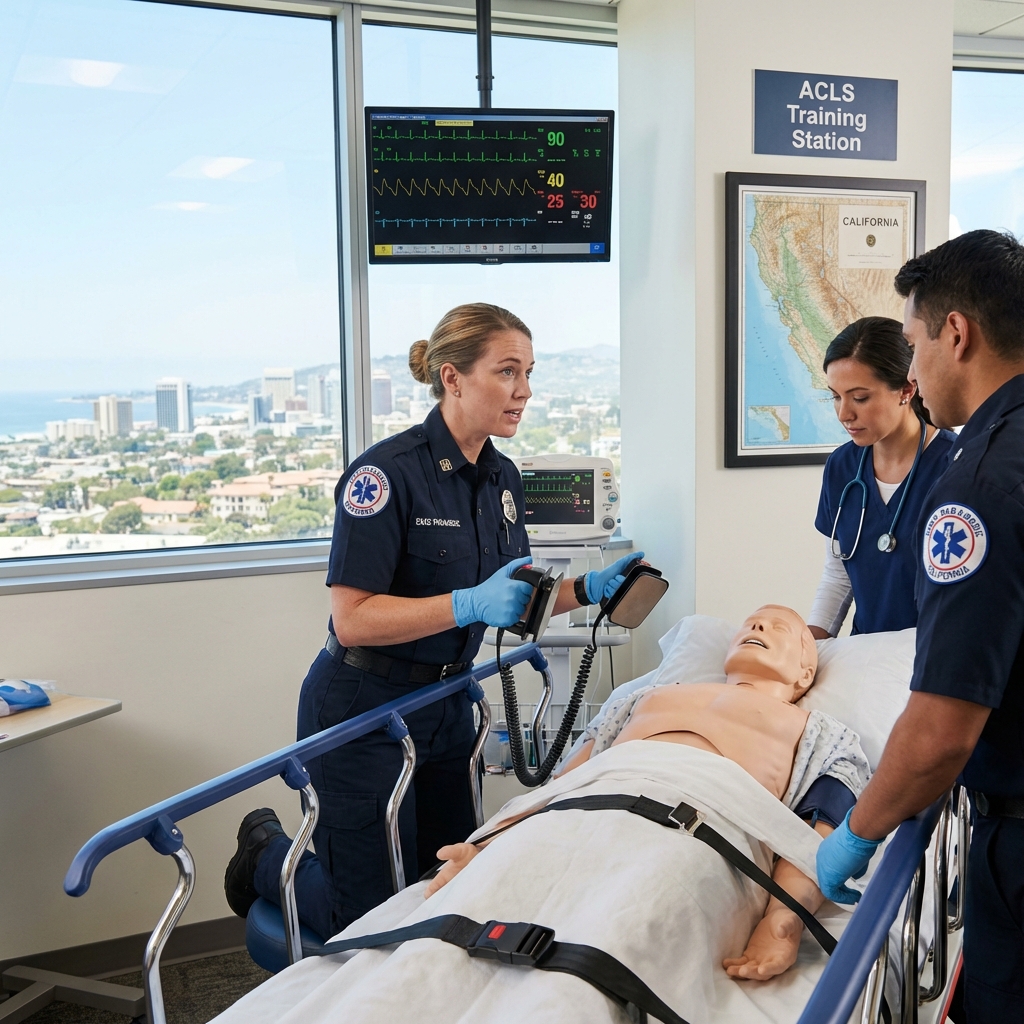
Safety Training Seminars is an AHA-authorized Training Center offering blended learning and skills sessions at over 100 locations statewide, with low price guarantees and group options for clinics and hospital units. Classes include BLS, ACLS, PALS, and NRP for healthcare providers, and eCards are issued promptly to support time-sensitive onboarding and compliance cycles. See nearby options for California BLS and ACLS training to align your course date with department requirements.
Finally, plan renewals 60–90 days ahead of nursing license renewal requirements and employer deadlines, especially if your hospital mandates AHA cards for unit assignment or privileges. A little lead time ensures seat availability, skills testing completion, and clean documentation for the next audit.
Recommendation 2: Implement a Dual Digital and Hard Copy Certification Portfolio
A dual portfolio—digital plus hard copy—reduces risk during a California healthcare certification audit by giving auditors the format they prefer and you the redundancy you need. Digital files speed submission to HR, payers, or California medical board audits, while printed, signed, and dated copies in a binder handle on-site spot checks. This approach also supports AHA certification compliance when systems go down or a link expires.

Build a secure digital folder with two-factor authentication in a reputable cloud (e.g., OneDrive, Google Drive). Save AHA eCards and certificates as PDFs, not screenshots, and include the verification page with the QR code and unique eCard code (from ecards.heart.org). Use a naming convention that sorts chronologically and by course, such as 2026-03-15_ACLS_AHA_eCard_Sanchez_M.pdf and 2026-03-15_ACLS_Skills-Checklist_Sanchez_M.pdf. Add a simple index file (INDEX.md) listing document names, issue/expiration dates, and instructor/Training Center details.
Create a slim, organized binder for physical proof. Print the official AHA eCard certificate (with QR code), the skills session completion form, receipts, and employer education verification forms. Tab sections for BLS, ACLS, PALS/NRP, CE/units, and employer policies; place newest documents on top. Store the binder where you can grab it before a shift or site visit.
Include the following in both formats (when applicable):
- AHA eCard certificate(s) for BLS and ACLS, plus PALS/NRP if required
- Skills session checklist signed by the instructor and date-stamped
- Course agenda/objectives or syllabus to satisfy nursing license renewal requirements
- Proof of payment/receipt and Training Center information
- Verification page/QR code printout from AHA’s eCard site
- CE/CEU statements or transcripts from approved providers
- Employer competency forms confirming BLS and ACLS verification
Set retention and review rules. RNs should retain CE documentation for at least four years per the BRN; confirm timelines for dentists and EMS with your board or LEMSA. Schedule a quarterly 10‑minute check to confirm upcoming expirations and re-download fresh eCard PDFs if the AHA portal updates. Keep a one-page summary with your license numbers, renewal windows, and contacts for quick reference during a California healthcare certification audit.
Safety Training Seminars simplifies this workflow by issuing AHA eCards with built-in verification links, providing itemized receipts, and offering replacement documentation if you misplace records. Their blended learning and 100+ California locations make timely renewals easier, and their team can support healthcare provider certification tracking for individuals or groups.
Recommendation 3: Synchronize Certification Renewal Cycles with Professional License Dates
Aligning your AHA renewal dates to your state license cycle reduces surprises during a California healthcare certification audit and simplifies AHA certification compliance. Because BLS and ACLS provider cards are valid for two years from the course completion date, you can intentionally “reset” your certification clock so it refreshes alongside your license. This strategy creates a single, predictable paperwork window for employers and regulators.
Start by confirming your license expiration on your board’s portal and use it as the anchor date. Many California boards (BRN, MBC, EMSA, Dental Board) renew every two years on the last day of the birth month; verify specific nursing license renewal requirements or other board nuances. Then plan to complete your BLS/ACLS updates 60–90 days ahead of that date to avoid lapses while minimizing “lost” months from early renewal.
- Registered nurse example: If your RN license expires October 31, schedule BLS and ACLS in late August or September of each odd (or even) year. Your next cards will then run nearly parallel to your license through the next cycle.
- Dentist example: With a March birth month, complete BLS (and ACLS if required by your practice) in January–February so your documents are current and ready for Dental Board renewal.
- Paramedic example: If your paramedic license renews in June, update BLS/ACLS in April–May, and ensure any additional prehospital CE is logged within the same time frame.
Bundling timelines yields cleaner documentation during employer reviews and California medical board audits. You can submit one consolidated packet for BLS and ACLS verification alongside your license renewal—reducing back-and-forth requests and the risk of gaps. It also makes internal healthcare provider certification tracking easier, whether you use a simple calendar, your facility’s HRIS, or a credentialing app.
If you hold multiple credentials (BLS, ACLS, PALS, or NRP), bring them into the same renewal month over one or two cycles. Renew the most time-sensitive first, then schedule the others within the same 60–90 day window. Confirm CE acceptance with your board if you plan to count AHA coursework toward continuing education.
Safety Training Seminars makes timing straightforward: frequent sessions statewide, blended learning options to fit tight schedules, and over 100 California locations so you can hit your exact renewal target month. Their AHA courses issue digital eCards promptly, which are easy to store and share during audits. For departments, corporate group scheduling and discount pricing help align entire teams to a unified renewal window, supporting consistent compliance at the lowest possible cost.
Comparison Summary: Manual Documentation Tracking vs. Automated Compliance Software
For a California healthcare certification audit, the fundamental trade-off is control versus scalability. Manual tracking gives unit managers direct oversight of files, but it strains under turnover, traveler rotations, and staggered renewal cycles. Automated compliance software centralizes AHA certification compliance and creates audit-ready reports on demand, reducing the scramble when BLS and ACLS verification is requested by employers or during California medical board audits.
Manual methods usually rely on spreadsheets, email chains, and shared folders where staff upload AHA eCards and CE certificates. This can work for small practices, but it’s fragile: multiple spreadsheet versions, missing certificate IDs, and no automated reminders lead to lapses that show up only at renewal or during chart audits. Because AHA cards typically renew every two years, a single missed reminder across a team can cascade into canceled shifts and noncompliance citations.

Common manual pitfalls to watch for:
- Inconsistent naming conventions that hide expired BLS/ACLS cards in shared drives
- Lost AHA eCard confirmation emails and missing eCard codes needed for verification
- No audit trail showing when records were added, viewed, or corrected
- Reactive rather than proactive alerts, especially for per-diem and traveler staff
- Difficulty consolidating data for multi-site teams across California
Automated compliance software streamlines healthcare provider certification tracking by pulling all credentials into one dashboard with role-based access. Look for systems that link directly to AHA eCard verification, log every change for audit trails, and send staggered reminders (90/60/30 days). Rapid report generation—by unit, site, or credential type—saves hours during pre-survey preparations and reduces risk during spot checks.
Must-have features in an automated platform:
- Native AHA eCard lookup or embedded links for quick BLS and ACLS verification
- Custom renewal windows and grace-period logic aligned to facility policy
- Batch uploads/HRIS integrations to onboard new hires at scale
- Mobile capture for on-the-spot uploads of eCards and CE certificates
- Exportable, time-stamped audit reports for regulators and internal QA
Safety Training Seminars supports both approaches. For manual workflows, every class issues AHA eCards with QR verification and certificate IDs, plus roster exports to keep records consistent. For automated environments, corporate group scheduling aligns renewal cohorts across 100+ California locations and blended-learning options keep teams current while meeting nursing license renewal requirements set by employers and facilities. The result is cleaner documentation, fewer surprises in audits, and a predictable renewal cadence at the lowest guaranteed price.
Selection Guide: Choosing a California Training Provider for Audit-Ready Certifications
When preparing for a California healthcare certification audit, choose a provider that makes verification fast, accurate, and defensible. Prioritize American Heart Association alignment so your BLS and ACLS verification can be primary-source validated. A reputable Training Center will issue official AHA eCards, which can be verified online by auditors and employers for AHA certification compliance.
Confirm how the provider proves authenticity and how long they retain records. Ask whether they use AHA eCards with unique IDs, maintain signed rosters and course archives, and can reissue documentation quickly. For large health systems, request details on batch verification options to reduce back-and-forth during California medical board audits, Joint Commission surveys, or employer credentialing reviews.
Your audit-ready packet should be complete and consistent across courses. Look for providers who can supply:
- AHA eCard with unique ID and online verification link
- Student name as it appears on your license, course title (e.g., AHA BLS Provider, ACLS Provider), and issue/recommended renewal dates
- Training Center name/ID and instructor credentials available on the verification page or by roster on request
- Modality details (HeartCode online + in-person skills) for blended learning
- Attendance logs, receipts, and course agenda/objectives to satisfy nursing license renewal requirements or facility policy
Evaluate the provider’s healthcare provider certification tracking tools. You should have 24/7 access to your records, downloadable certificates, and automated renewal reminders well before expiration. For groups, look for an admin dashboard that lets you track completions across departments, export reports for HR, and align training cycles with hospital credentialing timelines.
Operational fit matters in California. Statewide coverage, frequent class times, and blended learning options reduce downtime and travel. Corporate group training with on-site skills checks can minimize staffing disruptions, and a clear reschedule policy helps maintain compliance when shifts change.
Safety Training Seminars is a strong choice for audit-ready training, with over 100 California locations, AHA-backed BLS, ACLS, PALS, and NRP, and blended learning that pairs HeartCode modules with in-person skills. They issue verifiable AHA eCards, support group tracking, and offer discount pricing with a low price guarantee—useful when standardizing compliance across multiple sites. For example, a nurse who needs rapid BLS and ACLS verification for hospital reappointment can complete HeartCode online, attend a local skills session the same week, and share the eCard verification link directly with credentialing.
Register for a class today.