Why CPR Certification Matters for Dental Professionals
CPR Certification for Dentists: Requirements, Benefits, and Training Options
Dental emergencies don’t wait for scheduled appointments. Whether a patient has a cardiac event, severe allergic reaction, or airway obstruction, you need the skills and legal credentials to respond immediately. CPR certification for dentists isn’t just a box to check during licensing renewals—it’s a critical safety net that protects your patients, your team, and your practice.
Dentists work in close proximity to patients’ airways and administer sedation or local anesthesia regularly. This means cardiac and respiratory emergencies, though rare, can occur in your chair. A patient experiencing sudden cardiac arrest or severe choking requires immediate intervention. The first few minutes are crucial—every second counts before paramedics arrive.
Beyond patient safety, current CPR certification demonstrates professional competence to patients, staff, and regulators. It builds trust and shows you take emergency preparedness seriously. Many dental practices also use certification status as a hiring and credentialing requirement for clinical staff, creating a culture of safety that extends to everyone in your office.
Your takeaway: Schedule your certification renewal before your current card expires, not after. Most dentists wait until the last month, which limits scheduling flexibility and creates unnecessary stress.
State and Professional Requirements for Dentists
California requires dental professionals to maintain current CPR certification as a condition of licensure. The Dental Board of California specifically mandates that dentists hold valid BLS (Basic Life Support) certification at minimum, though many employers and insurance carriers expect additional qualifications depending on the practice setting.
If you work in an oral surgery practice, hospital clinic, or pediatric setting, your employer may require ACLS (Advanced Cardiac Life Support) certification as well. Some practices also prefer staff hold current First Aid certification to handle non-cardiac emergencies comprehensively. Check your employment agreement and your state license renewal requirements to confirm which credentials you personally need.
Professional dental organizations recommend that all dentists maintain BLS at minimum, with many advocating for ACLS given the sedation and anesthesia used in modern dental care. Your malpractice insurance provider may also have specific certification requirements tied to your coverage level.
Action item: Contact your licensing board or employer’s compliance team to document exactly which certifications you’re required to maintain. This prevents surprises during license renewal.
Key Differences Between CPR and BLS Certification

CPR and BLS are often used interchangeably, but there’s an important distinction. CPR is the emergency technique itself—chest compressions and rescue breathing. BLS certification is the formal credential that confirms you’re trained in CPR plus other core skills like AED use, relief of choking, and rescue breathing techniques for adults, children, and infants.
When someone says “CPR certification,” they typically mean BLS certification. A BLS card carries legal weight and satisfies state requirements. CPR training alone, without formal certification, doesn’t meet licensing standards in California. Think of it this way: CPR is the skill; BLS is the credential that proves competency.
For dentists specifically, BLS is the baseline. ACLS builds on BLS and adds pharmacology, advanced airway management, and management of specific cardiac rhythms—knowledge useful in more complex emergency scenarios. ACLS takes longer to complete but doesn’t require you to let BLS lapse; they run on parallel timelines.
What to Expect in Dental-Focused CPR Training
Quality CPR training for dentists includes scenario-based learning tailored to your practice environment. Rather than generic classroom instruction, look for programs that address common dental emergencies: syncope (fainting), anaphylaxis, cardiac arrest during sedation, and airway compromise from dental procedures.
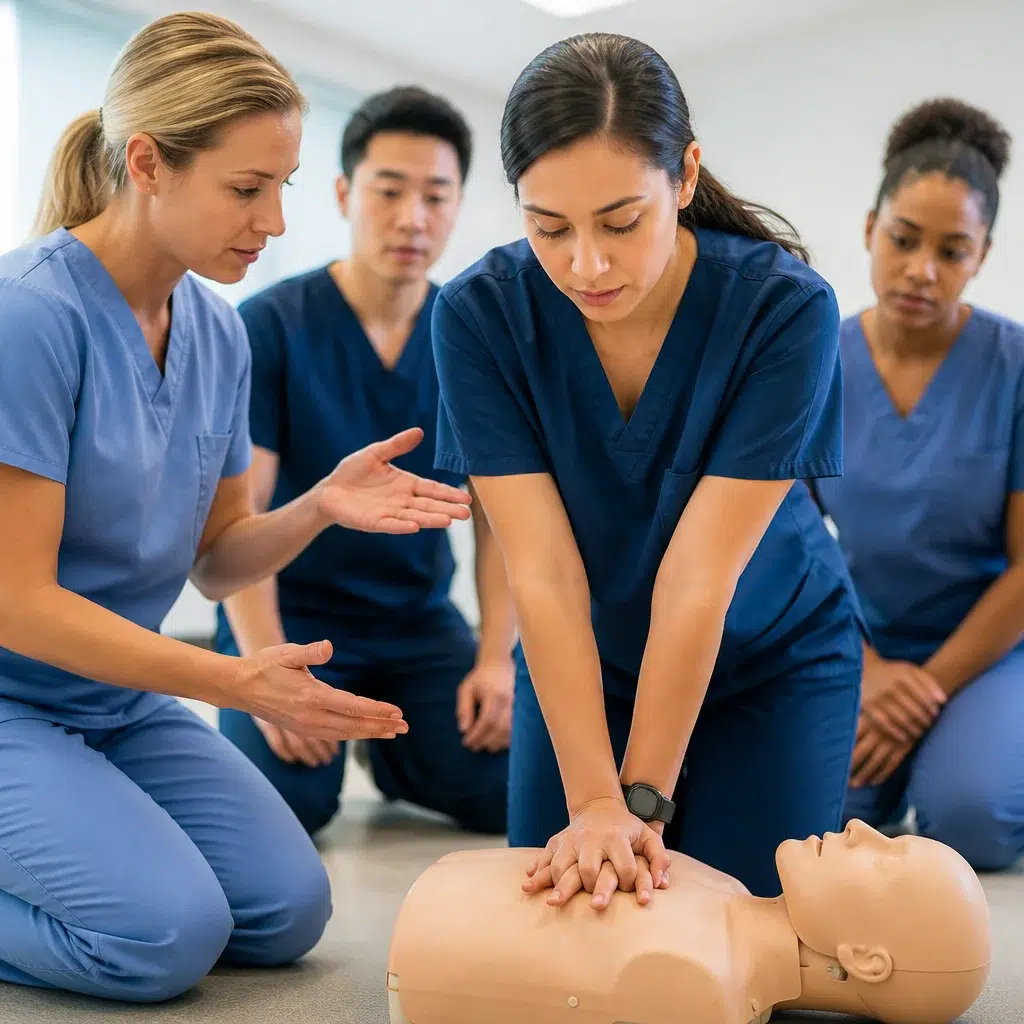
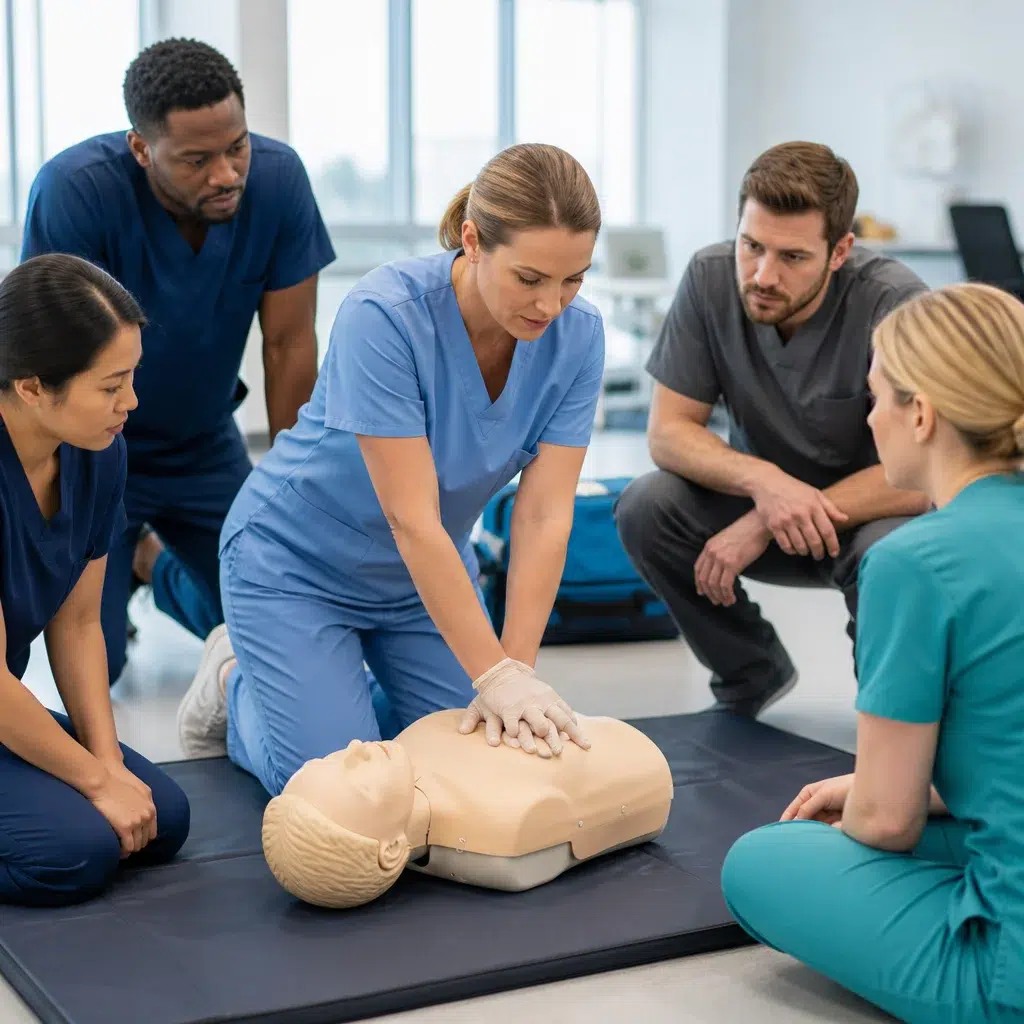
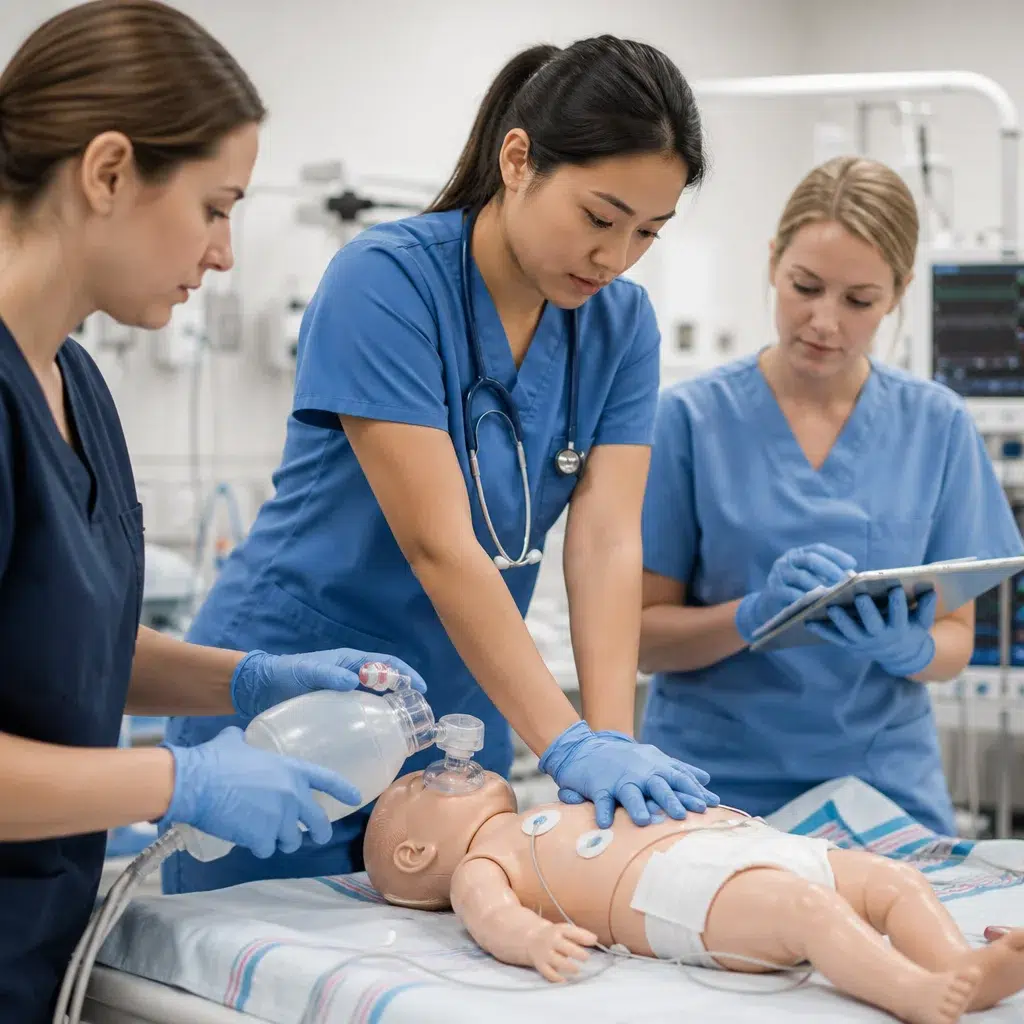
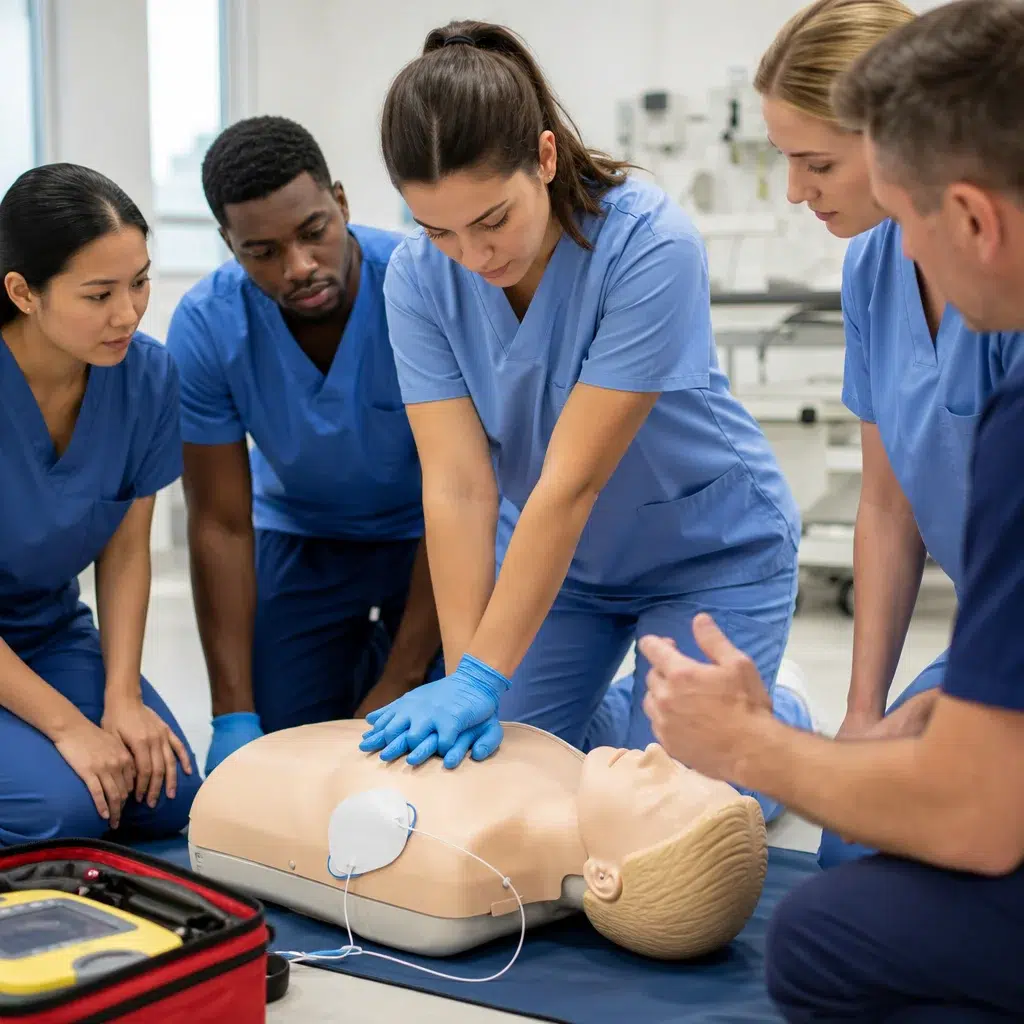
You’ll spend time on manikins practicing chest compression depth and rate, proper hand placement, and how to use an AED effectively. Modern training also covers the two-rescuer approach, which is realistic in a dental office where you likely have team members present. Instructors will walk you through team communication during an emergency, a critical element often overlooked in generic courses.
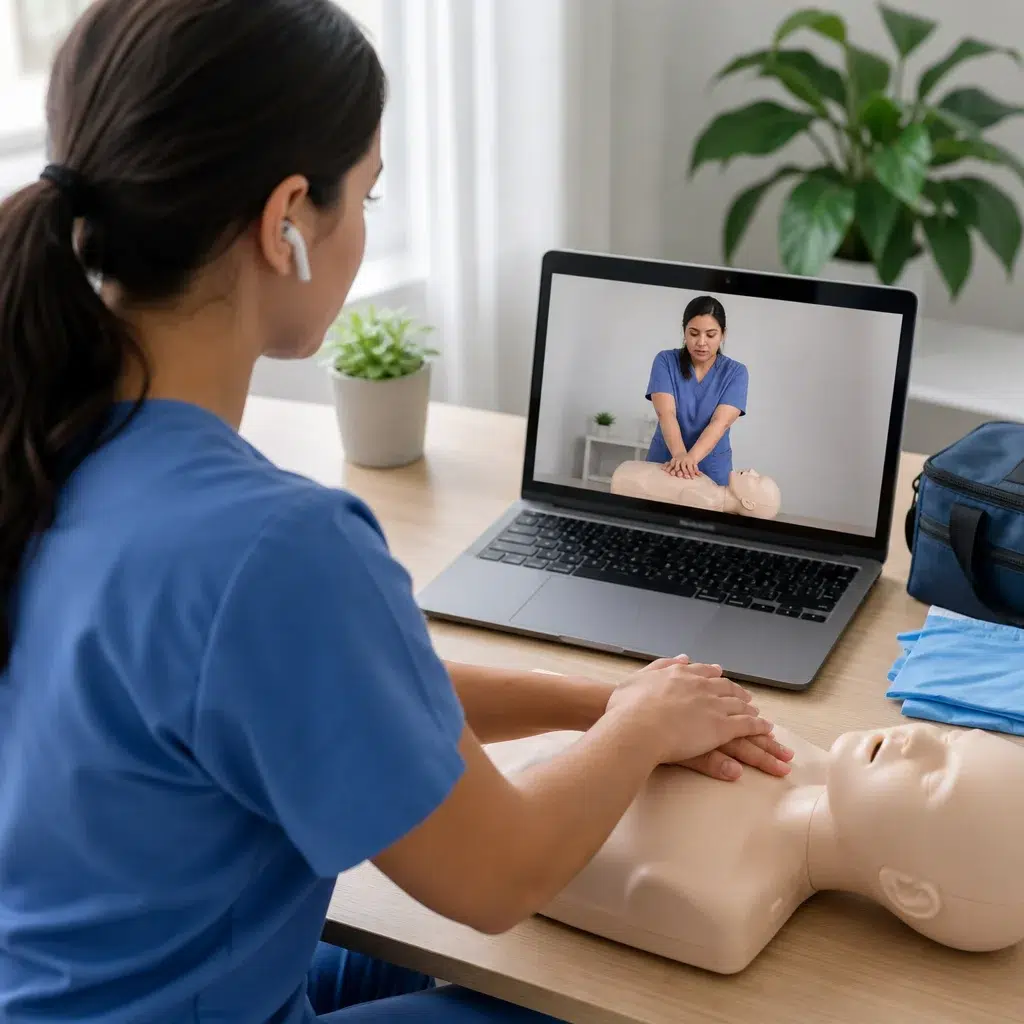
Many programs now blend online theory with in-person skills sessions. You watch videos and review anatomy and algorithms online at your own pace, then attend a focused 2-3 hour session for hands-on practice and testing. This approach respects your schedule while ensuring real skill validation.
Benefits of Current CPR Certification in Your Practice
A current BLS card reduces liability exposure. If an adverse event occurs and you’re sued, your certification status directly impacts how courts and juries view your preparedness. Insurance companies also offer better premium rates and coverage when your entire clinical team holds current credentials.
Staff morale improves when your practice prioritizes emergency readiness. Team members feel safer knowing their dentist can manage a crisis. This confidence translates to better patient experiences and a professional reputation that attracts quality staff and patient referrals.
From a practical standpoint, current certification ensures your emergency equipment and protocols stay aligned with current guidelines. CPR guidelines change periodically, and staying current means your team practices techniques that reflect the latest evidence-based recommendations. This directly translates to better outcomes if an emergency ever occurs.
Choosing the Right Training Provider for Your Schedule

Not all CPR providers are equal. Look for instructors who specialize in training healthcare professionals, ideally with dental or oral surgery experience. They understand the specific emergencies you face and can tailor examples to your practice context.
Verify that your provider offers AHA-approved certifications (the standard in California). Check whether they offer flexible scheduling, including evening and weekend options. Some providers offer same-day certification, which is valuable if you need to renew quickly.
Pricing matters, but don’t choose solely on cost. A provider offering online theory plus a brief in-person skills session typically delivers better value than a low-cost provider requiring a full day in class. Safety Training Seminars operates over 100 locations throughout California with daily BLS classes and blended learning options designed specifically for healthcare professionals with demanding schedules.
Blended Learning Options for Busy Dental Professionals
Blended learning splits the course into online and in-person components. You complete knowledge assessments and watch instructional videos online, often completing this portion in 30-60 minutes. Then you attend a 2-3 hour in-person session where you practice skills on manikins, perform CPR under instructor observation, and take your final skills test.
This model works exceptionally well for dentists because you control the timing of the online portion. Complete it on a Sunday evening or during a lunch break, then book an in-person session when your schedule aligns. Many providers offer virtual classes throughout the week, so finding a convenient time slot is straightforward.
The hands-on portion is non-negotiable. You must demonstrate competency in real-time with an instructor present. This ensures you’re actually performing compressions at the correct depth and rate, not just understanding the theory.
Same-Day Certification and Ongoing Compliance
Some practices need certification urgently—perhaps a staff member quit and left a gap, or your license renewal is due sooner than expected. Same-day certification programs let you complete both online and in-person components in a single visit, typically 3-4 hours total.
While this option exists, planning ahead is always preferable. Same-day classes fill quickly and don’t allow buffer time if you have questions or need additional practice. A more realistic approach: complete the online portion the week before, then attend an in-person skills session when convenient.
Track your certification expiration dates on a calendar or in your practice management software. Set a reminder 60 days before expiration to allow flexibility in scheduling. This simple habit prevents the stress of rushing to renew and the risk of a lapsed certification affecting your license status.
CPR Skills Practice and Simulation Technology

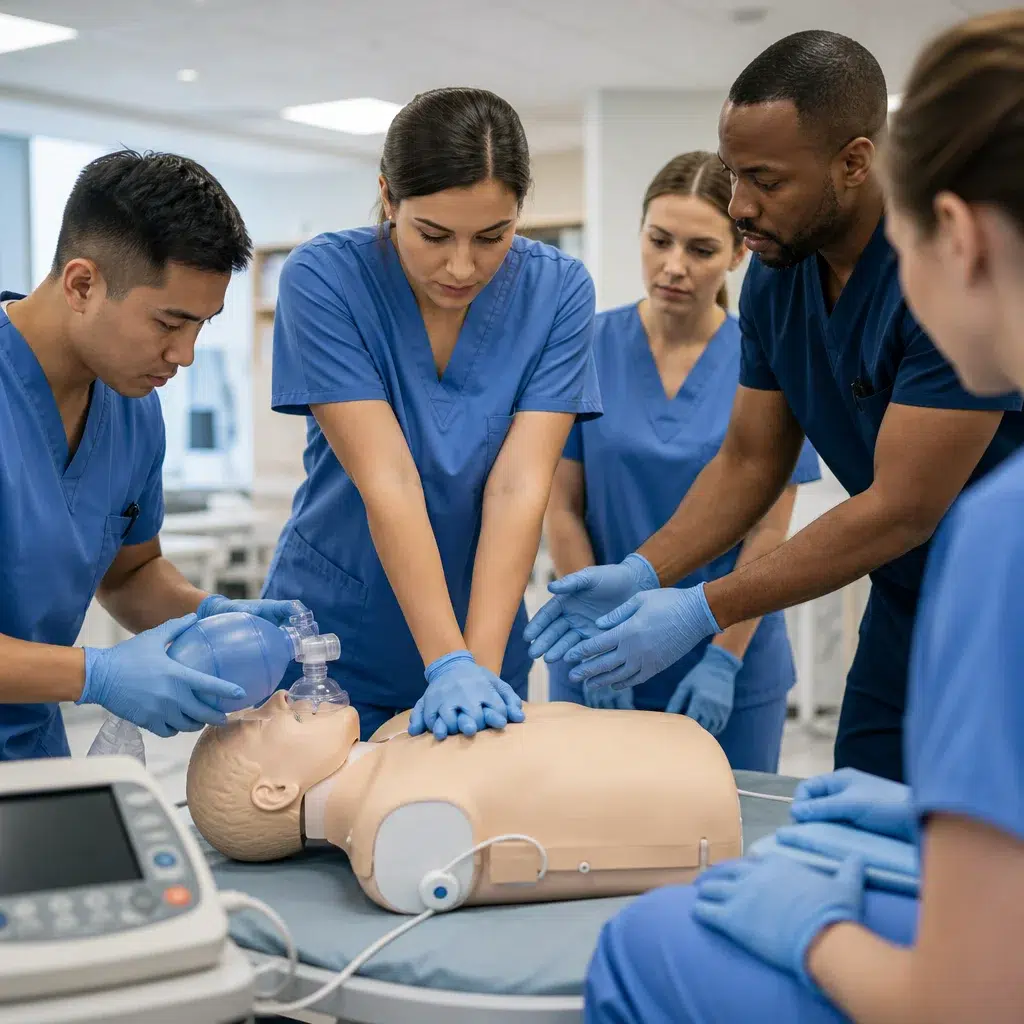
Modern training facilities use high-fidelity manikins with realistic feedback. You’ll feel appropriate resistance when performing compressions, and many manikins provide visual feedback on compression depth and rate. Some even simulate different cardiac rhythms on an ECG monitor, letting you practice recognizing and responding to various scenarios.
Practice with peers or your own team members when possible. After you’re certified, consider scheduling quarterly skills drills at your practice. Muscle memory fades without reinforcement. Even 20 minutes every few months keeps your team sharp and confident. Drills also identify gaps in your emergency response plan.
Some training providers use video review technology, recording your performance so you can see exactly what you did well and where to improve. This feedback mechanism accelerates learning and gives you evidence that you’ve mastered the skills.
Maintaining Your Certification and Recertification Timeline
BLS certification is valid for two years from the date you pass. Mark your renewal date in advance, not on the expiration date itself. Schedule renewal training at least 30 days before expiration to give yourself flexibility.
California’s Dental Board requires continuous licensure. If your BLS certification lapses, you technically cannot practice as a licensed dentist. This may seem extreme for a credential held by thousands of dentists annually, but it’s the regulation. Even a lapsed certification by one day can create licensing complications.
Set up a system for your entire clinical team. Some practices assign this to their office manager or use a credential tracking service. The responsibility shouldn’t fall solely on you. A simple spreadsheet noting expiration dates for each team member, updated quarterly, prevents oversights.
Getting Started with Your CPR Certification Today
Begin by confirming which certifications your state license and employer require. If you need BLS, schedule training within the next 30 days rather than waiting until your current card is close to expiration. This gives you maximum flexibility in choosing class times and locations.
Choose a provider offering blended learning if your schedule is tight. Complete the online portion whenever convenient, then select an in-person session that works for your calendar. You’ll be certified and current within days, not weeks.
Safety Training Seminars offers daily BLS classes and flexible online CPR training options tailored to healthcare professionals. With over 100 California locations and a low-price guarantee, you can find a convenient session that fits your practice’s needs. Start your renewal today and keep your credentials current without disrupting your patient schedule.
Register for a class today.