Why AHA Certification Matters for Healthcare Professionals
AHA Certification Cards: Safety Training Seminars vs ProCPR Compared
Healthcare professionals across California face the same recurring challenge: maintaining current certifications while juggling demanding schedules. Whether you’re a nurse renewing BLS credentials, a dentist needing ACLS recertification, or an EMS technician keeping PALS current, the quality and convenience of your training provider matters significantly. This guide compares two major training paths to help you choose the right fit for your professional needs.
Your certification card represents more than a piece of plastic. It signals to employers, patients, and regulatory bodies that you meet established standards for life-saving intervention. California healthcare employers rely on these credentials as non-negotiable proof of competency. Hospitals won’t schedule nurses without active BLS. Dental practices require ACLS verification. EMS agencies mandate PALS currency.
Beyond compliance, staying current matters clinically. The science of resuscitation evolves. Guidelines shift every few years. A training program that teaches you current protocol, not outdated technique, directly impacts your ability to save lives in real situations. Your certification card is your credential; the training behind it is your insurance.
Actionable takeaway: Before comparing providers, verify which specific certifications your employer requires and their renewal timeline. This prevents wasted training on credentials you don’t need right now.
Understanding AHA Alignment and Accreditation Standards
Not all CPR and life-support certifications carry equal weight. The distinction between AHA-aligned programs and generic providers affects how employers and licensing boards view your credentials.
AHA-aligned training follows established protocols and science-based guidelines developed through rigorous evidence review. Instructors complete standardized training. Skill stations maintain consistent standards. Exams reflect validated competency benchmarks. When your employer says “AHA certification required,” they’re requesting training from a provider following these recognized standards.
California’s healthcare regulatory bodies recognize AHA-aligned instruction as meeting mandatory continuing education requirements. Your license renewal typically accepts these certifications without question. This recognition streamlines renewals and reduces administrative friction with the California Board of Registered Nursing, Dental Board of California, and other licensing bodies.
The distinction matters practically: an AHA-aligned card opens doors; a generic card from an unvetted provider may require additional explanation to your employer’s compliance officer. Many hiring managers won’t even consider candidates without AHA-aligned credentials.
Safety Training Seminars: Coverage, Locations, and Flexibility
Safety Training Seminars operates over 100 California locations, making accessibility a genuine advantage for busy healthcare professionals. Whether you practice in Sacramento, San Diego, or the Bay Area, you’ll likely find a nearby training center offering daily BLS classes and specialized certifications.
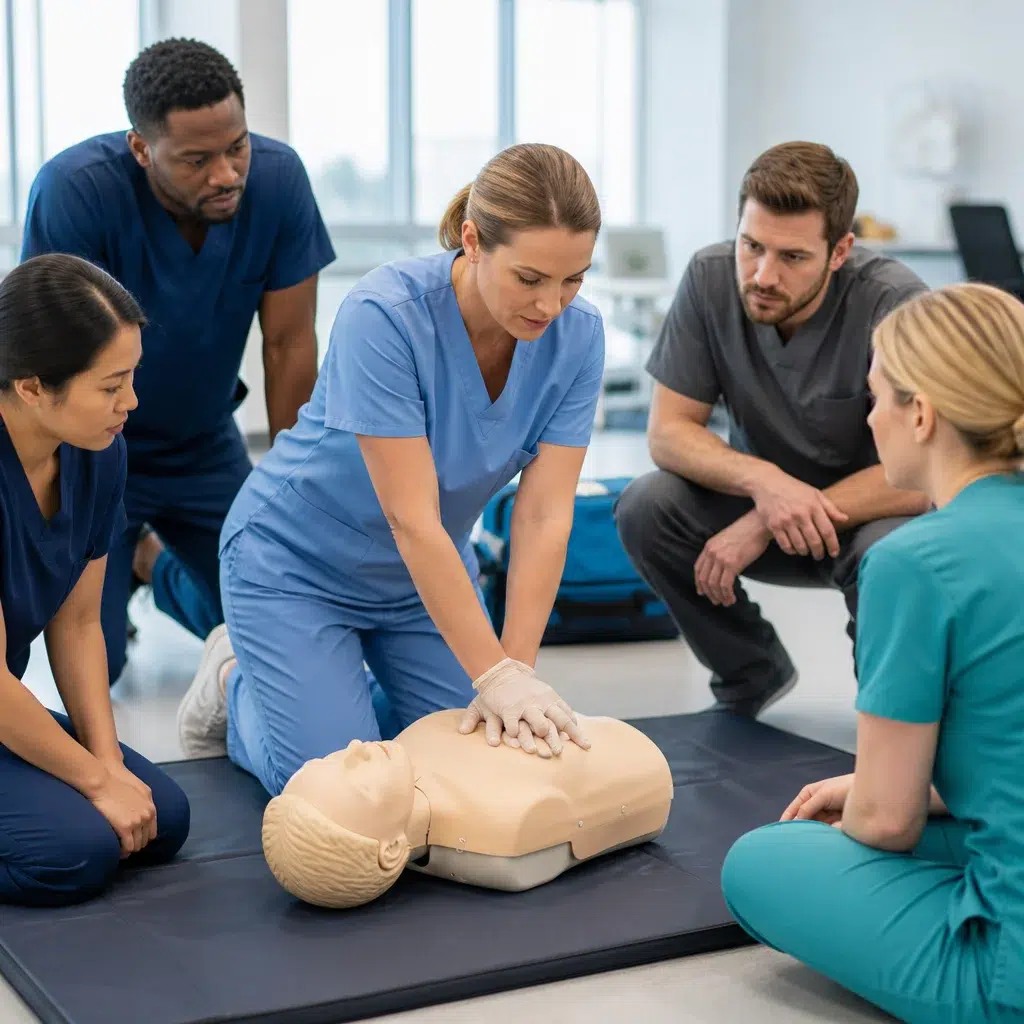
The blended model works practically: complete online coursework on your schedule, then attend a brief in-person skills session at your nearest location. This flexibility appeals especially to shift-working nurses and EMS personnel who can’t block out full days. You control the pacing of theory, then book a convenient skills session when scheduling aligns with your calendar.
Daily class availability matters during recertification crunches. If your BLS expires in two weeks and you’re only now addressing it, Safety Training Seminars can typically accommodate you. Many providers require scheduling weeks in advance; same-day openings exist here.
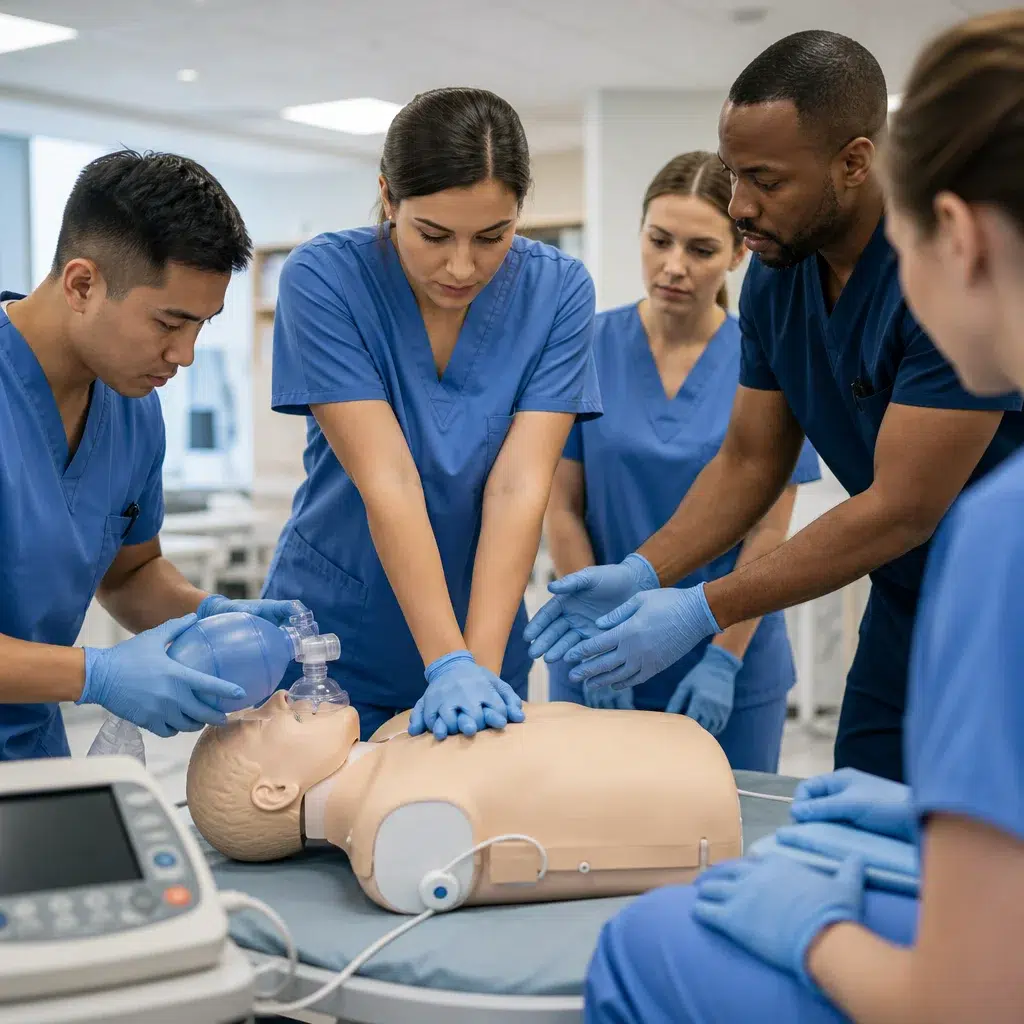
Specialized programs deserve mention: ACLS, PALS, and NRP courses cater specifically to healthcare providers facing advanced-life-support requirements. Instructors teaching these advanced certifications understand your clinical context. The scenarios they present reflect actual healthcare environments, not generic public-training simulations.

Actionable takeaway: Check your nearest location’s current availability now. Bookmark the scheduling page and set a reminder three months before your current certification expires, giving you buffer time for booking.
ProCPR: What the Platform Offers California Providers
ProCPR focuses on streamlined online delivery with minimal in-person requirements. The model emphasizes convenience through pure digital content for the largest portion of training. For healthcare professionals seeking the fastest possible completion, this appeals immediately.
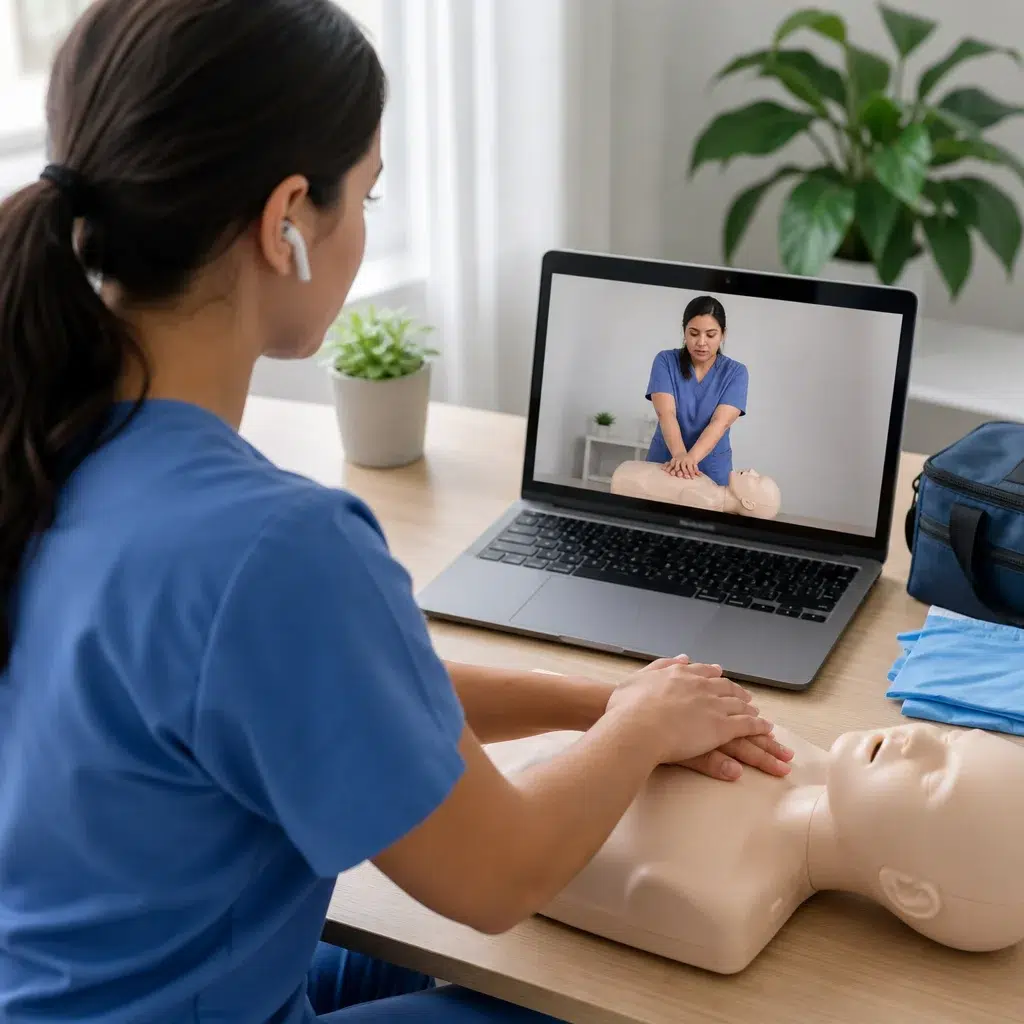
The platform offers legitimate AHA-aligned certifications recognized by California employers. Skill demonstrations occur through video submission and review, eliminating travel for some components. This works well for professionals in rural areas where training centers require significant driving.
ProCPR’s pricing strategy emphasizes discounts and promotions, attractive if you’re balancing training costs across your household or organization. Bulk registrations for corporate groups receive negotiated rates. The platform runs frequent sales periods.
However, the video-based skills assessment carries tradeoffs. An instructor observing you perform chest compressions in real time can immediately correct hand placement, compression depth, and rhythm. Video submission removes that real-time feedback loop. Some healthcare professionals find this shortcoming material; others prioritize convenience enough to accept it.
Blended Learning Approaches: Virtual and In-Person Skills
The effectiveness difference between pure online training and flexible online learning with in-person skills sessions centers on skill retention and corrective feedback.
Virtual theory delivery works well. CPR science, medication protocols, and decision algorithms translate effectively to video instruction. You progress at your pace, pause for notes, and revisit complex material without instructor judgment. Cost-effectiveness and scheduling convenience make this component valuable.
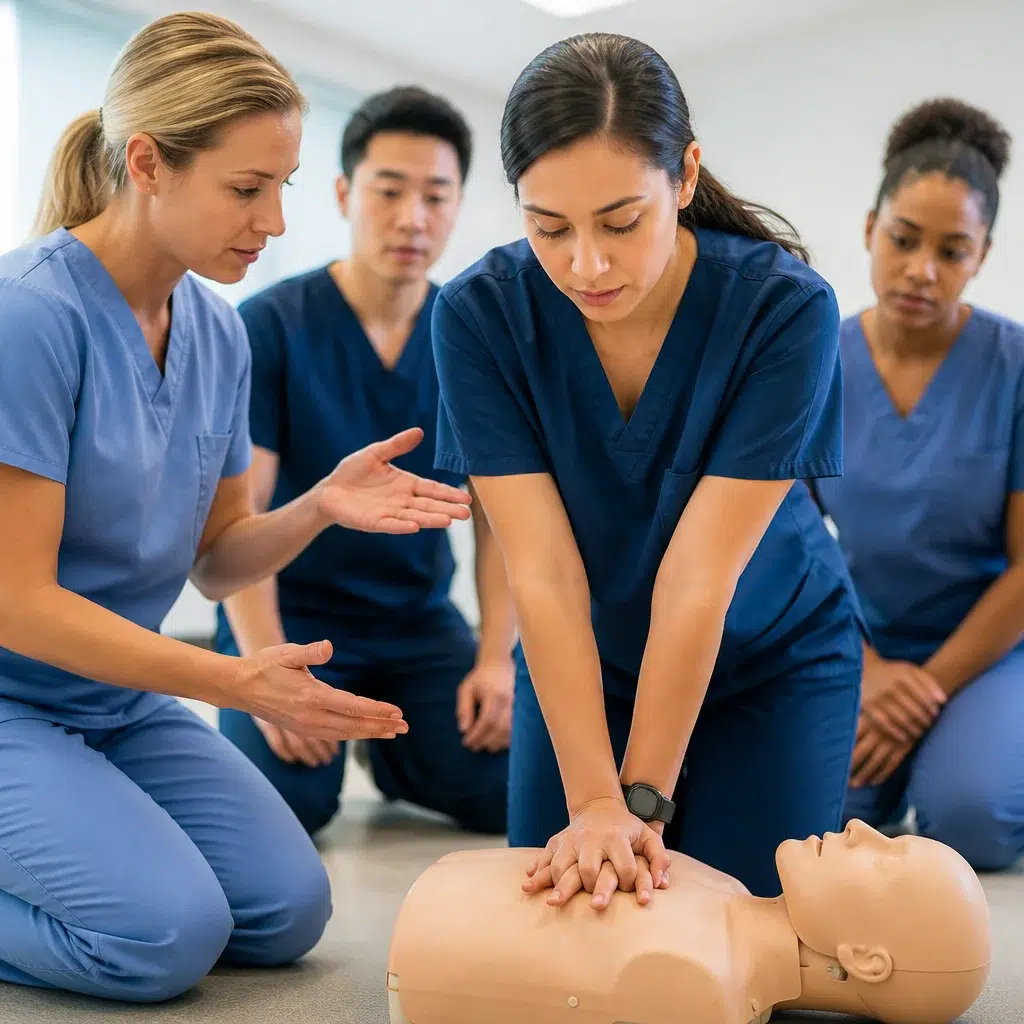
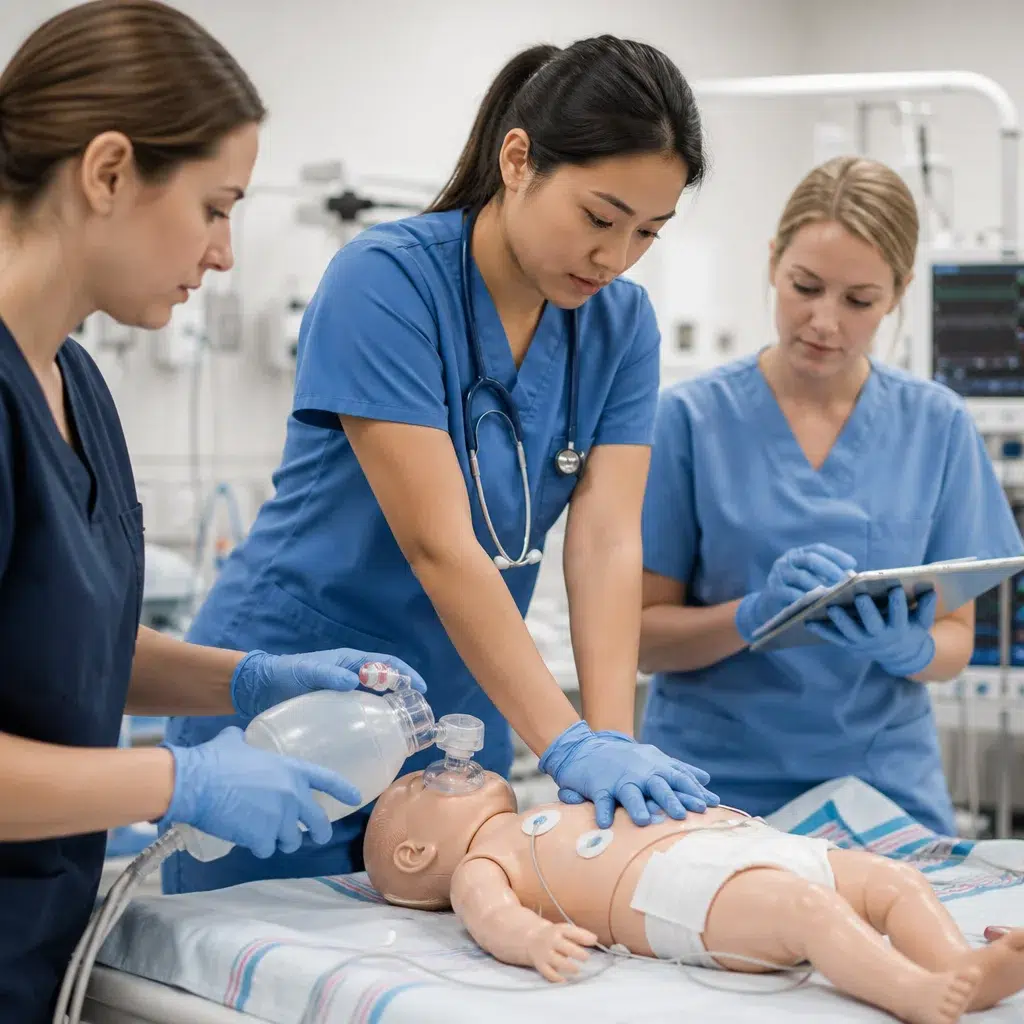
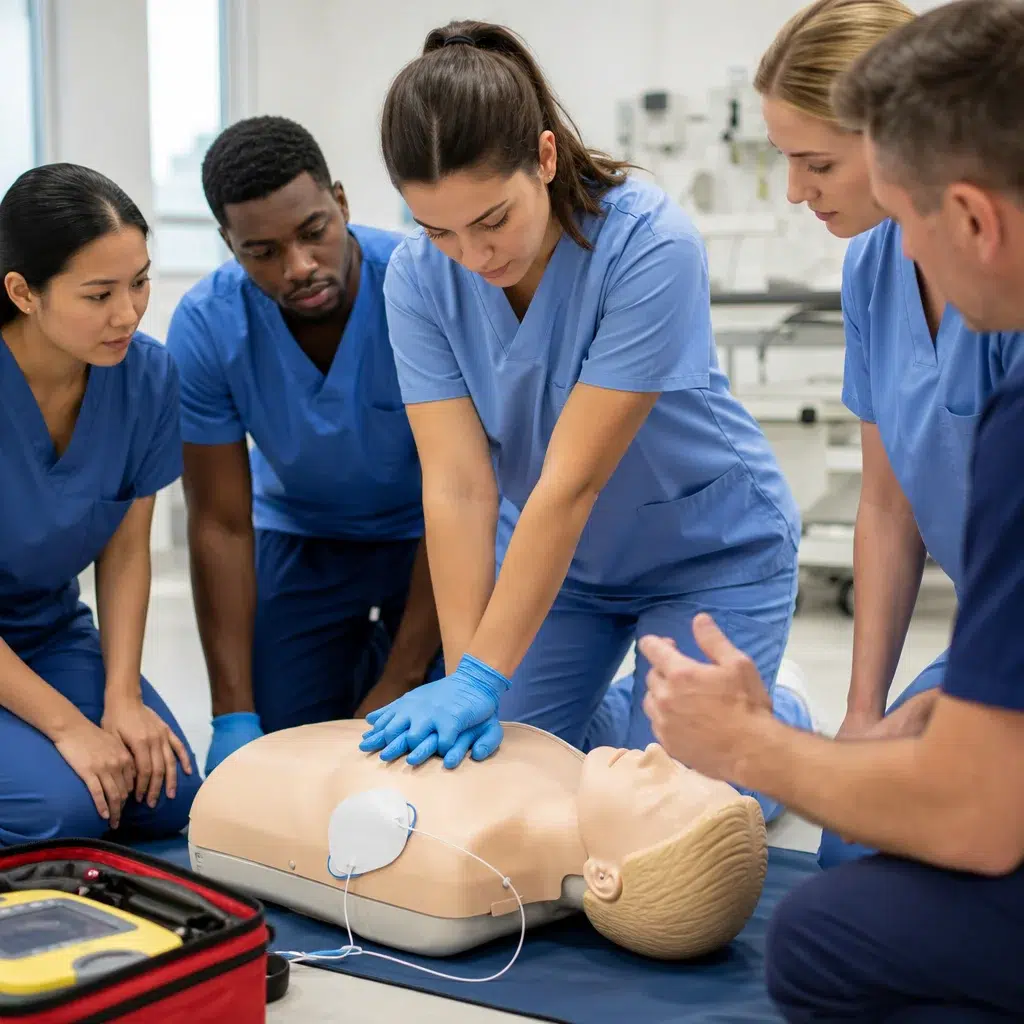
In-person skills sessions provide irreplaceable elements. A trained instructor observes your compression technique, chest-rise adequacy, and airway management. They feel for pressure and rate. They watch your rhythm and can adjust hand position, arm angle, or body mechanics within seconds. You receive tactile correction impossible through video.
This matters clinically. Improper CPR technique may feel right to the person performing it but proves ineffective. Video reviews can’t detect these subtle failures in real time. During an actual cardiac arrest, your months of muscle memory matter intensely. Hands-on correction during training builds muscle memory correctly from the start.
Many healthcare professionals report higher confidence and lower anxiety during actual codes after receiving strong in-person skills training. That confidence translates to better performance when pressure peaks.
Certification Card Validity and Recognition in Healthcare
Both pathways produce valid certification cards recognized throughout California. This matters pragmatically: your hiring manager, compliance officer, and nursing board all accept either credential.
The practical consideration shifts to nuance. Some large healthcare systems maintain preferred provider lists, though this remains rare. More commonly, any recognized AHA-aligned certification suffices, regardless of training provider. Your card is your card.
Where differences emerge tactilely: certification card quality and visibility vary. Some providers issue digital cards; others mail physical credentials. If your employer requires physical verification or your facility includes cards in employee files, you’ll want to understand the format beforehand. Digital-only credentials may create friction if your practice runs legacy compliance systems.
Card validity periods remain consistent across accredited providers. Most CPR certifications remain valid for two years. ACLS and PALS typically expire annually. These timelines align across providers, so renewal scheduling doesn’t advantage one provider over another.

Cost Comparison and Low Price Guarantees
Pricing comparison requires attention to total cost, not just course fees. Some providers appear cheaper until you factor in travel, parking, or require multiple visits for separate skills sessions.
Safety Training Seminars maintains a low price guarantee, meaning if you find the same course cheaper elsewhere, they’ll match it. This removes the shopping-around friction. You book with confidence that you’re receiving competitive pricing. The guarantee applies across their full course catalog, simplifying budget planning for organizations managing multiple employee certifications.
ProCPR emphasizes promotional pricing, meaning advertised rates often reflect current sales. Full list prices run higher, but discounts consistently bring costs down. For individual professionals, comparing promotional prices makes sense. For organizations budgeting multiple certifications, variable pricing creates forecasting difficulty.
Both providers offer group discounts for corporate training. If your healthcare organization plans to certify multiple staff members, requesting bulk quotes from each provider enables meaningful comparison. Volume savings can offset higher per-unit pricing.
Travel costs deserve inclusion: if ProCPR’s nearest skills-verification center requires 45 minutes of driving, add transportation time and expense to their quoted course price. If Safety Training Seminars has a location five minutes away, that convenience carries genuine value.
Actionable takeaway: Request written quotes from both providers for your specific course mix, including any travel components. Include total time investment, not just tuition, in your comparison.
Same-Day Certification and Scheduling Convenience
Healthcare professionals rarely plan training months in advance. Emergencies arise. Certifications lapse unexpectedly. Positions require unexpected credential transfers. Same-day or next-day certification availability becomes essential.
Safety Training Seminars offers BLS certification courses daily, with many locations providing same-day options for scheduling within hours. If you realize at 8 AM that your BLS expires at midnight, you can complete full certification by evening. This responsiveness acknowledges healthcare professionals’ unpredictable schedules.
ProCPR’s online model offers theory within hours of registration. Skills verification turnaround depends on instructor availability for video review, typically taking 24-48 hours. This approaches same-day service but includes potential delays if submissions arrive outside business hours.
The convenience difference matters most during staffing crunches. When an employer calls asking to verify current certification to approve an immediate shift assignment, having completed training the same day eliminates complications.
Customer Support and Training Quality Standards
Instructor expertise distinguishes training providers meaningfully. Nurses learning from instructors with clinical nursing backgrounds benefit from context-aware teaching. EMS professionals respond to instructors familiar with field protocols. Dentists appreciate instructors understanding oral surgery complications.
Safety Training Seminars recruits instructors with clinical backgrounds matching their student populations. Their specialized certifications employ instructors holding current ACLS or PALS credentials themselves, not classroom trainers reading scripts. This credibility shapes student engagement and confidence.
Support quality becomes apparent during problem-solving. If your online module doesn’t load, or you feel you failed the skills assessment unfairly, responsive support matters. Both providers offer phone and email support, but response times vary. Healthcare professionals can’t afford week-long email delays when certifications impact their immediate employability.
Course completion problems require human problem-solving. A rigorous provider supports retakes without excessive fees. They provide honest feedback about skill gaps. They don’t simply pass unprepared candidates to maintain satisfaction ratings.

Actionable takeaway: Before registering, contact customer support with a hypothetical scheduling question. Response time and solution quality reveal the provider’s actual service standards.
Making Your Choice: Key Factors for California Professionals
Your decision should weight several practical factors:
Scheduling flexibility: Does your work pattern allow attending in-person skills sessions at scheduled times, or do you need near-total online flexibility?
Geographic convenience: How far is the nearest training location? Can you reach it without scheduling major travel?
Certification type: Are you seeking basic BLS or advanced specializations like ACLS or PALS? Some providers excel in specific certifications.
Urgency: When does your current certification expire? Do you need immediate training availability?
Budget: What’s your total cost including travel, and does bulk pricing apply?
Employer requirements: Do specific providers appear on your organization’s preferred list?
Safety Training Seminars advantages: extensive California coverage, daily scheduling, blended learning with hands-on skills correction, and responsive support for busy healthcare professionals. ProCPR advantages: maximum online flexibility and promotional pricing for cost-conscious professionals.
For most California healthcare professionals, the convenience of nearby locations and guaranteed same-day availability through Safety Training Seminars addresses the practical pain points of recertification. For professionals in remote areas or with truly unpredictable schedules, ProCPR’s online emphasis may outweigh the skills assessment limitations.
Next Steps: Getting Your Certification
Stop deferring this. Certification lapses create employment friction you don’t need. Employers can’t schedule you for shifts requiring current credentials. Licensing renewals stall. That two-hour training session prevents professional complications for two years.
Visit Safety Training Seminars’ website today. Locate your nearest training center. Check current availability for your needed certification. If you’re in California with access to their locations, their combination of blended learning, convenient scheduling, and low price guarantee simplifies the entire process.
Register for a course slot, plan your travel, and complete your online theory before your scheduled in-person skills session. Attend your skills session, demonstrate competency, and walk out with your valid certification card.
Your professional credential is your responsibility. Take the two hours to get it renewed properly.
Register for a class today.