What is ACLS and Why It Matters for Healthcare Professionals
ACLS Provider Course in California: Certification Requirements and Training Options
Advanced Cardiac Life Support (ACLS) equips healthcare providers with the skills to manage life-threatening cardiac emergencies. Unlike basic CPR, ACLS training covers medication administration, advanced airway management, rhythm interpretation, and team-based resuscitation protocols. When someone experiences a cardiac arrest, the first few minutes are critical, and ACLS-certified providers are trained to make split-second decisions that save lives.
For California healthcare professionals, ACLS certification is more than a credential to list on your resume. It directly impacts patient outcomes in high-stress situations. Nurses, cardiologists, emergency physicians, and critical care specialists depend on this training to recognize arrhythmias, interpret EKGs, and administer time-sensitive interventions. The confidence that comes from rigorous, hands-on training translates into better performance when lives depend on it.
Many employers now expect or mandate ACLS certification as a condition of employment, especially in acute-care settings. This requirement reflects the reality that cardiac events can happen anywhere, and your facility needs providers who can respond competently and decisively.
ACLS Certification Requirements in California
California doesn’t have a statewide law mandating ACLS for all healthcare workers, but individual employers, hospitals, and licensing boards often set their own requirements. The California Board of Registered Nursing, for example, may expect nurses working in intensive care units or emergency departments to maintain current ACLS.
To become ACLS-certified in California, you’ll need to:
- Complete a provider course from an authorized training center
- Pass a written knowledge exam covering pharmacology, airway management, and case scenarios
- Demonstrate competency in hands-on skills during a practical evaluation
- Receive a provider card valid for two years from the certification date
The provider card itself is your official credential. It’s recognized across the United States and internationally, making it a portable credential if you ever relocate or take travel assignments.
Most employers recognize certification from established training organizations. Safety Training Seminars, with over 100 training locations across California, provides certifications that meet these standards and often exceed employer expectations through personalized instruction.
Who Needs ACLS Provider Certification
ACLS is primarily designed for licensed healthcare professionals who work in clinical settings or have regular patient contact. This includes nurses (RNs and LVNs), emergency medical technicians, paramedics, physicians, dentists, respiratory therapists, and physician assistants.
However, the audience extends beyond traditional clinical roles. Some medical students complete ACLS before clinical rotations. Dental professionals need ACLS because they work with sedated patients and medications. Healthcare administrators who oversee departments often pursue ACLS to stay current with clinical standards and to better support their teams.

Even non-clinical staff in healthcare settings sometimes pursue ACLS, particularly those in supervisory roles or those who may need to respond to emergencies while at work. The course is designed to be accessible to anyone committed to learning, though it’s most valuable for those with baseline medical knowledge or experience.
If your role involves patient care, medication administration, or leadership in a healthcare environment, ACLS certification strengthens your professional credibility and ensures you’re prepared for cardiac emergencies.
Course Content and Skills You’ll Learn
An ACLS provider course typically covers several core domains over one to two days, depending on whether you choose accelerated or standard scheduling.
Rhythm Recognition and Pharmacology form the foundation. You’ll learn to interpret cardiac rhythms from EKG strips, understand which medications are indicated for specific arrhythmias, and grasp the mechanisms behind drug selection. Real EKG examples help you move beyond memorization to genuine understanding.
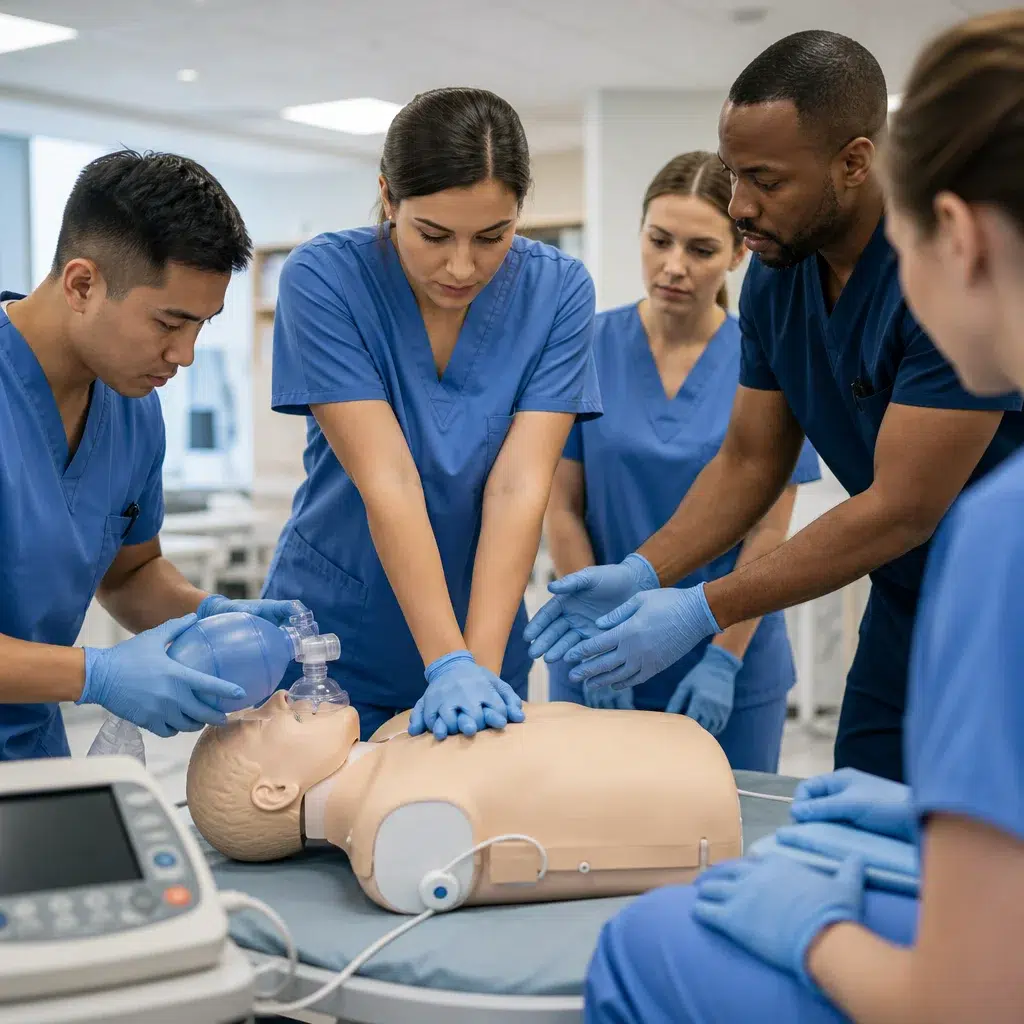
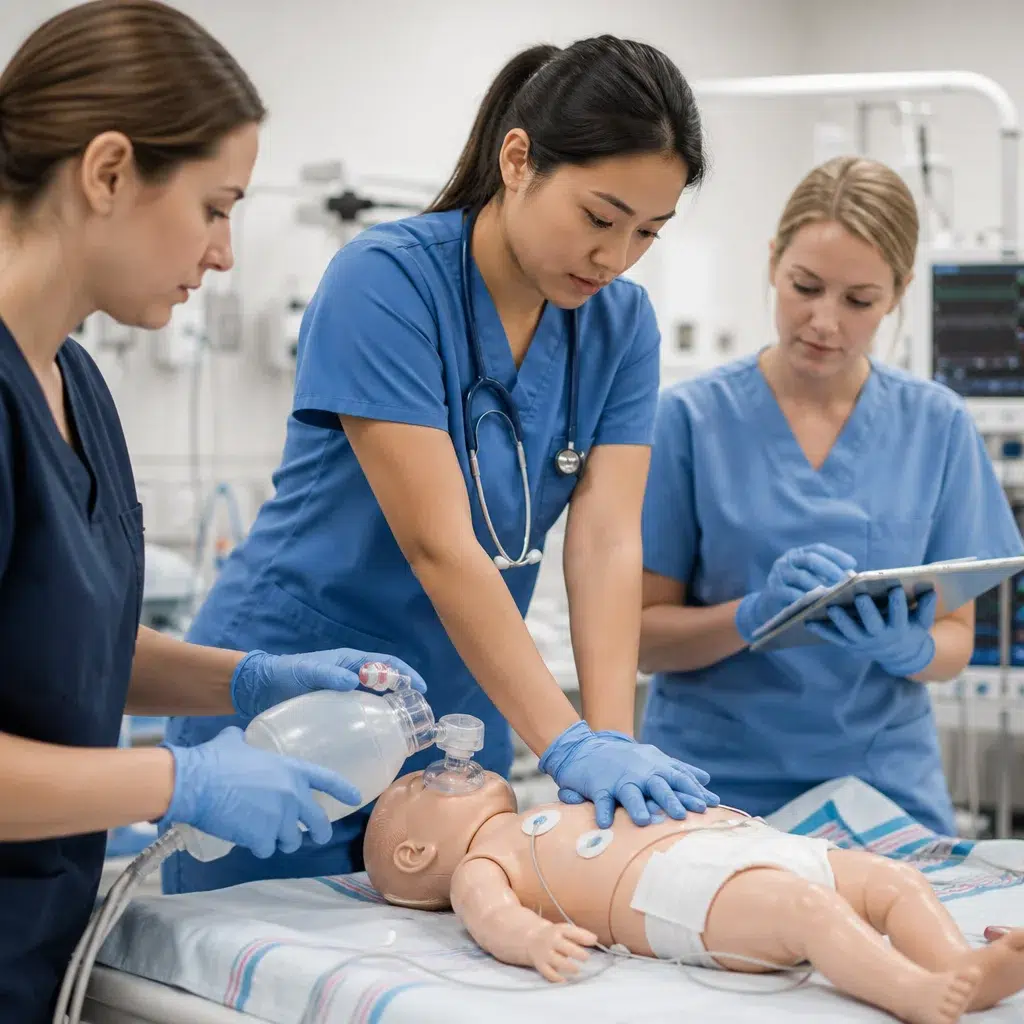
Airway Management and Ventilation gets substantial attention. The course covers bag-mask ventilation techniques, proper positioning, and when to escalate to advanced airway devices. Hands-on practice ensures you can perform these skills under stress.
Case-Based Scenarios simulate real emergencies. You might work through a scenario involving a patient who collapses with an unwitnessed rhythm, requiring rapid assessment, defibrillation, medication administration, and post-resuscitation care. These scenarios develop decision-making skills alongside technical competence.
Team Dynamics and Communication are woven throughout. You’ll practice clear role assignment, closed-loop communication, and how to lead or support a resuscitation team effectively. Many preventable errors stem from communication breakdowns, so this emphasis is crucial.
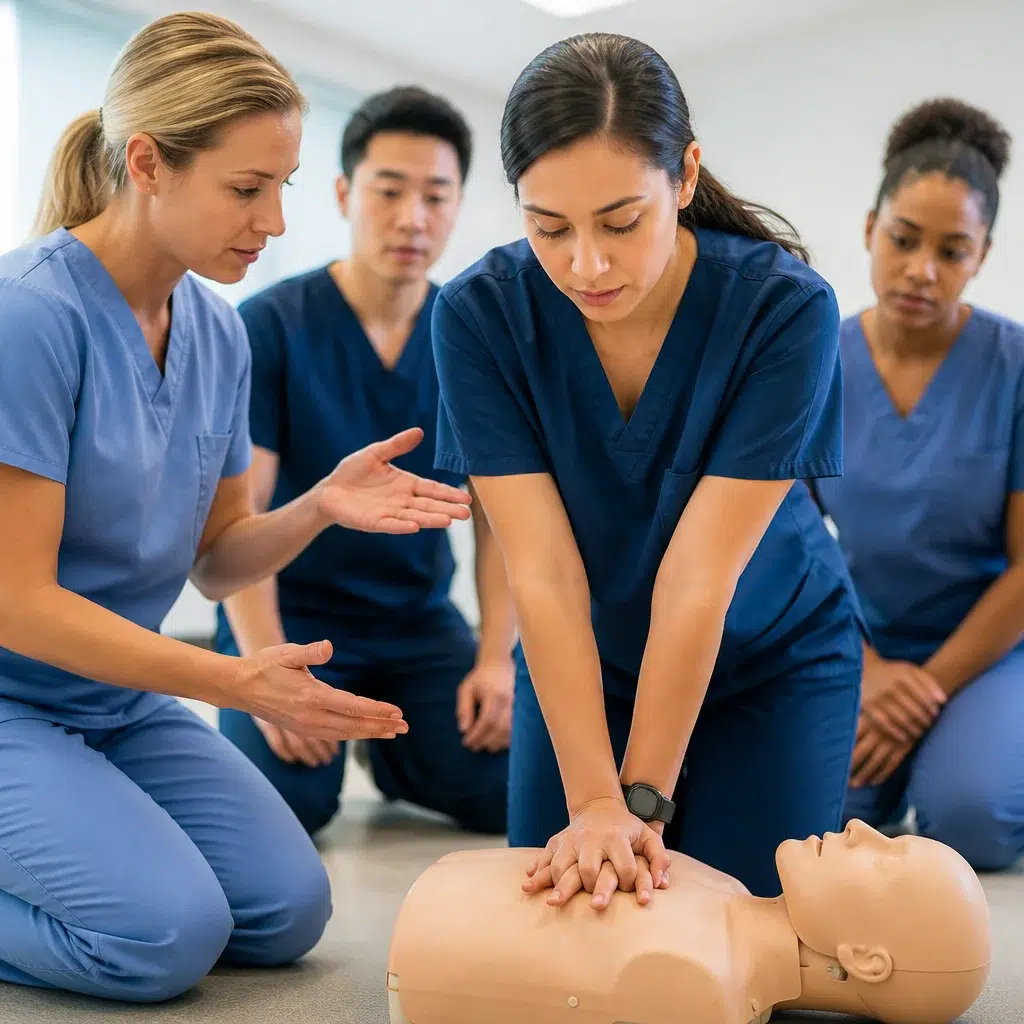
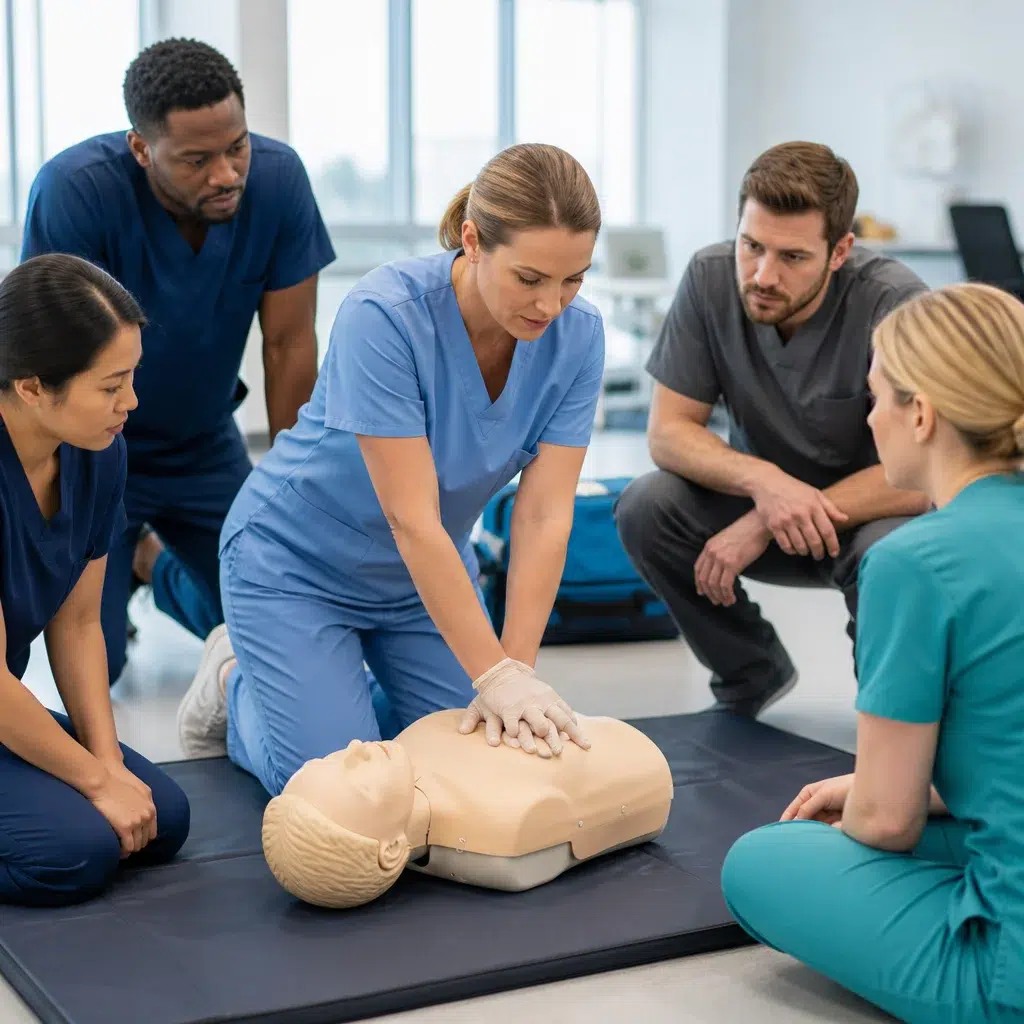
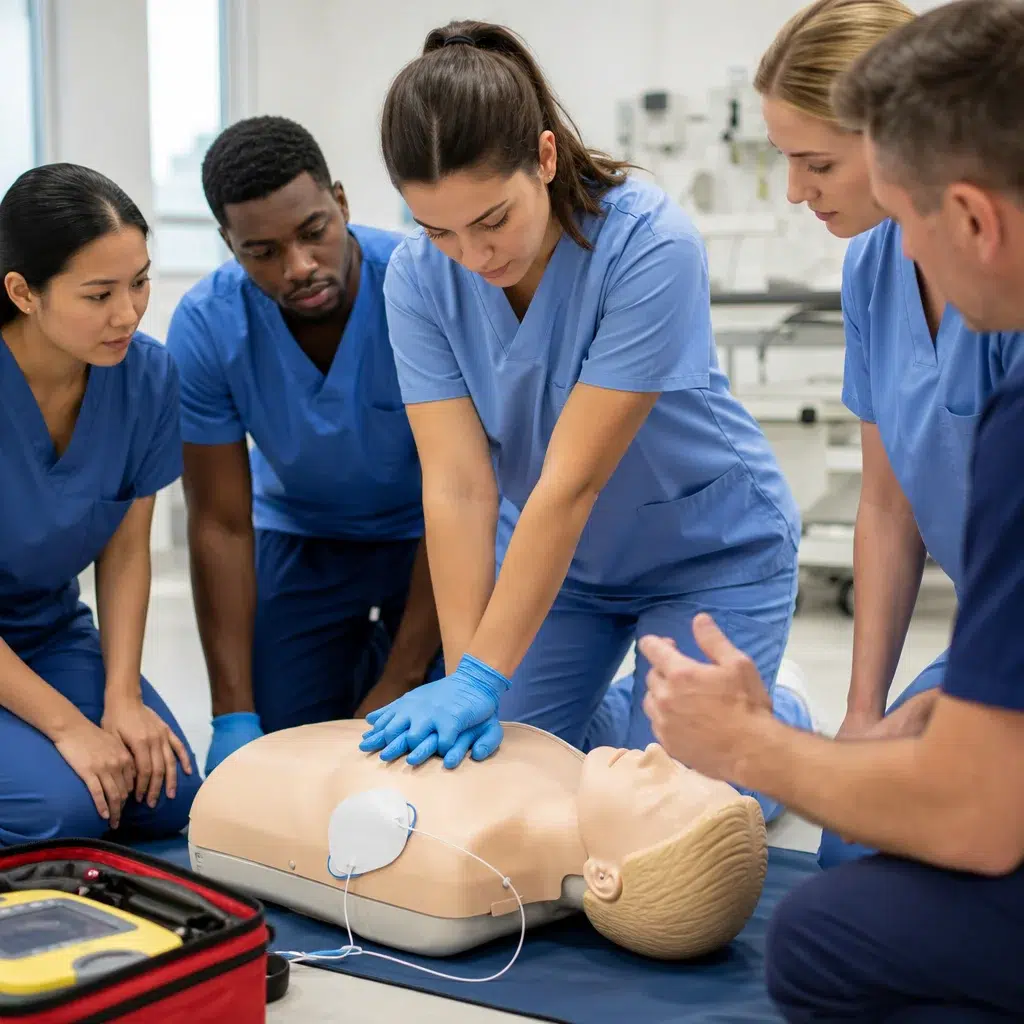
Hands-on Skills Stations let you practice on high-fidelity mannequins with real defibrillators and medications. Instructors provide immediate feedback, helping you refine technique and build muscle memory.
By the end, you’ll understand not just what to do, but why you’re doing it. This deeper comprehension improves retention and performance when you encounter a real cardiac emergency.
Blended Learning: Virtual and In-Person Training Options
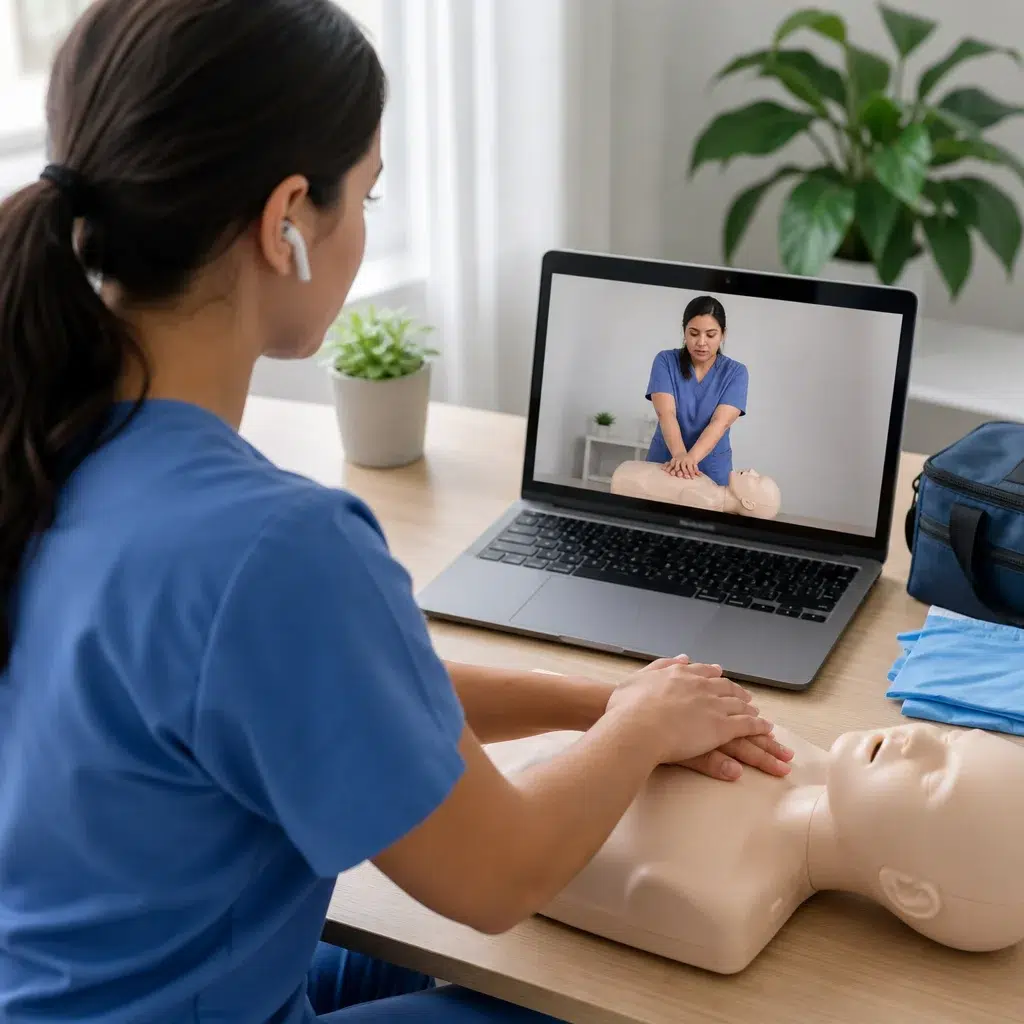
Many California providers choose blended learning for flexibility without sacrificing quality. Safety Training Seminars offers this approach: complete theory and knowledge work online at your own pace, then attend focused in-person sessions for skills practice.
The online component covers video lectures, interactive modules, and knowledge checks. You can complete this portion late at night or during your lunch break, fitting education around clinical schedules and personal commitments. This asynchronous piece removes scheduling friction.
The in-person skills session typically lasts four to six hours and brings everything together. You’ll practice rhythms recognition, medication calculations, and resuscitation scenarios with instructors who provide real-time correction and encouragement. The hands-on environment builds confidence and ensures you’ve genuinely mastered the material.
Blended learning works especially well for busy professionals who can’t commit to full-day classroom sessions but want quality instruction. Your skills are tested and certified in person, maintaining the integrity of the credential.

Next step: If your schedule is fragmented, ask about blended options when you’re ready to enroll. Many California training centers now offer this flexibility as standard.
ACLS Recertification and Renewal Timeline
ACLS provider cards are valid for exactly two years from your certification date. Tracking expiration is your responsibility, though most employers send reminders when credentials are nearing renewal.
Recertification requires the same knowledge and skills assessment as initial certification. You can’t simply renew without demonstrating current competency. This ensures that every ACLS-certified provider stays current with guideline updates and maintains practical skills.
Guidelines are updated approximately every five years by the certifying body, so your recertification course may include refreshed protocols or new recommendations. Staying current through renewal keeps you aligned with best practices.
Many healthcare professionals schedule recertification a few weeks before expiration to avoid gaps in compliance. Some facilities require proof of current certification as a condition of continued employment, making lapses a serious issue. Mark your calendar now to avoid last-minute scrambling.
If your card expires, you’ll need to retake the full provider course. There’s no shortcuts for lapsed certifications, so proactive scheduling saves stress and expense.
How to Enroll in an ACLS Course
Enrolling is straightforward. Visit the training provider’s website, select your preferred course date and location, and register online. Most centers accept credit cards and issue immediate confirmation.
You’ll typically need to provide:
- Your full legal name and contact information
- Professional license number (for verification purposes)
- Preferred class date and location
- Payment information
Some providers offer group discounts if you’re enrolling multiple colleagues. This is worth exploring if your department or clinic has several providers needing certification.
Before enrolling, check whether your employer has preferred training vendors or pre-approved providers. Some healthcare systems negotiate group rates or have specific requirements about certifying organizations. Confirming this ahead of time prevents wasted tuition or credential credibility issues later.
After enrollment, you’ll receive pre-course materials, access to online modules (if blended), and confirmation of your appointment. Arrive early on class day to complete check-in and any final paperwork.

Same-Day Certification and Flexible Scheduling
California’s largest training centers offer same-day certification options, meaning you complete your course and receive your provider card the same day. This rapid turnaround appeals to professionals with imminent job start dates or employers requiring quick onboarding.
Same-day certification doesn’t compromise quality, it streamlines administrative timing. You still complete the full knowledge exam and hands-on skills evaluation. The difference is that your card is processed and printed immediately after you pass, rather than mailed later.
Course scheduling across California is designed around working professionals. Early morning classes (7 a.m. starts), evening sessions, weekend classes, and even accelerated one-day formats are available at many locations. This variety means you can find a schedule that works without requesting excessive time off.
If you need certification urgently, call ahead to check specific location availability. Some high-traffic centers offer multiple sessions weekly, while smaller locations may have monthly schedules. Planning a few weeks ahead ensures you get your preferred date and time.
Finding ACLS Training Near You in California
With over 100 training locations statewide, you likely have options within reasonable distance. Whether you’re in Sacramento, Los Angeles, San Francisco, San Diego, or smaller communities, established training centers operate throughout California.
Use the provider’s location finder tool to search by city or ZIP code. Most results include address, hours, parking information, and upcoming class dates. This transparency helps you evaluate convenience and plan logistics.
Consider factors beyond proximity. Some locations offer better class times for your schedule. Others may have instructors with specific expertise (for example, an instructor with critical care background). Reading reviews or asking colleagues which locations they’ve used helps build confidence before enrolling.
Getting Started with Your ACLS Certification Today
Taking the first step toward ACLS certification clarifies your professional status and closes a knowledge gap that may be affecting your confidence in high-stress situations. You don’t need to wait for your employer to mandate it or for a crisis to highlight the importance.
Review your current schedule and identify potential class dates over the next month. Check whether your employer prefers specific training vendors. Then visit a training provider’s website, browse available courses, and register for the session that best fits your availability.
The investment in ACLS certification pays dividends across your career. You’ll advance your clinical skills, strengthen your resume, improve patient outcomes, and join a community of healthcare professionals committed to excellence during cardiac emergencies. Safety Training Seminars and similar certified providers across California make this investment accessible and affordable, with flexible formats, competitive pricing, and convenient locations.
Your next cardiac emergency case might be next week or years from now, but your ACLS certification ensures you’re ready either way.
Register for a class today.