
Introduction: Essential Criteria for California AED and Emergency Program Compliance
Choosing California AED program templates starts with understanding what regulators and accreditors expect your office to document, practice, and prove. Templates should translate clinical guidance into step-by-step actions your team can execute under stress, while capturing the logs, training, and equipment checks surveyors will ask to see. Look for materials that are specific to California practice settings and integrate AHA science updates.
Begin with the legal baseline. California Health and Safety Code 1797.196 outlines AED ownership responsibilities such as device readiness, staff training, and post-event actions; your in-office emergency policies should map directly to those points. For dental settings, Dental Board rules and payer expectations drive Dental office AED requirements—especially when providing sedation—so templates must align with your permit type and scope of practice. Medical clinics should reflect California medical emergency protocols for cardiac arrest, anaphylaxis, asthma, hypoglycemia, opioid overdose, and pediatric events.
A complete, compliant package typically includes:
- Risk assessment that defines likely emergencies by patient population and services (e.g., sedation, chemotherapy, dialysis).
- Written Emergency medical response templates for adult and pediatric cardiac arrest, airway compromise, anaphylaxis, stroke, and chest pain.
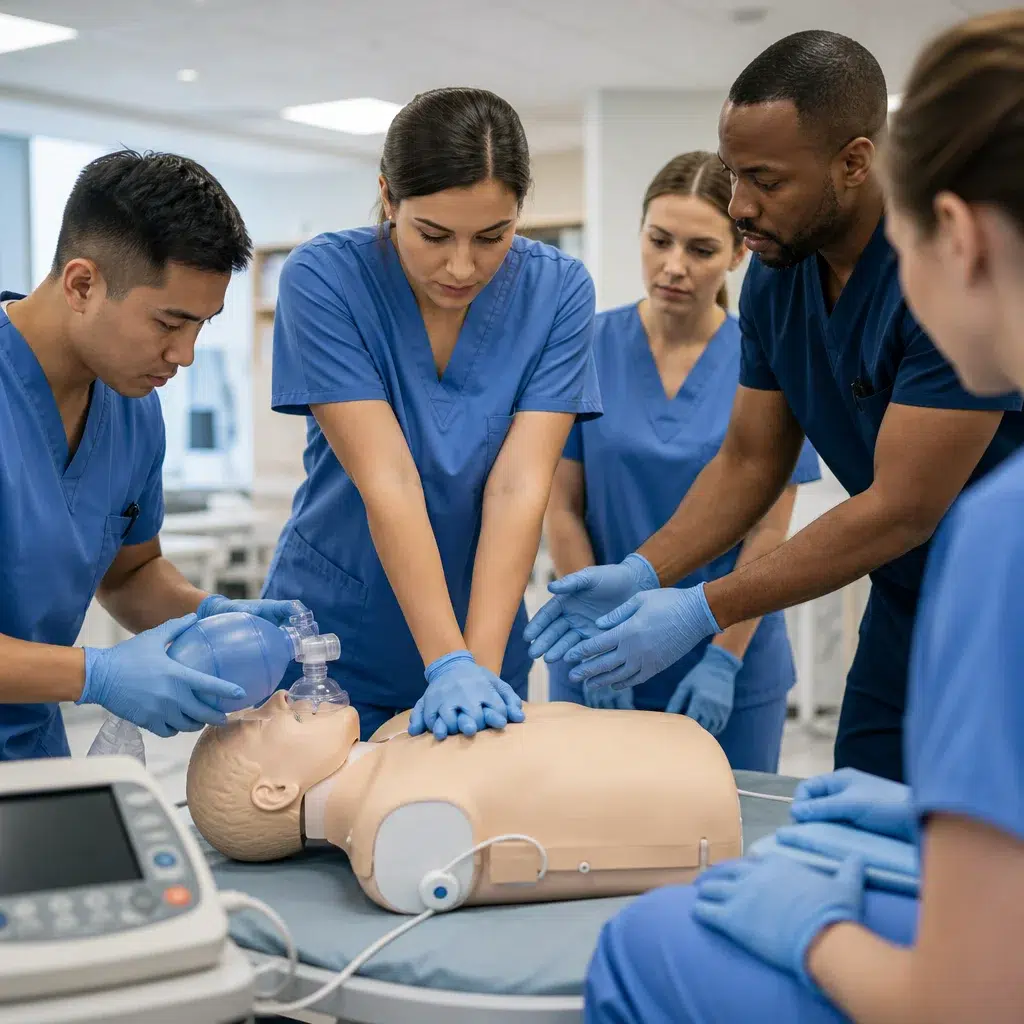
- Role cards and a code flowchart assigning tasks (compressor, ventilator, AED operator, medication nurse, scribe, runner).
- Training matrix tracking BLS/ACLS/PALS credentials, renewal cycles, and new-hire onboarding.
- Equipment and medication lists (AED with adult/pediatric pads, oxygen, suction, bag-mask, epinephrine, albuterol, nitroglycerin, aspirin, diphenhydramine, glucose, naloxone) with expiration tracking.
- Inspection logs for AED pads/battery and emergency drug kits, plus after-use checklists.
- Mock drill schedule, debrief form, and performance metrics (time to first shock, time to epinephrine).
- AHA compliant office signage (CPR/AED steps, choking relief, stroke and heart attack warnings) and posted emergency numbers.
- Site map showing AED location(s) to achieve a 3-minute collapse-to-shock goal.
- Post-event reporting and quality improvement forms.
Concrete examples help operationalize compliance. For instance, adopt a monthly AED readiness check plus an after-use function test, document pad/battery expirations 60–90 days before they lapse, and stage pediatric pads wherever children are seen. Post AHA-compliant CPR/AED posters near the AED and in staff break rooms, and run semiannual mock codes that verify your 3-minute response plan.
Safety Training Seminars supports this framework with AHA-aligned BLS, ACLS, and PALS courses delivered via blended learning across 100+ California locations and on-site group sessions, making it easier to keep credentials current at the lowest guaranteed price. For dental teams, see their guide on BLS certification for California dentists, and align your templates with the training requirements of your practice.
AHA-Aligned Emergency Action Plan Templates for Medical Offices
A practical emergency action plan starts with clear, AHA-aligned steps that any clinician in your office can follow during cardiac arrest, anaphylaxis, opioid overdose, or respiratory failure. Well-structured California AED program templates translate national guidelines into daily workflows for front-desk staff, MAs, RNs, and providers, so activation, equipment access, and documentation happen without delay. They also help demonstrate compliance to inspectors, malpractice carriers, and accrediting bodies.
Build your plan around these core elements and keep it concise, laminated, and posted in high-traffic areas:
- Team roles and activation: who calls 911, who starts compressions, who retrieves the AED, who documents, and who meets EMS.
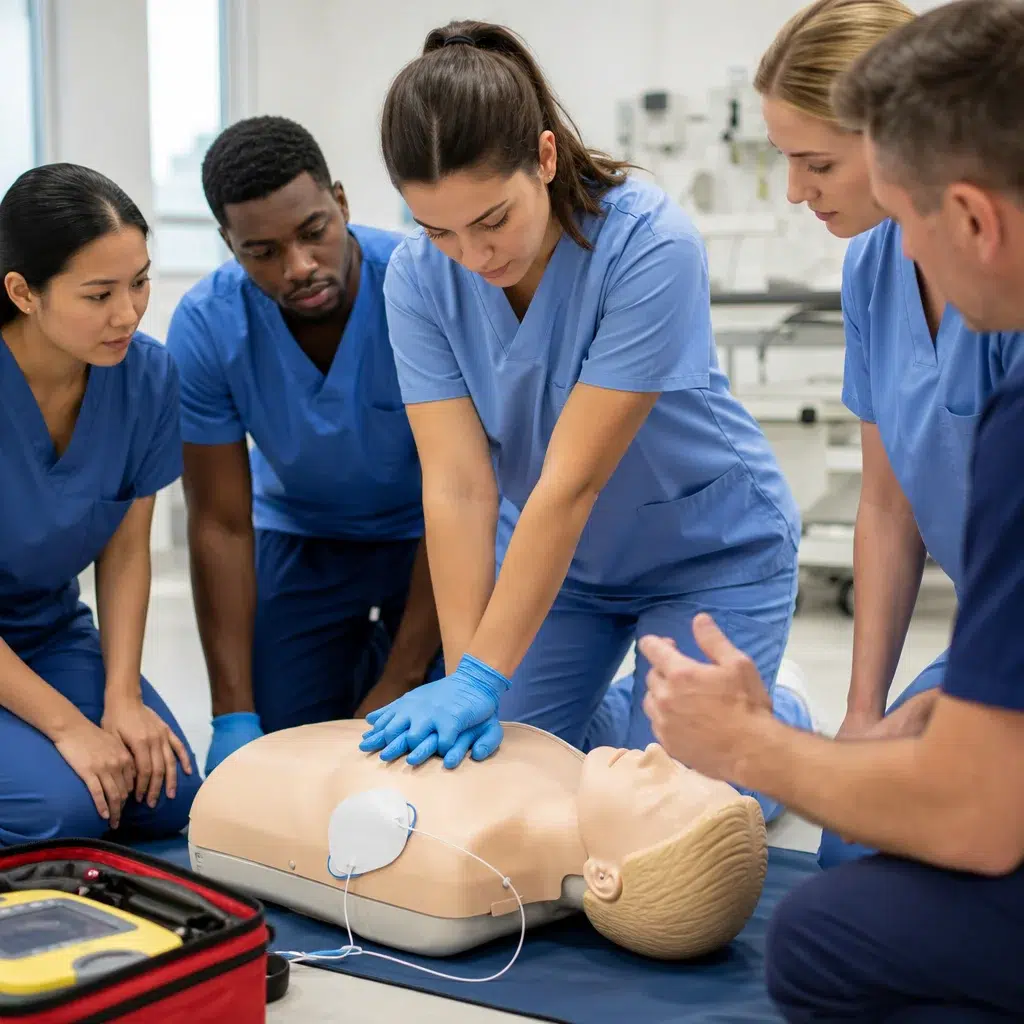
- AED program details: device locations, daily visual checks, monthly battery/pad logs, spare pads (adult/pediatric if applicable), and manufacturer service intervals.
- In-office emergency policies for the most likely events: chest pain/ACS, anaphylaxis (IM epinephrine), hypoglycemia, seizures, asthma exacerbation, opioid toxicity (naloxone), and shock.
- Equipment checklist by room: oxygen with delivery devices, suction, BVM with sizes, airways, IV/IO access kit, emergency meds, and a clearly labeled crash cart or emergency kit.
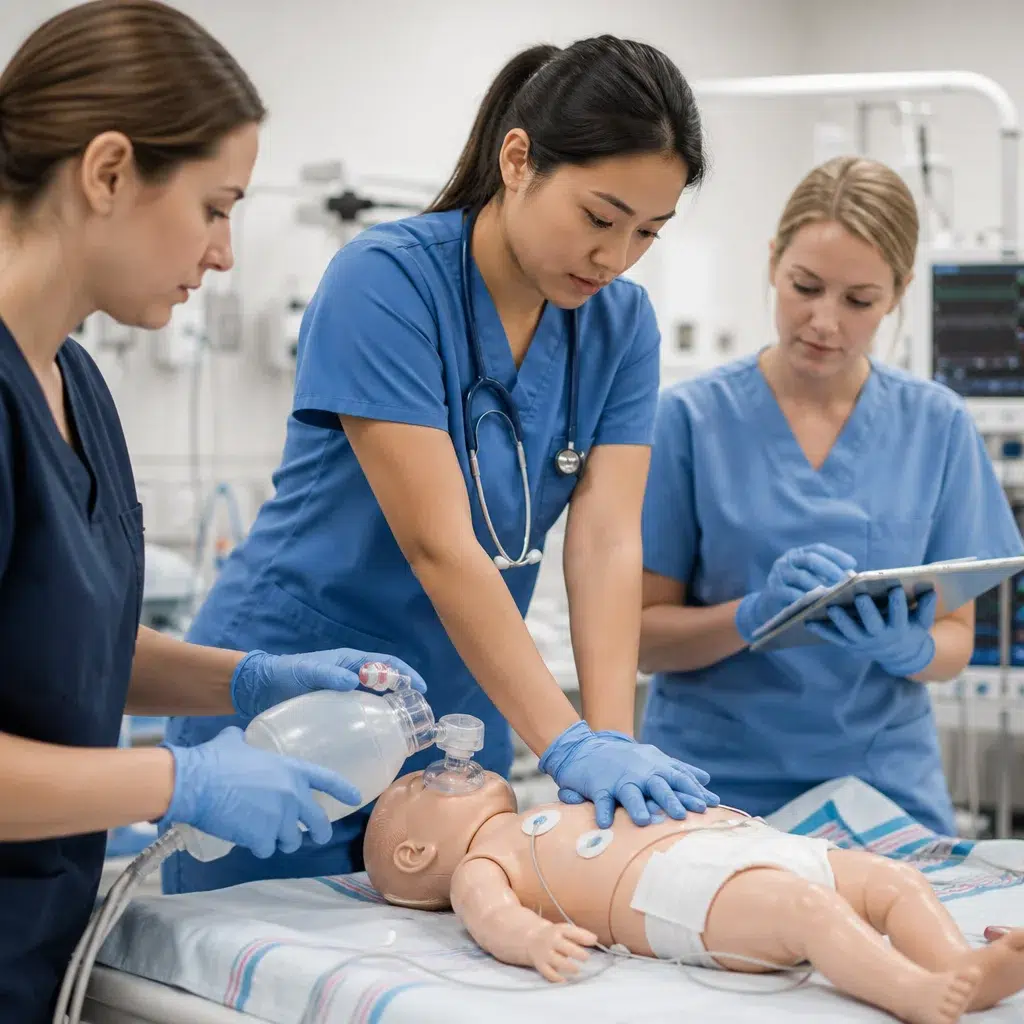
- Pediatric considerations where relevant: weight-based dosing, Broselow or length-based tape, and PALS/NRP algorithms for family medicine, pediatrics, and perinatal settings.
- AHA compliant office signage: AED locator signs, hands-only CPR prompts near the device, and quick-reference algorithm cards at the nurses’ station and procedure rooms.
- Documentation and debrief: real-time incident form, device event download, staff debrief within 72 hours, and a corrective-action tracker.
- Drills and training cadence: mock codes at least every 6 months (quarterly for high-risk services), with scenario rotation and timed performance metrics.
For California-specific nuances, align your plan with local EMS protocols and board rules. Dental office AED requirements are especially important when providing moderate sedation or general anesthesia; maintaining immediate access to an AED, oxygen, suction, and trained personnel is standard under California sedation permit regulations. Primary care and specialty clinics should adapt AHA algorithms to local California medical emergency protocols, including pre-alert pathways and hospital destination preferences.
Safety Training Seminars can help operationalize these emergency medical response templates with AHA-certified BLS, ACLS, PALS, and NRP courses delivered via blended learning and in-person skills at 100+ California locations. For practices updating policies or onboarding new teams, consider coordinating mock-code drills with discounted group certification classes to align skills with your written plan. The result is a ready-to-use, AHA-aligned program that pairs clear checklists, signage, and AED maintenance with verified competencies—at a predictable, low price.
Dental Board of California Compliant Emergency Policy Frameworks
California practices need emergency policies that align with Dental Board regulations and statewide AED laws. If your office administers moderate sedation, deep sedation, or general anesthesia, an AED must be immediately available along with required airway equipment and oxygen delivery systems. For non-sedation practices, an AED is strongly recommended and should be managed under California Health & Safety Code 1797.196, which outlines maintenance, training for anticipated users, EMS activation, and signage requirements.

Build your framework around a few core elements: a written emergency action plan, an AED management plan, staff training and competencies, equipment and medication readiness, and documentation. Your plan should specify who calls 911, who retrieves and applies the AED, who manages airway and medications, and who escorts EMS. Incorporate California medical emergency protocols that reflect current AHA algorithms for adult and pediatric patients commonly seen in dental settings.
California AED program templates for dental offices work best when they include:
- AED program details: device model and serial number, pad and battery expiration tracking, routine readiness checks and logs, post-use data download and handoff to EMS, and clear instructions posted near the device and at reception.
- In-office emergency policies for syncope, vasovagal episodes, anaphylaxis, hypoglycemia, chest pain/possible MI, asthma/bronchospasm, seizure, airway obstruction, and local anesthetic systemic toxicity; include an after-hours escalation plan.
- Equipment and drug checklists: oxygen with regulators, suction, bag-valve-mask with pediatric and adult masks, oral airways, epinephrine (auto-injector and ampule), albuterol inhaler with spacer, nitroglycerin, aspirin, glucose, diphenhydramine, and for sedation offices, capnography and the AED.
- AHA compliant office signage and labeling: AED location signs, emergency number placards, CPR sequence posters, and “call-first” instructions visible to staff and bystanders.
- Records and training: staff BLS cards, sedation-team competencies if applicable, quarterly mock-code drill logs, incident reports, and annual policy review sign-offs.
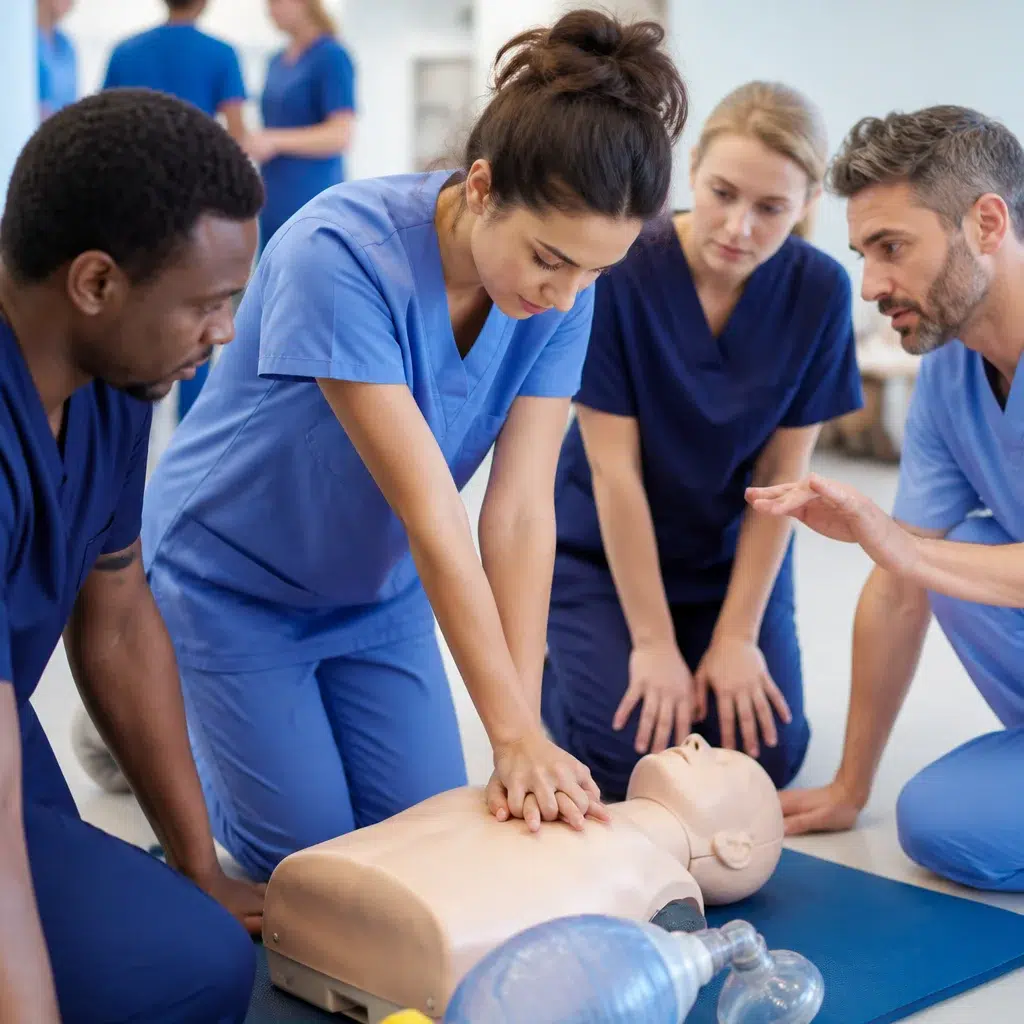
Operationalize the framework by running brief mock drills each quarter and logging times to AED application and first medication. Coordinate with building management to document AED locations and ensure EMS can access your suite. Make policy access easy—place quick-reference cards in each operatory and keep the full manual digitally and in a binder at the front desk.
Safety Training Seminars can help you implement robust, California-specific emergency medical response templates and manage training. With AHA-certified BLS, ACLS, and PALS courses offered via blended learning across 100+ California locations, they streamline compliance for dentists and staff. They also provide group training, AHA-aligned signage, and guidance on AED maintenance schedules, helping you meet Dental office AED requirements efficiently and at a low guaranteed price.
Customizable AED Maintenance and Response Policy Kits
Turnkey California AED program templates make it easy to standardize how your team inspects devices, runs mock codes, and documents every step before and after an event. Built around AHA Guidelines and California medical emergency protocols, these kits give medical and dental offices plug‑and‑play policies you can tailor by site, staff size, and device brand. They help close common gaps—from missing inspection logs to unclear role assignments during a code—so your practice stays survey‑ready and truly prepared.
A robust kit should bundle both maintenance and response tools you can print, post, or use digitally. Look for components like:
- AED monthly inspection checklist and maintenance log (model‑specific pads/battery expirations, self‑test status, accessory inventory)
- Staff competency roster tracking BLS/ACLS/PALS expiration dates
- Emergency medical response templates: code team roles card (compressor, AED operator, medication runner, recorder), adult/child arrest algorithms, and post‑event debrief form
- In-office emergency policies for activation criteria, 9‑1‑1 call scripts, and EMS handoff
- AHA compliant office signage with CPR compression rates, AED steps, and device location markers
- Dental office AED requirements guidance for practices providing sedation (spare adult/pediatric pads, oxygen and suction checks, crash cart cross‑check)
For California compliance, document readiness checks at least monthly and after any incident, maintain the device per manufacturer instructions, and ensure anticipated responders hold current training. Keep an accessory kit with scissors, razor, towel, gloves, and a barrier device next to the AED; replace pads immediately after use and batteries at the recommended interval. Many dental practices that administer minimal, moderate, or deep sedation must maintain an AED and emergency drugs; even nonsedation offices benefit from standardized in-office emergency policies and posted signage. Post clear wayfinding to the AED, and include device make/model, last check date, and responsible staff on the log.
Implementation is straightforward: assign a primary and backup AED coordinator, run brief monthly checks, and schedule team drills at least quarterly to practice role cards and room setup. During drills, time-to-first-shock and compression fraction are your key metrics; capture them on the debrief form and update policies accordingly. Safety Training Seminars provides ready‑to‑use kits aligned with AHA curricula and can customize them for your specific AED (ZOLL, LIFEPAK, HeartSine, Philips) and scope of practice, plus blended BLS/ACLS/PALS training across 100+ California locations or on‑site for groups. Their templates, signage, and training help you meet California expectations while keeping costs predictable with group options and a low‑price guarantee.
Summary Comparison of Top-Rated Emergency Program Templates
When comparing California AED program templates, prioritize options that align with state statutes and local EMS expectations while remaining easy to operationalize in a busy practice. The strongest templates translate legal requirements into checklists and logs your team can actually follow, not just policy language. Look for clear role assignments, drill schedules, and documentation workflows that hold up during audits or after an event.
High-quality AED program templates for California should reference site responsibilities for device placement, maintenance, and post-event actions. Essentials include a monthly readiness checklist, pads/battery expiration tracker, responder training log, and an incident report form that captures time-to-shock, rhythm, and communication with 9-1-1. Top sets also provide sample notices for staff and guidance on registering the AED with local EMS (commonly requested) and updating protocols when devices or locations change.

In-office emergency policies for medical clinics work best when organized by condition with AHA-based actions and medication prompts. Useful examples include anaphylaxis (Epi dosing, repeat interval), chest pain (ASA/oxygen, nitro criteria), hypoglycemia (oral vs IV/IM options), and asthma/bronchospasm (spacer technique, escalation). Dental practices should verify that templates address dental office AED requirements and sedation-related contingencies, such as syncope, laryngospasm, local anesthetic toxicity, and post-extraction hemorrhage, plus an emergency drug inventory with daily/weekly check logs.
Emergency medical response templates gain real-world value when paired with AHA compliant office signage. Look for door and hallway AED wayfinding signs, clear “call 9-1-1” scripts, room-specific response maps, and quick-reference adult and pediatric CPR/AED posters. A concise code role card set (compressor, ventilations, AED operator, timekeeper, runner) speeds activation and reduces confusion during drills and actual events.
Feature comparison highlights for top-rated packages:
- Compliance depth: California legal citations and local EMS guidance, not generic language.
- Operational tools: Fillable PDFs, QR-coded logs, and a 12-month drill calendar.
- Clinical clarity: Algorithm cards aligned to current AHA science for adult/pediatric emergencies.
- Dental specifics: Sedation-readiness checklists, oxygen delivery setups, and emergency kit contents.
- Integration: Training tie-ins, post-event debrief templates, and plan revision reminders.
To turn templates into measurable readiness, align them with team training. Safety Training Seminars can map your chosen policies to AHA BLS, ACLS, and PALS skills, run mock scenarios, and refresh competencies through blended learning across 100+ California locations. For multi-site groups, corporate training options and a low price guarantee help standardize California medical emergency protocols and signage without straining budgets.
Selection Guide: Choosing the Right Documentation for Your Practice
Start by matching California AED program templates to your clinical profile and state obligations. Confirm that any package you choose references California Health and Safety Code 1797.196 for AED maintenance, staff training, and EMS coordination, and aligns with your local EMS advisory policies. Look for templates that include a legal crosswalk or citations so you can show surveyors how your procedures meet California medical emergency protocols.
Dental practices should screen for resources tailored to Dental Board expectations and sedation workflows. If you provide moderate sedation or general anesthesia, prioritize in-office emergency policies that specify AED placement, monthly readiness checks, staff BLS renewals, and drug-kit oversight. Choose emergency medical response templates that cover syncope, anaphylaxis, local anesthetic toxicity, and airway obstruction, plus role cards for dentist, assistant, and front desk during 911 activation. For pediatric offices, confirm inclusion of pediatric dosing guides, PALS-aligned algorithms, and AHA compliant office signage for choking and CPR.
Medical clinics and specialty practices need scalable documentation that fits acuity. Primary care may emphasize recognition of stroke, chest pain, hypoglycemia, and opioid overdose with clear escalation pathways, while urgent care and outpatient surgery centers require more advanced algorithms and equipment checks. Multi-site groups should insist on version-controlled templates with site-specific AED inventories, battery/electrode expiration trackers, and standardized drill records.
Essential components to include in a complete documentation set:
- AED program policy: daily/weekly visual checks, monthly documented inspections, post-use actions, EMS notification steps, and manufacturer-specified maintenance logs.
- In-office emergency policies: activation of internal code, 911 call scripting, roles and backups, and handoff to EMS.
- Emergency medical response templates: adult and pediatric cardiac arrest, anaphylaxis, asthma, seizures, hypoglycemia, opioid overdose (naloxone), and chest pain pathways.
- Training matrix: mapping roles to AHA courses (BLS for all clinical staff; ACLS/PALS where applicable), renewal cadence, and drill frequency.
- Equipment and medication checklists: oxygen, suction, AED pads (adult/pediatric), airway adjuncts, epinephrine, naloxone, and glucose sources.
- Post-incident documentation: debrief forms, improvement plans, and patient follow-up notes.
- AHA compliant office signage: AED location markers, CPR steps, and choking response posters visible in clinical and public areas.
Finally, consider how your team will operationalize the paperwork. Opt for templates that integrate with blended learning and make it easy to schedule drills, capture competencies, and store records. Safety Training Seminars can help your practice align training with your documentation—offering AHA BLS, ACLS, and PALS across 100+ California locations, skills check options for busy teams, and group scheduling—so your policies, training, and signage work together without gaps.
Register for a class today.