If you are wondering how often CPR certification needs to be replaced in today’s rapidly evolving safety landscape, you are not alone. In fact, questions around CPR certification renewal requirements for 2026 have become increasingly common as workplaces, licensing boards, and community organizations place greater emphasis on preparedness and compliance. CPR certification is not something you earn once and forget. It is a living credential that reflects your ability to respond correctly and confidently in a real emergency. As guidelines evolve and skills fade over time, staying current is not only a professional expectation but a personal responsibility. In 2026, replacing your CPR certification on schedule is more important than ever, especially for those whose roles place them on the front lines of public safety, healthcare, education, and childcare.

Why CPR Certification Has an Expiration Date
Many people ask why CPR certification expires at all. The answer is simple. CPR is a hands-on, time-sensitive skill that depends on muscle memory, confidence, and up-to-date knowledge. Without regular practice and review, even well-trained individuals can forget proper compression depth, pacing, or sequencing. Medical research also continues to refine best practices, meaning what was taught several years ago may no longer reflect current standards. Certification expiration ensures that trained individuals revisit these critical skills regularly so they are ready to act when seconds matter.
Standard CPR Certification Timeline
In most cases, CPR certifications are valid for two years. This two-year cycle remains the standard in 2026 and is widely accepted across industries. Whether you are a healthcare professional, fitness instructor, teacher, or concerned community member, renewing every two years helps ensure your skills remain sharp and credible. Waiting beyond your expiration date can create unnecessary complications, including workplace noncompliance, scheduling stress, or the need to retake a full course instead of a streamlined renewal.
What Changes in 2026 Mean for Renewal Timing
While the two-year renewal cycle itself has not changed, expectations around preparedness have increased. Employers are paying closer attention to expiration dates, and many now require proof of current certification at all times rather than allowing grace periods. In 2026, the safest approach is to begin your renewal process at least 30 days before your card expires. This buffer allows you to schedule training conveniently, avoid lapses, and ensure uninterrupted compliance with job or licensing requirements.
Who Needs to Stay Especially Current
Some individuals face higher expectations when it comes to CPR certification renewal. These include healthcare workers, dental professionals, emergency responders, childcare providers, teachers, coaches, and caregivers. For these roles, an expired certification can mean lost shifts, delayed onboarding, or regulatory issues. Even if CPR is not mandated for your job, maintaining current training demonstrates professionalism, preparedness, and a genuine commitment to safety.
How Skill Fade Impacts Real Emergencies
Research consistently shows that CPR skills begin to decline within months of training if they are not practiced. People may hesitate, compress too slowly, or forget critical steps under stress. Renewal courses are designed to correct these issues by reinforcing proper technique and rebuilding confidence. In a real emergency, confidence and speed are just as important as knowledge. Regular renewal keeps your response instinctive rather than uncertain.
Renewal Versus First-Time Certification
Replacing an existing CPR certification is typically faster and more focused than earning one for the first time. Renewal courses assume you already understand the basics and concentrate on refreshing technique, reinforcing muscle memory, and reviewing updated guidance. This streamlined approach makes it easier for busy professionals and families to stay current without sacrificing an entire day.
Common Mistakes People Make with CPR Renewal
Many people unintentionally let their certification lapse due to busy schedules or simple oversight. Others assume they can renew entirely online, only to discover their credential is not accepted. Another frequent mistake is waiting until the expiration date has passed, which can limit course options or require additional steps. Planning ahead is the most reliable way to avoid these issues and keep your certification continuously active.
Why In-Person Skills Practice Still Matters
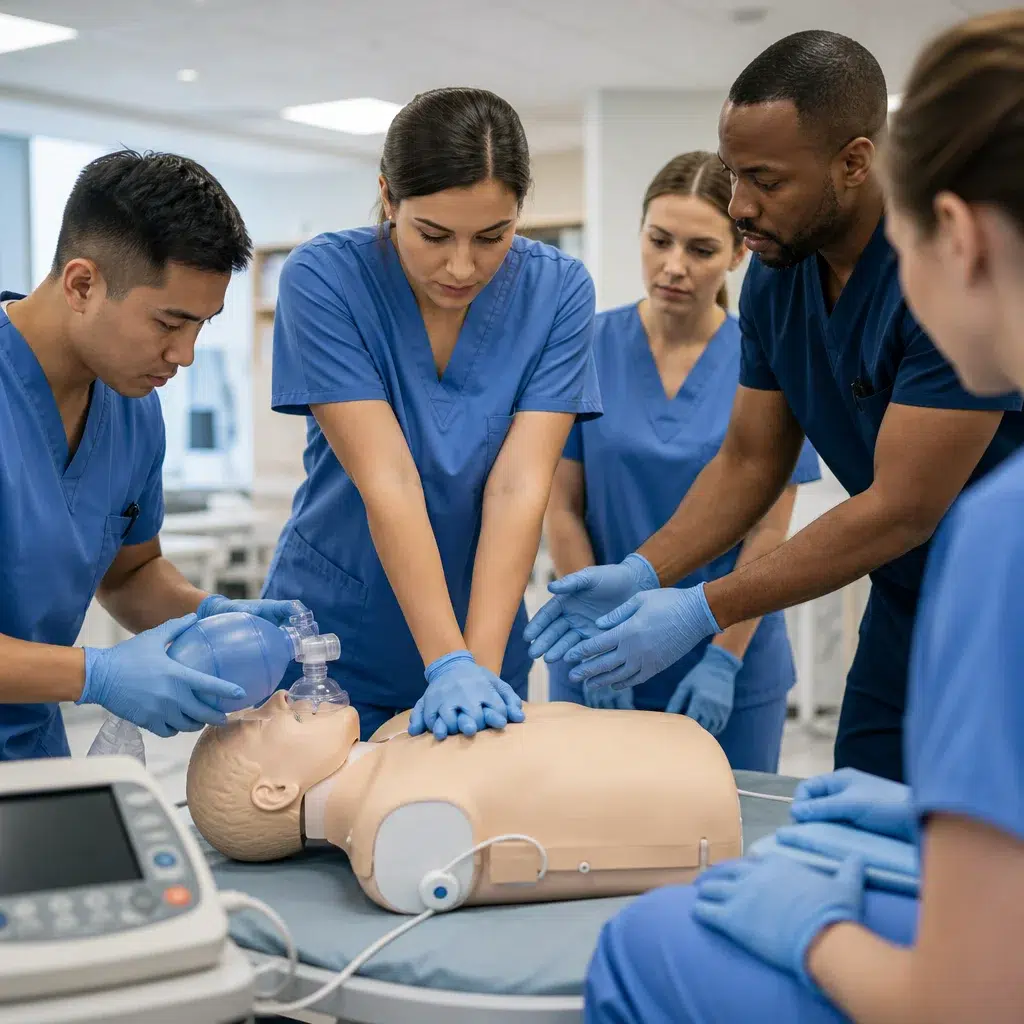
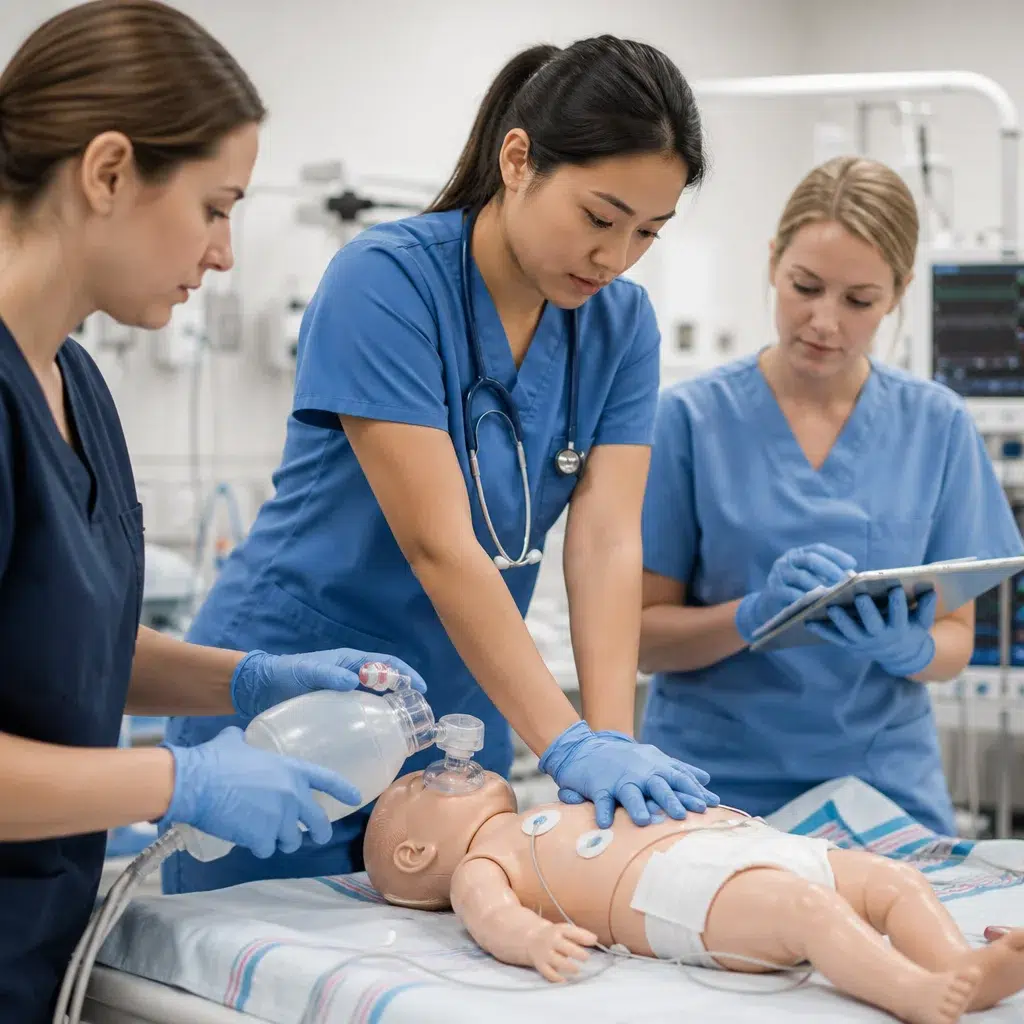
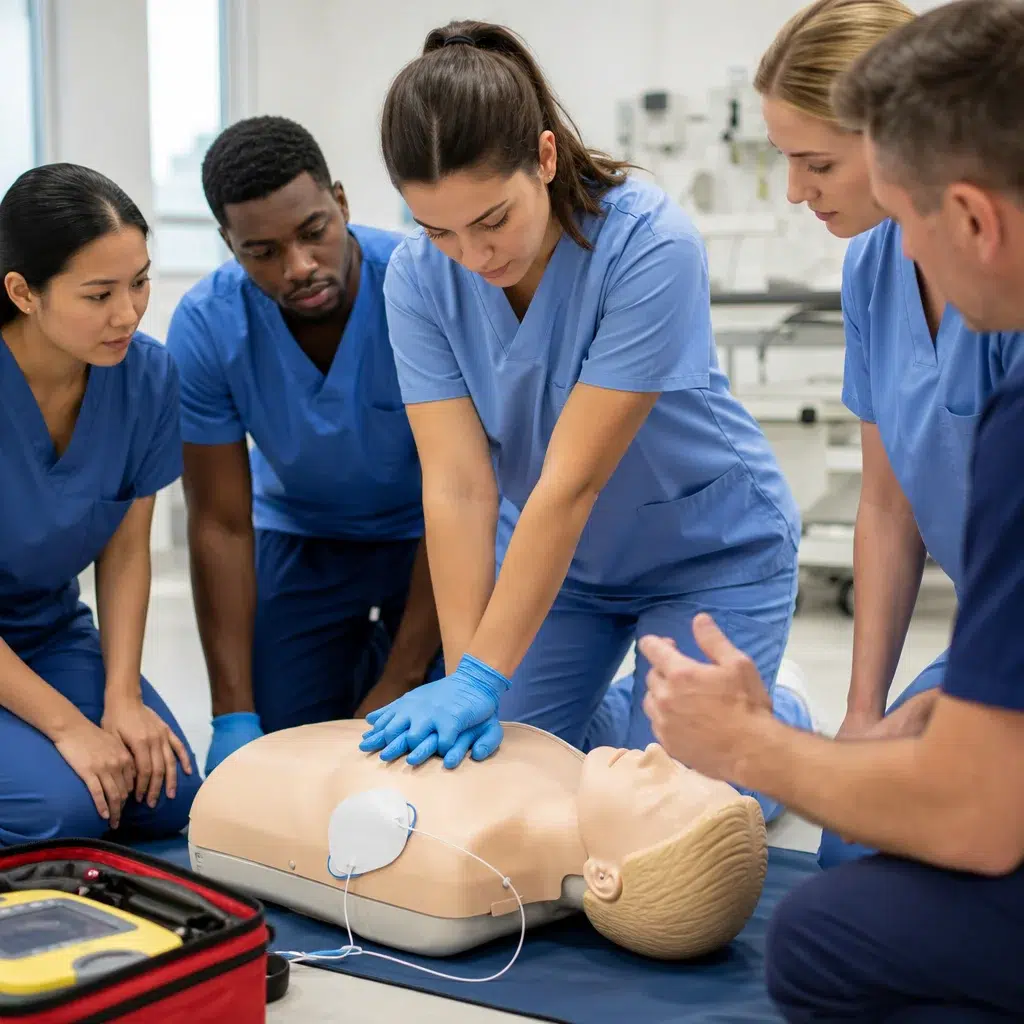
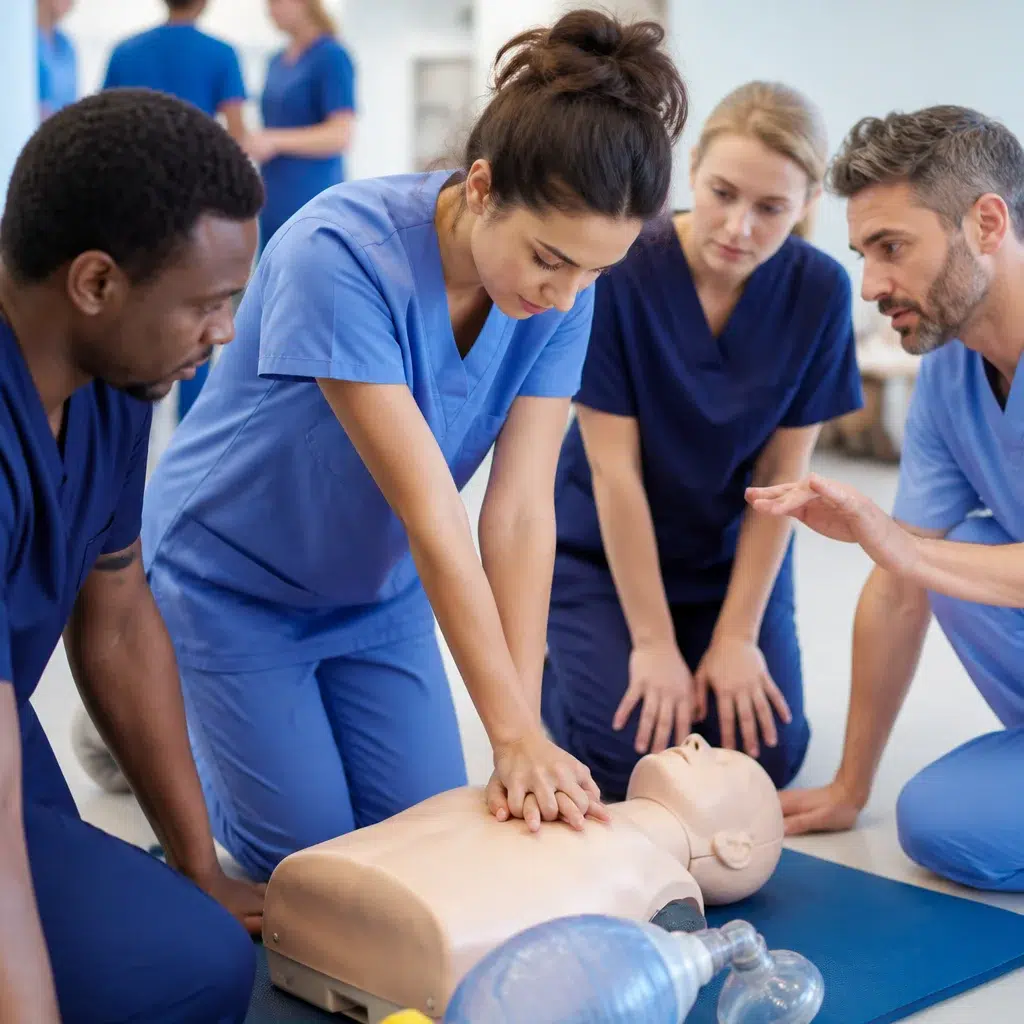
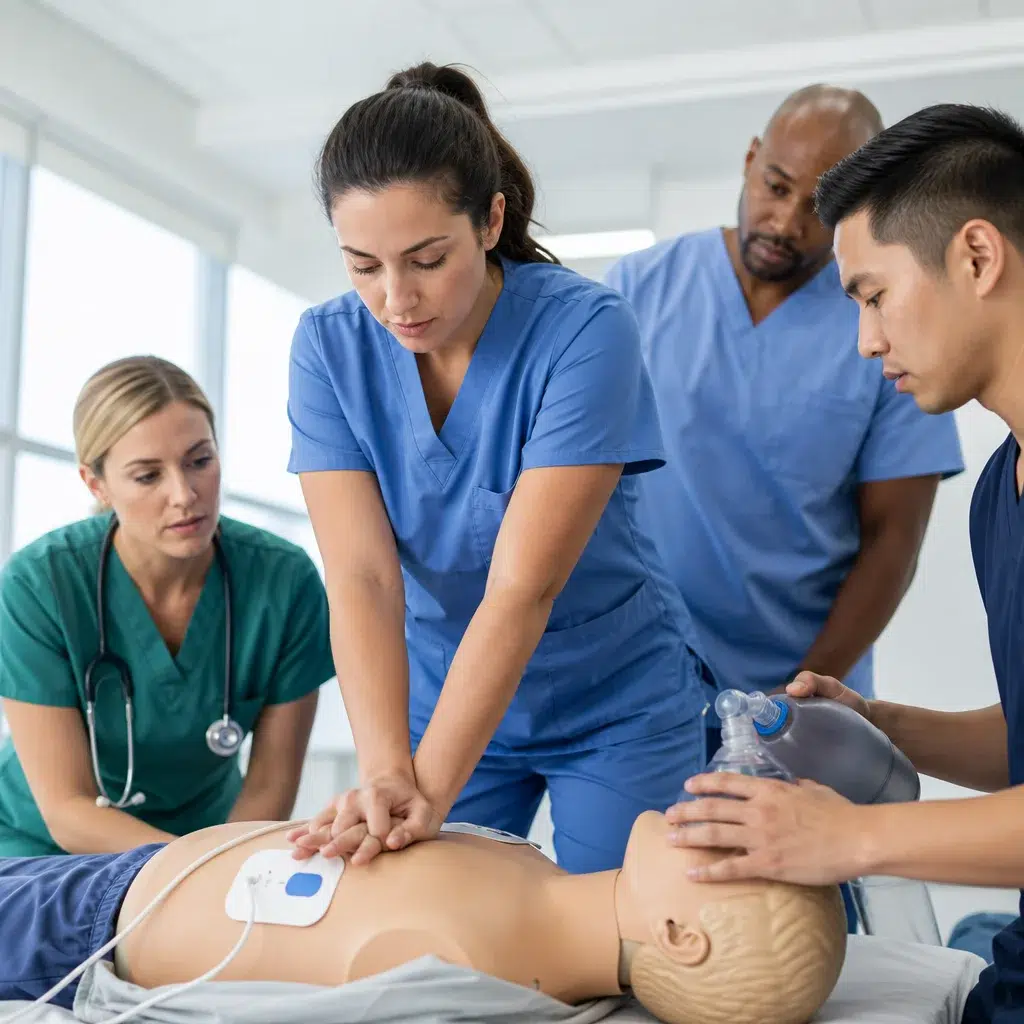
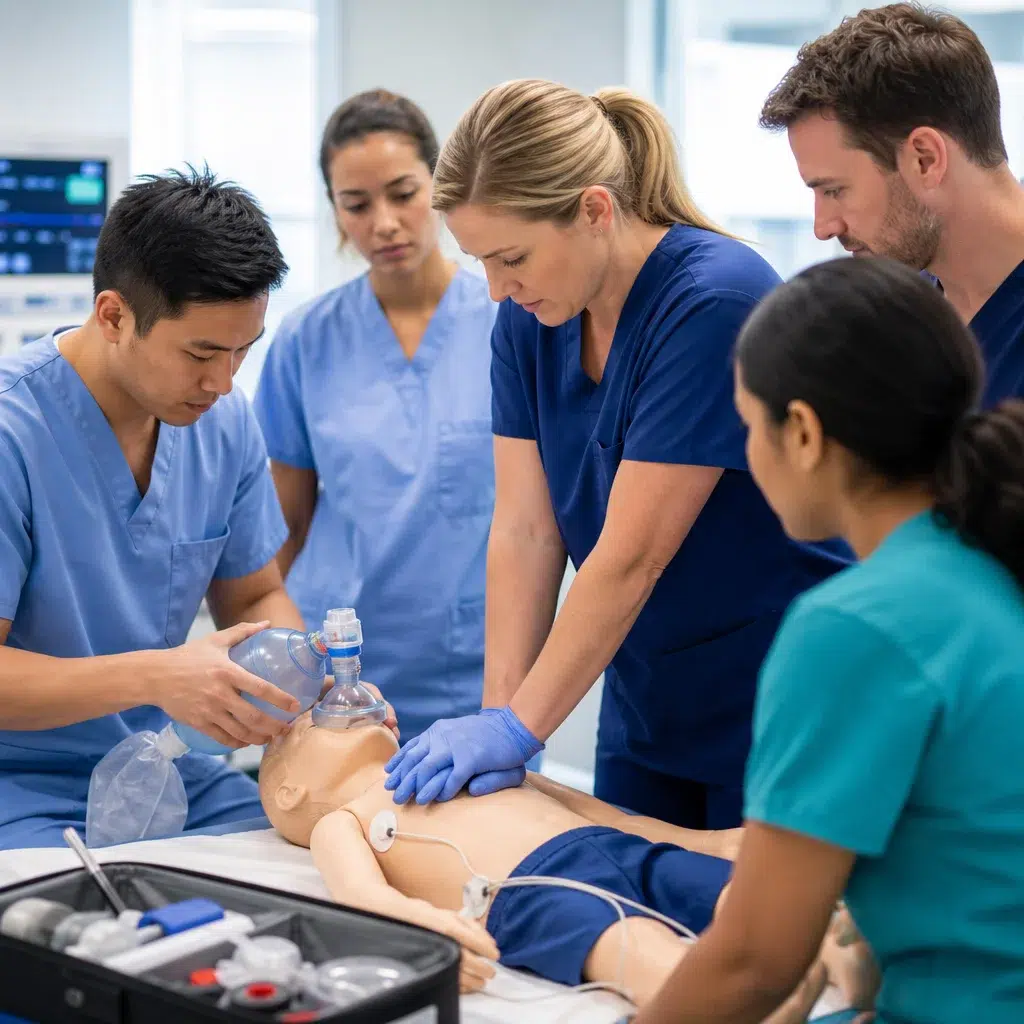
CPR is a physical skill. Chest compressions, rescue breaths, and AED use require proper depth, rhythm, and positioning that cannot be mastered through reading alone. Renewal courses that include hands-on practice allow instructors to correct small errors before they become dangerous habits. This practical component is what transforms theoretical knowledge into lifesaving ability.
Benefits of Staying Ahead of Renewal Deadlines
Renewing early provides more than peace of mind. It offers scheduling flexibility, reduces stress, and ensures uninterrupted compliance with employer or organizational requirements. It also reinforces a safety-first mindset. When you know your certification is current, you are more likely to step in confidently during an emergency rather than second-guessing yourself.
Why CPR Training Is More Relevant Than Ever
In 2026, public awareness around emergency preparedness continues to grow. Cardiac emergencies can happen anywhere, at work, at home, or in public spaces. Communities depend on trained bystanders to bridge the gap until professional help arrives. Every current CPR certification strengthens that safety net. Renewal is not just about paperwork. It is about being ready to act when someone’s life depends on you.
Choosing the Right Training Provider Matters
Not all training providers offer the same level of quality, transparency, or convenience. When replacing your CPR certification, it is important to choose a provider with a strong reputation, accessible locations, fair pricing, and flexible scheduling. A reliable provider makes renewal straightforward rather than stressful and ensures your certification is respected and recognized.
Why Safety Training Seminars Stands Out in 2026
Safety Training Seminars has become a trusted name for CPR and advanced life support training throughout Northern California. As a woman-owned business, we take pride in delivering professional, community-focused education that meets real-world needs. With over 65 convenient locations, finding a nearby class is simple. Our courses are offered every day of the week, including Saturdays and Sundays, making it easy to fit training into even the busiest schedule.
We believe lifesaving education should be accessible, which is why we specialize in budget-friendly training backed by a low price guarantee. There are no hidden fees or unnecessary upsells, just clear, affordable options designed to help you stay compliant and confident. Our course offerings include CPR, BLS, ACLS, and PALS, ensuring that everyone from first-time learners to advanced healthcare professionals can find the right training level.
What to Expect When You Replace Your Certification
When you renew with Safety Training Seminars, you can expect a streamlined, supportive experience. Courses focus on practical skills, real-world scenarios, and confidence-building instruction. Instructors emphasize accuracy, efficiency, and calm decision-making so you leave prepared to respond in high-pressure situations. The goal is not just to renew a card but to refresh the skills that truly save lives.
Making Renewal Part of Your Routine
The easiest way to stay current is to treat CPR renewal as a routine responsibility rather than a last-minute task. Mark your expiration date on your calendar, set reminders, and plan your renewal early. When renewal becomes part of your regular schedule, it stops feeling like an obligation and starts feeling like a smart investment in safety.
The Bigger Picture of CPR Readiness
Replacing your CPR certification on time contributes to a larger culture of preparedness. Every trained individual strengthens their workplace, family, and community. In emergencies, bystanders with current training are often the difference between tragedy and survival. Keeping your certification active ensures you remain part of that lifesaving network.
CPR Certification Renewal in 2026
So, how often should you replace your CPR certification in 2026? For most people, the answer remains every two years, with early renewal strongly recommended. What matters most is not just meeting the minimum requirement but staying confident, capable, and ready to act. CPR certification renewal requirements for 2026 are about more than compliance. They are about responsibility, preparedness, and the ability to make a real difference when it matters most.
Contact Us Today
If your CPR certification is approaching its expiration date or has already lapsed, now is the time to take action. Safety Training Seminars proudly serves Northern California with over 65 convenient locations and flexible scheduling available seven days a week. As a woman-owned business, we are committed to providing high-quality, budget-friendly training backed by our low price guarantee. Whether you need CPR, BLS, ACLS, or PALS, we make it easy to find a class that fits your busy routine. Contact us today to replace your CPR certification and stay ready to save a life.