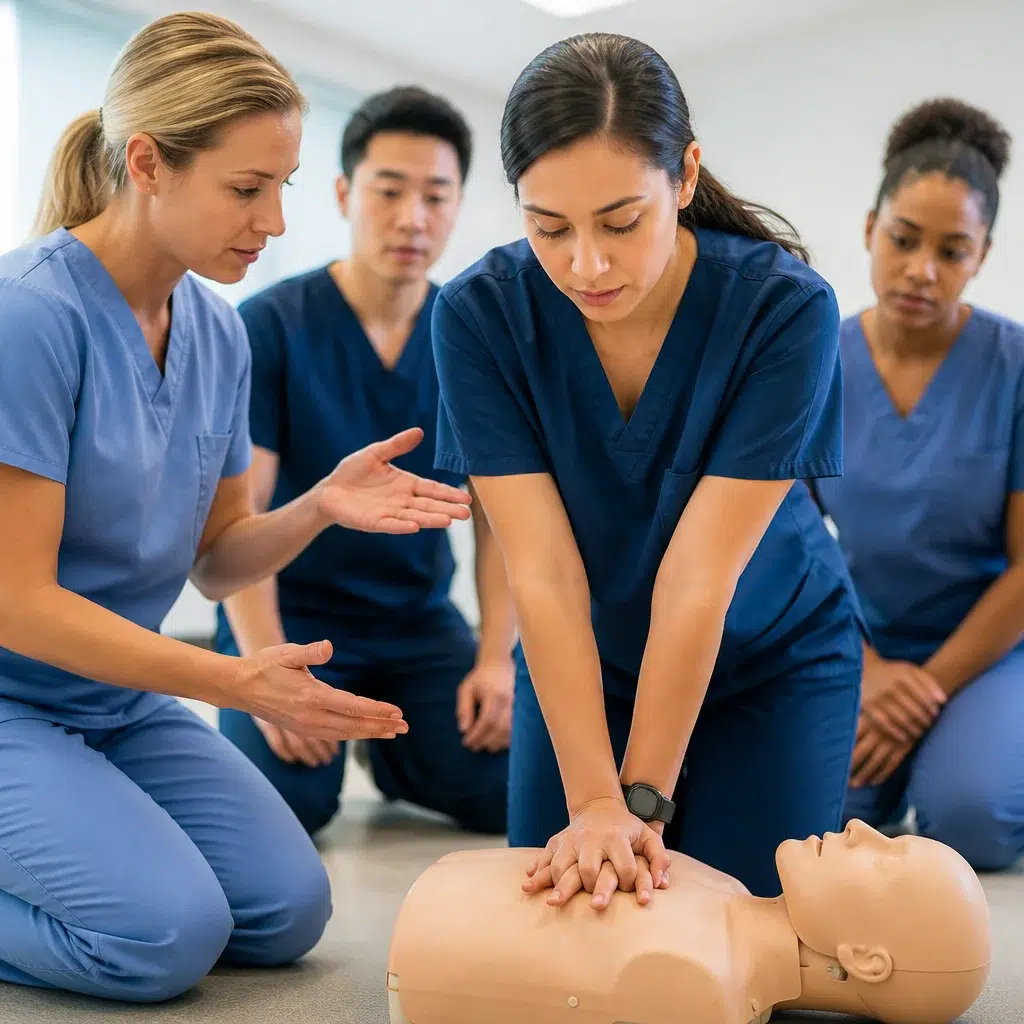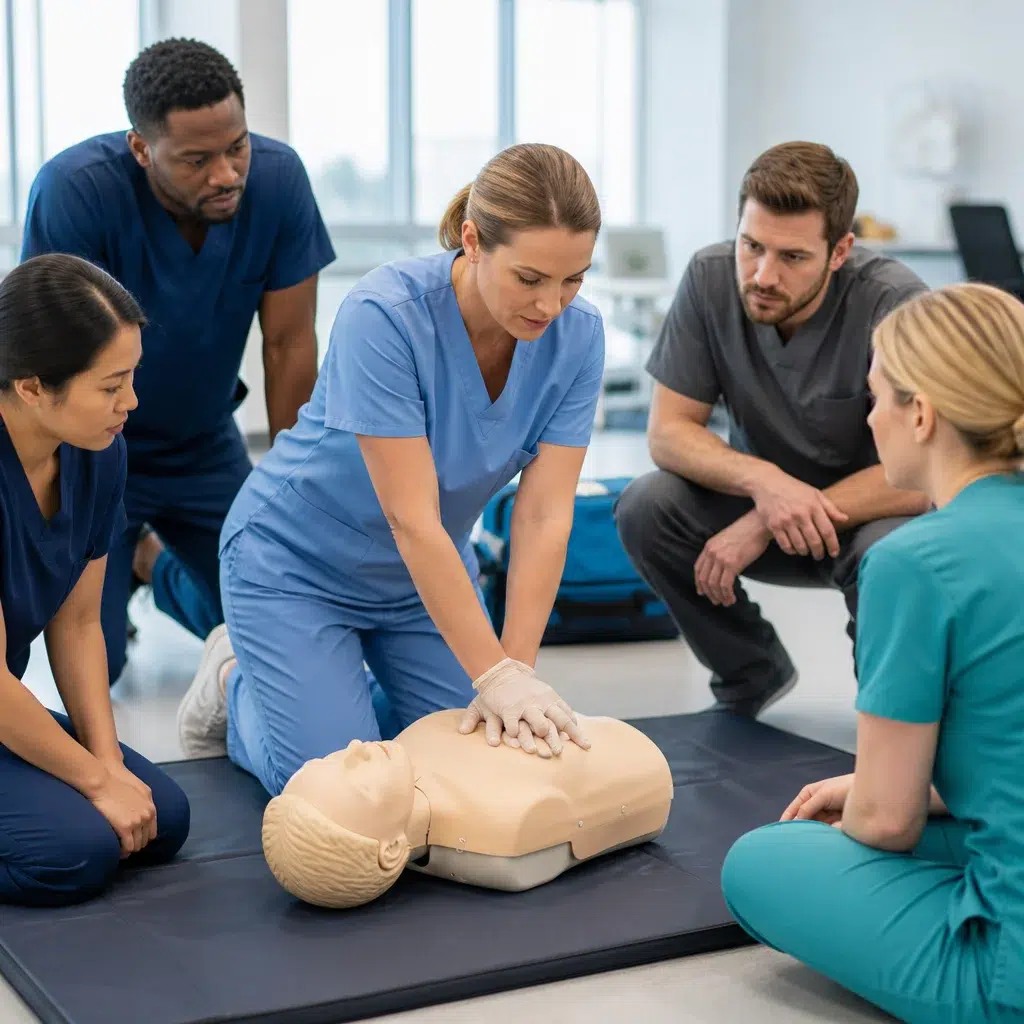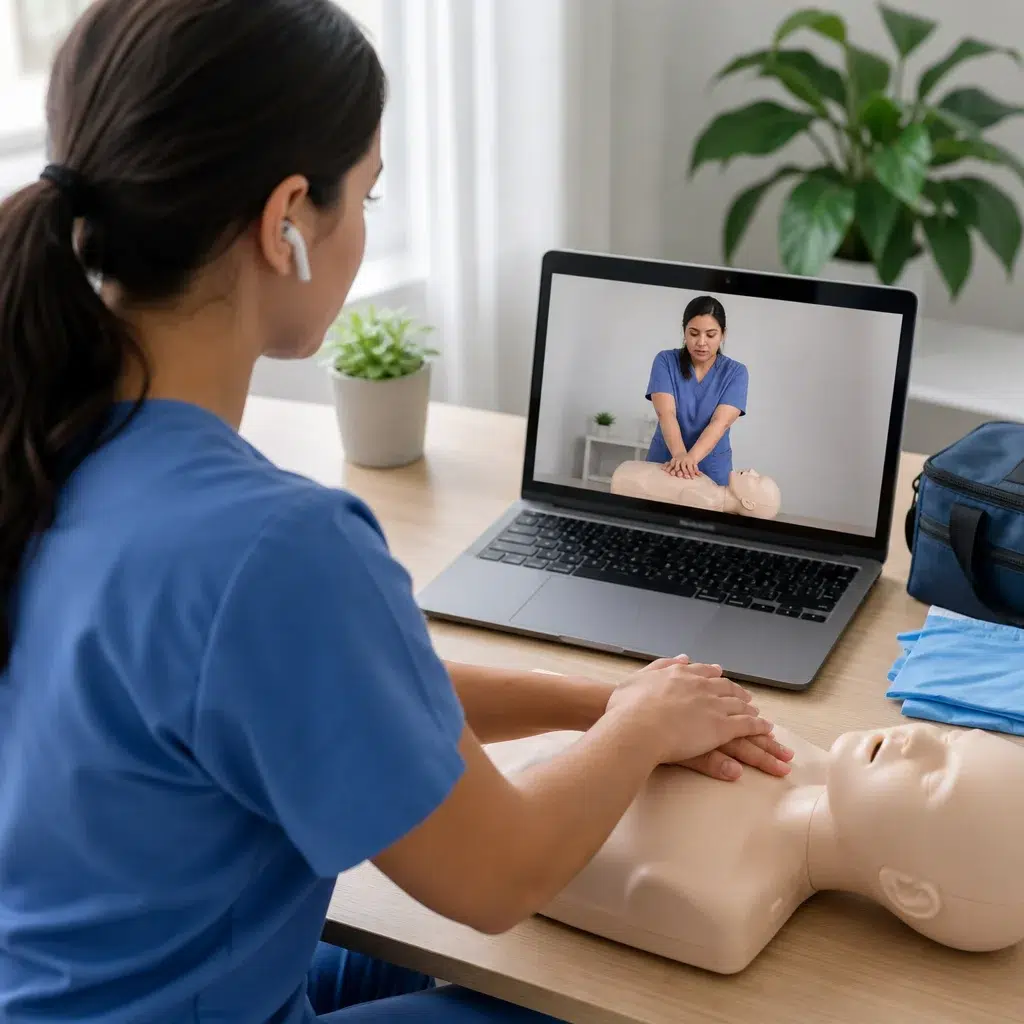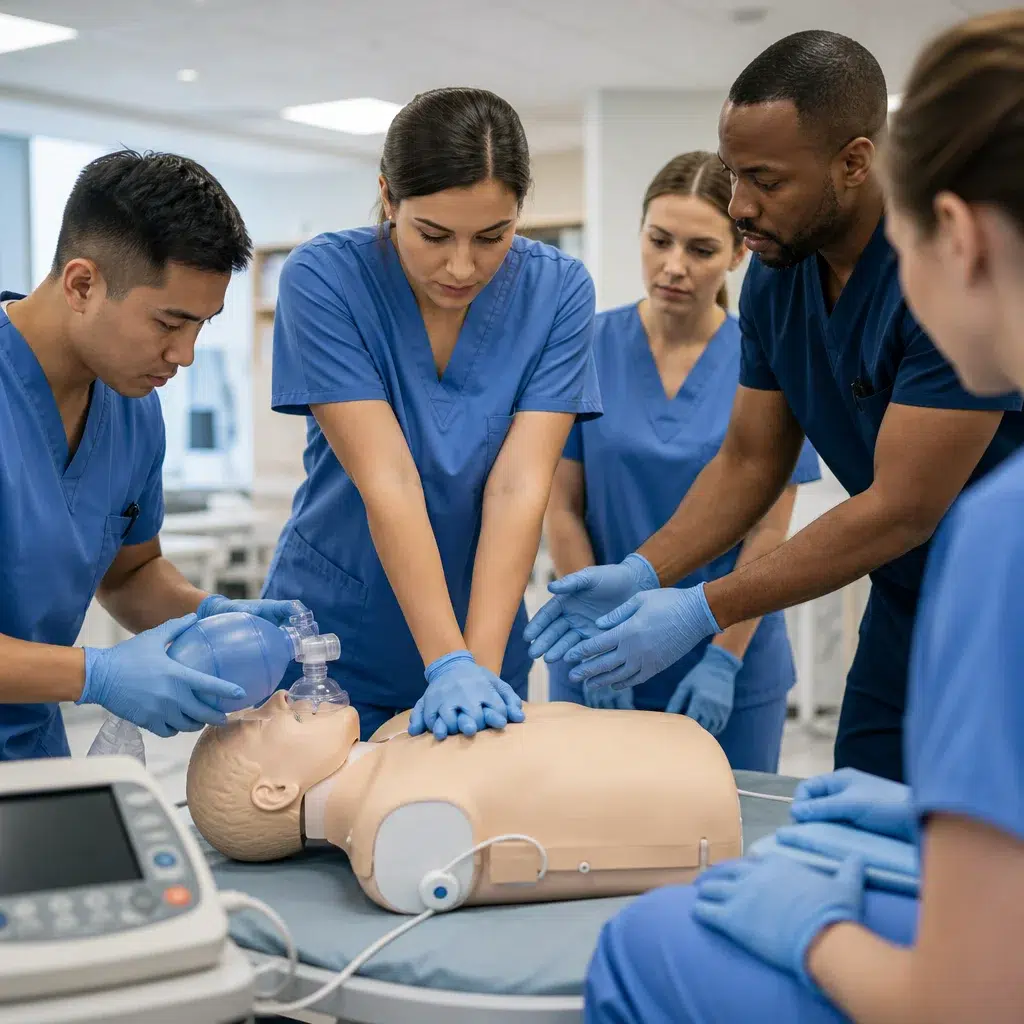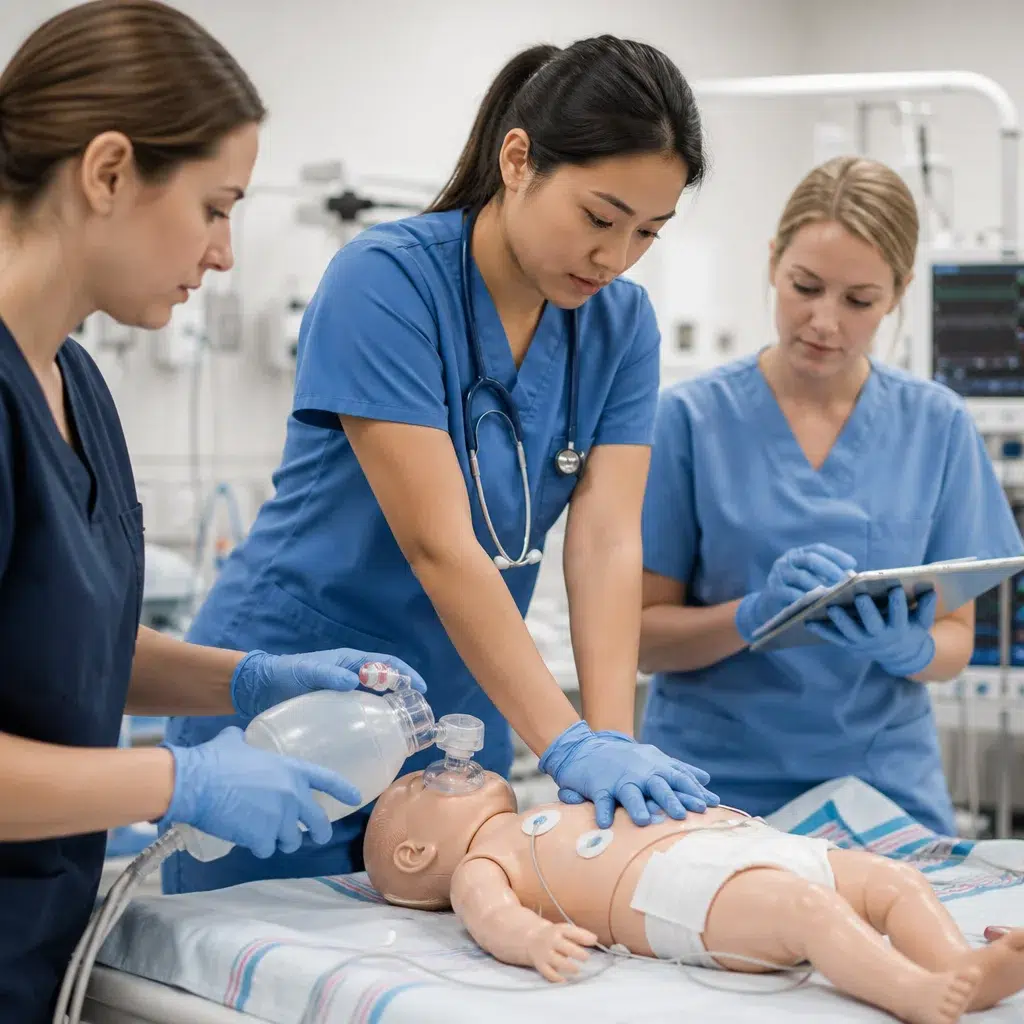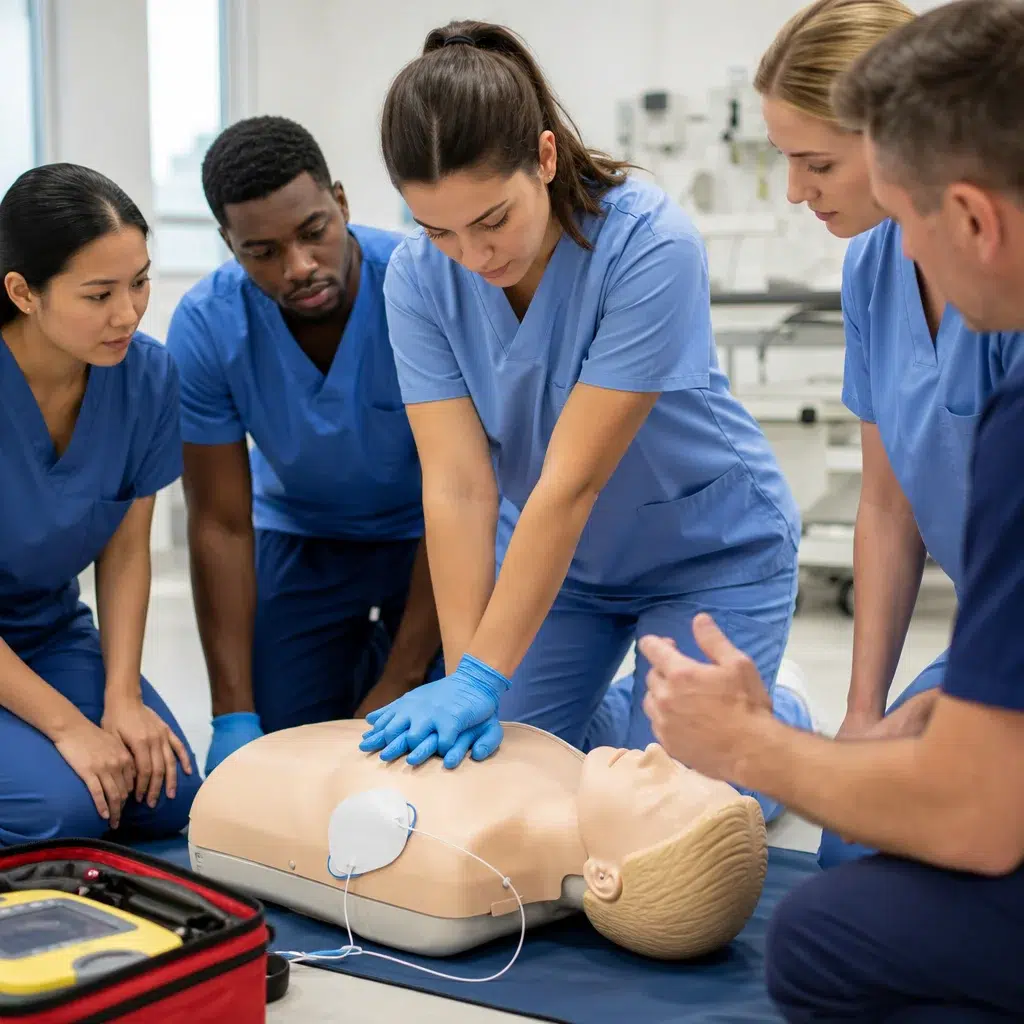
In any workplace, safety is something most people assume is already taken care of. There are fire extinguishers on the walls, first aid kits in break rooms, and emergency exits posted clearly near every door. But one safety measure that many organizations overlook is CPR training for workplaces. While it may seem like something only healthcare workers need, CPR skills are just as valuable in offices, retail stores, construction sites, schools, hospitality environments, and virtually any setting where people gather. When cardiac emergencies strike, every second counts. Having trained employees on-site can turn an ordinary workplace into one that saves lives.

The Reality of Medical Emergencies in the Workplace
Most people imagine cardiac emergencies happening at home or in public places like gyms and airports. However, a large percentage of sudden cardiac arrests occur in workplaces. Employees spend many hours each week at work, and medical incidents do not pause simply because we are on the clock. A person might collapse at their desk, suffer cardiac arrest in a warehouse, or experience a life-threatening emergency in a conference room. Without immediate CPR, the chances of survival decline dramatically within minutes.
CPR is not just about pushing on a person’s chest. It is about keeping blood flowing long enough for emergency responders to arrive. Workplace environments often have faster access to coworkers than to paramedics, which means trained bystanders are often the first and only chance a victim has during those critical early minutes.
Why CPR Training Makes a Business Safer
One of the biggest benefits of workplace CPR training is its ability to reduce response time. Employees who recognize the signs of cardiac arrest and begin CPR immediately can dramatically increase a victim’s chance of survival. Quick action helps ensure that oxygen continues circulating to the brain and vital organs, preventing irreversible damage.
Another important factor is confidence. In emergencies, fear can freeze people. They may stand back, unsure of what to do or afraid of making the wrong move. CPR training removes that hesitation by empowering employees with clear steps and hands-on practice. When people know exactly how to respond, they are more likely to jump into action without delay.
CPR Training Protects More Than Employees
When workplaces think about safety training, they often consider only their staff. But workplaces interact with a wide range of people every day. Customers, clients, vendors, and visitors all walk through doors expecting a safe experience. If a medical emergency were to happen involving someone who is not an employee, having staff trained in CPR could be the difference between life and death.
Retail stores, gyms, restaurants, and hotels especially benefit from having trained employees, but even quiet office spaces see high volumes of deliveries, meetings, and guests. Anytime people come together, emergencies can happen. CPR training ensures that everyone in the building has a better chance of surviving a cardiac event.
CPR Training Improves Workplace Culture
Beyond safety, CPR training strengthens team morale. It shows employees that their workplace values more than productivity. It communicates that leadership cares about their well-being, not just the bottom line. When companies invest in CPR training, employees feel more supported, appreciated, and protected.
Training also increases teamwork. CPR courses often involve group activities and hands-on practice. Working together in a supportive environment helps build trust and confidence among coworkers. These benefits extend far beyond emergencies. Teams that train together become stronger, more connected, and more willing to support each other in everyday situations.
CPR Training Enhances Professional Reputation
Businesses known for prioritizing safety earn trust from employees and customers alike. CPR training signals that an organization approaches safety proactively rather than reactively. Clients often choose to work with companies that demonstrate professionalism, preparedness, and responsibility. A well-trained staff reflects positively on a company’s reputation.
Some industries even gain a competitive edge by having CPR-trained teams. For example, fitness centers, childcare facilities, corporate offices, hospitality providers, and schools benefit from promoting their commitment to safety. CPR-trained employees reassure the public that their welfare is taken seriously.
The Legal and Risk Management Advantage
While providing CPR training is not always legally required, it can help businesses reduce risk. In emergencies, trained responders are more likely to act quickly and correctly, lowering the chance of preventable harm. This is not only beneficial for the victim but also reduces potential liability for the organization.
Many businesses also learn about additional safety protections during CPR training. Concepts such as Good Samaritan laws can reassure employees that stepping in to help is legally protected when done in good faith. This knowledge decreases fear and increases willingness to assist during emergencies.
Why Every Workplace Should Have an AED
CPR training often includes instruction on how to use an automated external defibrillator (AED). These devices are easy to use and can restore a normal heart rhythm within seconds. AEDs are increasingly common in workplaces because they are simple, effective, and designed for both trained and untrained responders.
However, even with an AED nearby, employees who have never seen one may hesitate to use it. CPR training eliminates that hesitation. It teaches employees where the AED is kept, how to turn it on, how to follow its prompts, and how to coordinate CPR with AED use. By combining CPR knowledge with AED confidence, workplaces dramatically increase survival odds during sudden cardiac arrest.
CPR Training Boosts Employee Skills Beyond Emergencies
CPR training includes more than chest compressions and rescue breathing. It teaches people how to remain calm, take control of a chaotic situation, and manage stress under pressure. These skills translate into everyday workplace strengths, such as problem-solving, leadership, and emotional resilience.
Training also increases situational awareness. Employees become more attuned to recognizing signs of medical distress, such as choking, respiratory issues, and loss of consciousness. This heightened awareness helps them prevent small issues from turning into emergencies.
Industries That Benefit the Most from CPR Training
While all workplaces benefit from having trained employees, some industries are at greater risk of experiencing medical emergencies on-site. These include construction companies, manufacturing facilities, gyms, childcare centers, restaurants, transportation companies, corporate offices with large staff numbers, and hospitality environments. However, even low-risk workplaces can experience emergencies. Cardiac arrest does not discriminate based on industry.
CPR Training Is Affordable and Easy to Implement
Many business owners assume CPR training is expensive or difficult to arrange. In reality, modern training providers offer convenient scheduling, competitive pricing, and flexible formats to accommodate busy workplaces. Whether the goal is to train a few employees or an entire team, CPR certification is one of the most cost-effective safety investments a company can make.
Training sessions are practical, hands-on, and designed for everyday people. Participants leave with skills they can use not just at work, but at home and in the community. The return on investment is immense when you consider that a single CPR-trained employee could save a life.
Peace of Mind Is Priceless
Imagine a scenario where someone collapses during a meeting. If no one in the room is trained, panic and uncertainty take over. But if even one person knows CPR, the response becomes controlled, purposeful, and potentially life-saving. That peace of mind is invaluable. It means employees no longer need to fear emergencies in the workplace. Instead, they feel prepared and supported.
A Safer Workplace Strengthens the Entire Community
When employees receive CPR training at work, they carry those skills everywhere they go. They can use them at home, in public places, during travel, or at community events. Every person trained adds another layer of protection to society. Workplaces that invest in CPR training contribute to building stronger, safer communities.
Make Safety a Priority with Safety Training Seminars
If you are ready to make your workplace safer and more prepared for emergencies, now is the perfect time to offer CPR training to your team. Safety Training Seminars provides high-quality CPR, BLS, ACLS, and PALS courses designed for professionals and everyday responders alike. As a woman-owned business proudly serving Northern California, we offer over 65 convenient locations, budget-friendly pricing, and a low price guarantee. Classes are available every day of the week, including Saturdays and Sundays, making it easy to find training that fits your schedule. With flexible options and expert instruction, your team can gain the confidence and skills they need to respond effectively during emergencies.
Contact us today to schedule CPR training for your workplace and take the first step toward creating a safer, more prepared, and more empowered environment for everyone.