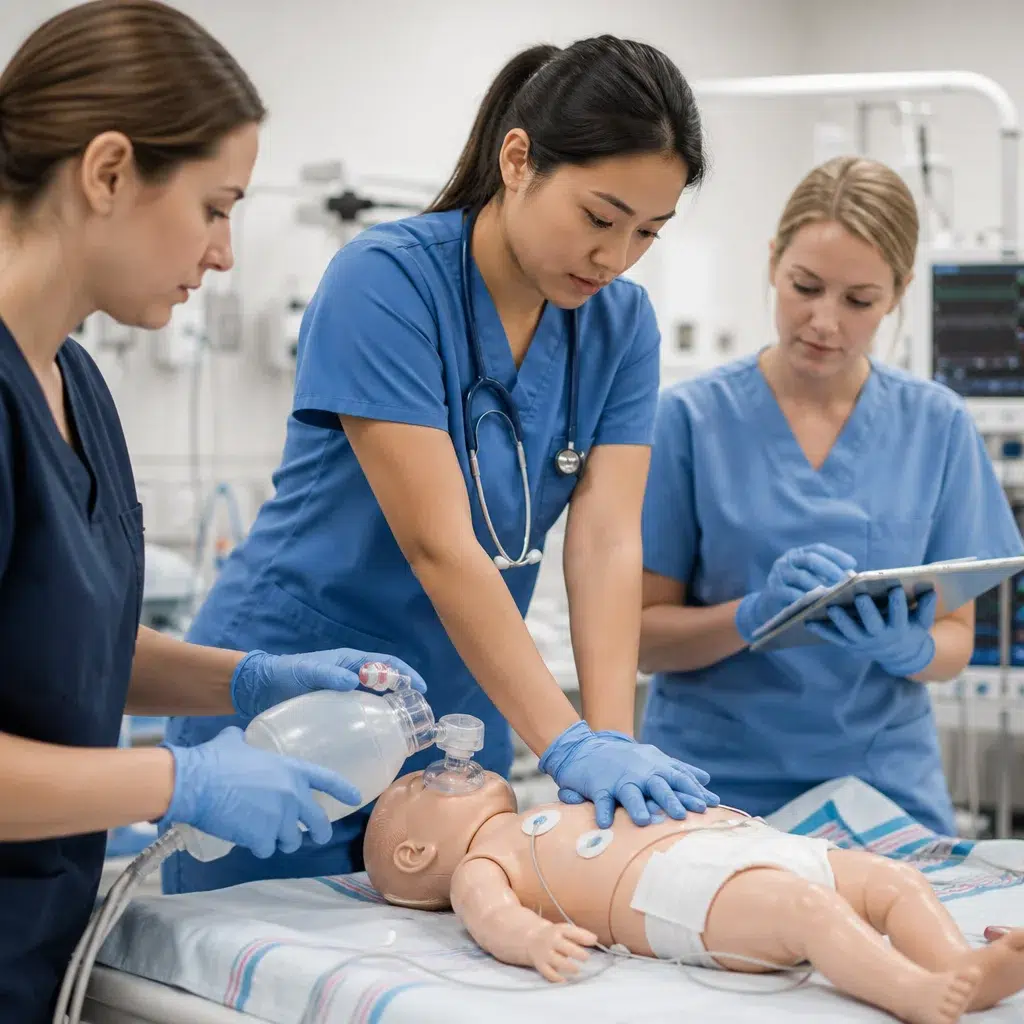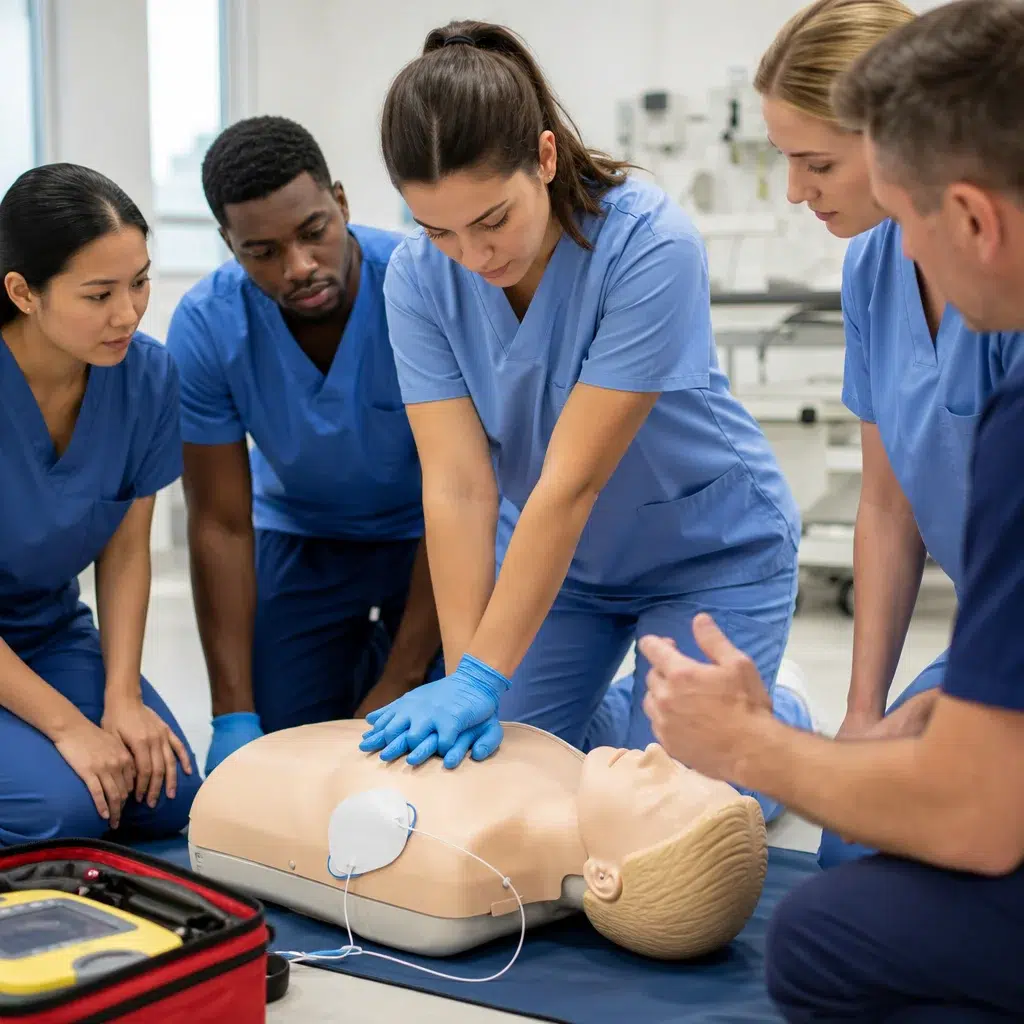
Coaches play a unique and influential role in the lives of their athletes. Whether they work with young children, teens, or competitive adult teams, coaches are responsible for far more than strategy, strength, and skill. They are leaders, mentors, and guardians of safety. This is why CPR certification for coaches is not just a professional advantage but a moral responsibility. When emergencies strike and every second matters, a coach who is trained and prepared can be the difference between life and tragedy.

The Realities of Athletic Environments
Sports environments are fast-paced, demanding, and unpredictable. Athletes push themselves to their physical limits, raising the likelihood of injuries and medical emergencies. While most practices and games end without incident, the truth is that serious situations can arise without warning. Sudden cardiac arrest, dehydration, heat stroke, airway obstruction, and traumatic injuries can occur even among young, healthy athletes. Sudden cardiac arrest, in particular, is a leading concern in sports. It often occurs with no prior symptoms and can affect athletes of any age. Without immediate intervention, survival rates drop dramatically with every passing minute. This is where CPR training becomes invaluable. A coach who recognizes the signs and responds immediately can keep oxygen flowing to the brain and buy crucial time until emergency responders arrive. Coaches are often the closest adults to the athlete at the moment of collapse, making their response essential.
Protecting Athletes of All Ages
Many people mistakenly assume that CPR is primarily needed for older adults, but emergencies can occur at any age. Youth sports are filled with energetic, still-developing athletes who may be more vulnerable to certain risks. Young athletes with undiagnosed heart conditions, for example, may experience cardiac arrest during intense exercise. Even a simple fall or collision can cause a respiratory emergency. In high school and college athletics, where training intensity increases and competition becomes more serious, the likelihood of cardiac events and other medical emergencies rises as well. CPR certification empowers coaches to confidently respond, support breathing, and maintain circulation while help is en route. It ensures that athletes are not left waiting during the most critical moments of their lives.
Being Prepared When Seconds Count
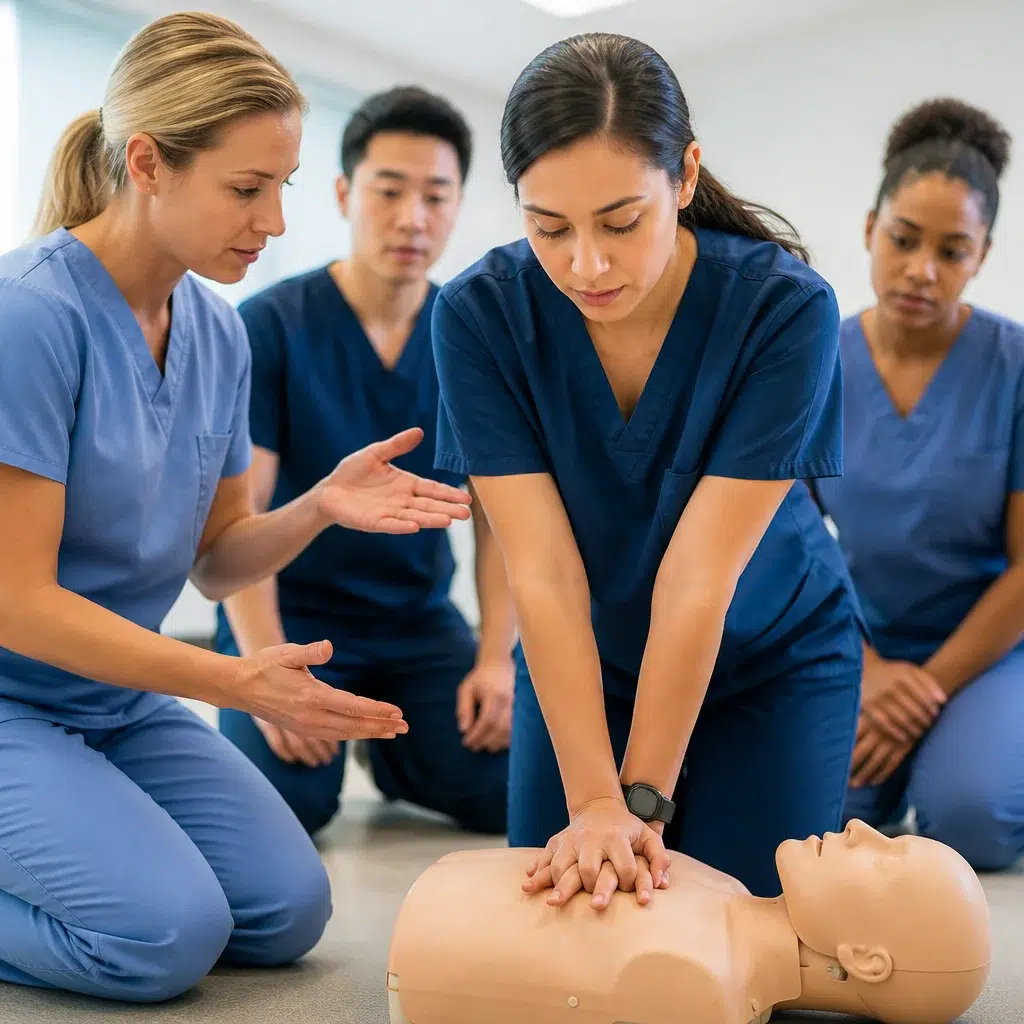
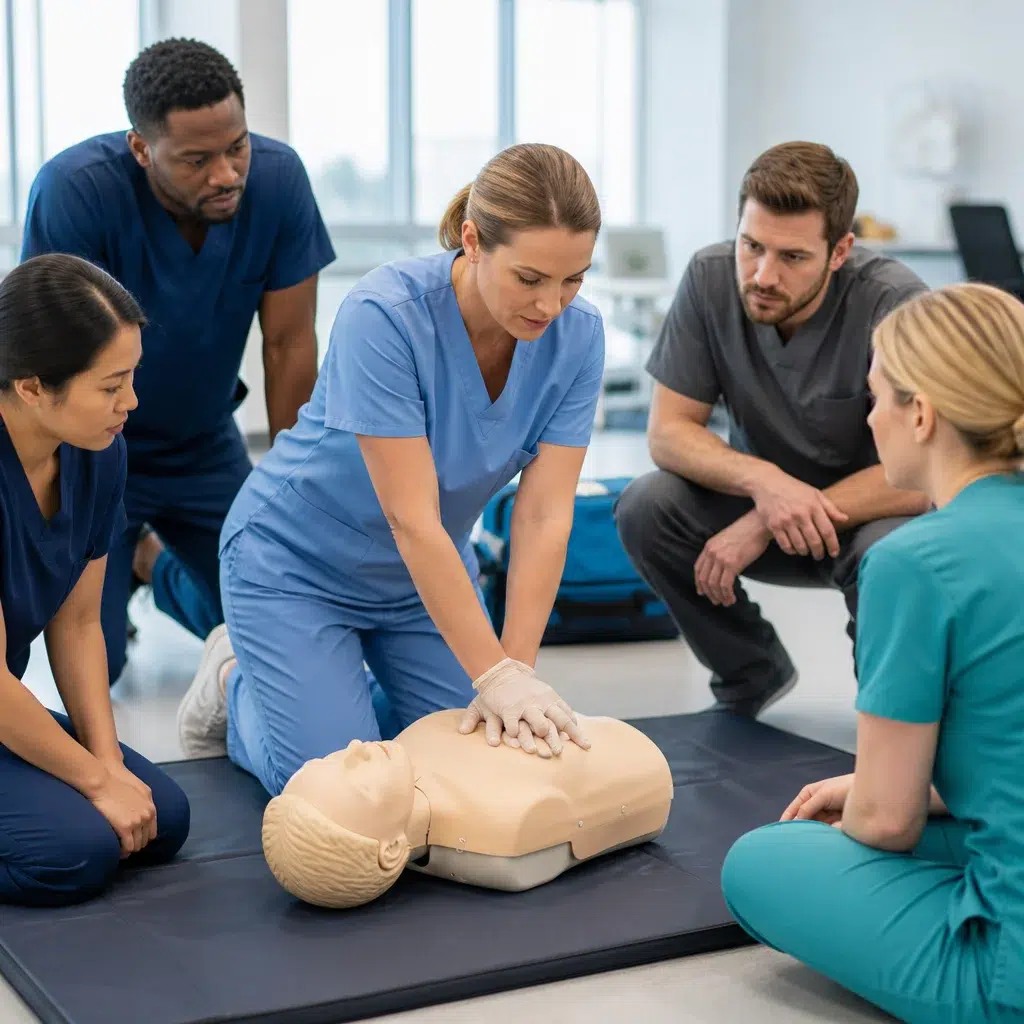
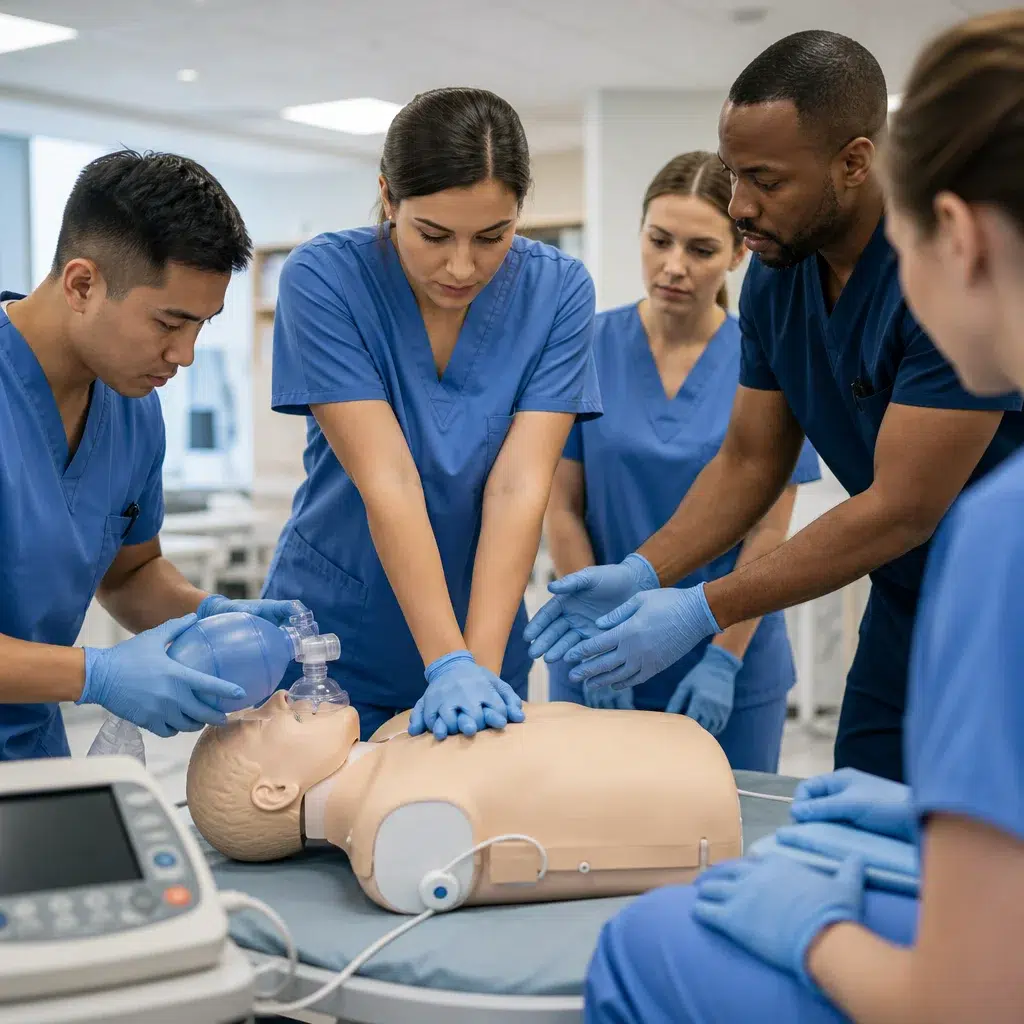
In emergencies, hesitation can be deadly. CPR training gives coaches the confidence to take action immediately. The course teaches how to assess the scene, check responsiveness, deliver effective chest compressions, provide rescue breaths when appropriate, and use an automated external defibrillator (AED). Many sports facilities now have AEDs on site, but their presence means little if no one knows how to use them. CPR and AED training work together to significantly improve survival rates in cases of cardiac arrest. With prompt use of an AED combined with proper CPR, the chances of survival can increase dramatically. Coaches who are trained know exactly how to operate these devices and can act without losing time. That level of preparedness can save a life long before emergency medical services arrive.
Legal and Ethical Responsibilities of Coaches
Coaches hold a position of trust that extends beyond athletic performance. Parents, guardians, and athletes rely on them to act responsibly and keep their teams safe. In many states and athletic organizations, CPR certification is mandatory for coaches. Requirements aside, being trained places coaches in a stronger legal and ethical position. If an incident occurs and the coach is unprepared or unable to assist, it can expose both the coach and the organization to legal liability. On the other hand, demonstrating that you have obtained appropriate training shows responsibility, professionalism, and commitment to athlete welfare. Even in situations where certification is not legally required, it is still considered a best practice and a sign of leadership.
Building Trust with Parents and Athletes
For youth sports in particular, trust is everything. Parents want to know that the individual supervising their children is capable of keeping them safe. CPR certification reassures families that the coach is prepared, trained, and serious about their responsibility. This can also benefit coaches professionally by enhancing their credibility. Whether you are coaching in a school, private league, or recreational program, having CPR training on your resume sets you apart. It signals reliability, preparedness, and a higher standard of care. For coaches who run camps, clinics, or private lessons, certification can even be a competitive advantage.
Responding to More Than Just Cardiac Arrest
CPR training does not only cover cardiac arrest. Coaches can also learn how to respond to breathing emergencies, choking incidents, and scenarios that require basic first aid. Sports-related activities can lead to a wide range of injuries, including impact trauma, asthma attacks, heat-related illness, and airway obstructions. A coach who has training can take quick, appropriate action during these events. For example, choking emergencies can occur if an athlete eats too fast, consumes snacks during breaks, or inhales an object during physical contact. CPR and first aid training cover how to assist conscious and unconscious choking victims and how to respond if breathing stops altogether. Heat exhaustion and heat stroke are also common in sports. Recognizing early signs and intervening quickly can prevent these conditions from becoming life-threatening. With training, coaches learn to identify symptoms and take immediate action to cool the athlete and stabilize their condition while waiting for medical support.
Creating a Culture of Safety in Sports Programs
Coaches who obtain CPR certification set a strong example for others in their organization. When one coach prioritizes safety, it often encourages others to follow. This can lead to a safer, more prepared environment across the entire team or league. Many schools and athletic programs today emphasize proper emergency planning. Having multiple staff members trained in CPR increases the likelihood that someone will respond effectively during critical moments. This builds a supportive and proactive culture that values athlete health as much as athletic success.
Confidence in High Stress Situations
Emergencies can create panic, confusion, and emotional stress. Individuals without training may freeze or make mistakes. CPR certification equips coaches with not only skills but also mental readiness. With practice and hands-on instruction, they learn to remain calm, think clearly, and act decisively. This ability to maintain composure is especially important when young athletes are involved. Children and teens often look to their coach for reassurance. A coach who responds calmly helps reduce fear and anxiety for both athletes and bystanders.
CPR Certification as a Professional Investment
For coaches who view their role as part of a long-term career, CPR training is an essential professional development step. Many employers require certification, and even when it is not mandatory, it strengthens your qualifications. CPR certification demonstrates commitment to excellence and shows that you take your responsibility seriously. For coaches seeking promotions, applying for new roles, or pursuing advanced athletic training positions, being certified can enhance your competitiveness. It shows initiative and reinforces your reputation for professionalism.
Affordable and Accessible Training Options
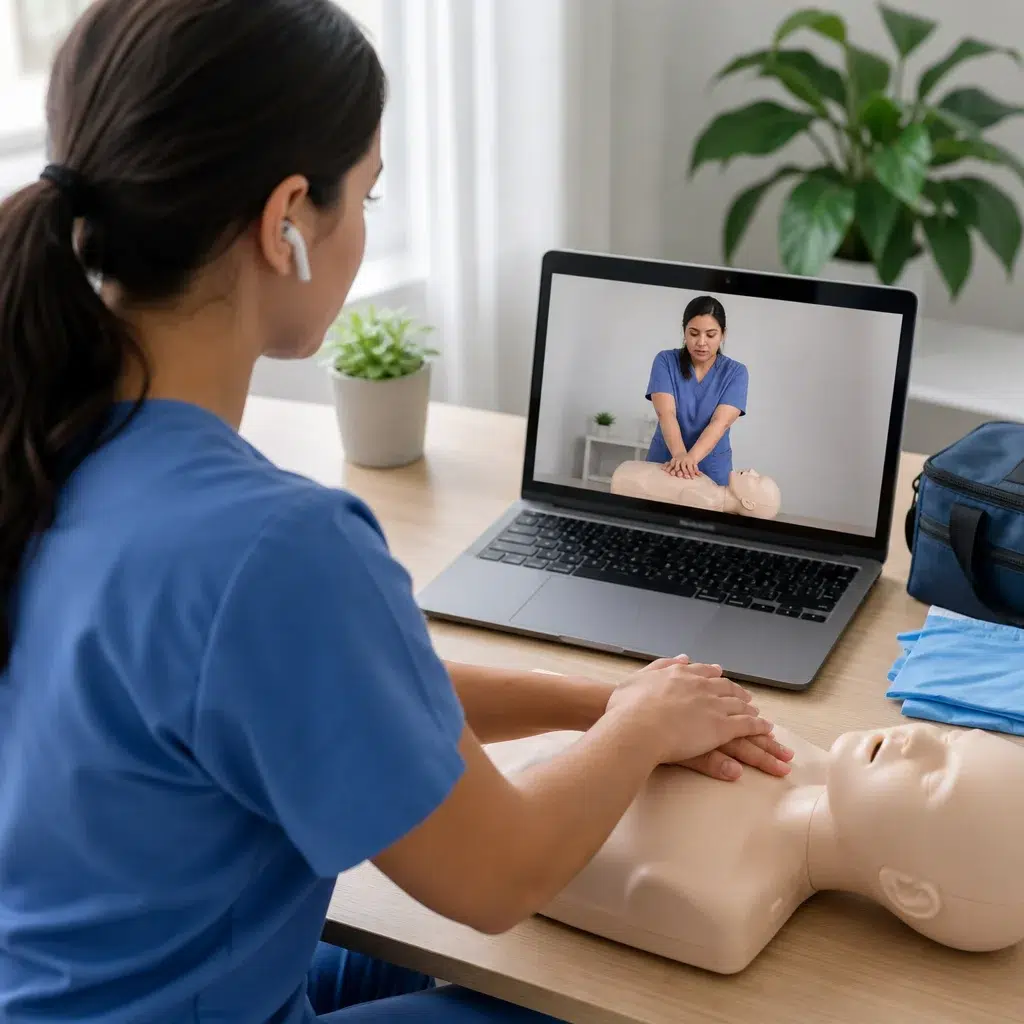
The good news is that CPR training is easier and more affordable today than ever before. Classes are widely available, occur frequently, and can be completed in a single day. Many providers offer flexible scheduling options that accommodate busy coaching calendars. For coaches who work evenings or weekends, finding a class that fits your routine is now much more convenient.
Contact Us Today
CPR certification is far more than a requirement or a checkbox. For coaches, it is a commitment to protecting the athletes they train, support, and mentor every day. Emergencies can happen without warning, and having the skills to respond can change the course of someone’s life. Whether you coach youth teams, school programs, or competitive leagues, your ability to take quick, confident action matters. Safety Training Seminars makes certification easy and accessible. As a woman-owned business proudly serving Northern California, they offer more than 65 convenient locations along with budget-friendly CPR, BLS, ACLS, and PALS courses. With flexible scheduling every day of the week, including Saturdays and Sundays, you can find a class that fits seamlessly into your coaching schedule. Contact us today to register and take the next step in protecting your athletes and strengthening your professional skills.