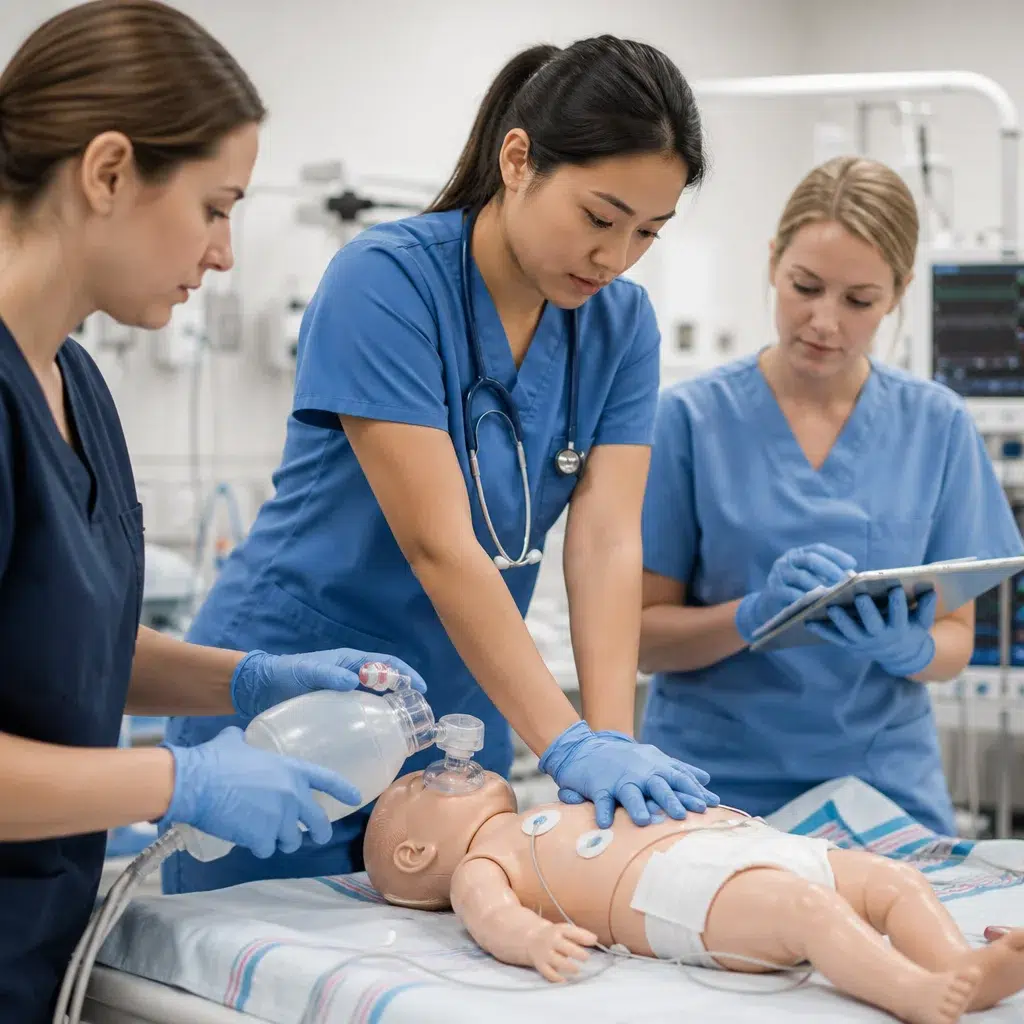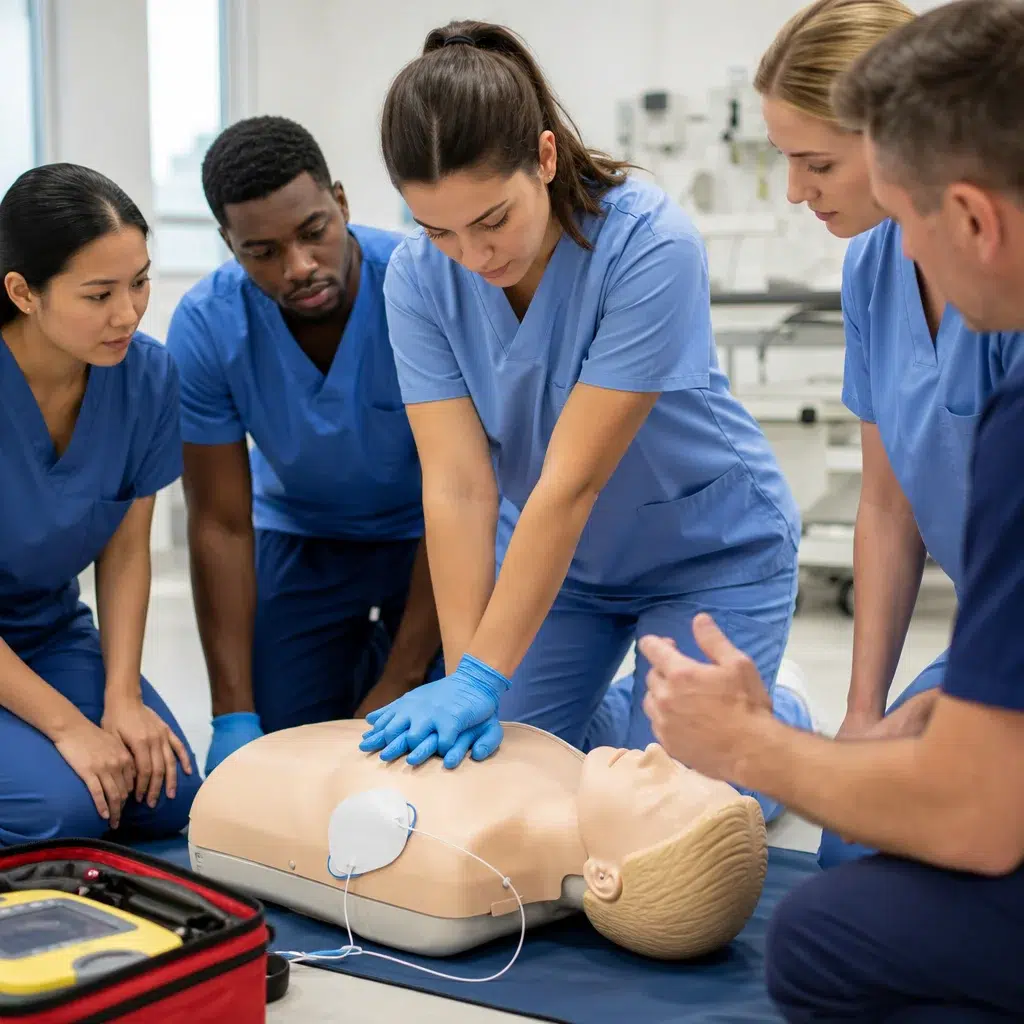
In classrooms across the country, educators face more responsibilities than ever before, and student safety remains one of the most important. With school populations growing and health risks becoming more widely recognized, CPR certification for teachers has shifted from a helpful bonus to something many schools now consider essential. Teaching is about guiding students academically, but teachers also play a major role in maintaining a safe environment where children can thrive. When emergencies happen, they often happen without warning. Being trained to respond appropriately makes an enormous difference.

The Growing Need for Emergency Preparedness in Schools
Schools are dynamic environments filled with constant activity. From classroom lessons to recess, sports, assemblies, field trips, and after-school programs, students are always on the move. With that activity comes the possibility of unexpected medical emergencies. These situations can range from choking and breathing difficulties to sudden cardiac arrest or severe allergic reactions. Teachers are often the first adults nearby when something goes wrong. This reality makes CPR training more than just a formality. It equips educators with the knowledge and confidence to act quickly and calmly. Modern school safety planning includes more than fire drills and lockdown procedures. It involves a detailed understanding of health-related emergencies and the role teachers play in responding. CPR training supports that approach by giving staff the tools they need to make immediate, life-preserving decisions.
Sudden Cardiac Arrest Can Happen to Anyone
One of the most important reasons teachers need CPR certification is the increasing awareness that sudden cardiac arrest does not affect only older adults. It can occur in children, teens, and young athletes who appear perfectly healthy. When a cardiac event happens, every second counts. Brain damage can begin in just a few minutes without oxygen. Immediate CPR can double or even triple the chances of survival by keeping oxygen circulating until professional help arrives. Because teachers supervise students in classrooms, hallways, cafeterias, gymnasiums, and during extracurricular activities, they are often in the best position to respond. Waiting for medical personnel to arrive can take too long. A trained teacher can step in instantly and begin delivering lifesaving care.
Choking Emergencies Are More Common Than People Realize
Choking is another emergency that teachers may encounter. Younger children, especially, can choke on food, small objects, or toys. Even older students may choke unexpectedly, particularly during lunchtime or classroom celebrations. A teacher who knows how to perform the Heimlich maneuver and provide rescue breaths can resolve the situation before it turns life-threatening. CPR training comprehensively covers choking emergencies, helping teachers identify signs of distress quickly and respond with confidence.
Supporting Students with Health Conditions
More children today are diagnosed with chronic medical conditions such as asthma, diabetes, epilepsy, and severe allergies. These conditions can lead to sudden emergencies that require fast and knowledgeable intervention. For example, a student with severe asthma may suddenly struggle to breathe. A diabetic student may experience dangerously low blood sugar. A child with epilepsy could experience a seizure with little or no warning. CPR training helps teachers understand how to respond to these events, when to call for additional help, and how to keep the situation under control until paramedics arrive. Even when CPR itself is not required, the training provides essential skills in assessing emergencies and responding appropriately.
Reducing Response Time Saves Lives
When emergencies occur, response time matters more than anything. Unfortunately, school campuses are often spread out, meaning that a school nurse or administrative staff member may not be close enough to respond immediately. In some schools, there may not even be a full-time nurse on staff. Teachers who are certified in CPR provide a critical layer of protection, reducing the time between the onset of an emergency and the first lifesaving actions. This rapid response is especially essential in cardiac arrest. CPR performed in the first few minutes is often the deciding factor between life and death. With certification, teachers can act the moment a crisis begins rather than waiting for someone else to arrive.
CPR Training Creates a Safer Learning Environment
Parents trust schools to keep their children safe. When teachers are CPR certified, that trust deepens. Knowing that educators are trained to handle health emergencies reassures families that the school prioritizes student well-being. It also demonstrates a commitment to maintaining a responsible and prepared staff. Safety-focused schools tend to have stronger communities and better overall communication. Teachers feel more confident in their ability to protect students, and students benefit from an environment where adults are well-equipped to respond to anything unexpected. This proactive approach also supports staff in maintaining peace of mind. Emergencies can be stressful for everyone involved, but training transforms fear into calm, purposeful action.
CPR Knowledge Strengthens Schoolwide Emergency Planning
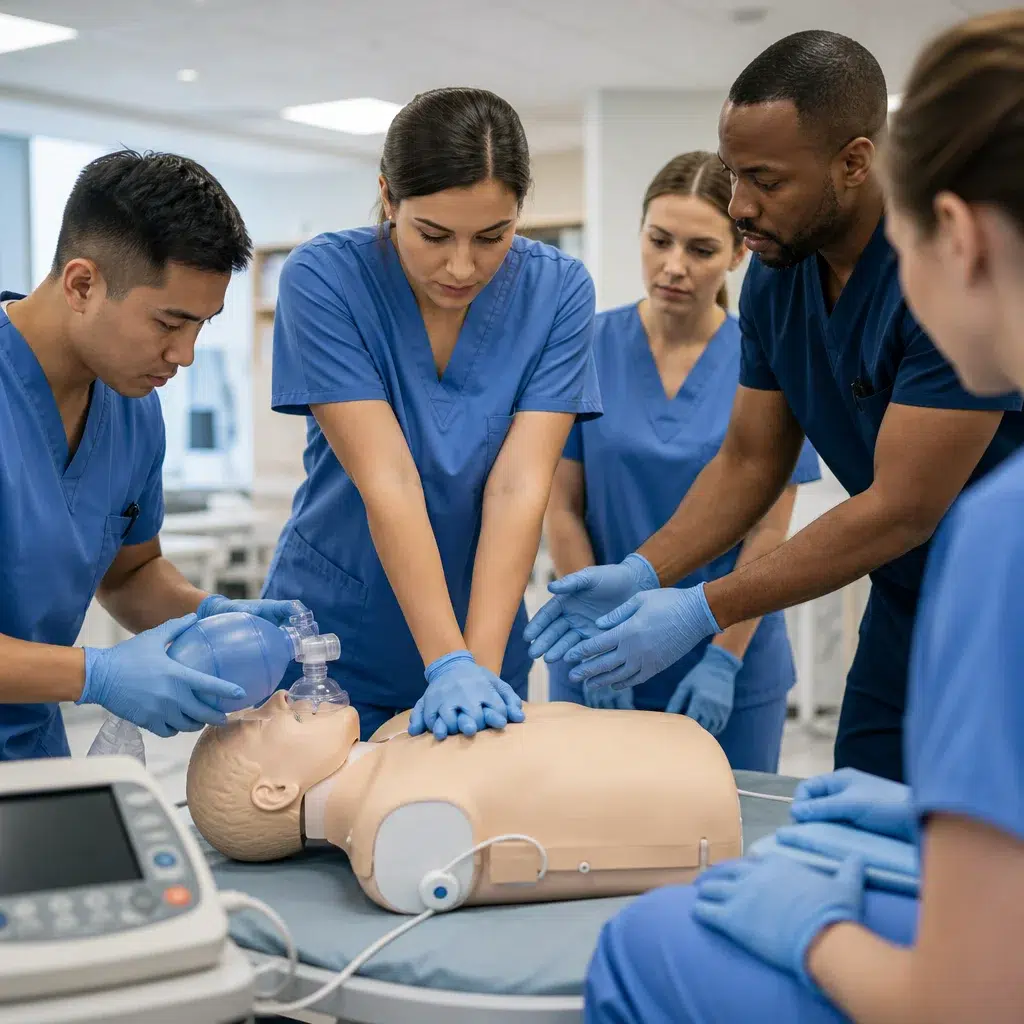
CPR certification is an essential part of comprehensive emergency planning. It integrates smoothly with other safety procedures and allows teachers to collaborate effectively with nurses, administrators, and emergency responders. When a school staff collectively understands how to respond, the entire emergency system becomes more efficient. Additionally, CPR training helps educators stay comfortable with using Automated External Defibrillators (AEDs). AEDs are increasingly available in schools, but they must be used properly. Teachers who learn how AEDs work are more likely to take decisive action during emergencies. This coordinated approach makes schools safer and more resilient.
CPR Certification Enhances Professional Development
Teachers are lifelong learners, constantly gaining new skills to improve their effectiveness. CPR certification is a valuable addition to professional development because it enhances both personal and professional preparedness. Certification shows dedication to both student safety and professional responsibility. Many districts now encourage or require CPR training as part of educator qualifications. For teachers seeking advancement or leadership roles, being certified demonstrates initiative and preparedness.
Emergencies Don’t Always Involve Students
While student emergencies are the primary concern, CPR certification is also essential for responding to incidents involving other staff members, parents, or visitors. Schools are community hubs filled with people of all ages. A staff member may suffer a cardiac event during a meeting. A parent might collapse during a school function. Field trips and off-campus activities present additional risks. Teachers who are trained in CPR are equipped to assist anyone in need, regardless of their age or role within the school environment.
A Community Focused Responsibility
Teachers are often viewed as role models who help shape the next generation. CPR certification allows them to extend that influence into community safety. When students witness their teachers taking lifesaving training seriously, they gain an appreciation for preparedness and personal responsibility. Some teachers even go on to encourage student CPR programs in their schools, helping empower young people with essential skills.
Certification Is Simple, Affordable, and Accessible
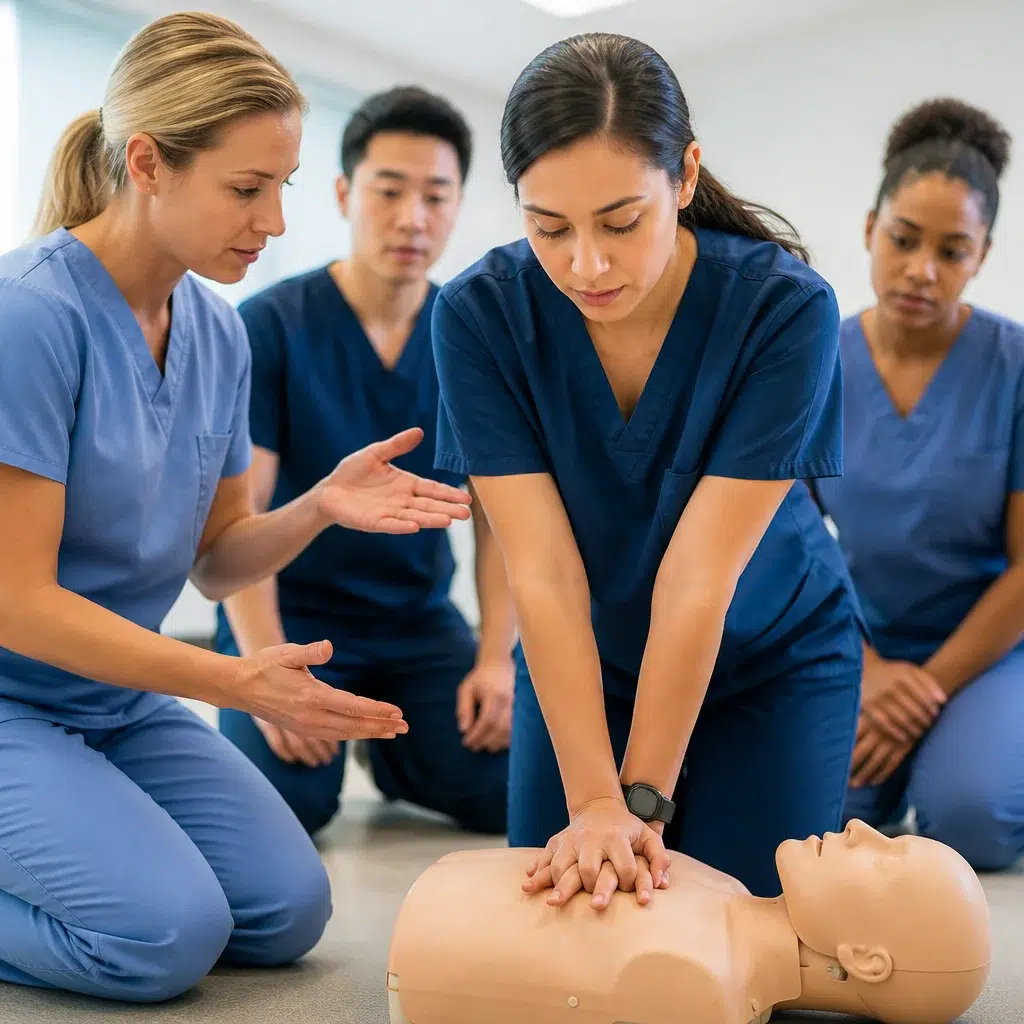
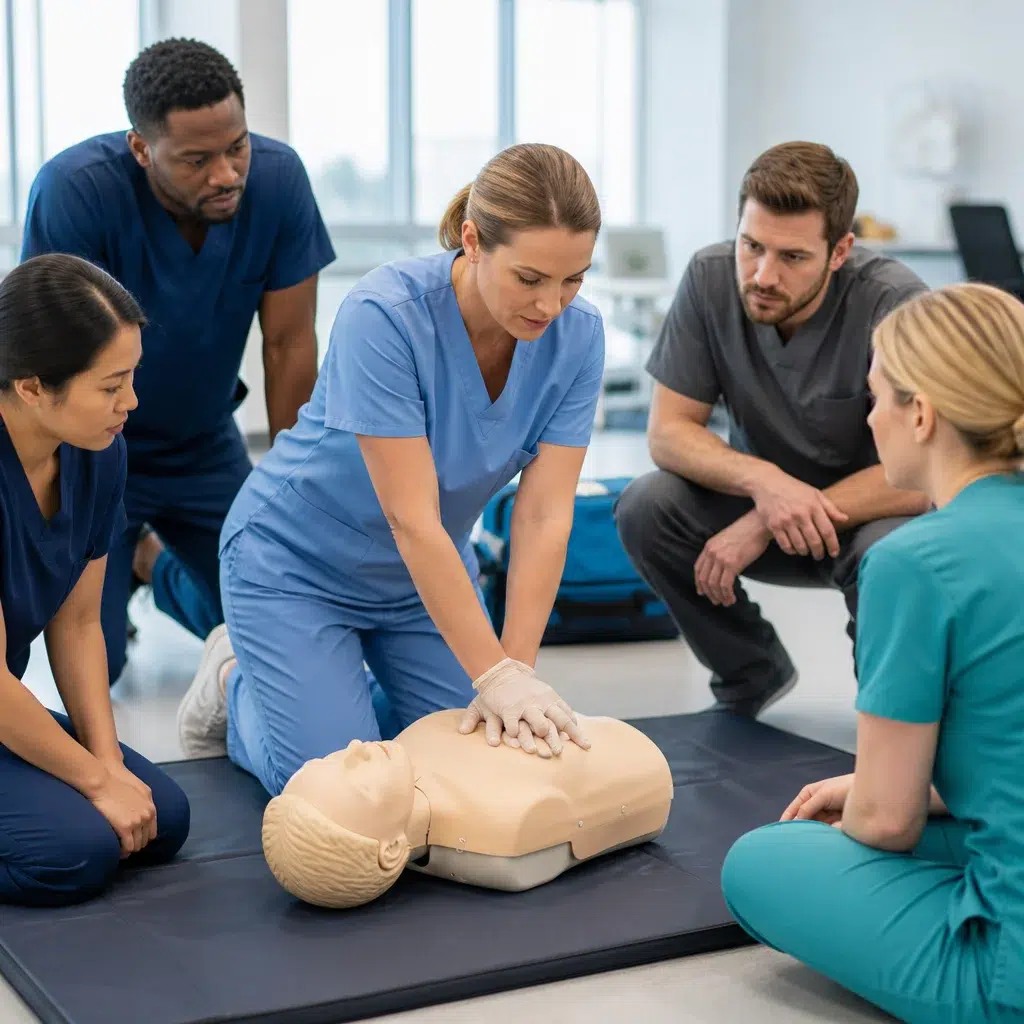
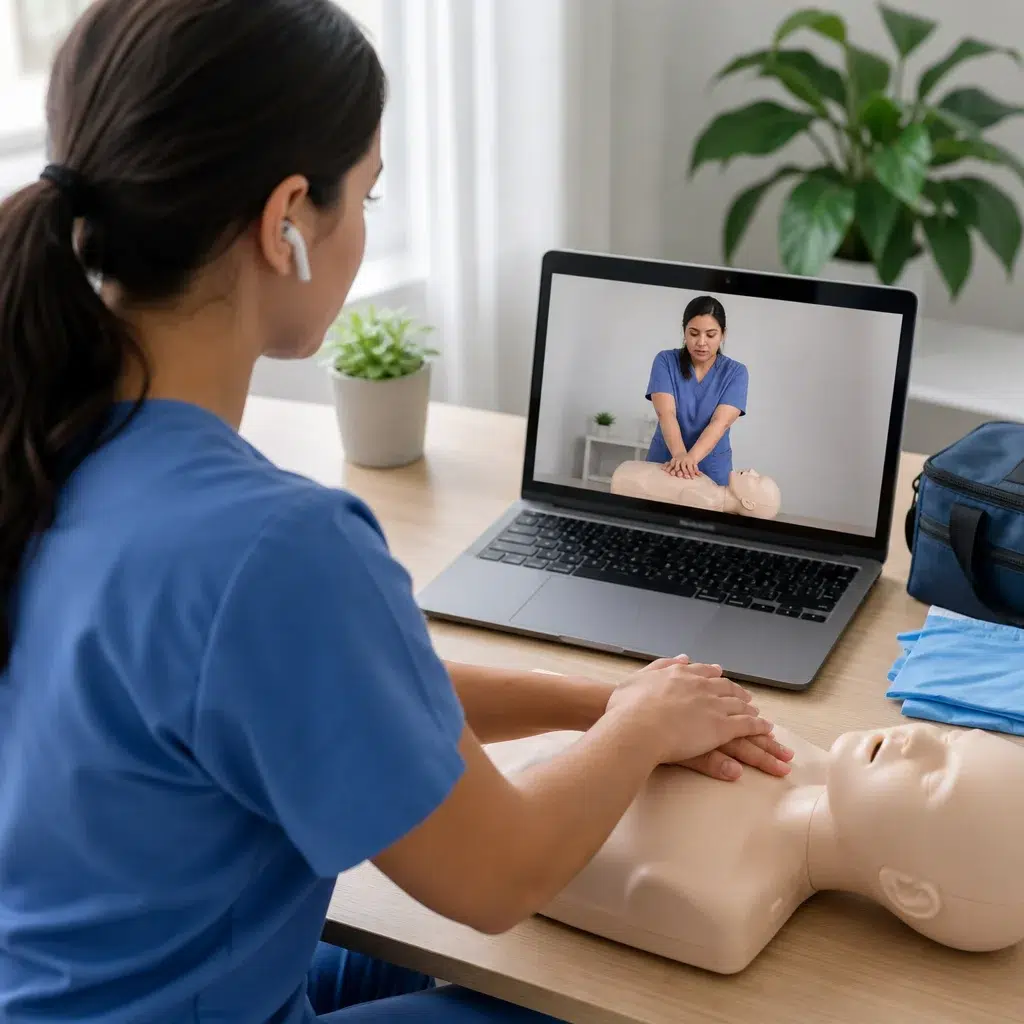
One common misconception is that CPR training is difficult or time-consuming. In reality, modern certification courses are designed to be engaging, clear, and highly practical. Many programs allow participants to complete online learning modules before attending a short in-person skills session. Classes are offered frequently, making it easier than ever for teachers to obtain certification without disrupting their schedules. The investment is small compared to the enormous value the knowledge provides. CPR certification lasts for multiple years, and renewing it is even easier than the initial course. With flexible scheduling and budget-friendly options, CPR training is an accessible form of safety preparedness for schools of all sizes.
Helping Teachers Respond with Confidence
Emergencies can shake even the most experienced educators. However, CPR training helps reduce fear by building familiarity. When teachers know what to do and how to do it, they experience less panic and more control. This confidence transfers to the students they protect. Children look to adults during emergencies. A trained teacher can maintain order, offer reassurance, and provide critical care while help is on the way. That confidence is invaluable.
A Safer Future Starts with Prepared Educators
The need for CPR-certified teachers continues to grow as schools evolve and as the importance of safety becomes more widely recognized. While no one wants to imagine emergencies happening, being prepared ensures that if the unimaginable occurs, teachers can respond with skill and confidence. From cardiac events to choking hazards to chronic health conditions, CPR certification empowers educators to take action that saves lives.
Take the Next Step Toward a Safer School Community
If you are ready to strengthen safety in your school and protect the students and staff you care about, now is the time to get certified. Safety Training Seminars is a woman-owned business proudly serving Northern California with more than 65 convenient locations. We offer affordable CPR, BLS, ACLS, and PALS training classes every day of the week, including Saturdays and Sundays. With flexible scheduling, widespread locations, and a low price guarantee, we make it simple to find a class that fits your busy routine. Contact us today to take your next step toward a safer and more prepared school community.