As people age, their health needs naturally change, and so does the importance of being prepared for emergencies. Many older adults and their families ask whether CPR classes for seniors are worth the time, effort, and cost. The simple answer is yes, and the reasons are deeper and more practical than many realize. CPR classes for seniors offer far more than just emergency skills. They provide confidence, independence, and peace of mind for both seniors and their loved ones.

Why Seniors Benefit So Much from CPR Training
Most people associate CPR training with parents, teachers, lifeguards, or healthcare workers. Yet seniors are among the groups who can benefit the most. Older adults are more likely to witness cardiac emergencies among their spouses, friends, or peers. Many cardiac arrest events happen at home, meaning seniors are often the first and only bystanders present when someone collapses.
When a cardiac arrest occurs, time is the most critical factor. Brain damage can begin within minutes if oxygen-rich blood is not circulating. Immediate CPR can double or even triple a person’s chance of survival. For seniors who spend a lot of time with partners or family members who are also older, having CPR skills means being ready to step in when seconds count.
CPR Skills Are More Accessible Than Ever for Older Adults
One of the biggest concerns seniors have about CPR classes is physical ability. Many worry they cannot get on the floor easily, cannot perform chest compressions long enough, or will not remember the steps. Modern CPR training is designed to be accessible for all ages and fitness levels. The goal is not perfection. It is the ability to take meaningful action during an emergency.
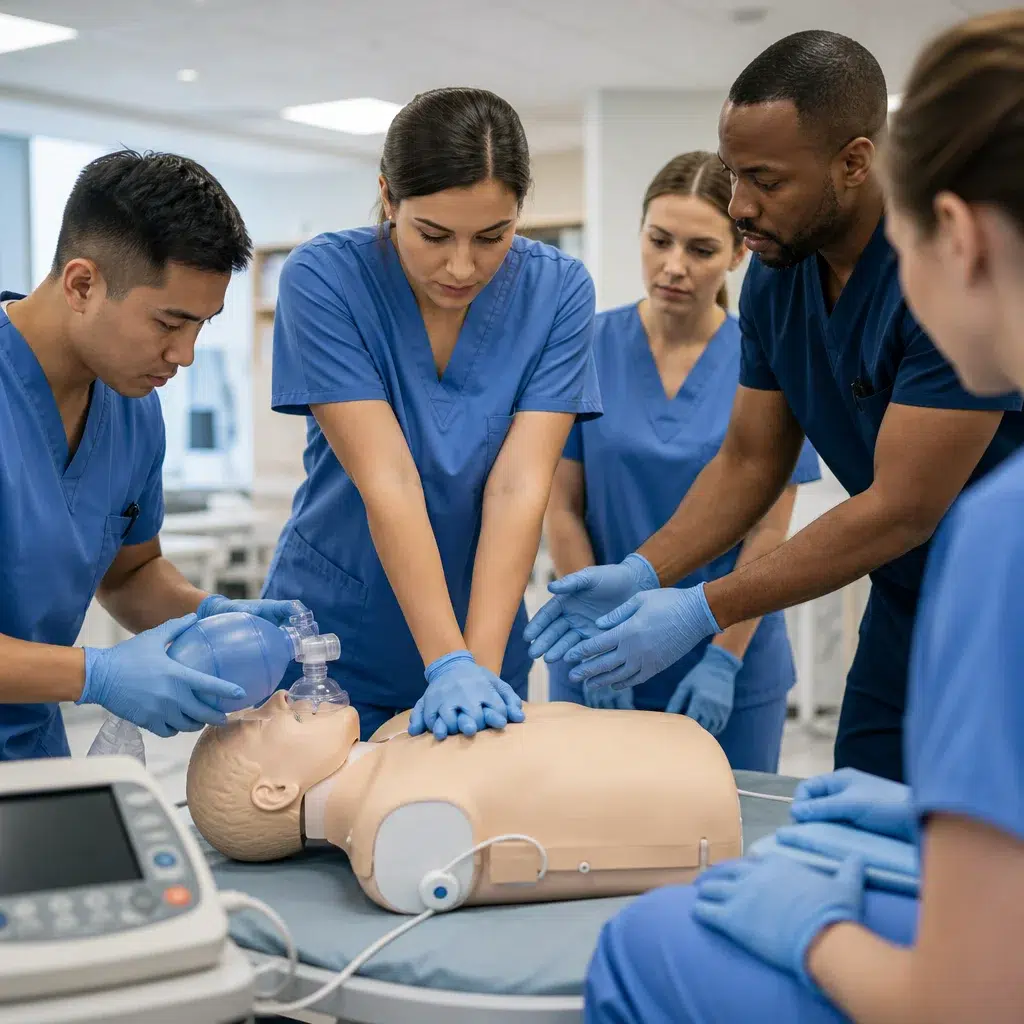
Instructors teach modifications for common age-related limitations. Seniors learn how to protect their joints while performing compressions, how to call for help effectively, and how to use an AED, a device that is simple and fully guided by voice prompts. Many AEDs are designed to walk the rescuer through each step safely, making them an excellent tool for seniors who may not feel confident performing CPR alone.
The Confidence Factor: Why Knowledge Helps Reduce Fear During Emergencies
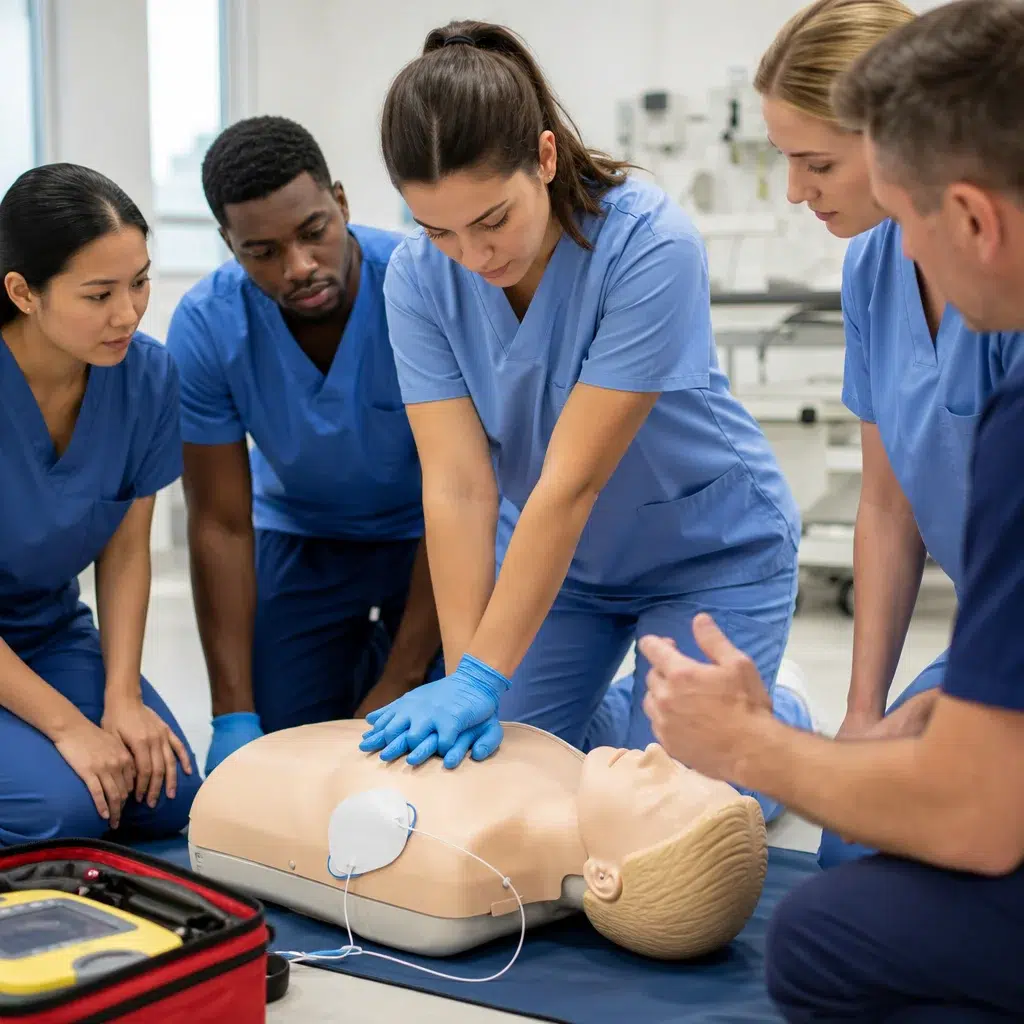
Emergencies are stressful, especially when they involve someone you care about. One of the greatest benefits of CPR training for seniors is the confidence it brings. Knowing the steps, having practiced on training mannequins, and understanding how the body reacts in cardiac arrest all help reduce the fear that often causes bystanders to freeze.
Confidence does not mean becoming an expert. It means developing the courage to act instead of waiting helplessly. Many seniors describe CPR classes as empowering and even life-changing because the skills they learn make them feel safer and more capable in their daily lives.
How CPR Training Supports Senior Independence
Independence is important at every stage of life, but especially for older adults. CPR training helps support this independence by ensuring that seniors can respond in emergencies without having to rely on others. Whether at home, on a walk, or attending community events, seniors with CPR knowledge have practical tools to protect themselves and those around them.
Learning CPR also helps many seniors feel more comfortable living alone. They know what steps to take if someone collapses nearby or if they themselves feel unwell and need to instruct someone else on how to help.
What Seniors Learn During CPR Training
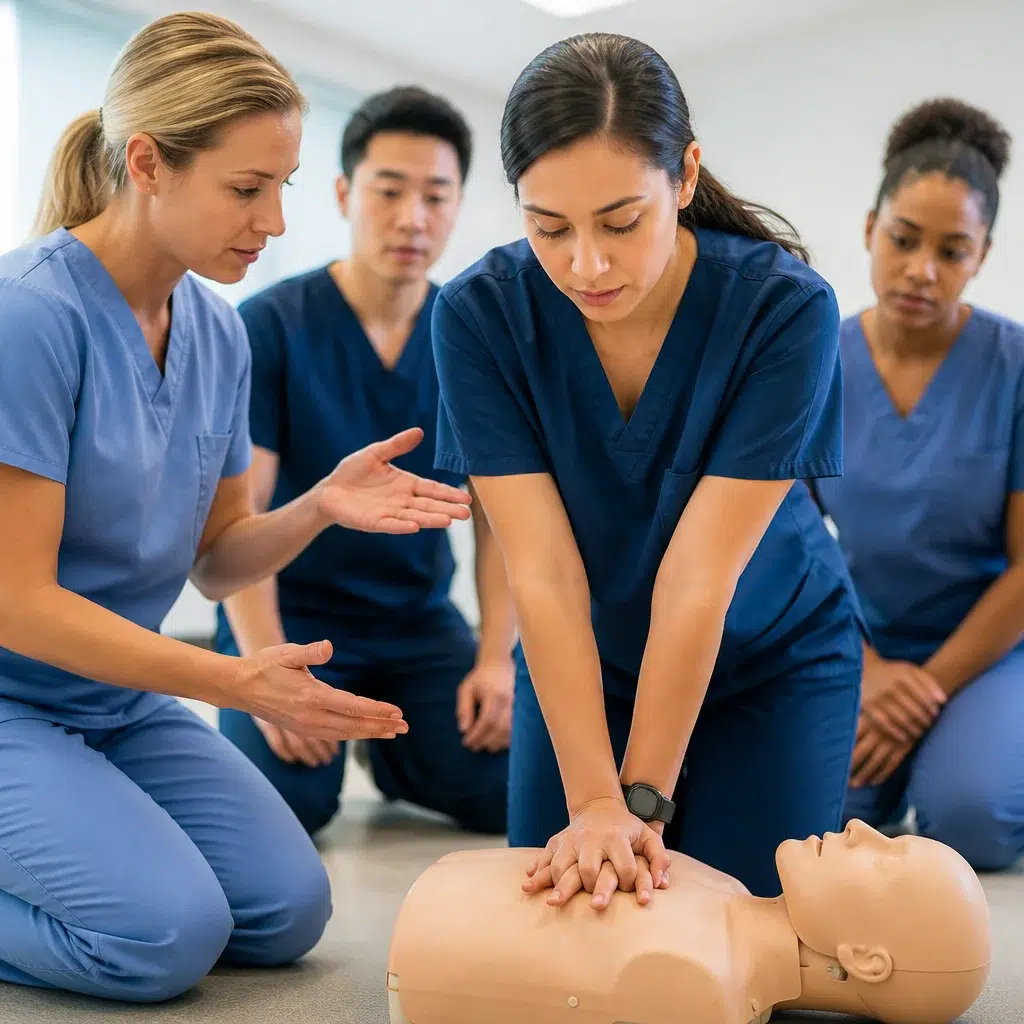
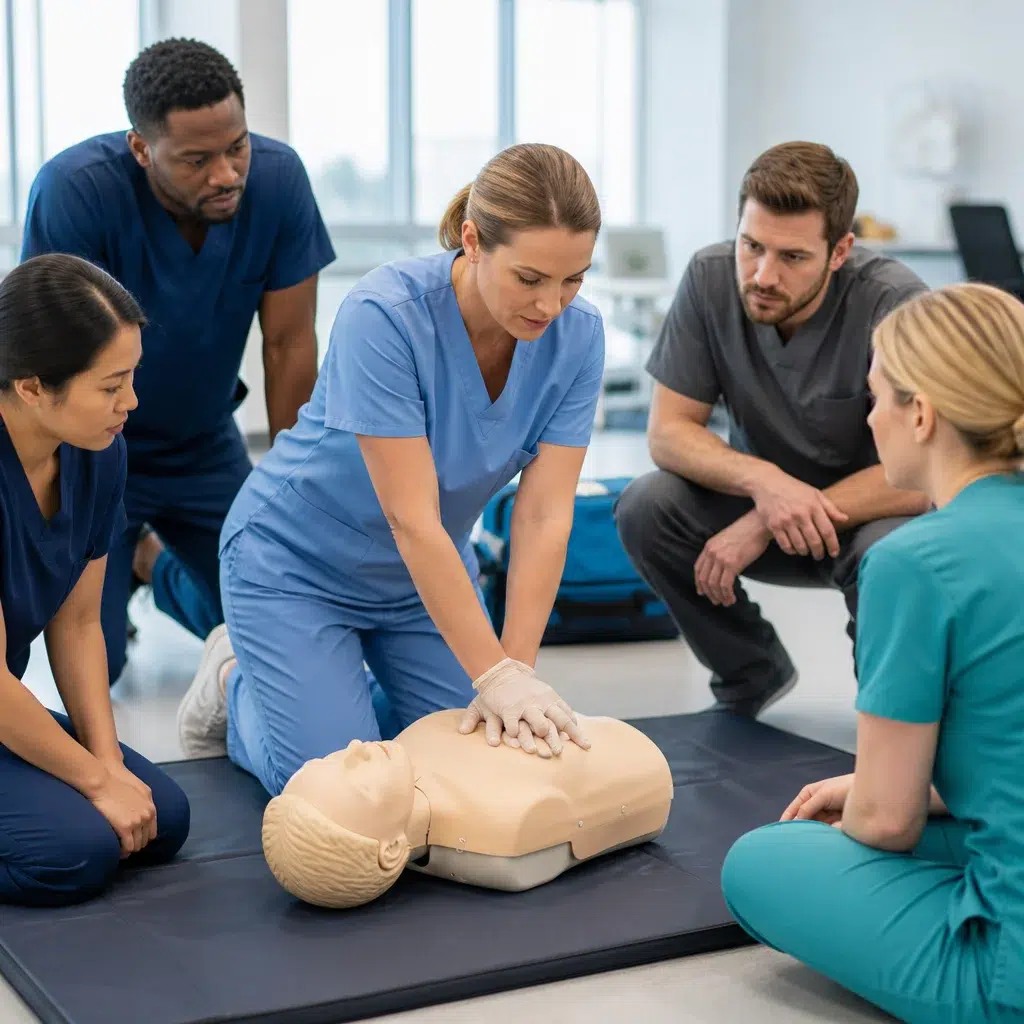
CPR classes cover more than just pushing on the chest. Seniors learn how to identify when someone needs CPR, when to use hands-only CPR, how to deliver proper compressions, and how to give rescue breaths if required. They also learn how to:
- Recognize cardiac arrest signs
- Use an AED correctly
- Delegate tasks to bystanders
- Work with emergency dispatchers
- Stay calm enough to continue care until help arrives
These skills are taught in a supportive, relaxed environment. Seniors practice at their own pace and receive guidance tailored to their abilities.
CPR Training Helps Seniors Protect Themselves Too
Although CPR is typically used on others, seniors can also benefit from knowing the signs of cardiac arrest, heart attacks, and strokes. While CPR cannot be performed on oneself, early recognition of symptoms can help seniors call for help sooner and communicate with dispatch more clearly. Understanding AED locations in public areas can also be lifesaving if they feel faint or lightheaded and need to sit or signal for help quickly.
The Social and Emotional Benefits of CPR Classes
Many seniors enjoy CPR training not only for the emergency skills but also for the social experience. Classes create an uplifting environment where participants meet others, share experiences, and learn together. This sense of community is especially valuable for older adults who may be looking for meaningful social activities.
Knowing CPR gives seniors a stronger sense of purpose. They feel equipped to help others, which can boost emotional well-being and overall confidence. Many students describe walking out of class with a renewed sense of responsibility and pride.
Debunking Common Myths That Keep Seniors from Taking CPR Classes
Several misconceptions keep seniors from registering for CPR training. These include:
Myth: CPR is too physically demanding for seniors.
Reality: There are modified techniques, and partial CPR with calling for help and using an AED is still extremely valuable.
Myth: Older adults learn too slowly.
Reality: CPR training is hands-on, simple, and taught step by step.
Myth: You must kneel on the floor to do CPR.
Reality: Instructors teach safe body mechanics and alternatives for those with mobility challenges.
Myth: Seniors will panic in emergencies.
Reality: Training significantly reduces panic and increases decisive action.
The Lifesaving Power of Early CPR
One reason CPR training is so important for seniors is that older adults are statistically more likely to witness cardiac events. Whether at home, in group living communities, at social gatherings, or during routine errands, seniors are often closer than family members or caretakers when a collapse occurs. When CPR is started right away, survival odds rise dramatically. When CPR is delayed, the risk of severe brain damage or death increases with each passing minute.
Because so many cardiac emergencies happen in private settings, seniors who learn CPR are not just preparing for strangers. They are preparing to potentially save someone they love.
A Practical and Worthwhile Investment in Safety
CPR classes require only a few hours to complete. For seniors, this short investment of time brings long-term peace of mind. Many seniors decide to refresh their skills every couple of years to stay up to date and feel more confident in their abilities.
Even those with medical conditions, mobility issues, or limited physical strength can benefit greatly from learning CPR. The most important part is understanding how to recognize an emergency, call for help, and take action quickly. Every bit of effort contributes to someone’s chance of survival.
Why CPR Classes for Seniors Are Absolutely Worth It
When you weigh the benefits, CPR classes for seniors are an incredibly worthwhile investment. They provide vital skills, boost confidence, support independence, and strengthen community safety. Most importantly, they equip seniors with the ability to save a life. Whether for a spouse, a friend, a neighbor, or a stranger in need, CPR training empowers older adults to make a real difference during an emergency.
Take Action Today
If you or a loved one is ready to learn CPR, there is no better or easier option than Safety Training Seminars. As a woman-owned business proudly serving Northern California, we offer more than 65 convenient locations, making it simple to find a class near you. Our courses are budget-friendly and backed by a low price guarantee. We provide CPR, BLS, ACLS, and PALS training every day of the week, including Saturdays and Sundays, so seniors can choose the schedule that fits their lifestyle. Contact us to register for an upcoming class and take an important step toward safety, confidence, and preparedness.