Introduction: The Importance of Hospital Group Training Investments
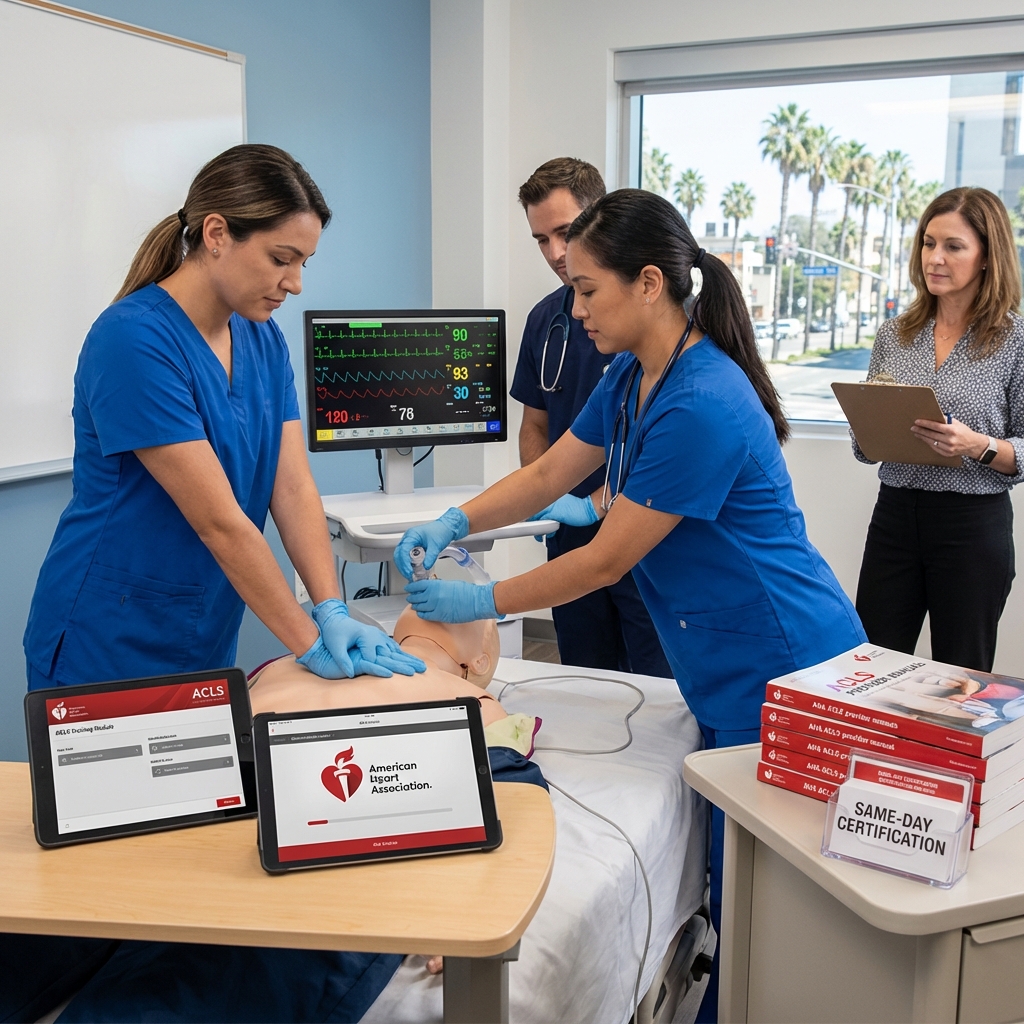
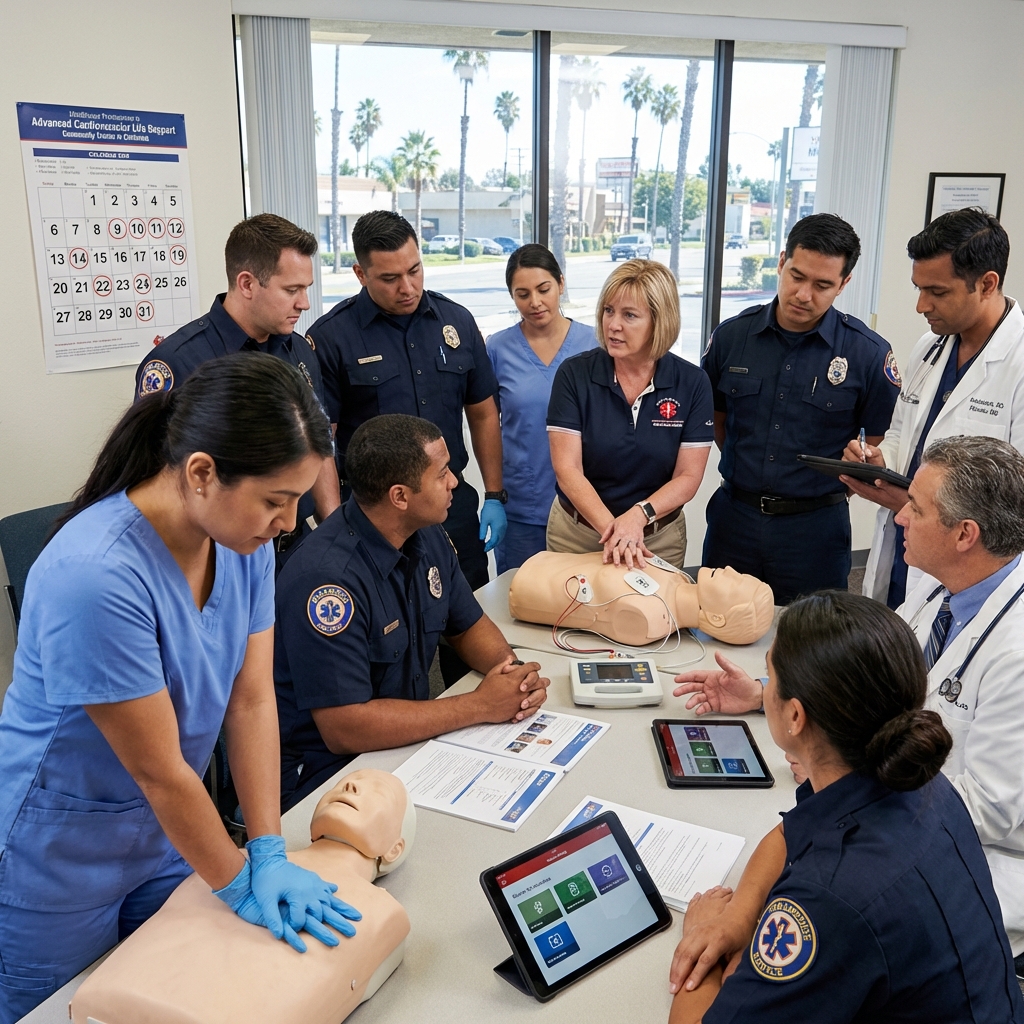
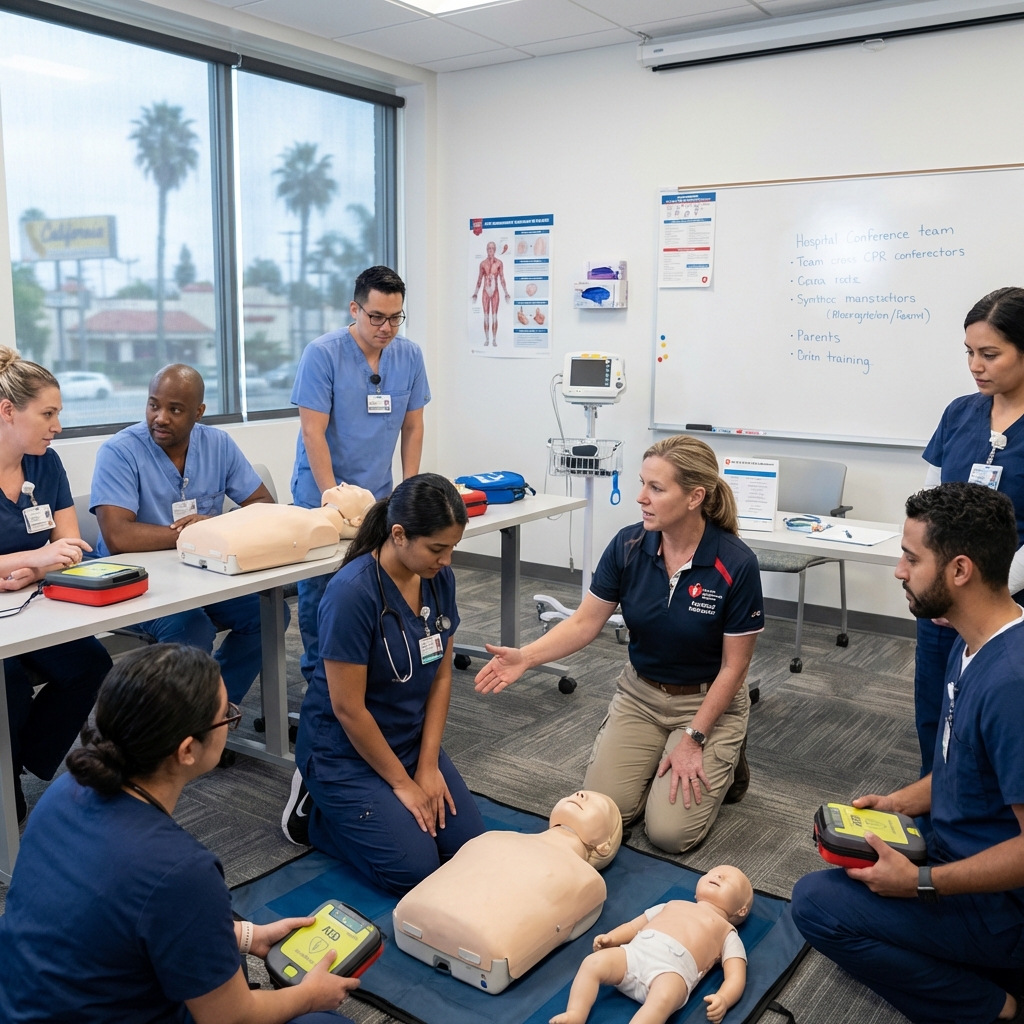
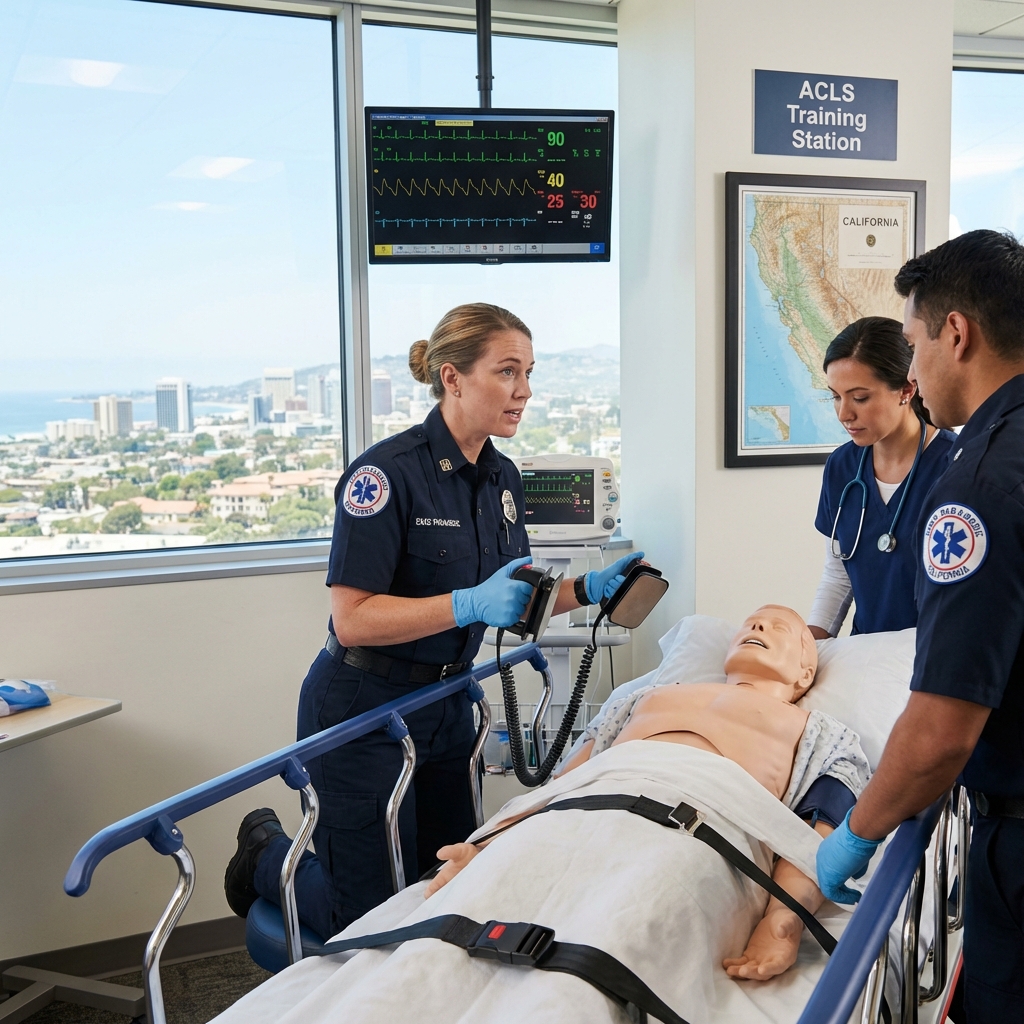
Hospital education budgets aren’t just a line item—they safeguard compliance, staffing continuity, and patient safety. When evaluating hospital group CPR training pricing, it helps to look beyond the sticker price to the operational realities of large teams rotating through BLS, ACLS, and PALS on tight renewal cycles. In California, many hospitals and EMS agencies prefer American Heart Association (AHA) provider cards, so choosing the right partner can affect both credential acceptance and scheduling flexibility.
The true cost of group training spans tuition, paid time, and logistics. Blended learning models that pair online modules with short, in-person skills checks can reduce overtime and backfill needs compared with full-day classroom courses. Equally important are administrative efficiencies—centralized rosters, digital cards, and clear rescheduling policies—because last-minute changes are inevitable in 24/7 care settings.
- Per-learner tuition versus volume tiers (bulk certification pricing)
- Modality: blended learning skills sessions versus traditional classroom time
- Onsite delivery versus dispersed locations near multiple campuses
- Initial certification versus renewal tracks
- No-show, remediation, and rescheduling fees
- Instructor travel, equipment, and site setup costs
- Digital card issuance, records management, and audit reporting
- Consolidated invoicing for corporate group medical training
Consider a med-surg unit renewing 60 BLS cards in one month. A blended approach can move staff through 30–60 minute skills appointments rather than booking full shifts off the floor—often the biggest lever in a BLS training cost comparison. Multisite access also matters; teams split across Northern and Southern California benefit when learners can complete skills at locations near home or work as part of healthcare team training packages.
Safety Training Seminars helps California hospitals control costs with AHA-aligned BLS, ACLS, PALS, and NRP taught via blended learning across 100+ statewide locations. Hospitals can leverage AHA certification group discounts and a low price guarantee to align budgets and compliance timelines, supported by centralized rosters and corporate billing. For details on volume options, see their Group CPR discounts.
Understanding AHA Certification Requirements for Healthcare Facilities
Hospitals in California typically specify American Heart Association credentials for clinical roles, which directly impacts how you budget and schedule group courses. Most units require BLS for all patient-facing staff and ACLS/PALS for code, critical care, and pediatric teams, with renewals every two years or sooner per facility policy. AHA blended learning (online modules plus an in-person skills check) is widely accepted for compliance, while online-only CPR without hands-on testing is generally not.
Common AHA-driven requirements your education team should confirm before purchasing:
- Course types by role: BLS Provider for bedside staff; ACLS for ICU, ED, and procedural areas; PALS for pediatric services; NRP for obstetrics/NICU.
- Hands-on skills evaluation with feedback devices and a live megacode/team scenario for advanced courses.
- AHA eCards issued upon completion, with verifiable records and standardized rosters.
- Approved Training Center oversight and adherence to AHA instructor and equipment ratios.
These standards shape hospital group CPR training pricing. Key variables include course mix (BLS vs ACLS/PALS), class format (blended sessions reduce paid training time), on-site delivery versus sending staff to a training center, after-hours/weekend scheduling, and whether eCard fees and travel are bundled. Volume enrollment often qualifies for AHA certification group discounts and bulk certification pricing, and an accurate BLS training cost comparison should factor overtime avoidance and backfill needs. If you’re weighing Red Cross options for certain roles, review acceptance details first; this guide on Red Cross online CPR validity explains common employer requirements.
Safety Training Seminars aligns with AHA standards and offers statewide coverage, blended learning, and corporate group medical training packages that streamline compliance. For example, a 200-nurse BLS renewal can be delivered via HeartCode skills sessions across 100+ California locations with centralized eCard issuance, flexible calendars by unit, and discount pricing tied to your cohort size. This approach simplifies scheduling, supports shift coverage, and provides a clear, apples-to-apples basis for healthcare team training packages.
Safety Training Seminars Group Training Programs and Pricing Structure
Safety Training Seminars delivers flexible group programs built for hospitals that need to certify entire teams without disrupting patient care. With more than 100 California locations and mobile on-site options, hospitals can mix public class seats with private skills days to match staffing realities. The company’s hospital group CPR training pricing is structured to scale with headcount and course mix, keeping per-learner costs predictable.
Pricing follows a per-learner model with volume tiers, so larger cohorts benefit from bulk certification pricing across BLS, ACLS, PALS, and NRP. AHA certification group discounts are available, and blended learning helps cut overtime by shifting much of the content online, followed by a brief, scheduled skills session. For example, a unit can assign BLS prework to night-shift staff, then complete 90-minute skills checks on-unit or at a nearby site. This approach reduces backfill needs while maintaining compliance with current AHA guidelines.
Hospitals can choose healthcare team training packages that bundle required credentials for new-grad residencies, annual renewals, or role-based pathways (e.g., BLS for all staff, ACLS for critical care, PALS for pediatrics). Delivery is flexible—host an on-site skills day for 30–60 clinicians, or reserve blocks of seats at nearby centers for rolling enrollments. Evening and weekend scheduling is available to minimize impact on census.
Typical components included for groups:
- Blended learning (online modules + in-person skills) to limit time off the floor
- Reserved seats at 100+ California training locations or on-site skills days
- AHA certification group discounts and tiered pricing for larger cohorts
- Corporate group medical training with coordinated scheduling and invoicing
- Low price guarantee applied to all classes and locations
- Options to bundle BLS/ACLS/PALS/NRP for streamlined healthcare team training packages
In practice, a 40-nurse telemetry unit can renew BLS and ACLS over two waves, locking in discounted, per-learner rates and minimizing shift disruption. Smaller clinics can enroll 10–15 staff into nearby public sessions, avoiding the need to host on-site events. Either path supports a clear BLS training cost comparison across departments and campuses.

To request an itemized quote, provide headcount by course, preferred dates, locations, and delivery method. Safety Training Seminars will confirm per-learner rates, applicable discounts, and a scheduling plan that meets hospital timelines.
American Red Cross Group Training Options and Cost Analysis
The American Red Cross offers several ways to certify hospital teams at scale, including on‑site instructor‑led classes, blended learning (online modules plus an in‑person skills check), and a Licensed Training Provider (LTP) model for facilities that want to train with their own instructors. Hospital group CPR training pricing depends heavily on format and volume. Acceptance policies vary by employer; many California healthcare systems explicitly require AHA cards for BLS/ACLS/PALS, so confirm credential requirements before committing to an ARC pathway.
Cost is typically built from a per‑learner fee plus delivery expenses. Blended courses often involve a separate license for the online portion and a fee for the hands‑on evaluation, whereas full instructor‑led classes may be priced by the day with a per‑participant add‑on. Minimum headcounts, instructor travel, and the number of sessions needed to cover all shifts can materially change the quote—for example, splitting 40 nurses across four short skills blocks may cost more than two longer sessions due to additional setup and instructor hours.
Key line items hospitals should expect when budgeting:
- Online course licenses (for blended programs) and digital certificate issuance
- Instructor day rates, overtime/weekend surcharges, and minimums
- Travel, parking, and equipment transport or rental
- Administrative fees for roster management, make‑ups, and replacement cards
- On‑site scheduling outside normal hours and last‑minute rescheduling penalties
For a BLS training cost comparison, weigh ARC pricing against AHA-focused providers. Safety Training Seminars delivers AHA certification group discounts, a low price guarantee, and over 100 California locations—often reducing travel and overtime because staff can complete blended eLearning and attend nearby skills checks. Their healthcare team training packages can bundle ACLS, PALS, and NRP alongside BLS for corporate group medical training, which may lower bulk certification pricing and simplify compliance tracking. If your hospital mandates AHA credentials, partnering with Safety Training Seminars streamlines procurement while meeting policy requirements.
Key Differences in Blended Learning Delivery Models
Both providers use a blended approach—self‑paced online learning followed by an in‑person skills check—but the content and acceptance differ. Safety Training Seminars delivers American Heart Association (AHA) HeartCode for BLS, ACLS, and PALS, which many California hospitals specifically list in credentialing policies. The American Red Cross offers its own blended BLS/ALS/PALS pathways, widely used nationally but accepted variably by California facilities. That acceptance gap can directly influence hospital group CPR training pricing when factoring in potential re-training or dual pathways for mixed staff requirements.
The way each model allocates time also affects labor and backfill costs. HeartCode renewals often translate to shorter skills appointments per learner because testing occurs online, while scenario-based practice remains in person. If your facility requires AHA cards for privileging, using AHA-aligned blended courses streamlines documentation and avoids parallel rosters.
Key cost levers to compare for BLS training cost comparison and beyond:
- eLearning license sourcing: bundled by the vendor vs purchased by the hospital; volume tiers for bulk certification pricing.
- Skills session duration and instructor-to-student ratios, which drive instructor labor and overtime coverage.
- On-site vs public skills options: site fees, minimum headcounts, and multi-campus scheduling.
- Travel/time away from unit: proximity of skills locations and weekend/evening availability.
- Card issuance and roster management: speed of eCard delivery and integration with your LMS or HRIS.
- Acceptance requirements: whether your medical staff office mandates AHA and any exceptions for Red Cross certifications.
Safety Training Seminars supports healthcare team training packages with AHA certification group discounts, bundling HeartCode seats and coordinating skills checks across 100+ California locations or on-site at your hospital. For multi-facility systems, staff can complete the same AHA curriculum online and choose the nearest skills session, reducing travel and premium pay. The company’s corporate group medical training and low price guarantee help standardize costs across departments while meeting AHA-specific compliance.
Example: A three-campus system scheduling 120 BLS renewals can assign HeartCode online prework and run rotating 30–60 minute skills stations on each unit over two days. Compared with a single half-day classroom model, this blended plan limits backfill hours and avoids re-training if your bylaws require AHA, improving total value beyond the sticker price.
Comparing In-Person Skills Sessions and Simulation Technology
For hospitals, the mix of in-person skills sessions and simulation-enabled blended learning can make or break both outcomes and budget. Both the American Red Cross and Safety Training Seminars pair online coursework with hands-on verification, but acceptance requirements matter in California. Many facilities and licensing boards still specify American Heart Association cards, so using an AHA-authorized provider with AHA certification group discounts helps avoid duplicate cohorts and keeps hospital group CPR training pricing predictable.
Traditional skills days concentrate instruction but can inflate costs through overtime, room reservations, and instructor travel. Throughput is governed by required instructor and manikin ratios, so larger cohorts may need multiple rooms or staggered blocks to maintain quality. For example, credentialing 60 nurses across three shifts might require two instructors over two days if space is limited, whereas flexible micro-sessions can reduce backfill hours and lost productivity.
Modern simulation technology with real-time feedback manikins typically shortens practice time and raises first-attempt pass rates, reducing remediation and per-learner cost. Safety Training Seminars uses AHA-compliant feedback equipment across 100+ California locations and can bring mobile labs to your campus, enabling tight, 20–30 minute skills checks for HeartCode-style courses. This model supports corporate group medical training, bundles ACLS/PALS/BLS on the same visit, and offers bulk certification pricing that scales with headcount.
When comparing vendors, ask specific, price-impacting questions:
- What’s the max throughput per hour given your instructor/manikin setup, and does it change by course (BLS vs ACLS/PALS)?
- Do you provide on-site skills sessions, or must staff travel offsite? Are travel and setup included?
- Which feedback manikins and debrief tools are used, and how do they affect remediation time?
- Are there tiered AHA certification group discounts, minimums, or cancellation/rescheduling fees?
- Can you deliver consolidated healthcare team training packages with unified reporting and roster uploads?

For a clear BLS training cost comparison and reliable acceptance across California hospitals, Safety Training Seminars offers transparent per-learner quotes, a low price guarantee, and scheduling built around shift coverage. Facilities can bundle specialties and renewals to unlock additional savings while keeping teams compliant on time.
Group Discount Eligibility and Volume-Based Pricing Benefits
Hospital group CPR training pricing typically hinges on headcount, course mix (BLS, ACLS, PALS, NRP), delivery format, and scheduling needs. For California hospitals where AHA cards are widely required, selecting a provider aligned with AHA standards is key to compliance and reimbursement. Both national organizations and regional training sites offer volume-based tiers, but the structure and qualifying thresholds can differ, impacting total cost and staffing disruption.
Common triggers for AHA certification group discounts and tiered rates include:
- Minimum learners per session (e.g., a department cohort) or a quarterly enrollment target
- Multi-course bundles (BLS renewals plus ACLS/PALS) for the same team or service line
- Adoption of blended learning (online didactic + short, in-person skills checks)
- Consolidated billing, prepayment, or a multi-site schedule across the health system
In practice, providers that specialize in healthcare team training packages often deliver better value when you leverage blended formats and recurring cohorts. Safety Training Seminars (STS) serves hospitals across California with over 100 locations and AHA-aligned courses, letting staff complete eLearning on their own time and finish skills nearby—reducing overtime, travel, and unit backfill. While national providers like the American Red Cross publish group options, a California-centric footprint can produce more predictable scheduling and sharper bulk certification pricing because sessions are easier to stage close to each facility.
Consider a concrete scenario: an ED schedules 18 BLS renewals and 8 ACLS initials over 60 days. By bundling enrollments, using blended courses, and splitting skills checks across two weeks, the department often achieves a lower per-learner rate while keeping peak shifts covered. Compared to ad hoc signups, this BLS training cost comparison typically shows savings in both per-seat pricing and paid time away from the floor.
For corporate group medical training, Safety Training Seminars provides custom quotes, low price guarantees for all classes, and flexible session plans that scale from single units to multi-hospital systems. Request a proposal to map discounts to your staffing model and renewal calendar.
Scheduling Flexibility and Multi-Location Convenience Factors
When comparing hospital group CPR training pricing, the biggest hidden costs often come from scheduling complexity, travel time, and shift coverage—not just the per-seat rate. Multi-location convenience and blended learning options directly influence how many paid hours staff are off the floor, especially for BLS renewals and larger rollouts across multiple campuses. For California hospitals that require AHA credentials, aligning schedules to AHA skill sessions is also a compliance safeguard that prevents costly re-training.
Consider these logistical levers that can raise or lower total program spend beyond the list price:
- Blended learning (AHA HeartCode for BLS/ACLS/PALS) shortens classroom hours to a brief skills check, cutting backfill and overtime.
- Access to public skills sessions near each facility reduces mileage, travel time, and parking reimbursements.
- On-site options are efficient for cohorts starting and ending shifts together; public sessions are efficient for staggered renewals.
- Evening/weekend skills slots support night-shift teams without premium pay.
- Clear rescheduling windows help avoid no-show fees when staffing needs change last minute.
Safety Training Seminars streamlines AHA compliance with over 100 California locations and blended learning pathways that let clinicians complete modules online, then book a nearby skills session. Hospitals can mix on-site dates for large cohorts with individual enrollments across the statewide network—useful for systems spanning the Bay Area, Central Valley, and SoCal. For healthcare team training packages, STS offers AHA certification group discounts and a low price guarantee, supporting predictable bulk certification pricing without sacrificing flexibility.
The American Red Cross offers blended learning and corporate group medical training as well, with statewide availability and on-site options. If your credentialing office accepts Red Cross cards, ARC scheduling can be competitive. However, many California hospitals specifically require AHA cards for BLS/ACLS/PALS; verifying acceptance upfront avoids duplicate enrollments and preserves the integrity of your BLS training cost comparison.
Example: A three-hospital system planning 120 BLS renewals can assign HeartCode modules asynchronously and book 60-minute skills sessions near each campus over two weeks. By minimizing travel and aligning sessions with shift changes, labor and coverage costs drop materially—often overshadowing small differences in seat price. In scenarios like this, STS’s multi-location footprint and AHA focus provide practical scheduling advantages that keep total program costs in check.
Instructor Expertise and Compliance-First Instruction Standards
When evaluating hospital group CPR training pricing, the caliber of instructors and the rigor of compliance processes matter as much as the per‑seat rate. A low quote can become costly if staff need retraining, if eCards are delayed, or if audits expose documentation gaps. For California hospitals, choosing a provider whose instruction and records meet AHA Guidelines and facility policy can protect budgets and accreditation timelines.
Safety Training Seminars staffs AHA‑certified instructors with real clinical backgrounds—RNs, paramedics, and respiratory therapists—who teach to current AHA Guidelines for CPR and ECC. Courses use instrumented feedback manikins to meet AHA’s directive feedback requirements, ensuring compressions, ventilations, and teamwork meet measurable thresholds. With blended learning and over 100 California locations, healthcare teams can complete online modules off‑shift and finish hands‑on skills in short, targeted sessions that reduce overtime and backfill costs.
For a true BLS training cost comparison, procurement teams should validate the following compliance‑first checkpoints in every bid or proposal:
- Confirmation of AHA Training Center status and scope (BLS, ACLS, PALS, NRP) for hospital roles that require AHA eCards
- Instructor credentials (current clinical licensure, AHA instructor cards) and ongoing quality monitoring
- Use of feedback devices for adult CPR and low skills‑station ratios during testing
- Document control: rosters, skills checklists, remediation notes, and secure retention for audit readiness
- Fast eCard issuance with batch delivery and naming conventions aligned to HRIS/credentialing systems
- Flexible scheduling and on‑site delivery that supports nights/weekends and unit‑based cohorts
- Clear policies for remediation and no‑show handling under healthcare team training packages

The American Red Cross offers provider‑level curricula aligned to ILCOR science; however, acceptance varies by facility. Many California hospitals specifically require AHA eCards for BLS/ACLS/PALS—always confirm your policy before making a BLS training cost comparison. If AHA is required, Safety Training Seminars’ compliance‑first model, AHA certification group discounts, and corporate group medical training options deliver reliable outcomes with bulk certification pricing and a low price guarantee. This combination helps hospital leaders control total cost while safeguarding compliance.
Same-Day Certification Cards and Administrative Efficiency
For hospitals, same-day certification cards are more than a convenience—they keep onboarding and staffing on schedule. Delays in BLS, ACLS, or PALS cards can sideline new hires or float staff, increasing overtime costs. American Red Cross issues digital certificates upon completion, but if your facility requires American Heart Association credentials, using an AHA-authorized provider avoids rework or credential mismatches. That compliance detail often becomes the deciding factor in hospital group CPR training pricing and vendor selection.
Safety Training Seminars streamlines AHA eCards issuance through blended learning: staff finish the online module, complete a short in-person skills check at one of 100+ California locations or on-site, and receive AHA eCards the same day. Administrators can submit a roster, and STS handles eCard distribution directly to learners and designated managers, reducing email chases and spreadsheet tracking. Example: a system onboarding 60 nurses across three campuses can run parallel skills sessions in one afternoon and have all AHA BLS eCards in HR files before the next shift.
Both Safety Training Seminars and the Red Cross offer digital records and roster management, but the administrative lift differs when AHA is mandated. STS focuses exclusively on AHA pathways commonly required by California hospitals, minimizing exceptions and audit risk. Administrators benefit from:
- Consolidated rosters and invoicing for corporate group medical training
- Flexible scheduling across multiple sites, plus on-site options
- Same-day AHA eCards for BLS/ACLS/PALS with centralized verification links
- AHA certification group discounts and bulk certification pricing for volume renewals
When comparing BLS training cost comparison and broader healthcare team training packages, factor the total cost of time. Blended learning with STS often shortens release time by 2–3 hours per clinician; for 40 staff, that’s 80–120 labor hours regained, which can dwarf minor per-seat price differences. Safety Training Seminars also offers a low price guarantee in California, helping hospitals control hospital group CPR training pricing without sacrificing AHA compliance or administrative efficiency.
Making the Right Choice for Your Healthcare Organization
For hospital group CPR training pricing, start with compliance. Many California facilities specify AHA-issued BLS, ACLS, and PALS eCards for onboarding and renewals, which can make the American Red Cross’ ALS/PALS alternatives less suitable even when the clinical content is comparable. Safety Training Seminars delivers American Heart Association courses statewide, helping HR and education teams meet policy language without exceptions or one-off approvals.
Total cost depends on how efficiently you can schedule and staff. Blended learning (online modules plus short, in-person skills checks) reduces backfill and overtime compared with full-day classroom formats, a key factor in any BLS training cost comparison. With over 100 California locations and on-site options, Safety Training Seminars can stage skills sessions near your units, cutting travel time and minimizing premium pay. The company also offers a low price guarantee and AHA certification group discounts, which helps when you’re forecasting bulk certification pricing across departments.
Consider a 40-nurse onboarding cohort across two campuses. Safety Training Seminars can run six short skills sessions over two weeks at nearby sites, issuing same-day AHA eCards so new hires clear orientation milestones on time. By distributing sessions around shift patterns, hospitals avoid pulling entire teams off the floor and curb overtime—savings that often outweigh small differences in per-seat fees between providers.
Before you choose between Safety Training Seminars and the American Red Cross, ask each vendor to itemize:
- Per-learner rates by volume tier and healthcare team training packages
- What’s included (AHA eCard fees, online access codes, books, renewal reminders)
- Instructor travel or after-hours surcharges for corporate group medical training
- Cancellation/rescheduling policies and no-show provisions
- Turnaround time for cards and roster reporting to your LMS
- Options for ACLS/PALS/NRP add-ons under the same contract
If AHA cards are required, Safety Training Seminars is a straightforward fit. You’ll get California-focused logistics, blended delivery, corporate group training support, and transparent bulk certification pricing that aligns with hospital staffing realities.
Conclusion: Maximizing ROI on Hospital Team Training
For hospital decision-makers, the real ROI on training is determined by total cost of ownership, not just the posted per-seat fee. That means ensuring the credential satisfies medical-staff bylaws and payer audits, minimizing paid time away from the bedside, and reducing scheduling friction. In California, many facilities specify AHA cards for BLS, ACLS, and PALS, so selecting a provider that issues AHA certifications helps avoid costly re-training or exception handling.
When evaluating hospital group CPR training pricing, capture every line item that affects your budget and staffing model:
- Per-learner tuition and bulk certification pricing tiers
- Time-on-task for blended learning vs. full-day classroom
- Overtime/backfill labor to cover assignments during training
- Travel, parking, and mileage when sending staff offsite
- Skills-session capacity and retest fees
- Administrative overhead for rosters, reminders, and card issuance
A BLS training cost comparison is most accurate when you model time savings. For example, shifting 60 ICU/ED staff to an AHA blended format can cut seat time from a full day to a short online module plus a condensed skills check, often reducing paid training hours by 30–50%. Stacking BLS and ACLS on the same day further cuts duplicate travel and backfill, while on-unit skills sessions eliminate parking and mileage entirely. The payoff compounds over the two-year certification cycle when recertification windows are coordinated.
Safety Training Seminars streamlines these variables with AHA certification group discounts, healthcare team training packages, and a low price guarantee. With 100+ California locations and mobile, on-site options, hospitals can choose off-shift or weekend skills checks that reduce overtime. Blended learning shortens time away from patients, and centralized roster management simplifies compliance for BLS, ACLS, PALS, and even NRP cohorts. For corporate group medical training in California, this combination of credential alignment, flexible delivery, and transparent pricing helps maximize ROI without compromising clinical readiness.
Register for a class today.