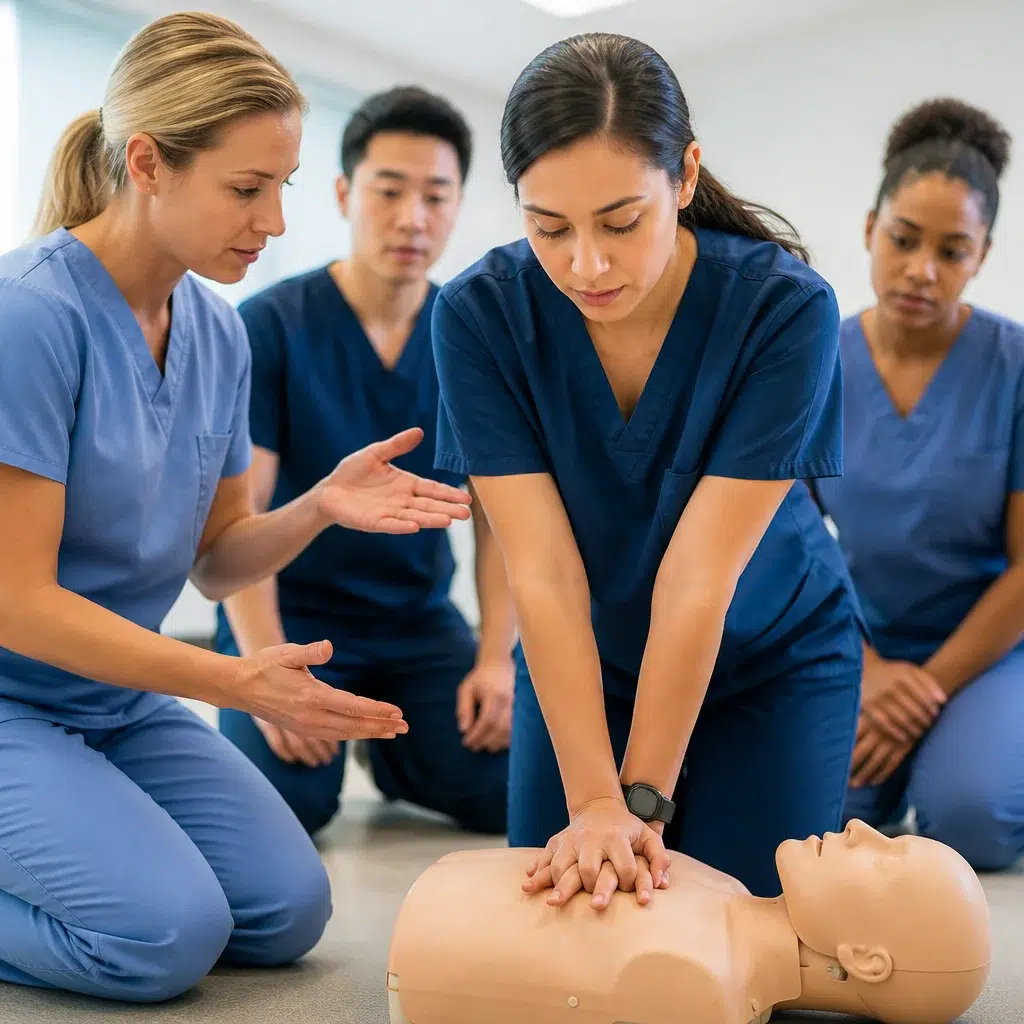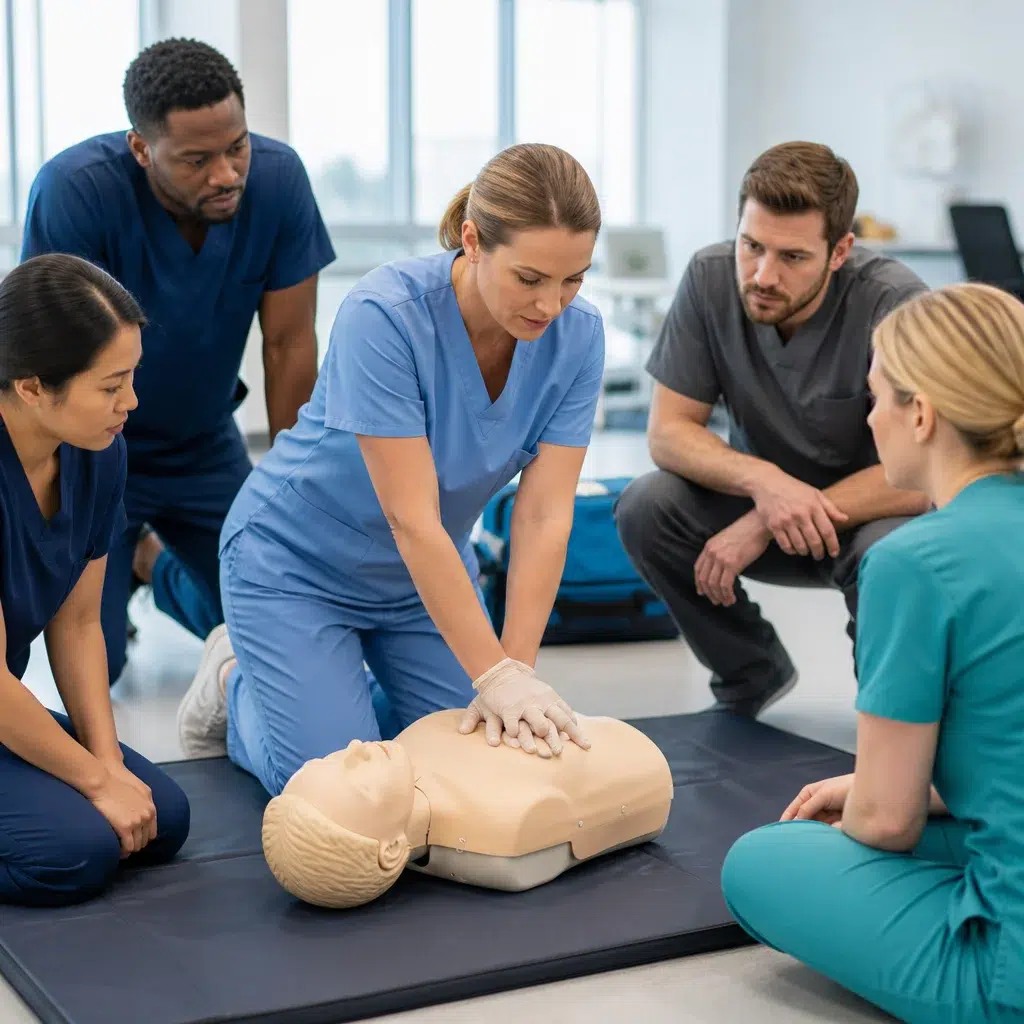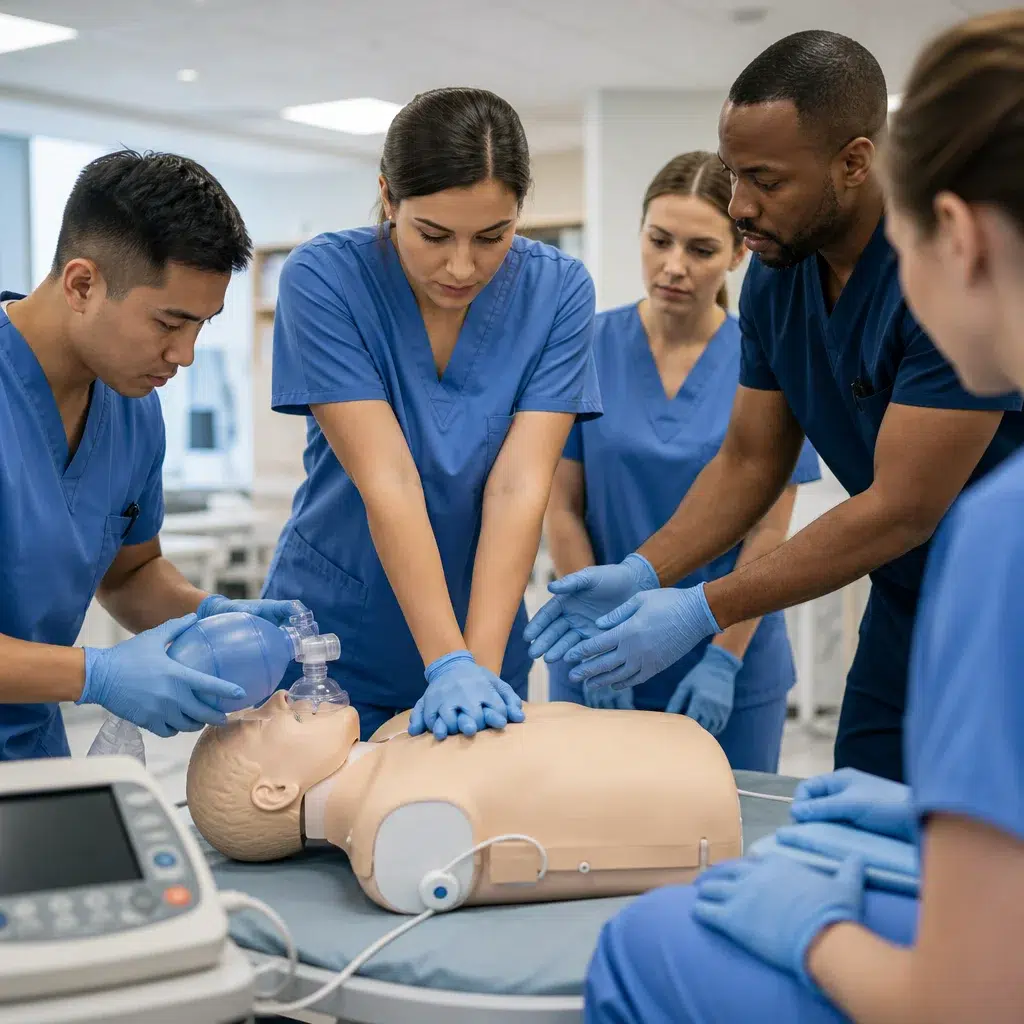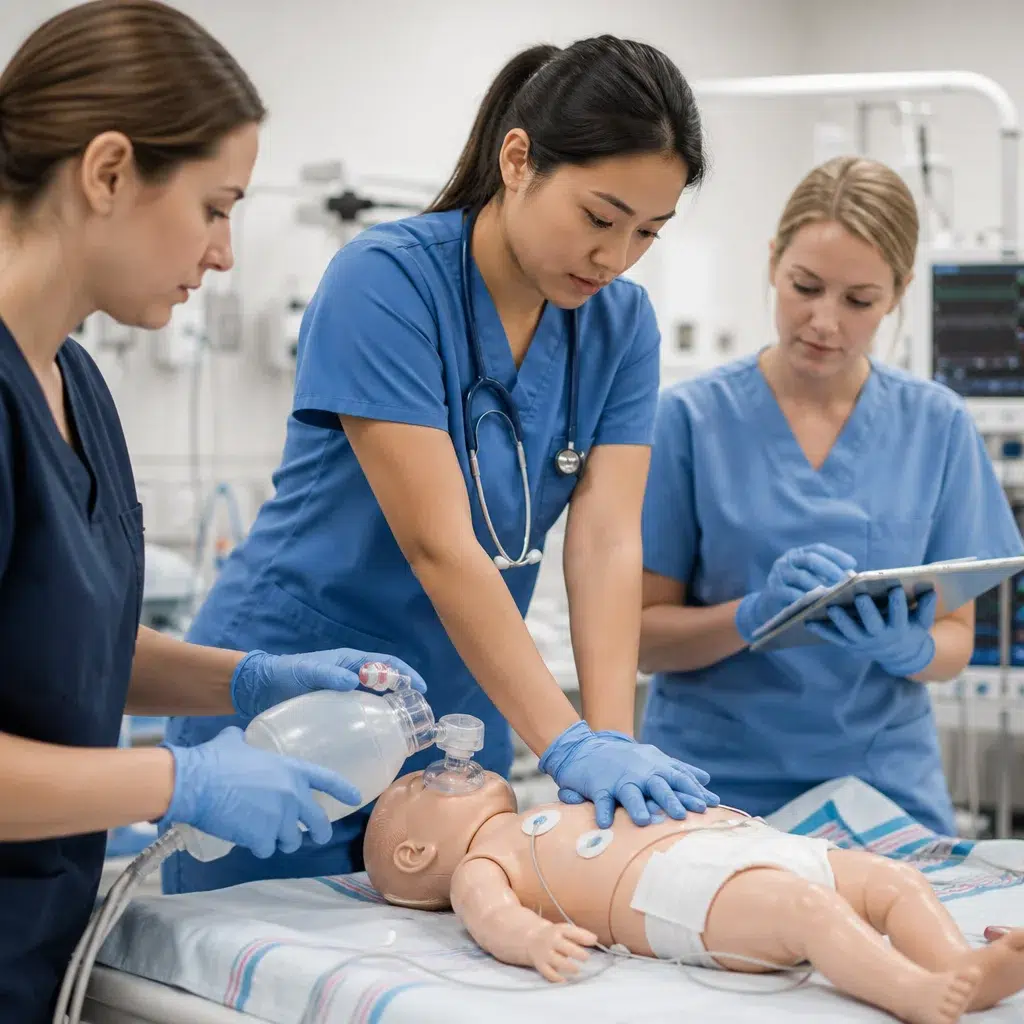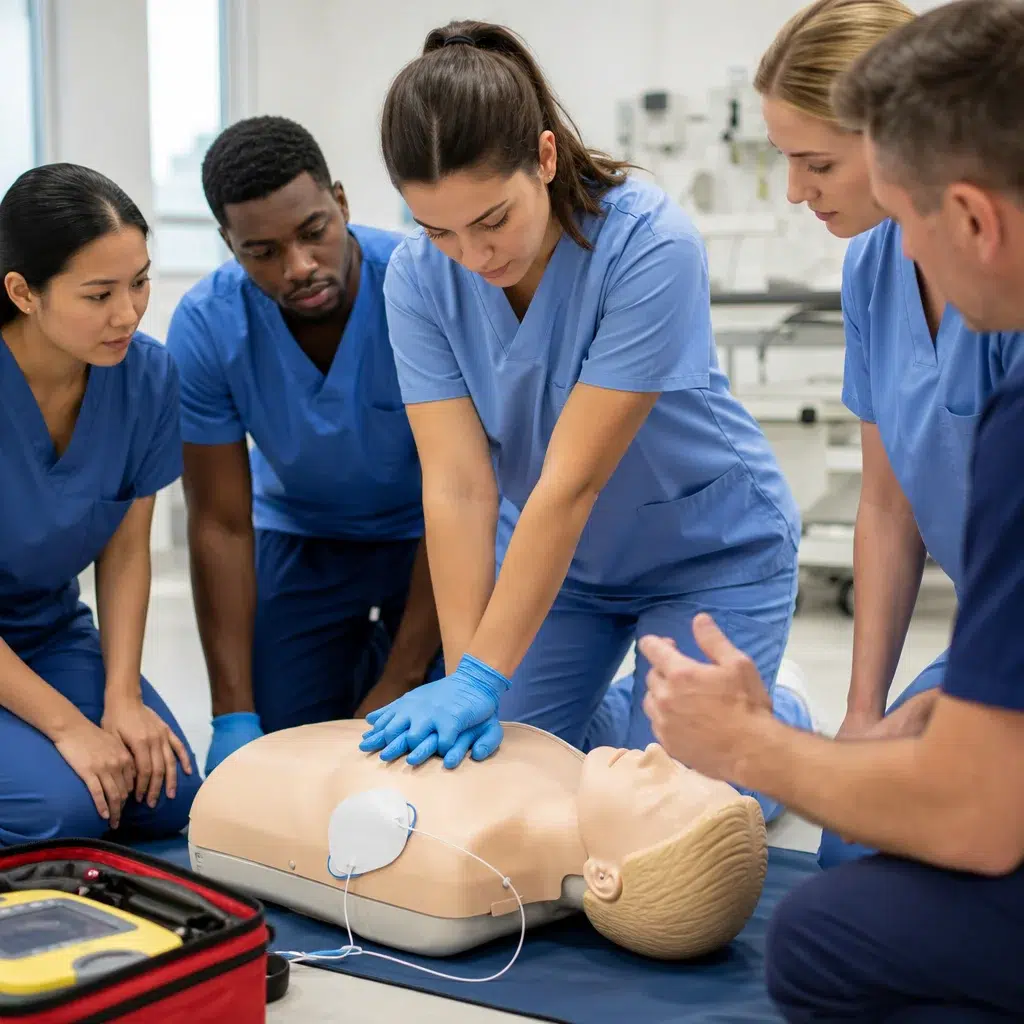

For decades, life-saving training followed a familiar script: block off a day, travel to a classroom, sit through lectures, practice skills under time pressure, and hope the schedule worked for everyone involved. While effective, this traditional model often clashes with the realities of modern healthcare and workplace demands. Shift work, staffing shortages, rural locations, and unpredictable schedules make it harder than ever to attend fixed, instructor-led classes.
That challenge has driven a powerful evolution in how training is delivered. Enter Self-Guided Learning™—a flexible, technology-enabled learning approach that allows learners to complete American Heart Association® courses on their own schedule while still meeting rigorous training standards. This model is not simply about convenience; it represents a fundamental shift toward personalized, competency-focused education designed for today’s learners.
What Is Self-Guided Learning™?
Self-Guided Learning is a course-based learning approach that combines two essential components: self-paced online cognitive learning and a self-guided skills session completed at a CPR Verification Station™ learning center. Learners complete both elements independently, without attending a scheduled classroom event, and upon successful completion receive an American Heart Association Course Completion eCard.
This learning approach is used for courses such as HeartCode® Complete, which supports BLS, ACLS, and PALS training pathways. Unlike informal online education or short skill refreshers, Self-Guided Learning™ follows a defined course structure aligned with American Heart Association guidelines and requirements.
A New Kind of Online Learning: Adaptive, Personalized, Efficient
At the heart of Self-Guided Learning™ is a modern online learning experience powered by True Adaptive™ learning technology. Rather than forcing every learner through the same linear content, this adaptive approach continuously assesses both knowledge and confidence, dynamically adjusting the learning pathway in real time.
What does that mean in practice? Learners spend less time reviewing concepts they already understand and more time focusing on areas where they need reinforcement. This targeted approach creates an experience that is efficient, competency-focused, and respectful of the learner’s time.
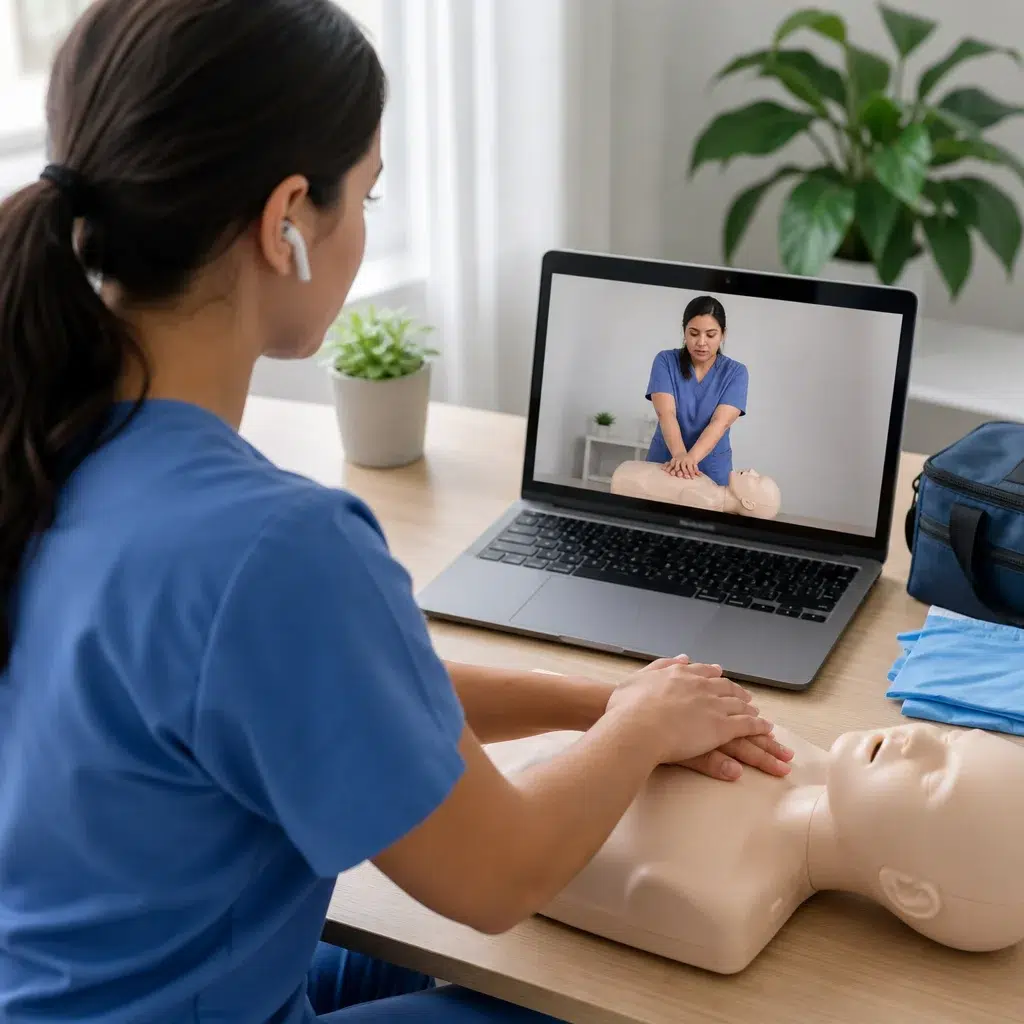
The online learning activity is self-paced and accessible on compatible devices such as desktops, laptops, or tablets. Learners can pause, resume, and progress at their own speed—whether that means completing the content in one focused sitting or spreading it out across multiple sessions. Importantly, this online component is a required part of the course pathway and must be completed before moving on to skills verification.
Skills Verification—Without the Classroom
One of the most innovative aspects of Self-Guided Learning™ is the self-guided skills session. Instead of attending an instructor-led skills check, learners complete hands-on practice and evaluation independently at a CPR Verification Station™ learning center.
During this session, learners perform required psychomotor skills—such as compressions and ventilations—while the station provides real-time, objective, audiovisual feedback. The technology measures performance against American Heart Association–defined criteria, allowing learners to practice and repeat skills as often as needed until they achieve a passing score.
There is no live or virtual instructor coaching during this session. Instead, learners rely on immediate, standardized feedback delivered by the technology itself. This approach removes scheduling barriers while maintaining consistent, objective skills assessment across learners and locations.
Flexibility Without Compromise
One of the most common misconceptions about flexible learning models is that convenience comes at the cost of quality. Self-Guided Learning™ challenges that assumption head-on.
By combining adaptive online learning with objective skills verification, this model preserves the integrity of American Heart Association training standards while offering unprecedented flexibility. Learners choose when and where to complete each component, but they must still demonstrate competency to successfully complete the course.
For organizations, this means fewer cancelled classes, reduced instructor scheduling constraints, and more consistent training outcomes. For learners, it means control over their learning experience without sacrificing credibility or rigor.
Who Benefits Most from Self-Guided Learning™?
While Self-Guided Learning can benefit a wide range of participants, it is particularly well suited for:
- Healthcare professionals and allied healthcare providers managing rotating shifts or unpredictable schedules
- Healthcare students who prefer self-paced, independent learning
- Remote and rural staff who may not have easy access to classroom-based courses
- Prehospital service providers facing staffing and scheduling challenges
- Initial or renewal learners who require an American Heart Association Course Completion eCard
In each case, the model removes logistical barriers while maintaining standardized training expectations.
Understanding the Learner Journey
The Self-Guided Learning™ experience follows a clear, learner-centered pathway:
- Locate a CPR Verification Station™ learning center using CPRfinder.com
- Enroll in a Self-Guided Learning™ course for BLS, ACLS, or PALS
- Complete the online learning activity at your own pace on a compatible device
- Schedule and complete the self-guided skills session at a CPR Verification Station™ learning center
- Receive your American Heart Association Course Completion eCard upon successful completion
This journey emphasizes autonomy, clarity, and accountability—key elements for adult learners balancing multiple responsibilities.
Course Completion vs. “Certification”: Why Language Matters
An important distinction in American Heart Association training is the difference between course completion and professional certification. Upon successfully completing a Self-Guided Learning™ course, learners receive an American Heart Association Course Completion eCard. This eCard verifies that the learner has completed the required training and skills evaluation in accordance with AHA standards.
While “certification” is often used casually, accurate terminology matters in official communications and marketing. Self-Guided Learning™ courses result in course completion—not licensure or credentialing—and using the correct language ensures clarity, consistency, and compliance.
How Self-Guided Learning™ Fits Into the Bigger Picture
The American Heart Association offers multiple learning approaches, each designed for different needs. Instructor-led classroom courses, blended learning, virtual training, and low-dose, high-frequency programs like Resuscitation Quality Improvement® (RQI®) all serve important roles.
Self-Guided Learning fills a critical gap between traditional courses and ongoing quality improvement programs. It delivers a structured, course-based pathway with maximum flexibility—ideal for learners who want independence without abandoning formal training requirements.
The Future of Life-Saving Education
As healthcare systems and workplaces continue to evolve, training models must evolve with them. Self-Guided Learning™ represents a forward-thinking approach that aligns education with real-world demands. By leveraging adaptive technology, objective skills verification, and learner-driven scheduling, it empowers individuals to take ownership of their training while upholding trusted American Heart Association standards.
The result is not just a more convenient course, but a more sustainable, scalable, and learner-centered way to build and verify life-saving skills—anytime, anywhere.