
Introduction to California AED Compliance Requirements
Automated external defibrillators are only as reliable as the systems that support them. In California healthcare settings, compliance is not just about owning an AED; it’s about documented readiness. California AED maintenance logs, training records, and response plans form the backbone of AED compliance tracking and demonstrate adherence to California AED regulations during accreditation surveys and internal audits.
Under the California Health and Safety Code, entities that acquire an AED must maintain and test the device according to the manufacturer’s instructions, develop an internal emergency response plan, ensure anticipated responders are trained in CPR/AED use, and perform regular readiness checks and post‑event inspections. Many healthcare facilities operationalize this through a written program and scheduled monthly reviews, plus after‑use testing and data downloads. These medical recordkeeping requirements are both a patient safety imperative and a prerequisite for liability protections.
Effective AED inspection checklists and logs typically capture:
- Device ID/serial number and location (unit and cabinet)
- Visual readiness indicator status and self‑test results
- Battery and electrode pad expiration dates and replacements
- Cabinet alarm, light, and temperature control (if applicable)
- Accessory availability (spare pads, pediatric pads/attenuator, razor, scissors, towel, barrier mask)
- Post‑use actions (electrode replacement, cleaning, data download, EMS handoff details)
- Reviewer’s name, date/time, issues found, and corrective actions
For healthcare facility compliance, many teams integrate AED oversight into a CMMS or digital checklist app with automated reminders, assign ownership per shift, and spot‑check during environment‑of‑care rounds. Practical examples include QR-coded tags on cabinets that link to the most recent log, or calendar alerts tied to pad and battery expirations. Common pitfalls include expired electrodes, disabled cabinet alarms, unregistered location changes, and undocumented post‑event checks—all easily avoided with a concise, standardized log.
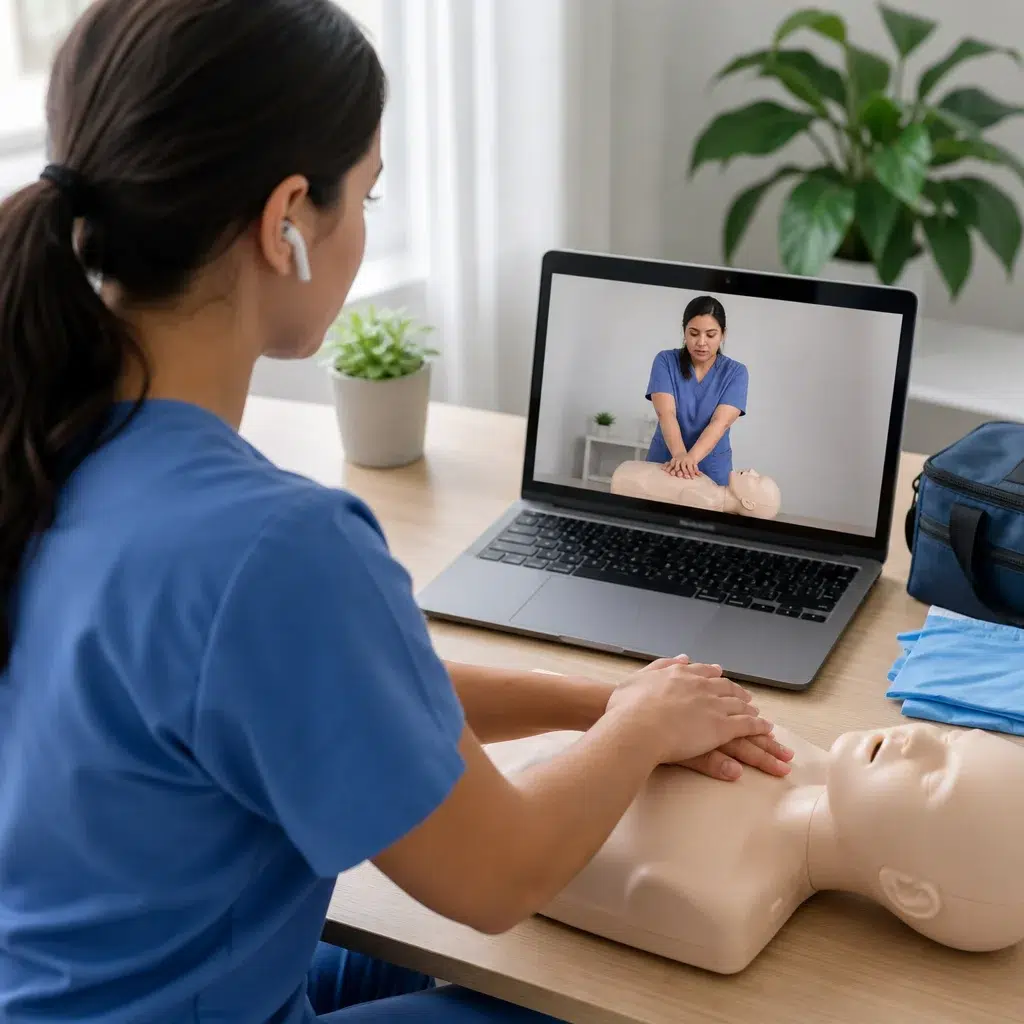
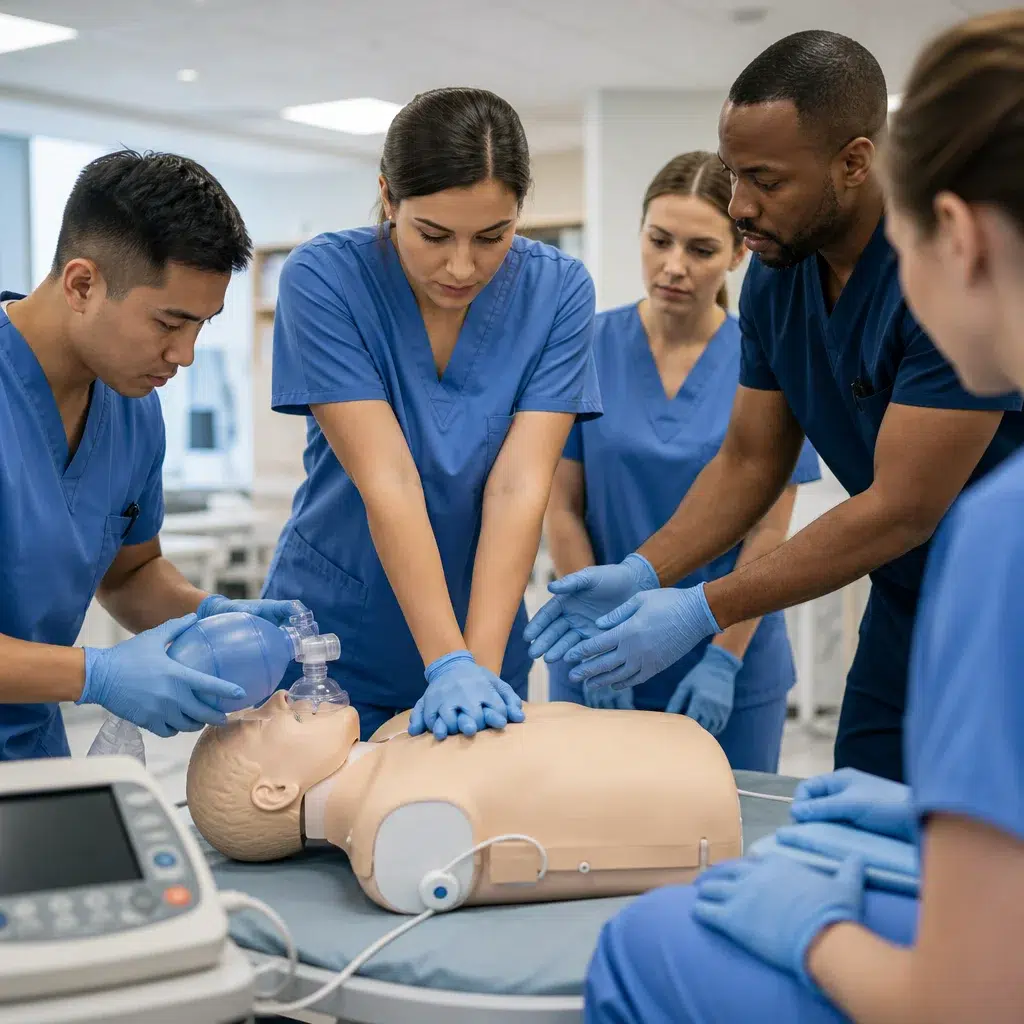
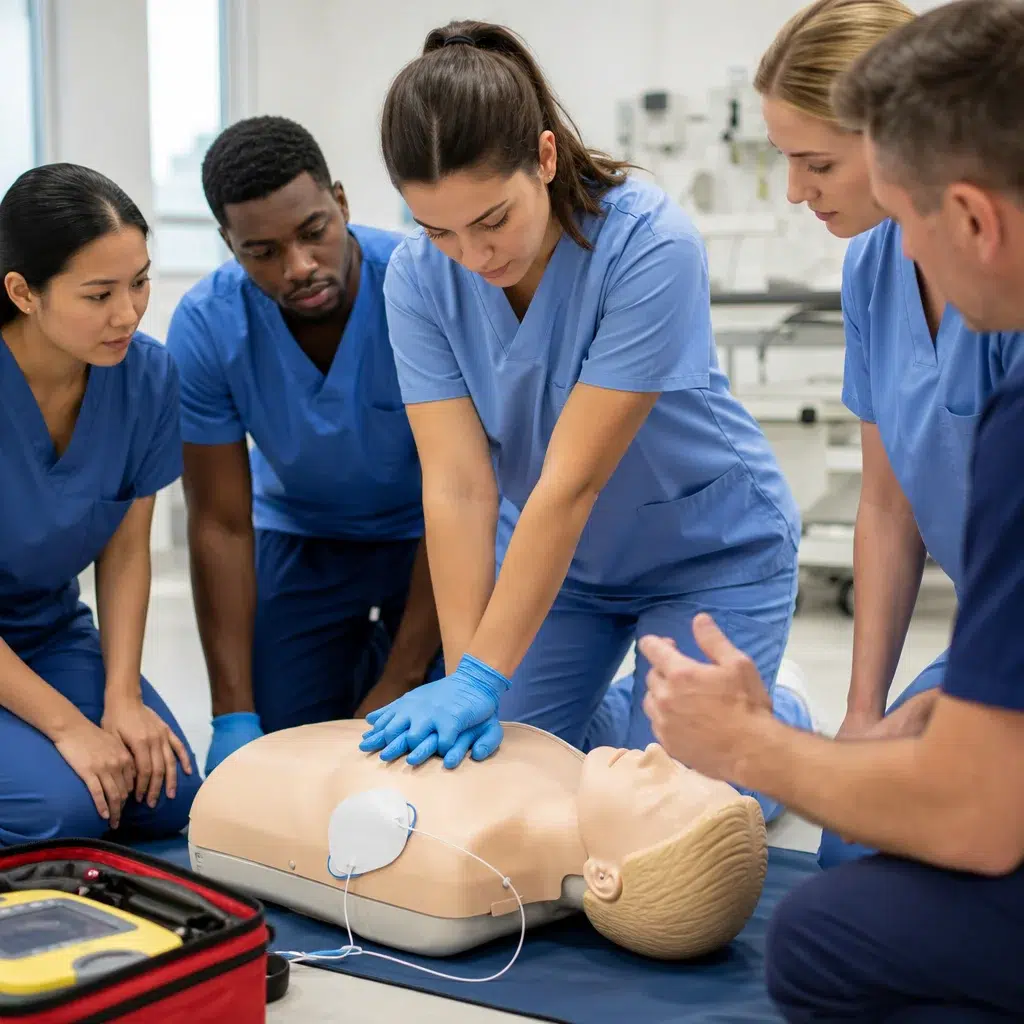
Staff competency is also a cornerstone of compliance. Ensure clinicians maintain current AHA credentials such as certified Basic Life Support training and document course completion dates within your AED program file. Safety Training Seminars supports California hospitals, clinics, and dental practices with blended learning and statewide skills sessions, plus group training options that streamline documentation. Their team can help align training intervals and checklist templates with manufacturer guidance and your organization’s policy to keep your AED program inspection‑ready.
Understanding California Health and Safety Code for AEDs
California’s Health and Safety Code expects AED owners to maintain a ready-to-use device, keep written policies, and document routine checks. For hospitals, clinics, dental practices, and EMS agencies, these duties dovetail with internal medical recordkeeping requirements and accreditation standards. Clear, consistent documentation is the foundation of California AED maintenance logs and demonstrates healthcare facility compliance during audits or incident reviews.
Well-structured logs should capture details needed for AED compliance tracking and rapid readiness verification. At minimum, document the device’s location and serial number, the make/model, and responsible department or coordinator. Include battery and electrode pad expiration dates, the status of the readiness indicator, and any automated self-test results. Note environmental conditions (e.g., wall cabinet heat/alarms), staff training dates, and corrective actions taken when an issue is found.
Use AED inspection checklists to standardize what gets reviewed and recorded. Consider tracking:
- Visual condition of the unit, cabinet, and signage
- Inventory of required accessories (adult/pediatric pads, spare battery if applicable, razor, scissors, barrier mask, gloves)
- Firmware/software updates applied
- Post-event steps (data download, cleaning, restocking, device functional test)
- Date, time, and initials of the inspector, plus escalation if out-of-service
Frequency should follow manufacturer instructions and your facility’s policy, which often calls for documented monthly visual checks and a log entry after every use. Many AEDs run daily or weekly self-tests—capture those results in your system or verify the status light during rounds. Retain maintenance logs according to your retention policy and any California AED regulations that apply to your setting; if an AED is used on a patient, include event documentation and device data with the patient’s record as appropriate. Regular internal audits help verify logs are complete, dates aren’t past due, and replacement supplies are ordered ahead of expiration.
Implementation works best with a named AED program coordinator, a clear policy, and digital tools that simplify reminders and reporting. Centralize locations, serials, and expiration dates, and schedule recurring checklist tasks so lapses are less likely. Safety Training Seminars can support this effort with AHA-compliant CPR, BLS, ACLS, and PALS training, standardized inspection templates, and guidance on California AED maintenance logs. With over 100 California locations and blended learning options, your team can stay current while strengthening compliance across all sites.
The Essential Components of an AED Maintenance Log
A well-designed AED maintenance log is your proof of continuous readiness and a key part of healthcare facility compliance in California. For California AED maintenance logs, capture enough detail to demonstrate that inspections, testing, and corrective actions occur on schedule and align with manufacturer instructions and California AED regulations.
Include these essential components in every log entry:
- Device identification: make/model, serial number, asset tag, and exact location (e.g., “ICU Pod B wall cabinet”).
- Oversight: department owner, AED coordinator or responsible person, and contact information.
- Inspection details: date/time, inspector’s name/signature, and inspection frequency (e.g., weekly visual, monthly documented, post-event).
- Readiness checks: status indicator/light, self-test results, audible alarm functionality, and any error codes.
- Consumables: adult and pediatric pad presence and expiration dates, spare pad set on hand, battery install/replace dates and expected life or capacity.
- Accessories: rescue kit contents (scissors, razor, gloves, mask), cabinet alarm/strobe operation, signage visibility, and wall bracket stability.
- Environment: path of access unobstructed, temperature/humidity within device limits, and visibility from common approach.
- Corrective actions: parts replaced, firmware/software updates, cleaning/disinfection performed, and service vendor ticket numbers.
- Post-use documentation: incident date/time, EMS transfer noted, data download completed, unit returned to service, and manufacturer/service follow-up.
- References: manufacturer IFU version used, policy/procedure ID, and any physician oversight notes if applicable.
Document clearly and consistently. Use specific, objective language (e.g., “Pads exp 2027-03; pediatric pads exp 2026-08; battery 85% per self-test”). Avoid patient identifiers in the log; if ECG/event files are retained for clinical review, store them separately in accordance with your facility’s medical recordkeeping requirements and privacy policies.
For AED compliance tracking, pair routine visual checks with documented periodic inspections and post-event servicing. Many facilities adopt monthly documented inspections to demonstrate continuous readiness, in addition to following the manufacturer’s testing schedule. Standardized AED inspection checklists help maintain uniform quality across units and locations and make internal or external audits faster.
Centralizing logs—whether in a secure digital platform or a controlled paper binder per unit—simplifies audits, trend analysis, and reminders for expiring pads or batteries. Schedule recurring reviews to verify that every AED has current supplies, up-to-date software, and a clear chain of responsibility.

Safety Training Seminars supports California healthcare teams with AHA-compliant CPR/BLS/ACLS training and practical AED skills that complement your maintenance program. Their statewide footprint and group training options make it easier to train designated responders and align staff practices with California AED regulations and your facility’s documentation standards.
Recordkeeping Best Practices for Healthcare Professional Compliance
Robust California AED maintenance logs are the backbone of readiness and a key element of healthcare facility compliance. Centralize documentation under an AED program coordinator and use a consistent format across all sites and units. Align your process with manufacturer guidance and California AED regulations, and ensure logs are accessible for audits and emergency review.
Standardize AED inspection checklists so every device is evaluated the same way. Each entry should capture more than “green light OK” and document the full readiness picture. A practical log entry might read: “03/15/2026 – AED #2 – Status OK, battery indicator green, pads exp 08/2027, spare pads present, cabinet alarm and signage verified, corrective actions: none – Initials JD.”
At a minimum, include:
- Device ID and location, serial number, and model
- Date/time of inspection and inspector’s name/initials
- Status indicator results, battery level/expiration, and electrode pad expiration
- Accessory inventory (spare pads, pediatric key/pads, rescue kit), cabinet alarm and signage check
- Corrective actions taken, out-of-service dates, and return-to-service confirmation
- Software/firmware updates and vendor service visits
Set a consistent cadence for AED compliance tracking that follows manufacturer intervals and internal policy, with added checks after any device use. Automate reminders for monthly inspections and for battery/pad expiration windows (e.g., 90/60/30-day alerts). Use QR codes on cabinets that link directly to the device’s digital log to streamline on-the-spot entries.
Document post-event actions thoroughly. Capture incident date/time, user(s), pads used, shocks delivered (if known), EMS transfer details, and device data download. Replace consumables immediately, run a self-test, update the log, and conduct a brief quality review to identify training or process gaps.
Integrate staff training records with equipment readiness to satisfy medical recordkeeping requirements. Maintain a roster of BLS/ACLS/PALS expirations, AHA eCard IDs, and skills session dates for all clinical team members assigned to AED response. Cross-reference units with their trained responders to ensure coverage on every shift.
Schedule internal audits at least quarterly to verify completeness, spot trends (e.g., repeat low batteries), and reconcile physical devices to the inventory list. Retain AED logs according to your risk management policy; many facilities mirror clinical record retention and keep equipment documentation for up to seven years to support investigations and accreditation surveys.
Digital systems improve reliability and traceability. Use secure, role-based platforms to capture logs, attach photos, and export audit trails. Safety Training Seminars can help teams statewide by providing AHA-compliant CPR/AED training, refresher schedules, and practical checklist templates, and by advising on workflow that aligns with California AED regulations.
Integrating AED Maintenance into Facility Safety Protocols
Fold AED upkeep into the same routines you use for Environment of Care rounds and life-safety checks. Under California Health & Safety Code §1797.196, facilities that place AEDs must maintain and test them per the manufacturer’s guidelines, verify readiness at least every 30 days, and keep documentation. Building your California AED maintenance logs into existing workflows streamlines AED compliance tracking and supports healthcare facility compliance during surveys.
Start with a clear map of device locations, serial numbers, and assigned “AED custodians” for each floor or clinic. Add monthly checks to your rounding schedule and configure reminders in your CMMS or compliance platform so expirations for pads and batteries trigger work orders. For multi-site systems, standardize forms and escalation paths so corrective actions are handled the same way across all campuses.
Use AED inspection checklists that align with California AED regulations and the device IFU. At a minimum, verify:
- Status indicator shows “OK” and the unit passed self-test; cabinet alarm functions.
- Electrodes (adult and pediatric if carried) and batteries are present and not expired; spares on hand.
- Readiness kit stocked (razor, scissors, gloves, mask) and device is clean and unobstructed with proper signage.
- Accessibility within required response time; location changes or construction hazards noted.
- Date, time, custodian initials, serial number, and any corrective actions recorded in the log.
After any use, follow a defined post-event workflow: replace electrodes and batteries as needed, disinfect the unit, and download event data per policy. Document actions taken in the maintenance log and complete an incident report; if care was rendered to a known patient, coordinate with the clinical team on applicable medical recordkeeping requirements and HIPAA safeguards for ECG/event files. Retain maintenance and testing records according to facility policy and accreditor expectations so they’re available for audits.
Link maintenance to training. Keep an up-to-date roster of staff with current BLS (and ACLS/PALS where applicable), incorporate AED scenarios into drills, and add AED orientation to new-hire onboarding. Safety Training Seminars can help close gaps with AHA-compliant BLS, ACLS, and PALS courses across more than 100 California locations and via blended learning, and can provide practical AED inspection checklists for teams. For group departments or multi-site practices, their corporate training options and low price guarantee make sustaining compliance predictable and budget-friendly.
Digital vs. Physical Tracking: Managing Compliance Records Effectively
Choosing the right system to manage AED data is a core part of healthcare facility compliance in California. Whether you serve a small dental office or a multi-site hospital, your approach should make California AED maintenance logs easy to complete, hard to lose, and audit-ready. While California AED regulations focus on maintaining devices per manufacturer instructions and documenting inspections and service, the format—digital or paper—depends on your scale and risk profile.

Digital AED compliance tracking offers automation and accountability. Cloud tools and CMMS platforms can send reminders for pad and battery expiration, prompt monthly visual checks, store photos of indicator lights, and generate timestamped reports for surveyors. If an AED is used on a patient, event downloads and post-incident notes may be subject to medical recordkeeping requirements; keep those in a secure system with role-based access, and coordinate with Health Information Management to align with HIPAA and your organization’s retention policy.
Physical records still have a place, especially at the point of use. A binder in each cabinet makes it simple for staff to initial an AED inspection checklist during rounds and for inspectors to verify onsite. The trade-offs are real: paper can be misplaced, illegible, or lack automated reminders. If you choose paper-first, implement a supervisor review cadence and a monthly roll-up to a central file.
Many California providers adopt a hybrid model: on-cabinet paper for daily or monthly checks plus a digital “source of truth” for scheduling, escalation, and audits. At minimum, make sure your system captures:
- Device details: location, model, serial number, firmware version
- Inspection results: status indicator, pads/battery condition, accessory count
- Expiration dates and automated reminders
- Service events: battery/pad replacements, software updates, repairs
- Training records for expected responders and post-use documentation
For retention, keep routine inspection logs accessible for survey cycles and risk reviews per your policy and accreditor expectations. Post-use records and data tied to a patient encounter should follow your facility’s medical record retention rules. Build in fail-safe steps—automatic alerts for missed checks, escalation pathways, and a process to remove an AED from service until deficiencies are corrected.
Safety Training Seminars can help standardize your AED inspection checklists and train teams on how to perform and document checks correctly. Through blended CPR/AED, BLS, ACLS, and PALS courses offered across 100+ California locations, they teach practical device upkeep and documentation workflows that streamline compliance and reduce survey surprises.
Common Compliance Pitfalls and How to Avoid Them
Small, preventable errors are the most common reasons facilities fall short on healthcare facility compliance. The good news: most gaps are process issues, not technical ones. By tightening documentation and standardizing workflows, you can keep California AED maintenance logs accurate and audit-ready while protecting patients and staff.
- Skipping monthly readiness checks. Set a recurring 30-day schedule tied to each device location, and document the status light, cabinet alarm, pads, and battery in the log. Include initials, date/time, and any corrective action so AED compliance tracking is verifiable.
- Incomplete or inconsistent entries. Use standardized AED inspection checklists that capture serial number, exact location, accessory inventory (adult/child pads, spare pads, razor, gloves, barrier device), and signage status. Consistent fields make it easy to pass internal audits and demonstrate alignment with California AED regulations and manufacturer guidance.
- Missed consumable expirations and software updates. Maintain a master list of pad and battery expiration dates and set reminders 60–90 days in advance. Add a quarterly review for manufacturer bulletins, recalls, or firmware updates, and note actions taken in your maintenance log.
- Neglecting training and competency documentation. California healthcare professionals must maintain current AHA certifications; keep copies of BLS, ACLS, or PALS cards, course dates, and renewal timelines with your program file. Linking staff rosters to AED response roles meets medical recordkeeping requirements and supports survey readiness.
- Poor post-event documentation. After an AED use, document the incident, download/secure the ECG if available, replace pads and any depleted battery, disinfect the unit, and return it to service with a dated log entry. Follow facility policy on internal reporting and any external notifications, and capture all steps in your California AED maintenance logs.
- Fragmented oversight across multiple sites. Assign a program administrator, use a single template across locations, and conduct quarterly cross-site audits. Track deficiencies to closure and keep evidence of corrections for Joint Commission or CDPH surveyors.
Practical example: a clinic that added a 60-day pre-expiration alert prevented three sets of pads from lapsing, and the log showed proactive replacements—an easy compliance win. Another facility reduced missed checks by placing QR codes on cabinets that link directly to the digital inspection form.
If you need help standardizing processes, Safety Training Seminars provides AHA-compliant BLS, ACLS, and PALS training statewide and can supply templates for AED inspection checklists and maintenance logs. Their blended learning and group training options make it easier to align staff competencies with AED compliance tracking across all California locations.
Conclusion: Staying Prepared for Inspections and Audits
Staying audit-ready in California comes down to disciplined documentation, clear ownership, and traceability. California AED regulations require you to maintain and test devices per manufacturer guidelines, perform periodic readiness checks and post-use inspections, and document those actions in California AED maintenance logs. Build your process so an inspector can verify, at a glance, that each AED has been checked, is fully supplied, and is supported by trained staff.
Create an audit-ready AED packet for every device and location. Keep it accessible at the unit and mirrored digitally for redundancy. Include:
- Policy and procedure: cite the manufacturer’s instructions for use and your facility’s response protocol; reference applicable California Health & Safety Code sections and internal medical recordkeeping requirements.
- Device inventory: make, model, serial number, exact location, and assigned “AED coordinator.”
- California AED maintenance logs: date/time of each check, initials, pad and battery expiration dates, status indicators (OK/error codes), and any corrective action taken.
- AED inspection checklists: verification of pads and spares, battery status, cabinet alarm, signage, and readiness seal; attach photos when changes occur.
- Service and software records: battery/pad replacements, firmware updates, vendor service reports, and recall notices.
- Post-event documentation: usage report, ECG/download if available, debrief notes, EMS handoff details, and restocking/return-to-service sign-off.
- Staff training roster: AHA BLS for all responders; ACLS/PALS as applicable for clinical areas; certificate numbers and expiration dates.
- Evidence of placement and drills: maps, signage verification, and periodic response drill results.
Standardize how you record common items. For example, a monthly entry might read: “02/28/2026 09:15 – Visual/self-test OK; pads exp 10/2027; spare pads present; battery indicator full; cabinet alarm tested; corrective action: none – J. Nguyen, RN.” Adopt a conservative retention policy for AED compliance tracking—align with your facility’s medical recordkeeping requirements or keep logs for at least several years to satisfy healthcare facility compliance and accreditor expectations.
Sustain readiness with simple habits. Assign a primary and backup AED coordinator per unit, schedule recurring reminders, and use a shared dashboard or CMMS to flag upcoming pad/battery expirations. Conduct quarterly spot-audits, and after any device use, complete a full post-event check, restock immediately, and document the return-to-service.
Finally, keep people as current as your equipment. Safety Training Seminars offers AHA BLS, ACLS, and PALS courses across California with blended learning and over 100 locations, making it easy for nurses, dentists, and EMS personnel to maintain credentials ahead of inspections. Their group training options help standardize skills and documentation practices across teams, strengthening your AED program and audit readiness without disrupting patient care.
Register for a class today.